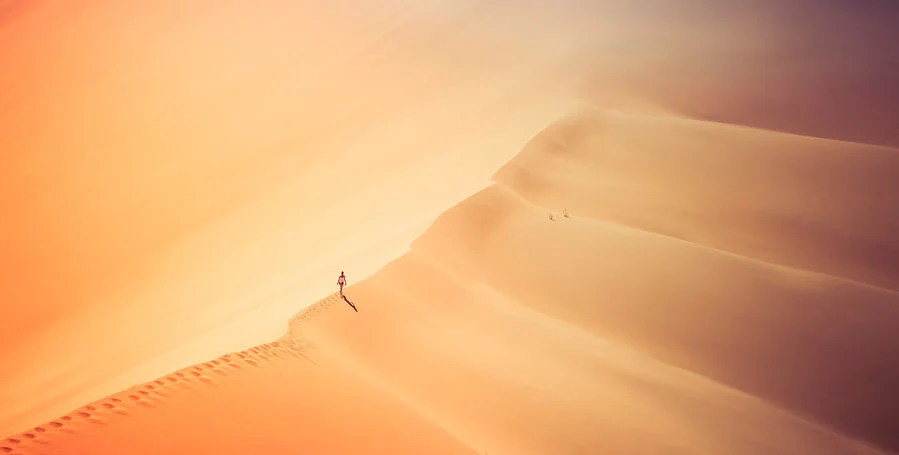
A recent digital curation by a prominent online platform has prompted a re-examination of a striking photographic work titled "The Big Dune," a piece that has resonated with its creator and is now being shared as a point of contemplation. The image, discovered through a serendipitous reminder on a personal digital archive, has evidently struck a chord with the photographer, leading to its public dissemination. While the precise catalyst for its reappearance remains introspective, the photographer has expressed a hope that the visual stimulus will offer a moment of respite and enjoyment to viewers, particularly during the current winter season in their geographical location.
Unveiling "The Big Dune": A Visual Journey
The photograph, accessible via a dedicated portfolio link, depicts a monumental sand dune, its sculpted contours rendered with a clarity that suggests a deliberate artistic vision. The accompanying metadata, though not fully detailed in the initial release, indicates a title of "Bel on a Walk" for the specific rendition shared, suggesting a narrative or thematic layer beyond the purely landscape. The visual composition, with its implied scale and atmospheric rendering, invites viewers to consider themes of nature’s grandeur, personal reflection, and the passage of time. The original source, hosted on a SmugMug portfolio, positions the image within a broader collection of the artist’s work, hinting at a consistent aesthetic or thematic exploration.
The Power of Digital Archiving and Rediscovery
The phenomenon of digital archiving and its role in rediscovering past creative output is a significant aspect of contemporary digital culture. Platforms like SmugMug, designed for photographers to showcase and manage their portfolios, serve as vast repositories of visual history. Google’s automated reminders, a feature designed to surface past memories and interactions, can act as unintentional curators, bringing forgotten or overlooked pieces back into the present consciousness. This particular instance highlights how a seemingly simple algorithmic prompt can trigger a deeper engagement with one’s own creative past, prompting reflection and re-evaluation.
The act of revisiting past work can be a powerful exercise for any artist. It allows for an assessment of growth, a reconsideration of artistic intent, and an appreciation for the evolution of one’s style. In this case, the photographer’s decision to share "The Big Dune" suggests that the image holds a contemporary relevance for them, transcending its original creation date. The mention of it being "middle of winter" for the photographer provides a potential contextual clue, hinting at a desire to evoke warmth, vastness, or a sense of escape that such a landscape might represent during colder months.
Understanding the Context: Landscape Photography and Its Impact
Landscape photography, as a genre, often aims to capture the sublime, the awe-inspiring beauty and power of the natural world. Dunes, in particular, are dynamic geological formations, constantly shaped by wind and time. They can symbolize vastness, solitude, resilience, and the ephemeral nature of existence. The visual impact of a "Big Dune" is often amplified by its sheer scale, its textures, and the interplay of light and shadow across its surfaces. Photographers often employ specific techniques to emphasize these elements, such as wide-angle lenses to convey expansiveness, or careful attention to the golden hours of sunrise and sunset to sculpt the landscape with dramatic light.
The fact that this image is part of a larger portfolio suggests a commitment to exploring specific environments or themes. Without further information on the photographer’s broader body of work, it is difficult to definitively categorize the specific location or intent behind "The Big Dune." However, the very act of calling it "The Big Dune" implies a recognition of its significant scale and presence, making it a focal point within its natural setting.
Potential Data and Analysis: The Role of Scale and Perspective
While specific data points regarding the dune’s dimensions, geological composition, or exact location are not provided in the initial announcement, we can infer certain aspects based on the visual medium. The photograph’s dimensions, indicated as 900×455 pixels with a resize to 900×455, suggest a standard digital image format. The "resize" operation implies it may have been optimized for web display or a particular platform. The presence of "decoding async" and "ssl=1" are technical attributes related to web content delivery and security, indicating the image is served through a secure connection and loaded asynchronously for better website performance.
The description "Bel on a Walk" could suggest a human element was present or implied in the original composition, adding a sense of scale and narrative. Even if the figure is absent in the shared version, the title might allude to the experience of traversing such a landscape. The absence of detailed EXIF (Exchangeable Image File Format) data in the provided snippet is notable. EXIF data typically includes information such as camera model, aperture, shutter speed, ISO, focal length, and even GPS coordinates if enabled. The omission of this data in the initial sharing might be intentional, focusing the viewer’s attention on the aesthetic and emotional impact of the image rather than its technical genesis.
Broader Implications: Art, Memory, and Digital Engagement
The sharing of "The Big Dune" serves as a microcosm of how digital platforms are transforming our relationship with art and personal history. It highlights:
- The Longevity of Digital Assets: Images, once uploaded, can persist indefinitely in digital archives, waiting to be rediscovered.
- The Algorithmic Influence on Curation: Automated systems, while not possessing artistic intent, can inadvertently become powerful agents in surfacing creative content.
- The Personal Narrative in Art: The photographer’s personal connection to the image, their introspection about its relevance, underscores the subjective experience that drives artistic creation and appreciation.
- The Democratization of Access: Platforms like SmugMug and the broader internet allow for wider dissemination of artistic works, connecting creators with audiences beyond traditional gallery spaces.
- The Psychology of Nostalgia and Escape: The photographer’s reference to winter suggests a potential yearning for warmth, openness, or a different climate, demonstrating how art can provide psychological solace.
The implication of this seemingly simple act of sharing is that art, even in its digital form, retains a potent capacity to evoke emotion, stimulate thought, and foster connection. The "Big Dune" might be a physical entity in a specific landscape, but its digital representation has the potential to transcend its origin, offering a moment of reflection or inspiration to anyone who encounters it. The continued exploration of such works, driven by both personal reflection and digital serendipity, enriches the cultural landscape and reminds us of the enduring power of visual storytelling.
The act of rediscovery also prompts questions about the intention behind the original creation and the photographer’s current perspective. Was "The Big Dune" a planned series, a spontaneous capture, or part of a larger project? The title "Bel on a Walk" adds another layer of intrigue. Who or what is "Bel"? Is it a person, a pet, or perhaps a metaphorical representation of the photographer’s own journey through the landscape? Without further context, these remain open to interpretation, further inviting the viewer into a dialogue with the artwork.
In conclusion, the resurfacing of "The Big Dune" through a digital reminder is more than just the sharing of an old photograph. It is a testament to the enduring power of visual art, the evolving ways in which we interact with our digital archives, and the profound personal connections that can be forged with creative works, even across time and distance. The photographer’s hope that the image brings joy is a simple yet powerful articulation of art’s fundamental purpose: to enrich and inspire the human experience.