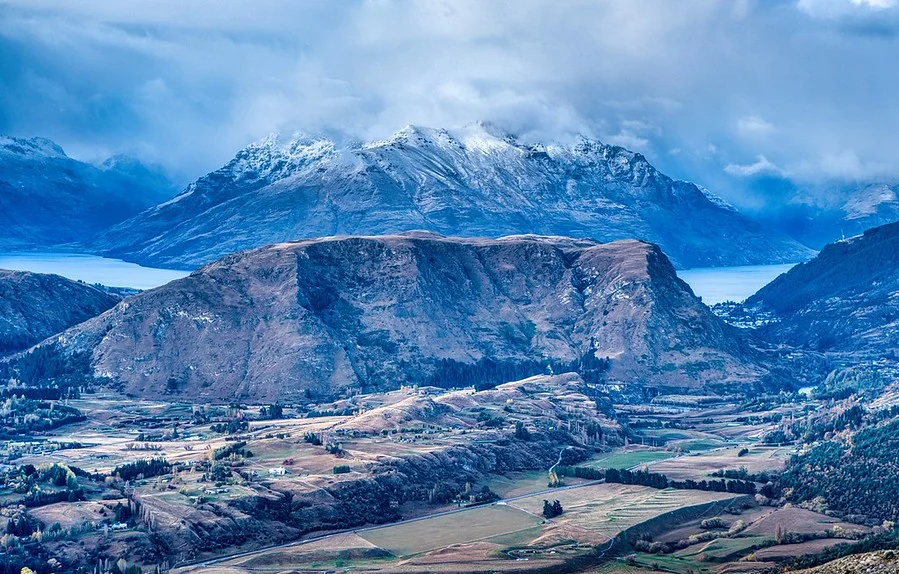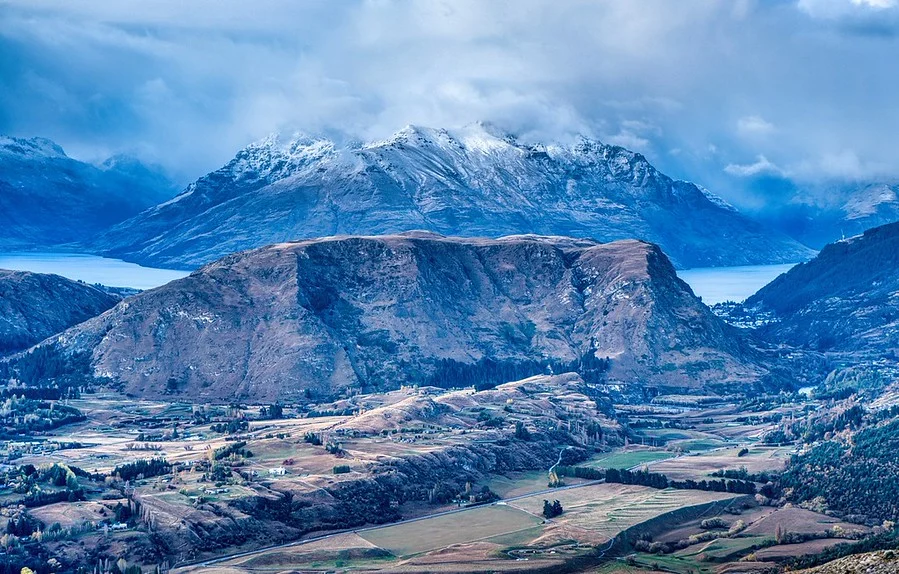
The unfolding panorama of mountain ranges, depicted in a recent photographic capture, offers a compelling visual narrative of geological grandeur and the subtle yet inexorable march of seasonal change. This image, presented as a "Daily Photo" with the title "Mountain Layers," showcases a vista familiar to those who traverse or reside amidst significant elevation. The accompanying description hints at a shift in seasons, with the approaching spring signaling the eventual disappearance of snow from these imposing natural formations. This seemingly simple observation opens a gateway to a deeper exploration of the scientific, ecological, and even cultural significance of mountainous landscapes and their cyclical transformations.
The Geological Tapestry of Mountain Ranges
Mountain ranges are not merely static backdrops; they are dynamic entities sculpted over eons by immense geological forces. The formation of mountains, a process known as orogeny, involves complex interactions of tectonic plates. When these colossal plates collide, they buckle, fold, and uplift the Earth’s crust, creating the towering peaks and rugged terrains we recognize. The visual "layers" often observed in mountainous regions are a direct testament to this geological history, representing different rock strata laid down over vast stretches of time and subsequently deformed by tectonic pressures. These layers can range from ancient sedimentary rocks, formed from the accumulation of sediment in prehistoric seas, to volcanic igneous rocks, evidence of past fiery eruptions. The erosion processes that follow, driven by wind, water, and ice, further sculpt these uplifted masses, revealing intricate patterns and exposing diverse mineral compositions. Understanding these geological underpinnings is crucial to appreciating the unique ecosystems that mountains support and the resources they harbor. For instance, the mineral content exposed by geological processes influences soil composition, which in turn dictates the types of vegetation that can thrive at different altitudes.
The Seasonal Dance of Snow and Spring
The photographer’s note regarding the impending disappearance of snow points to a critical aspect of mountain environments: their susceptibility to climatic shifts. Snowpack in mountainous regions is more than just a visual element; it is a vital reservoir of freshwater. As temperatures rise and snow melts, this water flows into rivers and streams, sustaining ecosystems and providing essential water resources for human populations downstream. The timing and volume of snowmelt are directly influenced by global and regional climate patterns. A warmer spring can lead to earlier and more rapid melting, potentially causing flash floods and impacting water availability later in the year. Conversely, prolonged cold spells can delay melt, extending the period of snow cover but also potentially leading to water shortages if the overall snowpack is insufficient.
The transition from winter to spring in mountainous regions is a complex ecological event. As the snow recedes, a wave of biological activity is unleashed. Dormant vegetation begins to sprout, and migratory species return to their breeding grounds. The alpine meadows, often hidden beneath snow for much of the year, burst into vibrant bloom, creating a temporary but spectacular display of biodiversity. This seasonal cycle is finely tuned to the specific climatic conditions of each mountain range, and changes in these conditions can have profound consequences for the flora and fauna that depend on them. For example, the timing of flowering in alpine plants is critical for pollinator species, and any mismatch can disrupt these delicate relationships.
Data on Mountainous Regions and Climate Change
The implications of changing seasonal patterns in mountain regions are increasingly documented by scientific research. According to data from organizations like the Intergovernmental Panel on Climate Change (IPCC), mountain areas are warming at a faster rate than the global average. This accelerated warming leads to significant impacts on snow cover duration and depth. For instance, studies have shown a widespread decline in glaciers and snow cover across many mountain ranges worldwide, including the Himalayas, the Alps, and the Andes. This decline has direct consequences for water resources, with many communities relying on glacial meltwater for drinking water, irrigation, and hydropower.
Furthermore, changes in temperature and precipitation patterns can lead to increased frequency and intensity of extreme weather events in mountainous areas. This includes more intense rainfall, leading to landslides and debris flows, as well as altered patterns of snowfall that can affect winter sports tourism and transportation. The ecological balance is also threatened, with some species struggling to adapt to rapidly changing habitats and others facing increased competition from invasive species that can tolerate warmer conditions. The visual evidence of diminishing snow cover, as captured in the "Mountain Layers" photograph, serves as a potent reminder of these ongoing environmental transformations.
Inferring Context and Significance
While the provided text is brief, the phrase "in reverse season land" offers a crucial piece of context, suggesting the photograph was taken in the Southern Hemisphere. This immediately broadens the geographical scope of the observation and highlights the universal nature of seasonal cycles, albeit occurring at opposite times of the year compared to the Northern Hemisphere. Countries like New Zealand, Chile, Argentina, and Australia (with its Snowy Mountains) are renowned for their dramatic mountain landscapes and experience spring during the Northern Hemisphere’s autumn.
The act of capturing and sharing such an image also speaks to a broader human connection with nature. Mountain photography is a popular genre, attracting individuals who are drawn to the majesty, solitude, and challenge that mountains represent. These images often serve to inspire awe, promote conservation efforts, and educate the public about the natural world. The photographer’s personal reflection, though brief, underscores the subjective experience of witnessing these natural phenomena and the personal significance they hold.
Broader Impact and Implications of Mountain Transformations
The transformations occurring in mountain environments have far-reaching implications that extend beyond the immediate aesthetic.
Water Security: As mentioned, mountain snowpack and glaciers are critical sources of freshwater for billions of people globally. Changes in melt patterns can lead to water scarcity in some regions and increased flood risk in others. This has significant implications for agriculture, energy production (hydropower), and urban water supplies. For example, the Ganges, Indus, Brahmaputra, and Yangtze rivers all originate in the Himalayas, and their flow is heavily dependent on glacial melt.
Biodiversity and Ecosystem Services: Mountain ecosystems are biodiversity hotspots, harboring a unique array of plant and animal species that are often adapted to specific high-altitude conditions. As temperatures rise and snow cover diminishes, these species face habitat loss and fragmentation. This can lead to species extinction and the disruption of vital ecosystem services, such as pollination, soil stabilization, and climate regulation.
Tourism and Recreation: Many mountain regions rely heavily on tourism, particularly winter sports. Declining snow cover and shorter ski seasons can have significant economic consequences for these communities. Conversely, some regions might see an increase in summer tourism as previously inaccessible areas become more open.
Natural Hazards: Climate change is altering the frequency and intensity of natural hazards in mountain regions. Increased rainfall can trigger landslides and debris flows, while glacial retreat can lead to the formation of unstable glacial lakes that pose a risk of outburst floods. Understanding these risks and developing effective mitigation strategies is crucial for the safety of mountain communities and infrastructure.
Cultural and Spiritual Significance: For many indigenous communities and cultures, mountains hold deep spiritual and cultural significance. Changes to these landscapes can impact traditional practices, cultural identity, and ancestral connections to the land.
Conclusion
The "Mountain Layers" photograph, with its simple yet profound message, serves as a visual prompt to consider the complex interplay of geology, climate, and life that defines our planet’s mountainous regions. The approaching spring in "reverse season land" is not just a marker of a changing calendar but a symptom of a larger environmental narrative. As scientists continue to monitor these sensitive ecosystems and document the impacts of climate change, images like this remind us of the beauty and fragility of these majestic landscapes and the critical need for their preservation and understanding. The subtle shift from snow-laden peaks to burgeoning spring signifies a dynamic natural world, one that is constantly evolving and profoundly interconnected with the broader health of our planet. The ongoing scientific research, coupled with such evocative visual documentation, provides a comprehensive understanding of the challenges and opportunities presented by the changing face of our mountains.