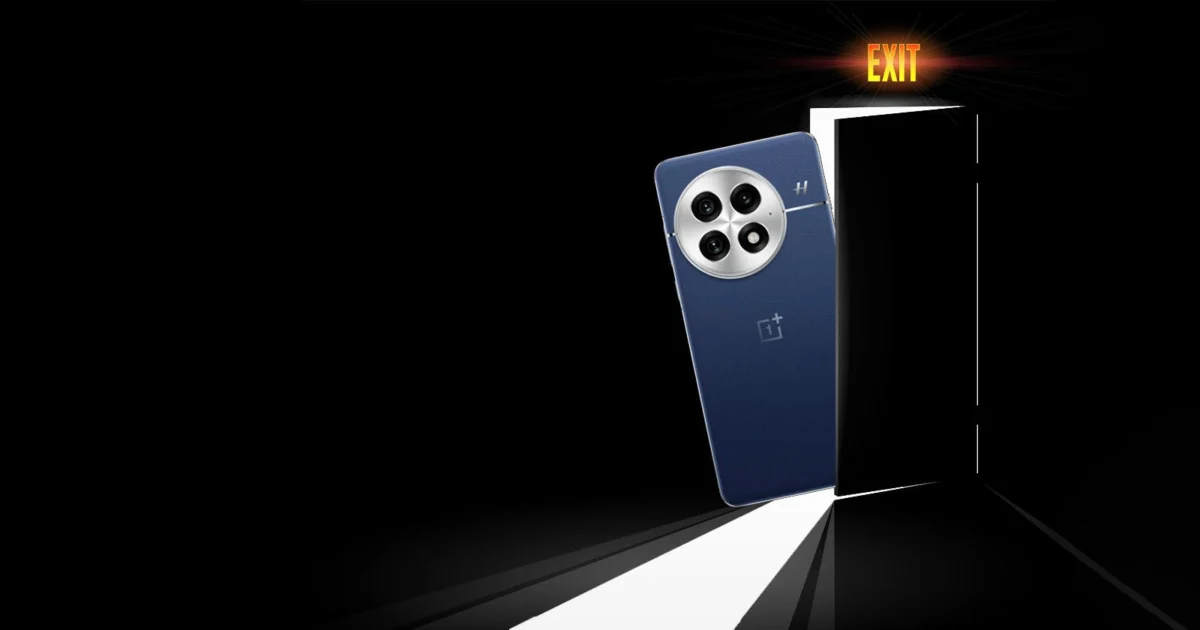
OnePlus, the smartphone brand known for its "Never Settle" philosophy and disruptive approach to the mobile market, has officially announced its withdrawal from the North American and European markets. This strategic retreat marks a significant shift for the company, which will now focus its efforts on Asian regions, particularly China and India, with an increased emphasis on affordable product lines. The decision, effective as of July 2026, signals the end of an era for enthusiasts in these Western markets who valued OnePlus’s blend of premium specifications and competitive pricing.
The Announcement and Immediate Impact
The formal announcement of OnePlus’s exit from two of the world’s most lucrative, yet fiercely competitive, smartphone markets has sent ripples through the tech community. While the brand itself is not dissolving, its physical and operational presence in North America and Europe will be phased out. This move follows a period of intense speculation and internal realignment, particularly after its integration with parent company Oppo. For consumers in the affected regions, this means future flagship models and new product launches will no longer be available through official channels.
The immediate implications for current OnePlus users have been addressed by the company. OnePlus has pledged continued software updates, security patches, and applicable support for existing devices. Warranties will remain valid, and the OnePlus support website is slated to continue operations for repair services. However, the practicalities of handling repairs in regions where Oppo lacks a direct presence remain a point of concern for some users. Current retail stock will be sold until depleted, indicating a gradual winding down rather than an abrupt cessation of sales.
A Decade of Disruption: OnePlus’s Journey
Founded in December 2013 by Pete Lau and Carl Pei, OnePlus quickly carved out a niche for itself by promising "flagship killer" devices. Its inaugural product, the OnePlus One, launched in 2014, offered top-tier specifications and a clean Android experience at a price point significantly below established competitors. The brand initially employed an innovative, demand-managing invitation system for purchases, fostering an exclusive and enthusiastic community. This approach resonated particularly well in a market that, at the time, featured a broader array of players including HTC, Nokia, LG, BlackBerry, and Microsoft, all vying for consumer attention.
OnePlus’s early strategy focused on delivering high-value propositions, combining powerful processors, ample RAM, and user-friendly software (OxygenOS) with minimalist, yet premium, designs. This focus allowed it to stand out in a crowded field, cultivating a loyal following among tech enthusiasts who appreciated its commitment to performance and user experience over marketing hype.

The Oppo Merger and Strategic Realignment
The writing for this eventual withdrawal began to appear clearer following the deeper integration and eventual merger of OnePlus with Oppo. Both companies operate under the umbrella of BBK Electronics, a Chinese conglomerate. While initially presented as a partnership to streamline resources and foster innovation, the merger effectively saw Oppo emerge as the dominant entity. This consolidation led to questions about brand differentiation, particularly as both brands began offering premium flagship phones running on largely similar software – ColorOS (Oppo) and OxygenOS (OnePlus), which eventually converged into a unified codebase – sometimes even in the same geographical markets such as China, India, and parts of Europe.
The core philosophy of "Never Settle," which defined OnePlus for so long, seemed increasingly at odds with the strategic decisions made post-merger. The company’s shifting priorities, oscillating between premium and mid-range product lines, and the eventual decision to consolidate resources under the Oppo brand for key Western markets, underscore a calculated move by the parent company to optimize its global portfolio. This realignment suggests a strategic decision to avoid internal competition and focus resources where market conditions are more favorable for Oppo’s broader ecosystem.
Innovation and "Flagship Killer" Status
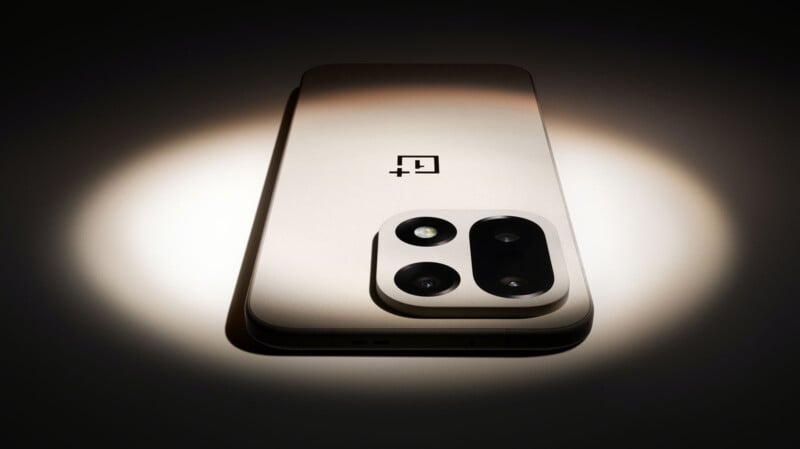
Throughout its tenure, particularly in its earlier years, OnePlus was a significant driver of innovation and market disruption. Its contributions reshaped consumer expectations for Android flagships:
- OxygenOS: Widely regarded as one of the best Android overlays, it offered a clean, fast, and near-stock Android experience, contrasting sharply with the heavily customized and often bloated interfaces of other manufacturers. This focus on software purity garnered a dedicated community.
- High Refresh Rate Displays: OnePlus was among the first to popularize 90Hz and later 120Hz screen refresh rates as a standard feature, long before competitors like Samsung and Google fully adopted them across their lineups. This significantly enhanced the user experience, particularly for gaming and scrolling.
- Warp Charge (Super Fast Charging): The company consistently led the charge in fast-charging technology, offering solutions that dramatically reduced charging times when many rivals were still utilizing slower wired and wireless options. Crucially, OnePlus also maintained the practice of including a compatible wall charger in the box, a consumer-friendly move that has been abandoned by many competitors.
- Camera Innovation: While initially a weaker point, OnePlus demonstrated a commitment to improving its camera performance. The OnePlus 7 Pro, launched in 2019, was hailed as its first true flagship, largely due to its improved camera system. The subsequent partnership with Hasselblad in 2021 for the OnePlus 9 series marked a serious push into mobile imaging, focusing on color science, 12-bit RAW capture, and enhanced manual controls. This partnership compelled rivals to take mobile photography more seriously, evidenced by Samsung’s introduction of Expert RAW and Google’s incremental improvements in manual controls.
- Design and Features: The OnePlus 7 Pro also famously introduced a motorized pop-up front-facing camera, eliminating the "hole-punch" or notch for an uninterrupted full-screen experience. While this specific feature did not recur, it symbolized OnePlus’s willingness to experiment with design and hardware to deliver unique user benefits. Even its lone foldable device, the OnePlus Open, launched in 2023, received critical acclaim for its camera system and refined user experience.
- RAM and Storage: Alongside other Chinese brands, OnePlus consistently offered higher base RAM and storage configurations than its direct competitors like Samsung and Google, setting a higher bar for value.
These innovations collectively put significant pressure on industry giants, forcing them to justify their higher price points and accelerate their own feature development cycles.
The North American and European Market Challenge
Despite its innovative spirit, OnePlus faced insurmountable structural challenges in North America and, to a lesser extent, in parts of Europe. The smartphone market in these regions, particularly the U.S. and Canada, is heavily consolidated and dominated by a few key players: Apple, Samsung, and increasingly, Google. These "Big 3" benefit from deeply entrenched relationships with mobile network carriers.
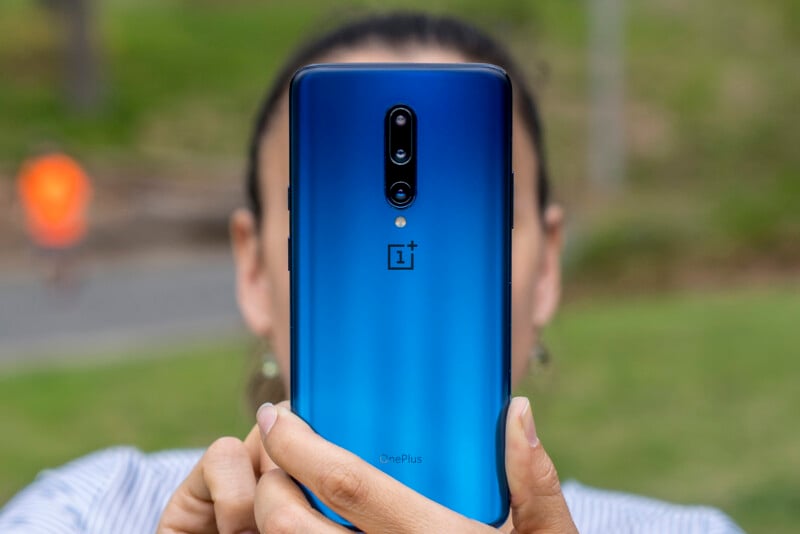
In North America, consumer behavior heavily favors purchasing devices through carriers, often subsidized over multi-year contracts. OnePlus struggled to secure sustained carrier support. While it had brief partnerships with T-Mobile and Verizon in the U.S., these were often limited in scope and duration. In Canada, no major carrier ever offered OnePlus devices directly. This meant consumers had to purchase OnePlus phones outright from retailers like Best Buy, Amazon, or the OnePlus website, a significant financial commitment for premium flagships. This lack of carrier integration severely limited its market penetration and brand visibility.
Market analysts consistently point to carrier support as a critical factor for success in these regions. The "wall of ignorance" described in the original article, where retail staff often push only the dominant brands due to familiarity or incentive structures, further exacerbated OnePlus’s uphill battle. This ecosystem, characterized by stagnant competition and resistance to disruption, proved too formidable for OnePlus to overcome sustainably, especially as its prices crept closer to those of its established rivals.
Europe, while less carrier-dependent than North America, also presented its own set of challenges, including diverse regulatory environments, strong local brand loyalties, and intense competition from other Chinese brands like Xiaomi and Vivo, as well as the enduring presence of Samsung and Apple.
The Hasselblad Partnership: A Strategic Shift and its Reversal

The 2021 partnership with Swedish imaging pioneer Hasselblad was a clear signal of OnePlus’s ambition to compete at the very top tier of smartphone photography. This collaboration, which focused on camera software and color science rather than lens manufacturing, significantly elevated the camera performance of devices like the OnePlus 9 series and the critically acclaimed OnePlus 13. The OnePlus 13, launched in 2025, received praise for its camera system, superior hardware, and software processing, even bringing MagSafe-like magnetic accessory support to the Android world via specialized cases. It appeared the company was establishing a strong foothold.
However, a mere ten months later, the launch of the OnePlus 15 without the Hasselblad branding in the camera module raised immediate concerns. This move was widely interpreted as Oppo strategically re-allocating the exclusive Hasselblad collaboration to its own flagship devices, aiming to further differentiate its premium offerings from OnePlus. While the OnePlus 15 could still capture good photos, many reviewers noted a regression in camera performance compared to its predecessor, suggesting that the withdrawal of Hasselblad’s expertise had a tangible impact. This strategic decision by Oppo likely underscored the growing internal tension and ultimately foreshadowed the brand’s retreat from Western markets.
Future of OnePlus: A Global Reorientation
With its exit from North America and Europe, OnePlus will undergo a significant global reorientation. The brand is expected to intensify its focus on markets where it already enjoys substantial success and where market dynamics are more favorable. China, its home market, will continue to see business as usual, with ongoing product development and launches. India, a massive and rapidly growing smartphone market, is also a key focus area. The recent launch of the OnePlus N6 in India highlights this continued commitment.
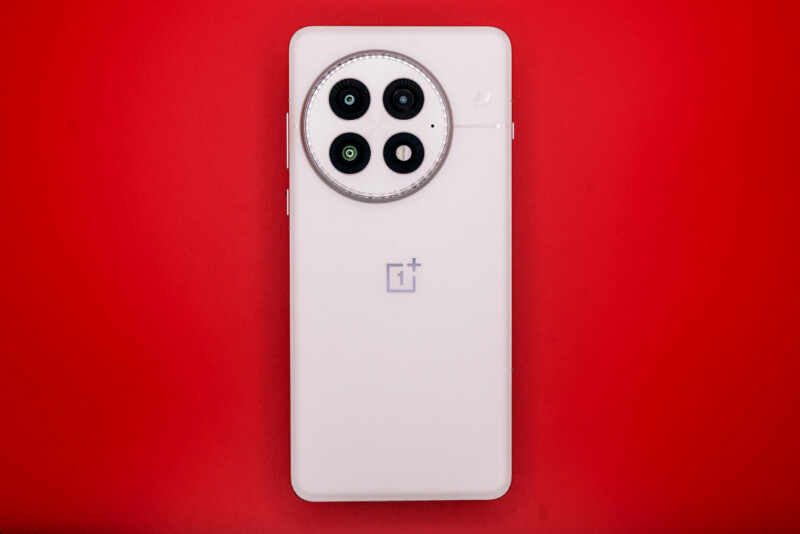
The brand’s future strategy will likely involve a greater emphasis on affordable and mid-range alternatives, a return to its "flagship killer" roots but in a different market segment. This strategic pivot suggests that Oppo views OnePlus as a crucial component in its broader portfolio for emerging and price-sensitive markets, where the Oppo brand itself might target a slightly different consumer demographic.
Ensuring Continuity for Existing Users
OnePlus has outlined a commitment to support its existing customer base in North America and Europe. The company states that eligible devices will continue to receive promised software updates, including Android version upgrades and security patches, for their guaranteed lifecycles. Warranties will remain valid, and the OnePlus support website will serve as the primary hub for customer service and repair inquiries.
For users with eligible devices, there is an option to transition to Oppo’s ColorOS, or revert to OxygenOS if they prefer. While not mandatory, the long-term implications of choosing not to switch, particularly for software optimization and future compatibility, remain somewhat unclear. Older models deemed ineligible for the ColorOS transition will still receive maintenance updates. These support structures aim to mitigate the immediate impact of the brand’s departure, ensuring that consumers are not left without recourse for their devices.

In Europe, the transition pathway is expected to be somewhat smoother due to Oppo’s established presence across much of the continent. Oppo is reportedly planning to expand its own product lineup to fill the vacuum left by OnePlus, particularly in Central Europe and the Nordic countries, ensuring a continued presence for BBK Electronics’ brands.
Broader Industry Implications: An Unfortunate End
The departure of OnePlus from North America and Europe represents more than just a brand pulling out of markets; it signifies a loss of a significant disruptive force. OnePlus consistently challenged the status quo, forcing established players to innovate and offer better value. Its emphasis on clean software, ultra-fast charging, high refresh rate displays, and a serious approach to camera performance at competitive prices undoubtedly influenced the broader industry. The absence of such a competitor could lead to less pressure on the dominant brands, potentially slowing down the pace of innovation and making premium features less accessible.
In markets already struggling with stagnation, lack of true competition, and resistance to disruption, the exit of a player like OnePlus is an unfortunate development. It reinforces the power of the "Big 3" and the formidable barriers to entry for smaller, innovative brands. While the brand will continue its journey elsewhere, its legacy of disruption and its commitment to the "Never Settle" ethos will be missed by those who sought an alternative in the increasingly homogenous Western smartphone landscape. The long-term effects on consumer choice, pricing, and the overall innovation curve in these critical markets remain to be fully seen, but the departure of a vibrant competitor rarely benefits the consumer.