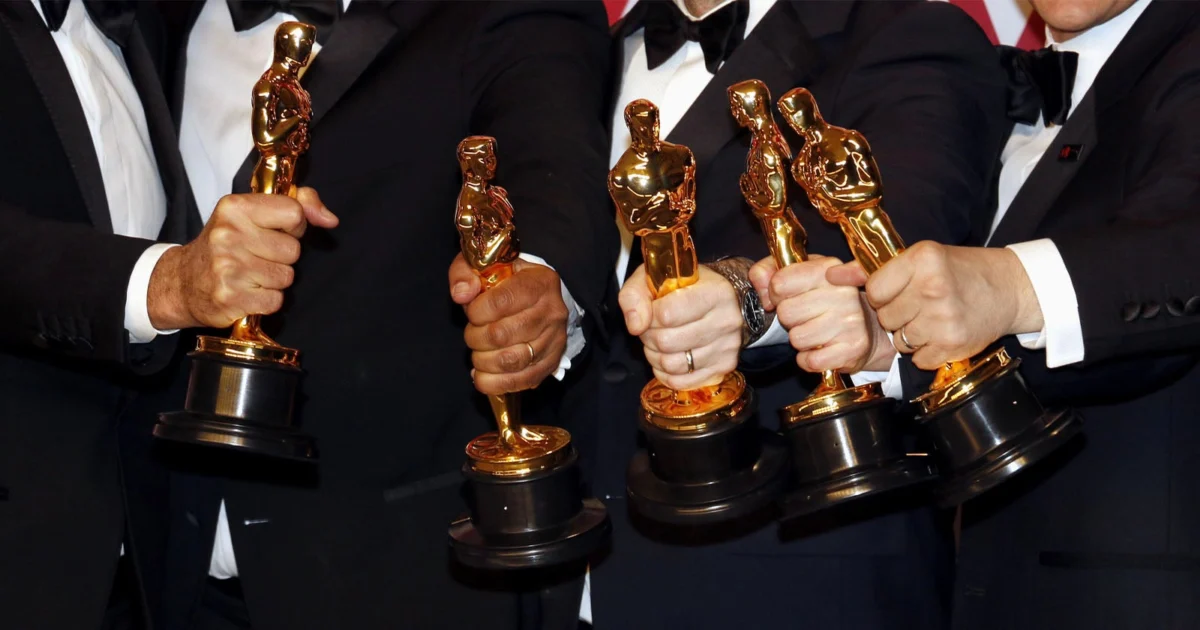
The glitz and glamour of the Academy Awards often serve as a barometer for the state of filmmaking, not just celebrating artistic achievement but also reflecting the industry’s evolving landscape. This year, at the 2026 Oscars, a striking silence has fallen over one of the most transformative — and contentious — forces reshaping cinema: generative artificial intelligence. Just twelve months prior, the conversation around AI in film was a cacophony of criticism and debate, particularly ignited by the controversy surrounding The Brutalist. Fast forward to today, and the once-vocal concerns have seemingly vanished from the public discourse surrounding Hollywood’s most prestigious awards, replaced by what one industry insider pithily described as "crickets." This stark contrast in dialogue, or lack thereof, raises profound questions about the industry’s quiet adoption of AI, the motivations behind its newfound reticence, and the long-term implications for cinematic artistry and integrity.
The 2025 Precedent: The Brutalist and the AI Backlash
The 2025 Academy Awards season was indelibly marked by the furor surrounding The Brutalist, a film that garnered significant critical attention and multiple Oscar nominations, including a nod for Best Picture. The controversy stemmed from the film’s admitted use of AI to refine lead actor Adrian Brody’s Hungarian accent. While seemingly a minor technical enhancement, the revelation sparked a firestorm among purists, critics, and segments of the audience, who viewed it as an unwelcome intrusion of technology into the sacred space of human performance. The film’s editor openly discussed the AI integration in interviews, a transparency that, in hindsight, proved costly. The ensuing backlash was immediate and intense, with many branding the use of AI as a "disgrace" and questioning the authenticity of the performance.
This public outcry was not isolated. Reports indicated that at least two other Oscar-nominated movies in 2025 had also confessed to employing AI to enhance speech, further fueling the burgeoning debate. The controversy reached such a fever pitch that industry observers widely speculated it may have derailed The Brutalist‘s chances for the coveted Best Picture award. Despite Adrian Brody securing the Best Actor Oscar for his performance and the film earning the accolade for Best Cinematography, the shadow of AI lingered, arguably diminishing its overall Academy glory. The experience of The Brutalist served as a potent cautionary tale, demonstrating the significant reputational risks associated with publicly acknowledging AI integration in high-profile productions. This pivotal moment laid the groundwork for the industry’s subsequent strategic pivot towards discretion.
The Silent Ascent: AI’s Deeper Integration into Filmmaking
The year following the 2025 Oscars has witnessed an "unstoppable march" in the evolution of generative AI, with significant advancements in areas such as AI video generation, image manipulation, and sophisticated voice and accent refinement. These technological leaps have made AI tools more powerful, more accessible, and crucially, increasingly imperceptible to the average viewer. While the public conversation at the 2026 Oscars has fallen silent, the underlying integration of AI into Hollywood’s production pipelines has only accelerated.
Janice Min, a prominent media executive and former editor of The Hollywood Reporter, now CEO of Ankler Media, succinctly captured the prevailing sentiment within the industry: "The thing with AI right now in Hollywood: Everyone’s lying just a little bit. Studios are lying about how much they’re using it." This observation points to a widespread, tacit agreement among studios and filmmakers to downplay or outright conceal their reliance on AI. The rapid progress in AI models means that many productions are likely employing the technology for a myriad of "small jobs in the background," tasks that are now executed with such precision that their AI origins are nearly impossible to detect.
These "small jobs" encompass a vast spectrum of filmmaking processes. In pre-production, AI can analyze scripts for market viability, assist in casting by identifying actors matching specific character traits, and even generate concept art or storyboards. During production, AI-powered tools enhance virtual production environments, streamline camera tracking, and assist with complex motion capture. However, it is in post-production where AI’s presence has become most pervasive and impactful. This includes:
- Visual Effects: Generating realistic crowds, environmental extensions, de-aging actors, digital makeup, and intricate simulations that would be prohibitively expensive or time-consuming with traditional methods.
- Audio Enhancement: Refining dialogue, removing background noise, creating synthetic voices, and, as seen with The Brutalist, adjusting accents or vocal inflections.
- Editing and Color Grading: AI algorithms can suggest optimal cuts, automate rotoscoping, upscale footage, and even apply sophisticated color correction and grading, drastically reducing the manual effort required.
- Localization: AI can translate and re-dub films into multiple languages with remarkable accuracy, matching lip movements and vocal tones, thereby opening up global distribution channels more efficiently.
The sheer breadth and increasing sophistication of these applications mean that AI is no longer a niche tool but an embedded component of the modern filmmaking workflow, often operating beneath the surface of the final product.
The Strategic Silence: Why Hollywood Keeps AI Under Wraps
The collective omertà surrounding AI at the 2026 Oscars is a direct consequence of the 2025 backlash and a strategic decision driven by multiple factors. The experience of The Brutalist provided a stark lesson: transparency about AI use can be detrimental to a film’s public image and awards prospects. Given this, it would be considered professional "madness" for any nominee to openly admit to using a technology that has generated such fervent public and industry opposition.
The reasons for AI’s deep unpopularity are multifaceted and well-documented. Chief among them is the widespread concern regarding the unauthorized usage of humanity’s collective creative output to train AI models. Artists, writers, and musicians have voiced strong objections to their copyrighted works being ingested by AI systems without consent or compensation, raising serious intellectual property and ethical questions. This concern was a significant sticking point during the Hollywood labor disputes of 2023, with both the Writers Guild of America (WGA) and SAG-AFTRA (the actors’ union) pushing for robust protections against AI exploitation and job displacement in their new contracts. While some protections were secured, the underlying anxiety persists.
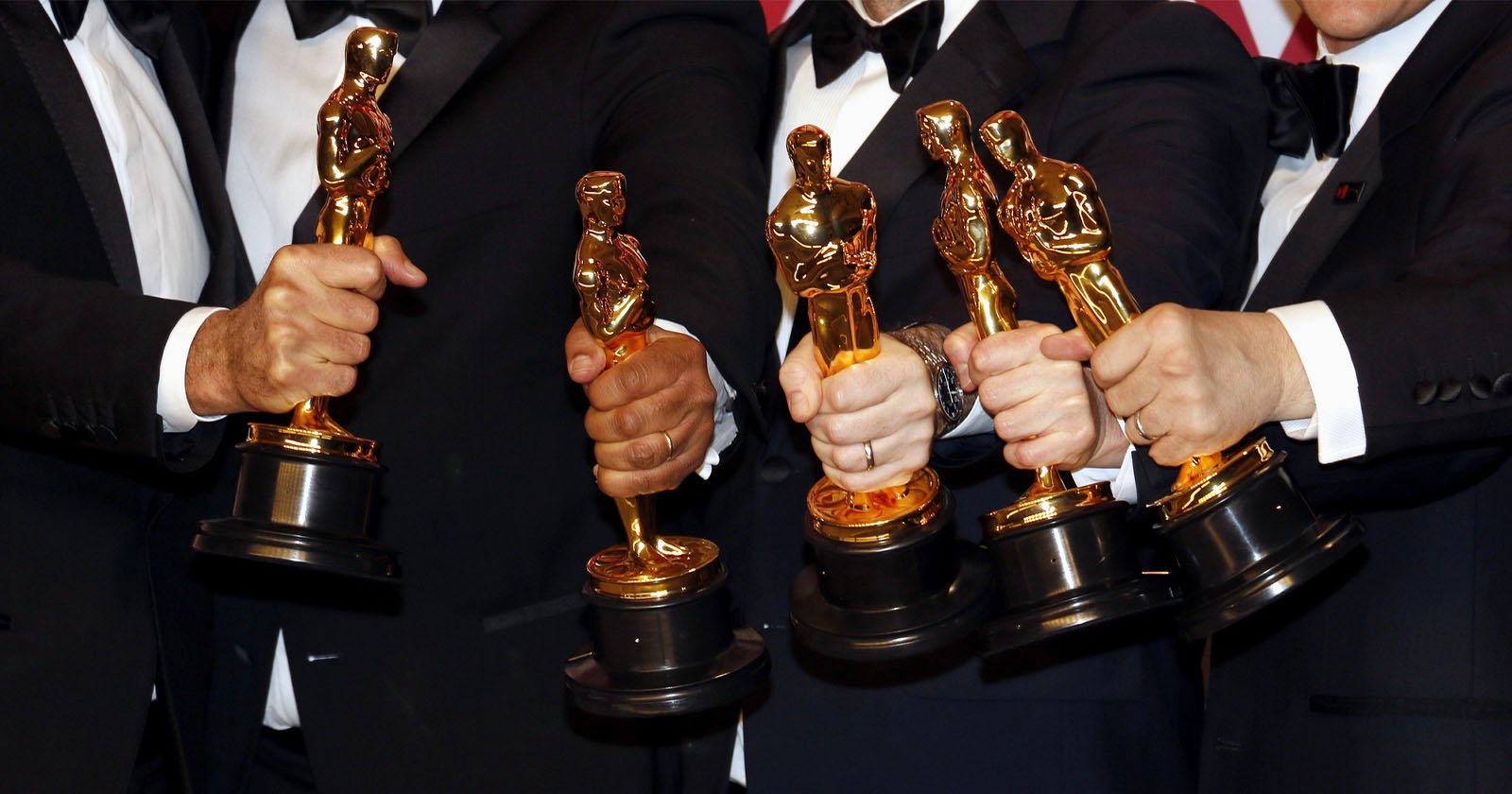
Furthermore, the "low entry bar" of many generative AI tools has democratized content creation, leading to fears of market oversaturation and a devaluation of human skill. The energy-intensive nature of training and running large AI models also raises environmental concerns, adding another layer of ethical complexity. Studios, acutely aware of these public and artistic sentiments, have likely issued directives to all personnel involved in Oscar campaigns to "keep schtum" about any AI usage, aiming to avoid any controversy that could taint their films’ artistic integrity or awards chances.
The Business of Innovation: AI’s Unseen Investments
Despite the public silence, the wheels of AI integration continue to turn robustly within the industry’s corporate structures. A prime example of this behind-the-scenes activity is the recent acquisition of Interpositive, a company co-founded by actor and filmmaker Ben Affleck, by Netflix for a reported $600 million. Affleck, known for speaking eloquently about the potential of generative AI, has positioned Interpositive as a suite of AI tools designed to empower filmmakers in post-production. These tools reportedly cover a wide range of functionalities, from refining lighting and color to enhancing visual effects and streamlining editing processes.
The substantial sum involved in this acquisition underscores the serious financial commitment and strategic importance that major players like Netflix are placing on AI technology. It signifies a clear understanding that AI offers tangible benefits in terms of efficiency, cost reduction, and enhanced creative possibilities, even if these benefits are not publicly touted. This transaction, occurring away from the Oscar spotlight, illustrates a dual reality: while the industry maintains a cautious public front, it is simultaneously investing heavily in AI infrastructure and capabilities. Other studios and tech companies are similarly pouring resources into developing or acquiring AI-powered solutions, recognizing that this technology is not merely a passing fad but a fundamental shift in production paradigms. The economic drivers are undeniable: AI promises to accelerate production timelines, optimize resource allocation, and open new avenues for visual and narrative innovation, ultimately impacting profit margins and competitive advantage.
The "Dirtiest Race": A Call for Transparency and Regulation
The current landscape, characterized by pervasive but unacknowledged AI use, draws an uncomfortable parallel to historical moments of widespread, unadmitted technological or ethical compromise. The situation evokes memories of the infamous "dirtiest race in history" – the men’s 100-meter Olympic sprint at the 1988 Seoul Olympics. In that event, Ben Johnson, the Canadian sprinter who initially won gold and set a blistering world record, was stripped of his medal and disqualified just two days later after failing a drug test. What followed was a cascade of revelations: ultimately, six of the eight finalists in that race would, at various points in their careers, be embroiled in doping violations. This scandal exposed a systemic issue of performance-enhancing drug use that undermined the integrity of competitive sports.
The parallels to Hollywood’s current AI dilemma are striking. Just as athletes secretly leveraged illicit substances to gain an edge, filmmakers are increasingly employing AI tools for enhancement, often without disclosure. In both scenarios, the integrity of the performance or artistic creation is called into question, and the playing field becomes uneven. The 1988 Olympics scandal led to a profound transformation in sports, ushering in an era of much stricter anti-doping testing, transparent regulations, and severe penalties for violations. This historical precedent highlights the potential for a similar reckoning within the film industry.
The author’s implicit call for "strict AI testing in Hollywood" is not merely a rhetorical flourish but a serious proposition. What form would such "testing" take? It could involve:
- Mandatory Disclosure: The Academy of Motion Picture Arts and Sciences, along with other major awards bodies and film festivals, could implement rules requiring explicit disclosure of AI usage in nominated films, perhaps categorized by the extent and nature of its application.
- Auditing and Verification: Independent third-party audits could be commissioned to verify AI claims and ensure compliance with disclosure policies.
- Industry Standards and Guidelines: Collaborative efforts between studios, unions, and creative guilds could establish industry-wide best practices for ethical AI use, data sourcing, and intellectual property protection.
- New Award Categories: The Academy might even consider introducing new categories for AI-assisted achievements, or conversely, create specific rules to disqualify films with certain levels of AI integration from traditional artistic categories, thereby fostering transparency and encouraging ethical innovation.
Without such measures, the industry risks eroding audience trust and undermining the very artistic integrity it purports to celebrate. If AI-generated elements become indistinguishable from human-created ones, and their use is consistently concealed, the value proposition of human artistry could diminish in the eyes of the public.
The Future of Filmmaking: Navigating Innovation and Integrity
The quiet reality of AI’s integration into Hollywood presents a complex challenge. While films like One Battle After Another, Sinners, and Marty Supreme proudly tout their commitment to traditional filmmaking methods, having been shot mostly on film, it is becoming increasingly difficult to ascertain the full extent of AI wizardry happening in the background of many other productions. As the author notes, it is highly probable that many viewers, including seasoned critics, have been "unwittingly watching productions containing some level of AI wizardry."
The trajectory of generative AI is undeniable; it is set to profoundly reshape every facet of the creative industries. Hollywood stands at a crossroads, needing to reconcile the immense efficiency and creative potential offered by AI with the ethical concerns of artists and the expectations of audiences. The current strategy of discreet adoption and public silence may offer short-term advantages by avoiding controversy, but it poses significant long-term risks to transparency, artistic credibility, and industry trust.
Ultimately, the future of filmmaking will likely hinge on how transparently and responsibly the industry chooses to engage with AI. Whether through mandated disclosures, new ethical guidelines, or a shift in public perception, the "crickets" at the 2026 Oscars regarding AI cannot last forever. The conversation, much like the technology itself, is merely biding its time, waiting for the moment when its profound impact can no longer be ignored. The challenge for Hollywood is to proactively shape this future, ensuring that technological advancement serves to enhance, rather than diminish, the art of storytelling and the value of human creativity.