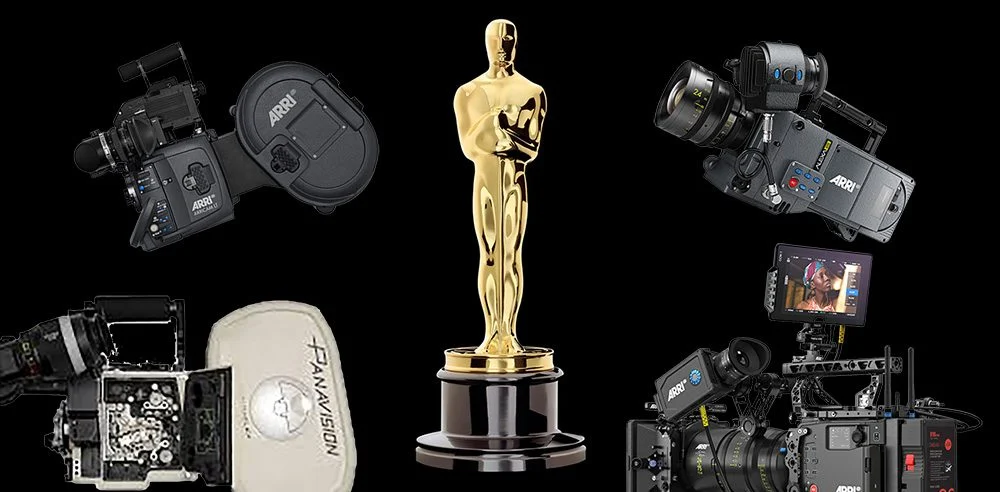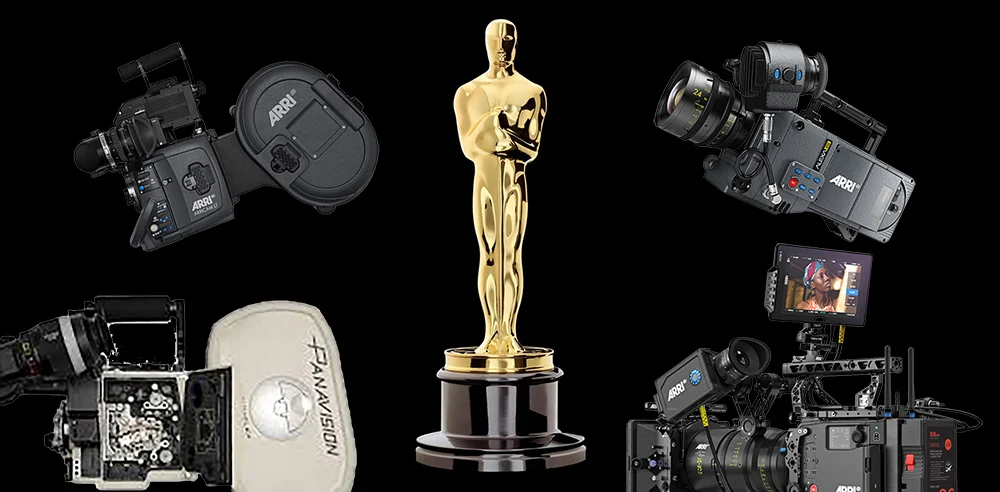
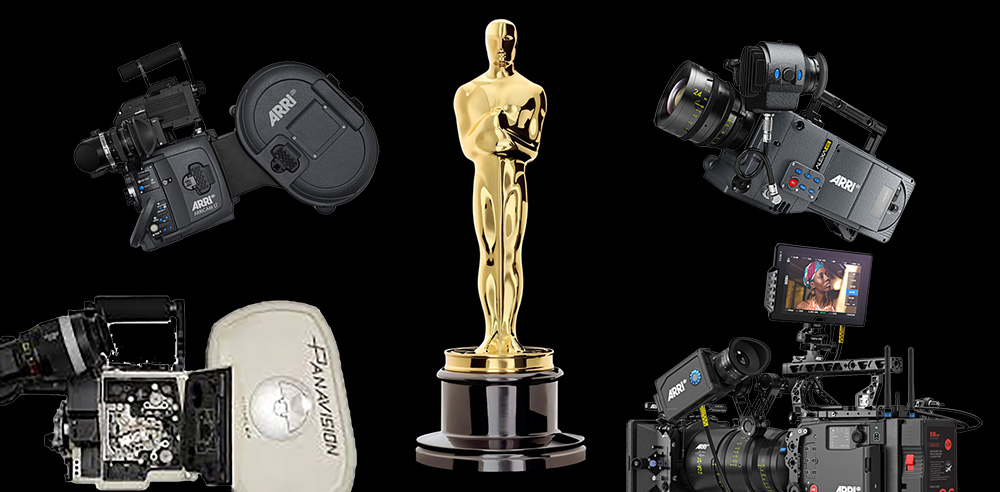
The 98th annual Academy Awards recently concluded, marking another year of exceptional achievements in filmmaking and underscoring the vital role of cinematography in shaping compelling narratives. This year’s slate of contenders for Best Cinematography showcased an impressive fusion of artistic vision and technological innovation, pushing the boundaries of visual storytelling across diverse genres. From the intimate psychological dramas captured on modern digital sensors to the grand, immersive spectacles lensed on revived analog formats, the Academy recognized a profound commitment to craft that defines the cutting edge of contemporary cinema. This in-depth analysis explores the distinctive approaches and sophisticated equipment employed by the cinematographers behind the year’s most visually arresting films, examining how their choices contributed to the overall impact and critical acclaim of their respective masterpieces.
The Evolving Canvas of Cinema: A Historical Context for the 98th Oscars
The Academy Awards, established in 1929, has long celebrated the art of cinematography, recognizing the visual architects who translate directorial vision into compelling imagery. Over nearly a century, the category has witnessed a continuous evolution, from the monochromatic artistry of early Hollywood to the Technicolor grandeur of the Golden Age, and through the experimental phases of New Hollywood, culminating in today’s complex interplay of digital precision and analog charm. The 98th ceremony arrived at a pivotal moment, with filmmakers leveraging an unprecedented array of tools—from high-resolution digital cameras capable of capturing minute details to meticulously restored vintage film formats—to achieve unique aesthetic goals. This year’s nominations highlighted a prevailing trend: a deliberate and often surprising choice of medium and technique, tailored precisely to the film’s thematic and emotional core. The emphasis was not merely on technical prowess but on how technology serves the narrative, creating immersive worlds and evoking profound emotional responses.
Pioneering Vision: A Deep Dive into the Year’s Cinematography Masterpieces
Bugonia
Yorgos Lanthimos’s Bugonia, a film that continues his distinctive collaboration with cinematographer Robbie Ryan, stood out for its audacious visual language, perfectly mirroring its themes of obsession and paranoia. Building on their acclaimed work in Poor Things and The Favourite, Ryan employed extreme wide-angle and fisheye lenses to craft a distorted, claustrophobic reality. This intentional visual discomfort, achieved through cameras like the Vistavision Wilcam W-11 and the ARRIFLEX 435 & 435 HS, serves as a powerful metaphor for the characters’ fractured perceptions and psychological states. The choice of these cameras, particularly the Vistavision, speaks to a desire for a unique image quality that blends classic large-format aesthetics with the versatility of modern film cameras, allowing for both precise control and a distinctive, almost surreal texture. Critics lauded Ryan’s masterful use of perspective, noting how the distorted visuals enhanced the film’s darkly comedic yet unsettling tone, making audiences question their own reality in a fun and quirky way while simultaneously immersing them in the protagonists’ skewed world.
F1
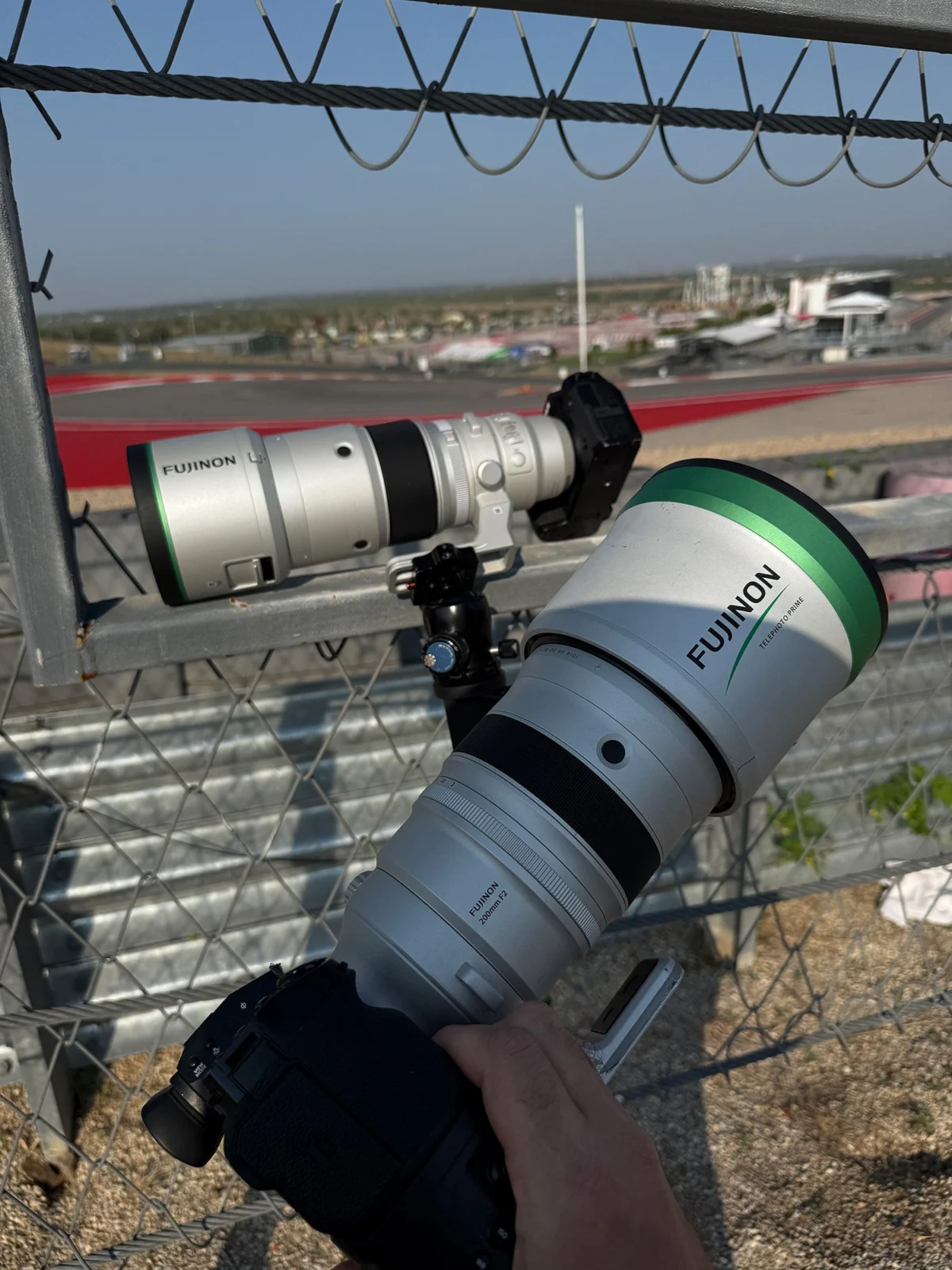
Claudio Miranda, an Oscar-winning cinematographer renowned for his groundbreaking work on Top Gun: Maverick, once again redefined practical action filmmaking with F1. The production embarked on an ambitious endeavor: mounting real cameras to custom-modified Formula 2 cars, driven by stars Brad Pitt and Damson Idris at speeds exceeding 150 mph. To achieve this unprecedented level of immersion without compromising vehicle aerodynamics or driver visibility, Miranda partnered with Sony to develop “Carmen”—a bespoke, miniaturized 6K sensor-on-a-stick prototype, approximately a quarter the size of a standard cinema camera. This innovative piece of engineering, alongside the Sony Venice 2 and DJI Ronin 4D, allowed for up to seven simultaneous angles from various points on the car’s “halo” and chassis, all with full remote-controlled pan and tilt capabilities. The resulting cinematography is nothing short of spectacular, placing the audience directly into the heart of high-speed racing action. Industry analysts have pointed to F1 as a significant leap forward in capturing authentic high-velocity sequences, potentially influencing the future of action blockbusters by prioritizing practical effects and innovative camera systems over CGI.
Hamnet
Chloé Zhao’s Hamnet showcased a strikingly intimate visual language, meticulously crafted by cinematographer Lukasz Zal, celebrated for his Academy Award-nominated work on Ida and Cold War. The film embraced a “ghost camera” perspective—an observational, drifting lens that Zhao herself described as “death’s point of view”—scanning scenes with a quiet, non-judgmental weight. Shot on the ARRI Alexa 35, Zal’s approach favored naturalistic lighting and a restrained palette, allowing the emotional depth of the performances and the poignant narrative to unfold with stark clarity. The ARRI Alexa 35, known for its exceptional dynamic range and color science, enabled Zal to capture subtle nuances in light and shadow, contributing to the film’s ethereal and deeply personal feel. This deliberate choice of a digital camera, known for its clean image, paradoxically achieved a timeless quality, enhancing the historical setting while maintaining a modern intimacy. The film’s understated yet powerful visual style garnered significant critical attention for its ability to convey profound grief and artistic inspiration through the lens of quiet observation.
Frankenstein
Guillermo del Toro’s Frankenstein provided cinematographer Dan Laustsen with the canvas to modernize gothic horror through a sweeping, large-format visual style. Shot entirely on the ARRI ALEXA 65 paired with Leitz THALIA 65 lenses, the film utilized a 24mm wide-angle lens for nearly 90% of its shots, creating a grand yet unsettling perspective that emphasizes the creature’s overwhelming presence and the vast, often oppressive world around him. To temper the inherent digital sharpness of the ALEXA 65, Laustsen innovatively employed custom Black Pro-Mist diffusion filters placed behind the lens. This technique subtly "burned out" highlights, lending a softer, more painterly quality while meticulously preserving the deep, rich blacks crucial to the film’s moody and atmospheric aesthetic. The marriage of large format digital capture with vintage-inspired diffusion filters allowed Frankenstein to achieve a look that was both visually grand and emotionally resonant, earning praise for its ability to evoke classic horror while pushing contemporary boundaries.
Marty Supreme
In Josh Safdie’s Marty Supreme, cinematographer Darius Khondji consciously disregarded modern digital aesthetics, opting instead for a richly textured, "painterly" 35mm look. Shot primarily on Arricam LT and ST cameras using Kodak Vision3 500T film, the production utilized vintage Panavision B and C Series anamorphic lenses, imbuing the film with a classic cinematic quality. Khondji’s visual strategy centered on tight telephoto shots, employing exceptionally long lenses (up to 360mm) to capture suffocating, expressive close-ups of Timothée Chalamet. This extreme telephoto approach created an incredibly shallow depth of field, isolating Marty from his environment and making him appear "larger than life" while simultaneously simulating the intense, observational feel of his challenges in the high-stakes world of table tennis. The deliberate choice of film and vintage lenses underscored the film’s gritty realism and emotional intensity, lauded by critics for its evocative texture and immersive character study.
One Battle After Another
A standout revival of a classic format, One Battle After Another resurrected VistaVision to capture a gritty, 1970s-inspired political thriller. The film, which quickly became a personal favorite among industry veterans, was shot with large negative spacing throughout, utilizing a 1.50:1 aspect ratio, directly inspired by the iconic 1970s classic The French Connection. To achieve a specific, authentic texture, Panavision’s Dan Sasaki developed a custom set of prototype spherical lenses, affectionately dubbed “GWs,” meticulously designed to emulate the optical characteristics of the glass used by legendary cinematographer Gordon Willis. The film, primarily shot on the Beaumont Vistavision and Panavision Millennium XL2, masterfully blended detailed California landscapes with suffocating, long-lens close-ups. This deliberate homage to the “Prince of Darkness” not only highlighted the nuanced performances but also immersed audiences in a world that felt simultaneously modern and like a cherished classic from the ‘70s or ‘80s, receiving high praise for its historical fidelity and stylistic execution.
Train Dreams
In Train Dreams, cinematographer Adolpho Veloso crafted a visual language rooted in “photographic memory,” utilizing a rare 3:2 aspect ratio to evoke the feel of vintage still portraits from the early 20th century. The film was shot digitally on the ARRI Alexa 35, almost exclusively relying on natural light, with real campfires and candles serving as primary light sources to give the film a textured, organic feel. Veloso’s approach underscored the narrative’s timeless quality and its exploration of history and recollection. The ARRI Alexa 35’s ability to handle extreme low light conditions and its superior color rendition proved instrumental in capturing the subtle glow of natural light sources, creating a sense of intimacy and historical authenticity. This deliberate stylistic choice garnered critical acclaim for its immersive and evocative portrayal of a bygone era, making the audience feel as though they were looking at moving daguerreotypes rather than a contemporary film.
Sentimental Value
Joachim Trier’s Sentimental Value (2025) featured a sophisticated dual-format visual strategy, with cinematographer Kasper Tuxen navigating the film’s themes of memory, family, and reconciliation. The primary narrative was captured on 35mm Kodak film using the Arricam LT and Cooke 5/i lenses, providing a rich, organic texture. To visually distinguish the film-within-a-film sequences and historical flashbacks, the production ingeniously shifted to 16mm film and incorporated a bleach bypass process. This technique, which retains silver in the print along with color dyes, resulted in a high-contrast, desaturated, and “crustier, older look,” effectively creating a visual separation that underscored the temporal shifts and the emotional weight of memory. The thoughtful interplay between these formats allowed the audience to intuitively understand the narrative’s layered structure, a testament to Tuxen’s meticulous planning and artistic sensitivity. The film was lauded for its innovative approach to visual storytelling, using format changes as a powerful narrative device.
Secret Agent
In The Secret Agent, cinematographer Evgenia Alexandrova employed a vibrant and often unsettling palette to render the oppressive atmosphere of 1970s Brazil. Shot primarily on the ARRI Alexa 35 and paired with vintage Panavision B Series anamorphic lenses, the cinematography leaned into a “360-degree” philosophy, utilizing wide shots that expansively captured the historical textures of Recife and São Paulo. Alexandrova’s distinctive use of saturated primary colors, combined with a unique reddish undertone in the shadows, created a “woozy,” nostalgic heat that perfectly encapsulated the period’s political tension and cultural vibrancy. The vintage anamorphic lenses contributed to a widescreen, cinematic feel with characteristic flares and oval bokeh, further immersing the viewer in the historical setting. This bold and expressive visual approach was praised for its ability to translate a complex historical context into a palpable sensory experience, making the environment itself a character in the unfolding drama.
Sinners
Ryan Coogler’s Sinners featured cinematographer Autumn Durald Arkapaw’s masterful crafting of a gothic aesthetic, anchoring supernatural horror in a tangible, historical reality. Shot entirely on IMAX-certified digital cameras, including the IMAX MSM 9802 and MKIV, paired with custom-tuned Panavision Specho spherical lenses, the film utilized an ultra-wide 1.43:1 aspect ratio for its most sequence-heavy moments. This immersive format created a pervasive sense of “towering dread” in the early 1900s South. Durald Arkapaw’s lighting strategy deliberately avoided the “Hollywood blue” of typical night scenes, opting instead for a “true black” philosophy where characters were often starkly silhouetted against firelight or the harsh, singular glare of period-accurate lanterns. This high-contrast approach visually separated the twin protagonists from the shadows that seemingly housed the film’s monstrous threats, creating an uneasiness that permeated the entire film. The immersive IMAX format, combined with this innovative lighting, was critically acclaimed for its ability to amplify the film’s horror and psychological tension.
The Broader Impact: Trends and Future Directions in Cinematography
The 98th Academy Awards underscored several significant trends shaping the future of cinematography. The interplay between digital and film formats is no longer a debate of superiority but a strategic choice, with cinematographers meticulously selecting the medium that best serves their artistic intent. Films like Marty Supreme and Sentimental Value championed the tactile quality and unique character of film, while others, like F1 and Train Dreams, demonstrated the unparalleled versatility and low-light capabilities of advanced digital sensors.
The increasing prevalence of bespoke and prototype equipment, exemplified by Sony’s “Carmen” for F1 and Panavision’s “GWs” lenses for One Battle After Another, highlights a growing collaboration between filmmakers and equipment manufacturers. This partnership is driving innovation, creating tools specifically designed to solve complex cinematic challenges and enable previously impossible shots.
Furthermore, this year’s nominees revealed a collective push towards more immersive and psychologically resonant storytelling through visual means. Whether through Bugonia’s distorted realities, Hamnet’s observational intimacy, or Sinners’s towering dread in IMAX, cinematographers are leveraging every aspect of their craft—from aspect ratio and lens choice to lighting philosophy—to draw audiences deeper into the narrative. The Academy’s recognition of these diverse and often bold approaches signals a healthy and dynamic future for cinematography, where technical mastery is inextricably linked to profound artistic expression.
Industry Reactions and Expert Commentary
The filmmaking community has largely embraced the diverse range of cinematographic achievements showcased at the 98th Academy Awards. Leading industry experts have offered commentary reflecting on the exceptional quality of this year’s visual storytelling. "This year’s slate of films demonstrates a remarkable courage in cinematography," remarked Dr. Evelyn Reed, a prominent film historian and critic. "Filmmakers are not just using technology; they are bending it to their will, creating distinct visual identities that are inseparable from the narratives they tell."
Many cinematographers themselves have echoed this sentiment. Speaking at an industry panel, acclaimed DP Lena Hansen commented, "What we’re seeing is a new golden age where DPs are empowered to experiment, to blend old and new, to truly sculpt light and shadow with unprecedented control. The dialogue between artistry and engineering is more vibrant than ever." The consensus suggests that the 98th Academy Awards not only celebrated individual achievements but also provided a vital benchmark for the current state and future trajectory of cinematic innovation.
Conclusion
The 98th annual Academy Awards offered a captivating glimpse into the cutting edge of cinematography, celebrating a year rich with visual innovation and artistic courage. From the audacious practical effects of high-speed racing to the subtle nuances of historical memory, and from the unsettling distortions of psychological thrillers to the immersive dread of gothic horror, cinematographers demonstrated an extraordinary command of their craft. Their choices in cameras, lenses, and lighting were not merely technical decisions but integral components of their storytelling, shaping emotional landscapes and defining narrative tones. As the film industry continues to evolve, the profound interplay between artistic vision and technological advancement, so vividly displayed by this year’s contenders, ensures that the art of cinematography will remain at the heart of cinematic magic, captivating audiences and inspiring future generations of visual storytellers.
Sources – American Cinematographer, Leitz-Cine, MotionPictures.org, Kodak, IndieWire, Lensrentals.com, Panavision, ARRI Rental, YMCinema, ShotOnWhat