French national Blanche Mortemard, catapulted to unexpected fame and a substantial $50,000 prize along with a 10-day immersive trip to Iceland, has officially unveiled the photographic collection captured during her remarkable journey across the Nordic island nation. Her unique talent for capturing images deemed "terrible" by conventional standards earned her victory in Icelandair’s highly publicized "Really Bad Photographer" competition, setting her apart from an astonishing 127,624 other self-proclaimed amateur shutterbugs. The revealing of her Icelandic portfolio is not merely a display of personal travel photos; it represents the culmination of a groundbreaking marketing experiment by Icelandair, challenging established norms in travel promotion and celebrating the raw, unpolished reality of human experience.
The Genesis of an Unconventional Competition
The "Really Bad Photographer" contest, launched by Icelandair, emerged as a brilliant and somewhat subversive response to the increasingly polished and often artificial landscape of travel photography prevalent on social media platforms. In an era dominated by perfectly framed, expertly edited, and often indistinguishable images of popular tourist destinations, Icelandair sought to cut through the noise with a campaign that championed authenticity and relatability. The airline recognized that while aspirational imagery can inspire, it can also create unrealistic expectations and even intimidation for the average traveler who lacks professional photographic skills.
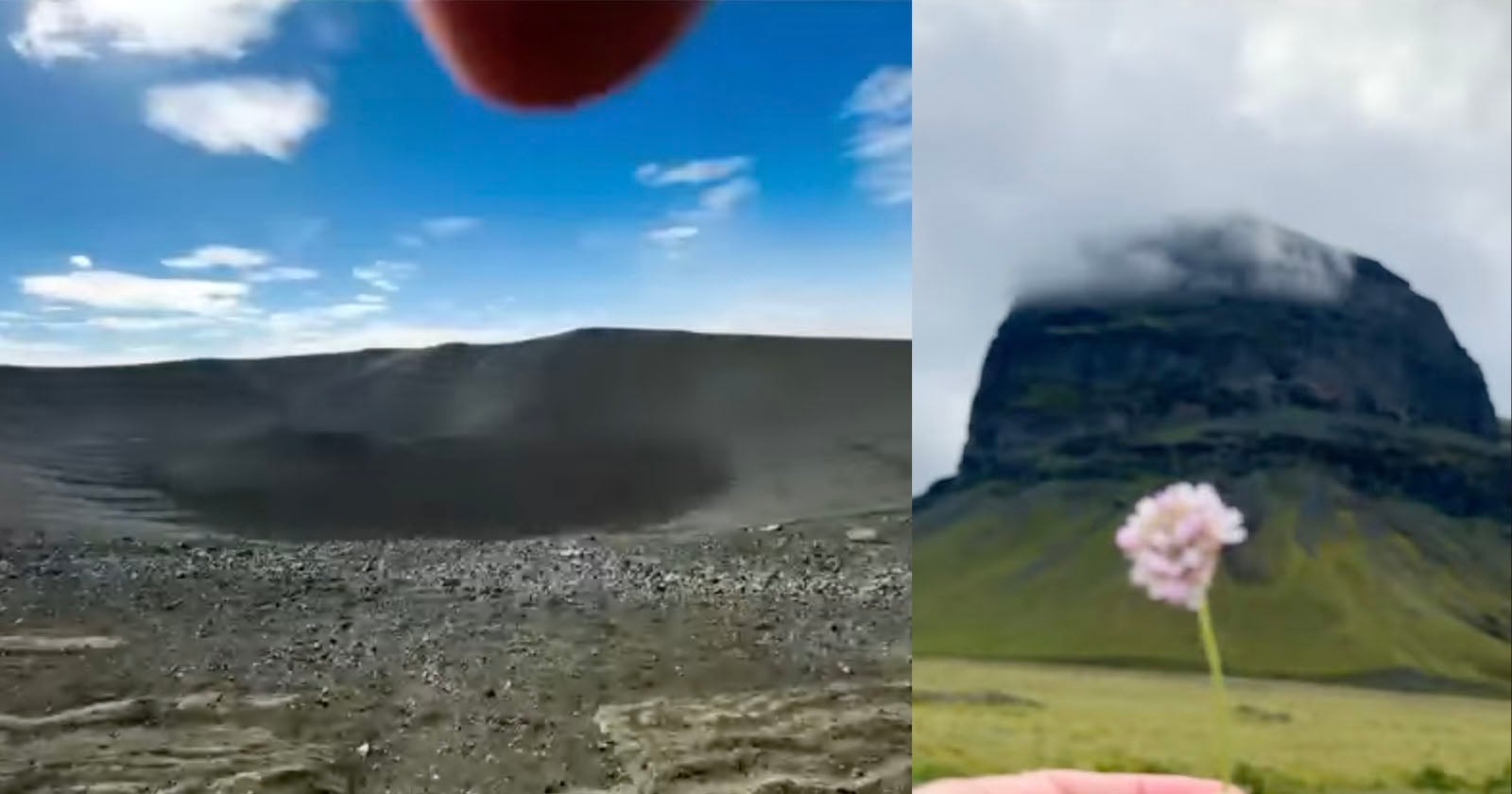
The contest’s premise was simple yet audacious: find the worst photographer, someone whose work consistently defied technical proficiency, yet still possessed an undeniable charm or, at the very least, an honest representation of their travel experience. Participants were invited to submit their most imperfect photographs, showcasing blurry subjects, crooked horizons, accidental fingers in the frame, and questionable compositions. Mortemard’s submission, featuring notably out-of-focus shots of iconic landmarks like the Statue of Liberty and jarringly skewed perspectives from a previous trip to Norway, perfectly encapsulated the spirit of the competition. Her ability to consistently produce images that defied photographic conventions, yet told a story of genuine, uncurated observation, made her the standout choice among tens of thousands of hopefuls.
The prize package was designed to be as extraordinary as the contest itself: a significant cash award of $50,000, intended to underscore the value placed on this unconventional approach, coupled with an all-expenses-paid, 10-day photographic expedition across Iceland. This immersive trip was not about capturing postcard-perfect images but about documenting Iceland through an unfiltered, genuinely amateur lens, proving that the country’s breathtaking natural beauty could shine through even the most "unskilled" photography.
A Journey Through Iceland: The Mortemard Lens
Following her triumphant win, Mortemard embarked on her much-anticipated Icelandic adventure, a dream trip for countless photographers, professional and amateur alike. Over the course of 10 days, she traversed an impressive 1,500 miles across the rugged and stunning Nordic landscape. Her itinerary likely included iconic sites such as the Golden Circle, the black sand beaches of Reynisfjara, the majestic waterfalls of Skógafoss and Seljalandsfoss, the glacial lagoons of Jökulsárlón, and the geothermal wonders of the Blue Lagoon, among others. Each location, renowned for its dramatic vistas and photogenic qualities, was subjected to Mortemard’s distinctive photographic gaze.
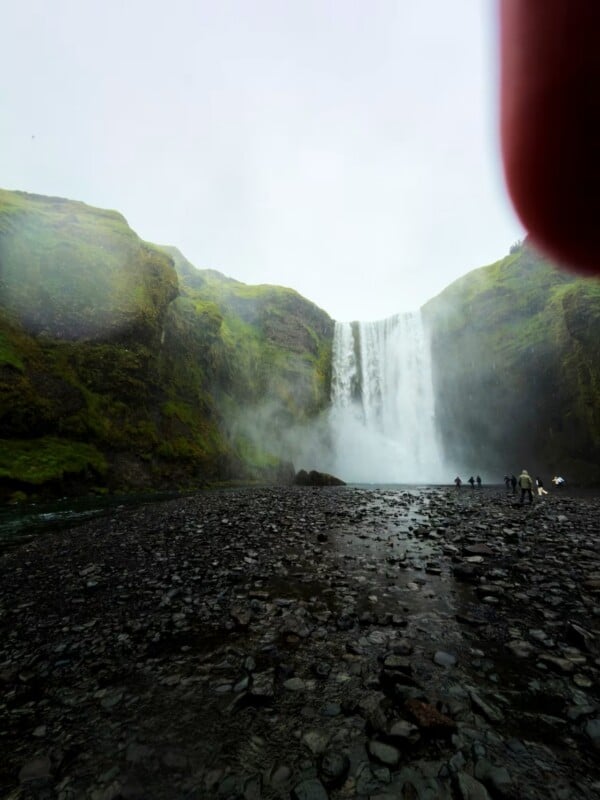
During her extensive tour, Mortemard diligently documented her experiences, accumulating a staggering 5,484 photographs. This sheer volume of images provided a comprehensive, if unconventional, visual diary of her journey. True to her winning form, a significant portion of these images bore the hallmarks of her self-confessed "bad photographer" status. A meticulous audit of her work revealed that 61 of her photographs inadvertently included a finger or thumb obscuring part of the frame – a common and often frustrating mishap for many casual photographers. Furthermore, 462 images suffered from blurriness or shakiness, a testament to hurried captures or unsteady hands, while 282 photos featured objects that were largely unidentifiable, lost in a sea of poor focus or awkward framing.
Mortemard’s photographic output from Iceland, therefore, served as empirical data supporting the contest’s premise. It demonstrated that even amidst the most stunning landscapes on Earth, the human element of imperfection in capturing those moments is not only prevalent but also, in this context, celebrated. Her portfolio offered a stark contrast to the highly curated and often indistinguishable images flooding social media, providing a refreshing dose of reality that resonated deeply with the campaign’s objectives.
Icelandair’s Philosophy: Embracing "Reality As It Is"
Icelandair articulated the core philosophy behind the "Really Bad Photographer" project, emphasizing its multifaceted nature: "The results you’re seeing are as close to Blanche’s experience as it gets. And entirely hers. That’s what the really bad photographer project is all about. It’s part experiment, part reassurance, and part celebration of something we could all use a little more of: reality as it is." This statement underscores a significant shift in marketing strategy, moving away from idealized perfection towards an embrace of genuine, unvarnished human experience.
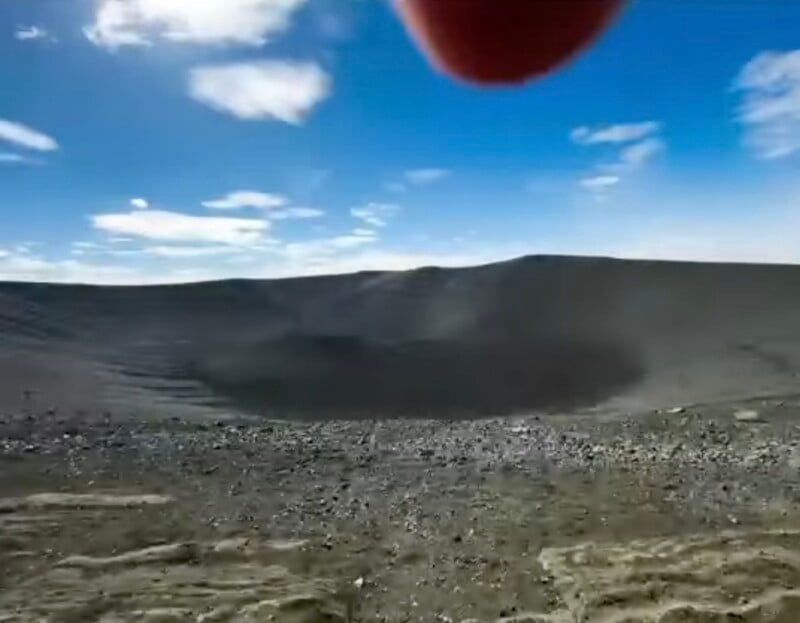
The airline’s objective was to prove that Iceland’s inherent, breathtaking natural beauty is so profound that it transcends even the most technically flawed photography. The message is clear: you don’t need to be a professional photographer with expensive gear and advanced editing skills to appreciate and capture the essence of Iceland. The country’s dramatic landscapes – its towering waterfalls, volcanic craters, geothermal pools, and rugged coastlines – possess an intrinsic grandeur that can impress even when framed imperfectly. This campaign serves as a reassurance to the vast majority of travelers who, like Mortemard, might feel intimidated by the pressure to produce "Instagrammable" content. It subtly encourages more people to visit, knowing that their memories, however captured, will be valid and meaningful.
From "Bad" Photos to Global Billboards: A Curated Authenticity
Perhaps the most compelling aspect of Icelandair’s campaign is its ambitious plan to feature Mortemard’s work on billboards across the world. From the nearly five and a half thousand images she captured, the airline’s team meticulously selected two photographs that, despite their inherent amateur qualities, managed to convey the essence of Iceland’s grandeur. These chosen images are set to become global advertisements, a remarkable journey for photos that, by conventional standards, might have been relegated to a digital bin.
Crucially, Icelandair committed to a strict editing policy for these billboard images. They accessed the RAW files – the unprocessed digital negatives – of Mortemard’s selected photos. The editing applied was minimal, adhering closely to the World Press Photo editing rules, which stipulate that "photographs can be processed, but the content of the image should remain unchanged, and color, contrast, and other adjustments should not misrepresent what was captured." This meant basic adjustments to contrast and color, aimed at enhancing visibility for large-scale display without altering the fundamental integrity or composition of Mortemard’s original capture.
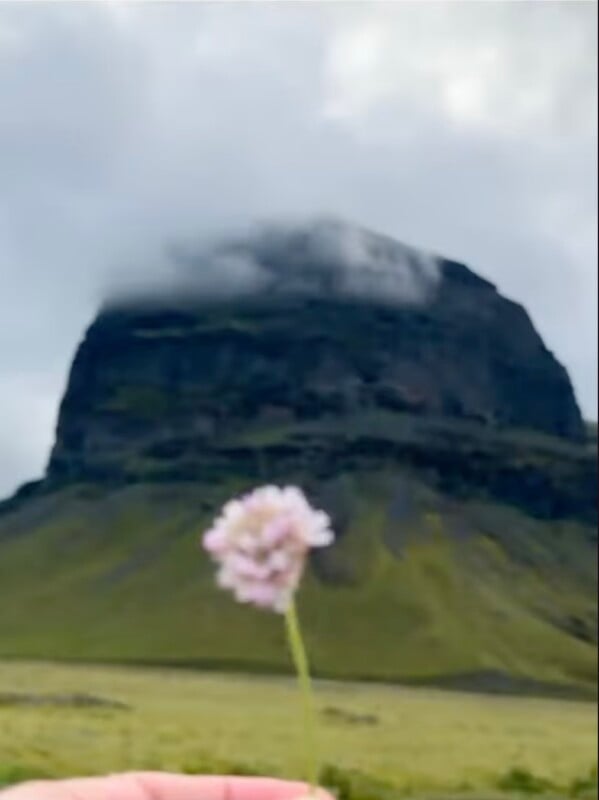
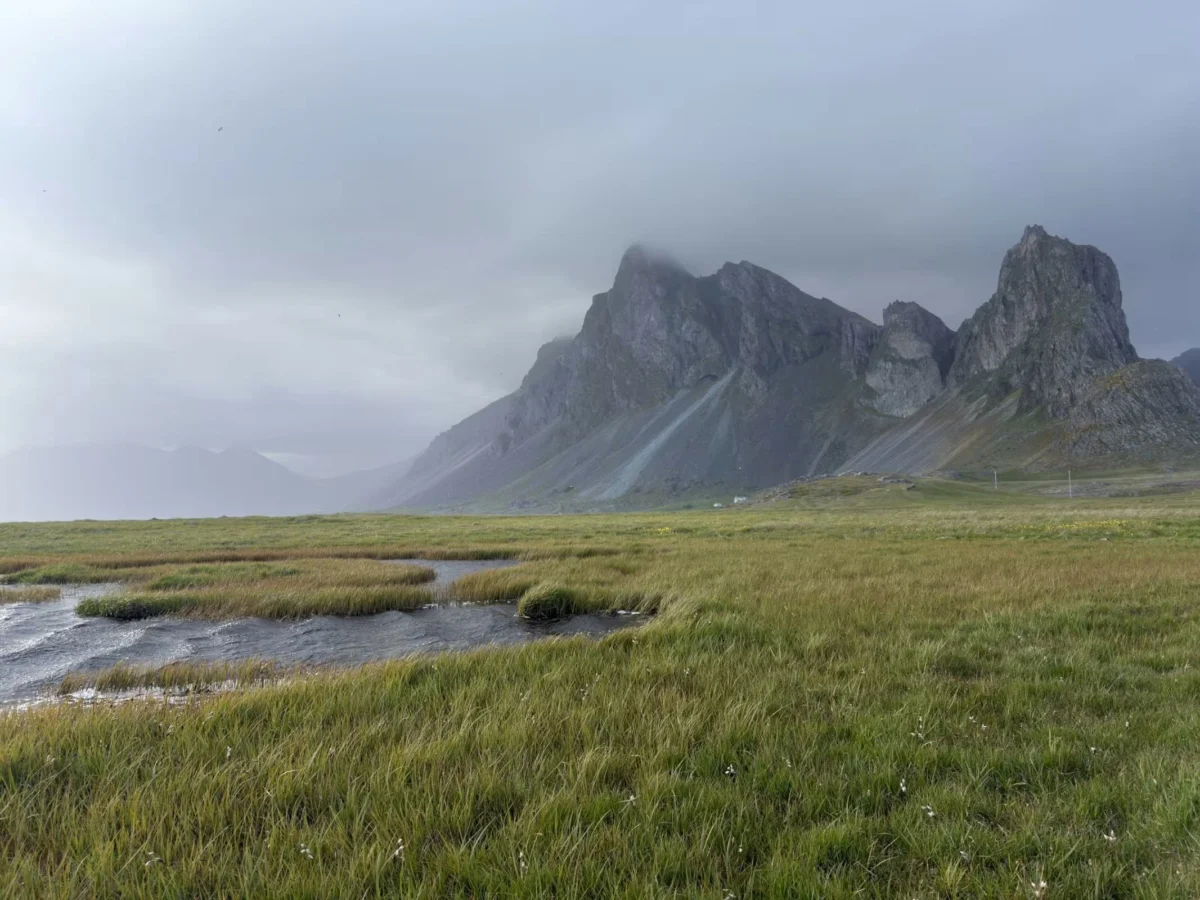
Icelandair explicitly stated its commitment to this "curated authenticity": "No dramatic skies. No perfect turquoise water. No removing that stray person Blanche didn’t notice. And certainly, no rescuing her composition." This transparency, even extending to linking the RAW files for "photography boffins" to inspect, further solidified the campaign’s credibility. The two chosen images, one depicting a powerful waterfall cascading down a dark cliff and another showcasing a vast grassy wetland against a dramatic, cloud-covered mountain range, exemplify this approach. They are not technically perfect, but their raw, unembellished quality makes them powerfully relatable and genuinely evocative of Iceland’s wild beauty. This strategy cleverly leverages the imperfection to create a more impactful and memorable advertising message.
Broader Implications: A Shift in Travel Marketing and Photography Culture
The "Really Bad Photographer" campaign transcends a mere marketing stunt; it represents a significant commentary on the evolving dynamics of travel, photography, and digital culture. For years, the travel industry has heavily relied on aspirational imagery, often featuring professional models in idyllic, unblemished settings. However, the rise of user-generated content and the increasing public fatigue with overly filtered realities have paved the way for a greater appreciation of authenticity.
Icelandair’s initiative taps into this sentiment, acknowledging that the vast majority of travelers are not professional photographers and that their personal experiences are valid regardless of photographic skill. This campaign validates the "everyday" traveler, reducing the pressure to perform for social media and encouraging a more present and authentic engagement with their surroundings. It subtly redefines what constitutes a "good" travel photo, suggesting that emotional resonance and genuine representation can be more valuable than technical perfection.
The campaign also highlights Iceland’s robust and growing tourism sector. A country renowned for its dramatic geological features, including glaciers, volcanoes, hot springs, and the Northern Lights, Iceland has consistently attracted adventurers and nature enthusiasts. Its landscape is, in many ways, an ideal subject for this campaign, as its inherent grandeur can often overcome photographic shortcomings. By demonstrating that even "bad" photos of Iceland are still compelling, Icelandair effectively broadens its appeal, inviting a wider demographic of potential visitors who might have previously felt their photographic skills were inadequate for capturing such an awe-inspiring destination.
Furthermore, the campaign offers a refreshing perspective within the photography community itself. While technical mastery remains crucial for professional applications, campaigns like this remind enthusiasts and professionals alike of the subjective nature of "good" photography and the power of narrative over pixel-perfect execution. It’s a testament to the idea that sometimes, the most memorable images are those that capture a moment’s truth, however imperfectly, rather than a staged ideal.
Exhibition and Dialogue: Extending the Campaign’s Reach
The journey of Blanche Mortemard’s "bad" photography is far from over. In a testament to the campaign’s success and the compelling narrative it has created, Mortemard is scheduled to exhibit her work in London. This public exhibition, coupled with a talk she will deliver on her photographic endeavors, offers a unique opportunity for wider engagement. The event, slated to be free and held in Shoreditch, a district known for its artistic and cultural vibrancy, will allow attendees to witness her unedited, authentic perspective on Iceland firsthand. Tickets for this unique event are available online, signaling the sustained interest in Mortemard’s story and Icelandair’s innovative approach.
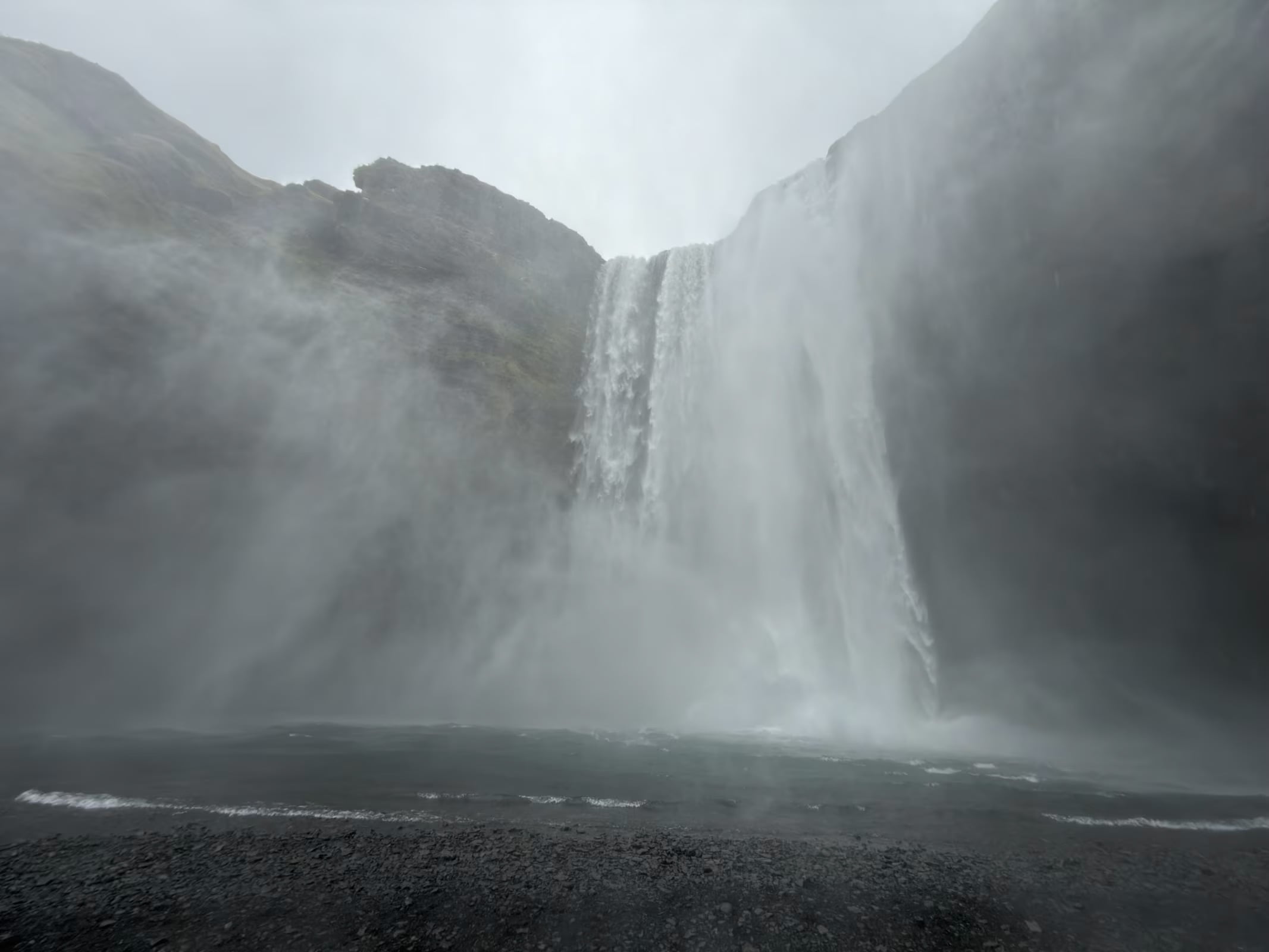
This exhibition transforms a marketing campaign into a cultural event, inviting dialogue about photography, travel, authenticity, and the democratizing power of digital imagery. It provides a platform for Mortemard, an accidental icon, to share her journey and insights, further cementing the campaign’s impact beyond a fleeting advertising moment. Her talk is expected to delve into her personal experience, the surprising nature of her win, and perhaps her reflections on what it means to be a "bad photographer" in a visually saturated world.
In conclusion, Blanche Mortemard’s journey from an unknown amateur with a penchant for imperfect photos to a global billboard star is a remarkable success story. Icelandair’s "Really Bad Photographer" campaign has not only garnered immense media attention and public engagement but has also subtly shifted the conversation around travel marketing. By embracing and celebrating imperfection, the airline has created a powerful, relatable, and ultimately effective message that resonates with the desire for authenticity in an increasingly curated world. It underscores that the true beauty of a destination, particularly one as magnificent as Iceland, can indeed shine through any lens, however "bad" the photographer may claim to be.