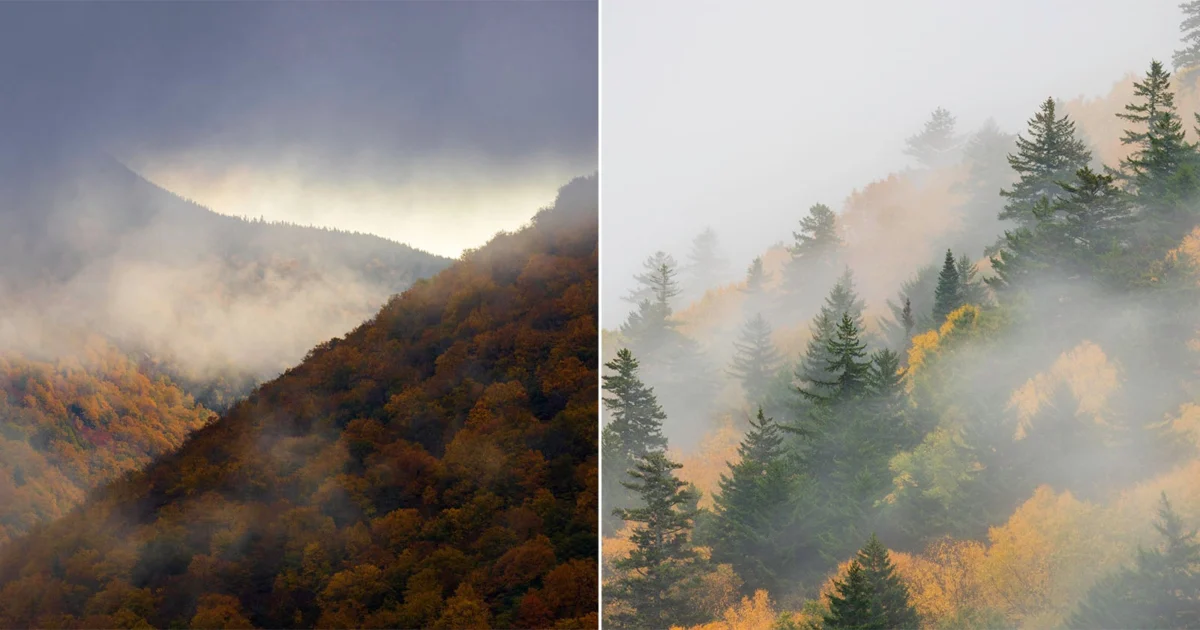
As the vibrant hues of autumn envelop regions like New England, a notable shift in photographic practice is gaining momentum, challenging the long-held tradition of wide-angle dominance in landscape photography. While panoramic vistas captured with wide lenses have historically defined the genre, an increasing number of photographers are discovering the compelling virtues of telephoto optics, utilizing them to craft intimate, detail-rich compositions that redefine landscape aesthetics. This evolving preference underscores a broader re-evaluation of photographic tools and techniques, emphasizing selective vision over expansive scope.
Redefining the Landscape Lens: A New Perspective
Traditionally, wide-angle lenses, typically ranging from 16mm to 35mm, have been considered the quintessential tools for landscape photographers. Their ability to capture broad scenes, emphasize foreground elements, and convey a sense of vastness has been central to the genre’s visual language. However, this established paradigm is being re-examined by a growing cohort of visual artists who find that longer focal lengths, from 70mm to 400mm and beyond, offer distinct advantages for distilling complex scenes into powerful, focused narratives.
This re-evaluation is particularly evident during seasons like autumn, when the sheer abundance of striking color and texture can overwhelm a wide-angle frame. The challenge for photographers often lies not in finding beauty, but in isolating it and presenting it with clarity and impact. Telephoto lenses excel in this regard, allowing photographers to compress perspective, eliminate distracting elements, and zero in on specific patterns, light, and atmospheric conditions that might otherwise be lost in a wider shot.
The White Mountains Case Study: A Practical Demonstration
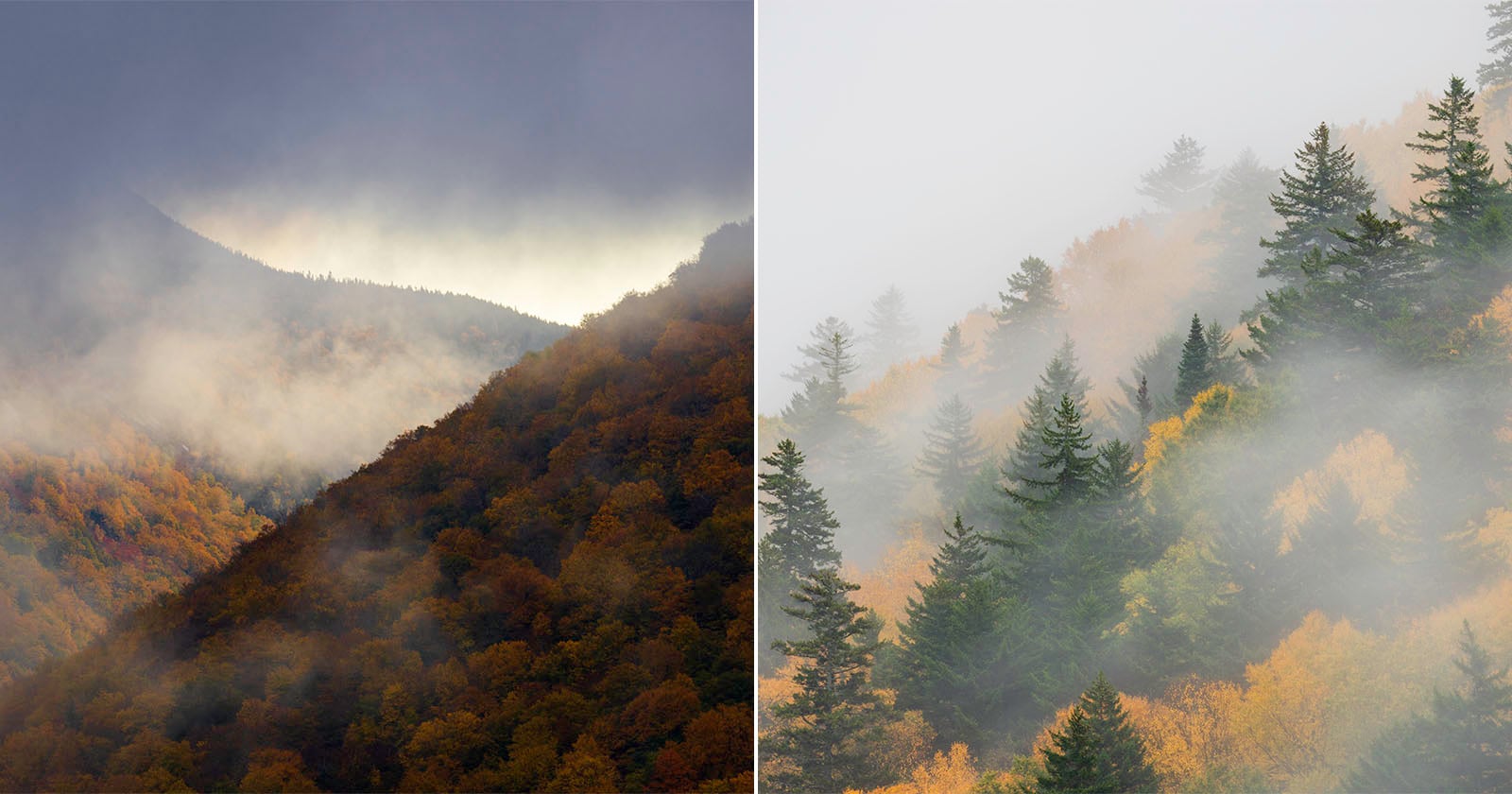
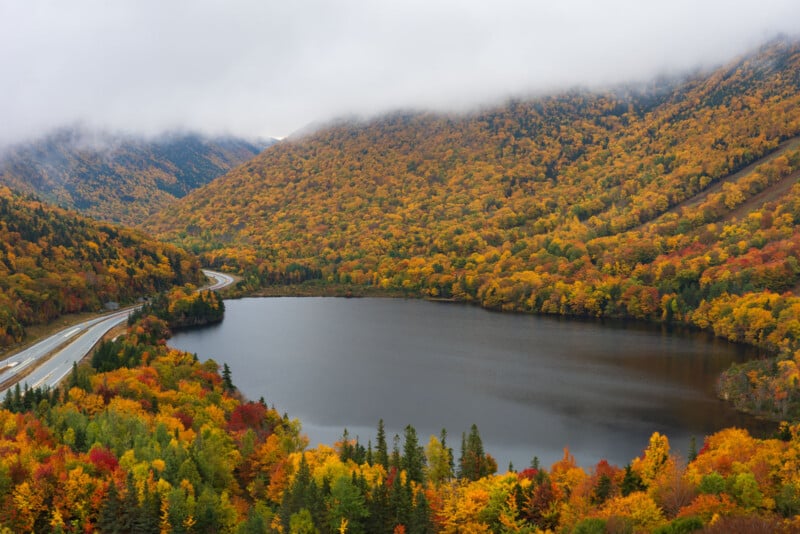
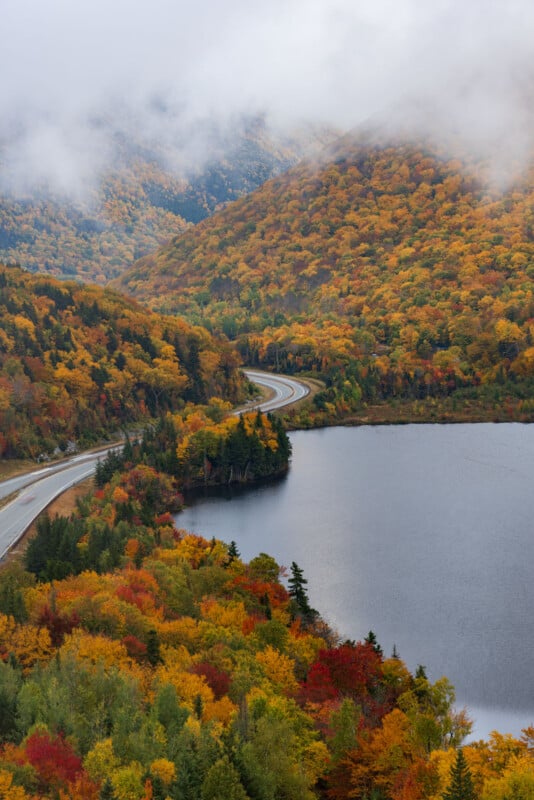
A recent expedition to the White Mountains in New Hampshire during peak foliage season provided a compelling demonstration of this telephoto-centric approach. A photographer, Jeremy, embarked on a sunrise shoot at Artists Bluff in Franconia Notch State Park, utilizing primarily a Sony 400mm f/4.5 GM OSS lens paired with a Sony a7R VI camera. This setup starkly contrasts with what might be considered a conventional landscape kit, yet the results highlighted the efficacy of this choice.
Out of 134 photographs taken, 20 were selected for post-processing, an unusually high hit rate for the photographer. Significantly, 16 of these top selections were captured with the 400mm telephoto lens. The remaining four were taken with a Sony FE 24-105mm f/4 G zoom lens, at focal lengths ranging from 43mm to 105mm, still leaning towards the longer end of its capabilities. This practical outcome suggests that for this particular environment and desired aesthetic, the telephoto lens was overwhelmingly the more effective tool.
Advantages of Telephoto Lenses in Landscape Photography
The advantages of employing telephoto lenses in landscape photography are multifaceted and extend beyond mere focal length.
1. Perspective Compression and Layering
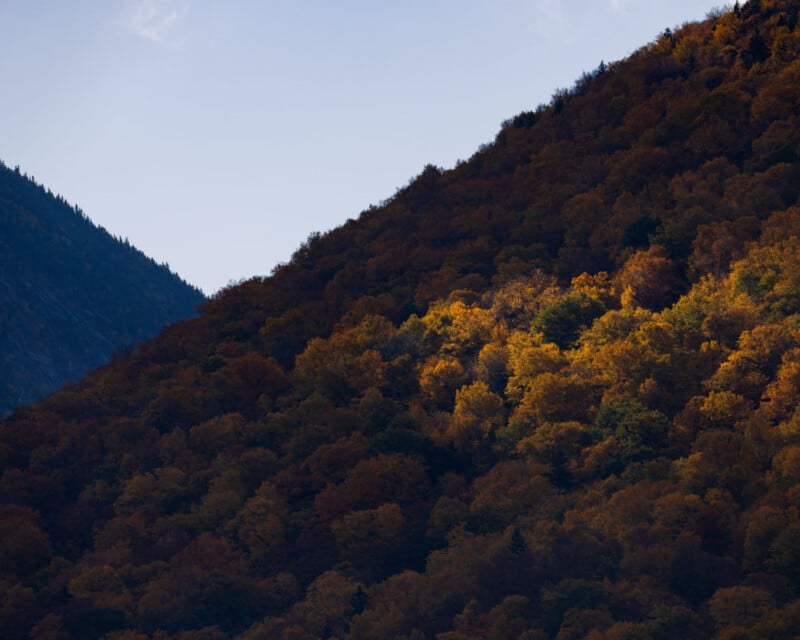
One of the most significant optical characteristics of telephoto lenses is their ability to compress perspective. This effect makes distant elements appear closer to each other than they would to the naked eye or through a wide-angle lens. In landscapes, this translates into a powerful sense of depth and layering, where mountains, trees, and other features stack visually, creating a rich, almost two-dimensional tapestry. This compression can transform a sprawling scene into a more intimate and impactful composition, highlighting the interplay between different planes. For instance, a series of rolling hills might appear distinct and separated with a wide lens, but a telephoto could render them as overlapping layers, emphasizing their undulations and shared texture.
2. Isolation and Elimination of Distractions
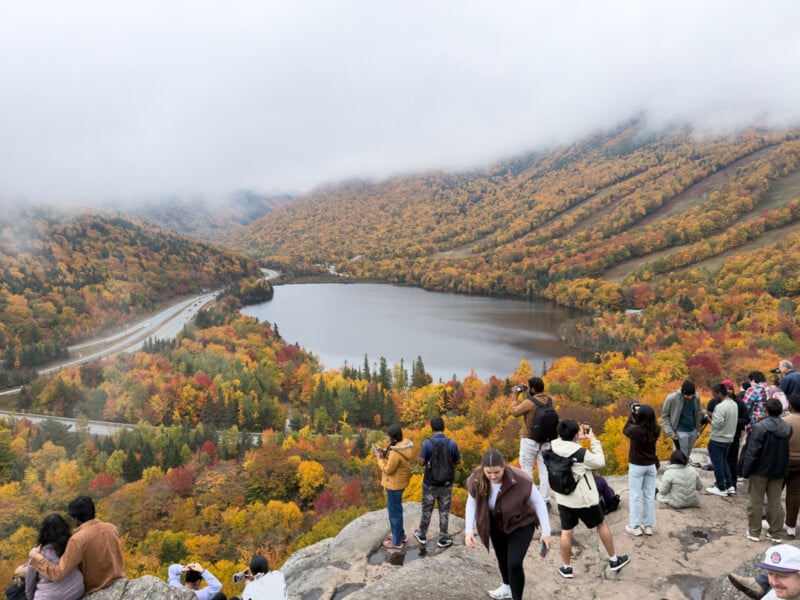
Telephoto lenses are unparalleled in their capacity to isolate subjects. In a busy landscape, whether due to an abundance of natural elements or the presence of human activity, a telephoto allows the photographer to crop in tightly on a specific point of interest. This was a critical factor during the White Mountains shoot, where Artists Bluff, a popular viewpoint, was shared with numerous other visitors. A wide-angle lens would have inevitably included these individuals, potentially detracting from the natural beauty of Echo Lake and the surrounding autumn foliage. By employing the 400mm lens, the photographer could effectively exclude these "distracting hikers," focusing solely on the pristine landscape elements. This ability to frame out unwanted elements is crucial for maintaining compositional purity and delivering the photographer’s intended message.
3. Emphasizing Detail, Texture, and Light
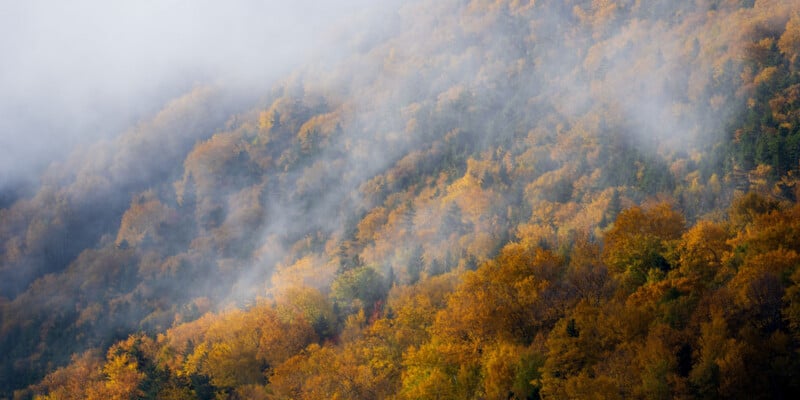
Longer lenses excel at rendering fine details, textures, and the nuanced play of light across a scene. When focusing on a specific section of a mountain range, a cluster of trees, or the intricate patterns of autumn leaves, a telephoto lens brings these elements to the forefront with remarkable clarity. The White Mountains images, for example, showcase patches of golden sunlight illuminating specific sections of forest against shadowed slopes, or the delicate interplay of mist and foliage. These are "smaller" stories within the grand vista, made prominent and impactful through the selective vision of a telephoto lens. This ability to capture micro-landscapes within the macro-environment offers a profound avenue for artistic expression.
4. Safety and Accessibility
In many natural settings, "zooming with your feet" – a common photographic adage for wide-angle users – is impractical or even dangerous. Perched atop a bluff, moving closer to a distant mountain face is simply not an option. In such scenarios, a telephoto lens provides the necessary reach to frame the desired shot from a safe and accessible vantage point. This practical consideration makes telephoto lenses indispensable for capturing distant features, wildlife within a landscape, or intricate details of an inaccessible terrain.
The Philosophy of "Less Is More"
The growing embrace of telephoto lenses in landscape photography often aligns with a compositional philosophy centered on "less is more." Many photographers, upon reviewing their wider landscape portfolios, recognize that while the scenes were objectively beautiful, the resulting photographs sometimes lacked a strong focal point or cohesive narrative. The overwhelming beauty of a scene, particularly during peak fall foliage, can paradoxically lead to compositions that are "just" pictures of pretty things, without the underlying structure or intentionality that elevates an image.
By forcing a narrower field of view, telephoto lenses inherently simplify the scene. They compel the photographer to identify and isolate the most compelling elements – a specific interplay of light and shadow, a unique geological formation, a stand of particularly vibrant trees, or the way mist clings to a mountainside. This selective process transforms the act of photography from merely documenting a grand scene into a deliberate act of interpretation, where the photographer’s vision guides the viewer to a specific, curated experience. The resulting images are often more focused, more impactful, and resonate more deeply precisely because they are not trying to encompass everything.
Technological Evolution and Accessibility
The increasing popularity and practicality of telephoto lenses for landscape work have also been facilitated by advancements in lens technology. Modern telephoto prime and zoom lenses, such as the Sony 400mm f/4.5 GM OSS, offer remarkable optical quality, often in surprisingly compact and lightweight designs for their focal length. The 400mm f/4.5 GM OSS, weighing under a kilogram, is a prime example of how manufacturers are making powerful telephoto options more portable and manageable for photographers who need to hike into remote locations. This technological evolution democratizes access to longer focal lengths, making them a viable and attractive option for a wider range of landscape photographers. Coupled with high-resolution camera bodies like the Sony a7R VI, these lenses can capture an extraordinary level of detail, allowing for significant cropping flexibility in post-production, further enhancing their utility for selective framing.
Broader Implications and Future Trends
The ascendance of telephoto lenses signifies more than just a preference for a particular piece of gear; it represents an evolving artistic sensibility within landscape photography. It suggests a move towards greater intentionality, a deeper engagement with the subtle details of nature, and a willingness to challenge established conventions. This shift encourages photographers to:
- Experiment with Perspective: To actively seek out compositions within compositions, viewing the landscape as a collection of smaller, interconnected stories rather than a single grand narrative.
- Refine Compositional Skills: To develop a keen eye for isolating compelling elements, understanding how light, shadow, texture, and color interact within a tighter frame.
- Broaden Their Toolkit: To consider telephoto lenses not as specialized tools solely for wildlife or sports, but as integral components of a versatile landscape photography kit.
This trend is likely to continue as photographic technology advances, offering even lighter, sharper, and more accessible long lenses. As the digital age allows for greater experimentation and sharing, the visual language of landscape photography will undoubtedly continue to diversify, with telephoto compositions playing an increasingly prominent role alongside their wide-angle counterparts. For any landscape photographer, regardless of their current lens preferences, exploring the creative possibilities offered by telephoto lenses presents an exciting opportunity to discover new ways of seeing and capturing the natural world. The call to "simplify the scene with a longer lens" is becoming a powerful invitation to artistic growth and fresh perspectives in a beloved genre.