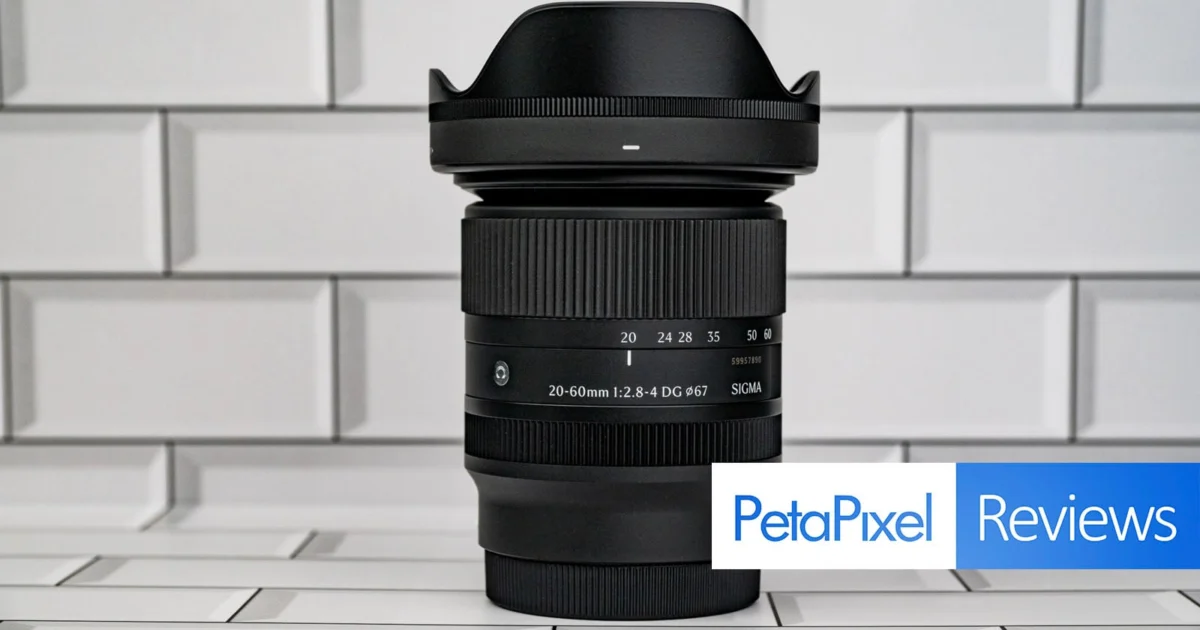
The photographic landscape continues its rapid evolution, with an increasing emphasis on compact versatility and practical performance over the pursuit of absolute optical perfection. This shifting paradigm has driven lens manufacturers to innovate, delivering optics that streamline a photographer’s kit without compromising essential capabilities. In this context, Sigma has introduced a compelling new contender to the full-frame mirrorless market: the Sigma 20-60mm f/2.8-4 DG Contemporary lens. Priced at an accessible $849, this latest offering is poised to become a formidable alternative for both Sony E-mount and L-mount users, distinguished by its ultra-wide starting focal length, commendable light-gathering capabilities, and remarkably compact design.

This release from Sigma is not merely another addition to their extensive catalog but rather a strategic move that addresses a growing demand among photographers and videographers alike. The preference for a single, adaptable lens that covers a broad, frequently used focal range, particularly one that extends into the ultra-wide, has become a significant market trend. This eliminates the need to carry multiple lenses, thereby enhancing portability and responsiveness in various shooting scenarios. The Sigma 20-60mm f/2.8-4 DG Contemporary lens steps into this niche, offering a compelling blend of features that cater directly to this modern user base.
Addressing the Demand for Versatility: A Market Overview
The proliferation of mirrorless camera systems has fundamentally reshaped lens design and user expectations. Gone are the days when photographers were content with bulkier DSLR lenses; the demand now centers on optics that match the sleek, lightweight profiles of contemporary mirrorless bodies. Manufacturers like Sigma have been at the forefront of this transition, consistently delivering lenses that offer high performance in more compact forms. The "Contemporary" designation within Sigma’s product lines specifically signifies this commitment to balancing optical quality with practical, everyday usability and affordability.

The 20mm starting point of this new Sigma lens is particularly noteworthy. While the traditional "kit lens" or standard zoom often begins at 24mm or 28mm, the inclusion of 20mm provides a significantly wider field of view. This broader perspective is invaluable for various genres, including expansive landscapes, immersive architectural shots, dynamic environmental portraits, and increasingly, vlogging and content creation where a wider angle helps capture both the subject and their surroundings effectively. This strategic focal range decision positions the Sigma 20-60mm f/2.8-4 DG Contemporary as a direct response to current industry trends and user preferences.
Design and Ergonomics: A Masterclass in Compact Engineering
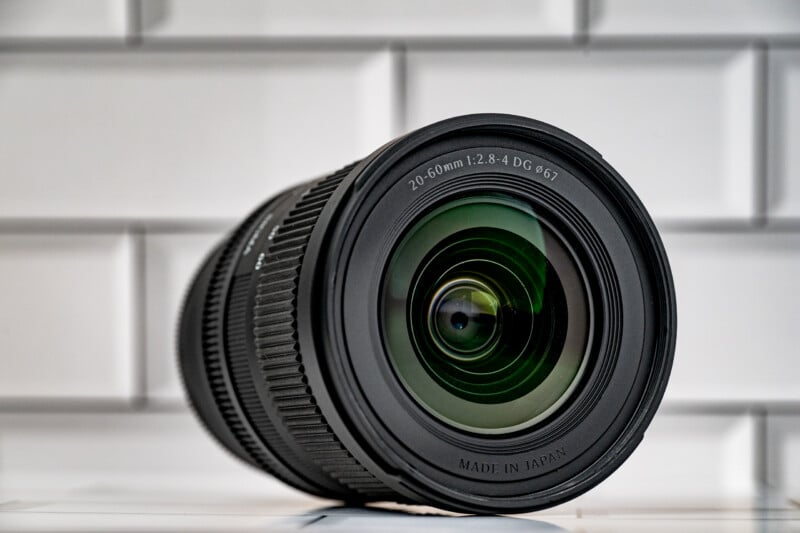
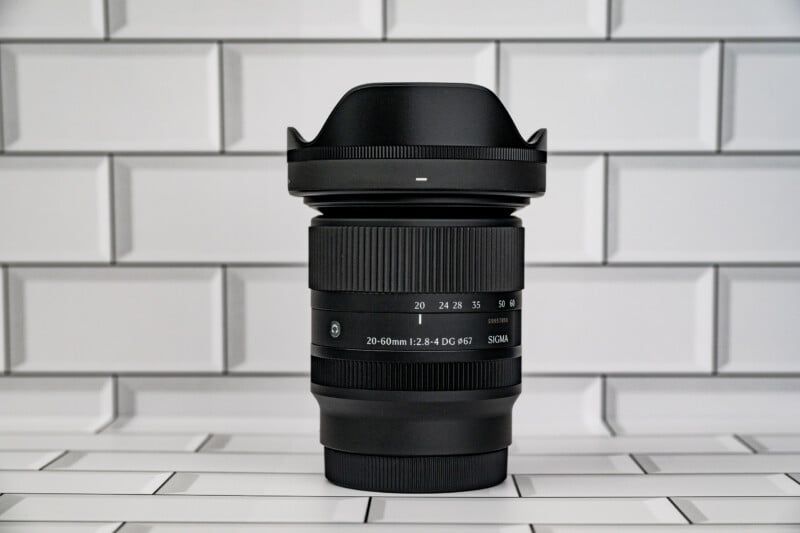
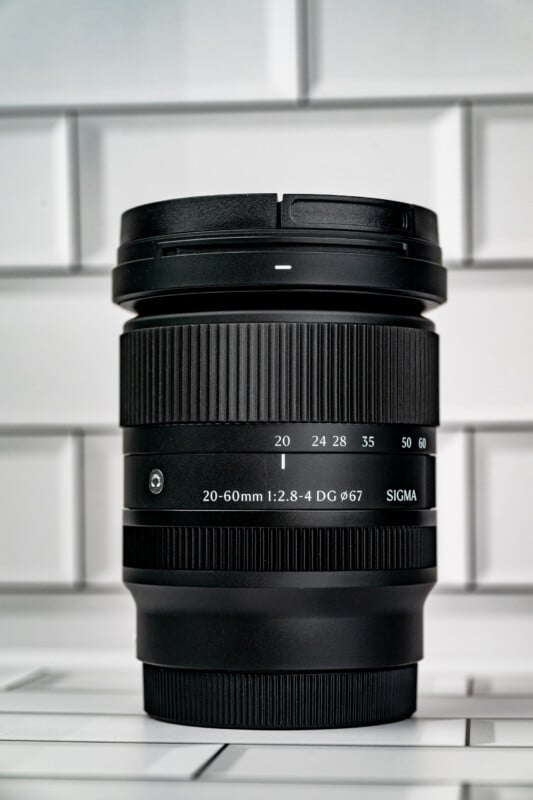
One of the most striking attributes of the Sigma 20-60mm f/2.8-4 DG Contemporary is its exceptional compactness and light weight. Tipping the scales at a mere 13.2 ounces (approximately 375 grams) and featuring a manageable 67mm front filter thread, the lens exemplifies Sigma’s engineering prowess. This makes it a highly attractive option for extended shoots, travel, or any situation where minimizing gear burden is paramount. To put this into perspective, it is even lighter than the widely acclaimed Sony 20-70mm f/4 G, a lens already lauded for its portability.
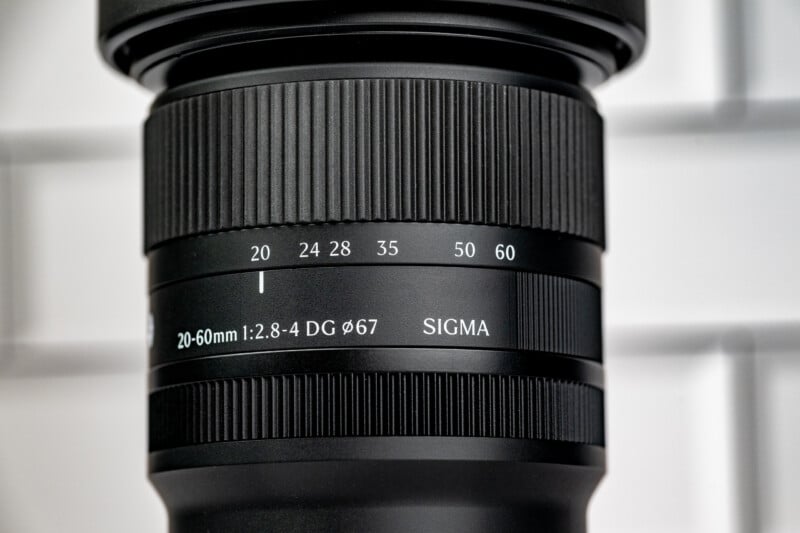
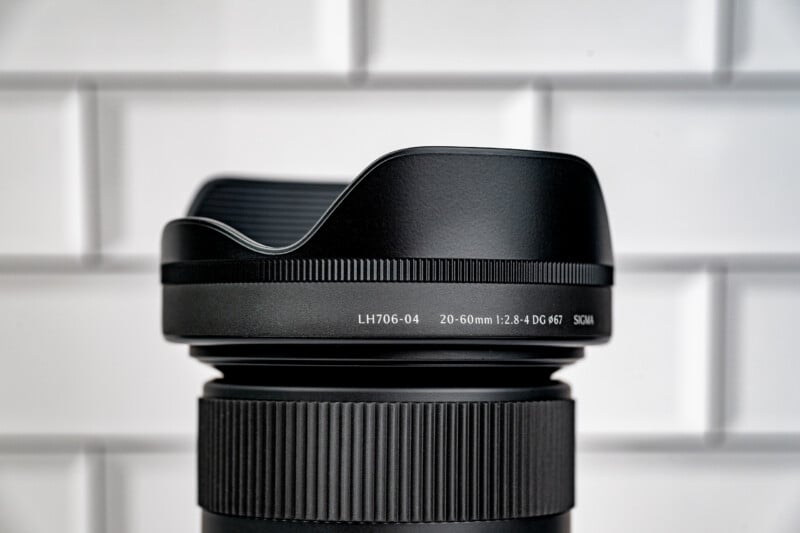
The physical construction of the lens adheres to Sigma’s Contemporary series standards, meaning users can expect a robust build with weather sealing and dust resistance at key points. While a basic lens hood is included, enhancing protection and mitigating stray light, the design prioritizes a minimalist approach to external controls. The lens features a smooth zoom ring and a manual focus ring, but notably omits a dedicated AF/MF switch. This design choice, while contributing to the compact form factor and simplified user interface, might require users to adjust camera settings for focus mode changes. The manual focus ring, though functional, has been noted to have a somewhat loose feel. Despite these minor ergonomic trade-offs, the inclusion of a high-speed linear motor ensures swift, precise, and quiet autofocus performance, a crucial feature for both still photography and video applications. The front element accommodates standard 62mm filters, and Sigma’s renowned lens coatings contribute to both optical performance and aesthetic appeal.

Optical Performance: Balancing Quality with Practicality

Sigma’s reputation for delivering strong optical performance, even in its more budget-friendly Contemporary line, is largely upheld by the 20-60mm f/2.8-4 DG. Extensive testing reveals several key optical strengths and a few areas where its design choices manifest.

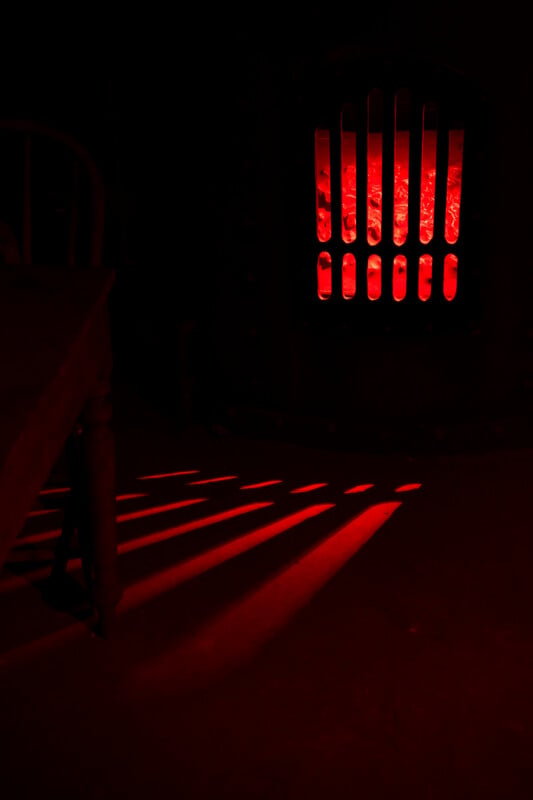
Flare Resistance and Sunstars: Sigma’s advanced lens coatings consistently demonstrate excellent flare resistance. Even when shooting directly into bright light sources at the widest 20mm focal length and maximum aperture (f/2.8), internal reflections and ghosting are remarkably well-controlled. Minor purple ghosting may appear along the diagonal of the frame when stopped down significantly, but this is a negligible issue for most practical purposes. However, the lens’s sunstar rendition is rather average. While functional, it does not produce the distinctly defined, sharp points that some photographers seek for artistic effect, placing it behind some specialized optics in this regard.

Close Focusing Capabilities: A highly desirable feature for a versatile zoom, the Sigma 20-60mm f/2.8-4 excels in close-up photography. It achieves its best macro ratio of 1:2.3 at approximately the 35mm mark, allowing photographers to capture intricate details of subjects like flowers and insects. This respectable magnification ratio significantly expands the lens’s utility, transforming it into more than just a wide-to-standard zoom but also a capable tool for semi-macro work, adding substantial value for its target audience.

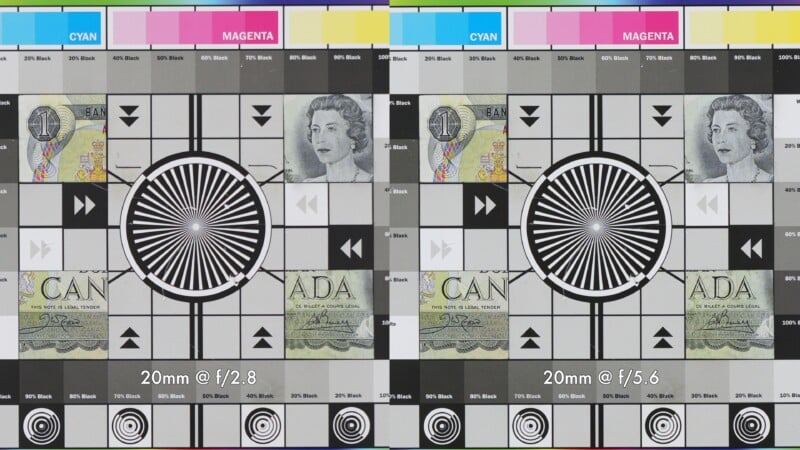
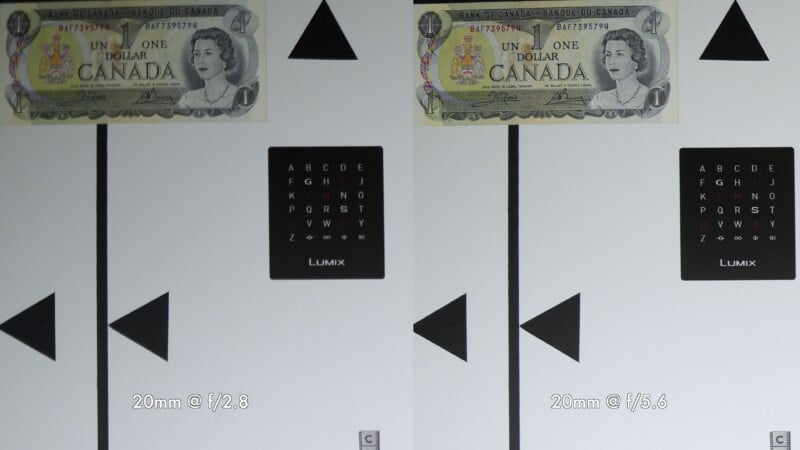
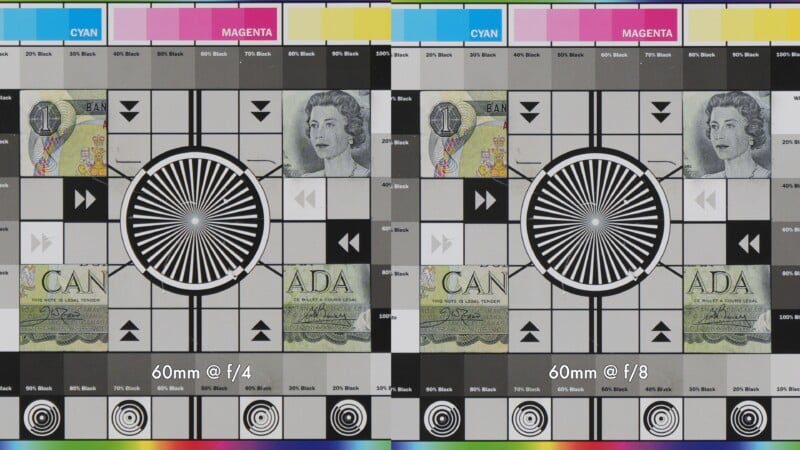
Sharpness and Contrast: Overall sharpness is very good across the focal range. At the 20mm wide end, detail and contrast are commendable even at the maximum f/2.8 aperture. Performance improves further as the aperture is stopped down, with central sharpness quickly reaching excellent levels. Corner sharpness at 20mm f/2.8 shows some softness, which is not uncommon for ultra-wide zooms, but this also improves noticeably with slight aperture adjustments. At the 60mm telephoto end, the lens maintains consistent and impressive sharpness, with strong detail at f/4 in the center and more uniform corner-to-corner performance. This consistency across the zoom range underscores the lens’s strong optical design.

Bokeh and Aberrations: While generally a strong performer, the bokeh (quality of background blur) produced by the Sigma 20-60mm f/2.8-4 is somewhat average. Specular highlights can exhibit a noticeable "onion ring" effect, and the overall background blur can sometimes appear slightly harsh or distracting, particularly with busy backgrounds. This is a common characteristic of many variable aperture zoom lenses and is often a trade-off for their versatility and compact design. Furthermore, minor longitudinal chromatic aberration (LoCA) may manifest, specifically at the 20mm end when shooting wide open at f/2.8. However, this is generally subtle and easily correctable in post-processing.
Video Performance: A Vlogger’s Companion?

For burgeoning cinematographers, vloggers, and content creators, the Sigma 20-60mm f/2.8-4 DG Contemporary offers several compelling advantages. Its compact and lightweight design makes it an ideal candidate for gimbal stabilization, where maintaining balance is critical. The variable f/2.8-4 aperture provides a good compromise, offering a reasonably fast f/2.8 at the wide end for low-light scenarios and subject separation, which is beneficial for run-and-gun video work. The lens’s ability to maintain its point of balance relatively well during zooming is another boon for gimbal users, minimizing the need for constant rebalancing.

However, a notable characteristic for video users is the presence of "lens breathing," where the field of view subtly changes as the focus point shifts. While present, this effect might be deemed acceptable for many non-cinematic or vlogging applications, given the lens’s other strengths and its attractive price point. The fast and quiet linear motor autofocus also contributes significantly to its video utility, ensuring smooth and reliable subject tracking.

Competitive Analysis: Sigma vs. The Field

The introduction of the Sigma 20-60mm f/2.8-4 DG Contemporary directly intensifies competition within the wide-to-standard zoom segment for Sony E-mount and L-mount systems. Its primary rivals are the Sony 20-70mm f/4 G and the Panasonic 20-60mm f/3.5-5.6.

Against the Sony 20-70mm f/4 G: The Sigma lens presents a compelling alternative to Sony’s first-party offering. While the Sony 20-70mm f/4 G boasts a slightly longer telephoto reach and a constant f/4 aperture, the Sigma counters with a faster f/2.8 aperture at its wide end, offering superior low-light performance and greater subject separation potential. Crucially, the Sigma lens comes in at a significantly lower price point of $849 compared to Sony’s $1,200. This price difference, combined with the Sigma’s lighter weight, makes it a highly attractive value proposition for users who prioritize light gathering and affordability over a slightly longer telephoto range and a fixed aperture. Both lenses produce respectable image quality, making the choice a matter of specific priorities and budget.
Against the Panasonic 20-60mm f/3.5-5.6: For L-mount users, the Sigma 20-60mm f/2.8-4 DG Contemporary offers a substantial upgrade over the Panasonic 20-60mm f/3.5-5.6. The Sigma provides a significantly brighter aperture across its range, allowing for better low-light performance and shallower depth of field. Optically, the Sigma is generally superior in terms of sharpness and contrast. However, the Panasonic lens remains an excellent bargain, especially when bundled with camera bodies, making it a highly cost-effective entry point. For those willing to invest a bit more for enhanced light-gathering and optical performance, the Sigma offers a clear advantage, representing a worthwhile upgrade despite its higher price.
Broader Implications and Market Impact
Sigma’s latest release underscores a broader trend in the photographic industry: the increasing sophistication and competitiveness of third-party lens manufacturers. By offering a lens that combines a highly desirable focal range, strong optical performance, a relatively fast aperture, and a compact design at a competitive price, Sigma is effectively democratizing access to professional-grade tools. This benefits consumers by providing more choice and driving innovation across the board.

Industry analysts suggest that lenses like the Sigma 20-60mm f/2.8-4 DG Contemporary will continue to challenge the dominance of first-party offerings, especially in segments where versatility and value are key drivers. The lens caters to a diverse audience, from travel photographers and landscape enthusiasts to event shooters and content creators, who require a single, reliable lens for a wide array of situations. Its robust build, fast autofocus, and commendable optical characteristics ensure it can serve as a dependable workhorse lens.

In conclusion, the Sigma 20-60mm f/2.8-4 DG Contemporary is a highly significant product release. It provides a compelling option for photographers and videographers using Sony E-mount and L-mount systems who are seeking a versatile, lightweight, and optically capable wide-to-standard zoom lens. Its well-thought-out focal range starting at 20mm, combined with a relatively fast aperture and an attractive price point, positions it as a strong contender that demands serious consideration. This lens is a testament to Sigma’s continued commitment to innovation and its understanding of the evolving needs of modern image-makers.