San Francisco, CA – Artificial intelligence giant OpenAI has reportedly acquired Glass Imaging, a pioneering startup renowned for its transformative smartphone camera technology, in a deal valued at approximately $300 million, according to an exclusive report by The Wall Street Journal. This significant acquisition marks a potential strategic shift for OpenAI, hinting at an accelerated push into hardware development and advanced visual data processing, extending beyond its established prowess in large language models and generative AI. While neither OpenAI nor Glass Imaging has officially confirmed the transaction, sources familiar with the matter suggest the deal has been finalized, sending ripples through both the AI and mobile imaging sectors.
Glass Imaging’s Pioneering Technology: Redefining Smartphone Photography
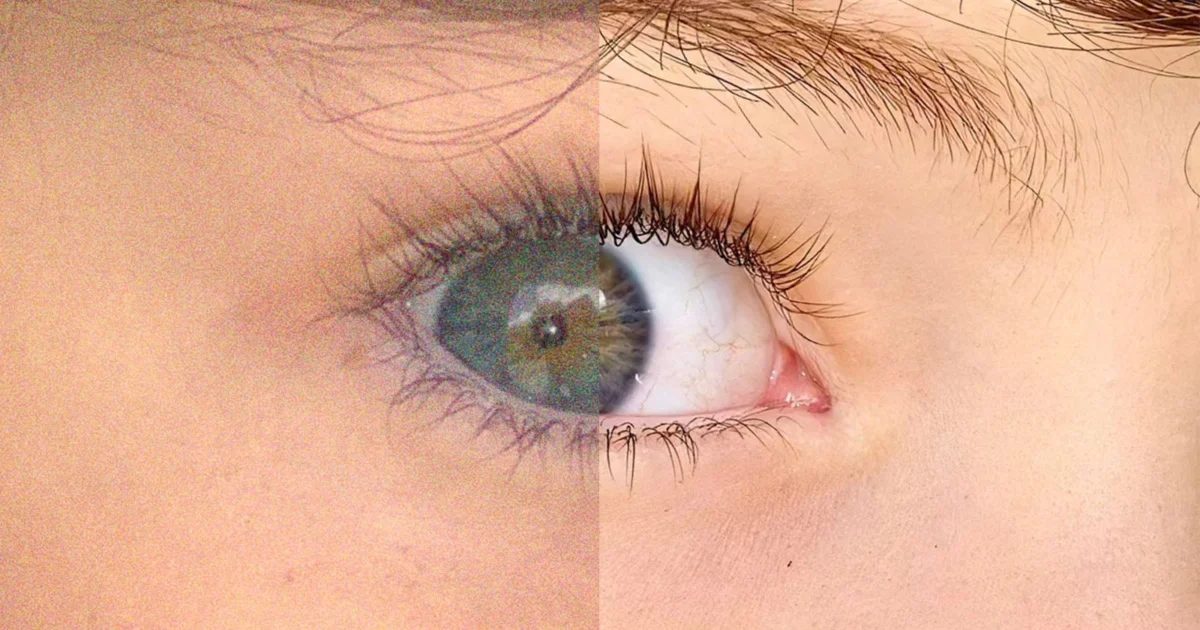
Glass Imaging has long been a subject of keen interest within the photography and mobile technology communities, particularly for its innovative GlassAI Neural Image Signal Processing (ISP) technology. Unlike conventional computational photography methods that often apply post-processing filters or enhancements to already processed image data, GlassAI operates at a foundational level. It leverages raw image data directly from the sensor, meticulously integrating physical lens characteristics and sensor-level information to reconstruct and enhance images. This approach allows for a dramatic improvement in image quality, challenging the long-held limitations imposed by the inherently small sensors and compact optics of smartphone cameras.
The core of GlassAI’s innovation lies in its neural network architecture, which is trained to understand and compensate for the optical and digital imperfections inherent in mobile imaging systems. By processing information before it is compressed or heavily processed by standard ISPs, GlassAI can achieve superior detail retention, dynamic range, color accuracy, and low-light performance. This deep integration with hardware, particularly its reliance on raw data, differentiates it from many AI-driven enhancements that often function as software overlays. The technology has demonstrated the capacity to elevate smartphone image quality to a level that, in certain aspects, can genuinely rival the performance, resolution, and rendering qualities typically associated with dedicated cameras featuring significantly larger sensors and more sophisticated lenses.
A History of Innovation and Market Validation
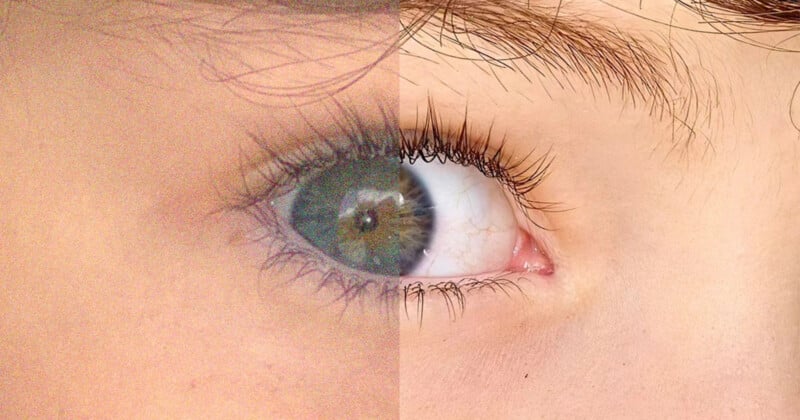
Glass Imaging’s journey has been characterized by consistent demonstrations of groundbreaking capabilities and growing market validation. The company first garnered widespread attention around 2024 when PetaPixel extensively covered its promising early demos. These demonstrations, often conducted on actual devices powered by high-end mobile platforms like the Qualcomm Snapdragon 8 Elite, showcased GlassAI’s ability to dramatically enhance photos captured under challenging conditions. Reviewers and industry experts were consistently impressed by the technology’s tangible improvements in areas such as fine detail rendition, noise reduction, and overall image clarity, which were presented in direct, compelling comparisons against leading smartphone cameras of the era.
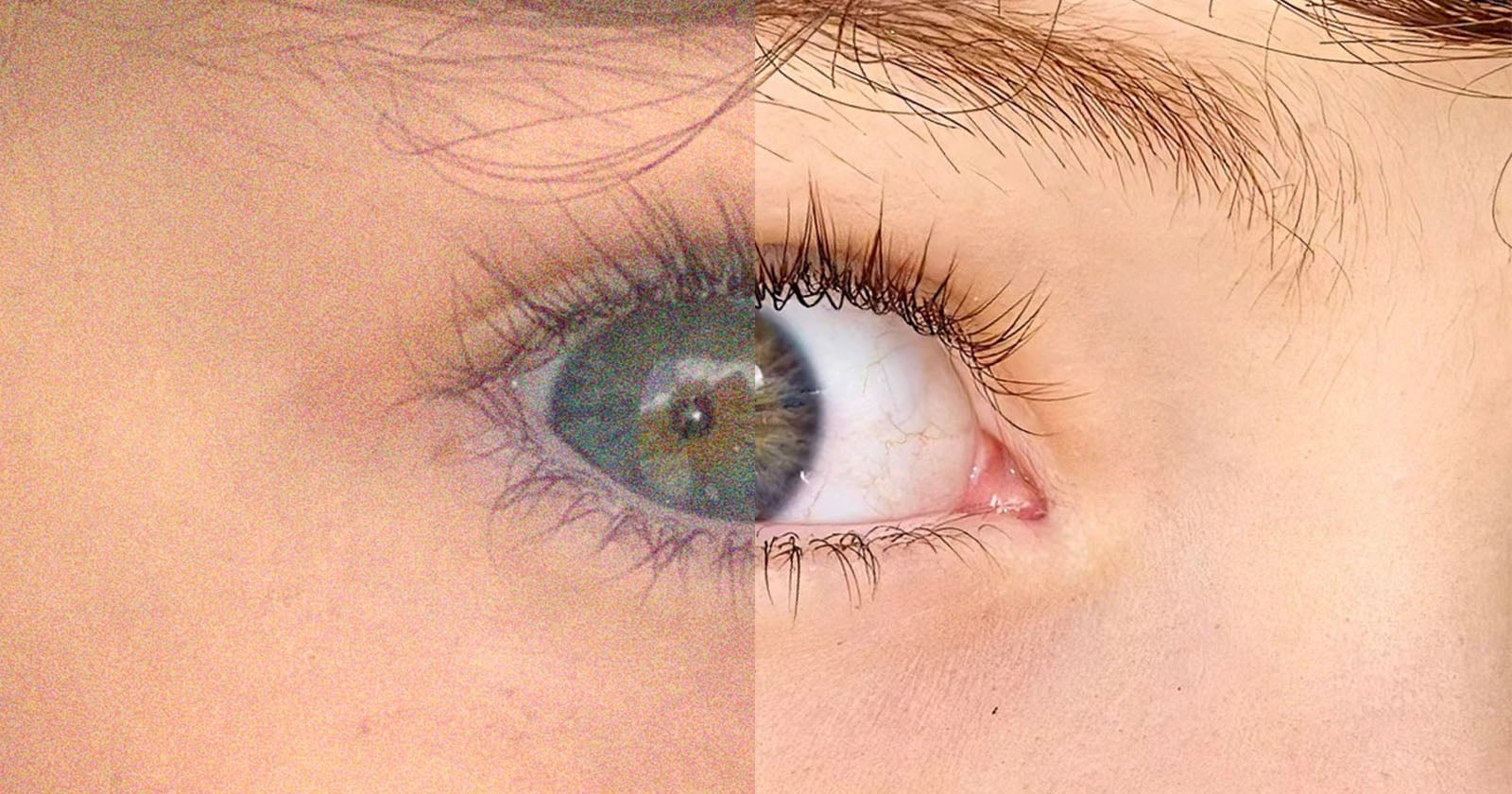
The past year, in particular, has seen Glass Imaging transition from promising demos to real-world commercial application. Most recently, in early 2026, Glass Imaging’s GlassAI Neural ISP technology was successfully incorporated into the Honor 600 smartphone. This integration was a significant milestone, proving the technology’s readiness for mass-market deployment. Initial reports and user feedback highlighted GlassAI’s particular effectiveness in improving the image quality of the Honor 600’s high-zoom photography, an area where smartphone cameras typically struggle due to optical limitations. This successful implementation underscored the practical utility and commercial viability of Glass Imaging’s solution, validating years of research and development.
Prior to the reported acquisition, investors had also recognized the immense potential of Glass Imaging’s technology. Industry sources indicate that the company was valued at a substantial $100 million in a funding round conducted just last year. This valuation reflected strong investor confidence in Glass Imaging’s ability to capture a significant share of the rapidly evolving mobile imaging market, which is continuously seeking innovative solutions to differentiate products and meet consumer demand for professional-grade photography. The reported $300 million acquisition price by OpenAI represents a significant premium over this earlier valuation, signaling OpenAI’s profound interest and the perceived strategic value of Glass Imaging’s intellectual property and expertise.
The Smartphone Photography Revolution and Glass Imaging’s Impact
The evolution of smartphone photography has been one of the most dynamic narratives in consumer electronics over the past two decades. What began as rudimentary cameras on feature phones has transformed into sophisticated imaging systems that often dictate purchasing decisions for millions of consumers globally. The market for smartphone cameras is by far the largest segment of the digital camera industry, with billions of devices shipped annually. This massive scale, however, comes with inherent challenges: compact form factors necessitate small sensors and limited optical zoom, making image quality heavily reliant on computational photography and advanced software processing.
Glass Imaging entered this landscape with a unique proposition. While many competitors focused on incremental software tweaks or sensor improvements, GlassAI offered a holistic approach that addressed the fundamental limitations of mobile optics by intelligently interpreting raw data. This promised not just better photos, but a fundamental shift in how smartphones capture and process visual information. Its ability to extract more detail and clarity from existing hardware meant that manufacturers could potentially achieve higher image quality without necessarily resorting to larger, more expensive camera modules, offering a compelling advantage in a highly competitive market. The integration into the Honor 600 was a testament to this, demonstrating that GlassAI could deliver tangible, noticeable improvements in real-world usage, particularly in demanding scenarios like zoomed photography where the optical disadvantages of smartphones are most apparent.
OpenAI’s Strategic Pivot into Hardware and Multimodal AI
The acquisition of Glass Imaging by OpenAI raises intriguing questions about the AI giant’s long-term strategic direction. Traditionally known for its groundbreaking work in large language models like GPT and generative AI systems such as DALL-E and Sora, OpenAI’s core business has been firmly rooted in software, research, and cloud-based AI services. The reported acquisition of an imaging hardware/software company suggests a deliberate expansion into physical devices and real-world data capture.
This move is not entirely without precedent. The Wall Street Journal previously reported that OpenAI acquired Jony Ive’s AI hardware startup for an estimated $6.5 billion just last year. Jony Ive, the former chief design officer at Apple, is renowned for his minimalist aesthetic and user-centric approach to hardware design. His involvement signaled OpenAI’s serious intent to explore AI-powered physical devices. The purchase of Glass Imaging now appears to be a logical, complementary step in this emerging hardware strategy.
It is highly plausible that any purported AI device OpenAI develops – whether a wearable, a smart home hub, or a more esoteric form factor – would incorporate sophisticated image and video capture capabilities. In such a scenario, Glass Imaging’s technology would be invaluable. High-quality visual input is critical for advanced AI applications, particularly those involving computer vision, spatial understanding, augmented reality, or even sophisticated user interfaces that rely on visual cues. An AI device benefiting from significantly better image quality, powered by GlassAI, could perform more robust visual intelligence tasks, offer superior data analysis from real-world environments, or provide enhanced user experiences where visual fidelity is paramount.
The Unanswered Questions: Why Glass Imaging for OpenAI?
While the link to potential AI hardware is strong, the specific motivations behind OpenAI’s acquisition of Glass Imaging remain largely speculative in the absence of official statements. OpenAI’s primary focus has been on developing advanced AI, not directly on the mechanics of capturing "real photos or videos" for human consumption in the traditional sense. However, the paradigm is shifting rapidly, and the distinction between digital media creation and AI’s understanding of the physical world is blurring.
One compelling theory revolves around multimodal AI. OpenAI is actively developing AI systems that can process and generate information across various modalities – text, images, audio, and video. For AI models to truly understand and interact with the physical world, they need high-fidelity sensory input. Glass Imaging’s technology, by providing exceptionally clear and detailed visual data directly from the sensor, could serve as a crucial pipeline for training more robust and accurate vision models. Imagine AI systems that can not only identify objects but also discern subtle textures, lighting conditions, and intricate details with unprecedented clarity, leading to breakthroughs in areas like robotics, autonomous systems, medical imaging analysis, or advanced environmental monitoring.
Furthermore, the acquisition could be seen as an investment in data quality. Training cutting-edge AI models requires vast quantities of high-quality data. If OpenAI plans to collect its own proprietary visual datasets for future AI development, having best-in-class image capture technology directly integrated could provide a significant competitive advantage. The ability to capture raw, unprocessed, and exceptionally detailed visual information could lead to more nuanced and performant AI models, especially for tasks that demand fine-grained visual understanding.

Market Reactions and Future Outlook
The news of the acquisition, even unconfirmed, has sparked considerable discussion within the tech industry. For the smartphone imaging market, the immediate implication is that Glass Imaging’s ongoing work on dramatically improving smartphone image quality for third-party manufacturers may be put "on ice," at least for the foreseeable future. This would be a significant loss for the broader mobile photography ecosystem, as GlassAI had proven to be a genuinely transformative technology poised to democratize high-quality imaging across more devices. Existing partners like Honor might need to reassess their long-term imaging strategies or seek alternative solutions if Glass Imaging’s technology becomes exclusively integrated into OpenAI’s ecosystem.
For OpenAI, the acquisition solidifies its intent to move beyond purely software-based AI and into the realm of integrated hardware and real-world intelligence. This places OpenAI in more direct competition with tech giants like Apple, Google, and Amazon, all of whom have extensive hardware divisions and are heavily invested in AI. It signals a future where AI is not just a digital service but an embodied intelligence interacting with and understanding the physical world through advanced sensory input.
Industry analysts suggest that this move highlights a broader trend: the convergence of AI, hardware, and advanced sensing technologies. As AI becomes more sophisticated, its ability to perceive and interpret the world accurately becomes paramount. Companies that can control the entire stack – from hardware sensors and raw data capture to AI processing and application – will likely hold a significant advantage in the next generation of intelligent systems. OpenAI, by acquiring Glass Imaging, appears to be strategically positioning itself to be a leader in this integrated future, potentially building the eyes for its next generation of AI brains.
While the full scope of OpenAI’s plans for Glass Imaging remains under wraps, the acquisition underscores the escalating race among tech giants to control key components of the AI value chain. The approximately $300 million investment in Glass Imaging is not merely about better smartphone photos; it’s about acquiring foundational technology that could empower OpenAI’s ambitious vision for intelligent hardware and a deeper, more accurate understanding of the visual world for its advanced AI models. The coming years will reveal how this strategic chess move will reshape the landscape of artificial intelligence and its interaction with our physical reality.