The traditional concept of the blank canvas, long celebrated as the ultimate symbol of creative freedom, is undergoing a fundamental transformation within the commercial marketing sector. While starting from nothing has historically been viewed as a hallmark of originality, the modern digital economy increasingly views it as a logistical bottleneck. In a landscape where marketing teams are tasked with populating dozens of channels simultaneously—ranging from social media and email to large-scale display advertising and localized global campaigns—the time and cost associated with traditional production cycles have become unsustainable. Consequently, a new creative model has emerged: one that prioritizes professional stock media as a foundational layer, enhanced and accelerated by artificial intelligence.
The primary driver of this shift is the sheer volume of assets required for a modern campaign. A single creative concept today may need to be adapted into a website hero image, vertical video for mobile stories, square graphics for Instagram feeds, horizontal banners for LinkedIn, and various localized versions for international markets. When a creative team starts from scratch for each of these outputs, the production chain involves a massive sequence of decisions regarding lighting, casting, location, and composition before a single usable pixel is generated. AI-enhanced stock media effectively removes these preliminary hurdles, allowing designers to bypass the "zero-to-one" phase and move directly into the high-value phase of refinement and strategy.
The Economic Reality of Creative Production
The financial implications of the "blank canvas" approach are significant. Creative production contains a vast amount of invisible labor—work that is necessary for the final product but adds little in the way of unique artistic value. Tasks such as resizing images, reconstructing backgrounds to fit different aspect ratios, and searching for relevant imagery can consume up to 60% of a design team’s weekly hours. Industry data suggests that marketing departments are facing a "content gap," where the demand for personalized, high-quality visual content is growing at a rate of 10x to 20x, while creative budgets remain relatively flat.
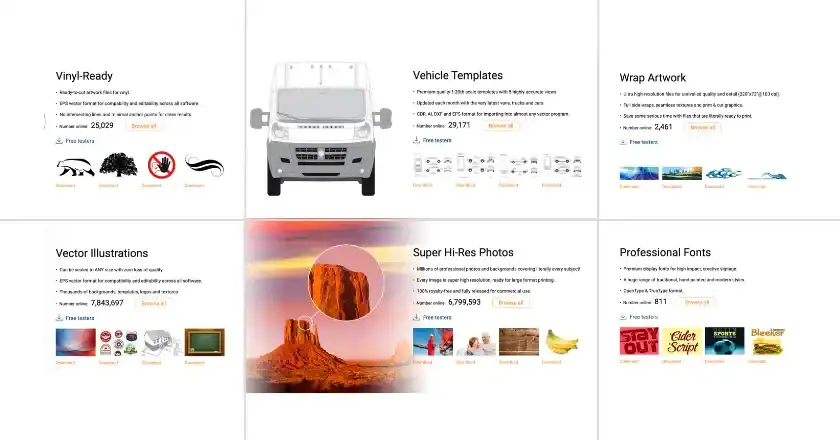
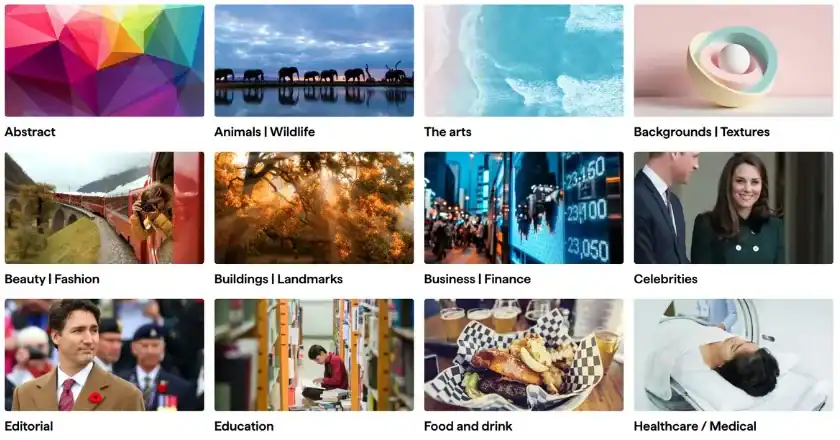
To bridge this gap, organizations are turning to stock media platforms like Shutterstock, which have evolved from simple repositories of imagery into integrated creative ecosystems. By providing professional-grade photography, vectors, and video, these platforms allow teams to start several steps ahead. However, the true breakthrough lies in the integration of AI-assisted editing tools. These tools address the historical limitation of stock media: its lack of flexibility. Previously, if a stock image didn’t perfectly match the required dimensions or lighting, it was discarded. Today, AI allows designers to expand backgrounds, change lighting conditions, or alter subjects within a professional asset, making "nearly perfect" images entirely usable.
A Chronology of Stock Media and AI Integration
The evolution of visual content sourcing has moved through several distinct eras, each marked by a reduction in the friction between an idea and its execution:

- The Physical Era (Pre-1990s): Stock imagery was sourced through physical catalogs and transparency slides. Selection was limited, and the turnaround time for receiving high-resolution files could take days or weeks.
- The Digital Revolution (1990s–2010s): The rise of the internet enabled instant search and download. Platforms like Shutterstock democratized access to professional imagery, making it possible for small businesses and global agencies alike to find assets in seconds.
- The Generative AI Emergence (2022–2023): Purely generative AI models allowed users to create images from text prompts. While revolutionary, these often lacked the technical precision, legal indemnity, and authentic "human" feel required for high-stakes commercial use.
- The Hybrid AI-Enhanced Era (Present): This current phase combines the reliability of professional stock media with the agility of AI. Instead of generating an entire image from a prompt, creators use AI to modify, extend, and personalize high-quality, ethically sourced professional assets.
This chronology illustrates a shift from "finding" to "creating" to "collaborating" with technology. The hybrid model is currently favored by major brands because it offers the speed of AI without the legal risks or aesthetic "uncanny valley" often associated with fully synthetic content.
Supporting Data and Industry Adoption
Recent market research underscores the necessity of this shift. According to a 2024 report on marketing trends, approximately 73% of high-performing marketing teams now use AI-driven tools to assist in content creation. Furthermore, a study by Gartner suggests that by 2026, 60% of the effort required for manual creative tasks will be automated through AI, allowing teams to focus on brand storytelling and emotional resonance.
The cost of "creative fatigue" is another data point driving adoption. In digital advertising, the performance of a visual asset typically begins to decline after just 48 to 72 hours of exposure to a target audience. To maintain engagement, performance marketers must constantly refresh their creative. AI-enhanced stock media allows for "controlled variation"—taking a single professional image and using AI to generate ten different backgrounds or color schemes. This approach has been shown to increase click-through rates (CTR) by up to 35% compared to static campaigns, as the audience is continuously presented with fresh visuals that remain consistent with the core brand identity.

Reactions from the Creative Community
The integration of AI into stock media has met with a mix of pragmatism and cautious optimism from industry professionals. Many art directors argue that the technology is not a replacement for human talent but a powerful "force multiplier."
"The goal isn’t to eliminate the designer; it’s to eliminate the drudgery," says one senior creative lead at a global advertising agency. "If my team spends four hours trying to find an image of a ‘modern office with natural light’ and another three hours trying to Photoshop a window into it, that’s seven hours they aren’t spent thinking about the client’s brand strategy. AI-enhanced stock removes that friction."
Conversely, there is a strong emphasis on the quality of the "seed" material. Professionals note that AI is only as good as the data it manipulates. Starting with a high-resolution, professionally lit photograph from a library like Shutterstock ensures that the AI’s output maintains a level of technical excellence that purely generative models often struggle to replicate, such as realistic skin textures, accurate reflections, and proper anatomical proportions.

Broader Impact and Strategic Implications
The long-term impact of AI-enhanced stock media extends beyond mere efficiency; it is fundamentally changing the structure of creative departments. As repetitive production tasks are automated, the role of the designer is shifting toward that of an "Artistic Curator" or "Creative Technologist." Expertise is moving "upstream," where the focus is on directing the AI and making high-level judgments about which variations best serve the brand’s objectives.
Furthermore, this model offers a significant advantage for global localization. Historically, a brand might have needed to commission separate photo shoots in different regions to ensure cultural relevance. With AI-enhanced stock, a single professional asset can be modified to reflect local environments, clothing styles, and demographics while maintaining a unified global aesthetic. This modular approach to production reduces the carbon footprint of global campaigns by minimizing the need for travel and on-site shoots.
The Future of the Hybrid Workflow
Looking ahead, the distinction between "stock" and "original" content will likely continue to blur. As AI tools become more sophisticated, the "source" image will serve increasingly as a creative scaffolding. We are entering an era of "Dynamic Creative Optimization" (DCO), where AI not only helps create the asset but also helps determine which version of that asset should be shown to a specific user in real-time.
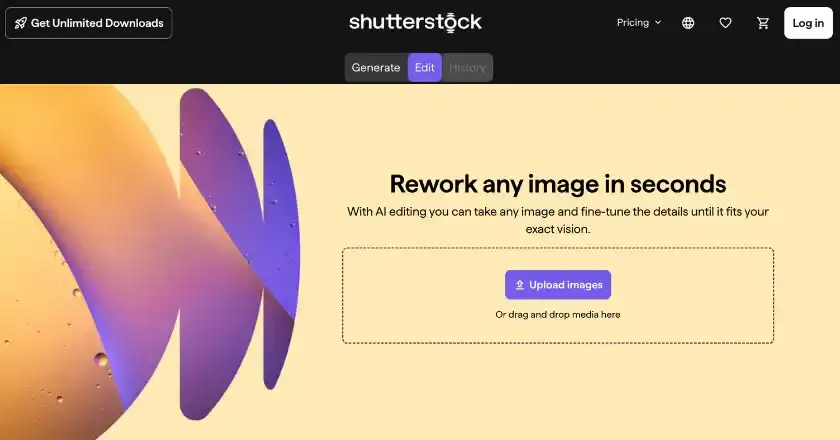
The most successful marketing teams will be those that embrace a hybrid workflow. This involves utilizing large-scale professional libraries for their reliability and legal safety, while employing AI for its speed and adaptability. By moving away from the blank canvas and toward a model of enhanced foundation, brands can meet the insatiable demand for content without sacrificing the quality or the human touch that defines great advertising.
Ultimately, the rise of AI-enhanced stock media represents a maturation of the creative industry. It is a recognition that in the digital age, speed is a form of quality, and the ability to iterate is as important as the ability to originate. The blank canvas may remain a romantic ideal for the fine artist, but for the commercial creator, the future is built on a foundation of professional media and intelligent automation.