The landscape of business-to-business (B2B) marketing has undergone a radical transformation leading into 2026, moving away from high-gloss, over-produced corporate presentations toward a video-first, authenticity-driven model. As attention spans continue to contract and the professional marketplace becomes increasingly saturated with artificial intelligence-generated content, B2B buyers have shifted their priorities. Decision-makers now prioritize transparency, immediate problem-solving, and "trust signals" over aesthetic perfection. Recent industry data indicates that B2B video ads that utilize relatable, human-centric stock media are seeing a 35% higher conversion rate compared to traditional high-budget commercial shoots that lack a sense of real-world application.
The Evolution of B2B Visual Communication: 2020–2026
The journey to the current state of B2B marketing began with the digital acceleration of 2020, which forced professional services into the realm of social media. By 2023, video had become the dominant medium for product discovery. However, 2026 marks a specific turning point where the "uncanny valley" of AI-generated media has created a counter-movement. B2B buyers, weary of deepfakes and generic automation, now seek visual proof of human interaction and tangible business environments.
Market analysts observe that the traditional B2B sales funnel has been compressed. In 2026, a single 15-second video ad on a platform like LinkedIn or Meta often does the heavy lifting previously assigned to white papers or hour-long webinars. Consequently, the demand for high-quality, authentic stock media has surged, as brands require a constant stream of fresh, relatable content to maintain "operational velocity" without the prohibitive costs of custom film production.
Core Characteristics of High-Converting B2B Visuals
To understand why certain B2B ads succeed while others fail, it is necessary to examine the psychological profile of the 2026 professional buyer. Today’s decision-makers are characterized by a strong reliance on first impressions and a demand for immediate value.
Trust Over Aesthetics
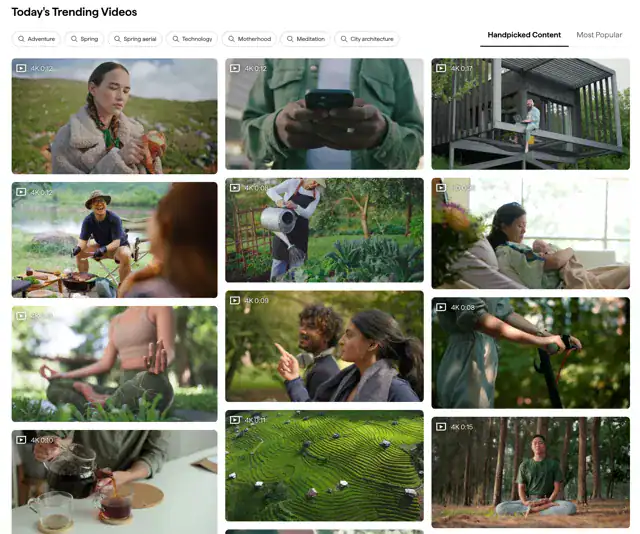
In the current market, authenticity is the primary currency of trust. High-converting ads have abandoned the "cheesy," over-polished stock photography of the past. Instead, they utilize candid lifestyle clips that depict real-life business scenarios—messy whiteboards, remote workers in home offices, and diverse teams engaged in genuine collaboration. This shift toward "raw" aesthetics signals transparency, suggesting that the brand is grounded in reality rather than a sanitized corporate fantasy.
Clear Problem-Solving Messaging
The most successful B2B ads in 2026 follow a strict "Value-First" framework. Visuals are chosen specifically to mirror the pain points of the target audience. If a software solution aims to reduce administrative bloat, the accompanying stock media illustrates the specific frustration of manual data entry, followed immediately by the relief of automation. This visual storytelling allows buyers to see their own challenges reflected and resolved within seconds.
Platform-Specific Optimization
The era of "one-size-fits-all" video content is over. To drive conversions, visual assets must be tailored to the specific technical and creative requirements of the distribution channel. Data shows that vertical video (9:16) now accounts for over 60% of B2B ad spend, driven by the ubiquity of mobile-first professional networking.

Platform Analysis: Where and How B2B Ads Convert
Different digital environments require distinct visual strategies. Leading stock media providers, such as Shutterstock, have responded by curating libraries that cater to these platform-specific nuances.
Meta Ads (Facebook and Instagram)
While often viewed as consumer-centric, Meta platforms have become vital for B2B "retargeting" and "brand awareness." In 2026, the most effective Meta ads are those that blend seamlessly into a user’s feed. Marketers are increasingly using "UGC-styled" (User-Generated Content) stock footage—clips that look as though they were filmed on a high-end smartphone rather than a cinema camera. These ads focus on human-centric stories and use minimal text overlays to maintain a native feel.
YouTube Ads
YouTube remains the premier destination for B2B educational content. High-converting YouTube ads in 2026 utilize scenario-based storytelling. Marketers leverage extensive stock libraries to build "mini-documentaries" or "explainer" ads that visualize complex business problems. The "TrueView" format, which allows users to skip after five seconds, has forced brands to use high-impact stock clips in the opening moments to hook viewers instantly.
Short-Form Campaigns (TikTok, Reels, and Shorts)
The rise of the "Professional Creator" has made TikTok and similar platforms viable for B2B lead generation. These channels demand high iteration—the ability to test dozens of creative variations in a single week. Stock media is the engine of this strategy, allowing creative teams to swap backgrounds, characters, and scenarios in real-time to see which combinations resonate with the algorithm.
The Role of Operational Velocity in 2026
In the current fiscal environment, the "Negative Multiplier Effect" of slow production has become a significant threat to B2B brands. When a marketing team spends six weeks producing a single "perfect" ad, they lose the opportunity to respond to market trends, competitor moves, or shifts in buyer sentiment.
Operational velocity—the speed at which a brand can move from a creative concept to a live, revenue-generating campaign—is now a competitive advantage. Libraries like Shutterstock provide the infrastructure for this speed. By offering millions of pre-formatted, quality-assured clips in vertical, square, and horizontal dimensions, these platforms eliminate the need for lengthy post-production cycles. Marketing teams can now "cycle-test" assets, running multiple versions of an ad simultaneously to identify the highest-performing visuals through A/B testing.
Licensing Clarity as a Catalyst for Efficiency
A significant but often overlooked bottleneck in B2B content creation is legal uncertainty. In 2026, with stricter global regulations on digital privacy and intellectual property, the risk of using improperly licensed media is higher than ever.
Industry experts point out that legal hesitation often stalls campaigns. If a legal department requires weeks to vet the usage rights of a specific video clip, the campaign’s momentum is lost. Shutterstock’s model of providing clear, comprehensive licensing—including model releases, property releases, and indemnification—acts as a lubricant for the creative process. When a brand knows that an asset is "cleared for commercial use" globally and across all platforms, they can publish with confidence, further increasing their operational velocity.

Authenticity in the Age of Artificial Intelligence
The most significant trend of 2026 is the "Return to Real." As AI tools become capable of generating infinite amounts of synthetic media, the value of human-created, human-centric stock media has appreciated.
Authentic stock media serves as a "Proof of Life" for brands. When a B2B company uses footage of real people in real environments, it distinguishes itself from the "uncanny valley" feel of cheap, AI-generated competitors. This does not mean AI is excluded; rather, leading platforms have integrated generative AI tools ethically, allowing marketers to modify authentic stock assets—such as changing a background or adjusting a color palette—without losing the underlying human element that builds trust.
Broader Impact and Market Implications
The shift toward performance-driven stock media in B2B advertising has broader implications for the global economy. Small and medium-sized enterprises (SMEs) now have the tools to compete with multinational corporations. By leveraging affordable, high-quality stock libraries, a startup can produce a video ad campaign that matches the visual authority of a Fortune 500 company.
Furthermore, the democratization of high-end video assets has led to a more diverse representation in B2B marketing. Stock libraries have expanded to include a vast array of ethnicities, ages, and abilities, allowing brands to speak more authentically to a globalized workforce.
Conclusion: Performance Over Perfection
As 2026 progresses, the mandate for B2B marketers is clear: prioritize performance over perfection. The goal of a video ad is no longer to win a creative award, but to drive a conversion. This requires a strategic blend of authenticity, platform optimization, and operational speed.
Stock media has evolved from a "budget-friendly alternative" to a "strategic necessity." For brands looking to capture the attention of the modern professional, the path to conversion lies in the ability to deliver immediate value through relatable, trustworthy, and legally secure visual storytelling. Platforms like Shutterstock provide the foundation for this new era of B2B marketing, enabling businesses to scale their creative efforts and build lasting trust with their audiences in an increasingly digital world.