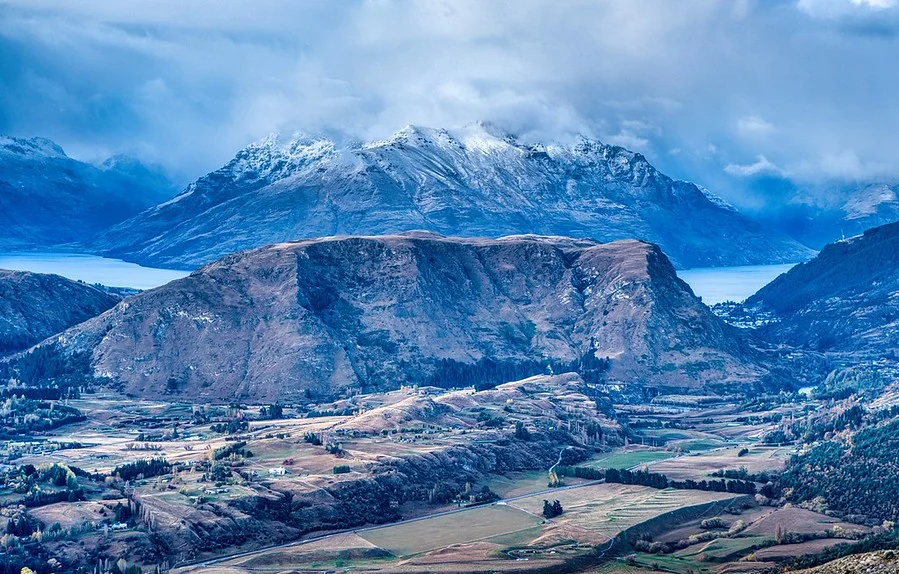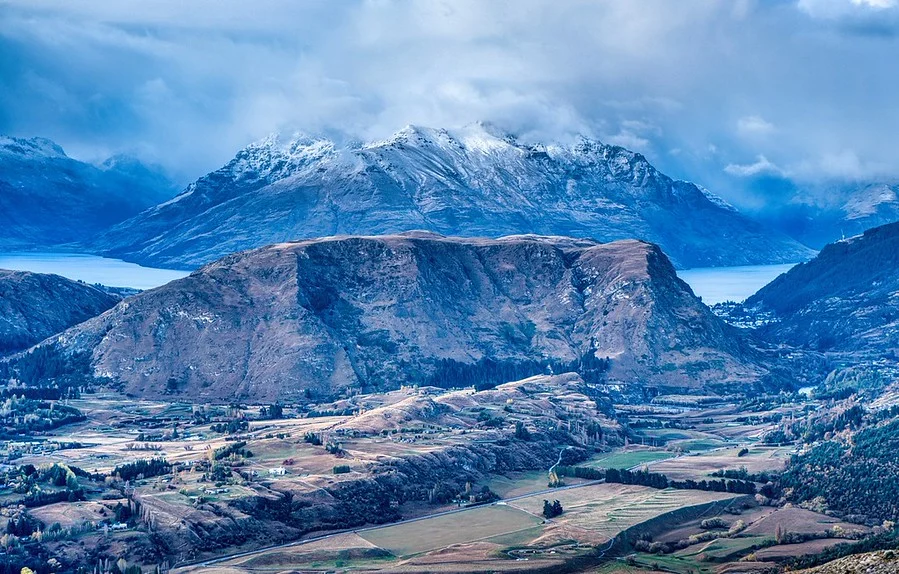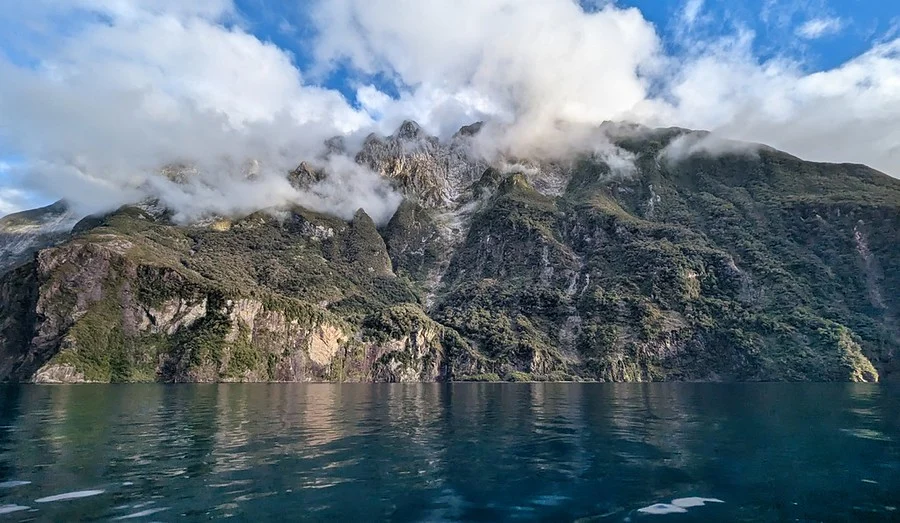
A breathtaking vista, captured from the ocean’s approach, marks the dramatic entrance to Milford Sound, known by its Māori name, Piopiotahi. This image encapsulates the initial impression of a natural wonder that has captivated explorers and travelers for centuries, a place where sheer granite cliffs plunge into deep, dark waters, often shrouded in mist and punctuated by cascading waterfalls. The scene presented is not merely a photograph but a gateway to understanding the immense geological forces and the ecological significance of one of New Zealand’s most iconic natural landmarks. This entry point is a prelude to the awe-inspiring scale and raw beauty that defines the entirety of Milford Sound, a testament to the enduring power of nature.
Geological Genesis of a Fiordland Marvel
Milford Sound, or Piopiotahi, is a prime example of a glacial fiord, a landscape carved over millennia by the relentless advance and retreat of massive ice sheets during past ice ages. These colossal glaciers, acting as immense natural excavators, gouged deep U-shaped valleys into the ancient rock of the Fiordland National Park. As the glaciers receded, the valleys were inundated by the sea, creating the steep-sided, deep waterways characteristic of fiords. The sheer scale of Milford Sound, with its depths reaching up to 400 meters (approximately 1,300 feet) and its cliffs rising over 1,000 meters (approximately 3,300 feet) from the water’s surface, speaks to the immense power of these prehistoric ice flows. The dramatic, almost vertical walls are composed of ancient metamorphic rocks, primarily granite and schist, which have been sculpted and polished by glacial action, leaving behind the distinctive rugged topography visible today. The presence of hanging valleys, where smaller tributary glaciers once flowed, is evident in the numerous waterfalls that dramatically spill over the fiord’s edges, some of which are permanent, while others are seasonal, swelling with rainfall. The iconic Stirling Falls and Bowen Falls are prime examples, plummeting hundreds of meters into the Sound, their spray creating a constant microclimate that sustains unique flora.
Historical and Cultural Significance of Piopiotahi
The name Piopiotahi carries profound cultural significance for the Māori people, the indigenous inhabitants of New Zealand. According to legend, Piopiotahi is named after a piopio, a native thrush, which was believed to have been caught by the demigod Tū-matauenga. The name evokes a connection to the land and its natural inhabitants that predates European arrival by centuries. Māori exploration and understanding of the Fiordland region were extensive, with evidence of their presence in the area dating back over a thousand years. They utilized the fiords for travel, fishing, and gathering resources. European discovery of Milford Sound is attributed to Lieutenant John Grono in 1809, who named it Milford Haven. However, it was Captain James Cook’s expedition in 1773 that first charted the western coastline of New Zealand, though he did not enter Milford Sound. The name Milford Sound was later bestowed by Captain John Shortland in 1812. The dual naming of the fiord, Milford Sound and Piopiotahi, reflects the rich tapestry of its history, acknowledging both its natural grandeur and its deep cultural roots. The ongoing recognition and promotion of the Māori name highlight a broader effort in New Zealand to embrace and respect its indigenous heritage.
The Ecological Tapestry of Milford Sound
Beyond its geological grandeur and historical importance, Milford Sound is a vibrant ecosystem, a testament to the resilience and adaptability of life in a challenging environment. The deep, dark waters are home to a unique marine community, including bottlenose dolphins, fur seals, and occasionally, Fiordland crested penguins. The fiord’s ecosystem is characterized by a permanent layer of dark, tannin-rich freshwater from rainfall and rivers, floating atop the denser, saltier ocean water. This stratification creates two distinct marine environments, influencing the distribution of marine life. Deeper, colder waters support species adapted to low light conditions, while the surface layer is influenced by tidal changes and freshwater inflow. The sheer cliffs also provide nesting and roosting sites for a variety of seabirds, including the Fiordland penguin (Tawaki), one of the rarest penguin species in the world. The surrounding temperate rainforests, which receive an average of 6,813 mm (268 inches) of rainfall annually, are dense with ferns, mosses, and ancient trees, contributing to the dramatic, verdant appearance of the fiord’s walls. This high rainfall is a defining characteristic of the region and a key factor in the formation of its numerous waterfalls.
Tourism and Conservation Efforts
Milford Sound is a major tourist destination, attracting hundreds of thousands of visitors annually. The scenic beauty of the fiord, its waterfalls, and the opportunity to observe wildlife make it a must-see attraction. Tourism operations, primarily focused on boat cruises, kayaking, and scenic flights, have been a significant part of the local economy for decades. However, the increasing visitor numbers have also brought challenges related to conservation. The Fiordland National Park, a UNESCO World Heritage site, is managed by the Department of Conservation (DOC) in New Zealand, which is responsible for protecting its natural and cultural heritage. DOC implements various strategies to manage the impact of tourism, including visitor quotas in sensitive areas, restrictions on boat anchoring, and ongoing monitoring of the ecosystem. There is a continuous effort to balance economic benefits derived from tourism with the imperative to preserve the pristine environment of Milford Sound for future generations. This includes initiatives to control invasive species, protect native flora and fauna, and manage waste effectively. The sustainable management of this natural wonder is a critical undertaking, requiring collaboration between government agencies, tourism operators, and local communities.
The Image as a Portal to Experience
The photograph, "Entering the Fjord," serves as a powerful visual introduction to Milford Sound. It captures the initial moments of arrival, a transition from the open ocean to the sheltered embrace of the fiord. The perspective, looking into the vastness of the waterway, hints at the scale and drama that lie beyond. The lighting, often diffused by the frequent mist and clouds, lends an ethereal quality to the scene, emphasizing the wild and untamed nature of the landscape. The sheer rock faces, sculpted by ice, dominate the frame, their textures and forms hinting at the immense geological forces that shaped this environment. The dark, still waters reflect the imposing cliffs, creating a sense of depth and mystery. This single image encapsulates the essence of what makes Milford Sound so compelling: its dramatic topography, its atmospheric conditions, and its profound sense of natural grandeur. It invites the viewer to imagine the journey, the sounds of the water, the calls of the birds, and the sheer, overwhelming beauty of this unique corner of the world. It is a visual promise of the wonders that unfold as one ventures deeper into the heart of Piopiotahi.
Broader Implications: Climate Change and Natural Heritage
The pristine environment of Milford Sound, like many natural wonders globally, faces increasing pressures from climate change. Rising global temperatures can impact rainfall patterns, potentially affecting the intensity and frequency of waterfalls, and influence the delicate balance of marine ecosystems. Changes in ocean temperatures could also affect the distribution of marine species, including the iconic dolphins and seals that inhabit the fiord. Furthermore, increased storm intensity, a potential consequence of climate change, could pose risks to both the natural environment and the infrastructure supporting tourism. The long-term preservation of Milford Sound, therefore, is intrinsically linked to global efforts to mitigate climate change. The ongoing monitoring and research conducted by organizations like the Department of Conservation are crucial for understanding these impacts and adapting conservation strategies. The future of this iconic fiord, and indeed many other natural heritage sites, hinges on a collective commitment to environmental stewardship and sustainable practices. The image of entering Milford Sound serves not only as a depiction of natural beauty but also as a poignant reminder of what is at stake in the face of environmental challenges. The enduring power of this landscape underscores the importance of its protection, ensuring that its majestic entrance remains an inspiring gateway for generations to come.