July 15, 2025: Tuesday
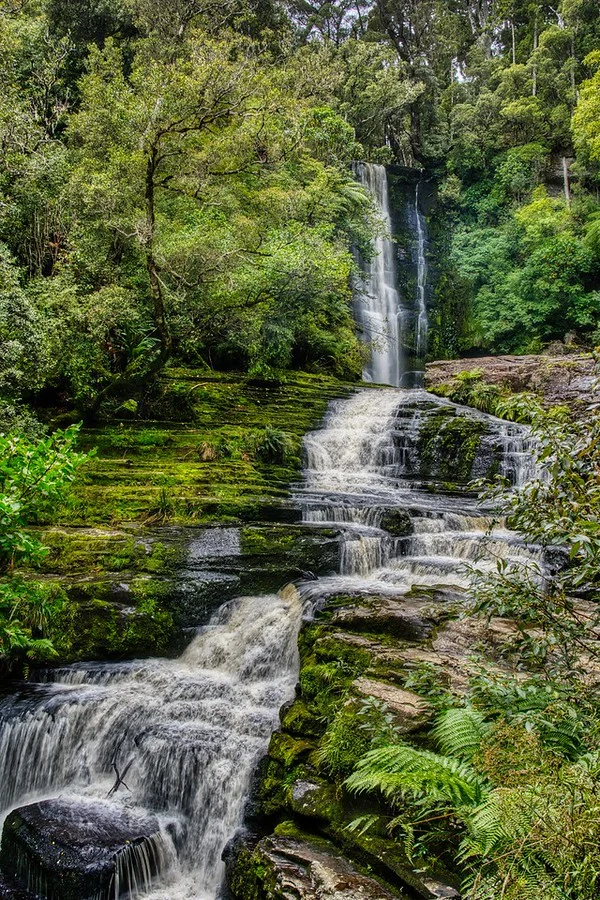
New Zealand’s South Island is globally renowned for its breathtaking natural beauty, a significant portion of which is made accessible through an extensive and meticulously maintained network of walking tracks. These trails are not confined to remote wilderness areas; even within the heart of its towns and cities, residents and visitors are often mere minutes away from embarking on journeys that lead into serene environments where the presence of other humans is minimal. These pathways frequently traverse babbling streams and, as showcased in a recent photographic highlight, frequently lead to picturesque waterfalls, offering a welcome opportunity to cool tired feet on a return trek.
The Enduring Appeal of New Zealand’s Trails
The allure of New Zealand’s walking tracks lies in their dual ability to provide both profound solitude and accessible natural immersion. The sheer density of these trails across the South Island is remarkable, reflecting a national commitment to preserving and promoting its natural heritage. Statistics from the Department of Conservation (DOC), the government agency responsible for managing New Zealand’s natural and historic resources, indicate that the country boasts over 20,000 kilometers of walking tracks, ranging from short, easy strolls to multi-day treks. This vast network caters to a wide spectrum of fitness levels and interests, from casual day-trippers seeking a brief escape into nature to seasoned hikers undertaking challenging expeditions.
The environmental philosophy underpinning the creation and maintenance of these tracks prioritizes minimal impact and maximum appreciation. Trails are designed to blend seamlessly with the natural landscape, utilizing sustainable materials and construction techniques. This approach ensures that the ecological integrity of the surrounding flora and fauna is preserved, while simultaneously providing safe and enjoyable access for the public. The presence of numerous small streams and waterfalls, often crossing or running alongside these paths, adds an enchanting auditory and visual dimension to the walking experience. These natural water features not only enhance the aesthetic appeal but also serve as vital components of the local ecosystems, supporting a diverse range of plant and animal life.
A Photographic Glimpse: "The Many Falls"
The recent photographic feature, titled "The Many Falls," encapsulates this essence of New Zealand’s accessible wilderness. The image, captured on a crisp July morning in 2025, presents a captivating scene of a waterfall cascading over moss-covered rocks, its pristine waters tumbling into a clear pool below. The surrounding vegetation, lush and vibrant, hints at the healthy biodiversity sustained by these riparian environments. The description accompanying the photograph emphasizes the ease with which such natural wonders can be discovered, often just a short walk from urban centers. This accessibility is a key factor in New Zealand’s appeal to both domestic and international tourists, many of whom are drawn by the promise of experiencing unspoiled nature without the need for arduous journeys or specialized equipment.
The description’s mention of "popping your shoes off and cooling down some tired feet" speaks to the informal and deeply personal connection that walkers can forge with these landscapes. It suggests a level of comfort and familiarity that encourages spontaneous interaction with the environment, transforming a simple walk into a refreshing and rejuvenating experience. This sentiment is echoed by numerous visitor testimonials and tourism industry reports, which consistently highlight the quality of New Zealand’s walking trails as a major drawcard.
Historical Context and Development of Trail Networks
The tradition of developing public walking tracks in New Zealand dates back to the early days of European settlement, with initial efforts often focused on providing access for land management, resource extraction, or military purposes. However, as the country’s appreciation for its natural landscapes grew, so too did the impetus to create trails for recreational and conservation purposes.
Early Footpaths (Late 19th – Early 20th Century): The establishment of national parks and reserves in the late 19th and early 20th centuries marked a turning point. These protected areas often included rudimentary tracks to facilitate exploration and management. The establishment of the New Zealand Forest Service and later the Department of Lands and Survey played crucial roles in formalizing trail development.
Post-War Expansion (Mid-20th Century): Following World War II, there was a significant increase in leisure time and outdoor recreation. This period saw a concerted effort to expand and improve the existing track network, making it more accessible to a wider population. Volunteer groups, such as the Federated Mountain Clubs of New Zealand, also played a vital role in advocating for and assisting with track maintenance and construction.
The Rise of the Great Walks (Late 20th Century – Present): In the latter half of the 20th century, New Zealand began to formalize its most iconic and popular tracks into the "Great Walks" system. This initiative, managed by the DOC, aimed to protect these highly frequented routes from overuse while providing a high-quality visitor experience. Tracks like the Milford Track, Kepler Track, and Abel Tasman Coast Track became internationally recognized, drawing significant tourism revenue and further solidifying New Zealand’s reputation as a premier hiking destination. The development of these flagship trails also spurred investment in infrastructure, including huts, bridges, and information centers, across the broader network.

The philosophy of maintaining tracks in a way that minimizes environmental impact while maximizing visitor enjoyment has evolved over time. Modern trail design incorporates principles of sustainable tourism, considering factors such as erosion control, habitat protection, and the management of invasive species.
Supporting Data and Economic Impact
The economic contribution of New Zealand’s outdoor recreation sector, heavily reliant on its walking tracks, is substantial. While specific real-time data for July 2025 is still being compiled, historical trends provide a clear picture of the sector’s importance.
- Tourism Revenue: According to Tourism New Zealand, international visitors consistently cite New Zealand’s natural environment and outdoor activities as primary motivators for their travel. In pre-pandemic years, tourism contributed billions of dollars to the New Zealand economy, with a significant portion directly attributable to activities like hiking.
- Domestic Participation: Beyond international tourism, domestic participation in walking and hiking is exceptionally high. Surveys by Sport New Zealand indicate that walking is one of the most popular physical activities among New Zealanders, contributing to public health and well-being.
- Job Creation: The management, maintenance, and development of walking tracks, as well as the associated tourism services (accommodation, guiding, transportation), support numerous jobs across the country, particularly in regional and rural areas.
- Investment in Conservation: Revenue generated from visitor fees, particularly for the Great Walks, is reinvested by the DOC into conservation efforts, track maintenance, and the development of new trails, creating a virtuous cycle of investment and preservation. For instance, revenue from the Great Walks is a significant source of funding for DOC’s operational budget. In recent years, this has averaged hundreds of millions of New Zealand dollars annually, dedicated to conservation and visitor services.
The ongoing commitment to maintaining and expanding this network is not just about recreation; it is a strategic investment in New Zealand’s brand, its economy, and its identity. The presence of readily accessible natural beauty is a key differentiator in the global tourism market.
Official Responses and Future Outlook
The Department of Conservation (DOC) remains the primary steward of New Zealand’s walking track network. Their ongoing commitment to maintaining and enhancing these trails is crucial for their continued success.
DOC’s Mandate: The DOC’s mandate includes the conservation of New Zealand’s natural and historic heritage, and the provision of opportunities for public recreation and enjoyment. The walking track network is a cornerstone of this dual responsibility.
Maintenance and Development Programs: DOC regularly undertakes maintenance programs, including track resurfacing, bridge repairs, and vegetation management, to ensure safety and minimize environmental impact. They also invest in developing new tracks in areas of high visitor interest or ecological significance.
Visitor Management: As visitor numbers continue to grow, DOC is increasingly focused on sustainable visitor management strategies. This includes initiatives to manage capacity on popular tracks, promote responsible visitor behavior, and educate the public about conservation values. The implementation of booking systems for popular tracks, like the Milford Track, is an example of this approach.
Technological Integration: While the essence of walking tracks remains traditional, there is a growing integration of technology to enhance visitor experience and safety. This includes the use of GPS-enabled mapping apps, real-time track condition updates through the DOC website and app, and improved communication systems in remote areas.
Future Challenges and Opportunities: The future of New Zealand’s walking tracks will likely involve addressing challenges such as climate change impacts on trails, managing increasing visitor numbers sustainably, and securing ongoing funding for maintenance and development. Opportunities lie in further developing niche trails that cater to specific interests (e.g., birdwatching trails, historical trails), enhancing digital engagement with visitors, and strengthening partnerships with local communities and iwi (Māori tribes) in the management of these valuable natural assets.
Broader Impact and Implications
The well-maintained and accessible walking tracks of New Zealand have profound implications that extend far beyond mere recreational opportunities.
- National Identity and Well-being: The connection to nature is deeply embedded in the New Zealand psyche. The ability to easily access and enjoy pristine natural environments contributes significantly to the nation’s sense of identity and the overall well-being of its citizens. These trails serve as vital spaces for physical activity, mental rejuvenation, and a connection to the land.
- Environmental Stewardship: The visible presence and enjoyment of these natural areas foster a strong sense of environmental stewardship among New Zealanders and visitors alike. This awareness often translates into greater support for conservation initiatives and more responsible behavior in natural settings.
- Economic Diversification: For many regions in New Zealand, particularly those outside the major urban centers, walking tourism is a critical economic driver. It supports local businesses, creates employment opportunities, and helps to sustain rural communities. The "Many Falls" of New Zealand, as represented by the photographic highlight, are not just natural features; they are economic assets that contribute to the nation’s prosperity.
- International Reputation: New Zealand’s commitment to preserving and providing access to its natural beauty has cemented its reputation as a global leader in eco-tourism and sustainable travel. This reputation attracts a discerning traveler who values authenticity and environmental responsibility, further reinforcing the importance of maintaining these high standards.
In conclusion, the simple act of walking a well-maintained track in New Zealand is a gateway to a deeply enriching experience. It is a testament to a national commitment to conservation, accessibility, and the profound value placed on the natural world. The "Many Falls" are but one example of the countless natural treasures that await discovery, readily accessible to all who wish to explore them.