July 15, 2025 – Wellington, New Zealand – New Zealand’s South Island is renowned for its breathtaking natural landscapes, and a significant contributor to this reputation is its meticulously maintained network of walking tracks. These trails, accessible from urban centers to remote wilderness, provide residents and visitors alike with opportunities to immerse themselves in serene environments, often with minimal human interaction. A prime example of the island’s natural beauty is showcased in a recent photographic feature highlighting "The Many Falls," a testament to the country’s commitment to preserving and presenting its natural wonders.
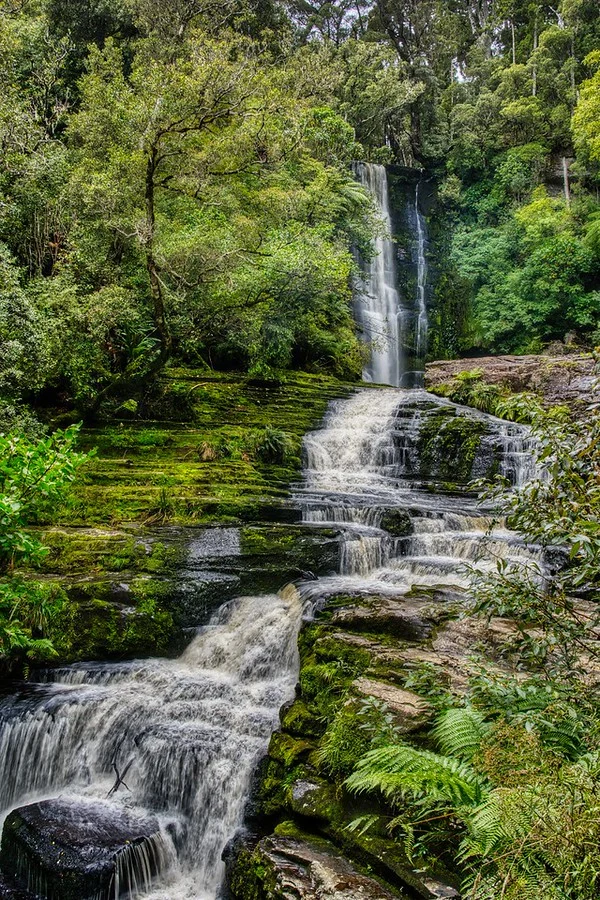
The photographic piece, dated July 15, 2025, captures a picturesque waterfall encountered along one of these numerous walking tracks. The accompanying description emphasizes the ubiquity and quality of these trails across the South Island. It notes that even from the heart of towns and cities, one can typically find access to a trail within minutes, leading into tranquil settings. These paths frequently meander across streams and, as illustrated by the featured photograph, present visitors with regular encounters of charming waterfalls. The author suggests these natural features are ideal for moments of respite, such as cooling tired feet on a return journey.
The Enduring Appeal of New Zealand’s Trails
The article’s core message centers on the exceptional quality and accessibility of New Zealand’s walking tracks. This infrastructure is not merely a recreational amenity; it plays a crucial role in the nation’s tourism industry and promotes a healthy lifestyle for its citizens. The Department of Conservation (DOC), the government agency responsible for managing New Zealand’s natural and historic heritage, oversees a vast network of tracks ranging from short, easy walks to challenging multi-day treks.
The commitment to maintaining these trails is evident in their condition. They are typically well-formed, clearly marked, and often incorporate features like bridges, steps, and boardwalks to navigate varied terrain and protect the environment. This dedication ensures that a wider demographic can enjoy the natural beauty of the island, fostering a deeper connection with the environment. For tourists, these accessible trails offer an authentic experience of New Zealand’s "Great Outdoors," often at no cost, making it an attractive destination for budget-conscious travelers.
Economic and Environmental Significance
The economic impact of these walking tracks is substantial. They are a key draw for domestic and international tourists, contributing significantly to local economies through accommodation, dining, and retail. According to Statistics New Zealand, tourism is a major export industry, and nature-based tourism, which heavily relies on well-maintained trails and natural attractions, is a significant component. In the year ended March 2024, international visitors spent an estimated NZ$16.5 billion in New Zealand, with a considerable portion attributable to activities like hiking and exploring natural landscapes.
Beyond economic benefits, these trails also serve an important environmental purpose. By channeling foot traffic along designated paths, DOC and other managing bodies minimize the impact of human presence on fragile ecosystems. This approach helps to preserve biodiversity, prevent soil erosion, and protect waterways. The "leave no trace" principles, often promoted along these trails, further instill a sense of environmental responsibility among users.
A Closer Look at "The Many Falls"
The photograph itself, titled "The Many Falls," serves as a visual representation of the abundance of natural water features found across the South Island. While the specific location of this particular waterfall is not disclosed in the provided text, its presence on a well-maintained track suggests it is part of a network designed for public enjoyment. Waterfalls in New Zealand range from towering cascades like Sutherland Falls in Fiordland National Park to smaller, more intimate falls found in native bushland.
The description of the path crossing streams and leading to waterfalls highlights the interconnectedness of the island’s water systems and its diverse topography. This type of scenery is characteristic of many popular South Island regions, including the West Coast, Queenstown-Lakes District, and Fiordland. The ability to "pop your shoes off and cool down tired feet" points to the accessible nature of many of these trails, allowing for spontaneous moments of connection with nature.

Background and Context: The Evolution of Trail Development
The development of walking tracks in New Zealand has a long history. Indigenous Māori have traversed the land for centuries, establishing routes and pathways. European settlers later built tracks for access, logging, and exploration. In the latter half of the 20th century, there was a growing recognition of the recreational and conservation value of these natural areas, leading to the establishment of national parks and the systematic development of walking tracks by organizations like the New Zealand Forest Service and later the Department of Conservation.
The "Great Walks" system, a network of premier tracks managed by DOC, represents the pinnacle of this development. These include iconic trails like the Milford Track, Routeburn Track, and Abel Tasman Coast Track, which are internationally recognized for their beauty and challenging nature. However, as the "The Many Falls" article emphasizes, the appeal extends far beyond these marquee routes, encompassing a vast array of lesser-known but equally rewarding trails.
Supporting Data: Trail Usage and Accessibility
While specific visitor numbers for "The Many Falls" track are unavailable, general data on New Zealand’s recreational tracks provide context. DOC manages over 22,500 km of walking tracks across the country, catering to a wide range of fitness levels and interests. In the 2023-2024 financial year, DOC recorded approximately 25 million visits to its recreation sites, with walking and hiking being among the most popular activities. This high usage underscores the public’s demand for access to natural environments.
The accessibility of these trails is a key factor in their popularity. Many are located within a short drive of major population centers. For instance, in the Canterbury region, trails in the Port Hills near Christchurch offer stunning coastal views and forest walks accessible within minutes of the city. Similarly, the numerous trails around Queenstown provide access to alpine landscapes and lakefront paths, catering to both casual strollers and serious hikers.
Official Responses and Future Outlook
The New Zealand government, through the Department of Conservation, consistently invests in the maintenance and development of its walking track network. This commitment is driven by a desire to enhance visitor experiences, promote conservation, and support the tourism sector. Funding for DOC is allocated through government budgets and supplemented by revenue generated from visitor fees on some of the more popular tracks.
Looking ahead, the focus remains on sustainable management and enhancement of the trail system. This includes efforts to manage the impacts of increasing visitor numbers, particularly on the Great Walks, through booking systems and visitor education. There is also an ongoing effort to develop new tracks and improve existing ones, ensuring that New Zealand continues to offer world-class opportunities for outdoor recreation. The success of initiatives like the "Pristine New Zealand" campaign, which highlights the country’s natural beauty and outdoor activities, further solidifies the importance of these well-maintained trails in the national narrative.
Broader Impact and Implications
The existence of well-maintained walking tracks and the natural beauty they showcase has profound implications for New Zealand. It fosters a strong connection between people and their environment, promoting an active and healthy lifestyle. For international visitors, it offers an unparalleled opportunity to experience the raw, untamed beauty of a country often described as a nature lover’s paradise.
The continuous presence of such accessible natural retreats, exemplified by "The Many Falls," contributes to New Zealand’s global image as a destination that values and preserves its natural heritage. This, in turn, reinforces its appeal as a place to live, work, and visit, creating a virtuous cycle of appreciation and investment in its unique natural assets. The seemingly simple act of maintaining a walking track thus underpins significant economic, social, and environmental benefits for the nation. The continued dedication to these pathways ensures that future generations will also be able to experience the serene beauty and revitalizing power of New Zealand’s landscapes, one step at a time.