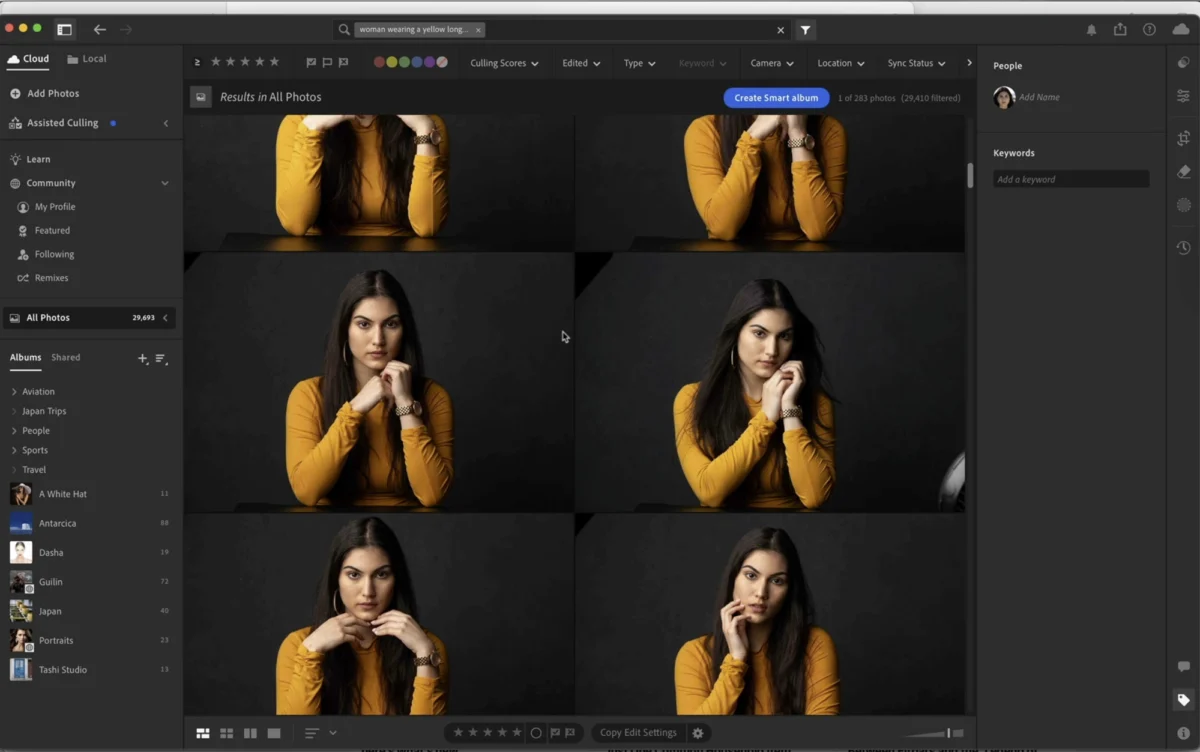
A significant development poised to revolutionize how photographers manage their vast digital archives has been unveiled through a special sneak peek by photography expert Scott Kelby. On February 24, 2026, Kelby shared an exclusive preview of an unreleased Adobe Lightroom feature, describing it as "next-level stuff" and a "game-changer" for anyone burdened by the laborious process of traditional keywording. This forthcoming innovation promises to deliver rapid, intuitive access to images, fundamentally altering workflow efficiencies for professionals and enthusiasts alike.
The Enduring Challenge of Image Organization
For decades, the digital photography landscape has been a double-edged sword: the ease of capturing thousands of images has been juxtaposed with the immense challenge of organizing, finding, and reusing them effectively. Photographers, from hobbyists to large stock agencies, grapple with ever-expanding libraries that can number in the hundreds of thousands, if not millions, of files. The prevailing method for systematic retrieval has been keywording—a meticulous, often tedious, process of manually assigning descriptive tags to each image. This involves identifying subjects, locations, moods, actions, and countless other attributes, demanding significant time and discipline.
Current cataloging tools within Lightroom, while robust, primarily rely on manual input or basic automated metadata extraction. Users typically organize images through collections, flags, ratings, color labels, and keyword hierarchies. While effective when diligently maintained, the sheer volume of modern digital photography often leads to inconsistent keywording, incomplete metadata, and ultimately, "lost" images within one’s own archive. Studies and anecdotal evidence consistently point to image organization as one of the most time-consuming and least favored aspects of the post-production workflow for a majority of photographers. Research by organizations like the Photo Metadata Initiative has frequently highlighted the critical importance of metadata for asset management, yet also the widespread user fatigue associated with its manual generation. The promise of an automated, intelligent solution directly addresses this longstanding pain point.
Unveiling "Next-Level" Image Retrieval
The "sneak peek" provided by Scott Kelby, a renowned author, educator, and president of KelbyOne, indicates a significant departure from these traditional methods. While specific technical details remain under wraps, Kelby’s description strongly suggests a feature that leverages advanced artificial intelligence (AI) and machine learning (ML) algorithms for semantic image analysis. This technology would move beyond simple keyword matching to understand the content, context, and potentially even the aesthetic qualities of an image without requiring explicit manual tagging.
Historically, AI integration into Adobe products has focused on enhancing creative tools, such as Content-Aware Fill in Photoshop, Denoise AI, and sophisticated subject/sky selection features in Lightroom and Photoshop. The trajectory of these advancements indicates a growing capability for AI to interpret visual data with human-like understanding. An "unreleased Lightroom feature" aimed at "getting to the images you want fast" while eliminating the "hates keywording" problem would almost certainly be built upon deep learning models trained on vast datasets of images to recognize objects, scenes, emotions, and concepts.
Such a system could potentially offer capabilities such as:
- Automatic Content Tagging: Intelligently identifying and tagging elements like "mountains," "sunset," "child," "laughing," "urban," "portrait," or even abstract concepts.
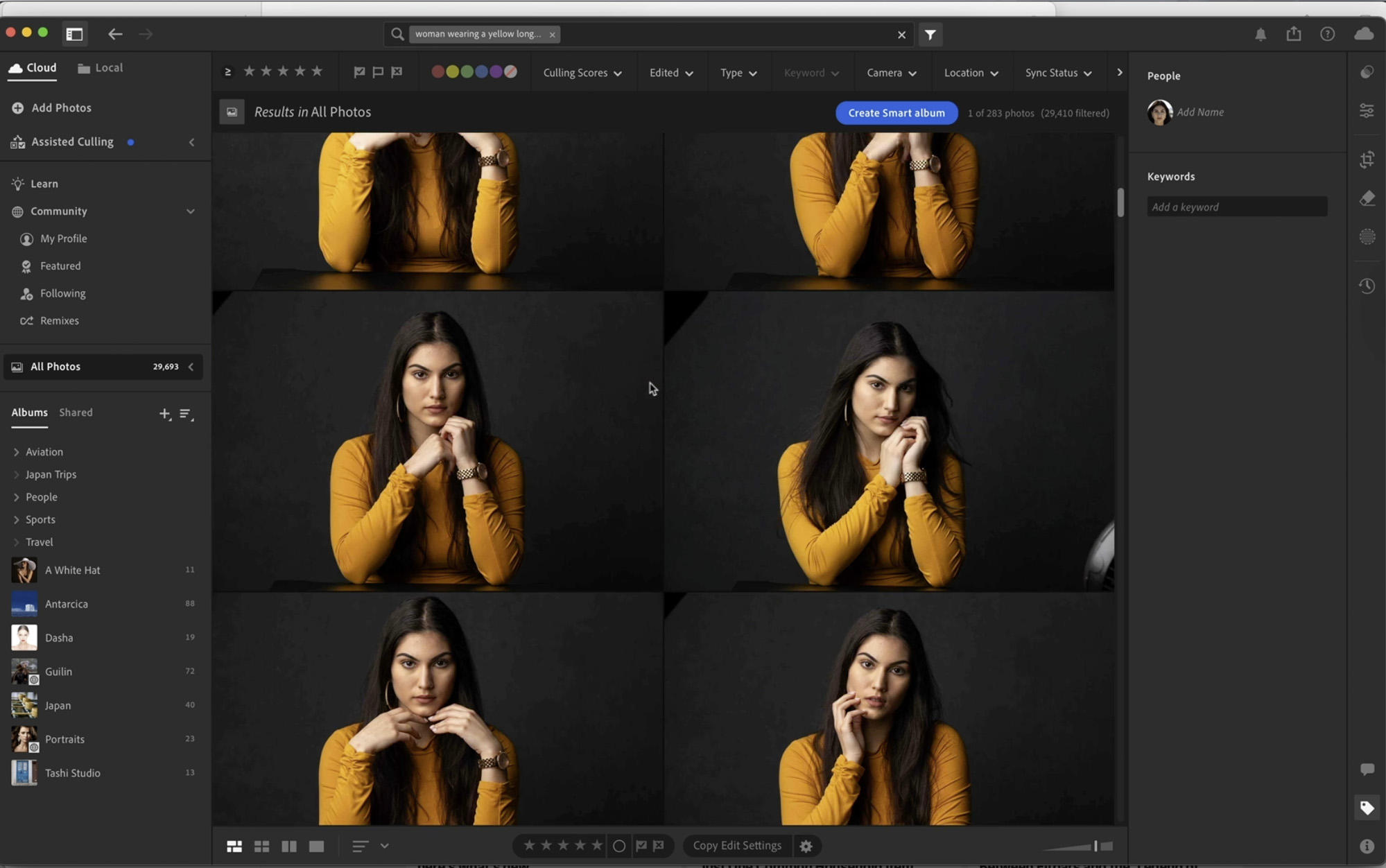
- Natural Language Search: Allowing users to search using descriptive phrases (e.g., "photos of a dog playing in a park at golden hour") rather than precise keywords.
- Visual Similarity Search: Finding images that are visually similar to a selected image, even if they lack identical tags.
- Contextual Understanding: Differentiating between a "cat" and a "lion," or a "car" and a "truck," based on subtle visual cues and context.
The YouTube video embedded in Kelby’s announcement serves as the primary visual evidence, demonstrating the feature in action. While the full scope of its functionality is yet to be revealed, the demonstration would logically highlight the speed and accuracy with which it can locate specific images based on complex queries, bypassing the need for pre-assigned keywords.

Chronology of the Announcement and Anticipation
The public revelation of this feature occurred on February 24, 2026, through a post on Scott Kelby’s influential platform, Lightroom Killer Tips. Kelby’s long-standing relationship with Adobe, often involving early access to upcoming features and participation in beta programs, lends significant credibility to the announcement. The phrasing, "My thanks to Adobe for letting me share this sneak peek with you," explicitly confirms Adobe’s strategic decision to release this information ahead of a formal product launch.
This "sneak peek" approach is a common tactic in the software industry, particularly for major players like Adobe. It serves multiple purposes:
- Build Anticipation: Generates excitement and discussion within the user base, creating a buzz around the upcoming release.
- Gather Early Feedback: While not explicitly stated, such previews can sometimes be used to gauge initial reactions and identify potential areas for refinement before general availability.
- Position for Market Leadership: Reinforces Adobe’s commitment to innovation and maintaining its dominant position in the creative software market.
- Manage Expectations: Allows for a controlled disclosure of groundbreaking technology, setting the stage for a more comprehensive reveal at a later date.
While no official release date accompanied the sneak peek, the term "coming to a Lightroom near you" suggests that the feature is well into its development cycle and likely to be integrated into a future major update. Adobe typically releases significant feature updates throughout the year, often culminating in larger announcements at its annual Adobe MAX conference, which usually takes place in October. However, significant AI/ML enhancements have also been rolled out independently as they mature. The timeframe between a "sneak peek" and general availability can range from a few weeks to several months, depending on the complexity of the feature and the final stages of testing and refinement.
Adobe’s Innovation Trajectory and Market Impact

Adobe Lightroom has long been a cornerstone of digital photography workflows, serving as the primary tool for image organization, editing, and publishing for millions of photographers worldwide. Its evolution has consistently mirrored advancements in digital imaging technology, from RAW processing capabilities to cloud integration. The introduction of an AI-powered image retrieval system marks a significant milestone in this trajectory, representing a strategic move to address fundamental user pain points through sophisticated technological solutions.
The global market for digital asset management (DAM) software, particularly within creative industries, is substantial and growing. While dedicated DAM systems exist for enterprise-level clients, individual photographers and small studios often rely on tools like Lightroom for their primary asset management needs. By integrating "next-level" AI-driven search capabilities directly into Lightroom, Adobe is not only enhancing its core product but also potentially disrupting a segment of the DAM market by making advanced retrieval features accessible to a much broader audience. This innovation could solidify Lightroom’s position as the indispensable hub for digital photography.
Statements and Inferred Reactions
Scott Kelby’s enthusiastic endorsement — "a real game-changer" and "next-level stuff" — reflects a deep understanding of the photography community’s needs and frustrations. His direct address to those who "hates keywording" resonates with a vast demographic of users who prioritize shooting and editing over tedious organizational tasks. This statement can be seen as an informed professional’s assessment of the feature’s transformative potential.
From Adobe’s perspective, the decision to allow Kelby to share this preview underscores a confidence in the feature’s development and its strategic importance. While no official statement from Adobe accompanied Kelby’s post, the company’s long-standing commitment to "making creative work easier and faster" through innovation is well-documented. This sneak peek aligns perfectly with a strategy to demonstrate technological leadership and responsiveness to user needs.

Within the broader photography community, the announcement is expected to generate significant excitement. Early reactions would likely be characterized by:
- Enthusiasm and Relief: Many photographers will welcome the prospect of reducing or eliminating the manual keywording burden, freeing up valuable time for creative pursuits.
- Anticipation for Accuracy: There will naturally be curiosity and high expectations regarding the AI’s accuracy and robustness across diverse photographic subjects and styles.
- Discussion on Workflow Integration: Photographers will consider how this new feature will integrate with their existing cataloging systems and potentially redefine best practices for image management.
- Competitive Pressure: Other software developers in the photo management space, such as Capture One, ON1 Photo RAW, or Skylum Luminar Neo, will likely face increased pressure to develop or enhance their own AI-driven asset management features to remain competitive.
Industry analysts are likely to view this as a strategic move by Adobe to further entrench its ecosystem, making it even more challenging for users to switch platforms. The potential for increased productivity across various sectors, from commercial photography to scientific imaging and personal archiving, is immense.
Broader Impact and Implications
The integration of advanced AI for image retrieval within Lightroom carries far-reaching implications across several domains:
- Enhanced Productivity and Efficiency: For professional photographers and agencies, the ability to quickly locate specific images from vast archives will translate into significant time savings and improved project turnaround times. This could directly impact profitability and capacity. Event photographers, for example, could instantly find all images featuring a particular guest, while stock photographers could more efficiently categorize and submit their work.
- Democratization of Advanced Cataloging: This feature could make sophisticated image organization accessible to a wider audience, including amateur photographers who might lack the time or discipline for traditional keywording. It lowers the barrier to entry for effective digital asset management, ensuring that valuable memories or creative projects are never truly "lost."
- Shifting Skillsets: While fundamental photographic skills remain paramount, the need for meticulous manual metadata entry might diminish. Photographers could reallocate mental energy and time from administrative tasks to creative ones, potentially fostering more innovation in image creation and post-processing.
- Data Volume Management: As camera resolutions increase and burst shooting modes become standard, the volume of digital images continues to explode. AI-driven solutions are becoming essential tools for managing this exponential data growth, providing scalable solutions where manual methods fail.
- Ethical Considerations and Bias (Future Considerations): As AI becomes more deeply embedded in creative tools, discussions around potential biases in algorithms (e.g., misidentification of certain subjects or demographics), data privacy, and the implications of AI "understanding" visual content will become increasingly relevant. While not directly addressed in the sneak peek, these are broader considerations for any AI-driven technology.
- Innovation Catalyst: This move by Adobe is likely to spur further innovation in the photo software industry, pushing competitors to invest more heavily in AI and machine learning for image analysis and management. This competitive landscape ultimately benefits users through more advanced and intuitive tools.
In conclusion, the unreleased Lightroom feature previewed by Scott Kelby on February 24, 2026, represents a significant leap forward in digital image management. By addressing the long-standing frustration with manual keywording through what appears to be sophisticated AI, Adobe is poised to deliver a "game-changer" that will enhance productivity, democratize advanced organizational capabilities, and reshape the workflows of photographers worldwide. The anticipation within the photography community for this "next-level stuff" is palpable, marking a new chapter in how we interact with our visual legacies.