The practice of funeral photography, once a common and accepted part of Victorian mourning rituals, has largely faded into the realm of the taboo in contemporary society. However, photographer Duane Knight, founder of Your Legacy Photography, is actively working to reintroduce and legitimize this genre, asserting its profound value as a therapeutic tool for processing grief. Knight, who estimates there are only around 50 funeral photographers globally, is on a mission to expand this niche by educating fellow photographers on its significance and technical execution. His dedication stems from a deeply held belief that art can serve as a powerful conduit for healing during times of loss.

From Victorian Albums to Modern Taboo
Historically, particularly during the Victorian era, photography played a significant role in commemorating the deceased. Elaborate post-mortem portraits and funeral scenes were not uncommon, serving as tangible links to loved ones who had passed. These images were often the only visual records families possessed, meticulously preserved in albums. This practice, deeply embedded in the cultural fabric of remembrance, allowed individuals to maintain a connection with the departed and to document the solemnity and communal aspect of mourning.
However, as society evolved, so did its attitudes towards death and remembrance. The rise of more accessible and informal photography, coupled with changing cultural norms and a growing discomfort with overt displays of grief, led to funeral photography becoming increasingly marginalized. In many modern Western cultures, the idea of a photographer actively documenting a funeral service can be perceived as intrusive or disrespectful, leading to its widespread avoidance. This shift has created a vacuum, leaving many families without the visual documentation that could offer solace and provide a comprehensive record of a significant life event.

The Unseen Value in Preserving Fleeting Moments
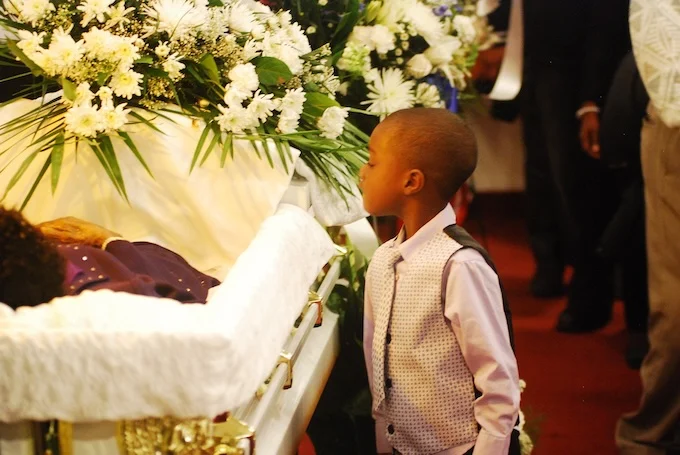
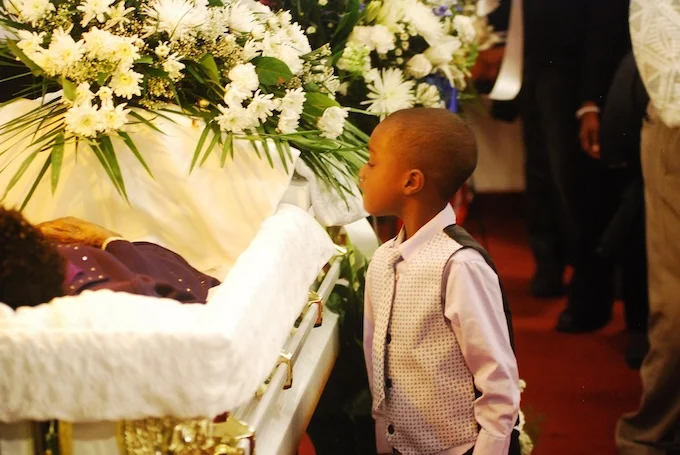
Knight’s work with Your Legacy Photography highlights a critical gap in how contemporary society approaches remembrance. He notes that while many photographers have received heartfelt thanks from clients whose portraits of deceased loved ones became invaluable during funeral services, few consider the direct impact of photographing the funeral itself. These services, often characterized by intense emotional upheaval, bring together dispersed family members and friends, sometimes from vast distances. Yet, the sheer volume of emotions and interactions can make it difficult for those closest to the deceased to retain clear memories of who was present or the specific moments of connection shared.
"Funerals are, in many ways, akin to weddings, birthdays, and christenings," Knight explains. "They are rare occasions that gather extended family and friends, creating a fleeting but deeply significant confluence of lives. An album created from funeral photography can serve as an invaluable memento, not only of the departed but also of the collective experience of those who gathered to honor them." For individuals unable to attend due to distance or circumstance, receiving a comprehensive visual record of the funeral can be a crucial link, fostering a sense of inclusion and shared experience in the grieving process. Knight has personally delivered over 150 "Legacy Funeral Albums" over the past decade, each a testament to the enduring power of visual storytelling in the face of loss.

Navigating Cultural Perceptions: Taboo or Treasured Memory?
Knight acknowledges the deeply ingrained cultural sensitivities surrounding funeral photography. "Funerals being photographed is definitely a cultural thing," he states. "Some cultures don’t want any photos, and to them, it’s taboo. In a group of ten people, you might get two or three who want funeral photography." This observation underscores the nuanced approach required in this field. It is not about imposing the practice but about being available for those who actively seek it.
His mission is rooted in the principle that individuals should have the agency to choose how they commemorate their loved ones. "For me, it’s all about preserving memories, and I strongly feel that all families who want funeral photography should have the opportunity to get it," Knight emphasizes. This advocacy aims to destigmatize the practice and open up avenues for families who find comfort and healing in having these moments professionally documented. The potential for such imagery to become cherished heirlooms, offering solace and a tangible connection to the past, outweighs the hesitations often associated with the genre.

A Mission to Educate and Expand the Field
To achieve his goal of making funeral photography more accessible, Knight is actively engaged in educating other photographers. He recognizes that many professionals may be unaware of the emotional and artistic depth of this genre or lack the specific skills and sensitivity required to execute it ethically and effectively. His efforts involve attending major photography conferences, such as WPPI (Wedding & Portrait Photographers International) in Las Vegas, where he passionately advocates for funeral photography and shares his expertise.
Knight’s approach to teaching is not just about technical proficiency but also about fostering an understanding of the profound emotional landscape of funerals. He aims to equip photographers with the skills to be unobtrusive, empathetic, and to capture moments of genuine emotion, love, and connection that often define these services. By demystifying the process and highlighting its therapeutic benefits, he hopes to inspire a new generation of photographers to consider adding this meaningful service to their portfolios.

His distinctive presence at conferences, often marked by a hat that reads "I Love Funeral Photography" and a vest emblazoned with "Ask Me about the Art of Funeral Photography," serves as a visible and memorable conversation starter. This approach is designed to engage fellow professionals, spark curiosity, and open dialogue about a subject often left unspoken. The goal is to create a network of skilled and compassionate funeral photographers who can meet the needs of grieving families.
The Broader Implications of Embracing Funeral Photography
The implications of Knight’s mission extend beyond the individual photographer. By championing funeral photography, he is contributing to a broader cultural conversation about death, grief, and remembrance. In an era where much of our lives is documented digitally, the absence of visual records for such significant life events as funerals represents a missed opportunity for communal healing and historical preservation.

The act of commissioning funeral photography can be seen as an intentional step in the grief process. It allows families to actively engage with their loss by creating something tangible that will endure. These photographs can serve as a touchstone for future generations, offering insights into their family history and the enduring bonds of love that transcend death. Furthermore, the availability of skilled funeral photographers can provide comfort to those who may feel overwhelmed or unable to fully participate in the service due to their emotional state. Knowing that these moments are being captured with sensitivity and professionalism can alleviate a significant burden.
The increasing rarity of funeral photographers also poses a challenge for the documentation of diverse cultural practices. As societies become more globalized, understanding and accommodating different cultural attitudes towards death and remembrance is crucial. Knight’s emphasis on cultural sensitivity within funeral photography is therefore vital. It acknowledges that while some cultures may embrace it, others may find it inappropriate, and that flexibility and respect are paramount.

The expansion of this genre could also lead to the development of specialized training and ethical guidelines, ensuring that funeral photography is practiced with the utmost respect and professionalism. This could involve training on how to navigate sensitive family dynamics, how to capture moments of quiet dignity without being intrusive, and how to produce images that are both artistically compelling and emotionally resonant.
Ultimately, Duane Knight’s endeavor to reintroduce and educate on funeral photography is more than just a business initiative; it is a cultural advocacy. By framing it as an art form and a vital therapeutic tool, he is challenging societal taboos and offering a path towards a more holistic and artistically supported approach to grieving and remembrance. As more photographers embrace this challenging yet profoundly rewarding genre, the opportunity for healing and connection through visual art at one of life’s most difficult junctures will undoubtedly grow. For those seeking to explore this unique intersection of art and emotion, Duane Knight and Your Legacy Photography stand as pioneers, illuminating a path toward preserving memories that truly last a lifetime.