Funeral photography, a practice that once graced the solemn albums of the Victorian era, has undergone a dramatic transformation, shifting from a commonplace ritual to a subject often shrouded in modern-day taboo. Yet, photographer Duane Knight, founder of Your Legacy Photography, is championing this art form, asserting its profound importance in helping individuals navigate the complex landscape of grief through visual storytelling. Knight, who estimates fewer than 50 dedicated funeral photographers currently operate globally, is embarking on a mission to demystify and expand this niche, educating fellow photographers on its therapeutic potential and practical execution.
A Legacy Captured: The Enduring Power of Funeral Imagery
The genesis of funeral photography’s decline can be traced to evolving societal norms and a collective discomfort with confronting mortality. In the Victorian era, where death was a more visible and frequent part of life, photography served as a vital tool for preserving the memory of loved ones. Post-mortem photography, a practice involving photographing the deceased, often in staged poses that mimicked life, was common. While this practice has largely faded, the underlying human need to remember and honor those lost remains.

Knight’s journey into funeral photography began not with an initial intent, but through the poignant feedback of his existing clients. He frequently heard from family members of deceased individuals that a portrait he had taken of their loved one was the only suitable photograph available for display at the funeral service. This recurring sentiment underscored a significant gap: while photographers were adept at capturing life’s milestones, the somber reality of death and the associated need for memorialization were often overlooked.
"So many photographers have experienced the heartfelt gratitude of a client’s family who treasured a portrait of a departed loved one, recognizing it as the primary visual memorial," Knight explains. "But the broader implication – the power of capturing images during the funeral itself as a direct avenue for healing – is something many haven’t fully considered."
Knight’s own work, spanning over a decade, has resulted in the creation of approximately 150 Legacy Funeral Albums. These albums are more than just collections of photographs; they are carefully curated narratives of a life celebrated and a community united in mourning. He observes that funerals often serve as rare occasions where extended family and friends, sometimes traveling from across continents, convene. The emotional intensity of these gatherings can, however, blur memories, leaving attendees with fragmented recollections of who was present and the shared experience.

"A funeral is akin to a wedding or a significant birthday in that it brings together a constellation of people who share a connection to the departed," Knight elaborates. "However, unlike joyous celebrations where details are often vividly recalled, the emotional weight of a funeral can make it challenging to retain specific memories of the day. An album serves as an anchor, a tangible reminder not only of the person who has passed but also of the collective love and support present." For those unable to attend due to distance or other circumstances, receiving a Legacy Funeral Album can provide a crucial sense of connection and inclusion, bridging the physical gap and fostering a sense of shared remembrance.
Navigating the Taboo: The Art of Sensitive Documentation
The perception of funeral photography is deeply intertwined with cultural perspectives. While some cultures embrace the practice as an integral part of mourning rituals, others view it with apprehension, bordering on taboo. This cultural variance significantly influences the demand and acceptance of funeral photography services.
"It’s undeniably a cultural consideration," Knight states. "In some communities, the idea of photographing a funeral is met with resistance, viewed as intrusive or disrespectful. However, within any group, you’ll find individuals who recognize its value. My mission is to ensure that for those who do desire this service, the opportunity is available."

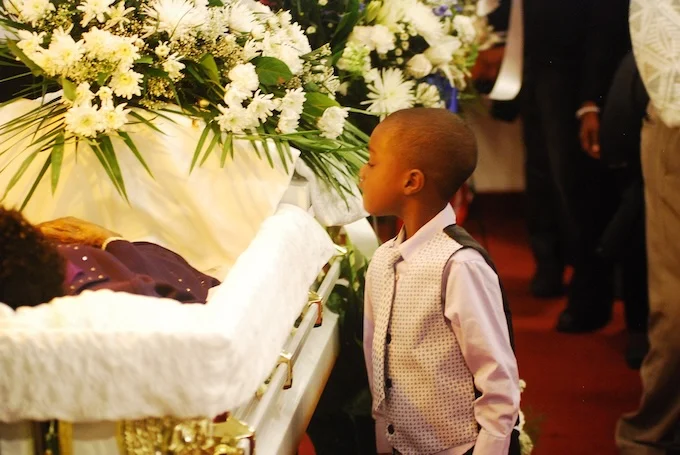
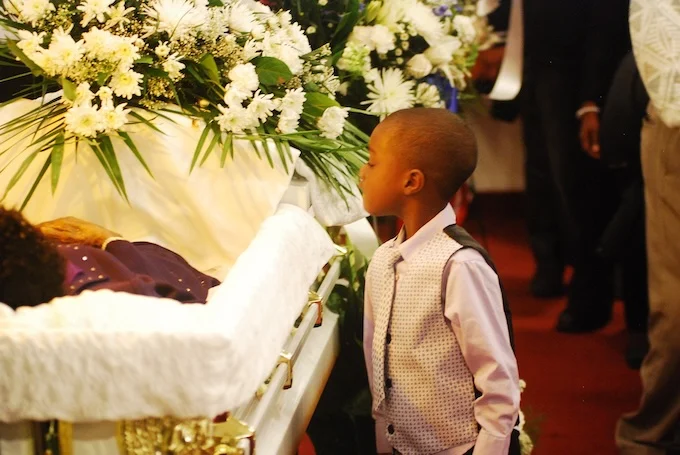
Knight’s approach emphasizes sensitivity, discretion, and a deep understanding of the emotional nuances of funeral services. His work is not about sensationalism or intrusion, but about capturing moments of genuine connection, quiet reflection, and the subtle expressions of love and loss that define these solemn occasions. He meticulously documents the gathering of mourners, the symbolic gestures of farewell, and the palpable sense of community that emerges in times of shared grief. This dedication to preserving authentic moments aims to provide a visual legacy that can be revisited and processed over time, offering solace and a deeper understanding of the final farewell.
Bridging the Gap: Educating a New Generation of Funeral Photographers
With an estimated global population of funeral photographers hovering around a mere 50 individuals, Knight recognizes the urgent need for education and advocacy. He is actively working to demystify the genre and equip other photographers with the skills and ethical considerations necessary to offer funeral photography services. His efforts include presenting at prominent photography conferences, such as WPPI (Wedding & Portrait Photographers International) in Las Vegas, where he aims to inspire and inform professionals about the therapeutic and artistic dimensions of this specialized field.
"There’s a misconception that funeral photography is morbid or exploitative," Knight explains. "In reality, it’s about bearing witness, about offering a service that allows families to see their grief and their love reflected in a tangible way. It’s about providing a visual narrative that can aid in the healing process."

His educational initiatives focus on several key aspects:
- Ethical Considerations: Understanding the profound responsibility that comes with documenting such a sensitive event, including obtaining consent, maintaining discretion, and respecting the wishes of the bereaved family.
- Technical Skills: Mastering the art of low-light photography, capturing candid moments without disruption, and composing images that convey emotion and dignity.
- Client Communication: Establishing clear communication channels with families to understand their specific needs and expectations, ensuring the photography aligns with their vision for remembrance.
- Post-Production and Delivery: Creating cohesive and meaningful Legacy Funeral Albums that tell a story and offer lasting comfort.
Knight’s presence at events like WPPI is often marked by his distinctive attire: a hat emblazoned with "I Love Funeral Photography" and a vest reading "Ask Me about the Art of Funeral Photography." This approach, while attention-grabbing, serves a dual purpose: to spark curiosity and to open dialogue about a profession that often operates in the shadows.
The Broader Implications of Visual Grief Processing
The implications of a resurgence in funeral photography extend beyond individual families. As a society, our engagement with death and mourning has become increasingly privatized and often medicalized, leading to a disconnect from traditional communal grieving practices. Visual documentation, when approached with sensitivity and purpose, can help re-establish this connection.

Studies in psychology and grief counseling have highlighted the benefits of memorialization and remembrance in the healing process. The ability to revisit memories, even those associated with pain, can facilitate acceptance and integration of loss. Funeral photography, by providing a visual record of a loved one’s final farewell and the community’s support, can serve as a powerful tool in this journey.
The limited availability of skilled funeral photographers suggests a potential unmet need within the market. As societal attitudes continue to evolve, there may be a growing demand for services that acknowledge and support the complex emotional needs associated with death. Knight’s proactive approach to education and advocacy is therefore not only about promoting his own business but about fostering a broader understanding and acceptance of funeral photography as a legitimate and valuable art form.
A Call to Remembrance: Connecting with Your Legacy Photography
For those who are contemplating the inclusion of funeral photography in their services, or for families seeking to preserve these significant moments, Duane Knight’s work offers a compelling model. His website, YourLegacyPhotography.com, showcases his portfolio and provides insights into his philosophy and approach. His Instagram account, @funeral.photos, offers a visual glimpse into the art of memorializing life’s final moments with dignity and grace.

Knight encourages open dialogue and welcomes feedback and inquiries from both potential clients and fellow photographers. He believes that by sharing his expertise and passion, he can help transform funeral photography from a niche, often misunderstood practice, into a recognized and valued avenue for remembrance and healing. As the world grapples with the enduring human experience of loss, the art of capturing these moments with sensitivity and purpose may prove to be an invaluable, albeit unconventional, source of comfort and connection for generations to come.