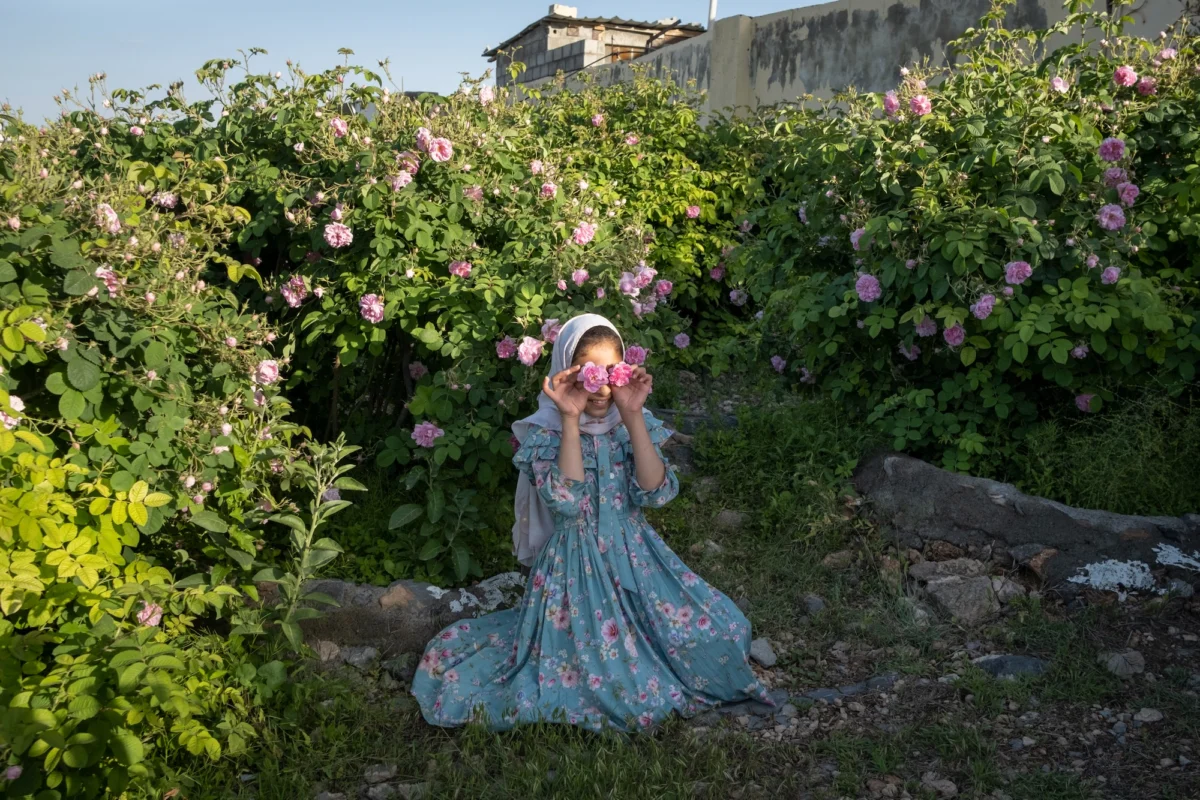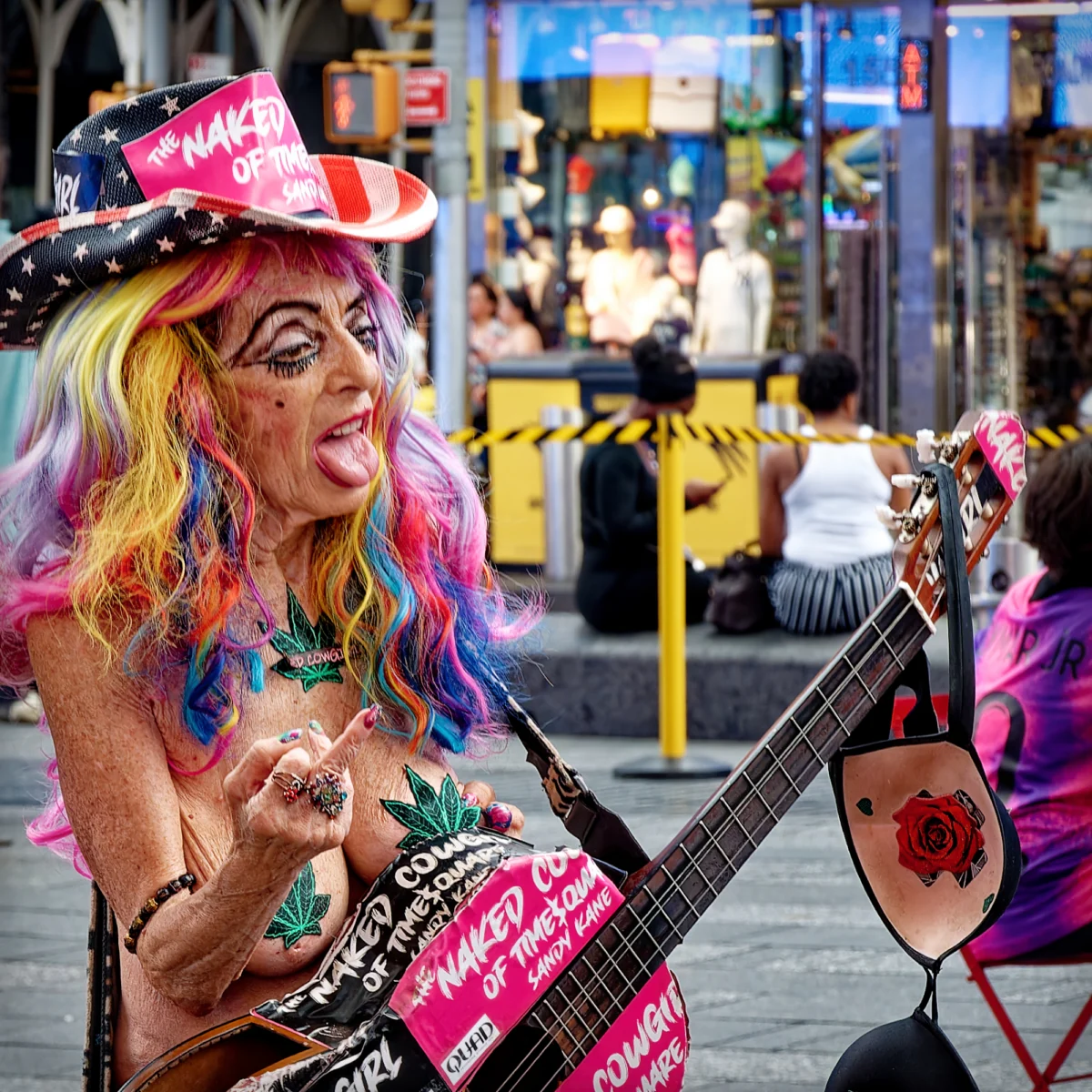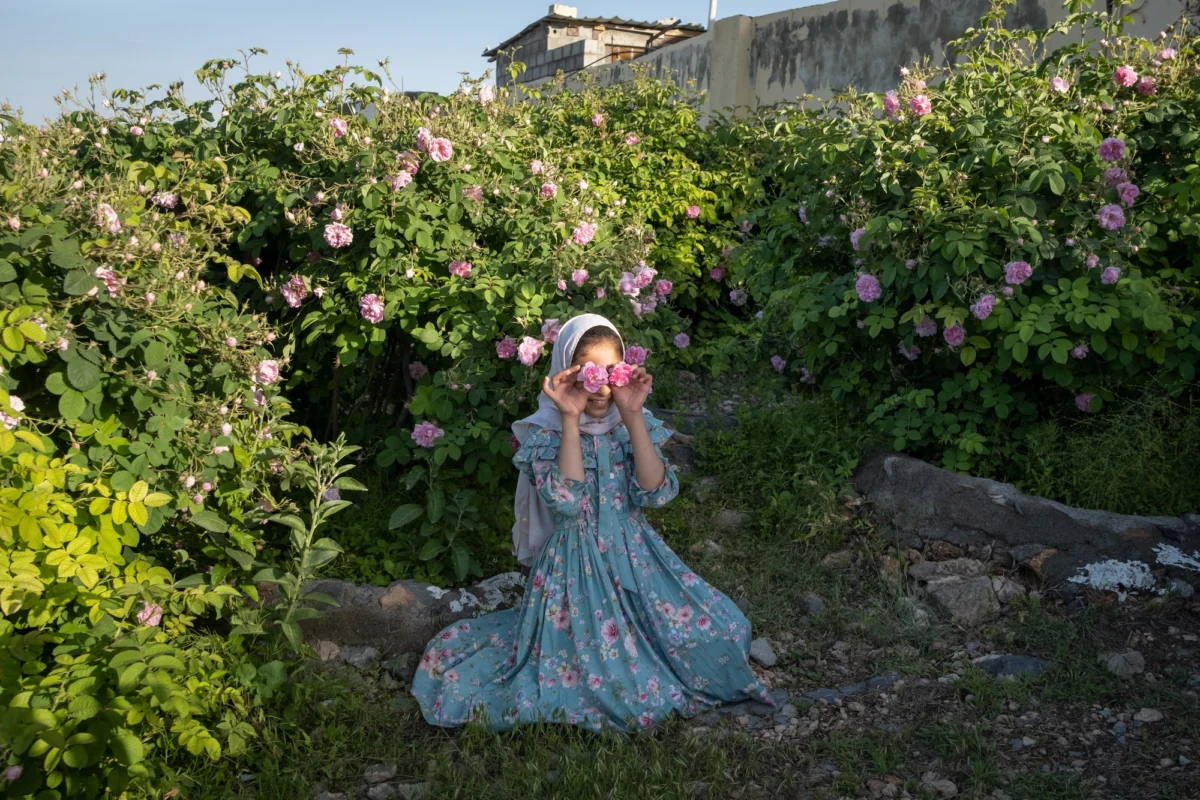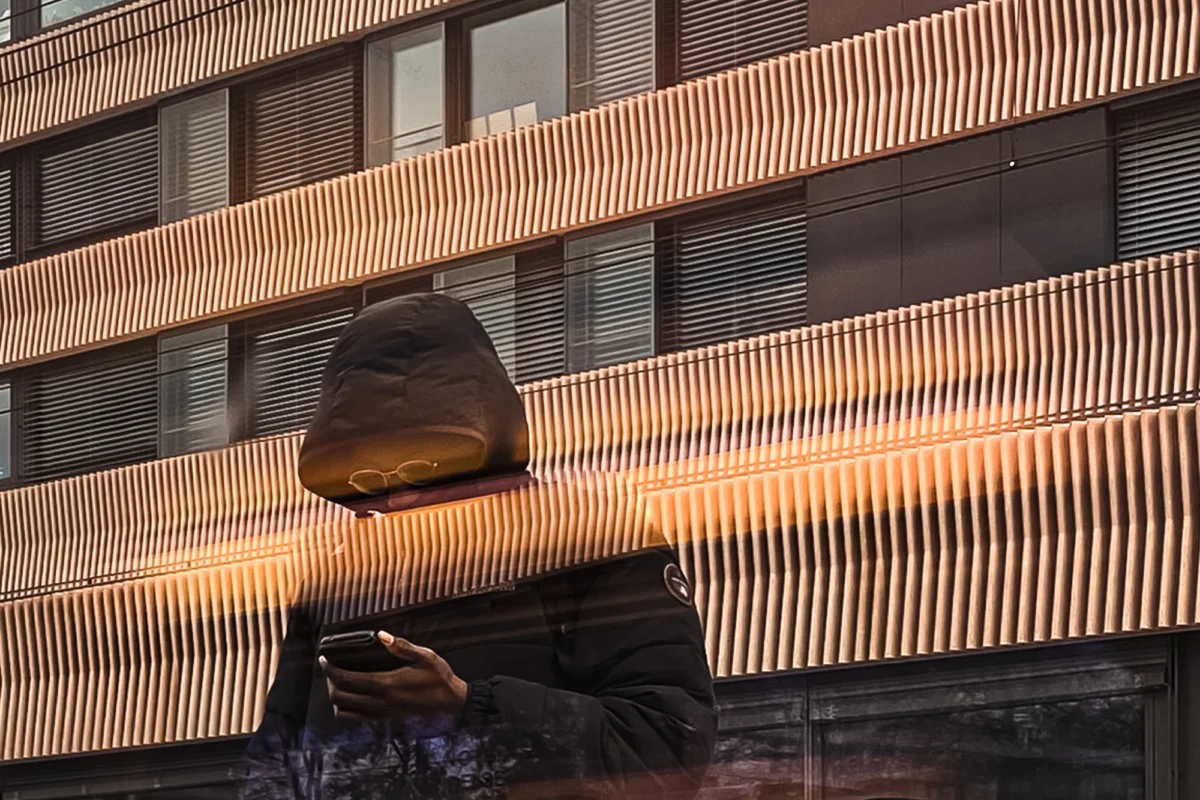
Istanbul-based photographer Gül Kanık has carved a distinctive niche in the realm of street photography, moving beyond candid documentation to embrace a more deliberate and introspective approach. Her work is characterized by a sophisticated interplay of light, shadow, reflection, and framing, techniques that she explains emerged not from rigid adherence to formal training, but from a natural evolution of her artistic vision. This evolution, she suggests, is deeply intertwined with her personal journey and her philosophical understanding of perception.
The Genesis of a Photographic Voice
Kanık’s entry into photography was not initially driven by artistic ambition, but by a profound personal need. Following the passing of her mother, she found solace and a way to cope with the void left behind by her absence. "At the beginning, I was just taking photos without thinking too much about technique," Kanık shares, reflecting on those early days. "Over time, I became more aware of light and composition. So these approaches developed naturally as I practiced more." This period of nascent exploration marked the genesis of her unique perspective, a process of self-discovery through the lens.
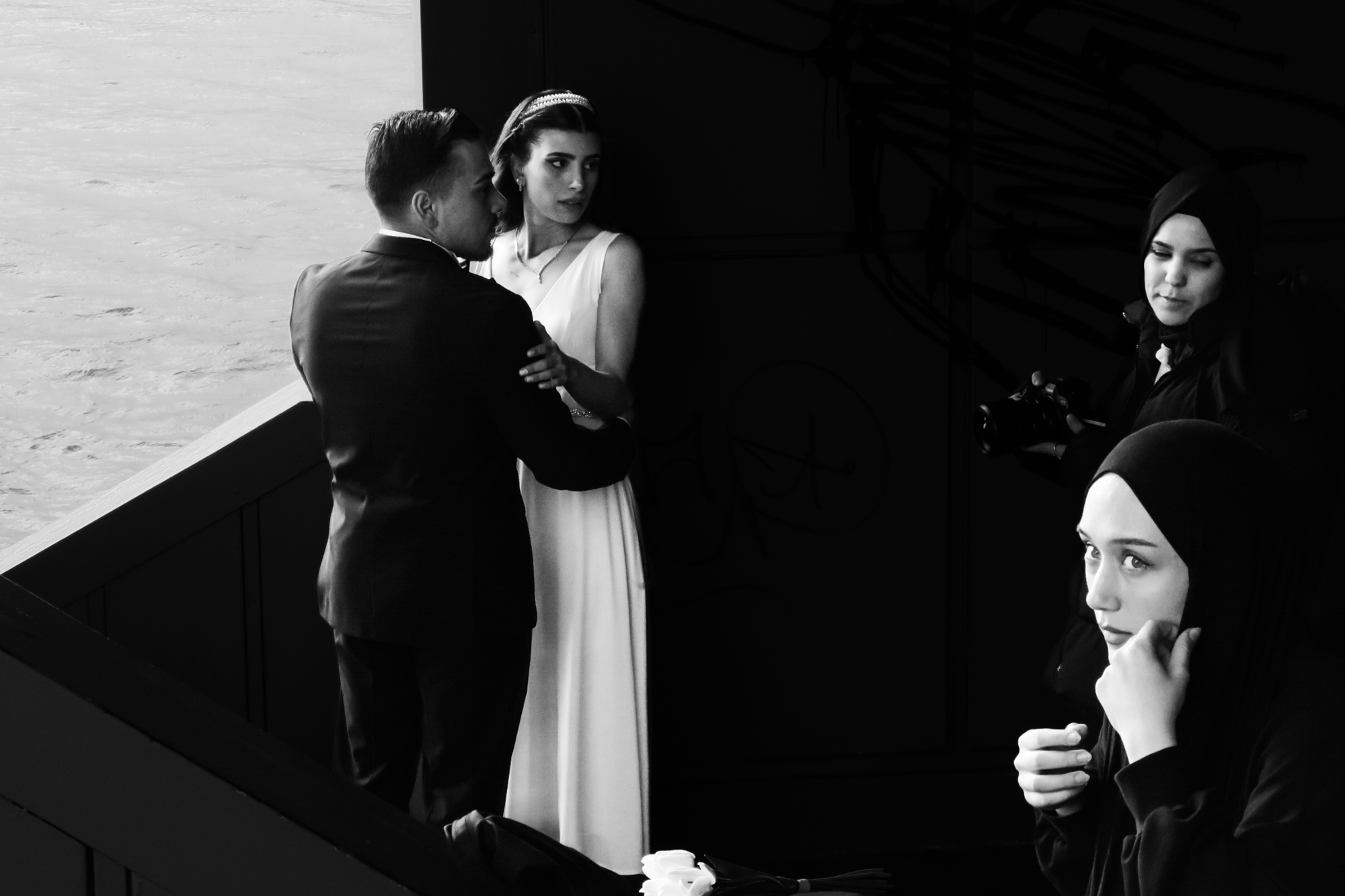
This introspective phase led to a pivotal realization that would fundamentally shape her creative output: "We don’t just see the world as it is – we see it as we are." This statement encapsulates Kanık’s belief that photography is not merely a passive act of recording reality, but an active projection of the photographer’s inner landscape onto the external world. Her street photography, therefore, becomes a deeply personal exploration, an outward manifestation of her internal state.
Connection as the Catalyst for Creation
Kanık’s approach to street photography is not dictated by a predetermined schedule or a relentless pursuit of fleeting moments. Instead, it is an organic process that arises from a profound connection with her surroundings. She describes being drawn to specific conditions that resonate with her sensibility: "Usually, I find myself taking photos when the light is interesting or when there is a contrast – like calm vs chaos, light vs shadow, or people lost in their own world. These moments pull me in." This emphasis on connection suggests that her photography is less about documenting the city and more about engaging with it on an emotional and aesthetic level.
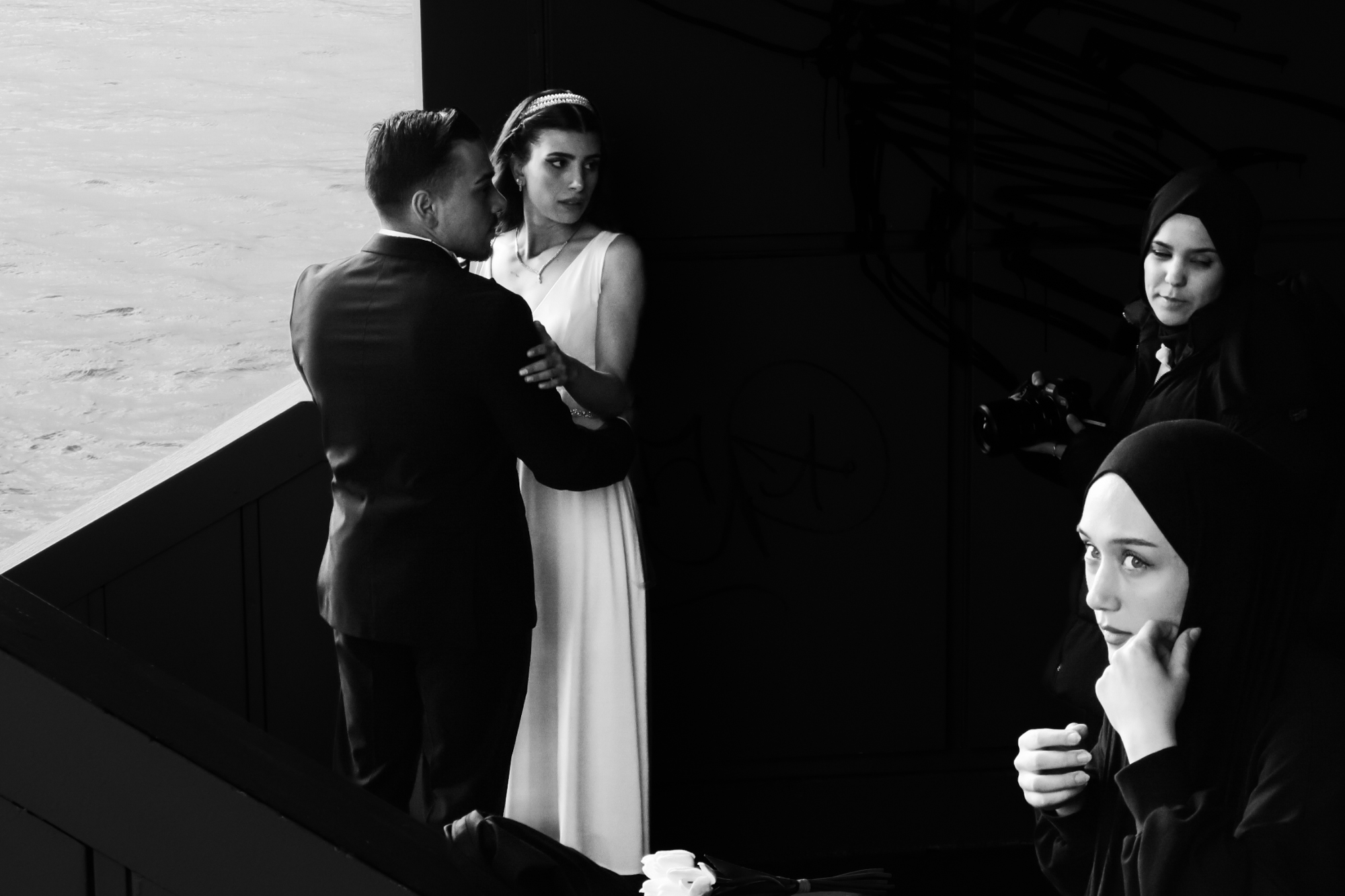
Rather than chasing scenes, Kanık advocates for a more patient and present stance. She prioritizes anticipation over direct intervention, looking for moments where elements align organically. "What helps me the most is patience and being present. I don’t try to control the scene; I try to align to it," she explains. This philosophy aligns with a growing trend in contemporary street photography that values mindfulness and a deeper engagement with the environment, moving away from the purely observational to a more participatory form of image-making. The implication is that true authenticity in street photography often lies in observing the dance of life as it unfolds, rather than orchestrating it.
Infusing Emotion into the Urban Canvas
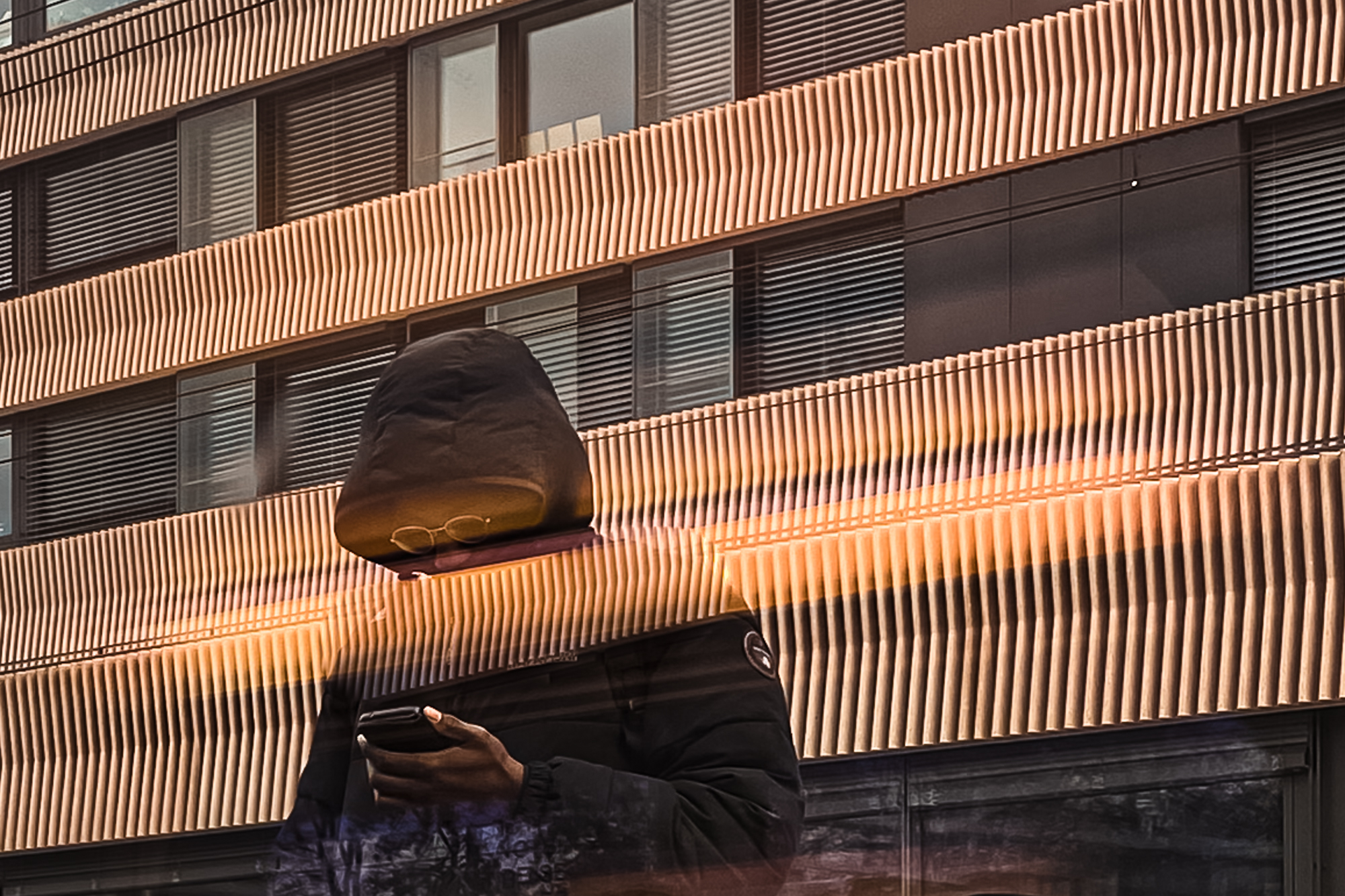
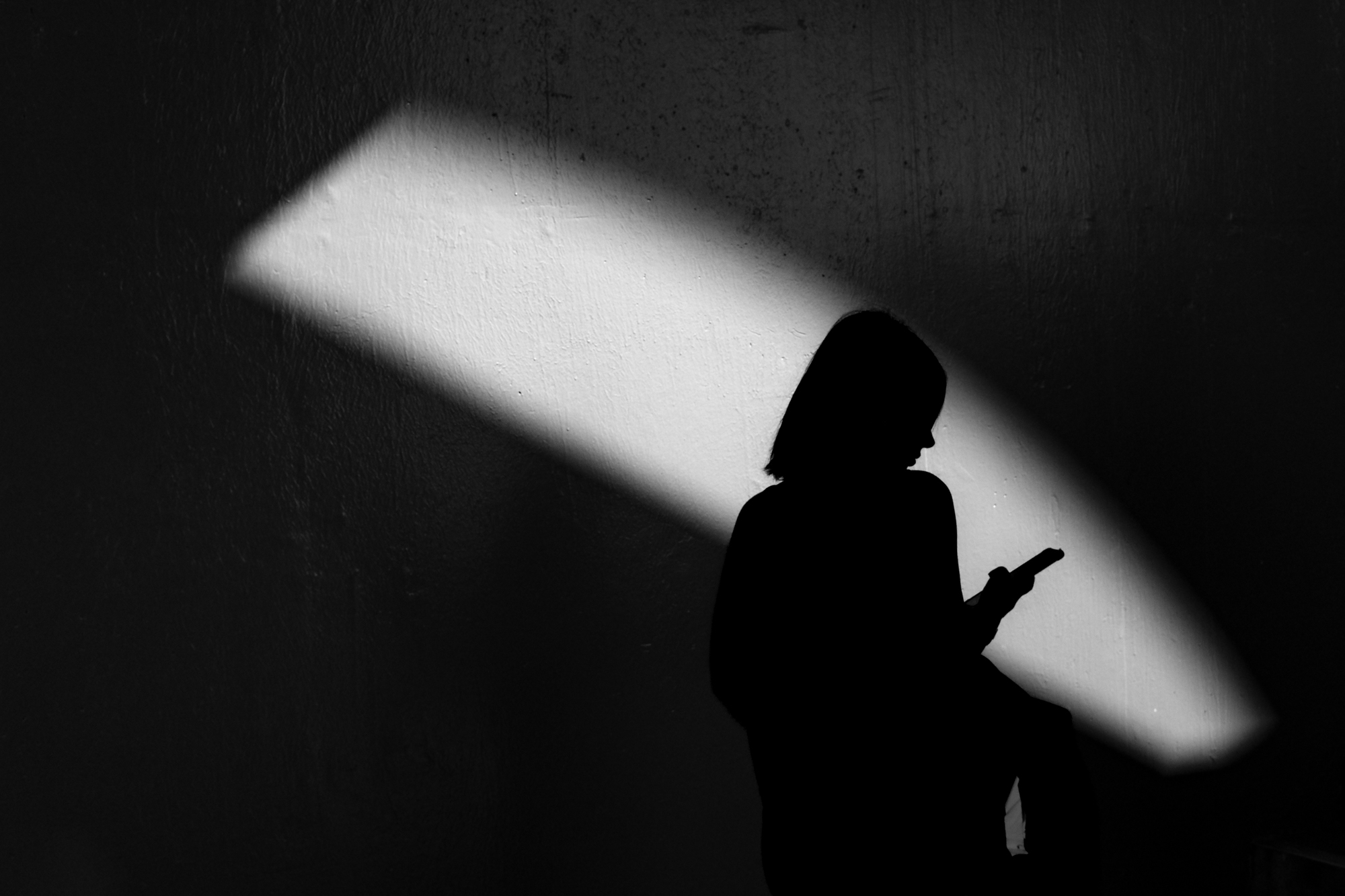
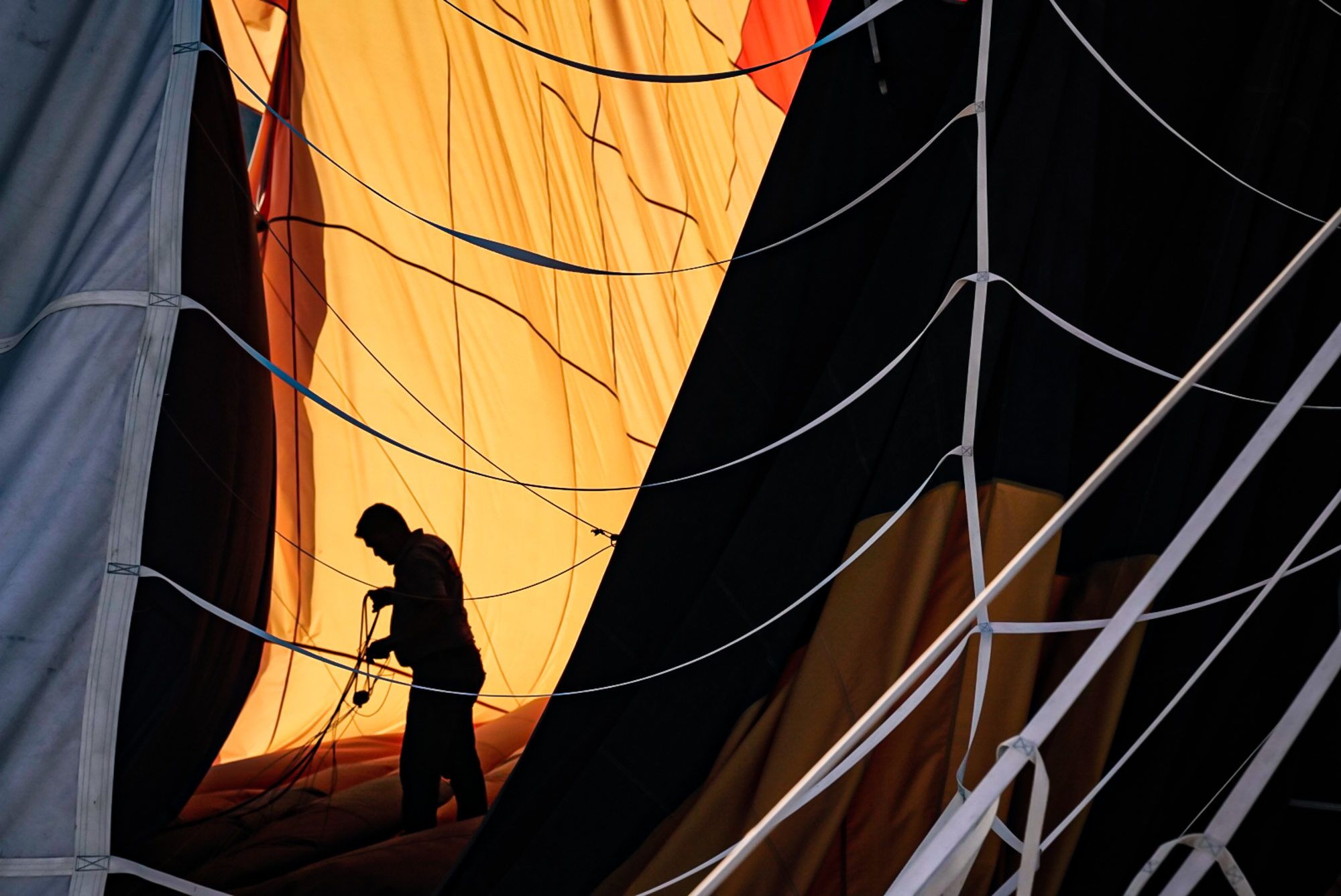
While the term "emotional" might not be the first descriptor that comes to mind for many when discussing street photography, it is a core tenet of Kanık’s artistic philosophy. She actively seeks to imbue her images with a sense of feeling, transforming mundane urban scenes into evocative narratives. Her sophisticated use of compositional tools such as shadows, silhouettes, and framing serves this purpose directly. These techniques are not merely stylistic choices; they are intentional devices designed to simplify the scene, focus the viewer’s attention, and elicit a specific emotional response.
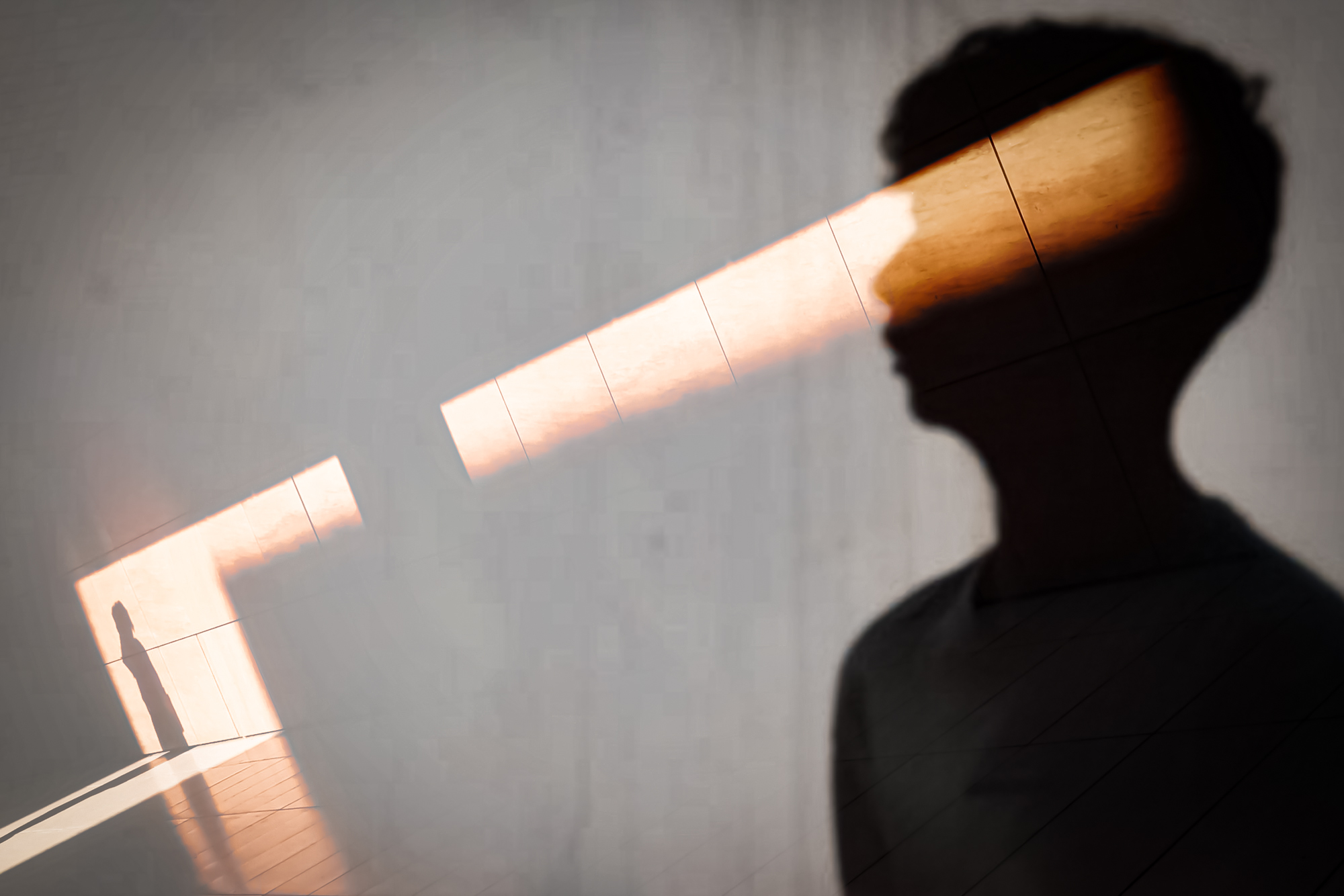
"For example, shadows can create mystery, silhouettes can make a scene more universal, and framing helps guide the viewer’s eye," Kanık elaborates. "I try to use them in a natural way, not forced. I believe that even the most ordinary scenes carry something different – a detail, a feeling, or a moment that breaks the pattern. I’m drawn to subtle contrasts like light and shadow, stillness and chaos, presence and absence." This approach elevates her work beyond mere documentation, inviting viewers to perceive the city as a dynamic canvas of unnoticed art, where everyday moments hold profound aesthetic and emotional weight.
Her preference for a minimalist aesthetic further underscores this focus on emotional resonance. Kanık champions the "less is more" philosophy, arguing that an abundance of elements can dilute the impact of the intended message. This deliberate sparseness allows the core emotion or narrative of a scene to emerge with greater clarity. The ideal street photograph, in her view, is one that is "simple but meaningful," a testament to the power of suggestion and understated beauty.

The Alchemy of Storytelling and Feeling
For Kanık, a compelling photograph transcends mere visual representation; it must either "tell a story or create a feeling." This fundamental principle guides her quest to imbue her images with depth and resonance. While much of her learning has been experiential, she acknowledges the significant influence of established masters of the genre.
Her admiration for Alex Webb is evident in his complex, multi-layered compositions, which she finds inspiring. Webb’s ability to weave multiple narratives within a single frame resonates with Kanık’s own desire to create images that offer more than a superficial glance. "From Alex Webb, I’m inspired by the way he builds complex frames with multiple layers, colors, and interactions. His work shows that a single image can carry more than one story at the same time," she notes.
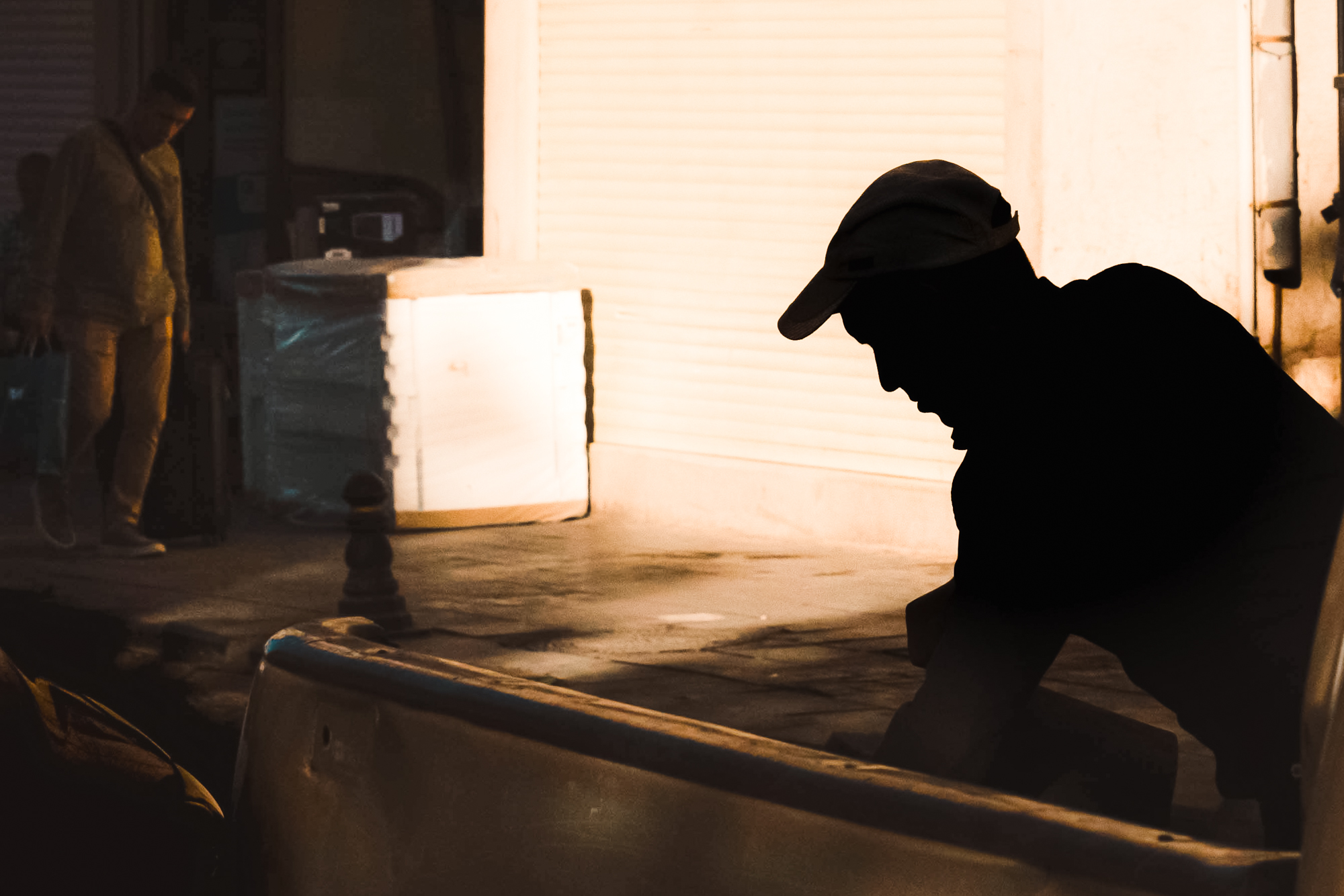
The emotional depth and poetic atmosphere found in Saul Leiter’s work also hold a particular significance for Kanık. Leiter’s masterful use of color, reflections, and minimalist compositions creates a quiet, contemplative mood that she strives to emulate. "Saul Leiter’s work resonates with me on a more emotional level. His use of color, reflections, and minimal compositions creates a quiet, almost poetic atmosphere. It made me more aware of subtle details and the power of simplicity," she states. This appreciation for subtle details and the impact of simplicity is a recurring theme in Kanık’s own photographic language.
Vivian Maier’s unflinching authenticity and keen observational skills provide another source of inspiration. Maier’s ability to capture genuine, unfiltered moments speaks to Kanık’s own pursuit of honest and relatable imagery. "Vivian Maier, on the other hand, inspires me with her ability to capture honest and unfiltered moments. There is a strong sense of authenticity and observation in her photographs that I deeply connect with."
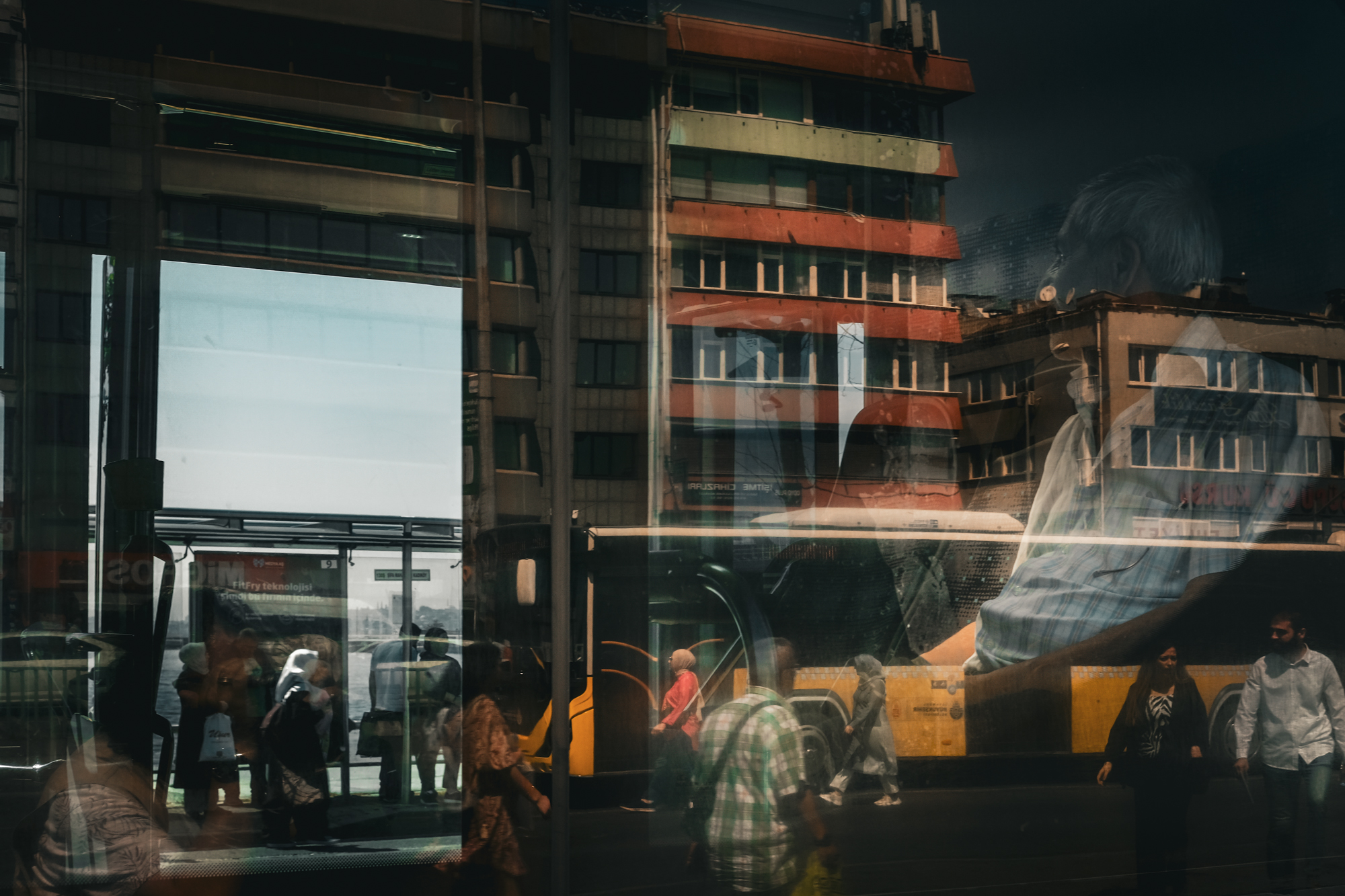
The common thread uniting these influential photographers, according to Kanık, is their shared capacity to discover and capture the extraordinary within the ordinary. This insight fuels her ongoing search for the "non-standard within the standard," a continuous endeavor to reveal the unexpected facets of everyday life. Her photography is thus an ongoing exploration, a quest to unearth the hidden narratives and profound emotions that lie just beneath the surface of the familiar.
The Quest for Authenticity in the Urban Landscape
The pursuit of authentic and unfiltered moments is a defining characteristic of street photography, yet Kanık acknowledges its inherent challenges. The ephemeral nature of these moments means that the mere presence of a camera can alter the scene, leading to missed opportunities. "Sometimes, people notice the camera and the moment changes," she observes, highlighting the delicate balance between observer and subject.
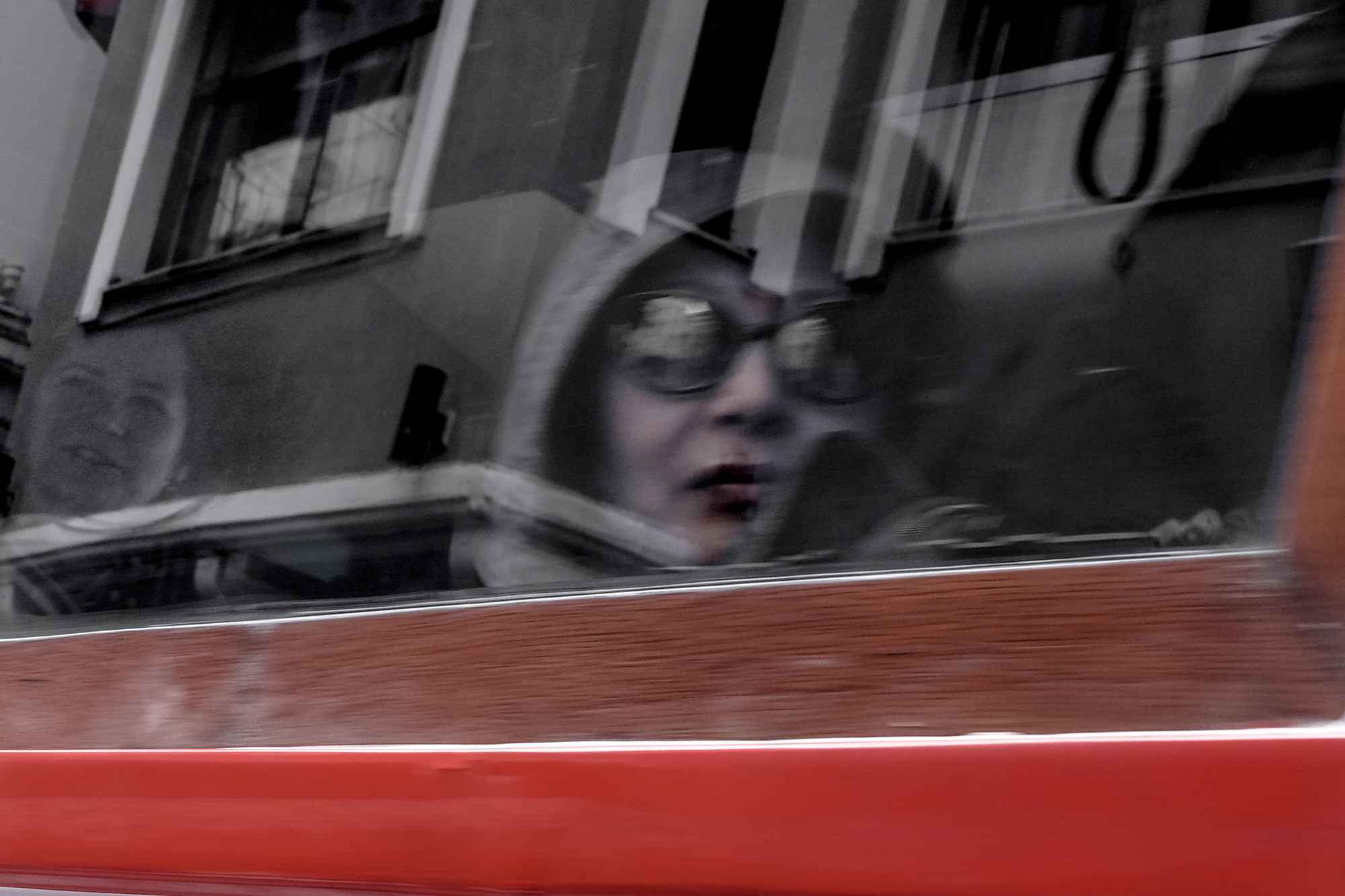
Furthermore, the creative process is not always predictable. Kanık recognizes that inspiration does not strike uniformly; some days are more fruitful than others. Her strategy for navigating these less productive periods is rooted in patience and acceptance: "Also, not everyday is inspiring – some days nothing works. To deal with this, I stay patient and accept that not every walk will result in a great photo." This pragmatic approach underscores her understanding of the artistic journey as one of both diligent effort and surrender to the natural flow of inspiration.
A Transformative Encounter in Nepal
A particularly illuminating anecdote that encapsulates Kanık’s philosophy comes from a trip to Nepal, where a sunset landscape transformed into a deeply personal and intentional photograph. This experience, though not strictly street photography, vividly illustrates her core principles. While on a trip with her mentor, Cenk Gençdi, in Nagarkot, Kanık was presented with a breathtaking vista featuring Mount Everest in the distance. The scene was undeniably powerful, yet it felt incomplete to her.
"The view was breathtaking – at 2,175 meters, with Mount Everest visible in the distance. It was already a powerful scene, but when I looked at my frame, something felt missing. It felt too empty," she recounts. Recalling her mentor’s teachings on the importance of framing, Kanık began to actively search for an element within the scene that could elevate the composition. Her gaze fell upon a simple lamp hanging from the balcony structure.
The inclusion of this seemingly minor detail dramatically altered the photograph. "Including that small element completely changed the photograph. It gave the frame depth, balance, and a stronger story. Suddenly, it was no longer just a landscape – it became something more personal and intentional." This transformative moment marked a profound realization for Kanık, solidifying her understanding that her role as a photographer was not merely to capture what was presented, but to actively shape and imbue it with personal meaning.
When she shared the photograph with Gençdi, he admired it, but for Kanık, the true value lay in the realization it represented. "It was the moment I understood that I’m not just capturing what is in front of me – I’m always searching for the ‘non-standard within the standard.’ Even in the most perfect view, I’m drawn to the small detail that changes everything." This experience serves as a powerful testament to her deliberate and introspective approach to image-making, where intention and personal perspective are paramount.
The City as a Surface, the Soul as the Subject
Through her "internal and intentional" approach to street photography, Kanık feels she is projecting fragments of herself into each frame, imbuing them with her emotions, perspective, and inner world. "So for me, street photography is not just about walking around the city and capturing random moments," she muses. "The city is just the surface – what I’m really capturing is something much more personal."

Her artistic mission is not to present the extraordinary, but rather to "reveal the hidden uniqueness within the familiar." Kanık believes that even the most commonplace scenes hold the potential for profound personal connection and unexpected revelation. Her work, therefore, invites viewers to look beyond the obvious, to discover the subtle nuances and hidden narratives that enrich the fabric of everyday urban life.
By embracing a philosophy that blends technical proficiency with deep introspection, Gül Kanık has established herself as a significant voice in contemporary street photography. Her dedication to finding the extraordinary in the ordinary, and her commitment to infusing her work with personal meaning, continues to resonate with audiences and fellow artists alike.
To explore more of Gül Kanık’s captivating street photography, follow her on Instagram at http://instagram.com/kaniklaringul.