New York City has long been the undisputed capital of street photography, a sprawling canvas where the pulse of urban life beats with an inimitable rhythm. For decades, its iconic streets have drawn photographers from around the globe, eager to capture the city’s vibrant energy, diverse inhabitants, and the countless narratives unfolding on every corner. Among the legion of artists who call this metropolis home and interpret its essence through their lenses is Xiomaro, a photographer whose journey into the craft is as compelling as the images he produces. His recent book, "Street Photography of New York City: Street Haunting in the Big Apple," offers a profound exploration of this urban landscape, revealing hidden details and multifaceted stories that often escape the casual observer.
Xiomaro’s path to photography was not a direct one, diverging from an initial trajectory that embraced the arts, music, painting, and writing, alongside a philosophical grounding preparing him for a legal career. Born and raised in Brooklyn, he pursued his studies with a dual focus, ultimately embarking on a career as a corporate litigation attorney. This was followed by a successful stint in entertainment law, where he represented influential recording artists such as the Village People, Lisa Lisa, and MC Shan. Even during these demanding professional years, Xiomaro harbored a deep appreciation for documenting the world around him. He often reflects on the missed opportunities, musing, "If smartphones had existed in those days, I would have some really compelling photographs!" This sentiment underscores a lifelong inclination towards visual storytelling, a seed that would later blossom into a full-fledged artistic pursuit.

The turning point in Xiomaro’s artistic evolution arrived following a personal health crisis. Recovering from cancer provided him with the impetus to reevaluate his life and creative priorities. Photography emerged as a vital coping mechanism, a means to process his experiences and reconnect with his artistic spirit. It was on the streets of New York City that he discovered a profound and captivating world, one where the everyday occurrences held a dramatic weight comparable to the often-glamorous music industry he had navigated. This realization spurred a deliberate transition out of the legal profession, allowing him to dedicate his energies to photography. For several years, he immersed himself in the city’s fabric, spending five days a week meticulously documenting whatever caught his discerning eye.
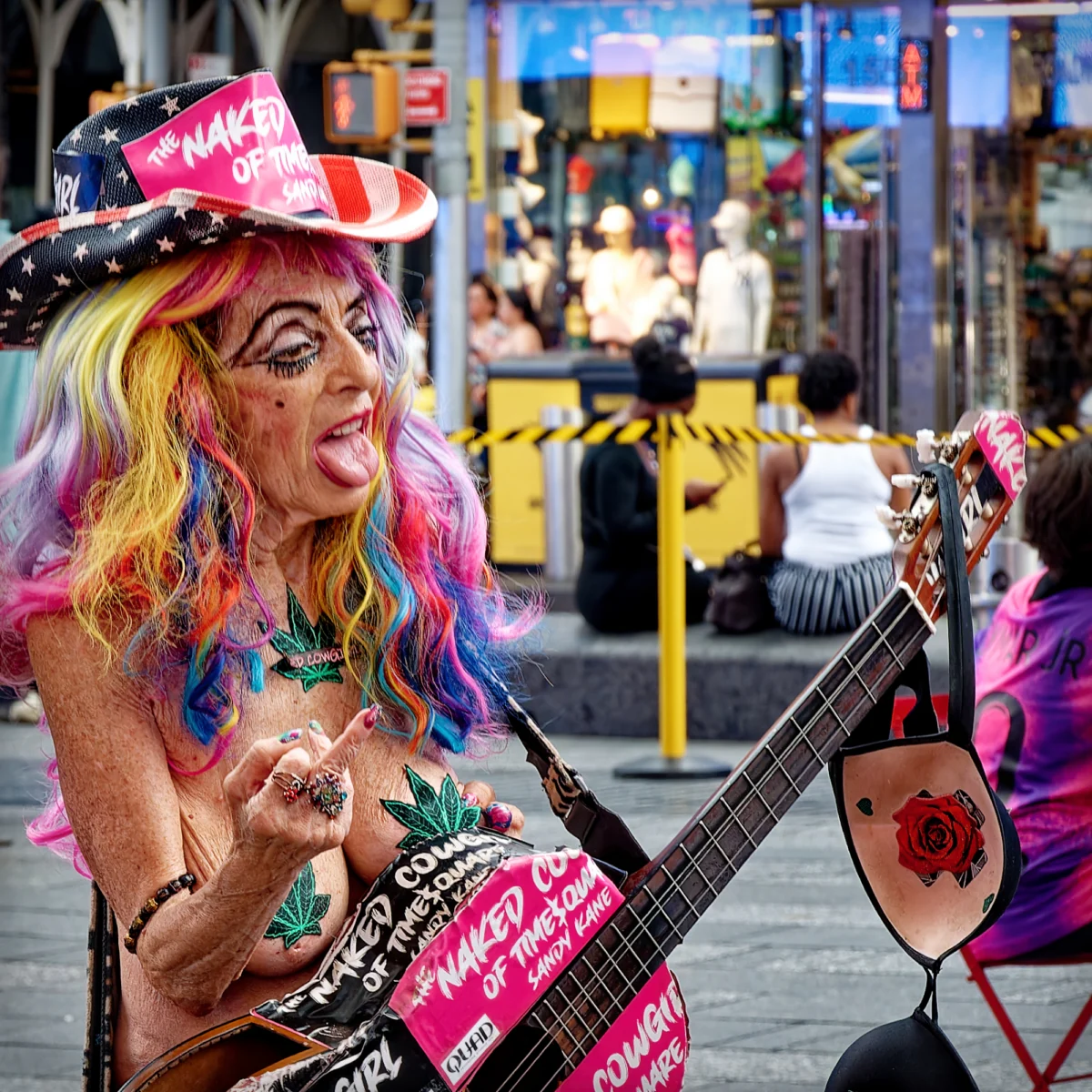
His approach to street photography in New York City was characterized by strategic exploration. By consciously varying his routes, Xiomaro ensured exposure to a diverse array of people and scenarios. He observed distinct patterns, noting that areas like Sixth Avenue tended to attract more business professionals, while Eighth Avenue offered a glimpse into the lives of locals. Times Square, as expected, served as a focal point for tourists from all walks of life. Now fully committed to his art, he continues to capture the city’s essence whenever his schedule permits, balancing street photography with other significant projects, including exhibitions and commissions for the National Park Service, as well as the publication of his books.
From National Parks to Urban Streets: A Dual Artistic Vision
Xiomaro’s photographic endeavors extend beyond the bustling avenues of New York City, encompassing a significant body of work within the serene landscapes of America’s National Parks. These commissions involved documenting historic structures and sites of national importance, such as George Washington’s headquarters and Theodore Roosevelt’s home. In these assignments, his objective was to capture elements that might be overlooked during a typical visitor’s tour. Despite the inherent constraints of time and access, he succeeded in uncovering rare perspectives and intimate details of unique artifacts, some of which were not publicly displayed, and venturing into remote, ecologically sensitive areas.
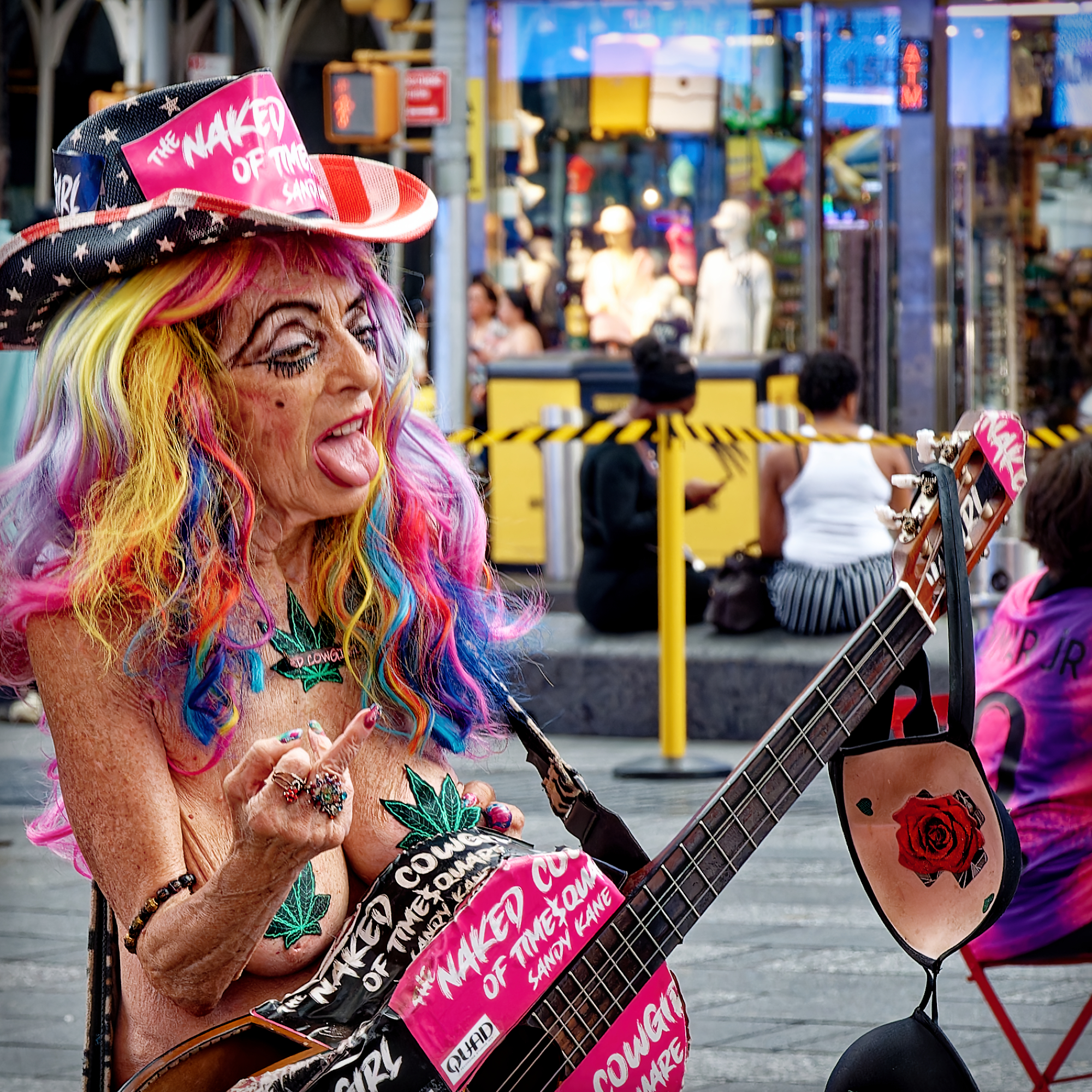
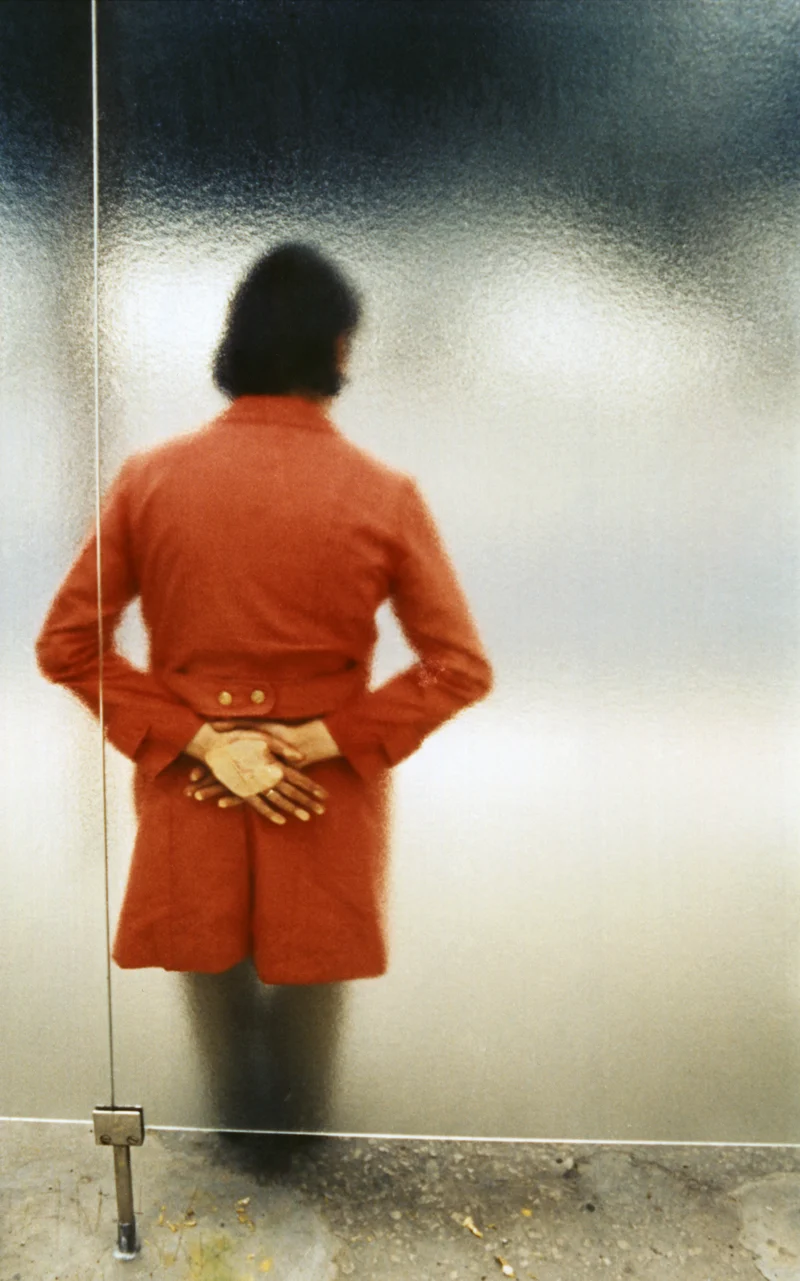
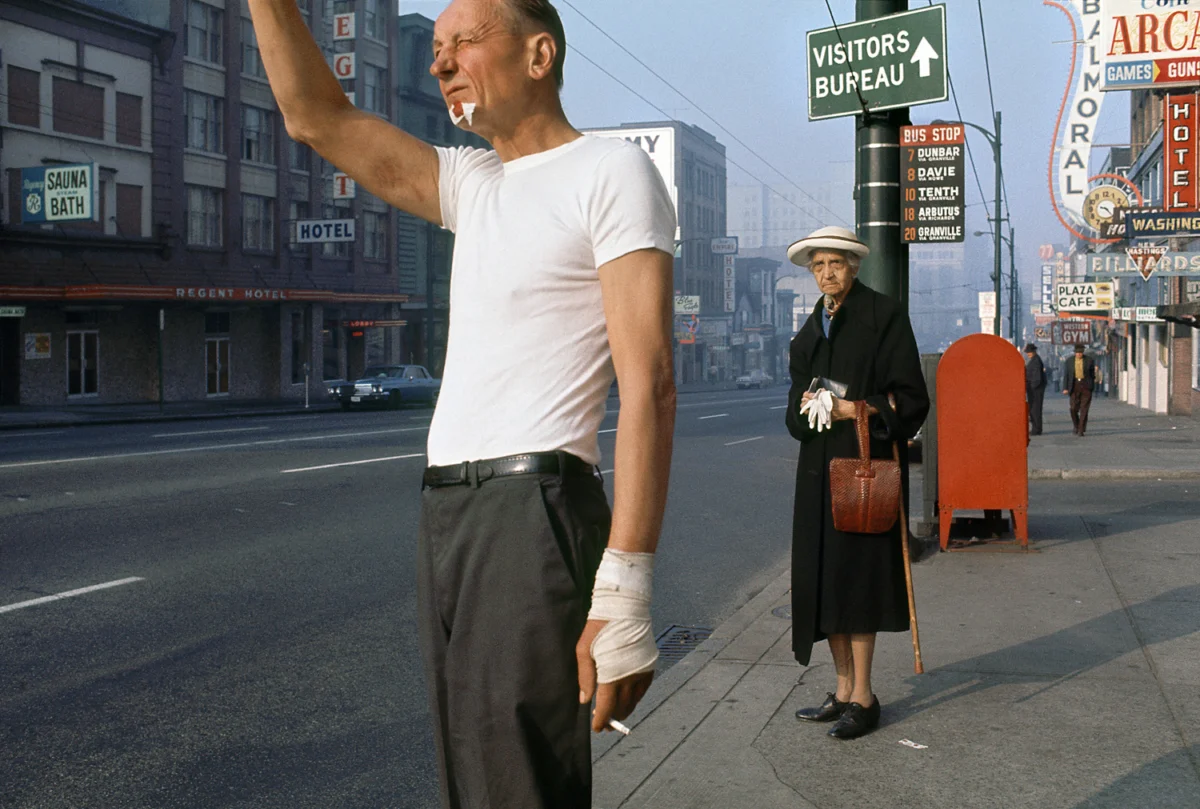
The juxtaposition of the tranquil National Parks and the frenetic energy of New York City’s streets might initially seem stark. Even his artistic inspirations for these two distinct realms diverge significantly. His National Park photography draws from the classical masters like Goya, Rembrandt, and Vermeer, while his street photography is deeply influenced by iconic photographers such as Saul Leiter, Garry Winogrand, and Joel Meyerowitz.
However, for Xiomaro, a common thread binds these seemingly disparate environments: the relentless pursuit of the hidden and the overlooked. This core principle is a defining characteristic of his work, prominently featured in his latest book, "Street Photography of New York City: Street Haunting in the Big Apple." His photographs are often lauded for their "unorthodox look" and a keen "focus on striking details."
Unveiling the Unseen: The Artistry of "Street Haunting in the Big Apple"
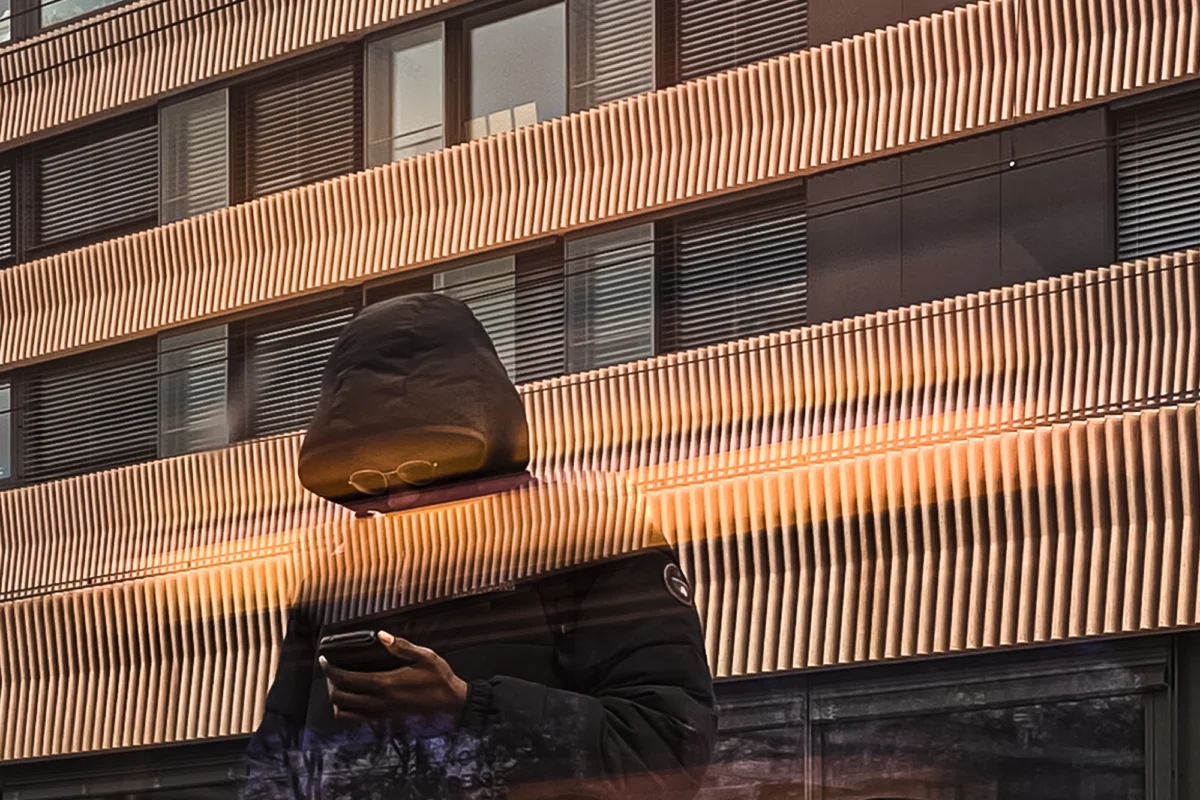
The book itself serves as a testament to Xiomaro’s dedication to revealing the often-unseen aspects of New York City. It delves into minute architectural details, even on celebrated landmarks like Radio City Music Hall, which most passersby would never notice. His compositions can be so abstract and kaleidoscopic that they occasionally trigger warnings on social media platforms, mistakenly flagged as AI-generated images due to their unconventional nature.

Xiomaro’s initial motivation for documenting everyday scenes in New York City was twofold: to maintain his photographic skills and to push his creative boundaries beyond the structured environment of his National Park Service commissions. He sought a challenge that was the antithesis of working with a large DSLR on a tripod, focusing on static scenes. This led him to master the art of shooting with a smaller, handheld camera, demanding a swift and decisive approach to capture the dynamic, multi-layered reality of the streets.
He admits that these street photography "exercises" were not initially intended to culminate in a published work. "I never expected these ‘exercises’ to amount to anything," he shares. However, in 2023, a serendipitous encounter occurred when a publisher reached out, requesting a book proposal for street photography. This publisher, having found him through online searches, likely encountered news reports detailing his work. The request came as a surprise, especially given the considerable effort and months of persistence it took in 2017 to secure a contract for his National Park photography book.
This unexpected opportunity provided a platform for his street photography to mature into a cohesive body of work, truly representing him and his artistic evolution. It allowed him to delve deeply into the multifaceted character of New York City. While his commissioned work for the National Park Service predominantly utilized color, street photography offered him the freedom to experiment with black and white. He developed a nuanced understanding of how to employ this aesthetic to enhance his street narratives. He acknowledges, however, that certain compositions are intrinsically tied to color. When he opts for black and white, it is often to convey the darker, grittier, and more intense aspects of the city that he, as an artist familiar with its raw edges, has come to know.
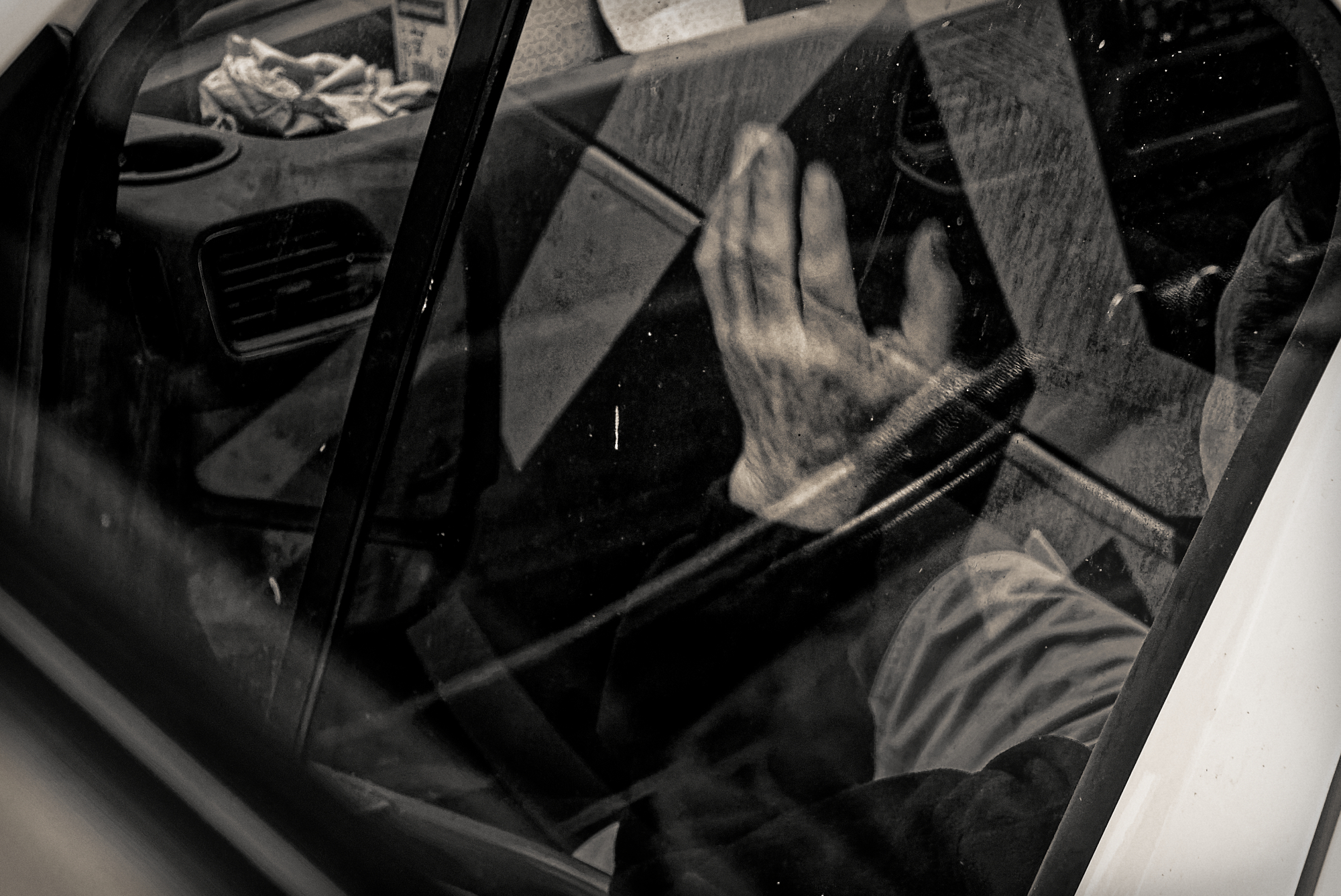
"In other images, I chose black and white to impart a starkness, grit, and intensity that, for me, connects contemporary New York with the tough, dangerous, and dirty city I grew up in," Xiomaro explains. He draws parallels to the cinematic approaches of Steven Spielberg in "Schindler’s List" and Martin Scorsese in "Raging Bull," where the directors strategically employed black and white for artistic impact, interspersed with select color scenes for specific thematic resonance.
Enriching Worldviews on the Iconic City
Xiomaro’s new book emerges at a time when New York City continues to be a subject of immense global fascination, and its portrayal is increasingly shaped by contemporary socio-political dialogues. The collection of images within "Street Photography of New York City: Street Haunting in the Big Apple" offers a timely perspective, engaging with themes relevant to the current political climate and its impact on global perceptions of the city. Through his lens, Xiomaro explores topics such as Diversity, Equity, and Inclusion (DEI) initiatives, examining how societal responses to these concepts reflect or diverge from the foundational ideals of diversity, equity, and inclusion within the United States.
"My book examines diversity—the ethnicities, stations in life, jobs, styles of dress, and so much more. It’s part of what makes New York unlike any other city I have visited and what draws visitors from around the world," Xiomaro asserts. This focus on the multifaceted nature of New York’s population is a cornerstone of his photographic philosophy.
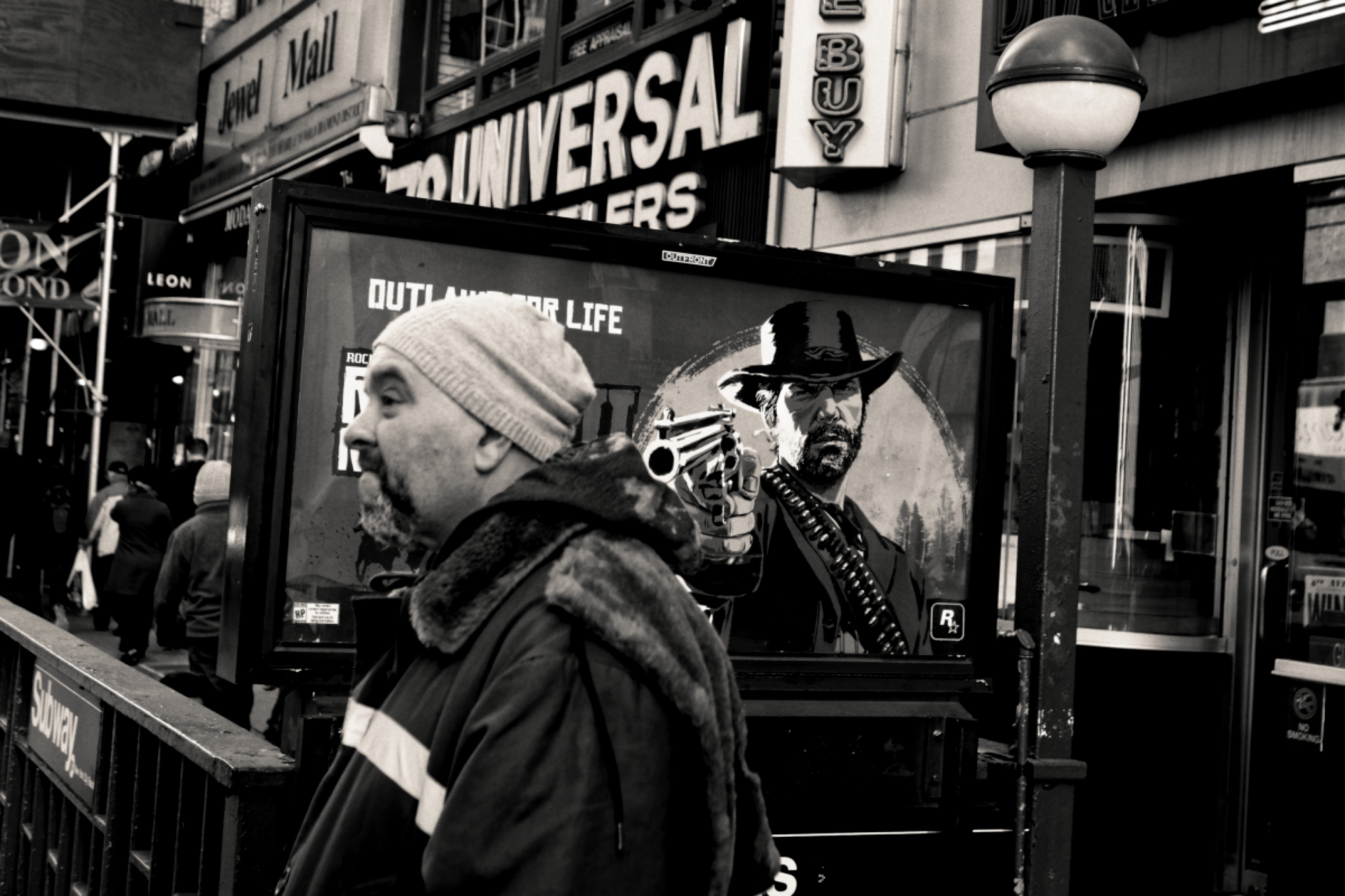
He shares a particularly poignant photograph from the book, highlighting the intention behind his work and the amusing narrative it encapsulates:
"There’s a photograph I took in a split second as I rushed by. It’s of three men on the periphery of society who are probably accustomed to being ignored by passersby. Yet there’s a dignity in their desire to participate in free speech. Their political protest sign is unique and humorous—and a clever way to draw attention for handouts. It was just one shot, and I was happy that it captured their expressions."
Reflecting on his street photography journey, Xiomaro acknowledges the absence of formal photographic education. Instead, he finds inspiration in music and painting, approaching his craft with a blend of spontaneity and emotional connection. He describes his process as playing everything by ear, allowing colors to guide his vision towards those fleeting moments that warrant capture.
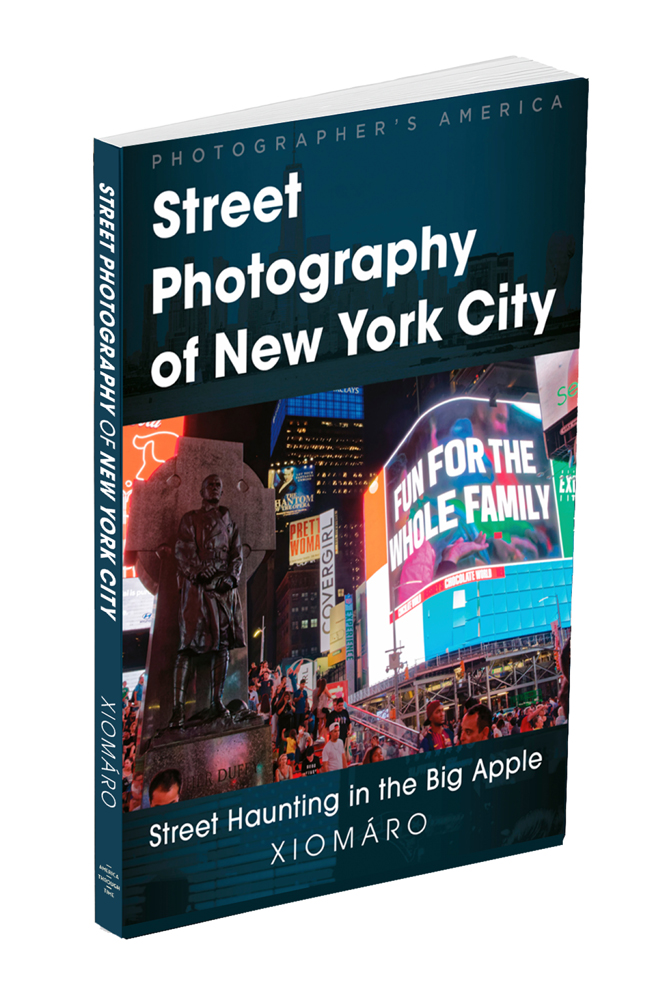
"As a musician, I divide my mind between an awareness of the song’s structure, key, time signature, and lyrics while simultaneously playing in an improvisational and inspired way—going with the emotion of the moment without thinking too much," he elaborates. "I approach street photography in a similar way. I’m aware of my camera settings and the street environment while instinctively shooting whatever connects with me emotionally. As a result, the photographs that interest me most are candid rather than posed, ambiguous rather than obvious, and serendipitous rather than produced. They are images that can be interpreted and enjoyed in many different ways."
Xiomaro’s work, as showcased in "Street Photography of New York City: Street Haunting in the Big Apple," offers a compelling invitation to look beyond the surface of one of the world’s most iconic cities. His unique perspective, honed by a rich tapestry of life experiences and artistic influences, provides a fresh and insightful glimpse into the soul of New York, revealing its complexities, its resilience, and its enduring human spirit.
Visit Xiomaro’s website to see the rest of his work and learn more about his new book, Street Photography of New York City: Street Haunting in the Big Apple.