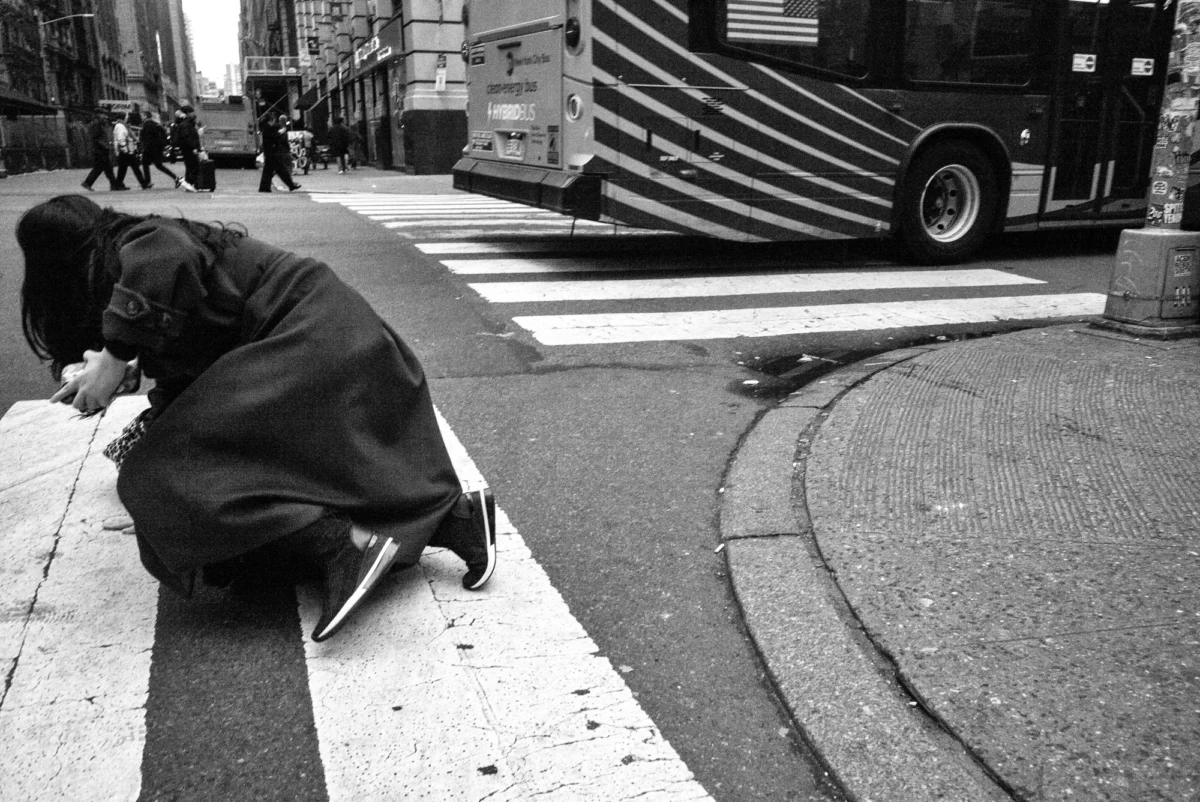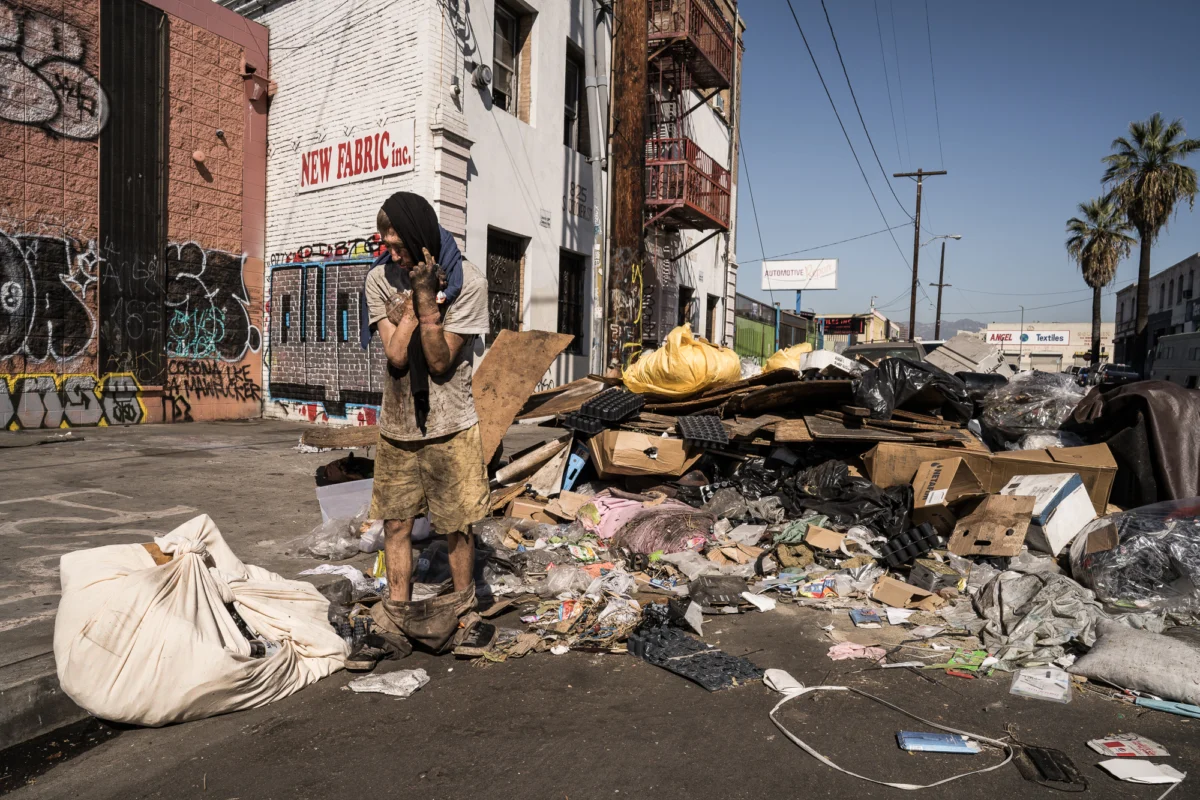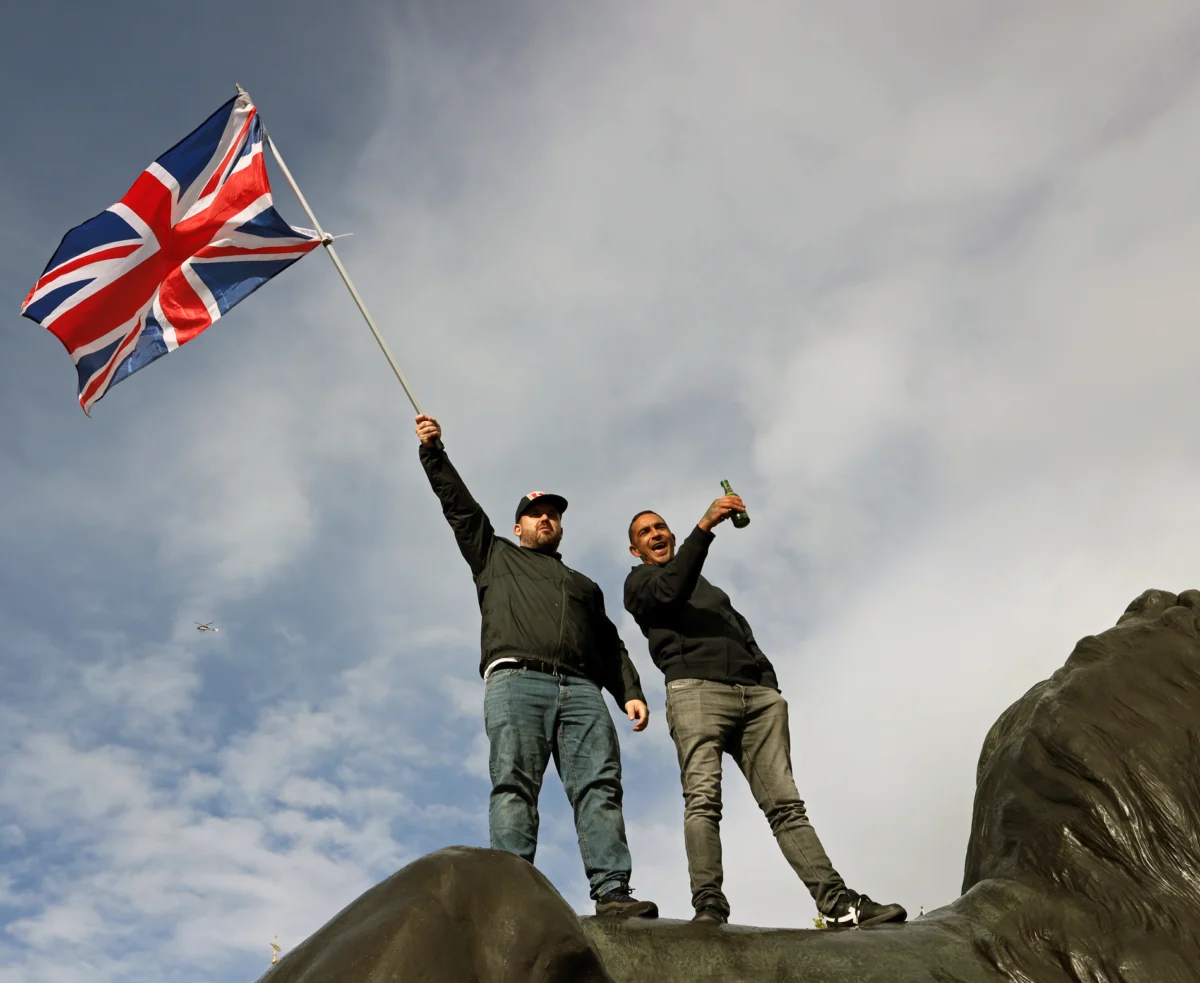
Street photography and social documentary photography, while often intertwined and sharing common visual territories, represent distinct artistic and journalistic approaches with fundamentally different objectives. Understanding these nuances is crucial for appreciating the unique contributions each genre makes to visual storytelling and cultural commentary. At their core, street photography prioritizes the spontaneous, often ephemeral, candid moments captured in public spaces, driven by an aesthetic pursuit of artistic composition and the fleeting harmony of everyday life. In contrast, social documentary photography delves into deeper societal issues, aiming to inform, educate, and provoke change by chronicling significant events, living conditions, and the human experience within specific socio-economic contexts.
The genesis of both genres can be traced back to the burgeoning popularity of photography in the late 19th and early 20th centuries. As cameras became more portable and accessible, photographers began venturing into urban environments, documenting the pulse of modern life. Early pioneers like Henri Cartier-Bresson, often hailed as a master of street photography, exemplified the pursuit of the "decisive moment" – that split second where visual elements align to create a profound and often poetic image. His work, characterized by its impeccable composition and ability to capture the essence of human behavior in unguarded moments, laid much of the groundwork for what we now recognize as street photography.
Simultaneously, the era saw the rise of photographers who used their lenses to bear witness to the social injustices and economic hardships of the time. Lewis Hine, for instance, employed photography as a powerful tool for social reform, documenting child labor in American factories and mines. His stark, unflinching images were instrumental in advocating for legislative change and raising public awareness about exploitative working conditions. This marked an early, potent demonstration of photography’s capacity for social advocacy, a hallmark of social documentary.
Core Distinctions in Focus and Intent
The primary divergence between street photography and social documentary photography lies in their central focus and underlying intent.
Street Photography: The Art of the Ephemeral Moment
Street photography, in its purest form, is characterized by its candid nature and its focus on capturing unscripted human interactions and fleeting scenes within public spaces. The "best results" in this genre are often achieved through spontaneity, artistic intuition, and a keen eye for the unrepeatable. The style is inherently artistic, aiming to create images that are not merely records but aesthetically compelling compositions. These photographs often highlight the inherent chaos of urban life, finding beauty and narrative in unexpected juxtapositions, humorous observations, or poignant contradictions.
The purpose of street photography leans more towards observation and the communication of a subtle message or feeling, rather than the meticulous recording of a specific "time event." It is about the serendipitous encounter, the visual poem that unfolds in the ordinary. A street photographer might capture a child’s wonder at a street performer, an elderly couple sharing a quiet moment on a park bench, or a solitary figure silhouetted against the bustling backdrop of a city. The emphasis is on the present, the immediate, and the unique visual poetry that can be found in the everyday.
For example, a classic street photograph might feature a lone umbrella caught by the wind against a stark architectural background, or a playful interaction between strangers that speaks volumes about human connection in a public sphere. These images often resonate with viewers on an emotional or intellectual level, prompting reflection on the human condition and the shared experiences of urban dwellers. The success of a street photograph is often measured by its ability to evoke a sense of place, time, and emotion, all through the careful framing of a spontaneous scene.

Social Documentary Photography: Chronicling Reality and Advocating for Change
Social and documentary photography, conversely, is typically focused on real-life issues and "time events" that have broader societal implications. This includes subjects like poverty, class disparity, labor conditions, inequality, and significant historical moments. These projects are often long-term endeavors, allowing photographers to immerse themselves in their subjects and develop a deep understanding of the issues they are addressing.
The style in social documentary can range from candid to posed, depending on the nature of the event or issue being documented. For live events, such as demonstrations or festivals, spontaneous capture is often key. However, for in-depth explorations of social conditions, staged or directed elements might be employed to more effectively convey the intended narrative or highlight specific aspects of the subject matter.
The fundamental purpose of social documentary photography is to tell a story, to educate the public, and to highlight a social condition or advocate for a particular cause. An example would be a photo series documenting the challenging living conditions of migrant workers, or an in-depth visual exploration of the impact of gentrification on a particular community. Documentary photography can also encompass the recording of significant historical events, such as protests, natural disasters, or cultural ceremonies, providing a visual record for posterity.
Overlap and Divergence
While social documentary photography can and frequently does incorporate street scenes, it is crucial to recognize that not all street photography is inherently documentary in intent. A street photographer might capture a scene of urban decay, but their primary motivation might be the abstract beauty of the textures or the composition, rather than a desire to highlight the societal issues contributing to that decay. Conversely, a social documentary photographer might photograph a street scene, but their focus will be on how that scene illustrates a broader social or economic reality.
In essence, the distinction can be summarized as follows:
- Street Photography is generally Moment-Driven: It prioritizes the fleeting, the spontaneous, and the aesthetically compelling capture of public life.
- Social Documentary is generally Message-Driven: It aims to convey information, raise awareness, and often advocate for change regarding specific societal issues or events.
The two genres can and often do overlap. A photographer with a strong street photography sensibility might find themselves drawn to social issues, producing powerful documentary work that retains an artistic flair. Conversely, a documentary photographer might develop a keen eye for capturing spontaneous, evocative moments within their broader narrative. This intersection allows for a rich tapestry of visual storytelling, where the aesthetic appeal of street photography can amplify the impact of documentary concerns, and the societal relevance of documentary work can lend depth to the observational qualities of street photography.
The Evolving Landscape of Visual Storytelling
The digital age has further blurred some of these lines, making photography more accessible than ever. The proliferation of social media platforms has created new avenues for both street and documentary photographers to share their work, reaching wider audiences. However, this increased accessibility also necessitates a greater critical engagement with the images we consume. Understanding the intent behind a photograph – whether it is a fleeting artistic observation or a deliberate effort to illuminate a societal concern – allows for a more informed and meaningful interpretation.
Furthermore, the context in which a photograph is presented plays a significant role. A single image captured on the street might be interpreted as a purely aesthetic street photograph. However, when presented as part of a larger series, accompanied by explanatory text, and exhibited with the explicit aim of raising awareness about a specific issue, its function shifts towards that of social documentary.

Broader Impact and Implications
The work of both street and social documentary photographers has profound implications for society. Street photography, through its celebration of everyday life, fosters a sense of shared human experience and can offer a unique perspective on the cultural zeitgeist. It reminds us of the beauty and complexity that exists in the mundane, encouraging us to look closer at our surroundings and the people within them.
Social documentary photography, on the other hand, serves as a vital form of historical record and a powerful catalyst for social change. By bringing attention to overlooked issues and giving voice to marginalized communities, documentary photographers can challenge perceptions, provoke dialogue, and inspire action. Their work often acts as a crucial counterpoint to official narratives, offering an unvarnished look at the realities of human existence.
For instance, projects like Dorothea Lange’s iconic photographs of the Great Depression provided a stark visual testament to the suffering and resilience of Americans during that era, significantly influencing public opinion and government policy. More recently, photographers documenting the refugee crisis or the impacts of climate change have brought global attention to critical issues, fostering empathy and driving humanitarian efforts.
The Photographer’s Eye: A Fusion of Worlds
Ultimately, the distinction between street photography and social documentary photography is not always a rigid one. Many photographers operate fluidly between these genres, drawing on the strengths of each to create compelling visual narratives. A documentary photographer with a strong "street photography eye" can imbue their work with a vibrant sense of immediacy and artistic flair, making the subject matter more accessible and engaging. They can capture the candid, unscripted moments that reveal the human dimension of even the most pressing social issues.
Conversely, a street photographer who begins to explore social themes might discover a new depth and purpose in their work. By applying their observational skills and aesthetic sensibilities to issues of social significance, they can create images that are both artistically striking and socially impactful. This fusion of worlds allows for a richer, more nuanced understanding of the human condition, bridging the gap between artistic expression and societal awareness.
In conclusion, while street photography and social documentary photography may share common ground in their photographic techniques and subject matter, their fundamental aims and intents diverge. Street photography is primarily an artistic pursuit of candid, spontaneous moments in public life, driven by aesthetic considerations and the desire to capture the essence of fleeting experiences. Social documentary photography, conversely, is a purposeful endeavor to illuminate societal issues, chronicle significant events, and often advocate for change, driven by a commitment to informing and engaging the public on matters of consequence. Recognizing these differences allows for a deeper appreciation of the diverse and invaluable contributions that both genres make to our visual culture and our understanding of the world.