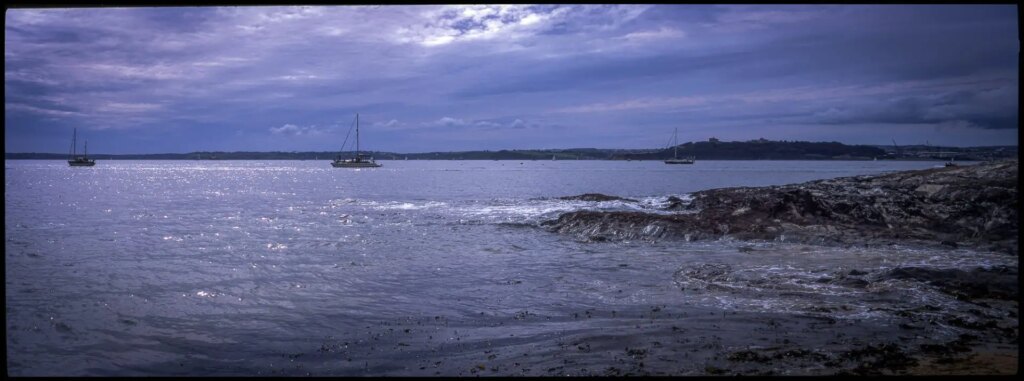
The intersection of specialized film photography and the rugged geography of the British Isles has long provided a fertile ground for documentation, yet few tools are as uniquely suited to this task as the Fujifilm Professional TX-2. Known internationally as the Hasselblad XPan II in its European branding, this dual-format rangefinder has become a cornerstone of panoramic landscape photography. Recent photographic surveys conducted across Cornwall—historically known as Kernow—and the coastal regions of West Wales have highlighted the enduring relevance of the 24x65mm negative format in capturing the expansive, windswept vistas of the Celtic nations. As market prices for these specialized magnesium-alloy cameras reach historic highs, a new generation of photographers is re-evaluating both the technical requirements of the panoramic format and the deep cultural history of the regions they document.
The Technical Evolution of the Panoramic Format
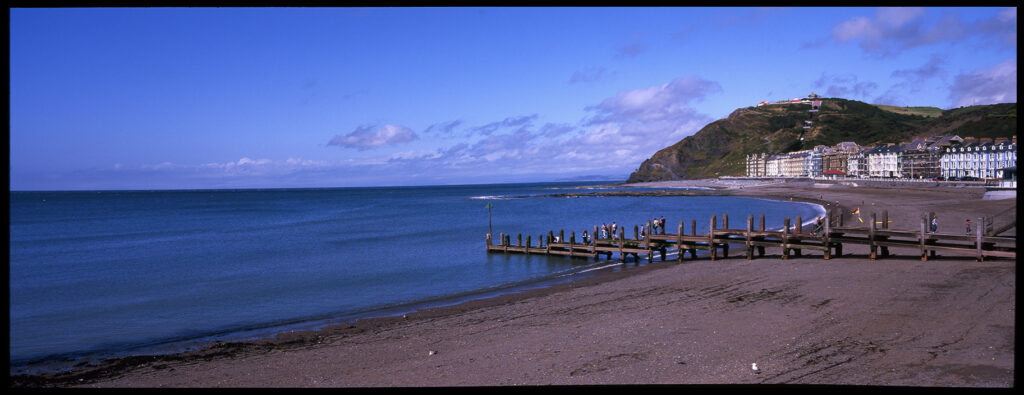
The Fujifilm TX-2, released in the early 2000s as a successor to the original TX-1 (1998), represents a pinnacle of analog engineering. Developed as a joint venture between Fujifilm and Hasselblad, the camera was designed to solve a specific problem: providing a portable 35mm system that could produce a "true" panoramic image. Unlike standard 35mm cameras that achieved a panoramic look by cropping the top and bottom of a standard 24x36mm frame, the TX-2 utilizes the full height of the film while extending the width to 65mm.
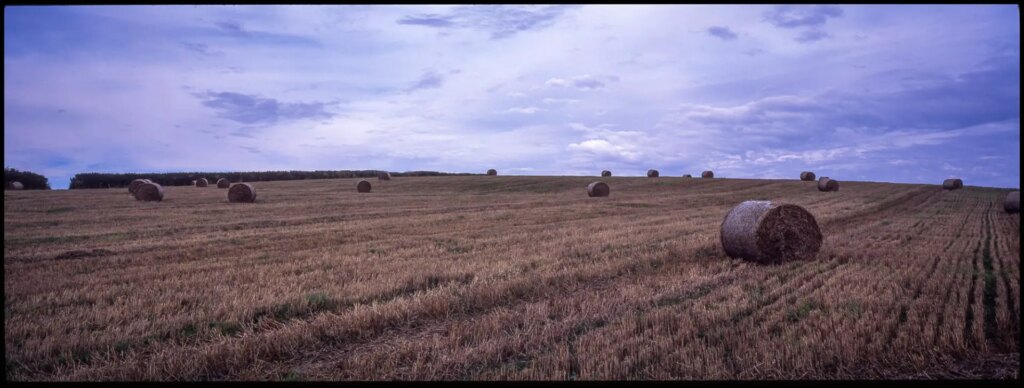
This results in a 2.7:1 aspect ratio, significantly wider than the standard 3:2 ratio found in most consumer photography. The technical complexity of the TX-2 includes an adjustable viewfinder that masks itself depending on the selected mode and a sophisticated film transport system that winds the film out of the canister first to protect exposed frames from accidental light leaks. However, the scarcity of these units has driven secondary market prices to between $4,000 and $7,000 USD, positioning the camera as a luxury tool for professional artisans and serious collectors.
Cornwall: A Landscape Defined by Myth and Geography
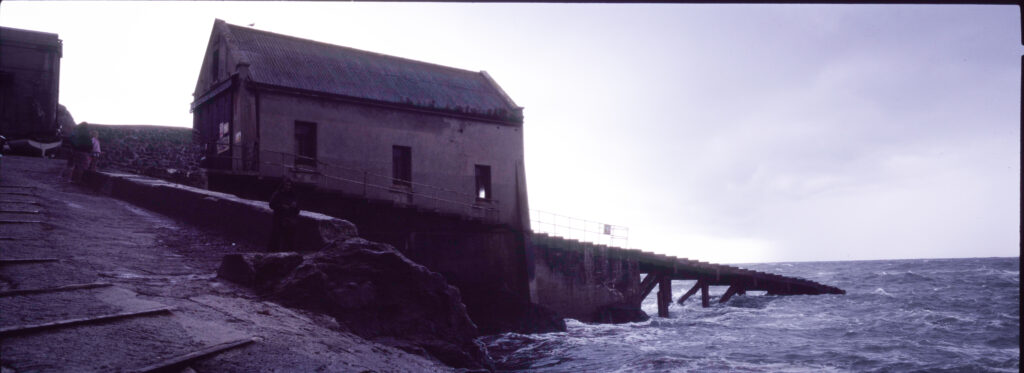
The administrative and ceremonial county of Cornwall, situated at the southwestern tip of England, serves as a primary subject for panoramic documentation due to its unique "peninsular" light and varied topography. Known in the Cornish language as Kernow, the region is recognized as one of the six Celtic nations, maintaining a distinct cultural identity rooted in its Brythonic heritage.
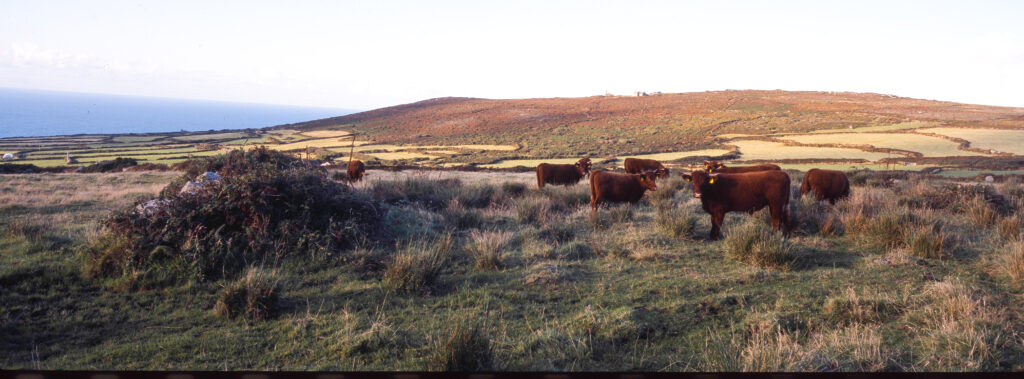
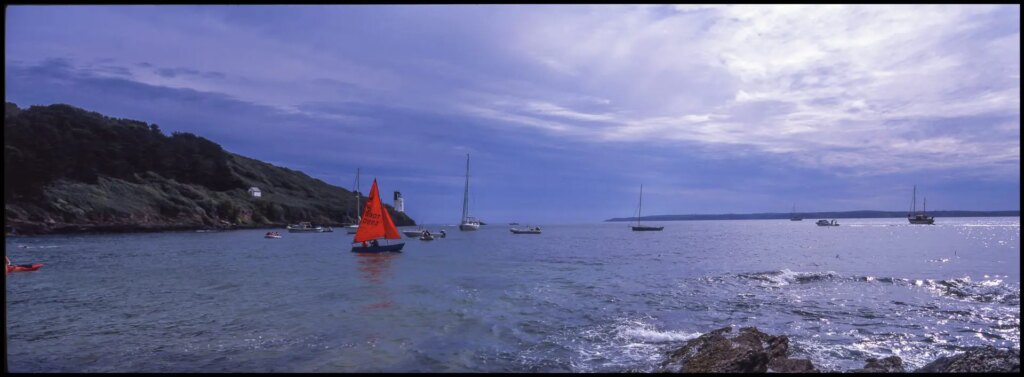
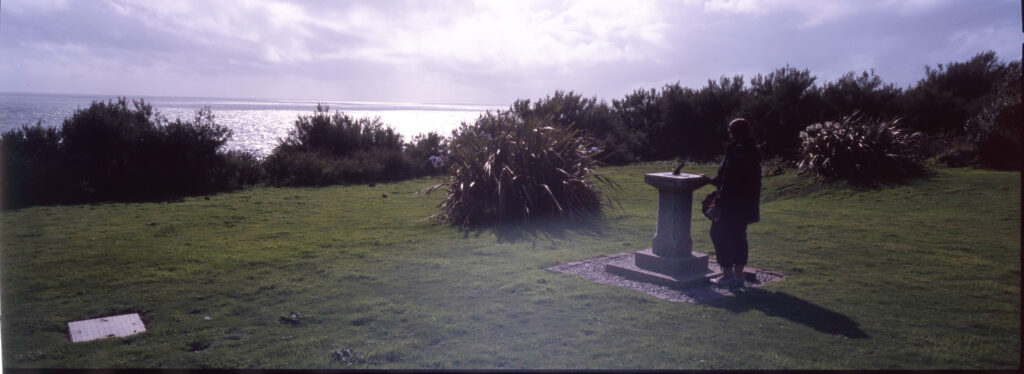
The geography of Cornwall is characterized by its extremes. To the north and west, the Atlantic coast features high, jagged cliffs and "secret coves" that have historically served as the backdrop for both maritime trade and illicit smuggling operations. The Roseland Peninsula, located on the south coast, offers a more sheltered, verdant contrast, often captured in panoramic frames to emphasize the relationship between the rolling agricultural land and the English Channel.
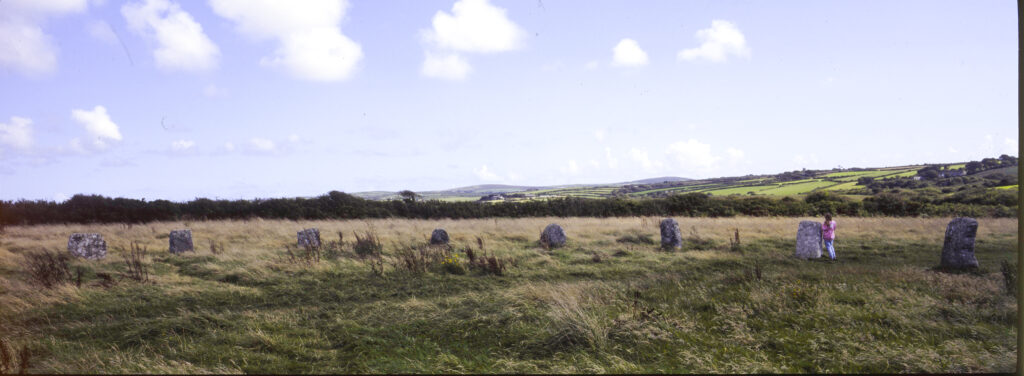
Chronologically, the human impact on the Cornish landscape spans millennia, from Late Neolithic megaliths to the industrial remains of 19th-century tin mining. Photographers often focus on the "Merry Maidens" (Dons Men), a stone circle located near St. Buryan. This archaeological site, consisting of 19 granite stones, dates back to the Late Neolithic period (circa 2500–2000 BCE). The panoramic format is particularly effective here, allowing the viewer to perceive the stones within the context of the surrounding moorland, rather than as isolated objects.
Literary and Cultural Contexts of the West Country
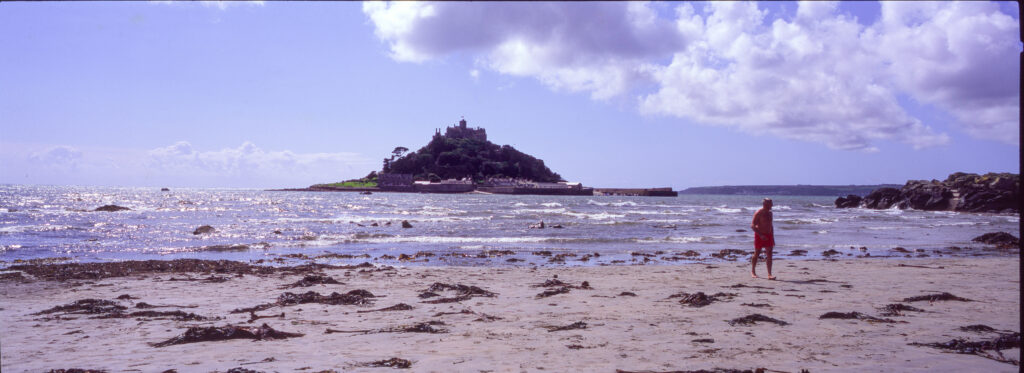
The allure of Cornwall is inextricably linked to its representation in English literature. The works of Daphne du Maurier, most notably Jamaica Inn and Rebecca, have codified the "Cornish Gothic" aesthetic—a mixture of windswept moors, isolation, and the looming presence of the sea. Similarly, the fantasy literature of Michael Moorcock, specifically the Corum series, reimagines Cornish landmarks like St. Michael’s Mount (Moidel’s Mount in the novels) as mystical sites in an alternate universe.
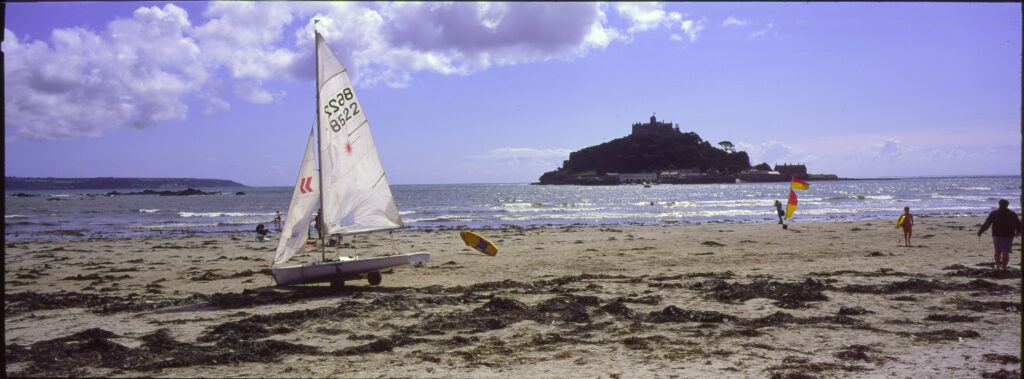
This cultural layering extends to the linguistic history of the region. The Cornish language, while having undergone a period of dormancy, is currently seeing a revival. It is closely related to Welsh and Breton, reflecting the shared history of the original Britons. Furthermore, the distinctive "West Country" accent remains one of the few rhotic dialects in England, where the "R" sound is pronounced after vowels. This linguistic feature is a remnant of Middle and Early Modern English, preserved by the relative geographic isolation of the peninsula. Analysts note that this "rhoticity" is a shared trait with North American, Scottish, and Irish English, marking a stark contrast to the non-rhotic Received Pronunciation (RP) that became standard in urban English centers.

Comparative Analysis: The TX-2 vs. Consumer Alternatives
For many photographers, the financial barrier to entry for the Fujifilm TX-2 has necessitated the search for alternatives. One such alternative is the Minolta SLR series, specifically models like the Alpha Sweet II (known as the Dynax 5 in Europe). These cameras featured a "Panoramic Mode" switch.

However, a critical distinction exists between these two technologies:
- The Fujifilm TX-2 Method: Uses a larger gate to expose a 24x65mm area of film. This maximizes resolution and grain structure, effectively creating a medium-format quality image on 35mm stock.
- The Minolta SLR Method: Uses internal shutters or "masks" to block the top and bottom of a standard 24x36mm frame. While this achieves the panoramic aspect ratio, it results in a significant loss of image data and requires the photographer to enlarge a smaller portion of the negative, which can lead to increased graininess.
Despite these differences, expert analysis suggests that using a high-quality, wide-angle lens (such as a 24mm) on a masked SLR can approximate the "view" of an XPan for those unable to invest in the Fujifilm system.
The Role of Film Stock in Landscape Documentation
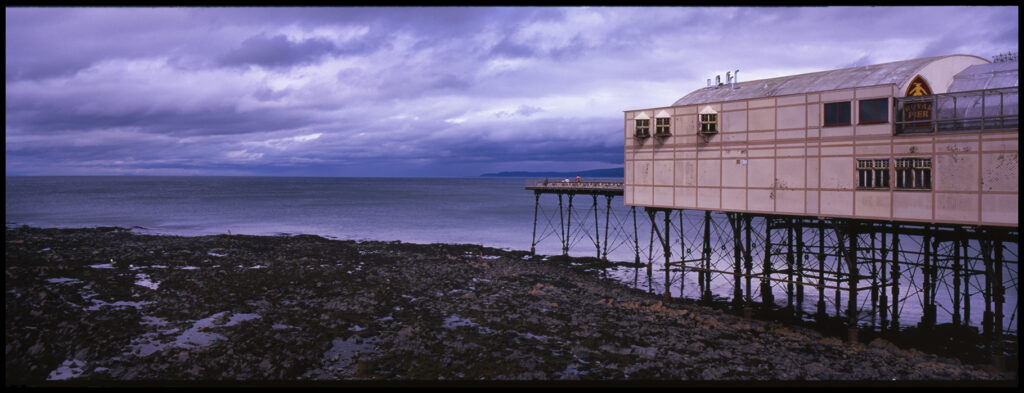
The choice of film stock is paramount when working in the panoramic format, as the wide frame demands high resolution and specific color renditions to convey the "mystical" quality of the Cornish and Welsh landscapes. Two stocks frequently cited in professional circles are Agfa Precisa 100 and Fujifilm Velvia 100.
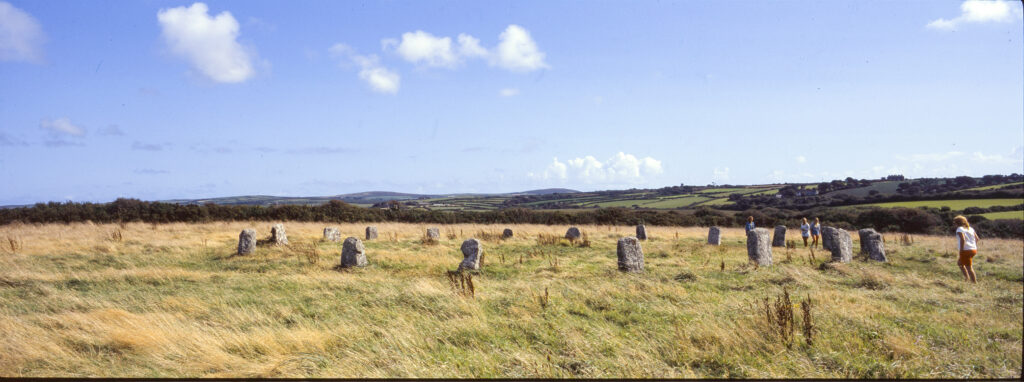
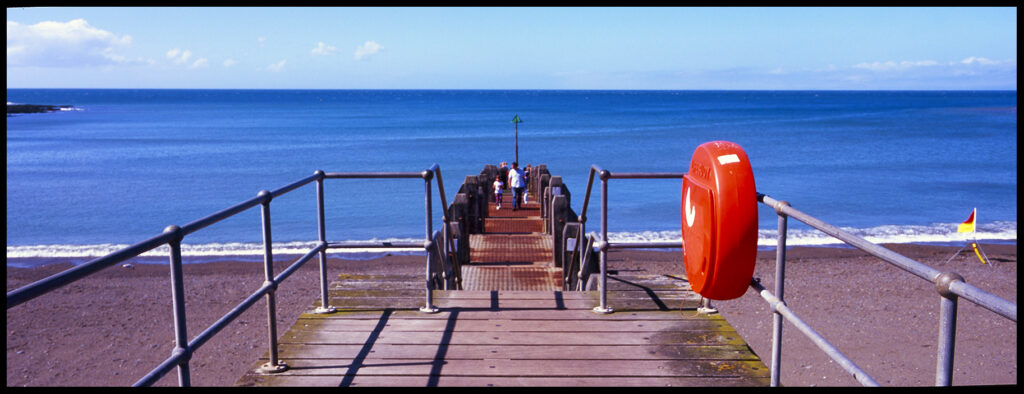
- Fujifilm Velvia 100: Known for its extreme saturation and high contrast, Velvia is often the choice for capturing the deep blues of the Celtic Sea and the vibrant greens of the moorlands. It is a transparency (slide) film that requires precise exposure but offers a "three-dimensional" feel.
- Agfa Precisa 100: Often considered a more "natural" slide film, Precisa was favored for its cooler tones and versatility in changing weather conditions, such as those found in Aberystwyth, West Wales.
The decline of several professional slide film lines over the last decade has made the preservation of existing scans and slides a priority for landscape archivists. The "snap-shot" nature of landscape photography, when combined with the 2.7:1 ratio, creates a cinematic record that functions as both art and geographical data.
Broader Impact and Future Implications
The continued interest in panoramic photography reflects a broader "analog resurgence" within the global creative community. As digital sensors become increasingly standardized, the unique mechanical constraints and "look" of the Fujifilm TX-2 offer a way for photographers to differentiate their work.
Moreover, the documentation of regions like Cornwall and West Wales serves a vital role in cultural preservation. As these areas face the dual pressures of modern tourism and climate change—which threatens the stability of coastal landmarks and megalithic sites—the panoramic record provides a comprehensive view of the environment as it exists today.
In conclusion, the Fujifilm Professional TX-2 remains a definitive tool for those seeking to capture the breadth of the British landscape. While its market value may place it out of reach for many, the "panoramic way of seeing"—defined by a strict adherence to the rule of thirds across an elongated plane—continues to influence how the history, language, and geography of the West Country are perceived. Whether through a $7,000 rangefinder or a modified consumer SLR, the drive to document the expansive beauty of Kernow and the wider Celtic fringe remains a vital pursuit in contemporary photography.