Passerine birds, often known as perching birds, constitute the vast order Passeriformes, representing an astonishing diversity that encompasses over half of all known avian species globally. Characterized by their unique toe arrangement—three toes pointing forward and one robust toe facing backward—this anatomical adaptation grants them exceptional perching agility, enabling them to inhabit a remarkable array of environments from bustling urban gardens and dense ancient forests to expansive open fields across every continent except Antarctica. This widespread presence and their often vibrant plumage and intricate behaviors make them an endlessly fascinating, yet challenging, subject for wildlife photographers and a critical component of global biodiversity.

The Ubiquitous Passeriformes: A Biological Overview
The evolutionary success of the Passeriformes is a testament to their adaptability and diverse ecological strategies. With an estimated 6,500 species, this order includes familiar birds like sparrows, robins, tits, finches, warblers, and swallows, each occupying specific niches within their ecosystems. Their diets range from insects and nectar to seeds and fruits, underscoring their crucial roles in pest control, pollination, and seed dispersal. For instance, many species are significant insectivores, consuming vast quantities of agricultural pests, while others, like finches, play a vital role in plant propagation through their seed-eating habits. The anatomical distinctiveness of their feet, often referred to as anisodactyl, provides a powerful grip on branches, reeds, and other slender supports, allowing them to conserve energy while resting or foraging, a key factor in their ability to thrive in varied arboreal and terrestrial habitats.

Beyond their physical adaptations, passerines are renowned for their highly developed vocal abilities. Birdsong, a complex form of communication, is a hallmark of many passerine species, serving multiple functions including territorial defense, mate attraction, and alarm calls. The intricate vocalizations are often species-specific, making "learning bird songs" not just a delightful pastime but a highly effective method for identifying different species, particularly when visual identification is hampered by dense foliage or distance. Ornithologists and birdwatchers alike rely heavily on these acoustic cues, which offer insights into bird populations, migratory patterns, and even individual bird health. Understanding this vocal repertoire is an invaluable asset for any photographer seeking to locate and anticipate the movements of these often elusive subjects.
Challenges and Rewards in Passerine Photography

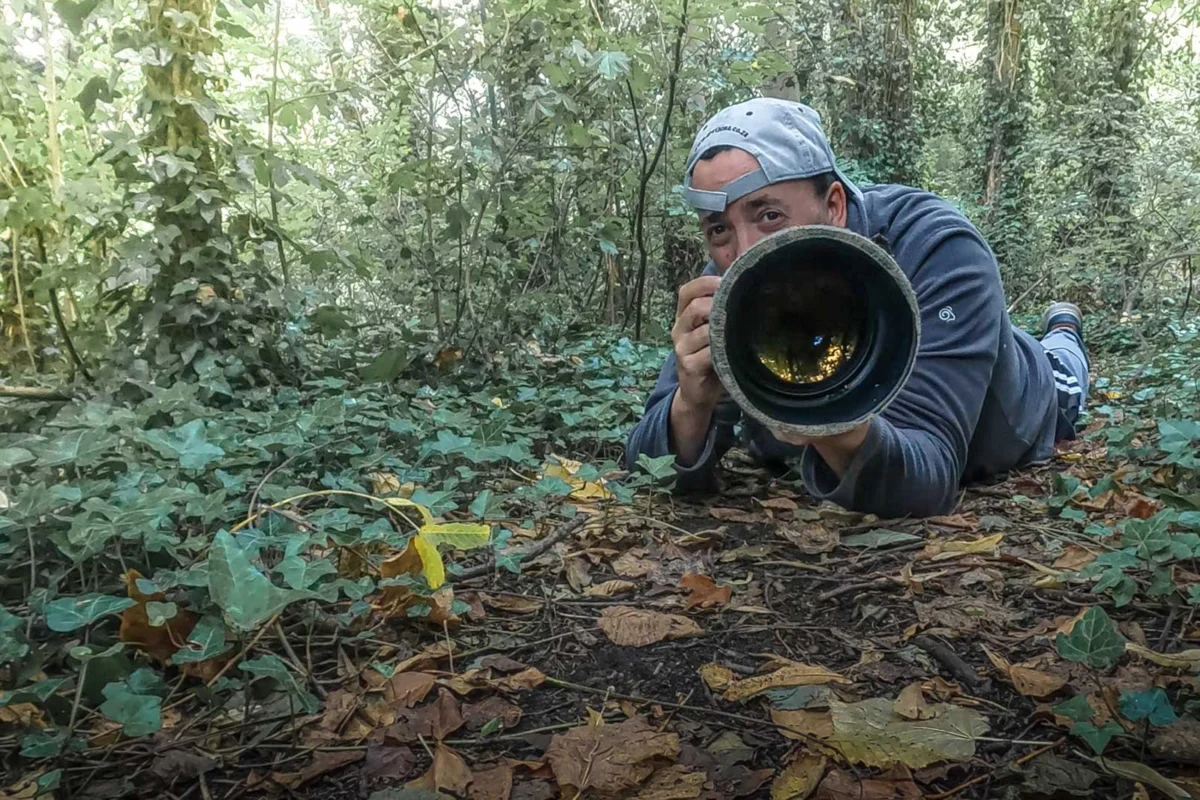
The inherent nature of passerine birds—their small size, rapid movements, and often cryptic coloration—presents significant technical and artistic hurdles for photographers. Unlike larger, more sedentary species, capturing the essence of a passerine requires not only specialized equipment but also an acute understanding of avian behavior and exceptional fieldcraft. From the lightning-fast dart of a kinglet to the quick, energetic hops of a robin, these birds rarely remain still for long, demanding quick reflexes and precise camera control. However, it is precisely these challenges that yield immense satisfaction. Their widespread accessibility, even in urban environments, makes them an ideal starting point for aspiring wildlife photographers, offering a readily available "classroom" to hone skills that are transferable to more remote and challenging wildlife subjects. The reward lies not just in a technically sharp image, but in capturing a fleeting moment of natural beauty, an intimate glimpse into the vibrant lives of these common yet captivating creatures.
Strategic Fieldcraft: Locating and Understanding Your Subjects

Effective passerine photography begins long before the camera is raised. As with any form of wildlife photography, a deep understanding of your subject’s behavior is paramount. This involves diligent research—consulting ornithological guides, scientific papers, and reputable online resources to gather information on specific species’ diets, breeding cycles, preferred habitats, and daily routines. Beyond academic study, however, the most profound insights come from patient observation in the field. Spending hours simply watching, without the immediate pressure to photograph, allows one to discern individual birds’ habits, flight paths, and interaction patterns. This knowledge is not merely academic; it is predictive. By anticipating a bird’s next move—whether it’s returning to a favorite perch, engaging in a territorial dispute, or feeding its young—a photographer can position themselves optimally, pre-focus, and be ready to capture those decisive moments that elevate an image from a mere record shot to a compelling narrative.
Passerines exhibit a preference for habitats that provide ample perching and foraging opportunities, such as gardens, public parks, woodlands, and wetland edges. Each habitat supports a distinct community of species. Gardens, for example, often attract species like house sparrows, blue tits, and blackbirds, especially when supplementary feeding is available. Woodlands host a greater diversity, including various warblers, finches, and thrushes, which utilize the different strata of the forest for nesting and foraging. Wetlands, with their unique vegetation, attract species adapted to these environments, such as reed warblers and sedge warblers. Understanding these habitat preferences guides a photographer to the most productive locations.

Cultivating an Avian Haven: The Backyard Feeding Station
One of the most effective and accessible strategies for photographing passerines is establishing a well-managed feeding station in a garden or private outdoor space. This method not only provides unparalleled photographic opportunities but also contributes to the welfare of local bird populations, particularly during periods of environmental stress.

Ethical Considerations and Best Practices: It is crucial that feeding stations are managed responsibly. Over-reliance on artificial feeding can alter natural foraging behaviors, and poor hygiene can lead to the spread of diseases. Conservation organizations, such as the RSPB in the UK or the Audubon Society in the US, consistently advocate for clean feeders, appropriate food types, and supplementary feeding rather than complete dependence.
Food Selection for Diversity: To attract a wide array of passerine species, offer a diverse menu. Black oil sunflower seeds are a universal favorite, rich in fat and protein. Nyjer seeds specifically attract finches like goldfinches. Suet cakes provide vital energy, especially in colder months, while mealworms are a treat for insectivorous birds such as robins and wrens. Offering a mix ensures a broader spectrum of visitors, enhancing photographic variety.

Strategic Feeder Placement: Location is key for both bird safety and photographic quality. Position feeders in areas that receive abundant natural light, ideally with the sun behind the photographer for optimal illumination. Avoid placing feeders in the middle of wide-open spaces, which expose birds to predators. Instead, situate them near dense shrubbery, trees, or other natural cover, providing birds with safe havens and escape routes. The presence of nearby cover also encourages birds to linger, offering more opportunities for photography.
Vigilant Hygiene: Regular cleaning of feeders is non-negotiable for preventing the transmission of avian diseases like salmonellosis and trichomoniasis. Feeders should be cleaned at least weekly, more frequently during periods of high bird activity or adverse weather. A mild bleach solution (one part bleach to nine parts water) followed by thorough rinsing and drying is recommended. This diligence ensures the feeding station remains a healthy resource for birds.

The Essential Water Source: Beyond food, a reliable source of fresh water is a powerful attractant for passerines, providing opportunities for both drinking and bathing. A shallow bird bath, or even a large, rectangular planting tray with carefully placed rocks or logs, can serve as an excellent reflection pool. The key is to position this water source strategically to capture reflections that complement the birds. Reflecting trees or lush foliage generally yields more aesthetically pleasing results than a bright, washed-out sky, which can overpower the subject and detract from the image’s color palette. Experimenting with the angle and background of the water source can lead to stunning, artistic images of birds engaging in vital behaviors.
Crafting the Visual Narrative: Perches and Backgrounds

The immediate environment surrounding the bird, particularly its perch, is a critical element in creating compelling passerine images. An attractive, natural perch can transform a simple snapshot into a work of art, grounding the bird within its habitat and adding aesthetic appeal.
Sourcing Natural Perches: When out in nature, a photographer should always be on the lookout for interesting branches, twigs, or seed heads. Moss-covered branches, lichen-encrusted logs, or a sprig of vibrant spring blossom can provide an exquisite setting that complements the bird’s plumage and hints at its natural world. The goal is to select perches that appear organic and in harmony with the bird’s natural habitat, avoiding anything that looks artificial or contrived. Ethical sourcing dictates using only fallen branches or plant material that does not harm living flora.

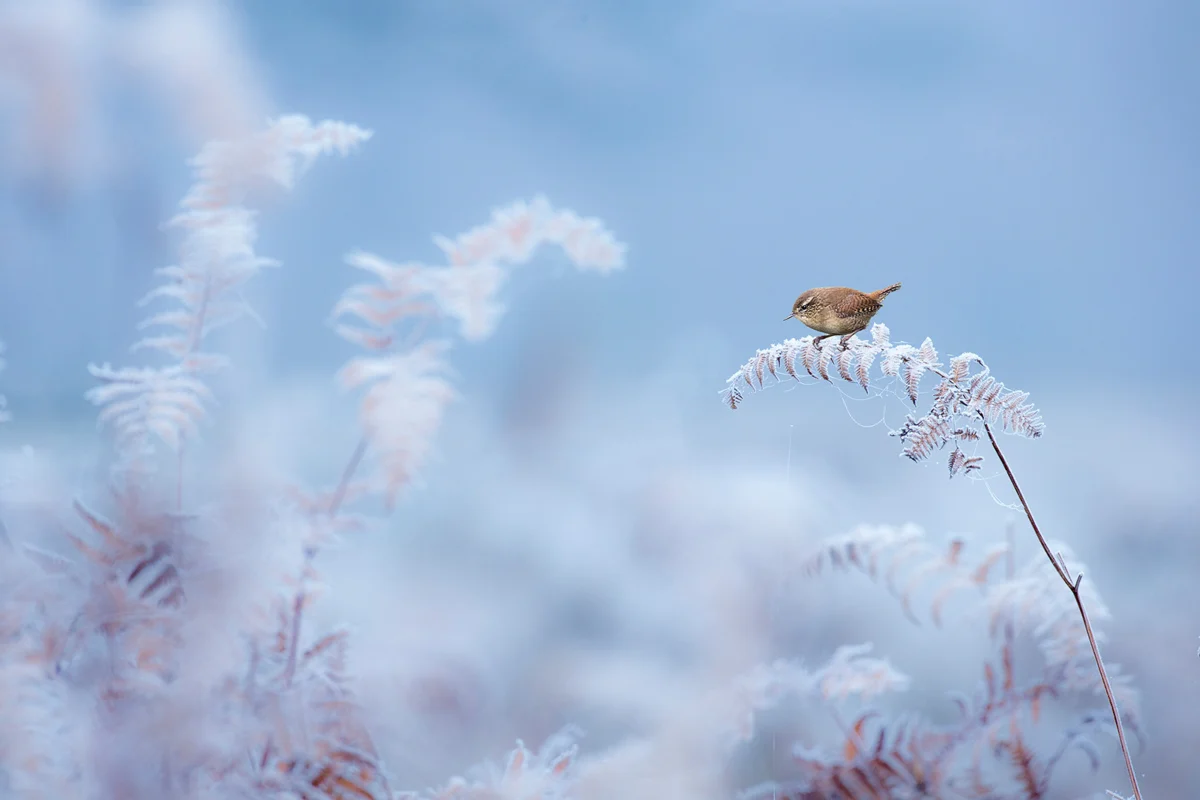
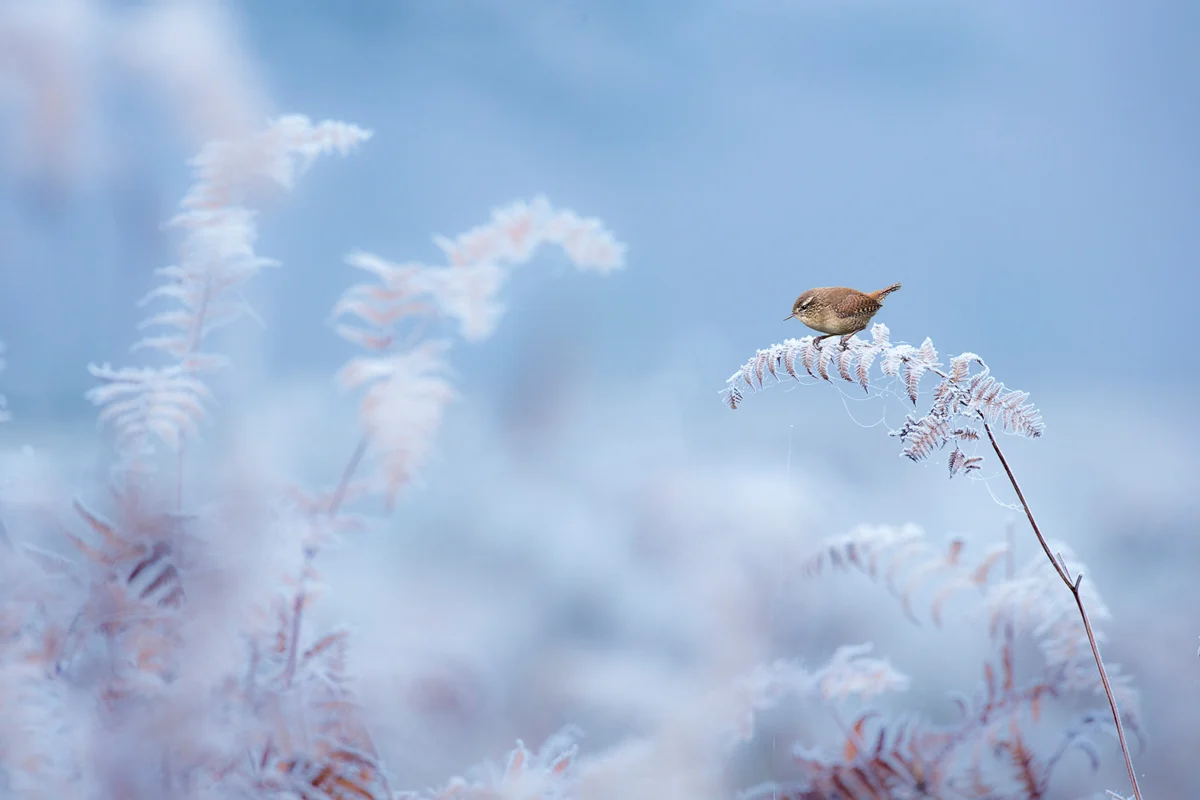
Optimal Perch Positioning and Lighting: The placement of the chosen perch relative to the light source is crucial. Position it to benefit from the ‘golden hour’ light—the soft, warm glow shortly after sunrise or before sunset—which can create rich colors and dramatic backlighting effects. Even overcast days, often overlooked, offer excellent photographic conditions. Clouds act as a giant natural diffuser, softening the light, eliminating harsh shadows, and revealing intricate feather details and subtle color variations that might be washed out in direct sunlight. Experimenting with different lighting angles can yield vastly different moods and textures in an image.
The Art of the Distant Background: To ensure the subject stands out without distraction, the background should be sufficiently distant to be rendered completely out of focus, creating a pleasing bokeh effect. The degree of background blur is influenced by several factors: the lens’s focal length (longer lenses compress perspective and enhance blur), the aperture setting (wider apertures like f/2.8 to f/5.6 create shallower depth of field), and the