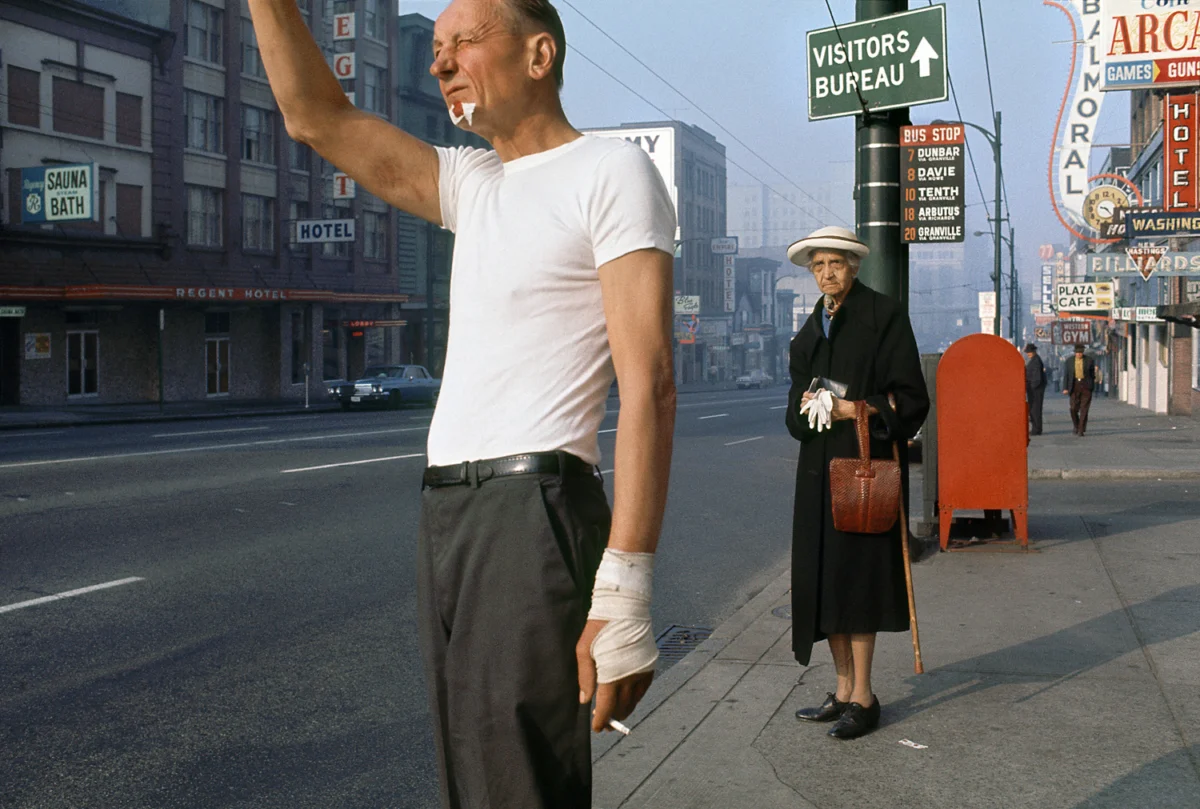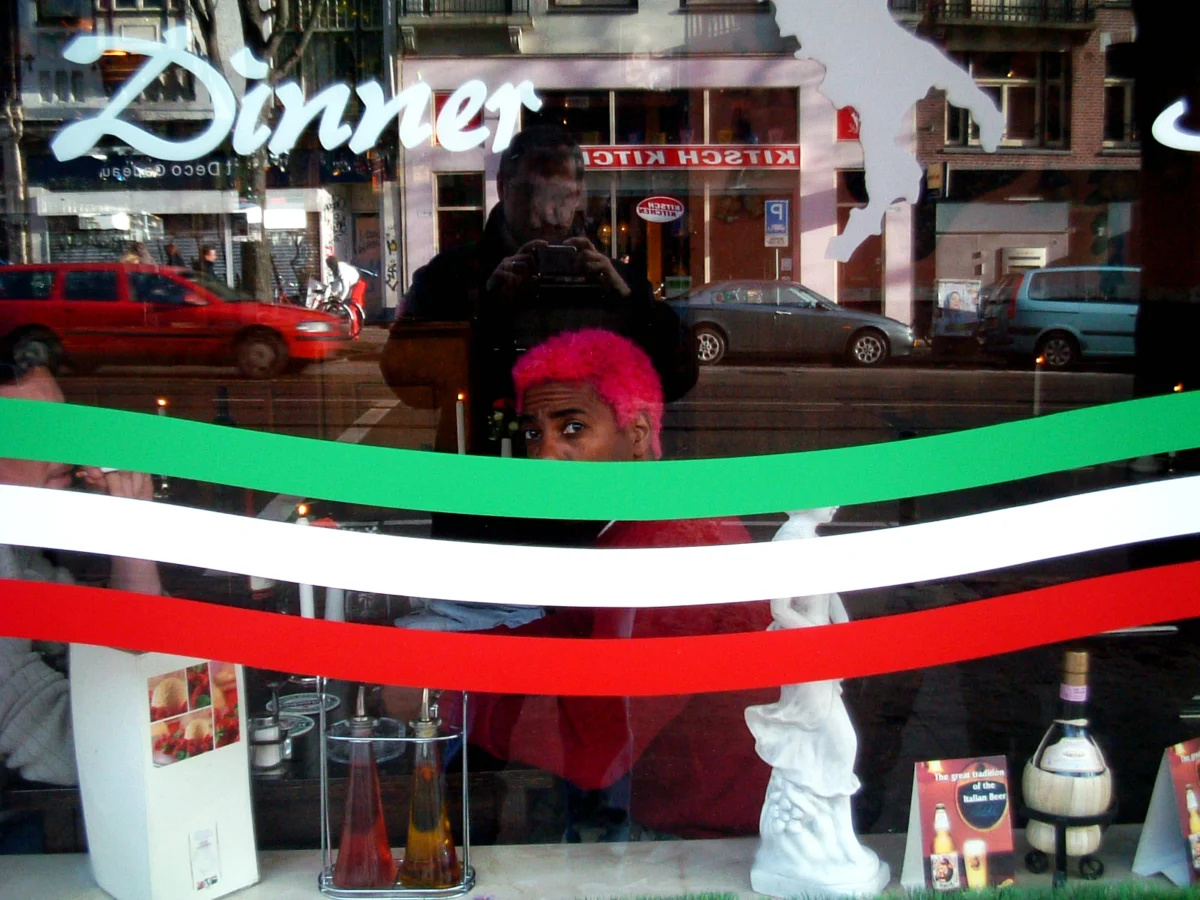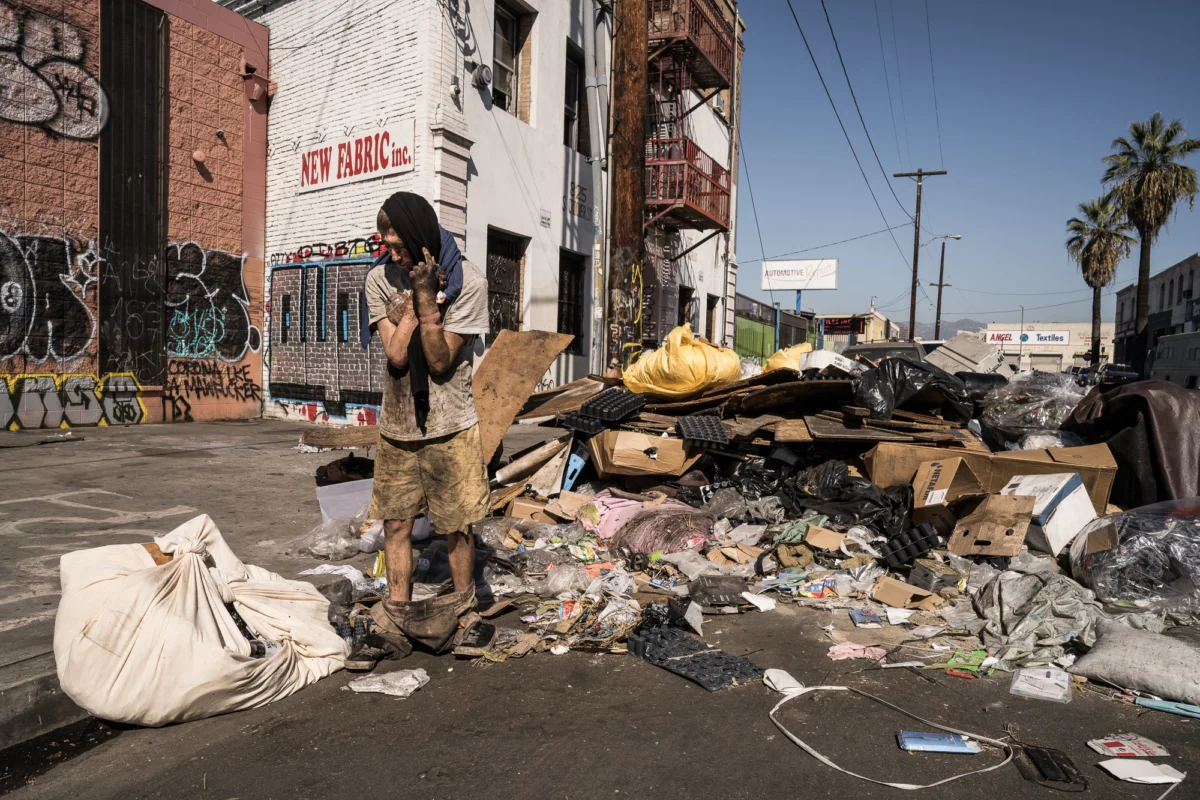
The photographic world is mourning the loss of Martin Parr, a titan of contemporary documentary photography, who passed away in 2025 at the age of 73. Known for his incisive and often provocative observations of modern life, Parr’s distinctive visual language left an indelible mark on the medium, challenging conventions and offering a unique lens through which to view society, culture, and identity. His passing marks the end of an era for a photographer who redefined the boundaries of social documentary and influenced generations of imagemakers.
A Visionary Force in Photography
Born in Epsom, Surrey, in 1952, Martin Parr’s journey into photography began under the tutelage of his grandfather, George Parr, an amateur photographer and member of the Royal Photographic Society. This early exposure ignited a passion that would see Parr study photography at Manchester Polytechnic (now Manchester Metropolitan University) from 1970 to 1973. It was during this formative period that he began to hone his distinctive documentary style, initially focusing on the working-class communities of Northern England through stark black-and-white imagery.
The early 1980s marked a pivotal turning point in Parr’s career. In a move that was considered bold, even radical, within the predominantly monochrome British documentary scene of the time, Parr embraced colour film. This decision was instrumental in shaping his signature aesthetic: saturated hues, often amplified through the use of flash, close-up framing that drew viewers intimately into the scene, and a keen, often satirical eye for the nuances of consumer culture, leisure, and everyday human behaviour.
The Unconventional Icon of Magnum Photos
Parr’s distinctive approach, which blended satire with a deep-seated empathy, was not without its internal debate. Despite some initial reservations within the venerable institution, he became a full member of Magnum Photos in 1994. This acceptance underscored a growing recognition of his unique contribution to the photographic landscape, one that dared to question established norms and embraced the visual vernacular of mass culture.
Over his prolific career, Parr published more than 100 books, a testament to his ceaseless creative output and his dedication to the photobook as a primary medium for artistic expression. His work was showcased in major exhibitions worldwide, gracing the walls of prestigious institutions such as the Tate, the Barbican Centre, and the Museum of Modern Art (MoMA). These exhibitions solidified his status as one of Britain’s most celebrated contemporary photographers, whose influence extended far beyond the photographic community.
Beyond the Lens: Curator, Collector, Advocate
Martin Parr’s engagement with photography extended far beyond his own practice as a photographer. He was a respected curator, a passionate collector of photobooks, and a tireless advocate for the medium. His commitment to preserving and promoting photographic heritage led him to found the Martin Parr Foundation in Bristol. This vital institution was established to support and archive British documentary photography, providing a crucial resource for researchers, students, and future generations of photographers. While his foundation focused on documentary photography, his own work often blurred the lines, embracing elements that resonated with street photography, social commentary, and even aspects of travel and holiday imagery.
Deconstructing British Identity and Consumer Culture
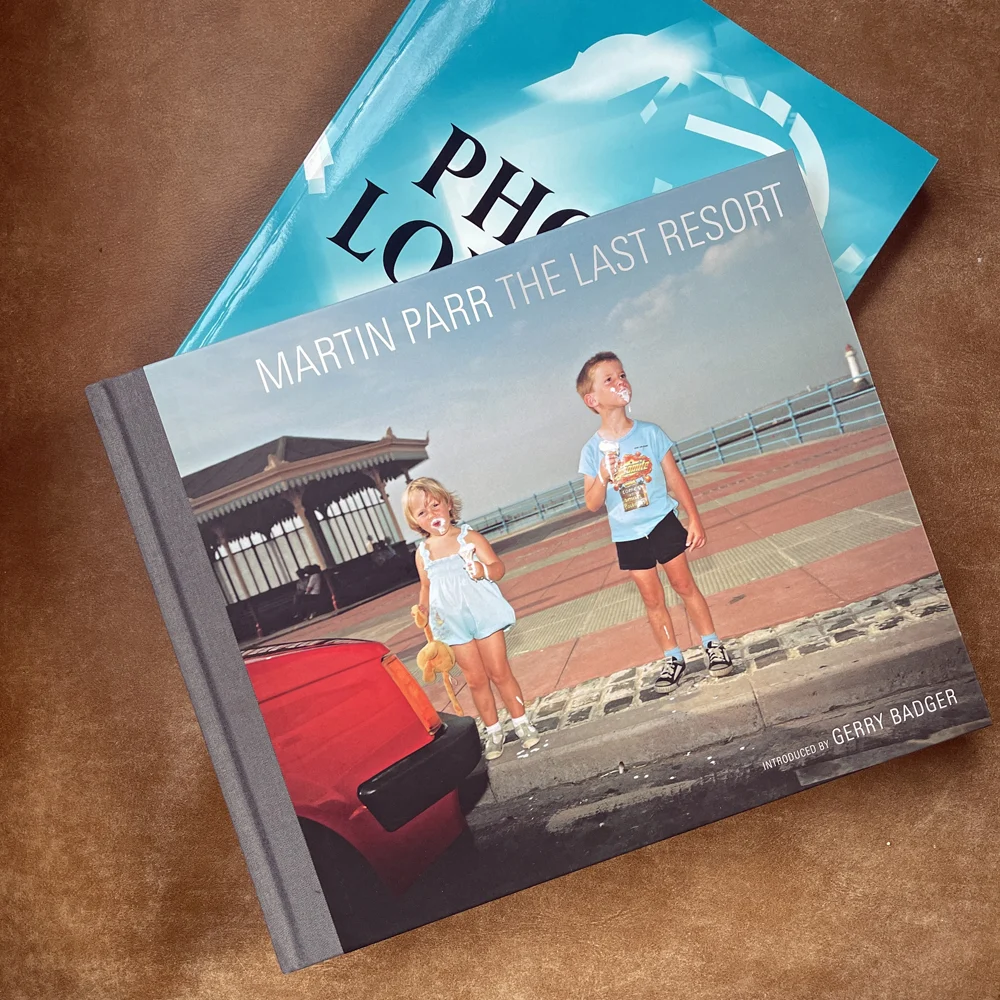
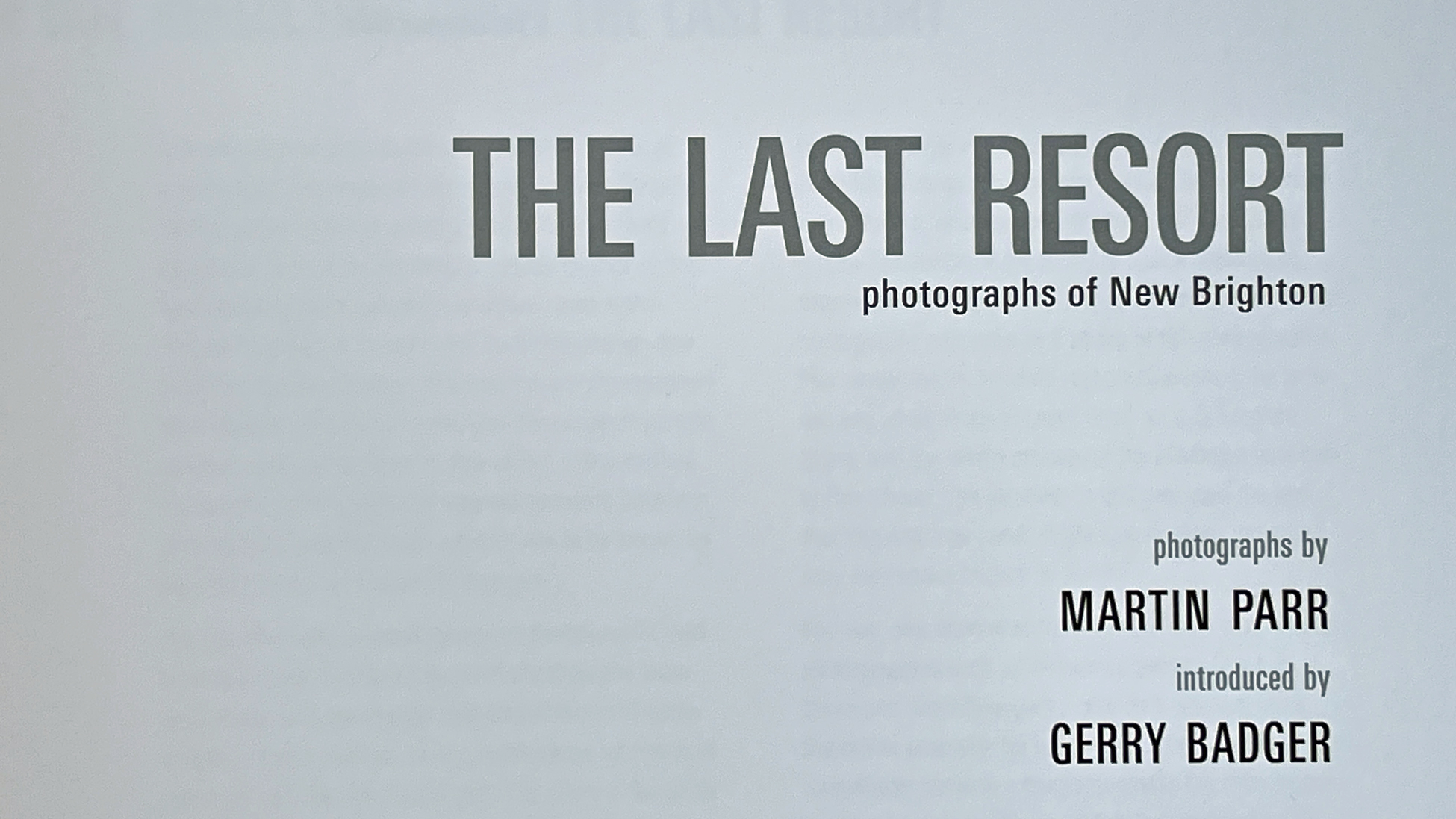
Parr’s photographic vision was deeply rooted in his observations of British life, particularly its working-class culture, consumerism, and leisure activities. His iconic series, such as "Butlins by the Sea," captured the often-kitschy yet vibrant world of British holiday resorts in the early 1970s. These images, often shot with the directness of a holiday snap but imbued with a critical eye, offered a prescient commentary on the era’s burgeoning consumerism, evolving notions of leisure, and the social dynamics at play. His later project, "The Last Resort" (1986), which documented British holidaymakers in New Brighton, further cemented his reputation. This series, with its unvarnished and often unflattering portrayal of working-class leisure, sparked both praise and controversy, highlighting Parr’s ability to provoke dialogue and challenge societal perceptions.
His visual language, characterized by saturated colours, often employing flash to accentuate the artificiality of modern environments, and his willingness to get close to his subjects, created images that were instantly recognizable. Whether capturing the excesses of global tourism in "Small World" or dissecting the rituals of everyday life, Parr’s work consistently explored themes of class, identity, and the impact of mass culture with a potent blend of irony and genuine fascination.
The Enduring Question: Was Martin Parr a Street Photographer?
The question of whether Martin Parr can be definitively labeled a street photographer is a recurring point of discussion, and one that speaks to the evolving nature of photographic genres. While Parr himself did not always identify strictly with the term, and his primary label is often considered "Documentary Photographer," much of his output shares fundamental characteristics with street photography. His work is characterized by spontaneity, keen observation, engagement with public spaces, and the candid capture of human moments.
However, Parr’s methodology diverged significantly from the classical approach of street photographers like Henri Cartier-Bresson or Garry Winogrand. Unlike those who sought to be invisible observers, Parr was often overt in his presence. He frequently employed flash, not just for technical reasons, but as an aesthetic and conceptual tool to highlight the artificiality and often garish nature of his subjects. His close proximity to his subjects, coupled with his unflinching gaze, created a sense of intimacy, but also a deliberate engagement that was more overtly directorial than traditional street photography.
Furthermore, Parr’s work was often driven by a more conceptual and satirical agenda. He aimed not merely to document fleeting moments but to comment on societal trends, consumerism, and cultural behaviors. His photographs often served as visual essays, deconstructing the visual landscape of modern life with a critical yet often humorous perspective. In this regard, Parr arguably expanded the possibilities of what street photography could encompass, demonstrating how the genre could be employed as a tool for sharp social critique and cultural commentary. His approach challenged the notion that street photography must be purely observational, suggesting instead that it could be an active, interpretive, and even provocative practice.
A Legacy of Vision and Influence
The debate surrounding Parr’s talent and classification ultimately circles back to his profound impact on the photographic medium. He pushed the boundaries of social documentary, injecting colour, satire, and a distinctly personal perspective into a genre that had historically favoured black-and-white objectivity. His willingness to embrace the "everyday" and to find visual poetry in the mundane inspired a new generation of photographers to look at their own surroundings with a fresh and critical eye.
Critics occasionally perceived his work as mocking, particularly his portrayals of working-class subjects. However, Parr consistently maintained that he photographed what he saw with genuine fascination, rather than ridicule. This tension, between perception and intent, has been a crucial element of his oeuvre, sparking important discussions about photographic ethics, class representation, and the very nature of truth in imagery.
Martin Parr’s talent, therefore, lies not in adhering to traditional aesthetic ideals, but in his unparalleled ability to forge a singular visual language. His consistent use of saturated colour, bold flash, and unconventional framing created a style that was immediately identifiable as his own. From the seaside resorts of Britain to the global phenomenon of tourism, Parr meticulously documented the contours of modern existence with wit, irony, and incisive social observation. His genius was in his capacity to reveal the extraordinary within the ordinary, transforming the mundane into subjects of profound visual and social inquiry.
Documentarian, Social Observer, and Beyond
While the label of "street photographer" may be debated, Parr’s primary identity as a Documentary Photographer is widely accepted. He meticulously documented real life, with a particular focus on British culture, the pervasive influence of consumerism, the intricacies of class, and the diverse tapestry of social behaviors. His images, while often stylized through his distinctive use of colour and flash, remained firmly rooted in observation and offered insightful commentary.

His work also strongly aligns with that of a Social Photographer. Parr’s lens frequently turned towards social habits – the rituals of shopping, the practices of eating, the culture of holiday-making, and the dynamics of tourism. His keen observation of the quirks and eccentricities of everyday life positioned him as a sharp social commentator, capable of revealing underlying truths through seemingly trivial scenes.
The overlap with Street Photography is undeniable. Parr frequently captured candid moments in public spaces, a hallmark of the genre. However, as discussed, his satirical edge and constructed approach differentiated him from the more traditional practitioners. He didn’t just capture life as it happened; he often framed it to elicit a specific response or to underscore a particular point.
His contributions to Holiday & Travel Photography are also significant. Series like "The Last Resort" and "Small World," along with his broader international projects for Magnum, provided a critical and often ironic perspective on mass tourism and travel culture. He offered a counter-narrative to the idealized visions often presented in travel media, highlighting the commercialism, the uniformity, and the sometimes absurd aspects of global leisure.
Parr was decidedly not a General Photographer. His work possessed a singular focus and a consistent stylistic approach. He did not venture into traditional fashion, studio portraiture, wildlife, or commercial photography in the conventional sense. His artistic identity was inextricably linked to his specific observational and critical interests.
Ultimately, Martin Parr was a master of Documentary and Social Photography, whose distinctive style masterfully blended elements of street and travel photography. His legacy is one of sharp, ironic commentary on modern life, delivered through a visual language that was both accessible and profoundly insightful. For aspiring photographers, studying Parr’s approach offers a powerful lesson: that beyond technical skill and equipment, the true essence of impactful photography lies in cultivating a discerning eye and a unique vision. His work serves as an enduring testament to the power of observation and the photographer’s ability to shape how we perceive the world around us.
The world of photography continues to grapple with the loss of Martin Parr, a photographer whose vision was as vibrant and complex as the subjects he so astutely captured. His influence on how we see ourselves and our society will undoubtedly endure for decades to come.