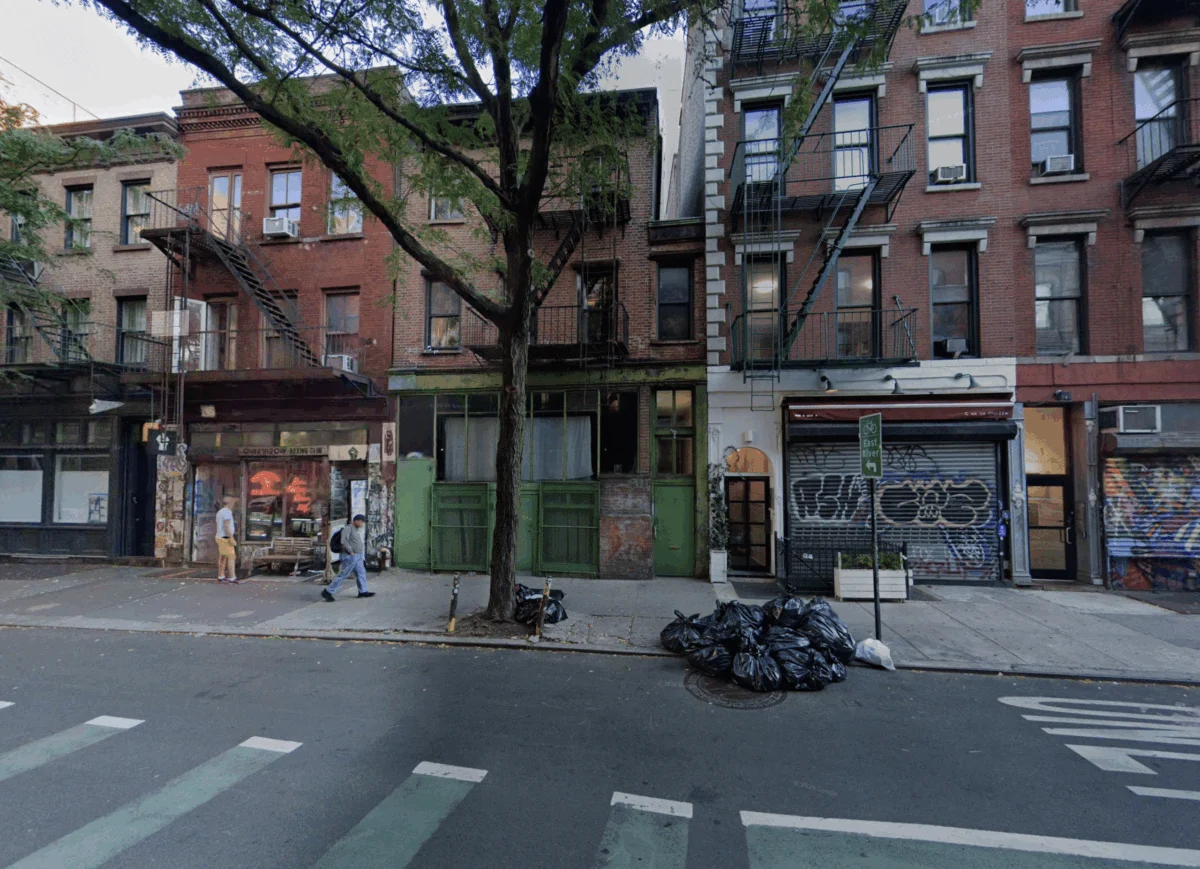
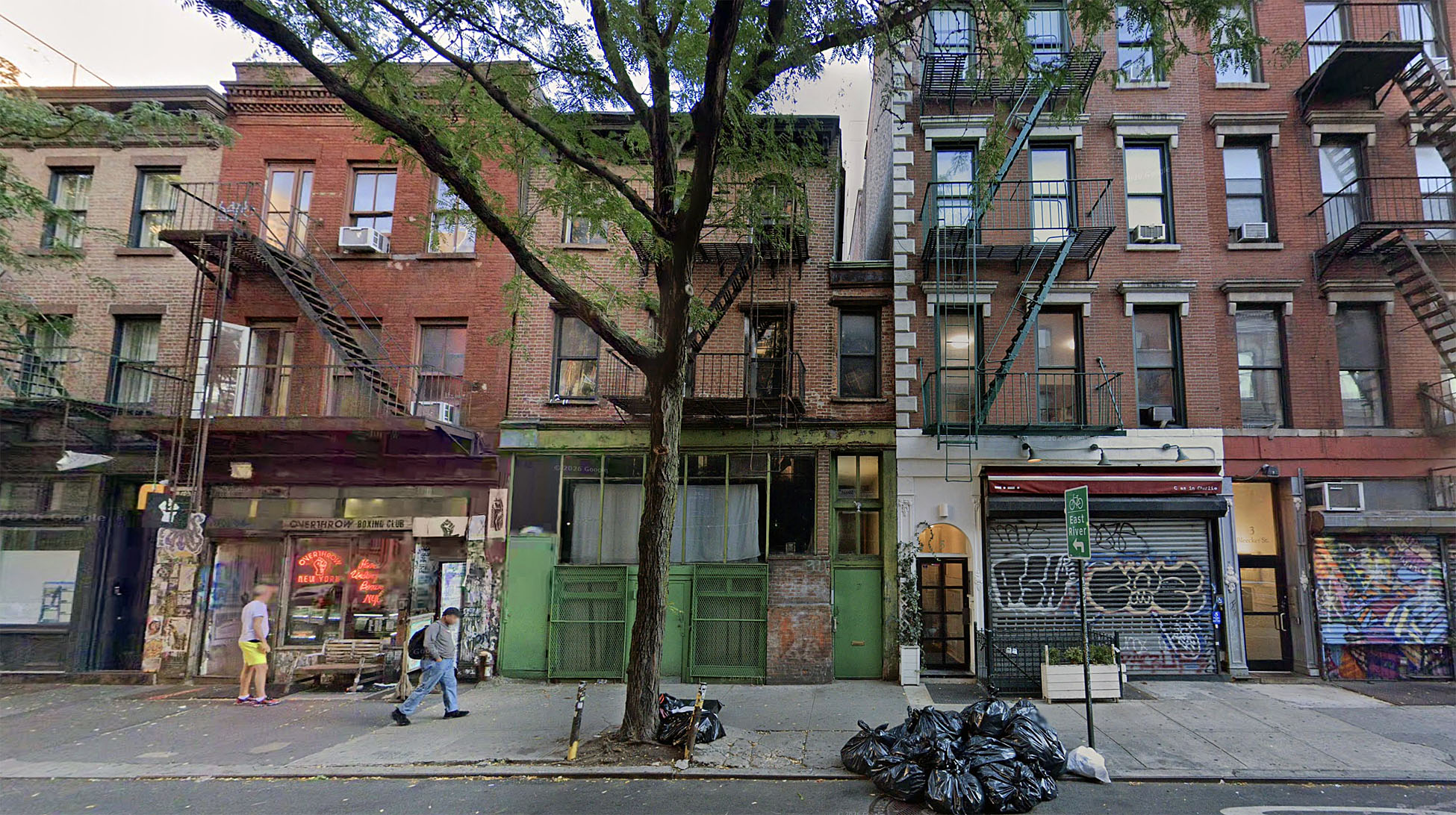
The couple’s Bleecker Street home has listed for $6.5 million, marking a significant moment for collectors and art historians interested in the legacy of two influential artists. The 209-year-old Federal-style townhouse, located at 7 Bleecker Street in Manhattan’s NoHo East Historic District, has officially entered the real estate market with an asking price of $6.5 million. This property served as the creative sanctuary and residence for the renowned Swiss-American photographer Robert Frank and his wife, American sculptor June Leaf, for over four decades. Frank passed away in 2019, and Leaf followed in 2024, leaving the historic building vacant for nearly two years before its recent listing.
A Legacy Embodied in Stone and Light
The townhouse at 7 Bleecker Street is more than just a residential property; it is a tangible link to a significant chapter in 20th and 21st-century art history. For generations, this building was the epicenter of the artistic lives of Frank and Leaf, a space where groundbreaking photographic works and compelling sculptures were conceived and brought to life. The listing offers a rare opportunity for art enthusiasts, collectors, and institutions to acquire a property imbued with the creative spirit of two highly respected figures in the art world.
Robert Frank, celebrated for his seminal 1958 book "The Americans," revolutionized documentary photography with its raw, unvarnished portrayal of American society. His unflinching gaze captured the nuances of everyday life, often focusing on marginalized communities and the undercurrents of American culture. His work challenged conventional aesthetics and paved the way for a more personal and subjective approach to photography, influencing generations of artists.
June Leaf, a distinguished sculptor and painter, was known for her intricate and often unsettling figurative works. Her art explored themes of the body, memory, and the human condition, characterized by a unique blend of vulnerability and resilience. Her studio practice, deeply intertwined with her life in the Bleecker Street townhouse, produced a body of work that continues to resonate with its emotional depth and formal innovation.
The decision to place their long-time home on the market signifies the end of an era for the artistic couple’s personal space and presents a unique proposition for potential buyers. The Corcoran Group, the real estate agency handling the sale, has provided initial details and visual representations of the property, hinting at its historical character and artistic provenance.
The Bleecker Street Residence: A Chronology of a Creative Hub
The history of 7 Bleecker Street as the home and studio of Robert Frank and June Leaf spans over forty years, a period of intense creative output and personal dedication to their respective crafts. The couple acquired the property, a Federal-style townhouse dating back to the early 19th century, likely in the 1970s, though the exact year of purchase is not publicly disclosed in the initial listing. This timeframe places their move into the building during a pivotal moment in their careers and the evolving landscape of New York City’s art scene.
Early Years and Establishing Roots: Following their move to the Bleecker Street address, the townhouse would have become the primary workspace and living quarters for both Frank and Leaf. For Frank, this period likely saw him continuing to build upon the groundbreaking work of "The Americans," possibly engaging in further photographic projects that explored themes of displacement, identity, and the American experience. Leaf, in parallel, would have been developing her distinctive sculptural language within the dedicated studio spaces the townhouse offered.
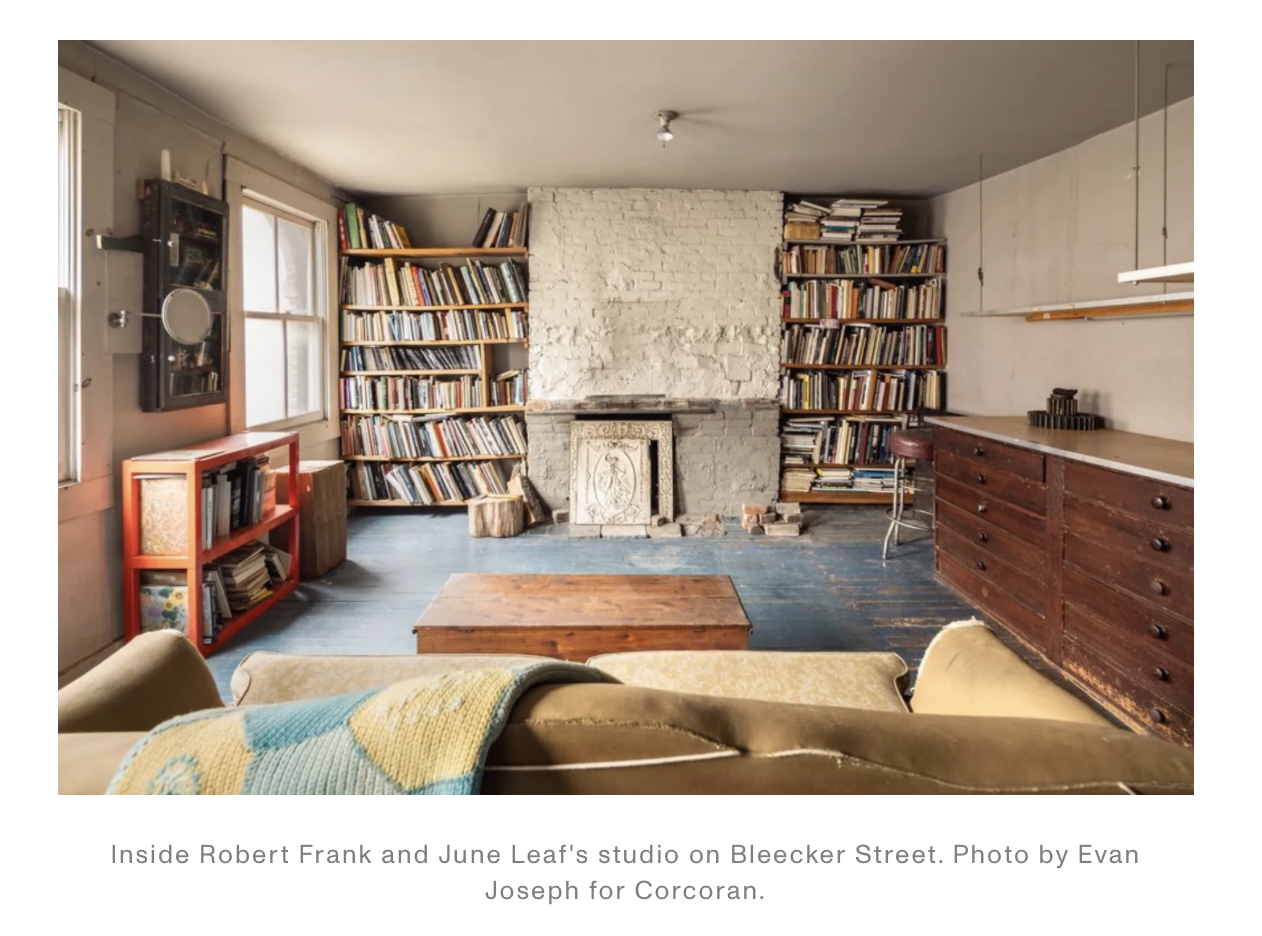
A Shared Artistic Ecosystem: The proximity and shared living space allowed for a unique artistic ecosystem within the home. While their individual artistic practices were distinct, the intellectual and emotional exchange between Frank and Leaf undoubtedly informed their creative processes. The townhouse would have served as a repository for their inspirations, a place for contemplation, and a practical setting for the physical demands of sculpting and photography. The sheer volume of work produced within these walls underscores its importance as a functional studio environment.
Later Years and Continued Legacy: As Frank and Leaf aged, the Bleecker Street residence remained their steadfast anchor. Even as Frank’s health declined and his public output became less frequent, the home served as a place of comfort and continued engagement with his artistic legacy. Similarly, Leaf continued to create and exhibit her work, with the townhouse remaining her primary studio and source of inspiration. The passing of Robert Frank in 2019 marked the first significant transition for the property, with June Leaf continuing to reside there for an additional five years.
The Present Day and Market Entry: Following June Leaf’s passing in 2024, the property remained under the custodianship of her estate for approximately two years. This period allowed for necessary arrangements to be made before the townhouse was formally brought to market. The listing by The Corcoran Group in March 2024 at $6.5 million signifies the official transition from a private artistic haven to a tangible asset available for acquisition. The duration of their residency – over four decades – speaks to the deep connection they shared with the building and its enduring significance in their lives and careers.
Supporting Data and Context
The property at 7 Bleecker Street is situated within the NoHo East Historic District, an area characterized by its well-preserved 19th-century architecture and its rich cultural history. The townhouse itself is a Federal-style structure, a design prevalent in early American architecture, typically featuring a symmetrical facade, a central doorway, and often a two-story or three-story configuration. Federal-style homes in New York City, especially those in prime Manhattan neighborhoods, are highly sought after for their historical charm and architectural integrity.
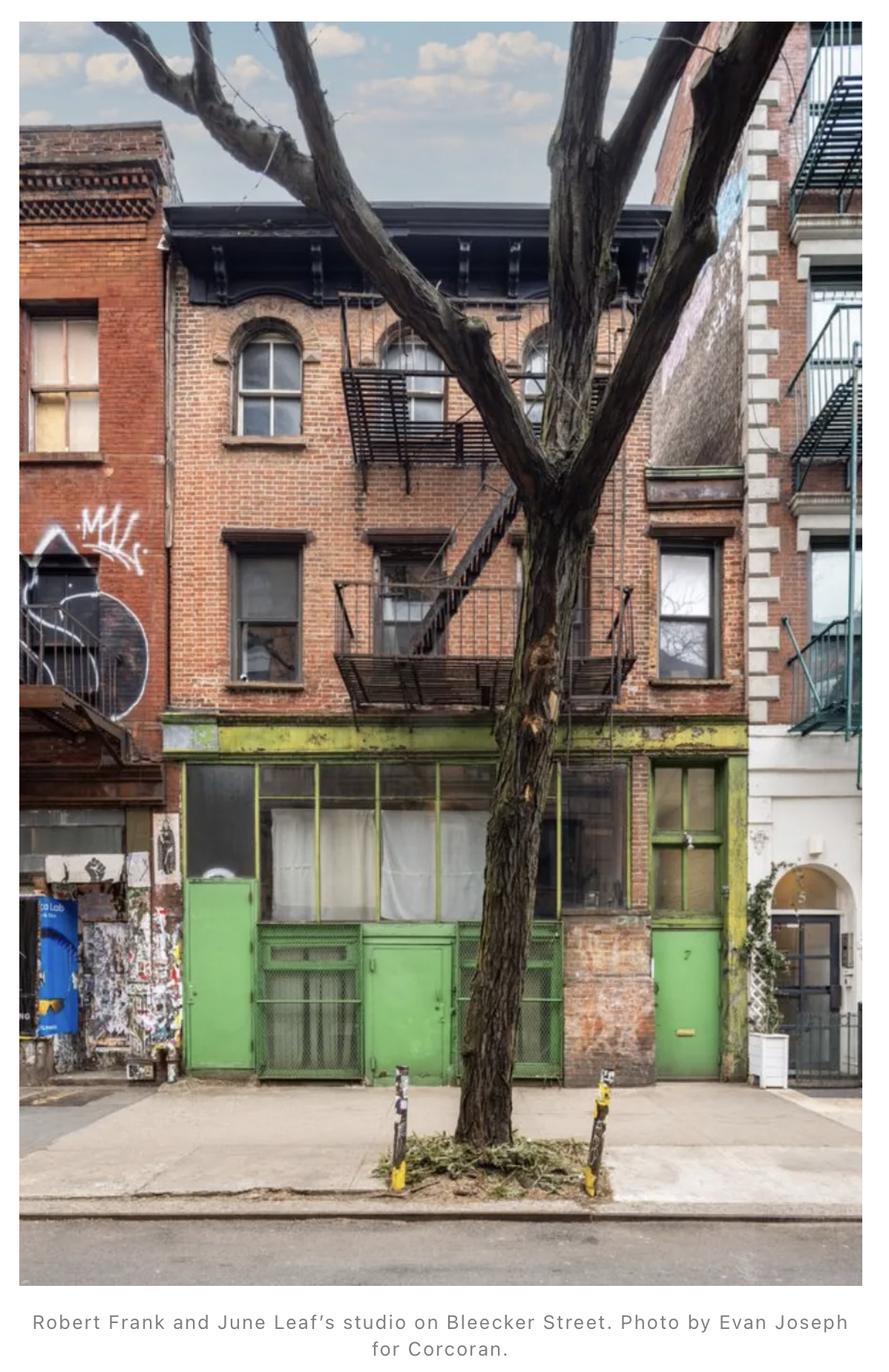
The asking price of $6.5 million places the property within the upper echelon of Manhattan real estate. This valuation is influenced by several factors:
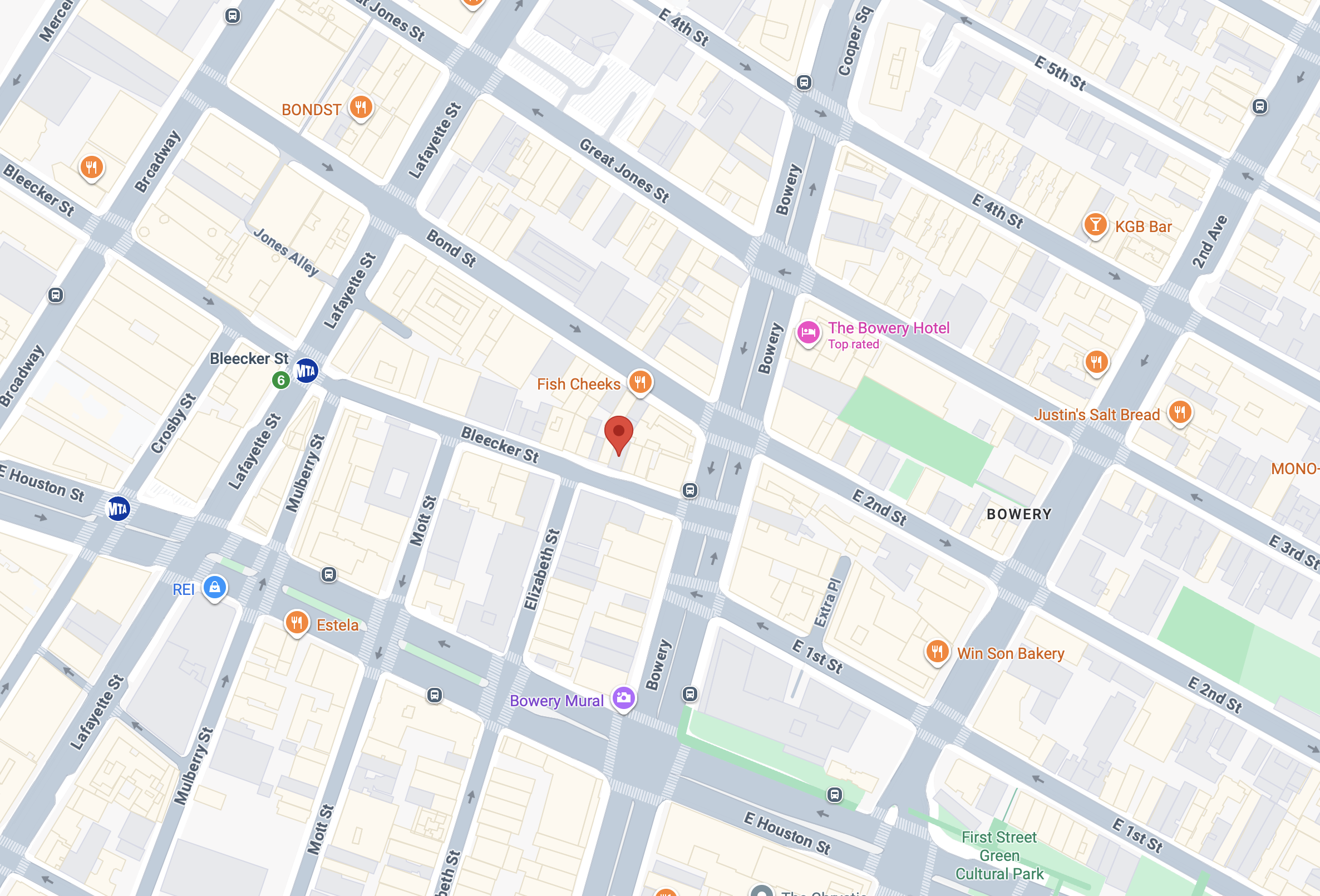
- Prime Location: NoHo (North of Houston Street) is a highly desirable and affluent neighborhood in downtown Manhattan, known for its cobblestone streets, historic cast-iron buildings, and proximity to cultural institutions, upscale retail, and dining. Its central location offers convenient access to other parts of the city.
- Historical Significance: The 209-year-old building carries inherent value due to its age and architectural style. Such properties often attract buyers interested in historical preservation and the unique character they offer.
- Artistic Provenance: The association with Robert Frank and June Leaf significantly elevates the property’s desirability and market value. This is not merely a residential listing; it is an opportunity to own a piece of art history. The "artist’s studio" designation, particularly for such prominent figures, can command a premium in the market.
- Real Estate Market Conditions: While specific market data for this micro-location can fluctuate, the overall Manhattan luxury real estate market, particularly for unique historical properties, generally maintains a strong baseline value, especially in established downtown neighborhoods.
The images released by Corcoran, though limited in the initial announcement, suggest a property that retains much of its historical character, likely featuring spacious rooms suitable for creative work, ample natural light, and architectural details consistent with its Federal-style origins. The condition of the interior, whether preserved in its original state or updated with modern amenities, will be a crucial factor in its final sale price and the type of buyer it attracts.
Official Statements and Inferred Reactions
While official statements from the estate of June Leaf or directly from The Corcoran Group regarding specific motivations for the sale or marketing strategies beyond the initial listing are not publicly available, the act of listing itself speaks volumes. The decision to bring such a historically significant property to market suggests a desire by the estate to realize the asset’s value while also acknowledging its importance to the art world.
The real estate agent handling the listing, identified through the Corcoran website, is tasked with presenting the property in a manner that appeals to a discerning clientele. Their approach would likely emphasize the unique combination of architectural heritage and artistic legacy. Marketing materials would typically highlight:
- The Architects of the Property’s Significance: Detailing Robert Frank’s iconic status and June Leaf’s artistic contributions.
- The Creative Environment: Describing the space as a former hub of artistic creation, potentially appealing to artists, collectors, or institutions seeking a unique live-work environment or a space with a strong cultural narrative.
- The Historical Architecture: Emphasizing the Federal-style elements and the building’s longevity.
- The Neighborhood: Promoting the allure of the NoHo East Historic District.
It can be inferred that the listing is designed to attract a specific buyer profile: someone who appreciates art history, possesses significant financial resources, and understands the unique value proposition of owning a property with such a profound artistic connection. This could include wealthy art collectors, art foundations, galleries, or even individuals seeking an unparalleled urban residence with a story to tell.
The absence of immediate public statements from the estate might reflect a desire to allow the property to speak for itself through its listing and the market’s response. However, the sale will undoubtedly be closely watched by those within the art and real estate communities.
Broader Impact and Implications
The sale of 7 Bleecker Street has several potential implications:
- Preservation and Future Use: The future of the townhouse will be a point of interest. Will it be purchased by a private individual for residential use, potentially preserving its historical integrity? Or could it be acquired by an art organization or foundation, turning it into a public gallery, archive, or artist residency? The zoning and historical district regulations will play a significant role in determining permissible uses. Buyers with a commitment to preservation would likely be favored, though the market ultimately dictates the successful bid.
- Market Benchmark for Artist Studios: The sale price of $6.5 million will serve as a benchmark for other historically significant artist studios that may come onto the market in New York City and beyond. It will provide data points for valuing properties with similar artistic provenance.
- Cultural Heritage and Public Access: While the property is a private residence, its connection to Robert Frank and June Leaf ensures its continued relevance in discussions of cultural heritage. Depending on the new owner, there may be opportunities for limited public engagement, such as curated tours or exhibitions in the future, though this is speculative.
- Legacy and Memory: The sale represents a tangible transition in the physical space that housed the creative lives of two influential artists. It prompts reflection on how art and the spaces that nurture it are remembered, preserved, and passed on. The property becomes a physical embodiment of their shared journey, offering a new chapter under different stewardship.
In conclusion, the listing of Robert Frank and June Leaf’s Bleecker Street studio is a significant event, offering a rare glimpse into the personal and creative world of two artistic giants. The $6.5 million price tag reflects not only the prime Manhattan location and the historic architecture but also the immense cultural and artistic value embedded within the walls of this storied property. The sale will undoubtedly be a focal point for art lovers, historians, and real estate enthusiasts alike, marking a new chapter for a building that has silently witnessed over two centuries of New York’s unfolding history and the vibrant creation of enduring art.