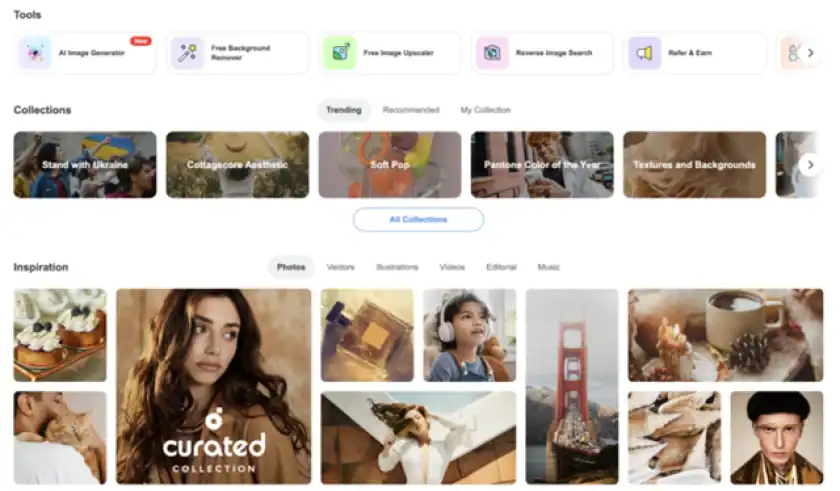
As the digital landscape becomes increasingly saturated with visual content, the demand for high-quality, legally compliant stock media has transformed from a luxury into a necessity for businesses, marketers, and independent creators. Depositphotos, a global marketplace for stock photography, vector graphics, and video, has emerged as a central pillar in this industry. However, for many first-time users and corporate procurement departments, the primary concern remains the safety of the platform—both in terms of cybersecurity and legal indemnity. A comprehensive analysis of the agency’s history, licensing protocols, and corporate infrastructure confirms that Depositphotos is not only a legitimate resource but also one of the most secure platforms in the microstock industry.
The Evolution of Depositphotos: From Startup to Industry Leader
To understand the safety and reliability of Depositphotos, one must examine its trajectory within the broader context of the stock media market. Founded in 2009 by Dmitry Sergeev in Kyiv, Ukraine, the company entered a market already dominated by established players like Shutterstock and Getty Images. Despite the competition, Depositphotos achieved rapid growth by focusing on a user-friendly interface and a diverse, high-volume library.
A significant milestone in the platform’s history occurred in October 2021, when Depositphotos and its subsidiary, Crello (now VistaCreate), were acquired by Cimpress, a multi-billion dollar Nasdaq-listed company that also owns Vistaprint. This acquisition provided Depositphotos with the financial backing and corporate governance of a major global enterprise. For users, this transition signaled a high level of institutional safety, as the platform must now adhere to the rigorous compliance and data protection standards required of a publicly traded American-Irish corporation. Today, the agency serves more than 43 million clients globally and hosts a library exceeding 304 million files, supported by a network of over 100,000 contributors.

Legal Safety: Understanding Royalty-Free Licensing and Indemnification
The most critical safety concern for stock photo users is legal liability. Using an image without proper authorization can lead to copyright infringement lawsuits, which are often costly and damaging to a brand’s reputation. Depositphotos mitigates this risk through a robust "Royalty-Free" (RF) licensing model.
Under the Standard License, which covers the majority of downloads, users are granted a perpetual, non-exclusive right to use the content for various purposes, including digital marketing, advertising, and personal projects. Crucially, the platform ensures that all images featuring identifiable people or private property have the necessary model and property releases on file. This vetting process is handled by a dedicated content moderation team that reviews every submission for technical quality and legal compliance.
For larger enterprises or high-stakes campaigns, Depositphotos offers an Extended License. This version removes the 500,000-copy limit for print materials and allows for the use of images on items intended for resale, such as merchandise or templates. Furthermore, Depositphotos provides legal indemnification, a safety net that protects the user from financial loss if a licensed image is found to be infringing on a third party’s rights. This commitment to legal protection is a hallmark of "Big 5" stock agencies and distinguishes Depositphotos from free, "no-attribution" sites where legal provenance is often impossible to verify.
Technical Security and Financial Integrity
Beyond legal concerns, users must be confident that their personal and financial data is protected. Depositphotos utilizes industry-standard security protocols to safeguard user information. This includes SSL (Secure Sockets Layer) encryption for all transactions, ensuring that credit card details and personal identifiers are shielded from malicious actors.

The platform is also compliant with the General Data Protection Regulation (GDPR), which governs how companies handle the data of residents in the European Union. This compliance requires transparency in data collection and grants users the right to control their digital footprint. From a financial perspective, Depositphotos maintains partnerships with reputable payment processors, including PayPal and major credit card providers, further insulating users from fraud.
The Content Vetting Process: A Chronology of Quality Control
Safety at Depositphotos is not a static state but a continuous process that begins the moment a contributor uploads a file. The following chronology outlines the rigorous steps taken to ensure asset safety:
- Application and Identification: Prospective contributors must submit an application and, in many cases, provide identification to verify their identity. This discourages the upload of stolen or AI-generated content that may violate intellectual property rights.
- Examination Phase: New contributors must submit a portfolio for review. Only those who meet high technical and aesthetic standards are granted upload privileges.
- Individual Asset Review: Every single image, video, or audio file submitted to the platform undergoes a manual or AI-assisted review. Moderators check for copyright symbols, visible trademarks (such as a Nike "swoosh" on a shirt), and the presence of required releases.
- Metadata Scrubbing: The platform ensures that keywords and descriptions are accurate and do not include protected brand names unless the content is specifically categorized as "Editorial."
- Post-Publication Monitoring: Even after an asset is live, the platform maintains a "Report" system where users or rights holders can flag potential issues, which are then investigated by the legal team.
Pricing Structure and Value Analysis
For many users, "safety" also pertains to financial predictability. Depositphotos offers a tiered pricing model designed to accommodate different budgets while avoiding hidden fees.
- Monthly and Annual Subscriptions: These are the most cost-effective options for high-volume users. For example, an annual monthly subscription can bring the cost of a high-resolution image down to less than $1.00. The "roll-over" feature, where unused downloads transfer to the next month, adds a layer of consumer protection by ensuring users get what they pay for.
- On-Demand Packs (Pay-As-You-Go): For those who only need a few images, these packs offer flexibility. While the price per image is higher (starting at approximately $5.80 each), the downloads remain valid for a full year.
- Enterprise Solutions: Large corporations can negotiate custom plans that include multi-seat access and enhanced indemnification limits, providing a tailored safety profile for high-revenue organizations.
Comparative Market Analysis
When compared to its primary competitors—Shutterstock, Adobe Stock, and iStock—Depositphotos is often cited for its aggressive pricing and frequent promotional offers. While Adobe Stock has the advantage of integration with the Creative Cloud suite, Depositphotos remains a favorite for small to medium-sized businesses (SMBs) due to its lower barrier to entry and high-quality search algorithms.

Unlike "free" sites like Unsplash or Pexels, which operate under a Creative Commons Zero (CC0) or similar license, Depositphotos provides a verifiable paper trail of ownership. While free sites are tempting, they offer zero legal indemnity. If a photographer on a free site uploads a photo they do not actually own, the end-user is legally liable for the infringement. Depositphotos’ paid model exists specifically to eliminate this risk.
Broader Implications for the Creative Industry
The continued success and perceived safety of Depositphotos have broader implications for the global creative economy. By providing a secure marketplace, the platform enables creators from over 150 countries to monetize their work while providing businesses with the tools to communicate effectively.
In recent years, the rise of AI-generated imagery has presented new challenges for the stock photo industry. Depositphotos has responded by integrating AI tools ethically, ensuring that AI-generated content is clearly labeled and that contributors are compensated for the data used to train these models. This forward-looking approach to "AI safety" ensures that the platform remains relevant and legally sound in an era of rapid technological change.
Conclusion: A Reliable Verdict
In conclusion, the safety of obtaining stock images from Depositphotos is supported by its corporate pedigree under Cimpress, its rigorous legal vetting processes, and its adherence to international data security standards. The platform provides a balanced ecosystem where the intellectual property of contributors is respected, and the legal interests of buyers are protected through comprehensive licensing and indemnification.

For professional designers, marketing agencies, and corporate communications teams, Depositphotos represents a low-risk, high-reward resource. By following best practices—such as verifying license types and maintaining records of purchase—users can confidently utilize Depositphotos’ vast library to enhance their visual storytelling without fear of legal or technical repercussions. As the company continues to evolve with the integration of AI and expanded multimedia offerings, its foundational commitment to user safety remains its most valuable asset.