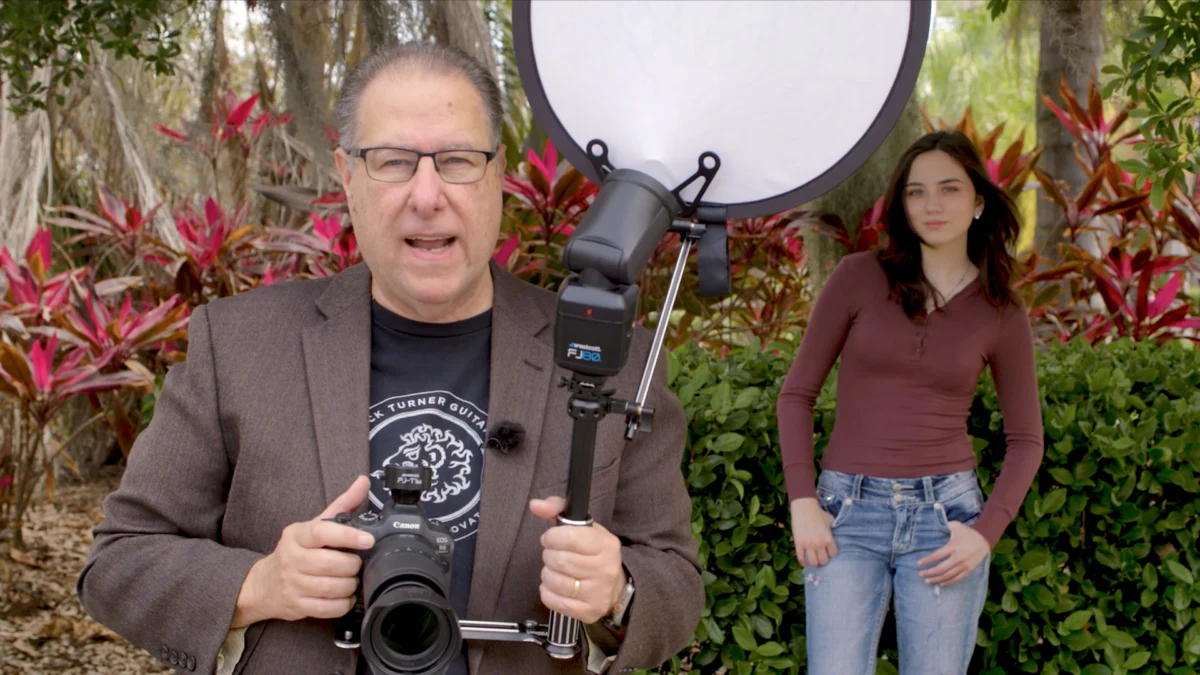
The recent episode of The Grid, a prominent online photography discussion program, offered an in-depth exploration into the nuanced art of waterfall photography, featuring acclaimed landscape and night photographer Kevin Adams. Hosted by photography luminaries Scott Kelby and Erik Kuna, the broadcast provided viewers with practical techniques and philosophical approaches to capturing the ethereal beauty of moving water. Beyond the technical discussion, the episode also served as a platform for significant announcements regarding the 18th annual Worldwide Photo Walk, updates on the forthcoming Photoshop World conference, and insights into various photography workshops and events, underscoring KelbyOne’s ongoing commitment to photographic education and community engagement.
Deep Dive into Waterfall Photography Techniques
Kevin Adams, recognized for his captivating work across diverse natural landscapes, dedicated a substantial portion of the discussion to demystifying the challenges inherent in waterfall photography. His approach emphasized experimentation and a comprehensive understanding of photographic tools and environmental conditions, moving beyond rigid rules to foster creative expression.
The Nuance of Shutter Speed: Beyond the Single Setting
One of the most frequently asked questions in waterfall photography revolves around the optimal shutter speed. Adams meticulously explained that there is no universal "correct" setting, but rather a spectrum of choices, each yielding a distinct aesthetic effect. The primary goal in waterfall photography is often to convey the motion of water, and shutter speed is the paramount control for this.
A fast shutter speed, typically 1/250th of a second or quicker, will freeze the water, capturing individual droplets and the texture of the turbulent flow. This can be effective for emphasizing the power and dynamism of a waterfall, revealing the raw energy of the cascade. Conversely, a slow shutter speed, ranging from a fraction of a second (e.g., 1/2s) to several seconds or even minutes, transforms the moving water into a silky, ethereal blur. This "cotton candy" effect, as it’s often described, smooths out the water’s surface, creating a serene and often minimalist representation of the scene. The choice between these extremes, and the numerous options in between, depends entirely on the photographer’s artistic vision and the specific mood they wish to evoke.
Adams highlighted that successful manipulation of shutter speed often requires balancing it with other exposure parameters: aperture and ISO. To achieve very slow shutter speeds in bright daylight conditions without overexposing the image, photographers frequently rely on Neutral Density (ND) filters. These optical filters reduce the amount of light entering the lens without altering the color, effectively allowing for longer exposure times. A common range of ND filters includes 3-stop, 6-stop, and 10-stop variations, with the latter enabling exposures of several seconds or even minutes even under bright sunlight. The ability to experiment with different shutter speeds on-site, reviewing results, and adjusting accordingly, was presented as a critical skill for any aspiring waterfall photographer.
The Indispensable Polarizing Filter
Adams unequivocally stated that a polarizing filter is one of the most vital tools in his kit for waterfall photography. Its importance stems from its unique ability to manage reflections and enhance the visual qualities of water and wet surfaces. A circular polarizer (CPL) works by selectively blocking polarized light waves, which are often responsible for glare and reflections.
In a waterfall environment, a CPL filter can significantly reduce reflections on the water’s surface, allowing the camera to "see through" the surface and capture details of rocks, pebbles, or submerged elements beneath. More critically, it minimizes glare from wet rocks and foliage, which can often appear overly bright and washed out in photographs. By reducing this glare, the filter deepens the saturation of colors – the vibrant greens of moss, the earthy tones of rocks, and the rich blues of the water itself become more pronounced and vivid. This enhancement of color and contrast adds a palpable sense of depth and richness to the final image, often making the scene appear more three-dimensional and engaging. Without a polarizing filter, photographers often struggle with distracting hotspots and a lack of visual pop, particularly in conditions where wet surfaces are abundant.
Embracing Overcast and Rainy Conditions
Counter-intuitively for many photographers, Adams championed overcast and even rainy conditions as ideal for waterfall photography. Unlike bright, sunny days which produce harsh shadows and extreme contrasts that are difficult for camera sensors to manage, overcast skies act as a giant, natural softbox. This diffused light illuminates the scene evenly, minimizing harsh shadows and providing a much broader dynamic range for the camera to capture.
The soft, even light of an overcast day brings out the subtle textures and colors of the landscape, making greens appear richer and the water’s flow more uniform. Furthermore, rainy or recently rainy conditions enhance the natural saturation of colors. Wet rocks, foliage, and even the waterfall itself often display more vibrant hues when damp, adding to the overall visual appeal. The lack of direct sunlight also reduces the need for heavy ND filters if the primary goal is a silky water effect, as ambient light levels are naturally lower. This advice challenges the conventional wisdom of "sunny day photography" and encourages photographers to venture out when conditions might otherwise seem less than ideal, revealing hidden photographic opportunities.
The Power of Foreground Elements and Composition
Beyond technical settings, Adams underscored the importance of strong composition, particularly the strategic inclusion of foreground elements. A compelling foreground serves multiple purposes: it adds immediate depth to the scene, draws the viewer’s eye into the frame, and helps to establish a sense of scale. Without a strong foreground, a photograph of a distant waterfall can often feel flat and unengaging.
Examples of effective foreground elements include moss-covered rocks, fallen leaves, interesting branches, or even smaller streams leading into the main cascade. By placing these elements strategically in the lower portion of the frame, perhaps following the rule of thirds or using leading lines, photographers can create a visual pathway that guides the viewer’s gaze from the immediate vicinity towards the majestic waterfall in the midground or background. This technique transforms a simple snapshot into a more immersive and thoughtfully constructed image, enhancing the viewer’s connection to the natural environment. Adams emphasized the need for careful scouting and patience to find these compositional anchors that elevate a good photograph to a great one.
The Allure of Night Waterfall Photography
For a truly distinct and dramatic aesthetic, Adams also touched upon the specialized technique of photographing waterfalls at night. This approach presents a unique set of challenges and rewards, yielding images that are often surreal and captivating. In the absence of natural light, photographers must rely on long exposures and often artificial light sources to illuminate the scene.
Night waterfall photography typically involves exposures lasting several minutes, which allows for extreme water blurring and the capture of faint ambient light, such as starlight or the glow of the moon. Techniques like "light painting" – where a handheld light source (like a flashlight or LED panel) is used to selectively illuminate parts of the scene during a long exposure – can add dramatic highlights and control the viewer’s focus. The combination of long exposures, carefully managed artificial light, and the inherent mystery of a nocturnal landscape creates images that are vastly different from their daytime counterparts, offering an otherworldly perspective on these natural wonders. This advanced technique requires a sturdy tripod, a remote shutter release, and a deep understanding of light and exposure.
The 18th Annual Worldwide Photo Walk: A Global Phenomenon
In addition to the technical discussion, Scott Kelby and Erik Kuna provided timely updates on the 18th annual Worldwide Photo Walk, scheduled for Saturday, October 3rd. This event, conceived by Scott Kelby, has grown into the world’s largest social photography event, bringing together hundreds of thousands of photographers across the globe for a shared experience of exploration and camaraderie.
Background and History
Launched in 2007, the Worldwide Photo Walk was born from Kelby’s vision to create a global community event that encourages photographers of all skill levels to get out, shoot, and connect with fellow enthusiasts. The premise is simple: participants sign up for a walk led by a volunteer "Walk Leader" in their local city or town. These walks typically involve exploring a specific area, capturing its essence through photography, and engaging with other participants. Over its nearly two-decade history, the event has attracted millions of participants in thousands of cities across more than 150 countries. It stands as a testament to the universal appeal of photography and the desire for community among practitioners. While primarily a social and learning event, the Worldwide Photo Walk has also historically supported charitable causes, further solidifying its positive global impact. The longevity and consistent growth of the event underscore its profound resonance within the photographic community, serving as a powerful platform for networking, skill-sharing, and creative inspiration.
Event Details: October 3rd and Beyond
For its 18th iteration on October 3rd, the Worldwide Photo Walk continues its tradition of fostering connection and creativity. Participants are encouraged to visit the official Worldwide Photo Walk website to find a walk near them or to volunteer as a Walk Leader. The event promotes not only the act of photography but also the social interaction that comes from walking and shooting with others who share a similar passion. Post-walk activities often include photo sharing, friendly competitions, and continued networking, extending the benefits beyond the single day. The event is particularly significant for amateur photographers, providing a low-pressure environment to practice new techniques, receive feedback, and expand their creative horizons under the guidance of more experienced peers.
Photoshop World and Ongoing Educational Initiatives
The episode also touched upon updates regarding Photoshop World and other forthcoming photography workshops and events, highlighting KelbyOne’s continuous efforts to provide high-quality photographic education and resources.
Photoshop World: A Premier Creative Conference
Photoshop World, a flagship event for the creative industry, has been a cornerstone for digital artists, photographers, and designers for decades. It offers intensive training across various tracks, including photo editing, graphic design, and video production, all centered around Adobe Creative Cloud applications, particularly Photoshop and Lightroom. Attendees gain access to world-class instructors, often including the very experts who help shape the software’s development and best practices. The mention of a "26 social limited-time deal" indicates ongoing efforts to make this premier conference accessible, offering incentives for early registration. Photoshop World serves as a vital hub for professional development, allowing participants to stay abreast of the latest software updates, workflow efficiencies, and creative techniques that drive the industry forward. Its impact extends beyond individual skill enhancement, influencing broader trends in digital artistry and visual communication.
KelbyOne and Scott Kelby Workshops: Continuous Learning
KelbyOne, the overarching educational platform founded by Scott Kelby, stands as a testament to the organization’s dedication to lifelong learning in photography and creative arts. Through a vast library of online courses, tutorials, and member-exclusive content, KelbyOne provides accessible, on-demand education from industry-leading instructors. The discussion on The Grid underscored the availability of upcoming photography workshops and events, signaling a diverse array of learning opportunities beyond the online platform. These workshops, often led by Scott Kelby himself or other renowned photographers, provide hands-on training, personalized feedback, and immersive learning experiences that complement the extensive online resources. From foundational skills to advanced techniques, these initiatives cater to photographers at every stage of their journey, ensuring a continuous pathway for professional growth and creative exploration.
Implications and Broader Impact
The content of this The Grid episode and the accompanying announcements carry significant implications for the global photography community.
Democratizing Advanced Photography Techniques
Platforms like The Grid play a crucial role in democratizing advanced photography techniques. By bringing experts like Kevin Adams directly to a broad audience, complex concepts are broken down into digestible, actionable advice. This accessibility empowers amateur photographers to tackle subjects like waterfall photography, which might otherwise seem intimidating. The practical tips on shutter speed, filters, and compositional elements provide a clear roadmap for improvement, directly translating into better photographs and a deeper understanding of the craft. This direct knowledge transfer fosters a more skilled and confident photographic community worldwide.
Fostering a Global Photography Community
The Worldwide Photo Walk, now in its 18th year, exemplifies the power of community in photography. In an increasingly digital world, events that encourage real-world interaction and shared experiences are invaluable. The Photo Walk connects individuals across geographical and cultural divides through a common passion, promoting collaboration, peer learning, and a sense of belonging. The success and longevity of this event highlight the enduring human desire for connection and the unique ability of photography to bridge gaps and build relationships.
The Evolving Landscape of Photography Education
KelbyOne and its array of workshops and conferences like Photoshop World represent the evolving landscape of photography education. The shift towards online, on-demand content, combined with targeted in-person events, offers unprecedented flexibility and breadth of learning. This multi-faceted approach ensures that photographers can access high-quality instruction regardless of their location or schedule, continually adapting to new technologies and creative trends. This commitment to continuous professional development is vital in a rapidly changing industry, ensuring that photographers remain at the forefront of their craft.
Conclusion
The latest episode of The Grid served as a valuable resource for anyone aspiring to master waterfall photography, offering expert guidance from Kevin Adams on crucial techniques such as shutter speed manipulation, the strategic use of polarizing filters, and the embrace of challenging weather conditions. Coupled with vital updates on the 18th annual Worldwide Photo Walk and the esteemed Photoshop World conference, the broadcast reinforced KelbyOne’s pivotal role in fostering a vibrant, educated, and connected global photography community. For photographers eager to refine their skills and explore new creative avenues, the insights shared in this episode, and the broader opportunities provided by KelbyOne initiatives, offer a compelling invitation to learn, connect, and capture the world with greater precision and artistry. The full replay of the episode remains available for those wishing to delve deeper into these expert discussions and apply the wealth of ideas presented.