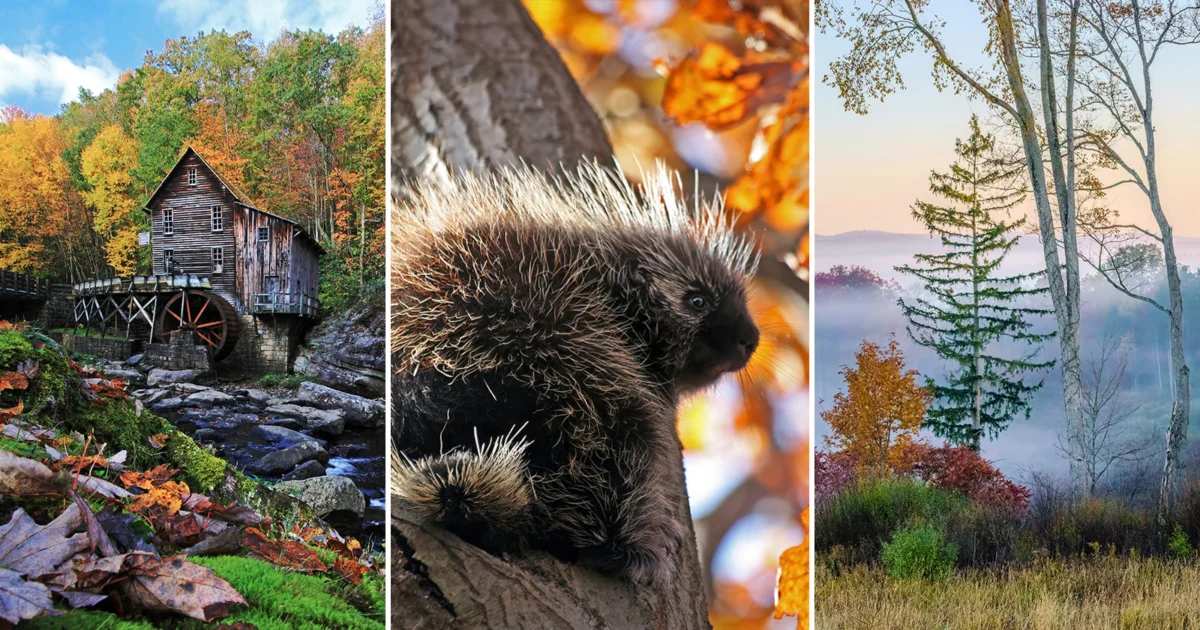
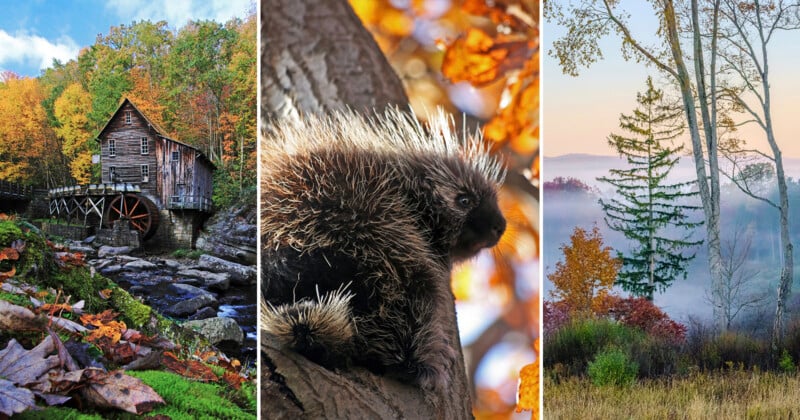
For seasoned nature photographer Kate Garibaldi, two decades of capturing the ephemeral splendor of fall colors in the Northeastern U.S. have distilled a profound understanding of what it takes to move beyond mere snapshots to cultivate a diverse and impactful portfolio. Her extensive experience underscores that successful autumn photography is less about chance encounters with peak foliage and more about meticulous planning, adaptability, and a discerning eye for varied compositions, techniques, and environmental nuances. The pursuit of compelling fall imagery, she contends, requires a strategic approach that transcends the obvious, embracing both grand vistas and intimate details.
The Ephemeral Spectacle: Understanding Autumn’s Allure
Autumn’s vibrant transformation, a global phenomenon particularly celebrated in regions like the Northeastern U.S., parts of Canada, Europe, and East Asia, presents a uniquely challenging yet rewarding opportunity for photographers. The explosion of reds, oranges, and yellows is a chemical marvel, a result of trees ceasing chlorophyll production, allowing underlying pigments like carotenoids (yellows, oranges) and anthocyanins (reds, purples) to become visible. This annual spectacle is profoundly influenced by environmental factors such as temperature, light, and moisture. A warm, wet spring, followed by a dry, sunny autumn with cool but not freezing nights, typically yields the most brilliant displays. However, this peak window is notoriously brief, often lasting only a few weeks, which necessitates strategic planning to maximize photographic output. The fleeting nature of this beauty, coupled with the varied conditions it presents, has driven photographers like Garibaldi to develop robust methodologies for consistent success.
A Framework for Success: Building a Fall Color Shot List
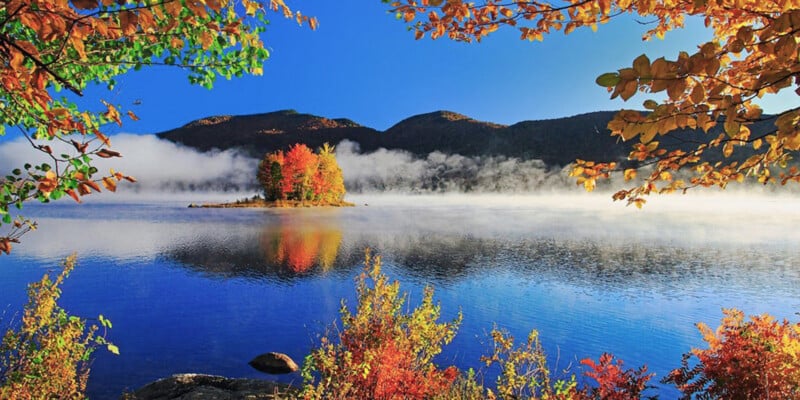
Garibaldi’s central tenet, refined over 20 years, revolves around developing a comprehensive "shot list" rather than embarking on outings with a single predetermined image in mind. This methodical approach ensures a diverse photographic harvest, preventing a portfolio from becoming saturated with repetitive compositions. The shot list acts as a guiding framework, offering direction without imposing rigid constraints, thereby fostering both intentionality and serendipitous discovery.
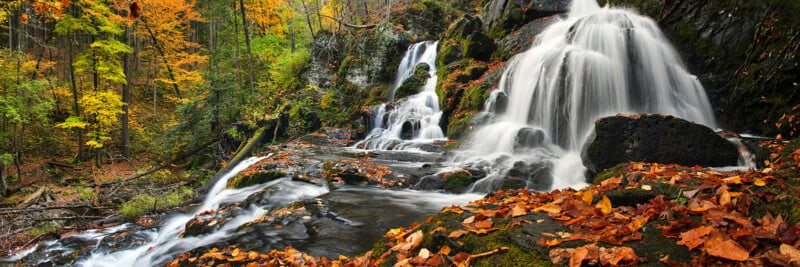
Her typical shot list encompasses a wide spectrum of subjects and stylistic approaches:
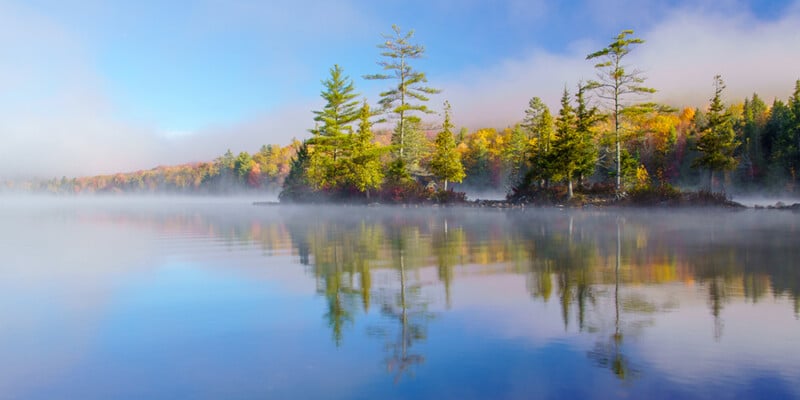
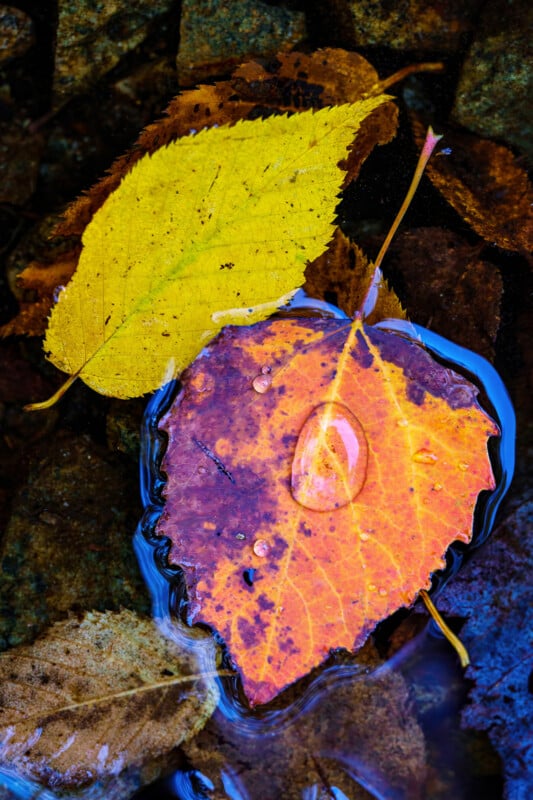
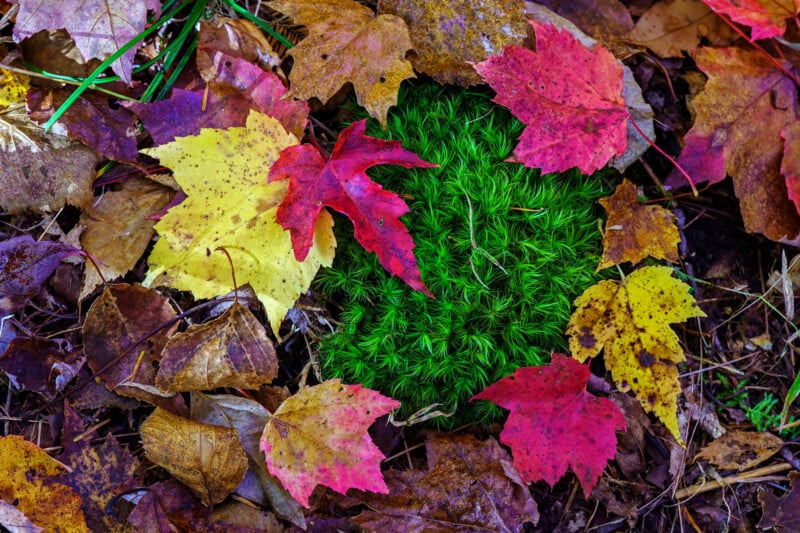
- Macro Photography: Focusing on the intricate details of individual leaves, moss, mushrooms, bark, and other forest floor textures, often highlighting contrasting colors and forms.
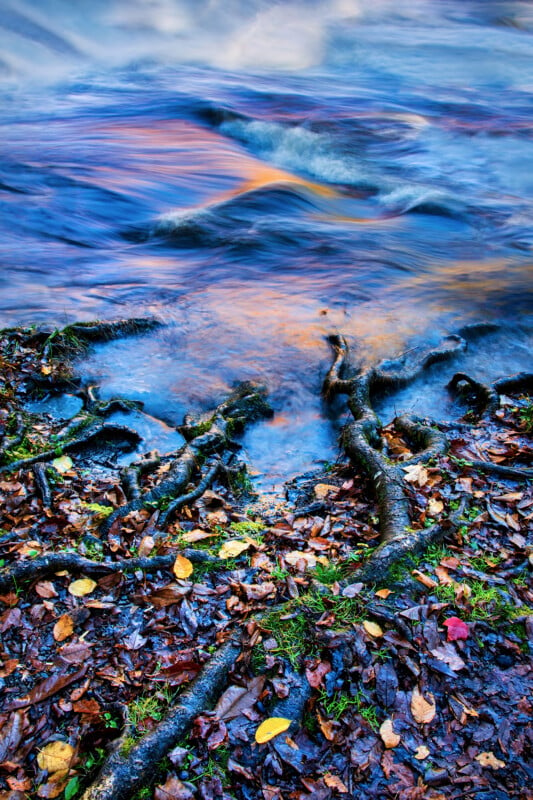
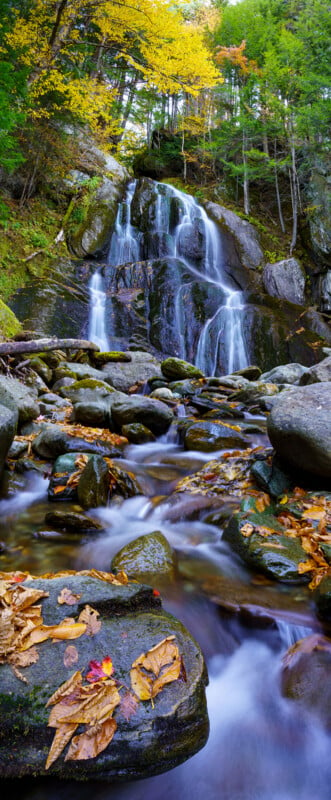
- Waterfalls and Streams: Utilizing the dynamic flow of water, interesting rock formations, and surrounding foliage for long exposure compositions, often incorporating leading lines.
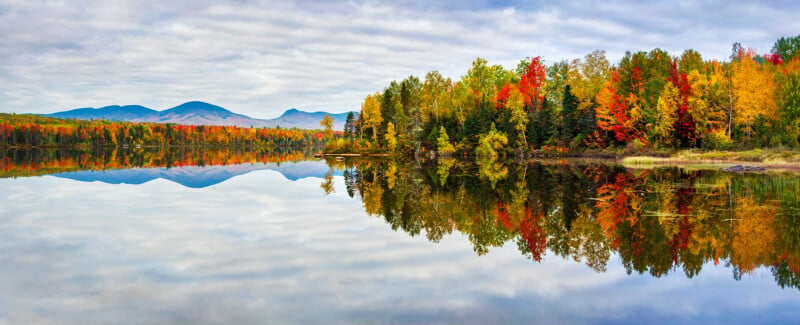
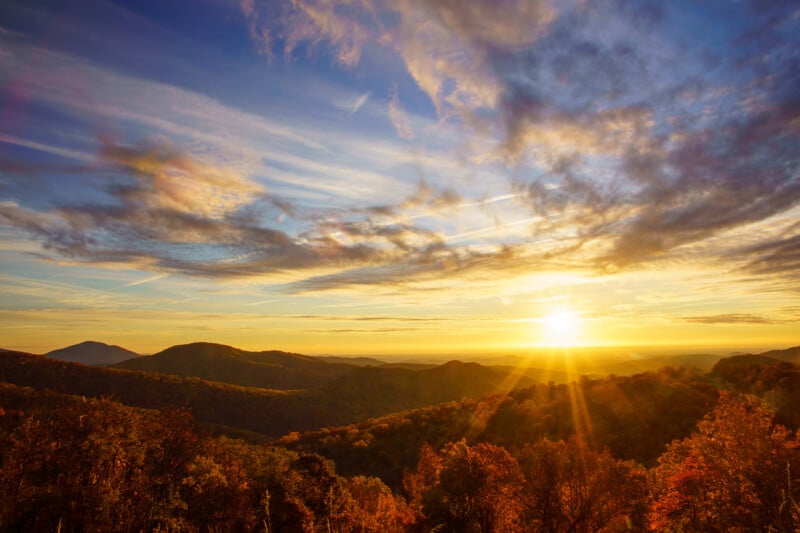
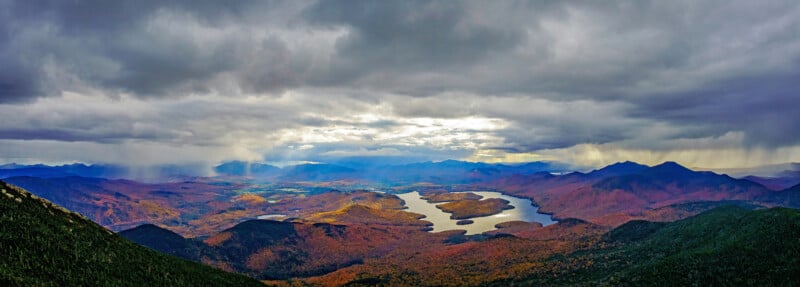
- Wide Panoramic Vistas: Capturing breathtaking expansive landscapes that convey the grandeur of the autumnal scenery, emphasizing scale and sweeping beauty.
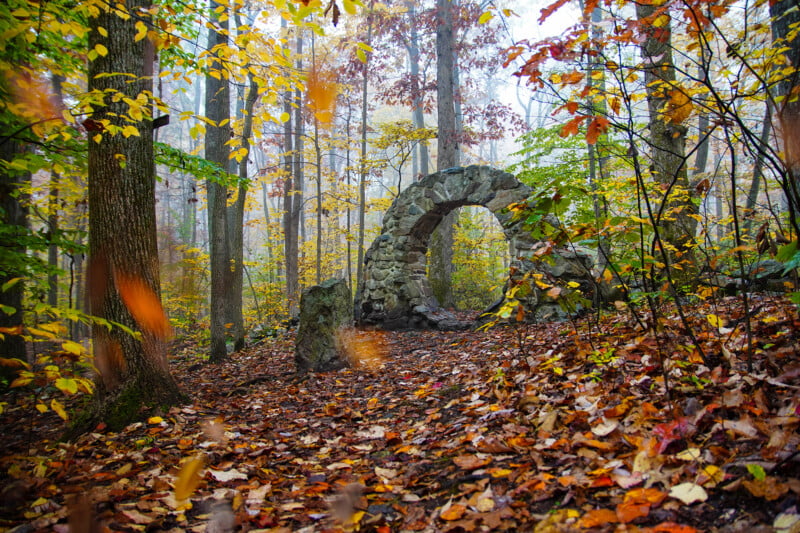
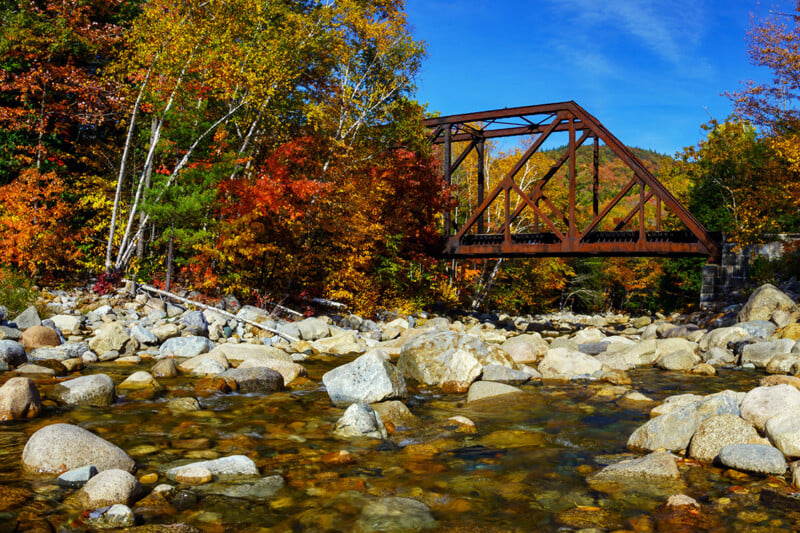
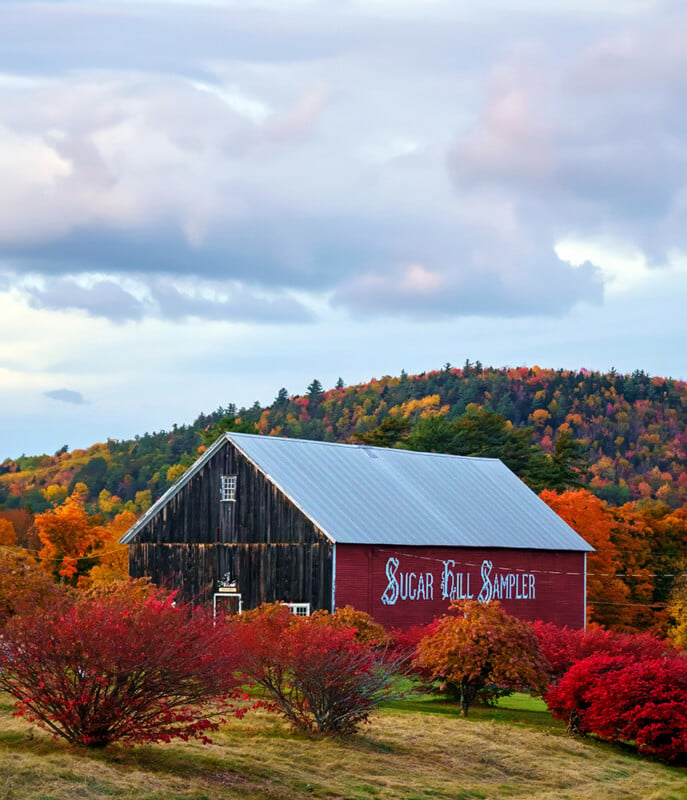
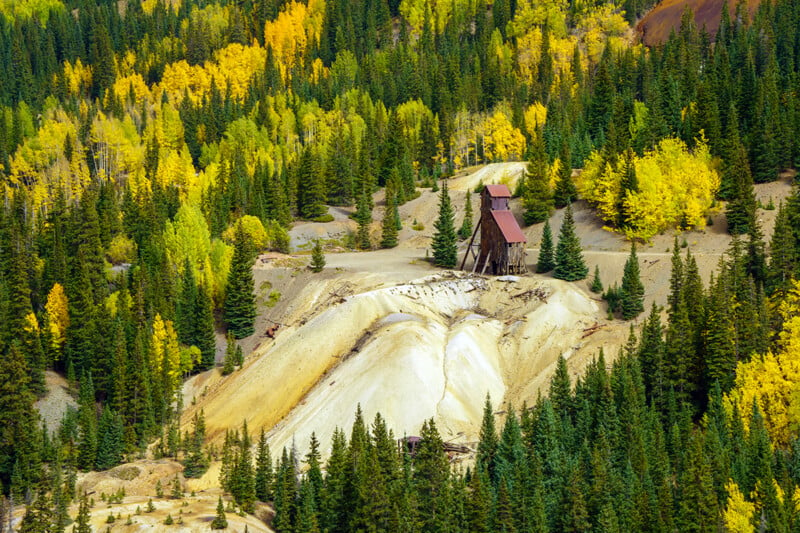
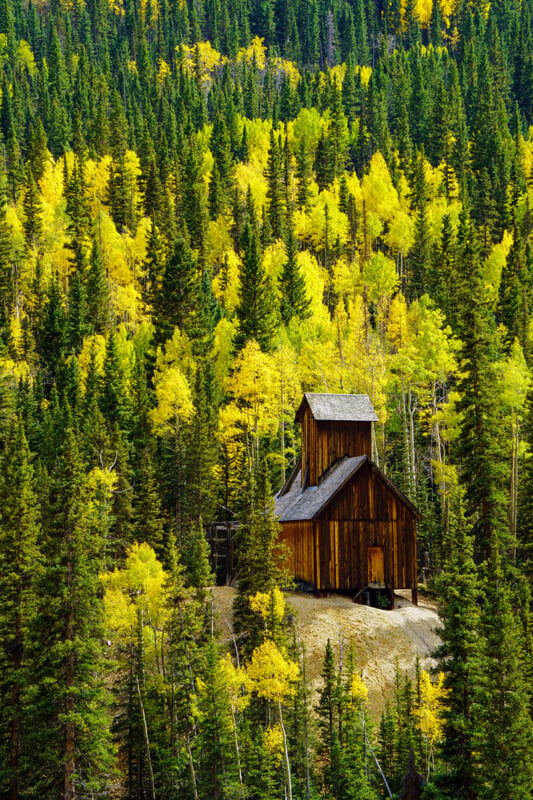
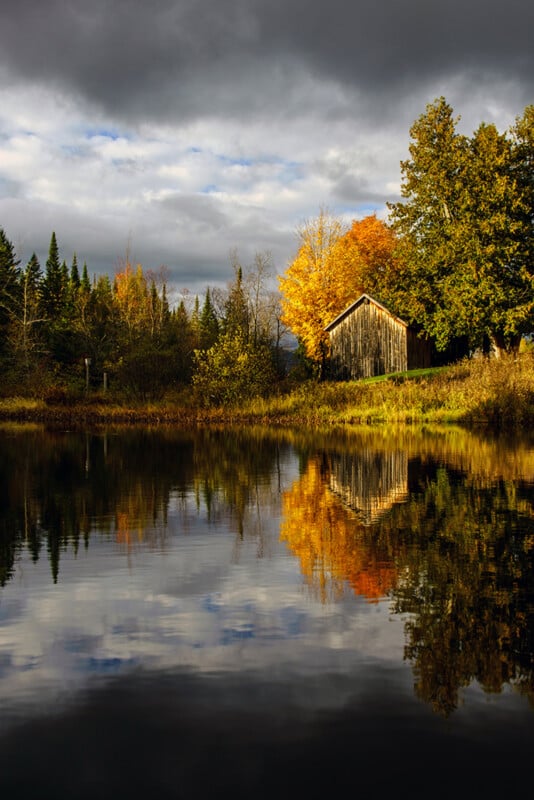
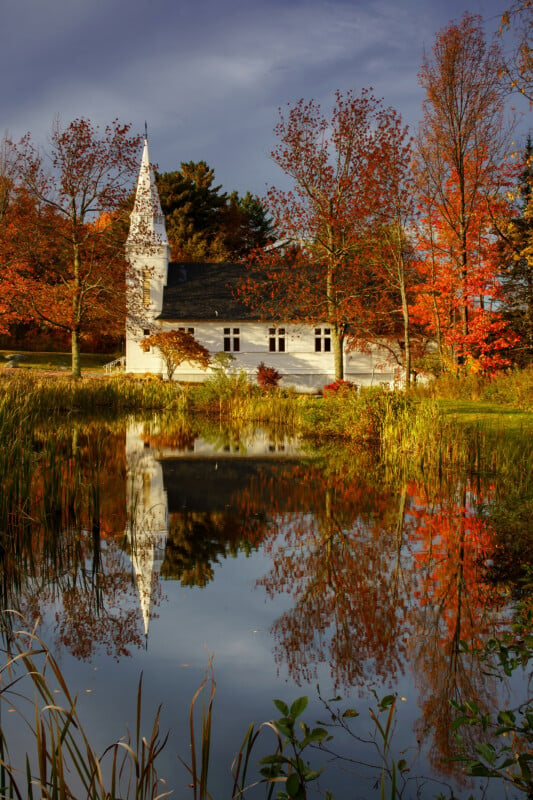
- Man-made Structures: Incorporating elements like rustic barns, historic covered bridges, or quaint churches, which provide a human connection and contrast against the natural backdrop.
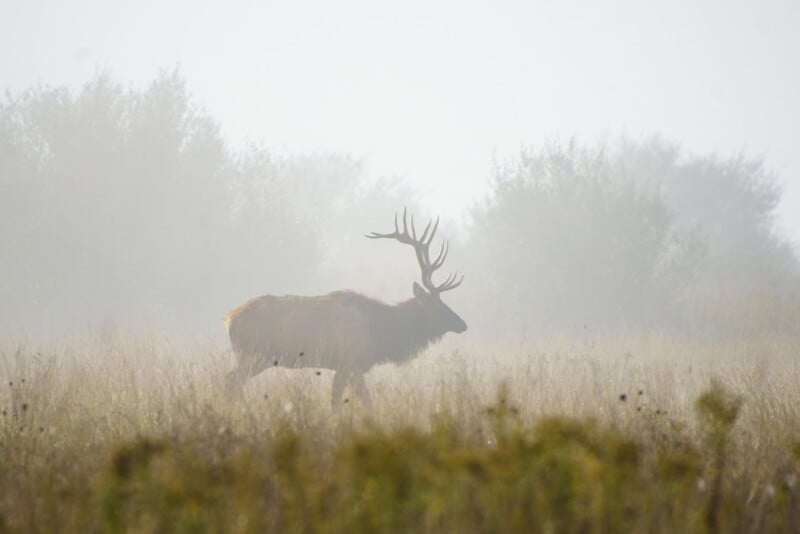
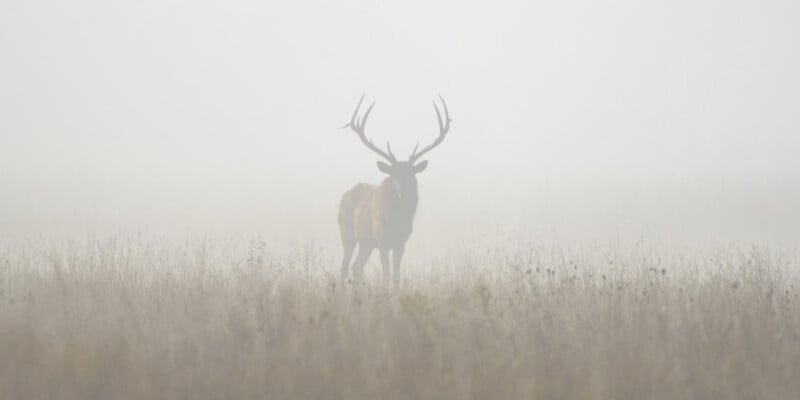
- Environmental Wildlife Portraits: Photographing animals within their autumn habitats, either as tighter portraits framed by foliage or as smaller elements within broader environmental scenes, showcasing their integration with the seasonal change.
- Textures and Patterns: Seeking out the subtle interplay of light and shadow on various natural surfaces, creating abstract compositions.
This comprehensive list ensures that each outing contributes meaningfully to a varied collection, prompting the photographer to continuously assess what is "missing" from their body of work rather than defaulting to easily accessible, familiar shots.
Strategic Outings: Aligning Photography with Conditions
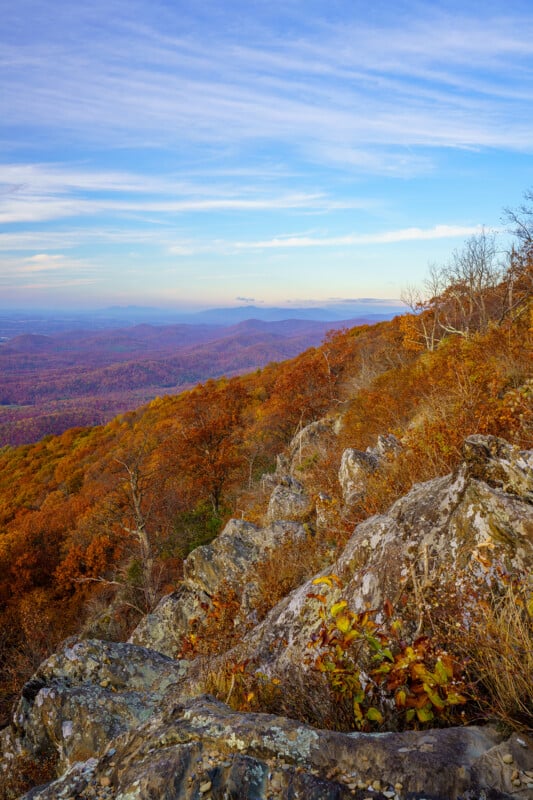
A critical aspect of Garibaldi’s methodology involves meticulously aligning planned photographic objectives with prevailing weather and light conditions. Rather than a blanket assessment of a "good" or "bad" day for fall photography, she advocates for understanding which specific conditions are optimal for particular types of images on the shot list.
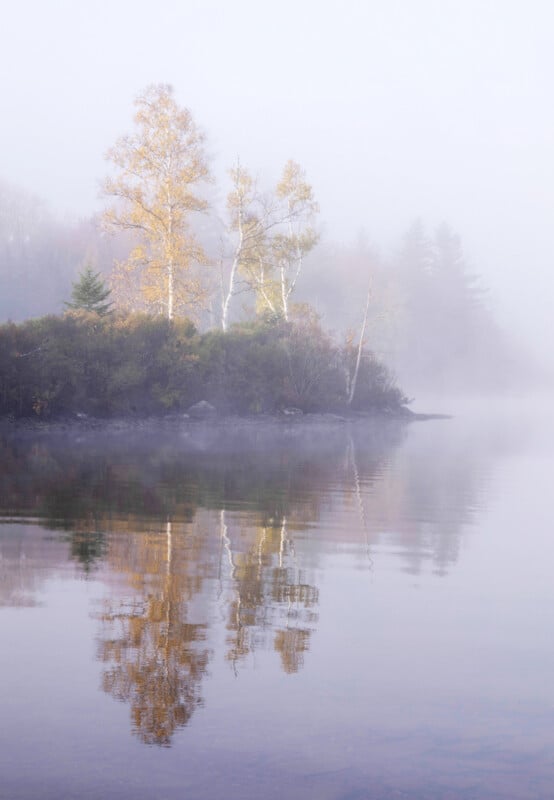
- Overcast Days: These conditions are favored for waterfall and macro photography. The diffused light acts as a natural softbox, minimizing harsh shadows and high contrast, which allows for richer color saturation in foliage and intricate details. Post-rainfall conditions further enhance waterfalls with increased flow and intensify the colors of wet rocks, leaves, and moss, creating opportunities for captivating reflections. Safety remains paramount, requiring careful assessment of trail and water conditions.
- Partly Cloudy Skies (Sunrise/Sunset): Ideal for grand landscapes and panoramic vistas. The interplay of dramatic clouds with the warm, directional light of golden hour creates depth, texture, and a vibrant luminosity across expansive mountain ranges and valleys. Clear skies, while offering potential for brief bursts of color, often lack the dynamic interaction with light that clouds provide.
- Wildlife Encounters: Requires specific timing, typically soft morning or evening light, which provides flattering illumination for animal subjects and imparts a warm glow to surrounding foliage. Beyond mere presence, successful wildlife photography in autumn considers the background and light direction to integrate the animal seamlessly into the broader fall landscape, telling an environmental story.
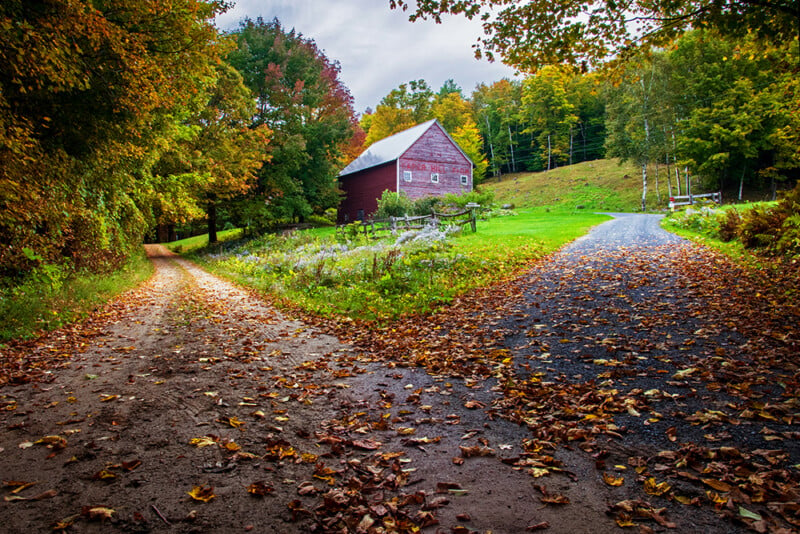
- Architectural Integration: For structures like barns and bridges, planning involves understanding sun position to ensure both the structure and its surrounding foliage are well-lit. Fog can dramatically transform these scenes, simplifying backgrounds and creating ethereal layers between foreground elements and distant hills, offering a unique artistic interpretation.
This adaptive planning, driven by meteorological foresight, allows photographers to make informed decisions about where to go and what to focus on, optimizing their chances of capturing specific types of images that align with their shot list.
Beyond the Postcard: Cultivating Originality at Iconic Locations
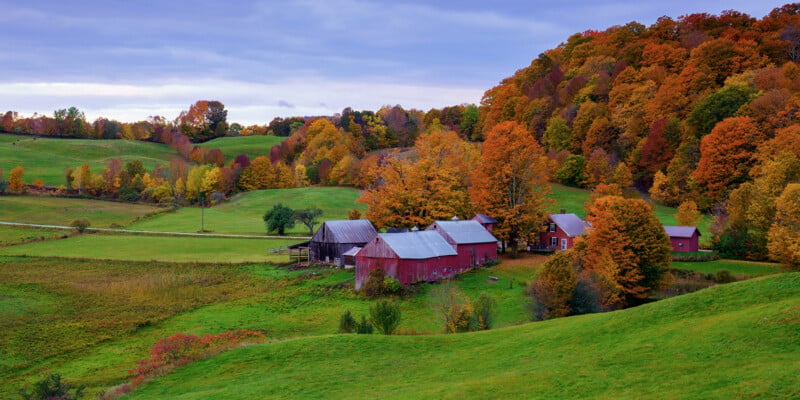
A common pitfall in nature photography, especially in popular autumn destinations, is succumbing to the "famous view" syndrome. Garibaldi emphasizes that while capturing an iconic shot is acceptable, true photographic growth lies in venturing beyond the obvious. Even at well-known overlooks, numerous unexplored possibilities often exist. This means actively seeking alternative compositions:
- Utilizing a telephoto lens to isolate a single, exceptionally vibrant tree within a wider scene.
- Following a trail into the forest to discover leading lines or intimate compositions.
- Identifying small streams or puddles that offer reflective opportunities for surrounding foliage.
- Examining the forest floor for compelling macro subjects like moss, mushrooms, or unique leaf arrangements.
This approach transforms a visit to a famous location from a mere replication of existing images into a personal exploration, yielding unique perspectives that reflect the photographer’s individual vision rather than a tourist’s snapshot.
The Transformative Power of Lenses: Shifting Perspectives

One of the simplest yet most effective strategies for diversifying a fall portfolio is the deliberate act of changing lenses. While versatile zoom lenses offer convenience, physically swapping optics forces a fundamental re-evaluation of the scene.
- Wide-angle lenses excel at capturing expansive scenes, incorporating foreground elements to create depth and leading lines towards waterfalls or distant mountains.
- Telephoto lenses compress perspective, isolating distant subjects, flattening layers of trees into vibrant bands of color, or creating tight portraits of specific foliage clusters.
- Macro lenses unlock an entirely new world, allowing for extreme close-ups of individual leaves, dew drops, intricate bark patterns, or delicate fungi, transforming the grand landscape into a tapestry of minute wonders.
This intentional lens change serves not just a technical purpose but a creative one, compelling the photographer to adopt a fresh viewpoint and seek compositions that align with the optical characteristics of the new lens, thus fostering a broader visual vocabulary.
Essential Gear: Equipping for Intentionality
Successful execution of a diverse shot list necessitates bringing the appropriate tools. This isn’t about accumulating the most expensive equipment, but rather selecting gear that directly supports photographic objectives.

- Tripods and Filters: Essential for long exposure waterfall photography (ND filters) and managing reflections (circular polarizers) on wet surfaces and water.
- Telephoto Lenses: Crucial for wildlife, isolating distant landscape elements, and compressing layers.
- Macro Lenses: Indispensable for capturing intricate details and textures.
- Accessories: Spare batteries (especially in cooler autumn temperatures), and cleaning supplies are practical necessities when working outdoors in varied conditions.
This mindful selection ensures that the photographer is well-prepared to address the technical demands of each item on their shot list, maximizing efficiency and creative potential in the field.
Beyond the Hues: Foliage as a Narrative Element
While the sheer vibrancy of fall foliage is captivating, Garibaldi cautions against making color the sole "hero" of a photograph. Instead, she advocates for integrating the autumn palette into a broader narrative.
- Providing Scale: Introducing human elements, such as a hiker on a trail, provides a sense of scale and interaction within a vast, colorful landscape.
- Foreground Interest: Using foreground leaves or other natural elements to frame a distant subject, guiding the viewer’s eye through the composition.
- Environmental Storytelling: In wildlife photography, intentionally positioning an animal as a smaller component within the frame, allowing the surrounding autumn landscape to convey the creature’s habitat and seasonal context.
- Architectural Integration: Rather than isolated structures, photographs that show barns, churches, or bridges interacting with the surrounding trees and landscape create a deeper connection between the human-made and natural worlds, where the fall colors become an integral part of the place’s identity.
This approach elevates fall photography from mere documentation of color to evocative storytelling, creating images that resonate more deeply with viewers.
Cultivating Depth and Layers for Immersive Imagery

A strong sense of depth is paramount in creating impactful landscape photographs. Garibaldi actively seeks out layers and dimensional elements in her compositions.
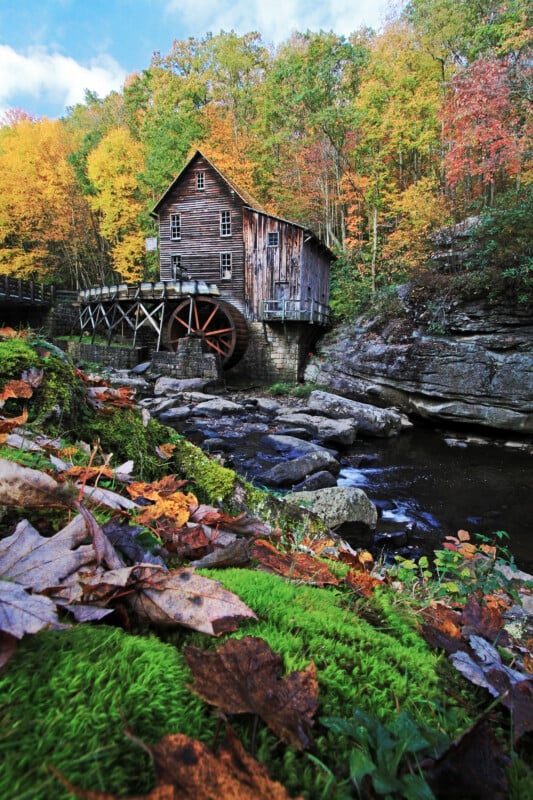
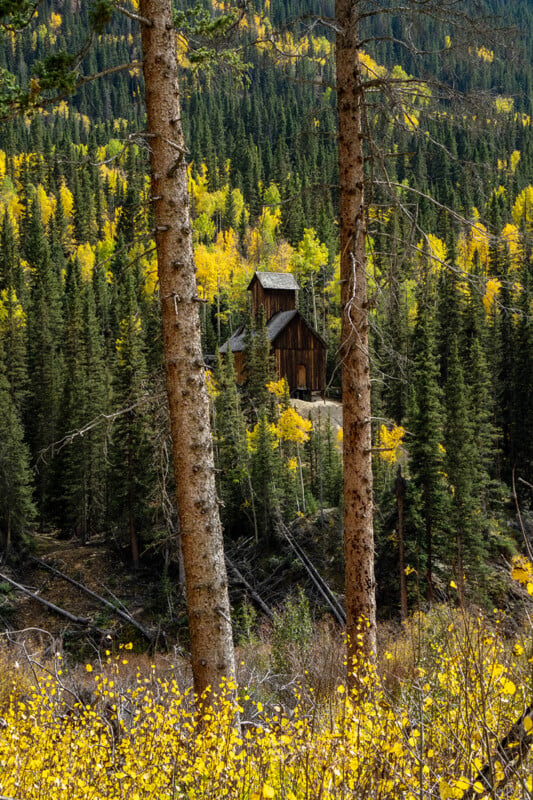
- Foreground Elements: Utilizing objects close to the camera, such as colorful leaves, moss-covered rocks, or branches, to draw the viewer into the scene and create a sense of three-dimensionality.
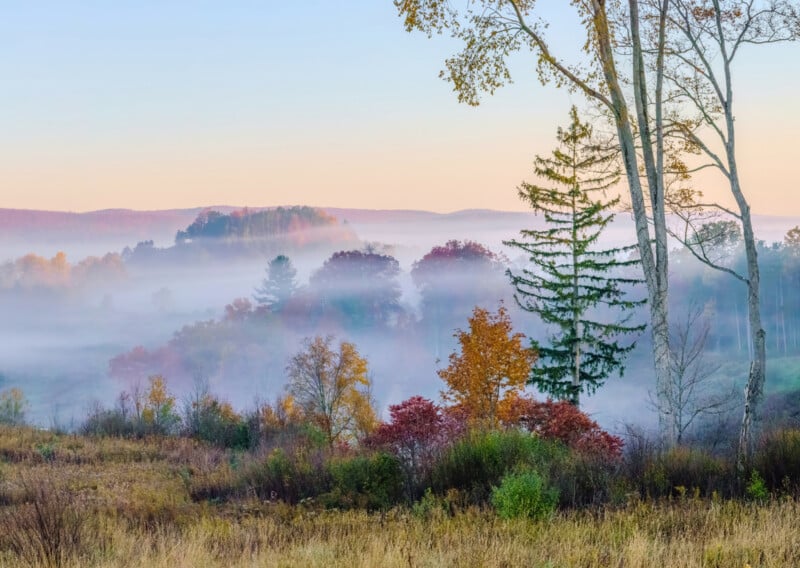
- Overlapping Elements: Composing shots where layers of trees, hills, or atmospheric conditions like fog overlap, creating a rich tapestry of visual information.
- Vertical Panoramas: In situations like waterfalls, combining multiple vertical shots can emphasize foreground details (like fallen leaves) while still capturing the full dynamic range of the water’s movement and surrounding environment.
- Telephoto Compression: Using longer lenses to optically compress distant ridges covered in fall foliage, transforming them into a series of vibrant, overlapping bands of color that create a unique sense of depth.
These techniques add visual complexity and a stronger sense of space, making the viewer feel more immersed in the autumn landscape.

The Art of the Intimate: Photographing Details
Garibaldi’s shot list consistently includes intimate details, recognizing that some of the most compelling fall photographs are not wide landscapes. The forest floor, often overlooked, presents a treasure trove of subjects.
- Macro Focus: Utilizing a macro lens to isolate individual leaves, highlighting their intricate textures, veins, and color transitions against a soft, blurred background.
- Contrasting Textures: Seeking visual counterpoints, such as a bright red leaf against a patch of vibrant green moss, or the rugged texture of tree bark contrasting with smooth, colorful leaves.
- Natural Elements: Incorporating elements like mushrooms, lichen, fallen branches, or reflective puddles to add visual interest and anchor the autumn theme.
These detail-oriented shots provide a crucial counterpoint to grand landscapes, offering viewers a different perspective on the season’s beauty and demonstrating the photographer’s keen observational skills.

Patience and Intuition: Mastering the Moment

Despite meticulous planning, successful photography in the field often hinges on patience and intuition. Garibaldi emphasizes the importance of giving oneself ample time to explore a location, even after an initial shot has been identified.

- Exploration and Refinement: After capturing an initial composition (e.g., a waterfall long exposure), actively looking for subtle shifts in angle, foreground elements, or lighting that could yield a stronger image. Experimenting with different shutter speeds or lenses.
- Adaptability to Change: Being willing to adjust the photographic approach if light conditions change or if new opportunities (like wildlife movement) present themselves.
- Knowing When to Move On: Critically, Garibaldi advocates for recognizing when a composition is simply not working. Rather than forcing a weak image, her diverse shot list provides the freedom to pivot to another photographic objective or location, maximizing the limited autumn season. This ability to "reject the obvious" and seek alternative compositions often leads to more unique and compelling results.
Forging a Distinctive Vision: Making Photographs "Yours"
Ultimately, Garibaldi’s two decades of experience culminate in the desire to create a portfolio that transcends mere documentation. The goal is to produce images that reflect the photographer’s unique interpretation and emotional connection to the places visited, fostering a deeper connection between nature and the viewer. This means:
- Intentionality: Every photographic decision, from planning to composition to gear selection, should be purposeful.
- Exploration Beyond the Obvious: Continuously asking "what else is here?" and "how can I see this differently?"
- Variety as a Goal: Actively seeking diverse subjects and compositions to build a rich and multifaceted body of work.
- Personal Expression: Allowing the light, the leaves, and the landscape to guide the specific execution of the shot list, imbuing each image with a unique character.
By approaching the autumn season with such intentionality and strategic planning, photographers can elevate their craft, moving beyond repetitive snapshots to create a truly distinctive and memorable collection of fall color photographs. This systematic yet flexible methodology, honed over years of dedicated practice, offers a powerful blueprint for aspiring and experienced photographers alike to capture the fleeting magic of autumn with unparalleled depth and artistic vision.
Implications for Nature Photography and Conservation
The sophisticated approach articulated by Garibaldi holds broader implications for the field of nature photography. By emphasizing thoughtful planning, diverse perspectives, and a deeper engagement with the subject matter, her methods encourage photographers to become more than just observers; they become interpreters of nature’s beauty. This heightened artistic and technical engagement can lead to more compelling imagery, which in turn plays a vital role in fostering appreciation for natural landscapes. In an era where digital saturation can sometimes dilute the impact of individual images, a portfolio crafted with such intentionality stands out, potentially inspiring greater public interest in conservation and the protection of these magnificent seasonal displays. The economic impact of fall foliage tourism, estimated to be billions of dollars annually in the U.S. Northeast alone, underscores the cultural and financial value of these natural phenomena, making their artful representation all the more significant.