The Engineering Foundation of the Hasselblad Superwide C
The Hasselblad Superwide C was not a traditional single-lens reflex (SLR) camera, a distinction that remains central to its performance and legacy. Unlike the standard Hasselblad 500-series, which utilized a mirror box to allow for through-the-lens viewing, the SWC was designed as a "point-and-shoot" medium format body where the lens was permanently fixed to a slim camera housing. By removing the mirror box, Hasselblad engineers allowed the rear element of the 38mm Zeiss Biogon lens to sit extremely close to the film plane.
This symmetrical lens design is the primary reason for the camera’s lack of distortion. In traditional wide-angle SLR lenses, retrofocus designs are required to clear the swinging mirror, often resulting in barrel distortion and softer corners. The Biogon design, however, ensures that straight lines remain straight even at the extreme edges of the 6x6cm frame. For professionals like Jeffery Luhn, who integrated the SWC into their workflow in the late 1970s, this technical advantage translated directly into commercial viability, particularly in the field of architectural photography where the integrity of vertical and horizontal lines is paramount.

Historical Chronology: From 1954 to the Modern Era
The timeline of the Superwide series is a testament to the "if it isn’t broken, don’t fix it" philosophy of Swedish manufacturing.
- 1954: The Supreme Wide Angle (SWA). Hasselblad introduced the first iteration, featuring the 38mm Biogon lens with a Compur shutter.
- 1959: The Super Wide C (SWC). This model introduced the "C" (Compur) shutter system, which synchronized with the broader Hasselblad V-system. The camera utilized the same 120 and 220 film backs as the 500C, making it a modular addition to a professional’s kit.
- 1970s–1980s: Professional Dominance. During this period, the SWC became a staple for industrial and architectural photographers. As noted by industry veterans, the camera offered a more efficient alternative to 4×5 large format cameras, providing significant cost savings on film and processing while maintaining professional-grade resolution.
- 1980: The SWC/M. An updated version was released to accommodate the newer Polaroid film backs, which required a slight modification to the camera’s base.
- 1988–2006: The 903SWC and 905SWC. The final iterations of the series replaced the original Biogon with the CF and CFi versions of the lens, eventually ceasing production as the digital revolution began to dominate the professional landscape.
In the current market, the SWC has transitioned from a depreciated tool to a highly sought-after collector’s item. In 1977, a used SWC could be acquired for a fraction of its original cost; however, by 2024, units in "well-worn" but functional condition frequently command prices exceeding $2,200 USD on the secondary market.
Technical Specifications and Optical Performance
The core of the SWC’s appeal is the 38mm f/4.5 Zeiss Biogon lens. On a 6x6cm film frame, this focal length provides a 90-degree diagonal angle of view, which is roughly equivalent to a 21mm or 22mm lens on a 35mm full-frame sensor.
| Feature | Specification |
|---|---|
| Lens | Zeiss Biogon 38mm f/4.5 (8 elements in 5 groups) |
| Shutter | Synchro-Compur (1 second to 1/500th + B) |
| Aperture Range | f/4.5 to f/22 |
| Minimum Focus | 12 inches (0.3 meters) |
| Film Format | 120 or 220 roll film (6x6cm) |
| Viewing | Optical viewfinder with built-in spirit level |
One of the most critical components of the SWC is the integrated spirit level, visible through the external viewfinder. Because the camera does not have a ground glass for focusing (unless a separate focusing screen adapter is used), photographers must rely on scale focusing—estimating the distance to the subject and setting the lens accordingly. While this presents a challenge for close-up work, the depth of field provided by the 38mm lens at smaller apertures like f/22 is extensive, often rendering the entire scene sharp from a few feet to infinity.
Economic Impact and Efficiency in Professional Workflows
In the pre-digital era of the 1980s, the economic considerations of a photographic shoot were vastly different than they are today. A professional photographer conducting an architectural shoot of five or six locations in a single day faced substantial overhead costs.
Using a 4×5 large format camera required individual sheets of film, which were expensive to purchase and time-consuming to develop. Furthermore, the setup time for a large format camera—involving a tripod, dark cloth, and meticulous bellows adjustments—limited the number of shots a photographer could achieve in a day. The Hasselblad SWC offered a "middle path." It provided a large enough negative (56mm x 56mm) to produce high-quality gallery prints or magazine spreads, but used 120 roll film, which allowed for 12 exposures per roll.
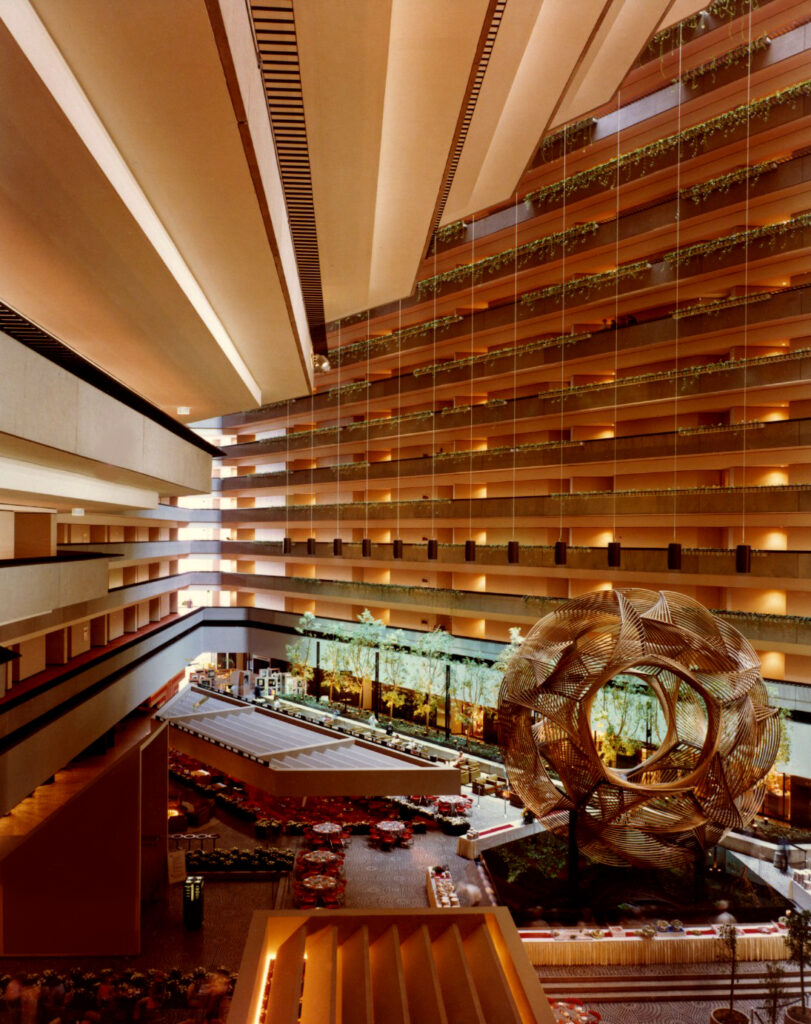
The ability to move quickly was not just a matter of convenience; it was a matter of access. In environments like the Hyatt Embarcadero in San Francisco, the compact nature of the SWC allowed photographers to capture high-end interiors quickly, often concluding a shoot before hotel security or foot traffic could intervene. This "stealth" capability, combined with the professional output of Zeiss optics, made the SWC an indispensable tool for commercial success.
The Versatility of the Superwide: From Architecture to Portraits
While designed for wide-angle vistas and tight interiors, the Hasselblad SWC proved surprisingly adept at environmental portraiture. The lack of distortion meant that subjects placed near the edge of the frame did not suffer from the "stretching" effect common in wide-angle lenses.
However, the shift from architecture to portraiture highlighted the camera’s unique operational requirements. Without a reflex mirror, the photographer must be skilled in "zone focusing." At wider apertures, the margin for error is slim. Yet, when stopped down to f/11 or f/16, the SWC becomes a formidable street and portrait camera. The 6×6 square format encourages a centered, formal composition that has become a hallmark of medium format aesthetics.
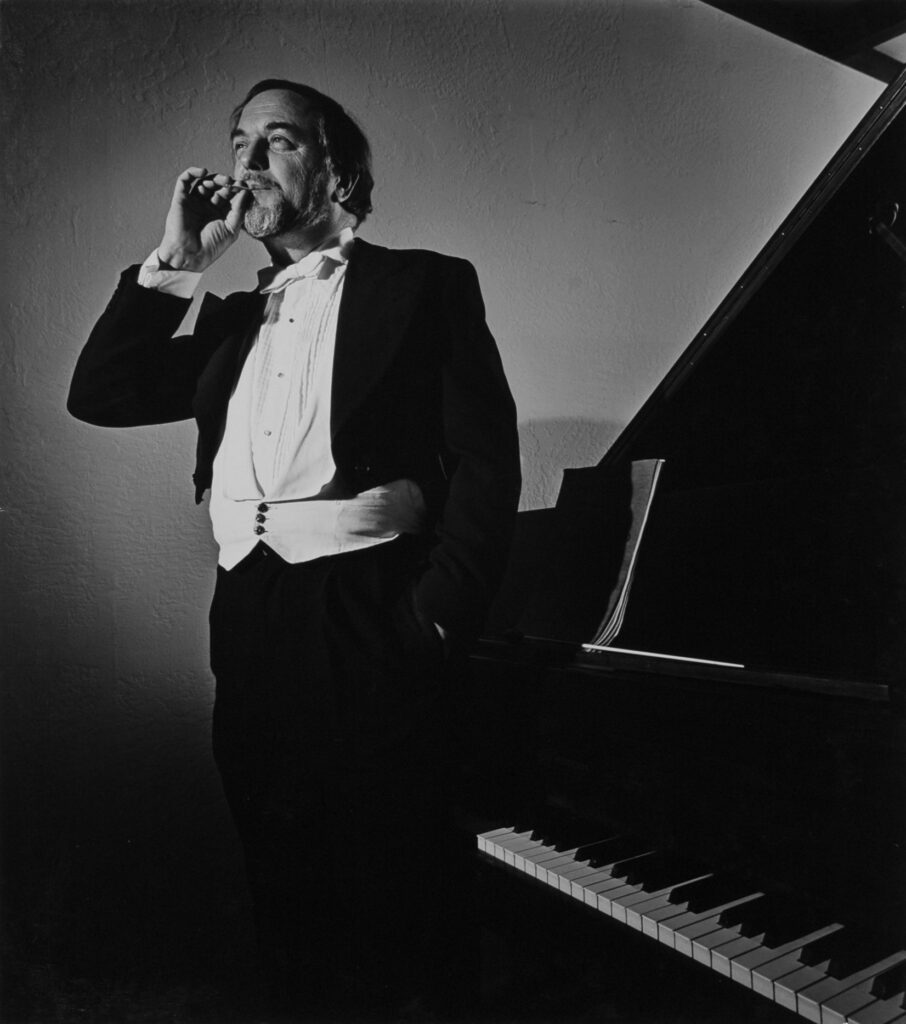
Modern analysis of these images reveals a level of micro-contrast and edge-to-edge sharpness that remains difficult to replicate even with high-end digital zooms. The "Biogon look" is characterized by a clinical clarity that many film enthusiasts argue provides a more realistic sense of space and depth than modern aspherical lens designs.
Market Analysis and the "Seller’s Remorse" Phenomenon
The current secondary market for Hasselblad equipment reflects a broader trend in the "analog gold rush." Prices for V-system components have tripled in the last decade. The SWC, once considered a niche tool because of its fixed lens, is now one of the most coveted models in the lineup.
Industry analysts attribute this price hike to several factors:

- Mechanical Longevity: Unlike digital cameras with sensors that degrade or software that becomes obsolete, a well-maintained SWC from 1954 can still perform at its original factory specifications in 2024.
- The "Instagram" Effect: The square 6×6 format naturally fits the aesthetic of modern social media, drawing a younger generation of photographers to the Hasselblad brand.
- Scarcity: As older units fall into the hands of collectors who do not intend to resell them, the available supply of "user" grade cameras has dwindled.
This market environment has led to a documented rise in "seller’s remorse" among veteran photographers. Many professionals who sold their kits during the transition to digital (circa 2005-2012) are now attempting to buy back the same tools, only to find that the cost of entry has risen significantly. The SWC is frequently cited as the camera photographers most regret selling due to its irreplaceable optical characteristics.
Broader Implications and Future Outlook
The enduring relevance of the Hasselblad Superwide C serves as a case study in the value of specialized engineering. In an era where computational photography and AI-driven distortion correction are standard, the SWC offers a "pure" optical solution. It reminds the photographic community that some problems—such as the laws of physics governing light and glass—were solved decades ago with a level of perfection that remains unsurpassed.
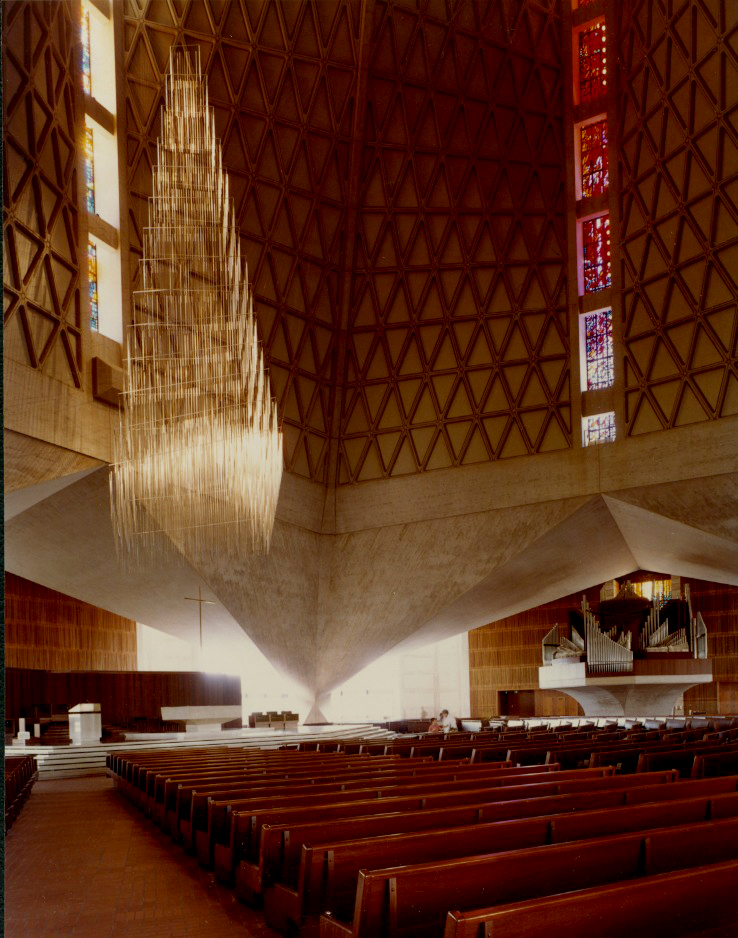
For the modern professional, the SWC is more than a nostalgic relic; it is a bridge between the precision of the past and the creative demands of the present. Whether used for capturing the brutalist geometry of St. Mary’s Cathedral or the intimate details of a conductor in a ballroom, the camera continues to produce negatives that hold their own against 50-megapixel digital sensors. As long as 120 film remains in production, the Hasselblad Superwide C will likely remain a gold standard for wide-angle photography, maintaining its status as a pinnacle of 20th-century industrial design.