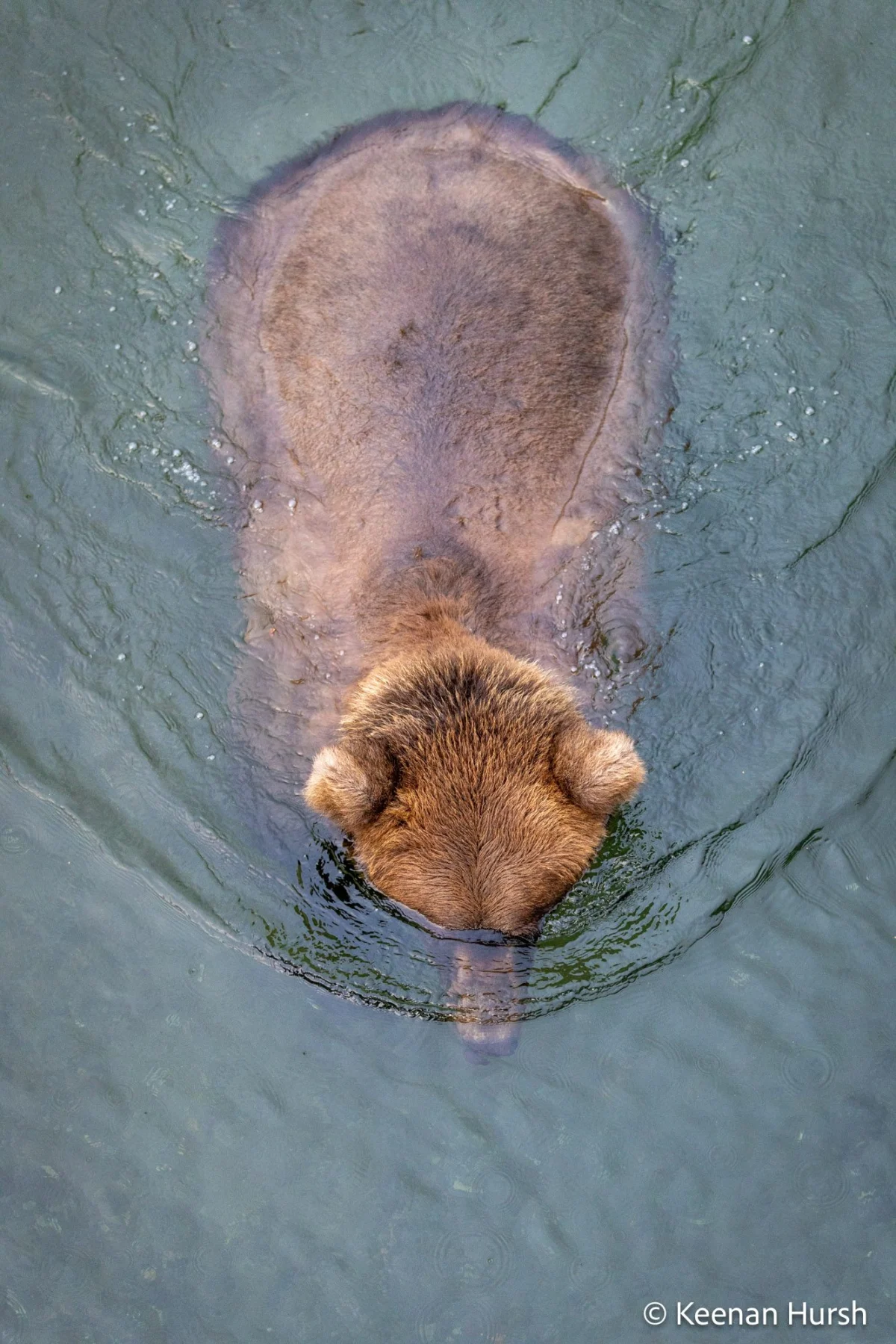
The rugged landscapes of Katmai National Park, Alaska, recently served as the demanding proving ground for a significant piece of photographic technology, the Canon RF 100-300mm f/2.8 L IS USM lens, during a specialized wildlife photography expedition. A professional photography trip leader associated with Backcountry Journeys embarked on two consecutive workshops at the iconic Brooks Falls, renowned globally for its dense population of brown bears. The objective was clear: to capture a diverse portfolio of images, ranging from intimate bear portraits with soft bokeh to expansive environmental shots and dynamic action sequences of bears fishing in the river. Recognizing the unique challenges and opportunities presented by Katmai’s environment, the expedition leader opted to augment their existing Canon EF 600mm f/4 prime lens with the recently released RF 100-300mm f/2.8, acquired through a rental agreement with Lensrentals, a leading provider of photographic equipment. This strategic gear choice proved instrumental in achieving the desired visual outcomes, underscoring the growing trend among professionals to leverage advanced, versatile optics for highly specific and demanding assignments. The successful integration of this high-performance zoom lens into the workflow highlights its capabilities in a real-world, high-stakes wildlife photography scenario, offering valuable insights into its practical applications and performance.
Strategic Planning for a Wilderness Photography Expedition
The successful execution of any professional photography expedition, particularly in remote and challenging environments like Katmai National Park, hinges on meticulous planning and foresight. For the Backcountry Journeys trip leader, this process begins long before departure, often involving periods of focused contemplation and visualization of potential photographic opportunities. These preparatory phases are not merely logistical exercises but creative endeavors, aimed at aligning desired artistic outcomes with the necessary technical tools. The Katmai workshops, focusing intently on the brown bears of Brooks Falls, presented a distinct set of photographic requirements. Katmai National Park, located on the Alaska Peninsula, is celebrated as one of the world’s premier destinations for viewing and photographing brown bears in their natural habitat, particularly at Brooks Falls where thousands of Sockeye salmon migrate upstream, attracting a concentrated population of bears. This natural spectacle offers unparalleled opportunities for close-range wildlife encounters. However, this proximity also necessitates a versatile approach to focal lengths. While a super-telephoto prime lens like the Canon EF 600mm f/4 is invaluable for distant subjects and compressed perspectives, the dynamic nature of bear activity at Brooks Falls – from bears wading near viewing platforms to charging through rapids – demands flexibility.
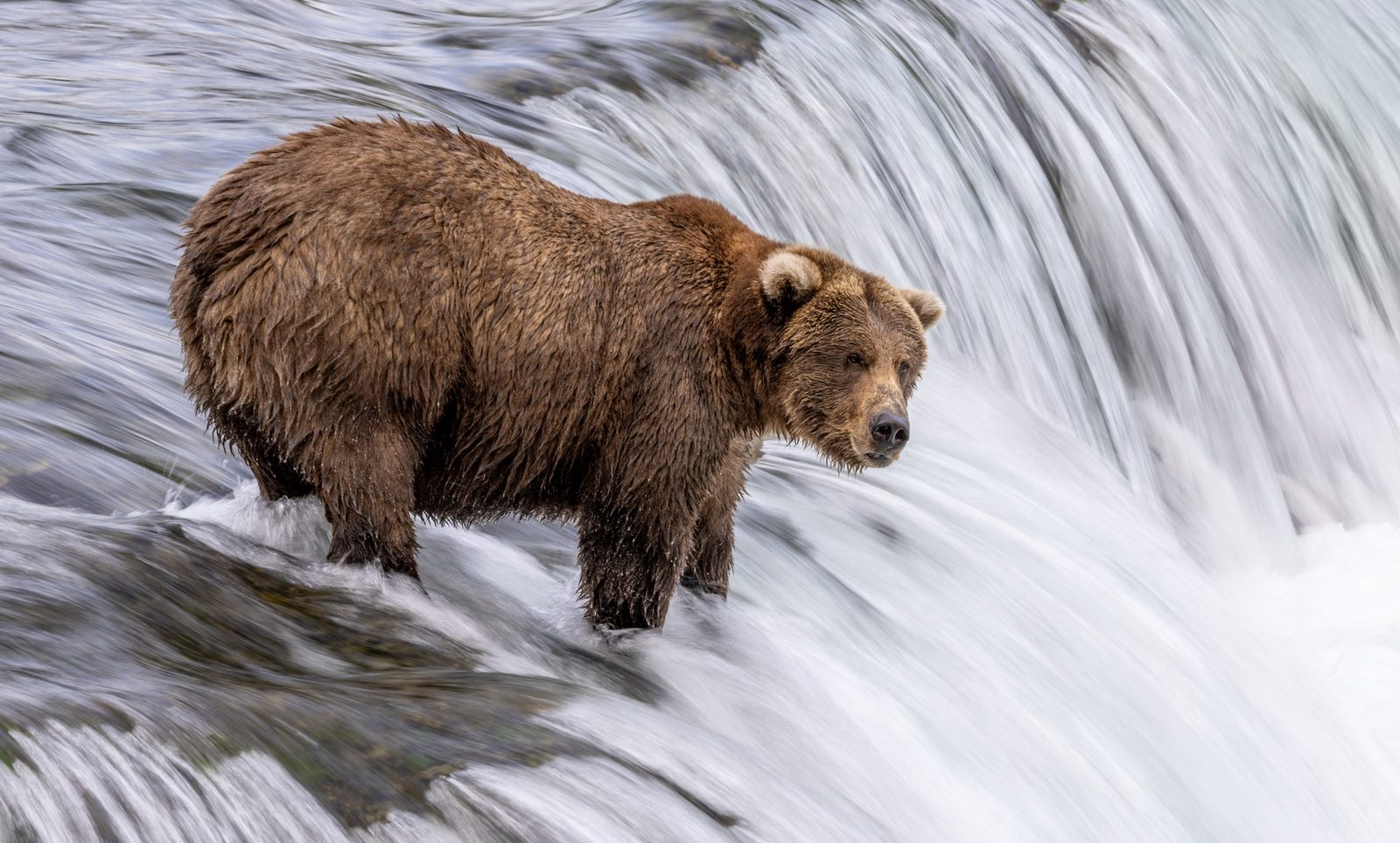
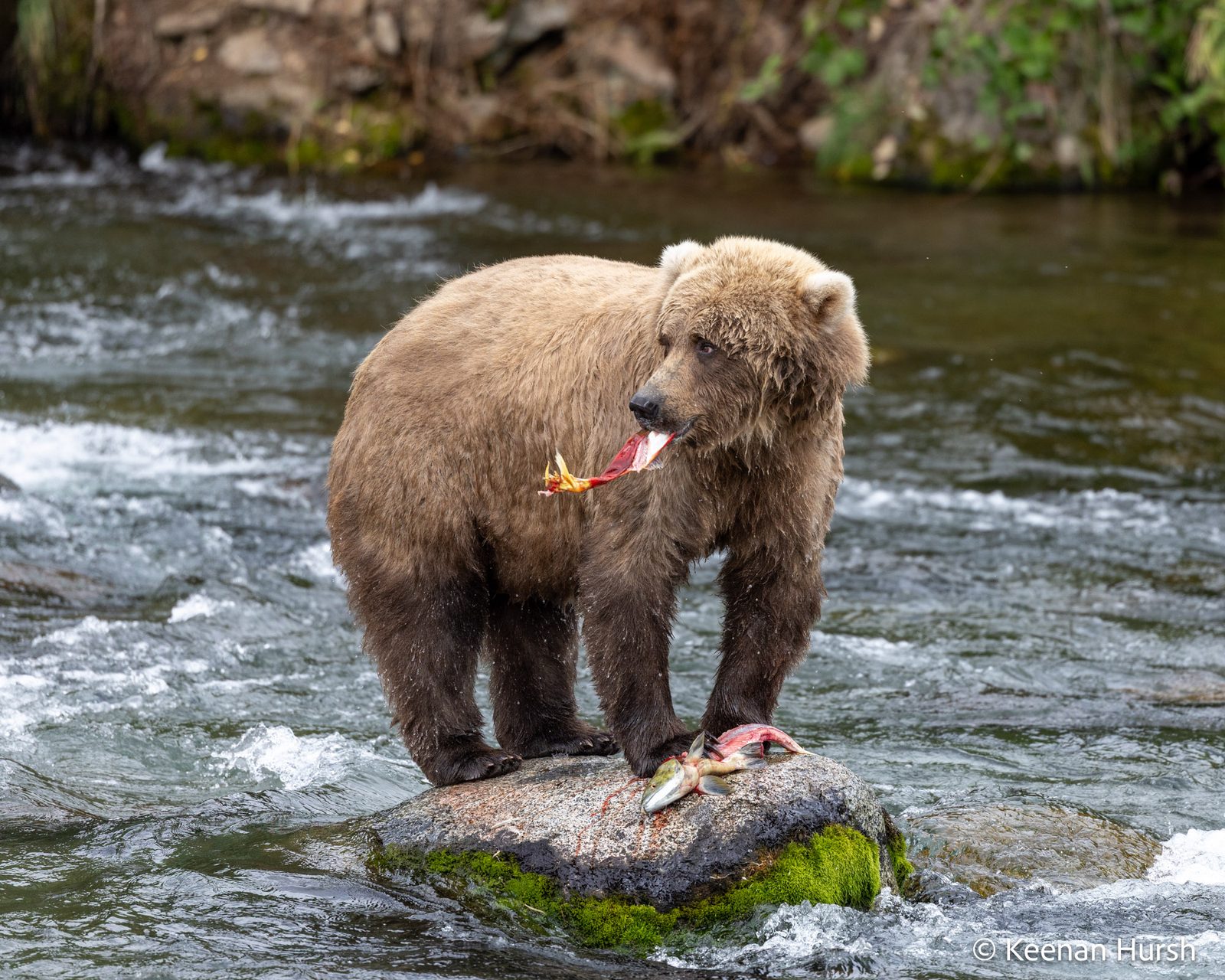
The photographer identified a need to capture three distinct types of images: close-up, isolated portraits of bears with creamy, out-of-focus backgrounds; wider-angle environmental shots that place the bears within their stunning Alaskan habitat; and sharp, high-speed action shots of bears actively fishing. Achieving this trifecta required a lens capable of performing across a broad telephoto range with consistent optical excellence and a fast maximum aperture. The existing 600mm prime, while superb for reach, would be too narrow for many of the closer interactions and environmental contexts. This analytical approach to gear selection led to the consideration of a lens that could bridge the gap, offering both versatility and uncompromised image quality. This foresight is critical for professional trip leaders who must not only capture their own compelling imagery but also guide and educate workshop participants on effective photographic techniques in challenging field conditions.
The Advent of the Canon RF 100-300mm f/2.8 L IS USM
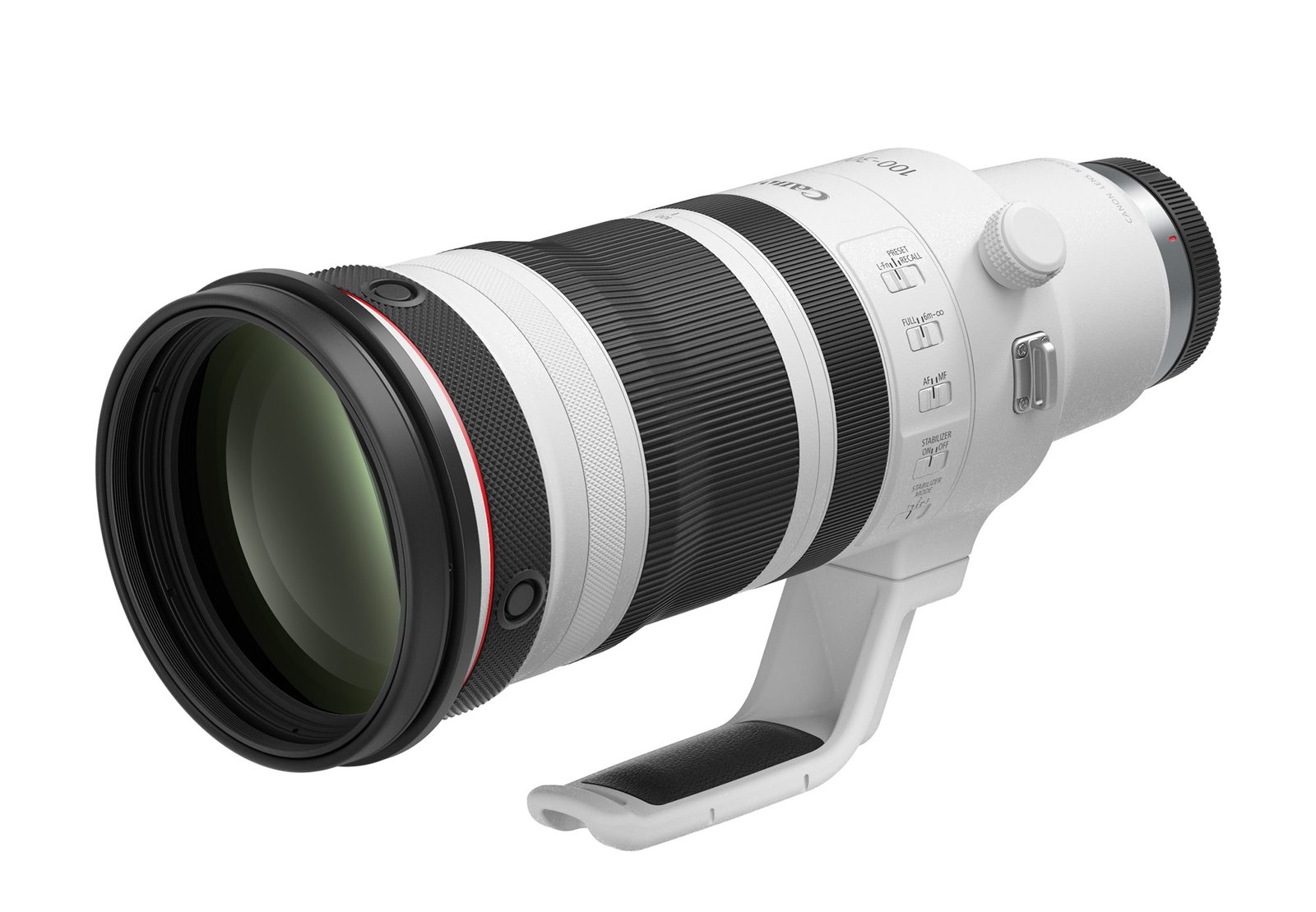
The Canon RF 100-300mm f/2.8 L IS USM, a relatively recent addition to Canon’s professional-grade RF lens lineup, represents a significant engineering achievement and a strategic shift for the manufacturer. Announced approximately a year prior to these workshops, in April 2023, the lens quickly garnered attention for its unique combination of a constant f/2.8 maximum aperture across a 100-300mm zoom range, coupled with Canon’s renowned L-series optical quality and robust image stabilization. This design ethos signals Canon’s commitment to producing high-performance telephoto zoom lenses that rival the sharpness and light-gathering capabilities traditionally associated with prime lenses, while offering the unparalleled flexibility of a zoom.
Industry analysts have noted that the RF 100-300mm f/2.8 fills a crucial niche for professionals who require both speed and versatility in challenging shooting conditions, such as sports, events, and, critically, wildlife photography where subject distance can vary rapidly. Its predecessor in the EF mount, while excellent, did not offer the same exact focal range and constant aperture combination in a single lens, making the RF version a distinct proposition. The lens boasts a sophisticated optical formula designed to minimize aberrations and deliver exceptional resolution from edge to edge, even wide open at f/2.8. Furthermore, its integrated optical image stabilization system is engineered to provide up to 5.5 stops of correction (or up to 6 stops with a compatible camera body featuring in-body image stabilization), enabling sharper handheld shots in lower light or at slower shutter speeds, a critical advantage when photographing fast-moving wildlife in variable conditions. This technological advancement allows photographers to maintain lower ISO settings, thus preserving image quality by minimizing digital noise.
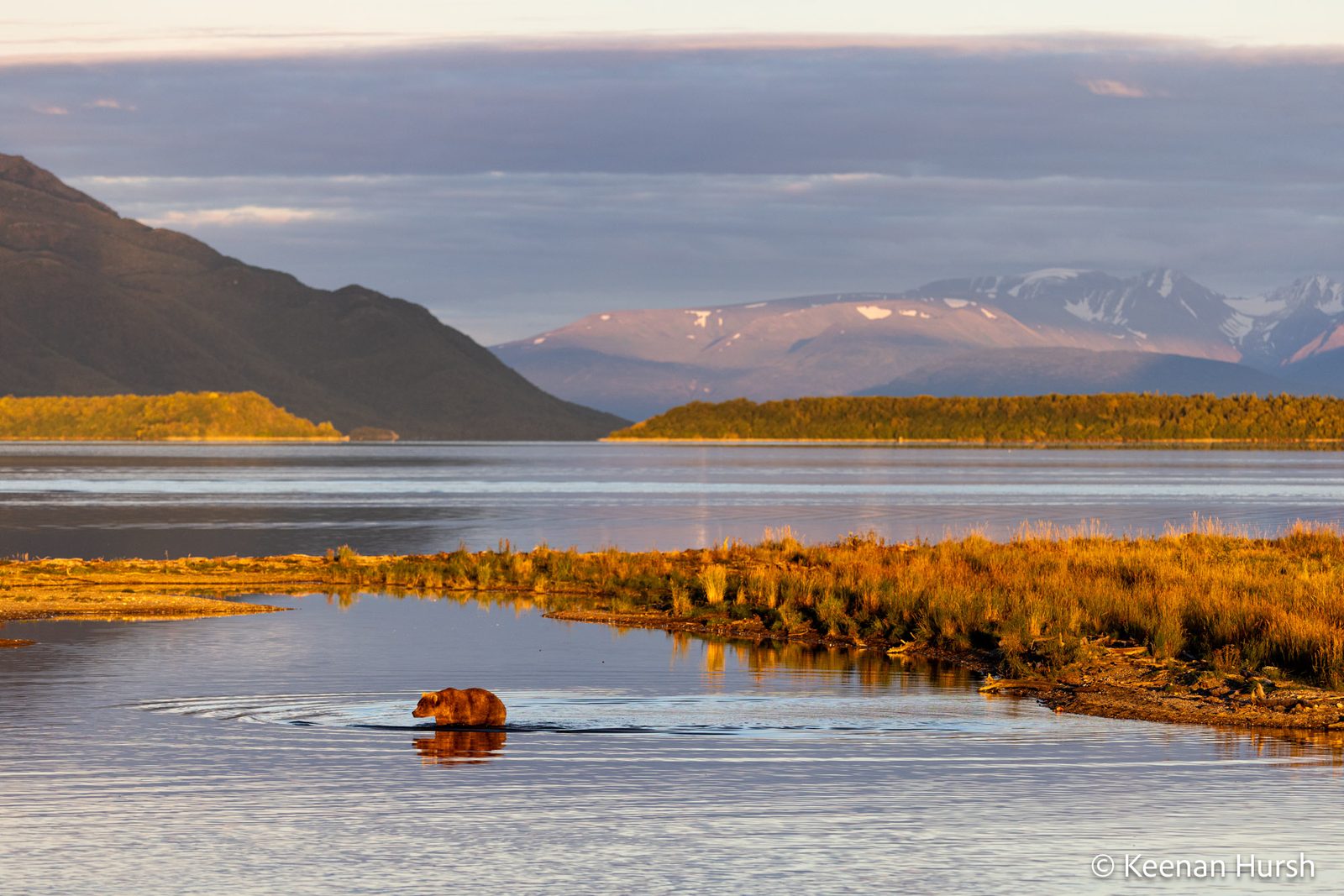
For the Katmai expedition leader, the specifications of the RF 100-300mm f/2.8 aligned perfectly with the identified gaps in their gear arsenal. The ability to zoom from 100mm to 300mm without sacrificing aperture allowed for rapid adjustments to composition as bears moved closer or further away, or as the photographer transitioned between capturing a wide environmental scene and a tighter portrait. The f/2.8 aperture was essential for achieving the desired shallow depth of field for subject isolation, rendering the "creamy backgrounds" that are highly sought after in wildlife portraiture. Moreover, the inherent light-gathering capability of f/2.8 is invaluable in the often overcast or early morning/late evening light conditions prevalent in Alaskan wilderness, where light can be fleeting and dramatic.
Leveraging Lensrentals for Specialized Equipment Access
Given the Canon RF 100-300mm f/2.8’s status as a high-end, specialized, and consequently expensive piece of equipment (with a retail price often exceeding $10,000 USD), outright purchase for every professional photographer is not always feasible or necessary. This is where services like Lensrentals play a pivotal role in the professional photography ecosystem. Lensrentals provides photographers with temporary access to a vast array of cutting-edge cameras, lenses, and accessories, enabling them to utilize specific tools for particular projects without the significant capital investment.
The Backcountry Journeys leader had a history of positive experiences with Lensrentals, reinforcing their decision to procure the RF 100-300mm f/2.8 through their service. The rental model offers several advantages:
- Cost-Effectiveness: For a single, intensive expedition, renting is significantly more economical than purchasing a lens that might not see daily use throughout the year. The cost of renting for an 8-day period is a fraction of the purchase price, making high-value equipment accessible for project-specific needs.
- Access to Latest Technology: Rental houses frequently update their inventory, providing photographers with access to the newest and most advanced gear as soon as it becomes available on the market, bypassing potential supply chain delays or initial high demand.
- Trial and Evaluation: Renting allows professionals to thoroughly test a lens in real-world conditions before committing to a purchase, validating its suitability for their specific needs and workflow. This "try before you buy" approach minimizes financial risk.
- Reduced Maintenance Burden: The responsibility for maintenance, insurance, and storage of expensive equipment falls to the rental company, alleviating these overheads for individual photographers.
- Flexibility and Adaptability: Photographers can tailor their gear selection to each specific assignment, ensuring they always have the optimal tools without being tied to a fixed equipment inventory.
The seamless process of renting from Lensrentals ensured that the photographer could integrate this crucial lens into their kit well in advance of the Katmai workshops, allowing for familiarization and testing prior to deployment in the field. This logistical efficiency is paramount for expedition leaders who manage complex itineraries and diverse groups of participants. "The increasing demand for specialized, high-performance lenses like the RF 100-300mm f/2.8 highlights the value of rental services for professionals seeking to expand their capabilities without significant capital investment," a representative from Lensrentals might observe, underscoring the growing importance of their role in the industry.
On-Location Performance: The RF 100-300mm f/2.8 at Brooks Falls
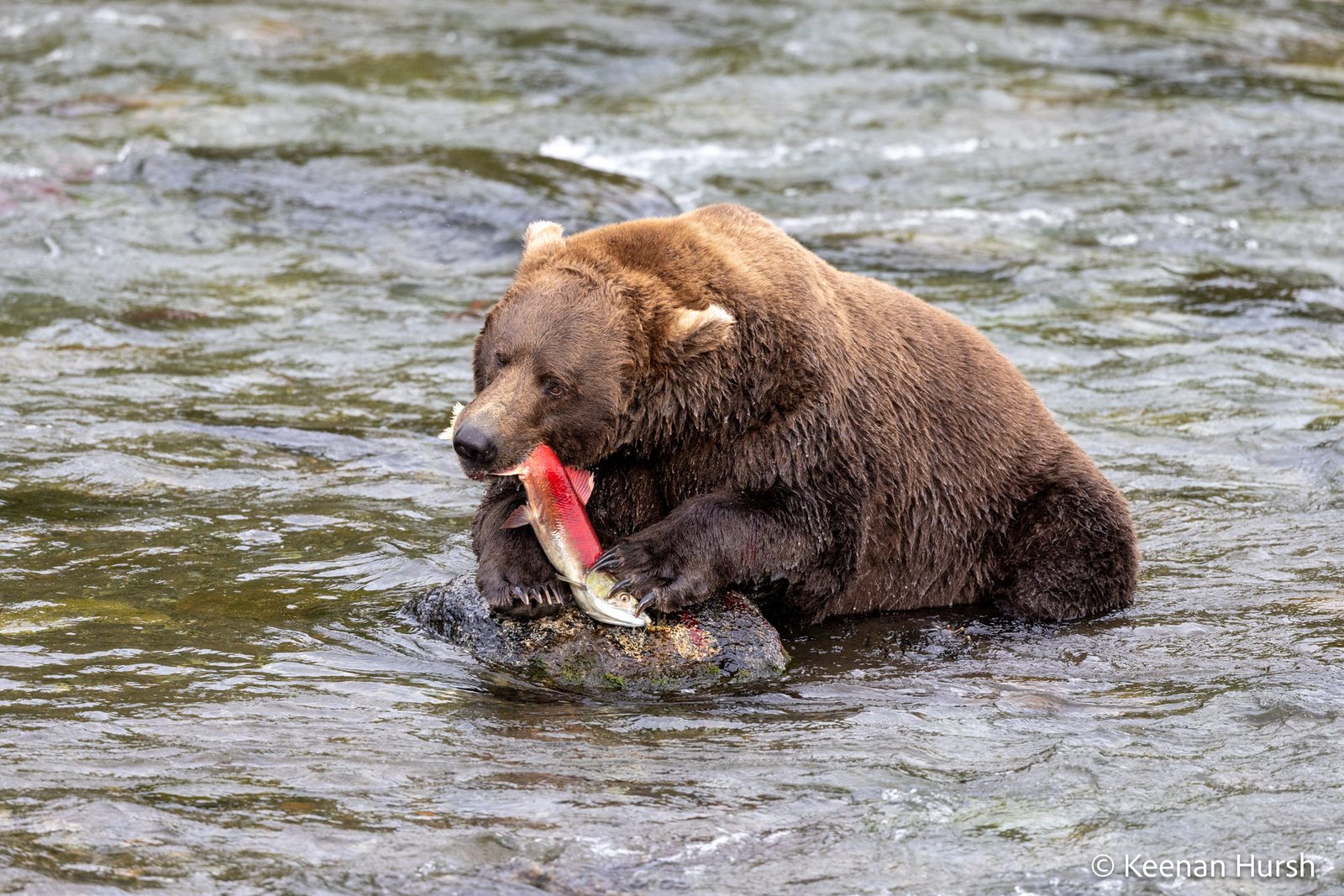
The eight-day intensive workshops at Brooks Falls provided an exceptional environment to evaluate the Canon RF 100-300mm f/2.8 L IS USM’s capabilities. The unique setup at Brooks Falls, with designated viewing platforms offering relatively close and consistent access to brown bears, played directly into the strengths of this versatile zoom. The photographer observed that the lens became their primary choice for almost every encounter within 50-75 yards. This range is particularly critical at Brooks, where bears can unexpectedly emerge from the river, climb onto the banks near platforms, or engage in fishing activities within close proximity.
The ability to fluidly adjust focal length from 100mm to 300mm proved invaluable. The photographer often initiated shooting with their 600mm prime for bears at greater distances, then smoothly transitioned to the 100-300mm as subjects approached. This adaptability allowed for continuous shooting without the time-consuming and often disruptive need to change lenses, minimizing missed photographic opportunities. "The RF 100-300mm f/2.8 proved indispensable for capturing the dynamic range of encounters at Brooks Falls, offering both the reach and versatility needed for close-up portraits and fast-paced action," the expedition leader stated, reflecting on its utility.
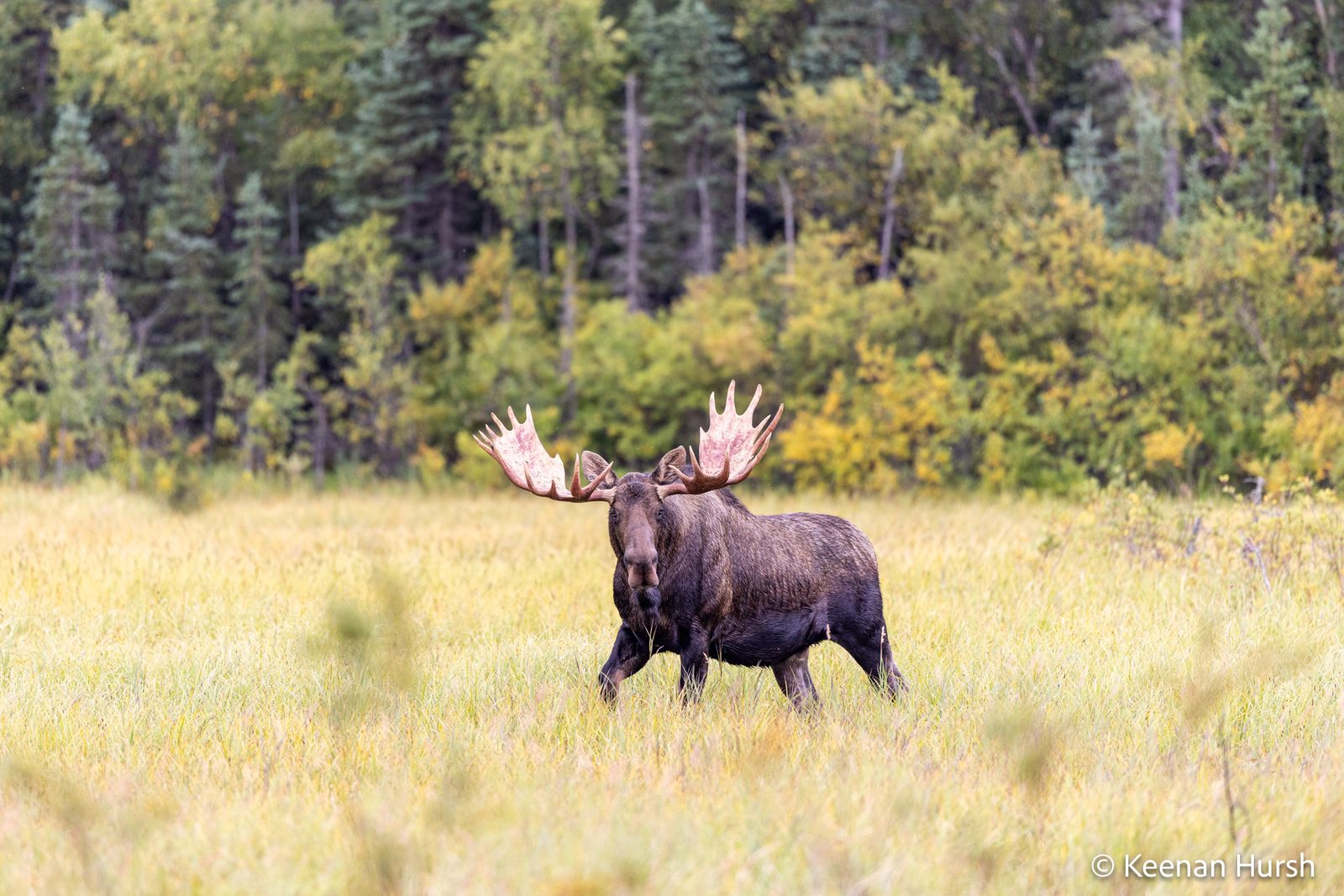
Key performance aspects highlighted during the expedition included:
- Exceptional Sharpness: Images captured across the zoom range and at various apertures exhibited remarkable sharpness and detail, a testament to Canon’s L-series optics. This enabled high-quality prints and detailed crops in post-processing, essential for professional-grade output.
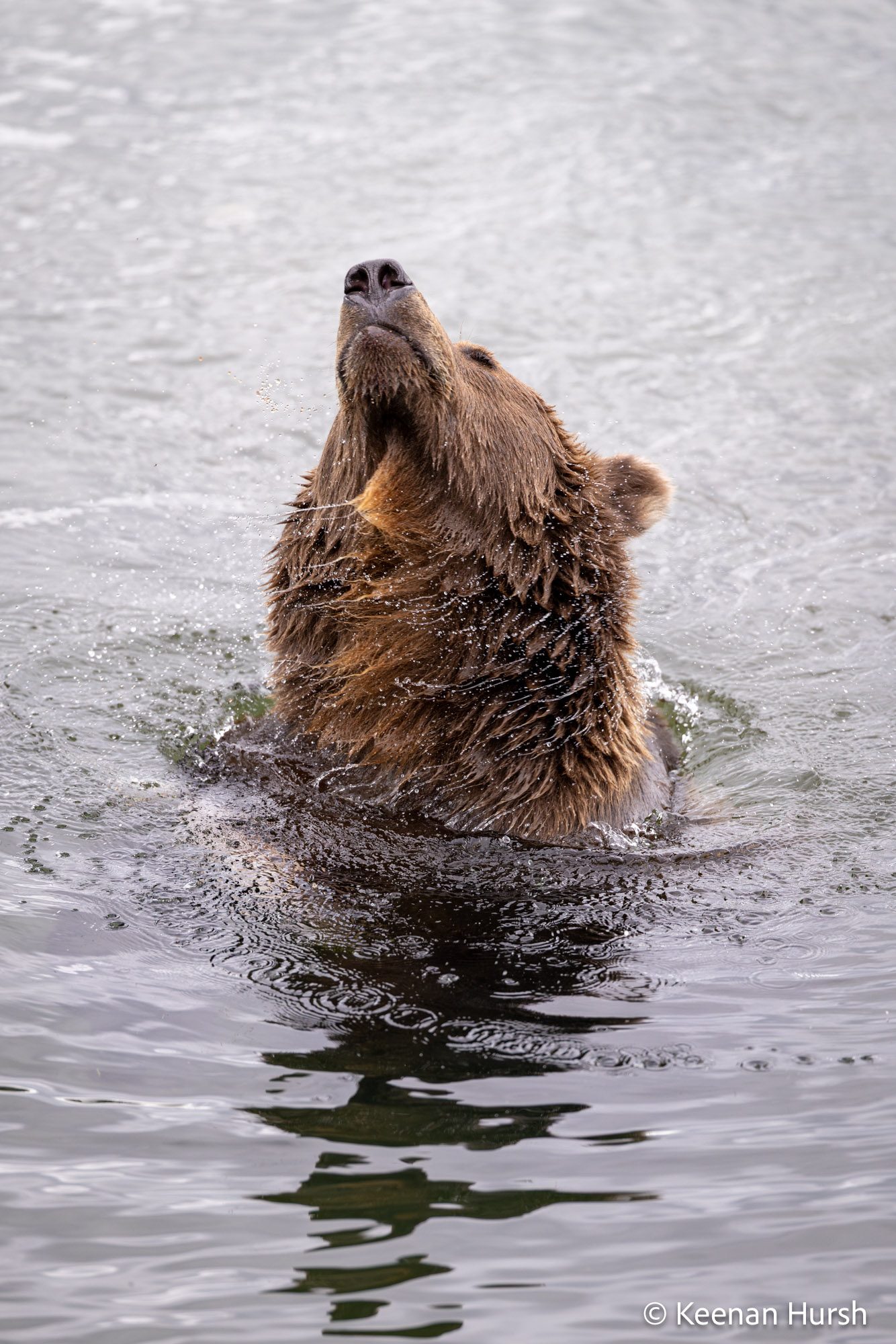
- Superb Subject Isolation (Bokeh): The constant f/2.8 aperture, combined with the telephoto compression, consistently produced beautifully blurred backgrounds, effectively isolating the bears from their surroundings and drawing the viewer’s eye to the subject. This was critical for achieving the desired "creamy background" portrait shots that convey emotion and intimacy.
- Effective Image Stabilization: The integrated Image Stabilization (IS) system was instrumental, especially in low-light conditions common during early mornings or late evenings in the Alaskan wilderness. It allowed for shooting at slower shutter speeds without significantly increasing ISO, preserving image quality and reducing noise. This was particularly beneficial for handheld shots or when tracking moving subjects, contributing to a higher percentage of keepers.
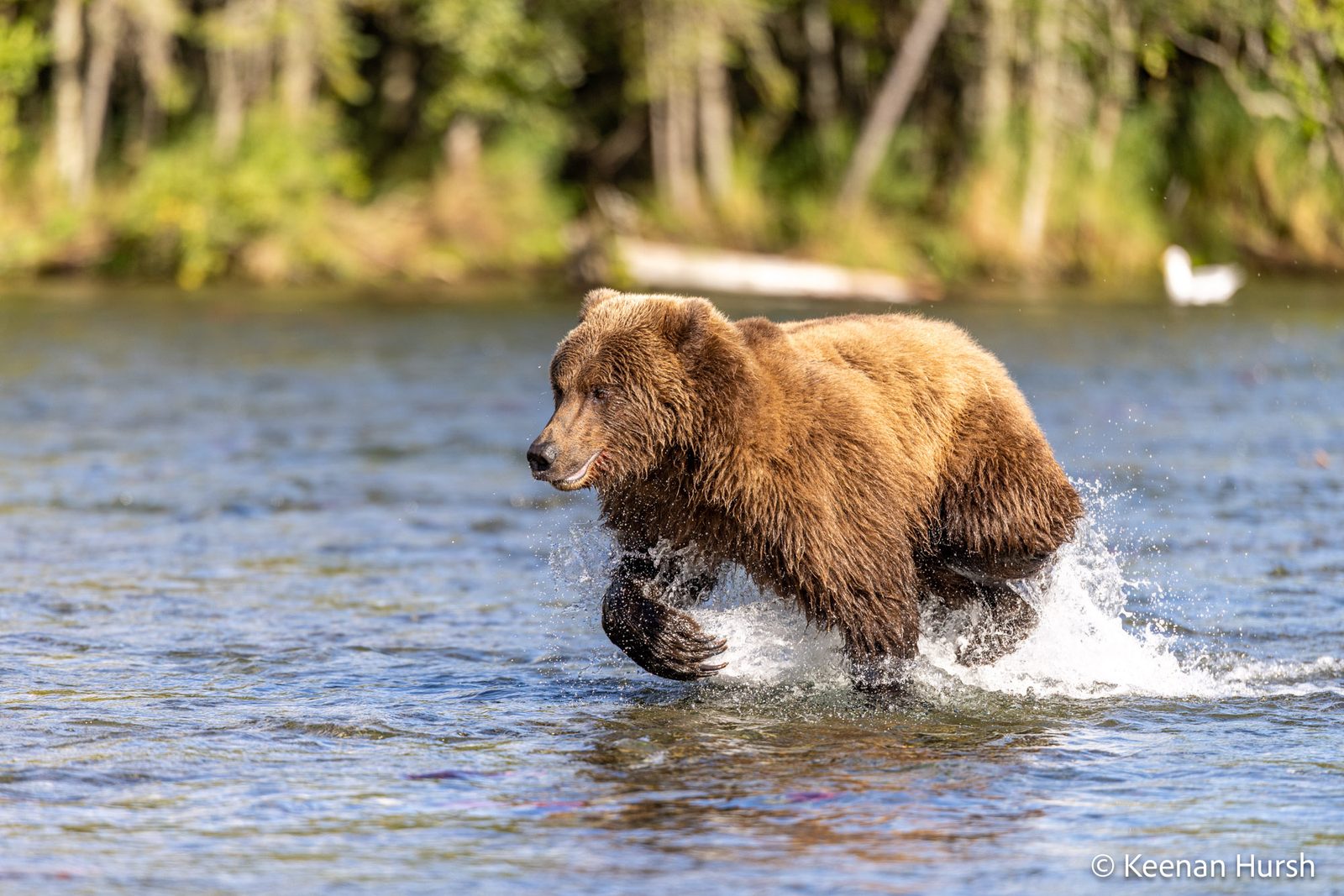
- Fast and Accurate Autofocus: The lens’s autofocus system, when paired with a compatible Canon R-series mirrorless body, demonstrated swift and precise tracking capabilities, essential for capturing the unpredictable and rapid movements of fishing bears. This ensured a high hit rate for action sequences, critical for capturing the decisive moment of a bear leaping for a salmon.
- Robust Build Quality: The L-series construction provided confidence in the lens’s ability to withstand the rigors of field use in a demanding environment, including potential exposure to moisture and dust. Its weather-sealed design is a crucial feature for outdoor and wildlife photographers.
While overwhelmingly positive, the photographer noted only minor considerations. These subjective observations included its size and weight, which, while manageable for its class, still required careful handling and transport, and its premium cost, which makes the rental option particularly attractive. However, these were deemed negligible in comparison to the optical performance and versatility delivered, affirming the lens as a powerful tool for specialized assignments.
Industry Implications and the Future of Telephoto Zooms
The successful deployment of the Canon RF 100-300mm f/2.8 L IS USM in such a high-profile wildlife setting has broader implications for both photographic technology and the professional imaging market. Canon’s aggressive pursuit of high-performance RF telephoto zooms signals a clear direction: to provide photographers with lenses that offer the best of both worlds – the flexibility of a zoom and the optical prowess of a prime. This trend is likely to continue, with other manufacturers potentially following suit, pushing the boundaries of what is optically achievable in zoom lens design. "The Canon RF 100-300mm f/2.8 L IS USM represents a cornerstone in our strategy to deliver unparalleled optical performance in versatile zoom formats, designed to meet the rigorous demands of professional wildlife and sports photographers," a Canon spokesperson might articulate, highlighting the strategic importance of this product.
For wildlife photography, specifically, this class of lens changes the game. It allows photographers to react more dynamically to evolving scenes, capturing a wider array of perspectives without compromising on image quality or having to carry multiple heavy prime lenses. This versatility is crucial for workshop leaders who need to demonstrate adaptability and capture diverse examples for their students. The ability to quickly compose a wide shot then zoom in for a tight portrait without changing lenses optimizes time and reduces the risk of disturbing wildlife.
Furthermore, the experience reinforces the vital role of equipment rental services in democratizing access to professional-grade tools. As lens technology advances and manufacturing costs for these specialized optics remain high, rental companies provide an essential bridge, allowing professionals and serious enthusiasts to leverage cutting-edge gear for specific projects, test new systems, and manage their equipment budgets more effectively. This model supports innovation by enabling broader adoption and real-world testing of new technologies. For Backcountry Journeys, ensuring their trip leaders are equipped with optimal gear directly enhances the quality of their workshops and the photographic success of their clients.
Conclusion: A Testament to Planning and Precision Optics
The Katmai National Park expedition, led by a Backcountry Journeys professional, stands as a compelling testament to the synergy between meticulous planning, strategic gear selection, and the advanced capabilities of modern optical engineering. The Canon RF 100-300mm f/2.8 L IS USM, rented for the occasion, proved to be an indispensable tool, enabling the capture of a stunning array of brown bear images that would have been significantly more challenging, if not impossible, with a less versatile setup. The lens delivered on its promise of razor-sharp imagery, exceptional subject isolation, and reliable performance in demanding conditions, solidifying its position as a top-tier option for professional wildlife photographers. This experience not only contributed to the success of the photography workshops but also provided valuable real-world data confirming the efficacy of Canon’s innovative lens design and the invaluable service offered by equipment rental providers like Lensrentals. For photographers contemplating similar ambitious projects, this case study underscores the importance of carefully assessing photographic needs and considering high-performance rental options to ensure optimal outcomes. The resulting collection of images serves as a vivid demonstration of what can be achieved when preparation meets precision optics in the heart of the Alaskan wilderness.