The world of visual storytelling is often a nuanced landscape, and within it, street photography and photojournalism, while sharing common ground, occupy distinct territories with fundamentally different aims and ethical frameworks. Photojournalism is primarily concerned with the accurate and contextual documentation of news and events, a pursuit that sometimes unfolds on public streets. Its core mandate is factual storytelling, devoid of ambiguity, and typically produced for media outlets that adhere to stringent ethical standards of objectivity and minimal manipulation. In contrast, street photography delves into the candid, often artistic, capture of everyday life and urban scenes. It prioritizes mood, composition, humor, juxtaposition, and the serendipitous discovery of spontaneous moments, often embracing ambiguity and posing questions rather than providing definitive answers.
Both disciplines, however, hinge on candid shooting, keen observational skills, and an acute eye for decisive moments. The critical differentiator lies in their underlying intent. Photojournalists are driven by the imperative to inform audiences and serve as a record of events, preserving evidence for public understanding. Street photographers, conversely, are guided by their personal vision, seeking aesthetic expression and social commentary, often infused with elements like light or dark humor, ambiguity, and striking juxtapositions.
The practicalities and legalities surrounding these genres also diverge. Photojournalists operate within established editorial guidelines and navigate complex consent rules, particularly for sensitive stories, aiming for responsible reporting. Street photographers, while not bound by institutional mandates, must exercise a nuanced understanding of privacy norms and artistic freedom, self-regulating their approach to ensure ethical considerations are met.
While these genres can intersect—a street photograph might capture a newsworthy event, or a photojournalistic image might possess the aesthetic qualities of street photography—understanding their fundamental goals is crucial for clarifying approach, responsibility, and audience expectations. These differing objectives inform distinct practices and ethical considerations.
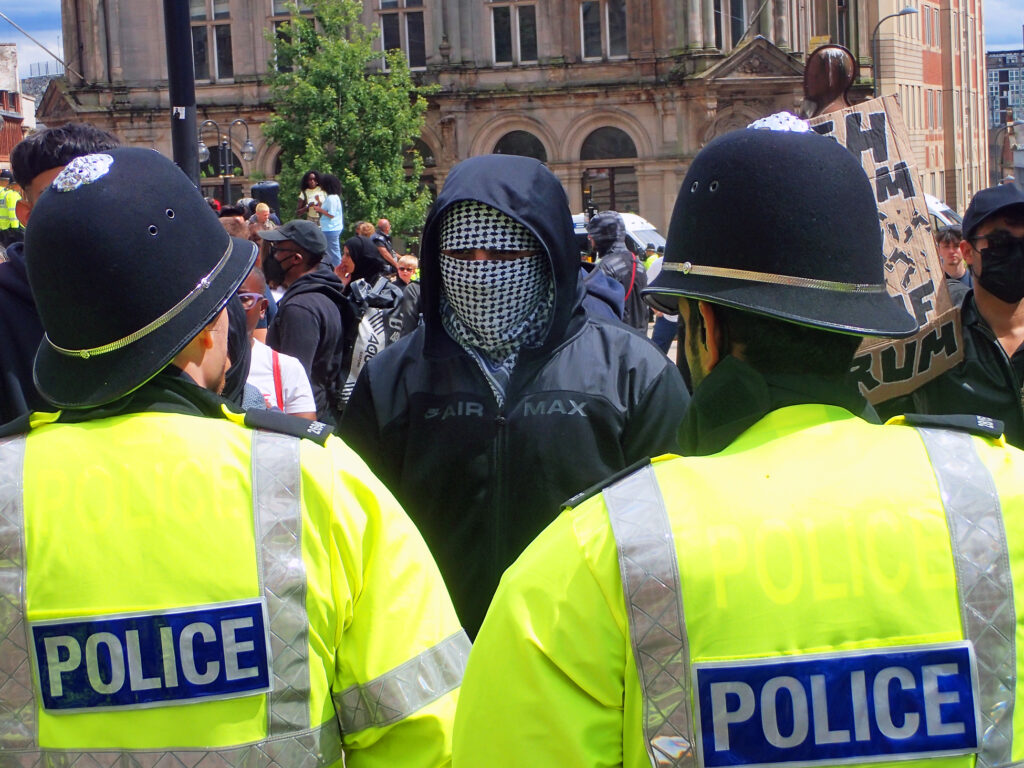
The essence of exceptional street photography often relies on serendipity and impeccable timing. It demands the capture of fleeting, unplanned moments characterized by perfect composition, lighting, and expression. This requires a photographer to maintain a constant presence, possess quick reflexes, and benefit from a degree of luck. Photojournalism, on the other hand, frequently involves planned coverage around known events and predictable journalistic beats.
Street photographers, in general, must achieve a compelling narrative cohesion and strong visual design—encompassing composition, contrast, and mood—along with implied storytelling within a single frame. This is in contrast to photojournalists, who can build narratives across a series of images and accompanying captions, providing a more explicit and contextualized account.
The evaluation of street photography is heavily weighted towards personal vision, originality, and emotional resonance, leading to a more subjective standard of "greatness." Photojournalism, with its emphasis on factual accuracy and relevance, possesses clearer editorial criteria that guide the assessment of successful outcomes.
Ethical Frameworks: A Divergent Path
The ethical considerations for street photography and photojournalism, while both requiring awareness, operate on different planes of obligation. Photojournalism carries stricter, institutionally enforced duties to truth and harm avoidance. This often involves adhering to codes of conduct established by news organizations and journalistic bodies, ensuring that images do not misrepresent reality or exploit vulnerable individuals. The potential for widespread dissemination of photographic information in photojournalism necessitates a high degree of accountability.
Street photography, by its nature, is largely self-regulated. While there is no central governing body, practitioners are expected to navigate a landscape of artistic freedom with respect for their subjects. This self-imposed ethical framework involves a careful balancing act between the desire for candid capture and the recognition of individuals’ privacy. The subjective nature of its appraisal means that ethical transgressions can lead to reputational damage within the community, but the enforcement mechanisms are less formal and more community-driven. The emphasis here is on the photographer’s individual conscience and their engagement with the unspoken social contract of public spaces.
The Art of Observation: Capturing the Fleeting Moment
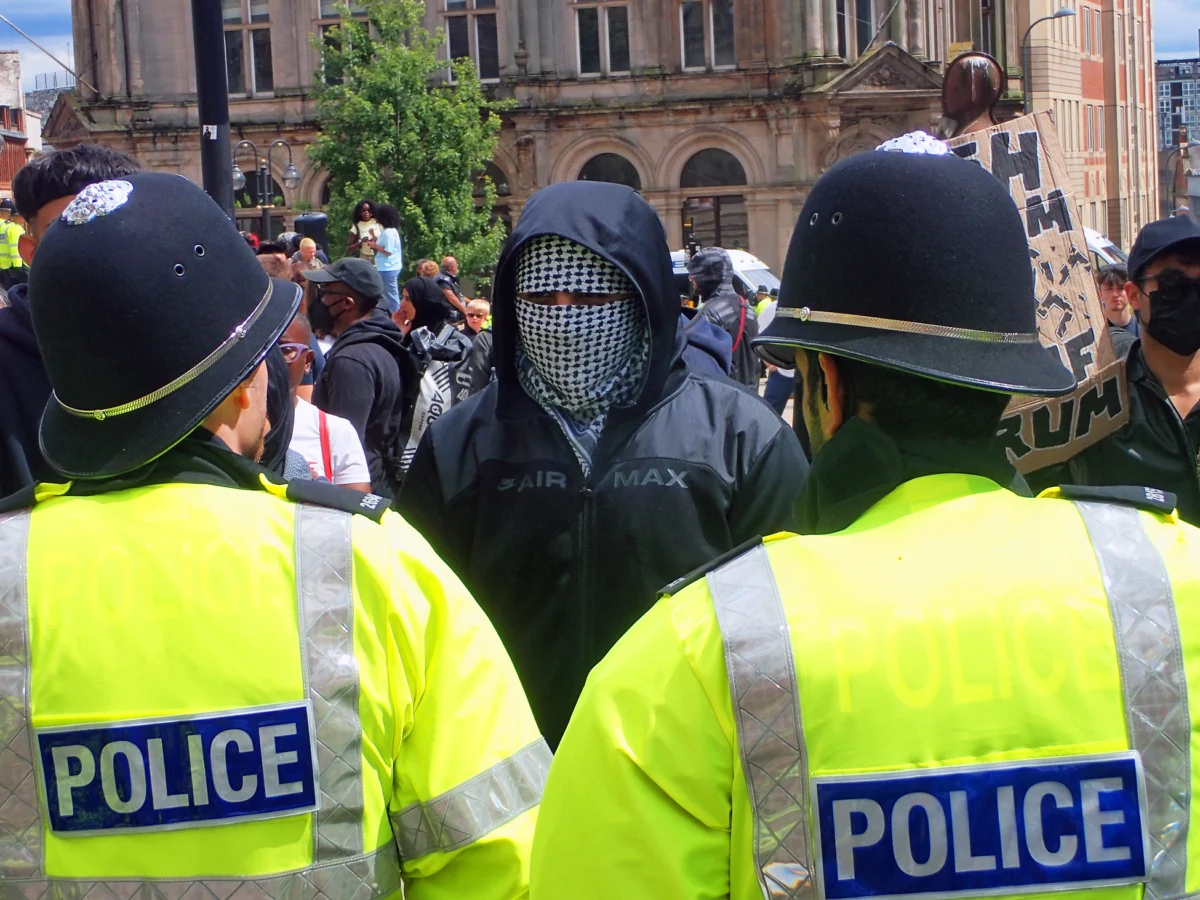
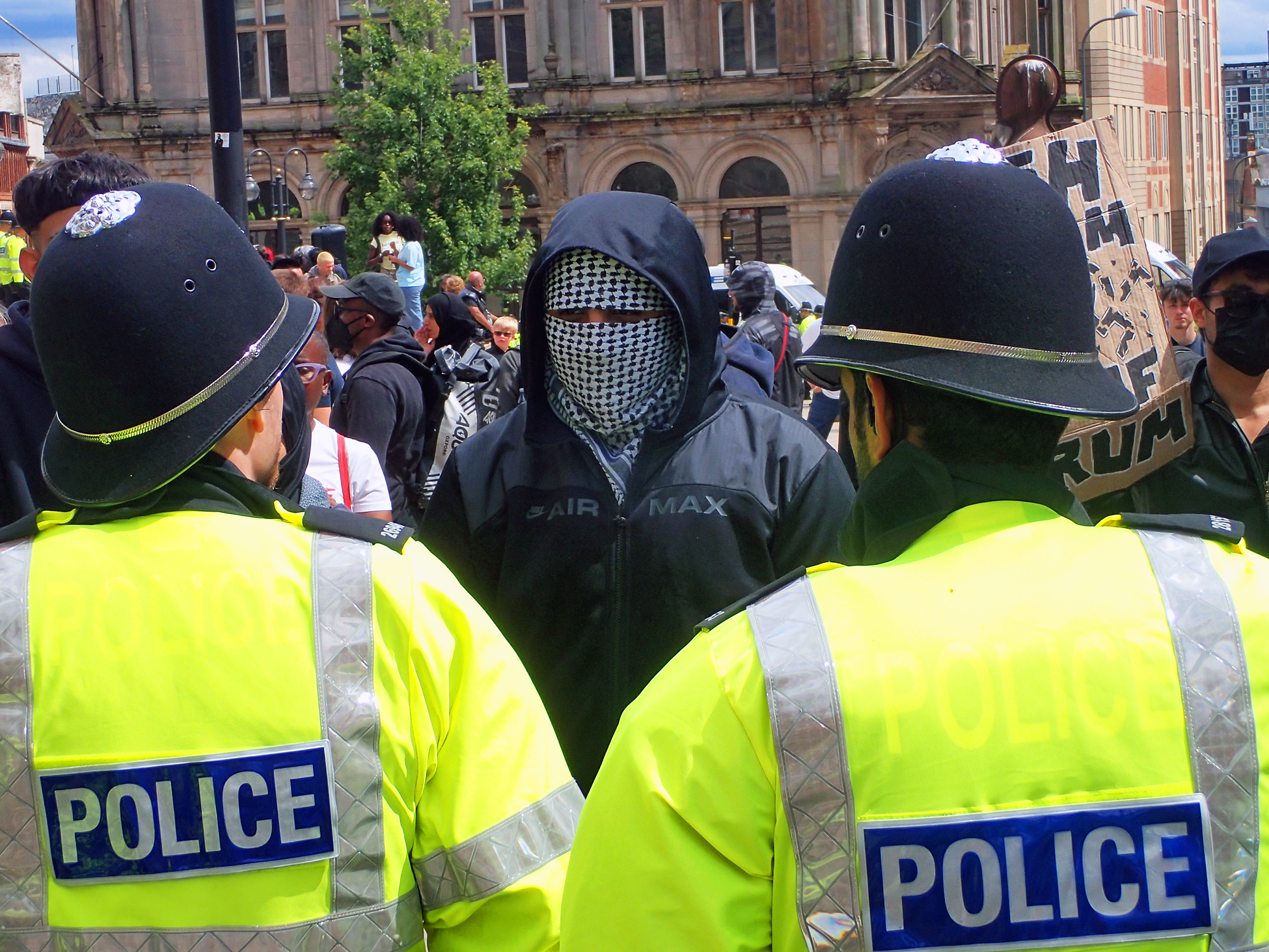
The skill of observation is paramount in both genres, but its application differs significantly. A photojournalist’s observational prowess is honed to identify and document events that have a bearing on public knowledge and understanding. They are trained to discern the unfolding of a narrative, to anticipate key moments, and to capture them with clarity and impact. This often involves being present at scheduled events, press conferences, or protests, where the visual elements of the story are often predictable, though the precise unfolding of moments remains unpredictable. Their work serves to inform, to bear witness, and to provide a visual record of significant occurrences.
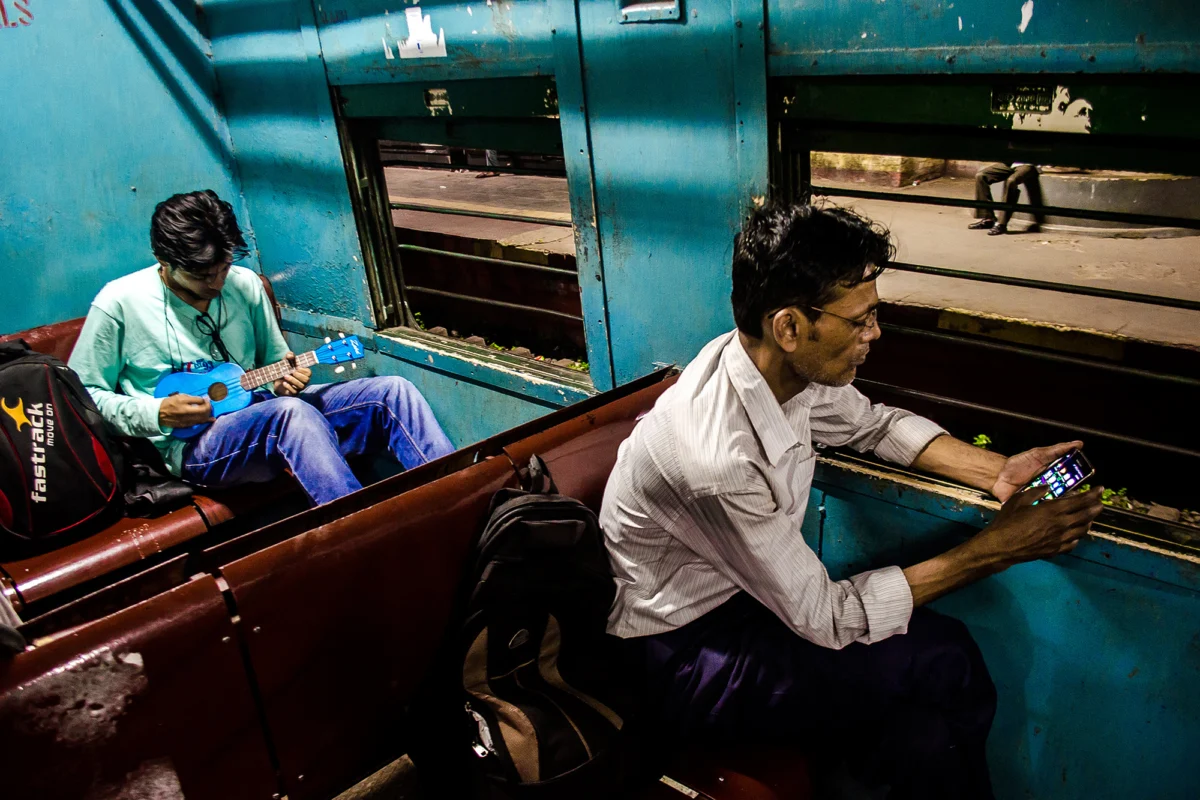
Street photographers, conversely, train their observational skills on the minutiae of everyday life. They seek out the unexpected, the subtle interactions, the moments of humor or poignancy that often go unnoticed. Their "beats" are the streets themselves, the public spaces where human behavior plays out in its unvarnished form. The decisive moment for a street photographer might be a fleeting expression, an unusual juxtaposition of elements, or a perfectly timed gesture that encapsulates a broader truth about urban existence. This requires a continuous, almost meditative, presence in public spaces, allowing them to be attuned to the subtle rhythms and unexpected occurrences that constitute the fabric of street life. The goal is not necessarily to document an event of public import, but to reveal the extraordinary within the ordinary.
Composition and Narrative: Single Frame vs. Series
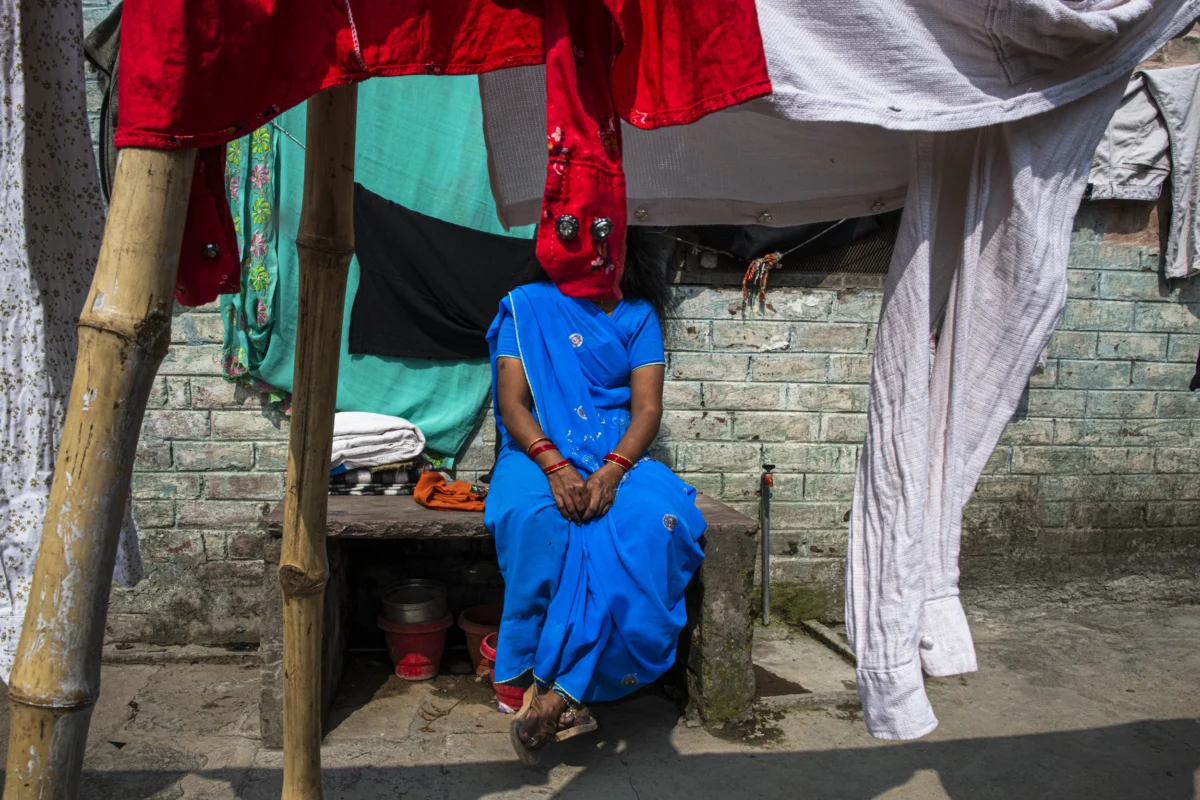
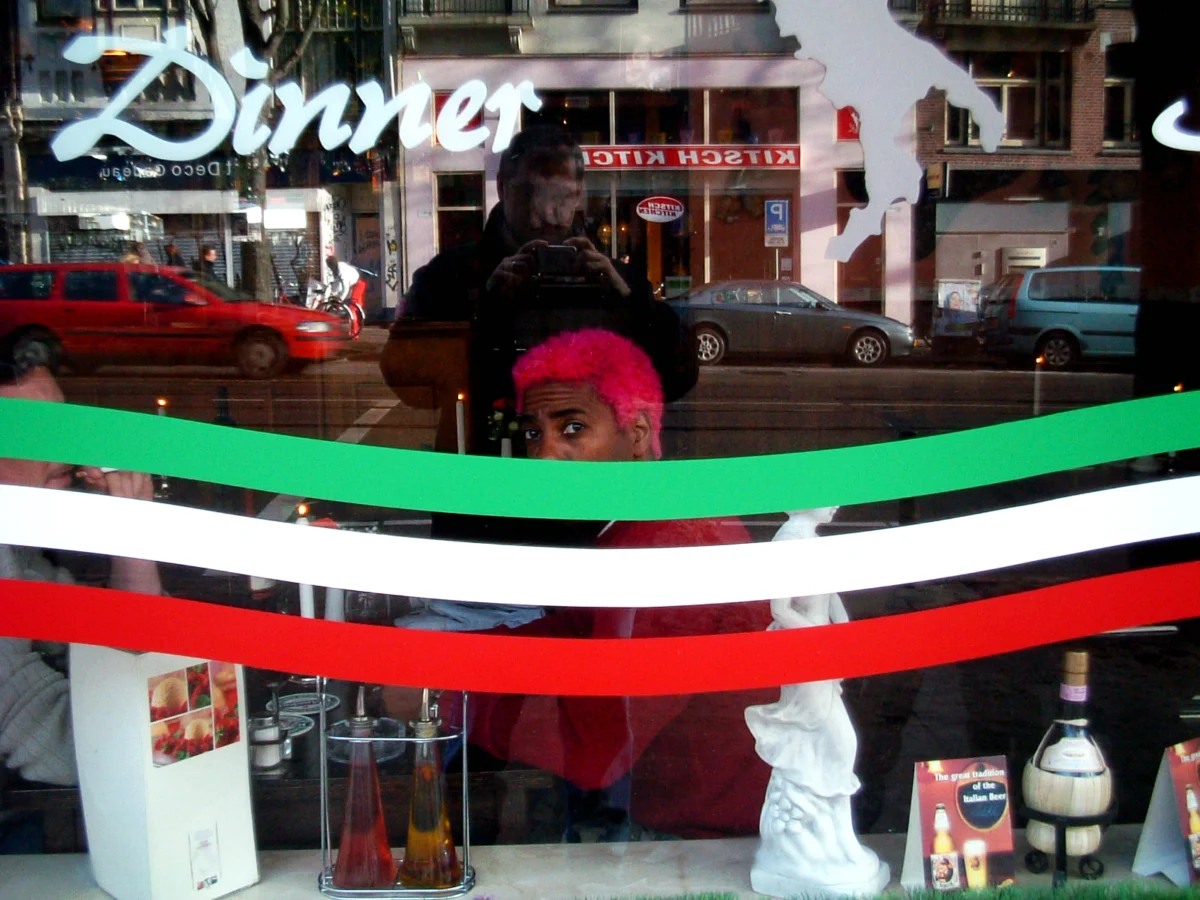
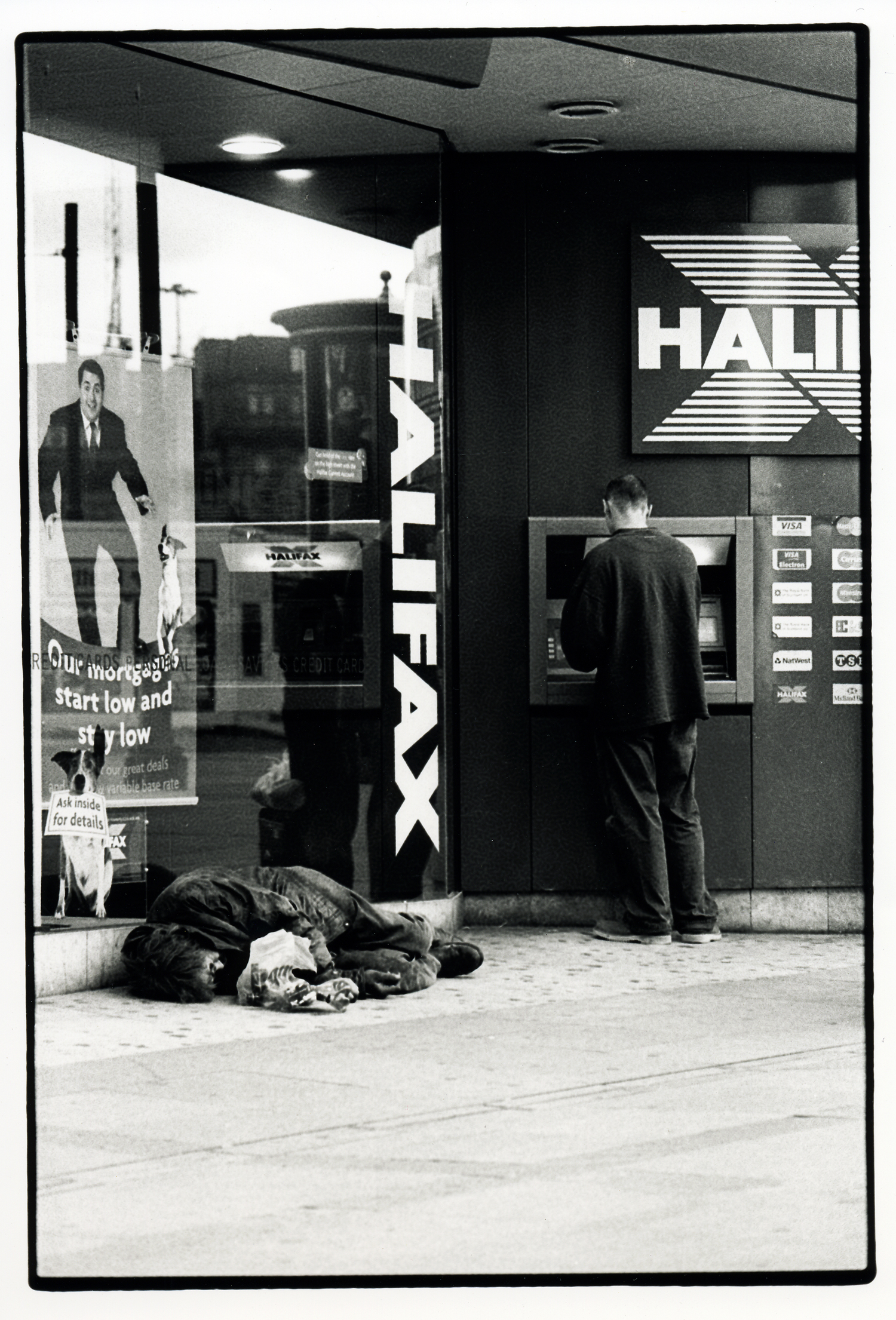
The construction of a visual narrative presents another key distinction. Street photography typically aims to tell a story or convey a feeling within a single, powerful frame. This demands an exceptional command of composition, light, and shadow, where every element within the frame contributes to the overall message or aesthetic. The photographer must anticipate and seize the moment when all these elements coalesce into a compelling image that can stand alone and provoke thought or emotion. The implied narrative is often open to interpretation, inviting the viewer to engage their own imagination.
Photojournalism, however, often builds narratives across a series of images, supported by captions and contextual information. This allows for a more comprehensive and explicit portrayal of events, providing background, context, and a clear sequence of actions. A photojournalist might capture a protest through multiple images showing the build-up, the core of the demonstration, and its aftermath, with captions explaining the reasons for the protest, the key figures involved, and the immediate outcomes. This approach prioritizes clarity and comprehensive understanding, ensuring that the audience receives a well-rounded picture of the event. While individual frames in a photojournalistic series can be powerful, their true impact is often amplified when viewed in conjunction with other images and text.
The Subjectivity of "Greatness"
The criteria for judging the success of a photograph are inherently different in each genre. In street photography, "greatness" is a deeply subjective concept, reliant on the photographer’s unique vision, originality, and the emotional resonance their work evokes. There is no single, universally agreed-upon definition of a "great" street photograph. It is often measured by its ability to surprise, to offer a fresh perspective, or to connect with the viewer on an intuitive level. This subjectivity makes it a challenging genre to quantify, as its value is often in the eye of the beholder and subject to evolving artistic trends and personal preferences.
Photojournalism, conversely, operates with more objective and editorial benchmarks. Success is typically measured by the photograph’s accuracy, its relevance to the story it aims to tell, its impact in conveying information, and its adherence to ethical journalistic standards. A photojournalistic image is considered successful if it clearly and truthfully informs the audience about an event, provides essential context, and avoids misrepresentation. The emphasis is on its function as a tool for communication and accountability.
Legal and Ethical Boundaries: Navigating Public Spaces
The legal and ethical considerations for photographers operating in public spaces are complex and often debated. Photojournalists, working under the auspices of news organizations, generally have a broader latitude to photograph in public, as there is a recognized public interest in documenting events. However, they are still bound by laws regarding privacy, libel, and the protection of minors, and ethical guidelines often dictate when it is appropriate to photograph individuals in distress or vulnerable situations. Consent may be implied by the public nature of an event, but explicit consent is often sought for more sensitive or personal stories.
Street photographers, while also operating in public, must navigate a more ambiguous ethical terrain. While the act of photographing in public is generally legal, the ethical implications of capturing candid images of individuals without their explicit consent are a constant consideration. The debate often centers on the intent of the photographer and the potential impact on the subject. Is the photograph intended to be a fleeting observation of human behavior, or does it exploit or embarrass the individual? The lack of institutional oversight places a greater burden on the street photographer to exercise discretion, empathy, and a self-aware understanding of their actions. The rise of digital technology and the ease of sharing images online have amplified these ethical discussions, leading to increased awareness and calls for responsible practice.
Conclusion: A Shared Foundation, Divergent Destinations
In essence, street photography and photojournalism are two distinct yet complementary visual languages. Both require a keen eye, patience, and a deep engagement with the world around us. Photojournalism serves as the chronicler of our times, providing essential information and a visual record of significant events. Street photography, on the other hand, acts as a mirror to the human condition, reflecting the beauty, absurdity, and poignancy of everyday life. While their intentions and ethical frameworks may differ, both genres enrich our understanding of the world and the people who inhabit it, each in their unique and indispensable way. The ongoing dialogue between these two forms of photography continues to shape how we see and interpret the visual narratives that surround us.