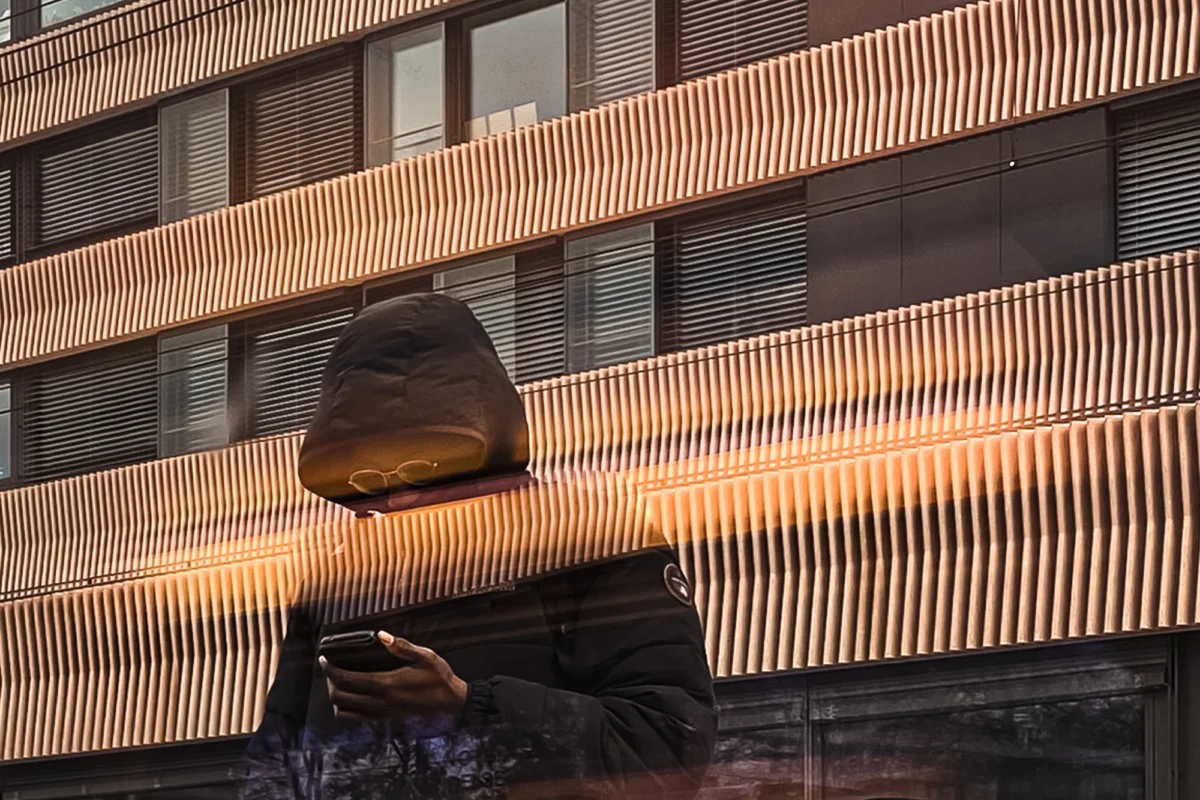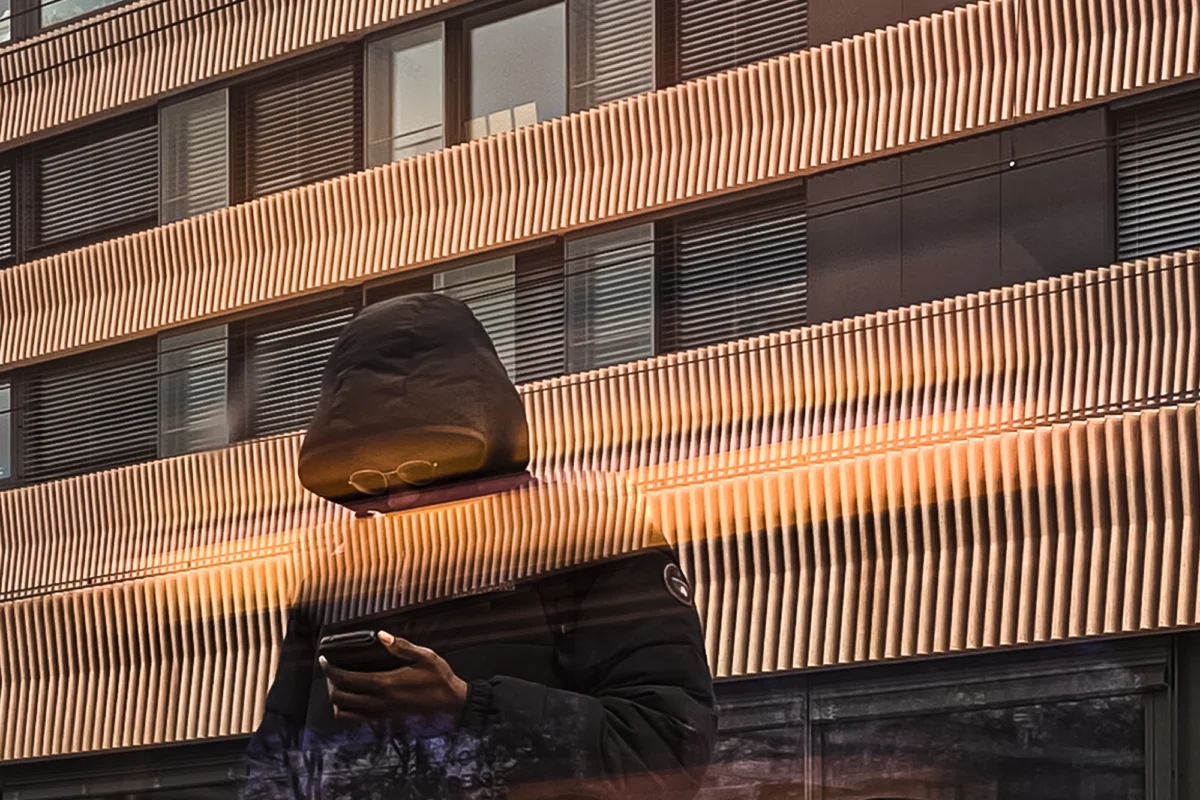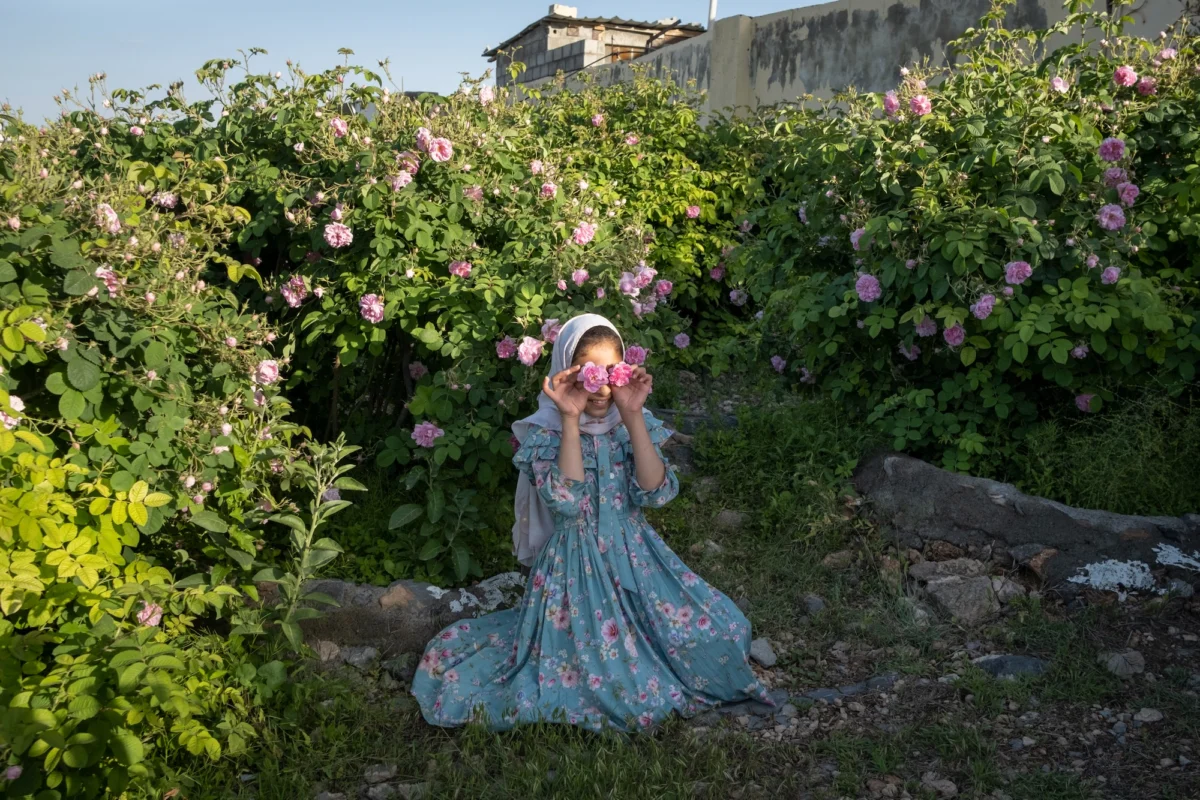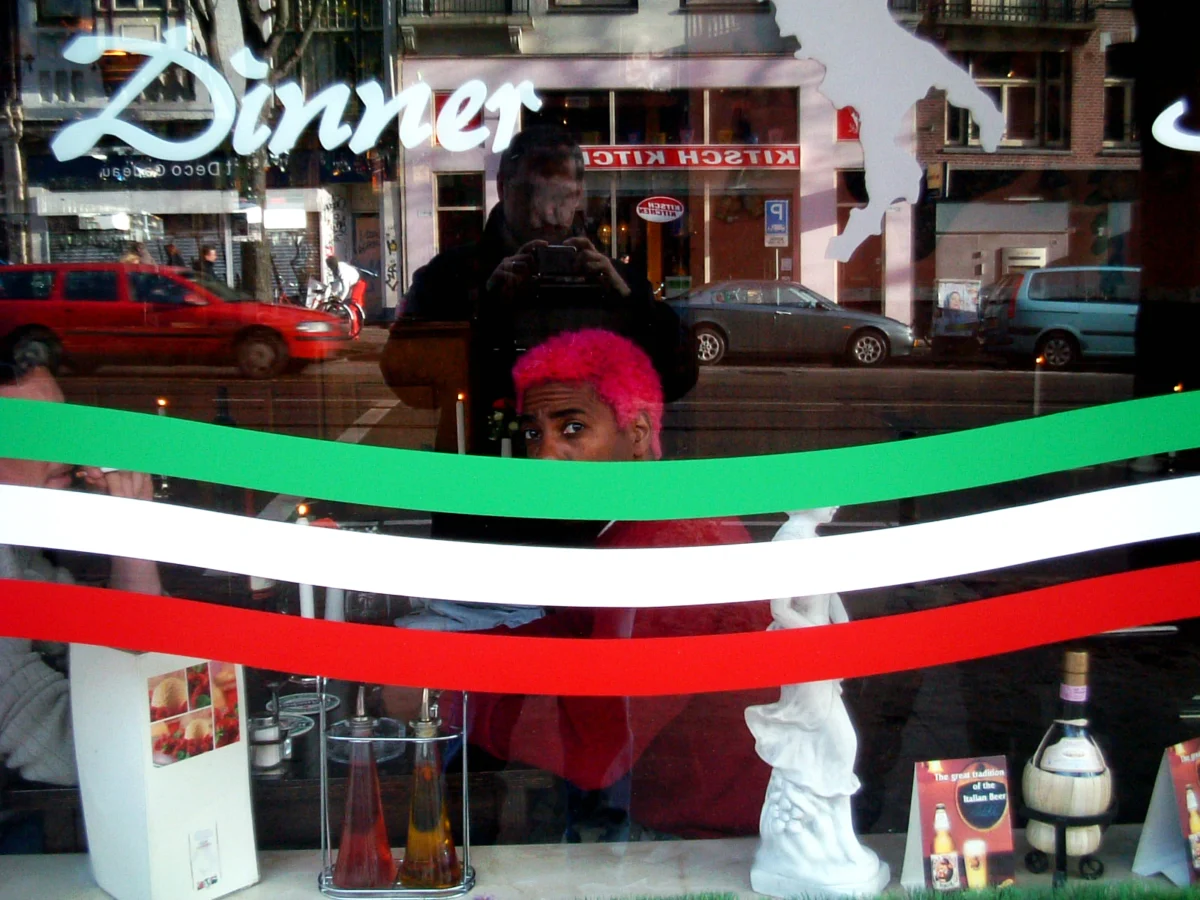
Street photography, at its core, is the art of capturing unposed, candid, and fleeting moments that illuminate human behavior, cultural nuances, and the inherent rhythm of everyday existence. The most impactful street photographs masterfully blend storytelling, robust composition, compelling light, evocative gestures, and profound emotion, often within the dynamic and complex tapestry of urban environments. This genre frequently describes itself as a "harmonic composition of chaos." Cities that foster exceptional street photography typically exhibit a rich visual density, a vibrant tapestry of cultural diversity, an expressive public life, and a palpable presence of elements ranging from high fashion and affluence to stark poverty and artistic expression, all layered with significant historical depth. Based on these defining criteria, a comprehensive analysis points to several global metropolises as premier destinations for street photographers seeking to document the human condition in its most authentic form. While the original perspective highlighted five key cities, a more in-depth examination, incorporating additional data and contextual information, reveals a broader landscape of photographic potential.
The Evolving Landscape of Street Photography
The practice of street photography has a rich and storied history, evolving significantly since its nascent stages in the late 19th and early 20th centuries. Early pioneers, often working with cumbersome equipment, began to document urban life with a newfound immediacy. The advent of smaller, more portable cameras in the mid-20th century, such as the Leica, revolutionized the genre, allowing photographers to become more integrated into the flow of street life. Masters like Henri Cartier-Bresson, with his concept of "the decisive moment," and Robert Frank, with his unflinching portrayal of American society in "The Americans," set a high bar for observational and narrative street photography. More contemporary photographers, such as Bruce Gilden and Daido Moriyama, have pushed the boundaries further, exploring more visceral and abstract approaches to capturing urban realities. The digital age has democratized photography, making sophisticated equipment more accessible and enabling instant sharing of work, which in turn has fostered a global community of street photographers constantly exploring and documenting the world’s urban centers.
Defining the Criteria for Photographic Excellence
The selection of cities for street photography is not arbitrary; it hinges on a confluence of factors that provide fertile ground for compelling imagery.
- Visual Density and Complexity: Cities with a high concentration of visual elements – varied architecture, bustling markets, intricate signage, and a constant flow of people – offer a wealth of compositional possibilities.
- Cultural Diversity and Human Expression: A melting pot of ethnicities, subcultures, and social strata ensures a broad spectrum of human behavior, fashion, and interaction to capture. This diversity fuels storytelling and allows for the exploration of universal human themes within specific cultural contexts.
- Vibrant Public Life: Cities where life spills onto the streets, with active public spaces like parks, plazas, markets, and transportation hubs, provide constant opportunities for candid observation. This includes the presence of street vendors, performers, everyday commuters, and social gatherings.
- Contrasts and Juxtapositions: The interplay of wealth and poverty, tradition and modernity, order and chaos, creates visual and thematic tension that is highly engaging for photographers. These contrasts often serve as powerful metaphors for broader societal dynamics.
- Light and Atmosphere: The quality of light, whether it be the dramatic interplay of shadows in a dense urban canyon or the soft glow of twilight, significantly impacts the mood and composition of photographs. The overall atmosphere, influenced by weather, urban planning, and the pace of life, also plays a crucial role.
- Accessibility and Photographer Friendliness: While not always a primary criterion, cities where photography is generally accepted and where individuals are less likely to be overtly confrontational or obstructive can enhance the experience for street photographers.
Premier Cities for Street Photography: A Deeper Dive
While the initial assessment highlighted five key cities, a more nuanced examination, drawing on anecdotal evidence, photographic community consensus, and the inherent characteristics of these urban centers, can expand this list and provide richer context.
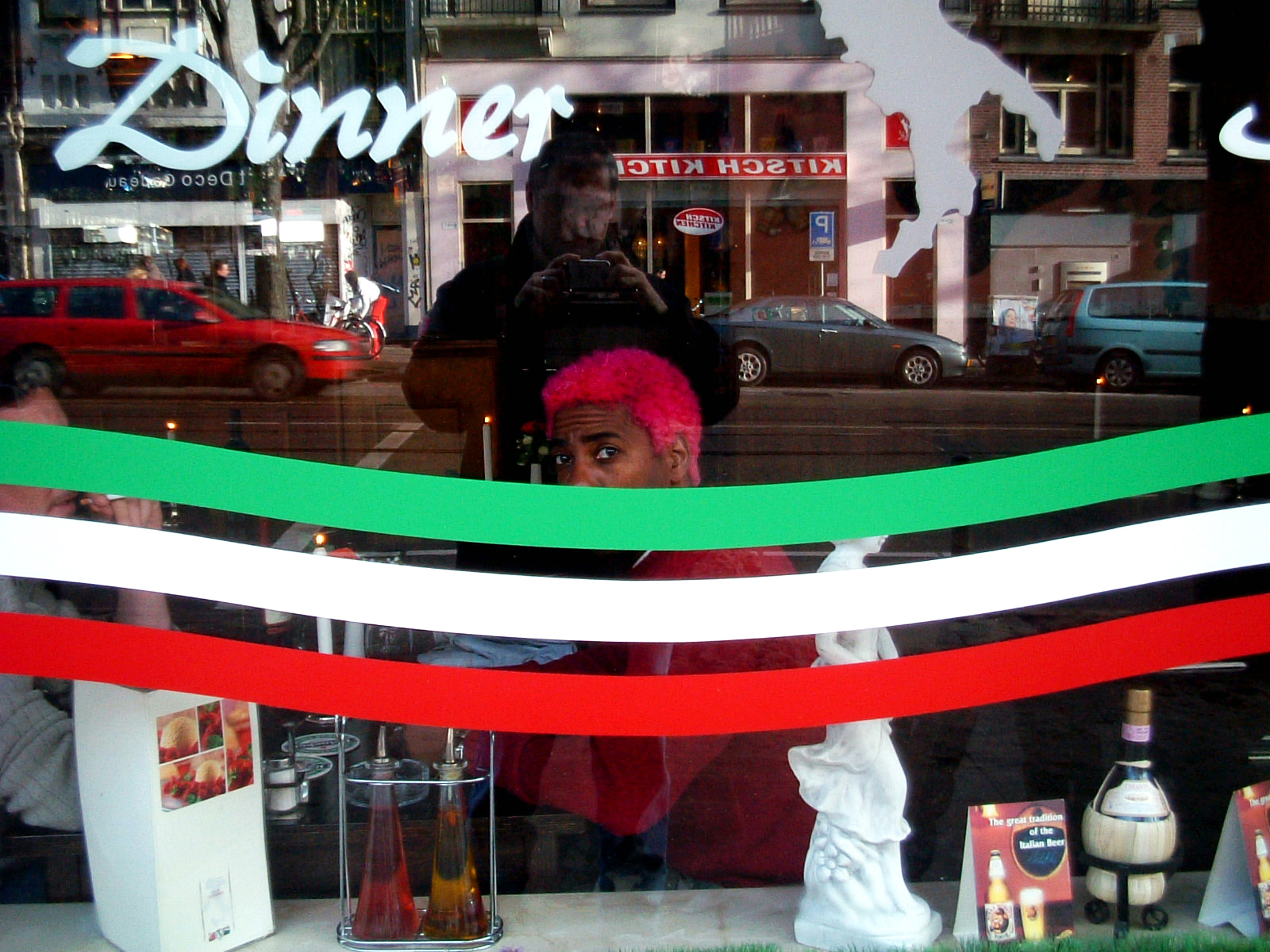
1. New York City, USA: The Quintessential Urban Canvas
New York City remains an unparalleled mecca for street photographers, a reputation cemented by decades of iconic imagery. Its relentless energy, unparalleled diversity, and distinct urban geometry offer an inexhaustible supply of photographic moments. The city’s iconic structures, from the towering skyscrapers of Manhattan to the brownstones of Brooklyn, create dramatic light and shadow play, shaping compositions and adding depth. The sheer volume of people from every conceivable background, navigating the city’s arteries – subway platforms, bustling crosswalks, and public parks – provides an endless stream of candid human expression.
- Data Point: New York City boasts a population exceeding 8.8 million, with a diversity that reflects over 800 languages spoken within its boroughs, creating a rich human tapestry. Its public transportation system, serving over 1.7 billion riders annually, offers constant opportunities for observing diverse interactions.
- Historical Context: The city has been the muse for generations of street photography legends. Joel Meyerowitz’s vibrant color work in the 1960s and 70s, Garry Winogrand’s prolific and often chaotic documentation of American life, Helen Levitt’s intimate portraits of children in Spanish Harlem, and Bruce Gilden’s raw, in-your-face style, all showcase the multifaceted photographic potential of New York. The legacy of these artists continues to inspire contemporary photographers.
- Implications: New York’s enduring appeal lies in its ability to constantly reinvent itself while retaining its core identity. For street photographers, this means always discovering new angles, new stories, and new expressions of the human spirit against a backdrop of constant evolution.
2. Tokyo, Japan: A Symphony of Contrasts
Tokyo presents a captivating duality, a seamless blend of hyper-modernity and deep-rooted tradition, order and controlled chaos. The visual density is extraordinary, with a labyrinth of neon-lit streets, narrow alleyways, and layered urban landscapes that offer a feast for the eyes. Despite its immense scale, Tokyo also provides moments of quiet introspection, where fleeting gestures and subtle interactions can be captured amidst the energetic pulse of daily life. The city is a global trendsetter in fashion and a hub for diverse subcultures, offering photographers rich narrative threads.
- Data Point: Tokyo’s metropolitan area is the most populous in the world, with over 37 million residents. Its efficient public transport system, carrying millions daily, is a microcosm of societal order and individual routines.
- Photographic Appeal: Tokyo is particularly rewarding for photographers who appreciate nuanced observation, precise composition, and the inherent tension between its ancient heritage and its cutting-edge present. The general politeness and respect for personal space often mean photographers can work unobtrusively.
- Iconic Figures: Daido Moriyama’s raw, gritty, and often abstract style, deeply influenced by the urban environment, is synonymous with Tokyo’s photographic identity. His work captures the city’s visceral energy and its underlying anxieties.
3. Mumbai, India: The Unfiltered Human Experience
Mumbai, often described as raw, intense, and emotionally charged, embodies qualities that define powerful street photography. Life in Mumbai is lived publicly, with vibrant markets, crowded trains, religious ceremonies, and bustling street economies unfolding in full view. The sheer density of people creates dynamic compositions brimming with interaction and raw emotion. The city is awash in vibrant colors, textures, and an abundance of light, all contributing to compelling human stories. The stark social contrasts provide a fertile ground for photographers interested in documentary-style street work and travel photography.
- Data Point: Mumbai is one of the most densely populated cities globally, with over 20 million people in its metropolitan area. Its informal economy is a significant part of its daily life, with countless street vendors and service providers.
- Documentary Potential: The city’s unvarnished portrayal of life makes it an ideal location for photographers seeking to capture the authentic struggles, joys, and resilience of its inhabitants. The lack of pretense allows for direct and impactful storytelling.
- Cross-Cultural Appeal: For photographers who appreciate the blend of documentary and travel genres, Mumbai offers an immersive experience that is both visually stunning and deeply human.
4. Paris, France: Timeless Elegance and Candid Moments
Paris remains intrinsically linked to the history of street photography, its very essence seeming to lend itself to the art form. The city’s iconic architecture, charming cafés, and walkable boulevards provide an elegant compositional framework. Parisians have a long tradition of embracing public life, fostering an environment where natural, candid moments are frequently observed. The city’s characteristic softer light and timeless aesthetic align perfectly with a more poetic and observational approach to street photography, echoing the principles of Henri Cartier-Bresson.
- Data Point: Paris attracts over 30 million tourists annually, adding to its already vibrant street life and diverse population. Its café culture, a cornerstone of Parisian social life, provides a unique vantage point for observation.
- The "Decisive Moment": The legacy of Henri Cartier-Bresson and his pursuit of "the decisive moment" is deeply embedded in the photographic ethos of Paris. Photographers are drawn to capturing those fleeting instants where form, content, and context align perfectly.
- Atmospheric Quality: The romantic and often melancholic atmosphere of Paris, combined with its beautiful light, creates a unique mood that many street photographers find irresistible.
5. Istanbul, Turkey: Where Continents and Cultures Converge
Istanbul, a city straddling Europe and Asia, offers a profound layering of cultures, traditions, and modernity. Daily life in Istanbul is a rich tapestry that blends ancient religious practices with bustling commercial activity, creating intimate human interactions against a grand historical backdrop. The street scenes are replete with gesture, symbolism, and a constant flow of human engagement. The city’s diverse textures, from ancient bazaars to waterfront promenades, provide visually complex environments that reward patience and keen observation.

- Data Point: Istanbul is a transcontinental city, with a population exceeding 15 million, situated at the historical crossroads of major trade routes. This geographical position has fostered a unique cultural fusion.
- Cultural Richness: The blend of Eastern and Western influences provides a visual and thematic richness that is unparalleled. Photographers can explore the coexistence of diverse customs, attire, and social dynamics.
- Considerations for Photographers: While generally welcoming, photographers in Istanbul may encounter situations where their presence with a camera is met with curiosity or caution. Understanding local customs and approaching subjects with respect is paramount.
6. London, United Kingdom: A Multifaceted Metropolis
London deserves explicit recognition as a premier destination for street photography. It encapsulates many of the qualities that make the previously mentioned cities so compelling. Its immense diversity, reflected in its global population and myriad of distinct neighborhoods, ensures a constant stream of unique characters and stories. The city’s iconic architecture, from historic landmarks to modern skyscrapers, provides a dramatic and ever-changing backdrop. Public spaces are abundant and vibrant, whether it’s the bustling markets of Borough or Camden, the royal parks, or the busy transport hubs.
- Data Point: London is a global financial and cultural hub, home to over 9 million people from over 270 nationalities. This vast diversity fuels a dynamic street life.
- Historical and Contemporary Layers: London offers a unique blend of deep historical roots and forward-looking modernity. Photographers can capture the juxtaposition of centuries-old traditions and cutting-edge contemporary life, from traditional red phone boxes to modern art installations.
- Photographer’s Experience: The city’s generally open and multicultural atmosphere often allows for discreet yet impactful street photography. The constant flux of people and events provides an inexhaustible source of material.
Broader Implications and the Future of Street Photography
The enduring appeal of these cities lies in their ability to provide photographers with the raw, unadulterated material needed to capture meaningful and timeless images. In an era of increasing urbanization and global interconnectedness, street photography serves as a vital form of visual journalism, offering insights into the human condition and the diverse realities of contemporary life. The digital age has not only democratized the tools of photography but has also fostered a global community of enthusiasts and professionals who share their work and perspectives online. This has led to a continuous dialogue about what constitutes great street photography and which urban environments offer the most fertile ground for its practice.
The selection of cities is, of course, subjective and can vary based on a photographer’s individual aesthetic and interests. However, the cities consistently lauded for their street photography potential share fundamental characteristics: vibrant public life, visual richness, cultural depth, and a palpable human element. As urban landscapes continue to evolve and global cultures intermingle, these cities, and others like them, will undoubtedly remain central to the practice and appreciation of street photography. The ongoing exploration and documentation of these urban environments by photographers worldwide contribute immeasurably to our understanding of ourselves and the world we inhabit.