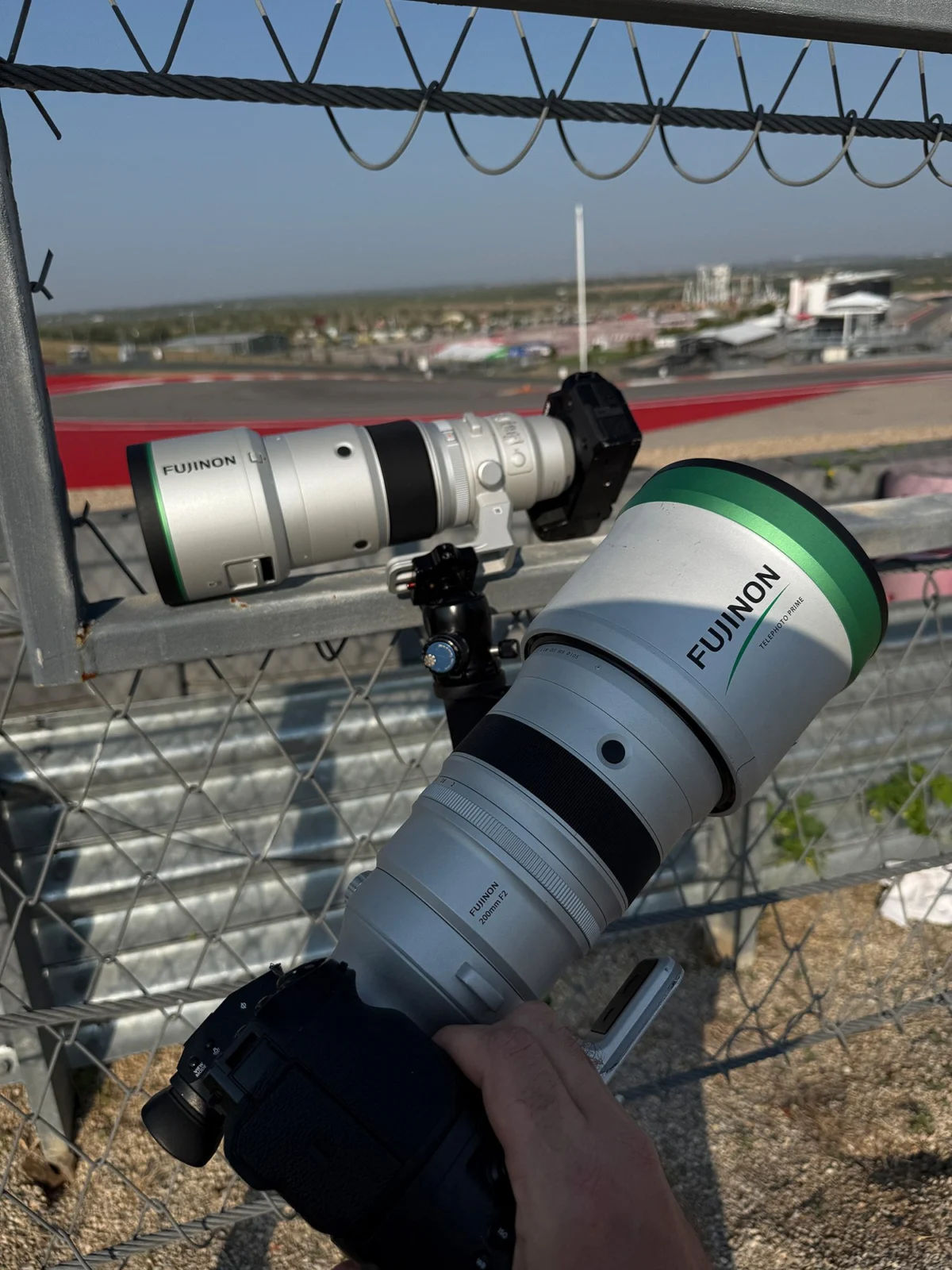
The realm of high-speed action photography is traditionally dominated by cameras engineered for rapid-fire bursts, lightning-fast autofocus, and robust buffer performance. Mirrorless systems, particularly those with APS-C or full-frame sensors featuring stacked designs, have become the standard for capturing the fleeting moments of elite motorsport. Yet, a recent photographic endeavor at the Circuit of the Americas (COTA) during a MotoGP weekend sought to challenge this conventional wisdom by deploying a Fujifilm GFX100S II, a medium-format camera celebrated for its unparalleled image fidelity rather than its speed. This unconventional choice aimed to explore the boundaries of photographic tools, proving that a seasoned professional can adapt a "wrong tool" to achieve remarkably distinctive results, even if not as a primary workhorse.
The Unconventional Challenge: Medium Format Meets Motorsport Apex
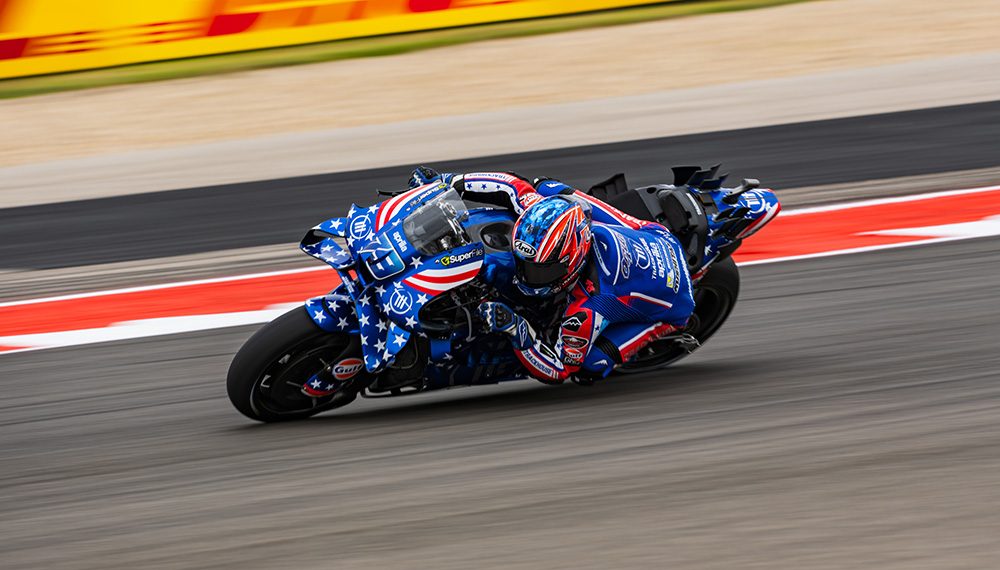
Bringing a large-format camera like the Fujifilm GFX100S II to the high-octane environment of a MotoGP race weekend is, by many industry standards, considered a counterintuitive strategy. The GFX system, with its expansive 102-megapixel sensor, is meticulously crafted for maximum image fidelity, delivering breathtaking detail and tonal depth ideal for studio, landscape, and fine art applications. Its design prioritizes resolution and dynamic range over the blistering frames per second (fps) and instantaneous autofocus often required to freeze motorcycles hurtling past at speeds exceeding 200 miles per hour. Fujifilm itself positions the GFX as a tool for ultimate image quality, acknowledging that its strength lies in deliberate capture rather than rapid sequences. The core premise of this photographic experiment was to ascertain if a photographer’s intimate knowledge of a demanding environment, coupled with skilled anticipation, could unlock the GFX100S II’s potential for impactful, if selective, action imagery.
MotoGP, the pinnacle of two-wheeled motorsport, is a spectacle of speed, precision, and extreme athleticism. Riders navigate complex circuits, leaning into corners at angles often exceeding 60 degrees, experiencing immense G-forces. Capturing these moments requires cameras capable of continuous autofocus (AF) that can lock onto fast-moving subjects against varied backgrounds, alongside high burst rates to ensure the perfect apex or dramatic slide is immortalized. The typical professional setup for such events involves cameras like the Fujifilm X-H2S, which boasts a 26.1-megapixel APS-C stacked BSI CMOS sensor and the powerful X-Processor 5, delivering up to 40 fps with an electronic shutter or 15 fps mechanically, coupled with sophisticated subject-detection autofocus tailored for vehicles and riders. This Fujifilm X-series flagship served as the benchmark against which the GFX100S II’s performance would be rigorously evaluated.
COTA: A Home Track Advantage and Strategic Deployment
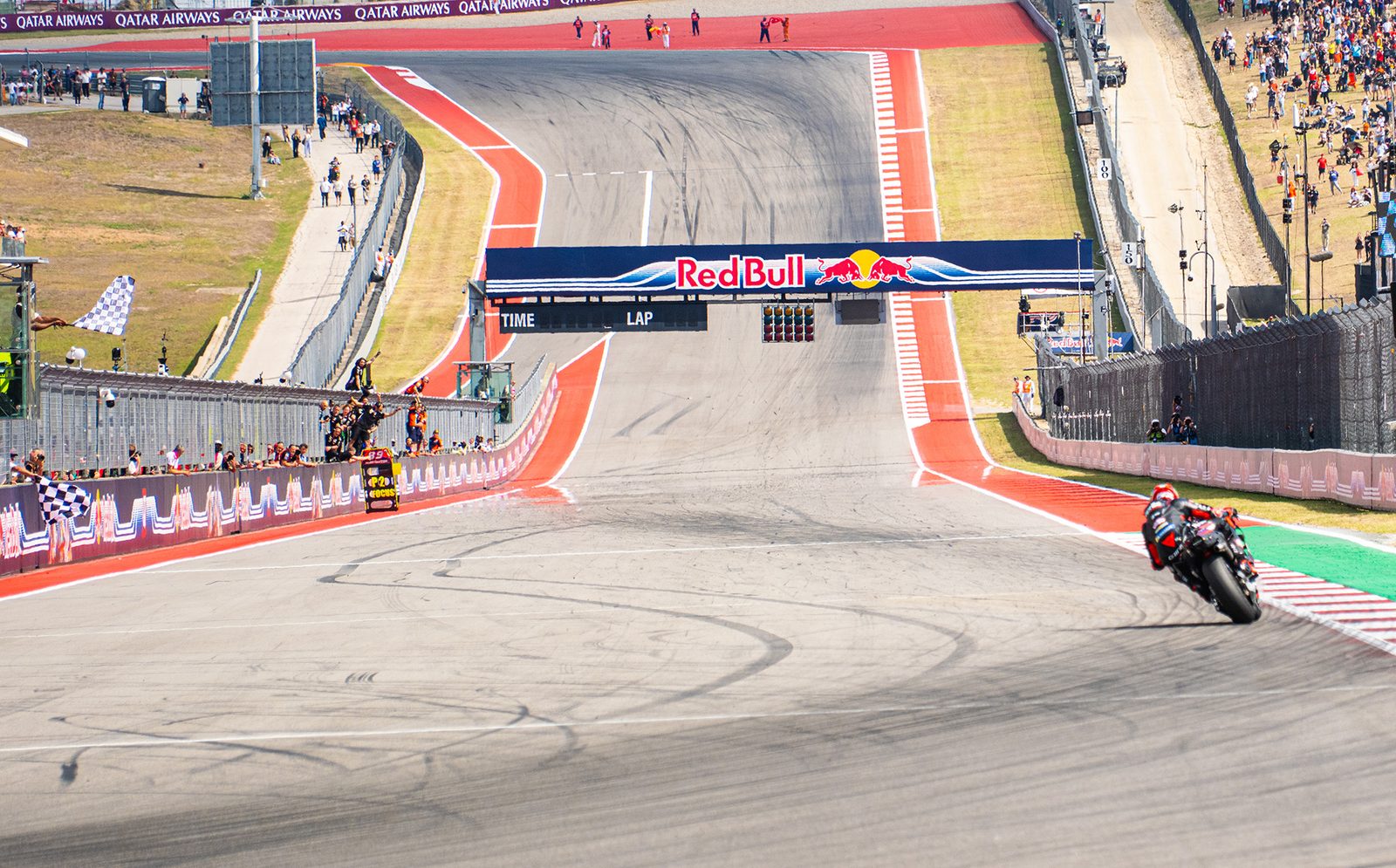
The Circuit of the Americas in Austin, Texas, is renowned for its challenging layout, featuring a dramatic uphill Turn 1, a series of high-speed esses, and tight hairpins. Its 20-turn, 3.41-mile (5.5 km) configuration demands exceptional skill from riders and offers diverse photographic opportunities. For the photographer undertaking this experiment, COTA is a "home track," a venue intimately familiar through years of covering various motorsport events, including regional track days, Formula 1, and MotoAmerica. This profound familiarity with every corner, marshal post, and optimal shooting angle proved invaluable. Such a deep understanding of the track’s nuances allowed for the kind of deliberate, considered shot planning that a camera like the Fujifilm GFX100S II, with its slower operational tempo, inherently demands. The ability to anticipate action, predict rider lines, and pre-visualize compositions became paramount, compensating for the camera’s inherent speed limitations.
Throughout the full MotoGP weekend, the GFX100S II was deployed alongside two Fujifilm X-H2S bodies, enabling direct, real-world comparison. The GFX100S II features a 102-megapixel, 43.8×32.9mm large-format sensor, also powered by the advanced X-Processor 5, a key factor in its improved performance over previous GFX iterations. The shared X-Processor 5 across both systems offered a glimmer of hope that the GFX could leverage some of the computational prowess seen in its smaller, faster siblings.
Streamlined Workflow: Custom Settings and Ergonomics
One significant advantage for photographers accustomed to the Fujifilm ecosystem is the consistent menu logic and ergonomic philosophy spanning both the X-series and GFX systems. Setting up the GFX100S II to mirror the X-H2S configuration was a relatively straightforward process. Custom settings (C1, C2, C3, C4, C5) are crucial for motorsport photography, allowing photographers to swiftly switch between various exposure modes and autofocus configurations. For trackside action, shutter priority modes (C1, C2) are often preferred, with a function (FN) button mapped to recall these presets, enabling instant transitions between sharp freeze-frame shots and creative motion pans. Aperture priority (C3) is typically reserved for less frantic environments like the paddock or grid, while C4 and C5 might hold video presets. The GFX100S II accommodates six custom positions on its mode dial, facilitating a clean and intuitive replication of this established workflow. While minor differences in FN button layout exist (e.g., two on top for GFX100S II versus an additional body-side button on the X-H2S often mapped to subject-detection AF), the overall operational familiarity significantly reduced the learning curve.
For this specific test, the photographer committed to a single lens: the Fujifilm GF 100-200mm F5.6 R LM OIS WR. Considering the GFX system’s 0.79x crop factor relative to a 35mm full-frame equivalent, this lens provided an effective field of view of approximately 79-158mm. This range proved remarkably versatile, handling compositions from the sweeping main straight to the intricate scenes within the paddock. It offered a focal length experience akin to using the Fujifilm XF 50-140mm F2.8 on an X-H2S (which has an effective full-frame focal length of 75-210mm), a staple for many action photographers. This careful lens selection ensured that the GFX was equipped with a versatile, high-quality optic capable of covering a broad spectrum of the racing environment.

Autofocus Performance: A Step Forward, Yet Not a Replacement
The most significant apprehension preceding the weekend revolved around the GFX100S II’s autofocus performance in the demanding, high-speed context of a MotoGP race. Historically, medium-format cameras have not been synonymous with rapid, tenacious AF tracking. However, the GFX100S II boasts a significantly improved AF algorithm compared to its predecessors, featuring subject detection explicitly supporting motorcycles and bikes, powered by deep-learning AI. In practical application, the system performed better than initial expectations. It demonstrated reasonable reliability in tracking riders through corners and across complex, changing backgrounds, successfully acquiring and maintaining focus on subjects that were not moving at their absolute maximum velocity or undergoing extreme directional changes.
Despite these advancements, a direct comparison to the X-H2S revealed a clear disparity. Even with identical AF-C settings, the GFX100S II’s autofocus was not as "sticky" or responsive as that of its APS-C counterpart. Hit rates in the most demanding sequences—such as high-speed braking zones where bikes decelerate violently, or riders entering the frame from extreme angles—were noticeably lower. While both cameras share the X-Processor 5 engine, the GFX felt a tangible step behind in terms of overall response time and its ability to tenaciously retain subject focus through unpredictable movements. This gap, while not rendering the GFX entirely unusable for action, represents a real operational constraint in a high-volume, high-speed environment where fractions of a second can determine a keeper shot. It necessitated a more patient, anticipatory approach, relying on the photographer’s skill to pre-focus or anticipate the precise moment of action.
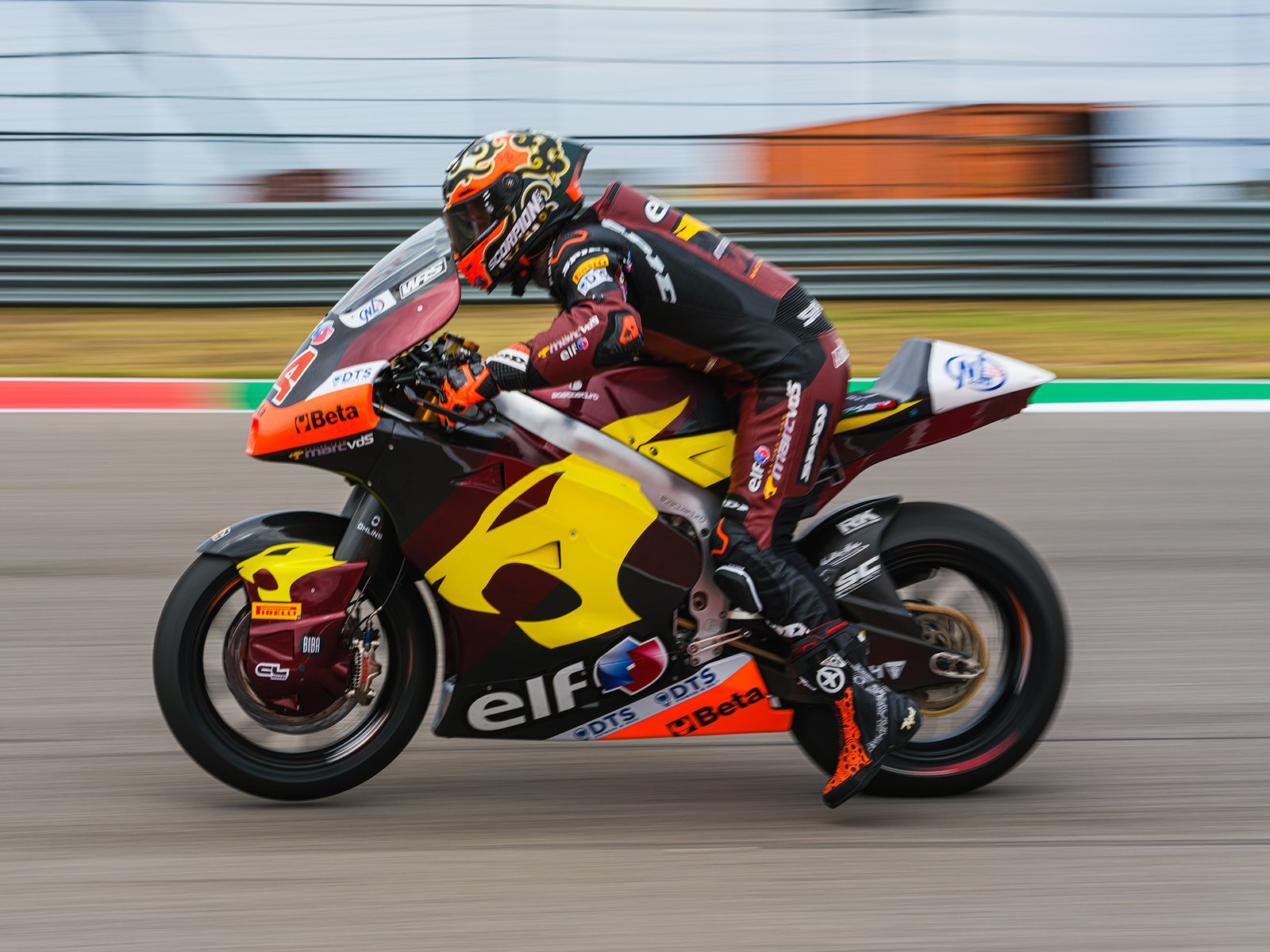
The Buffer Wall: A Fundamental Constraint
The practical limitations of using a medium-format camera for action photography become most pronounced when encountering the "buffer wall." The GFX100S II, at its maximum mechanical shutter speed of 7 frames per second, generates enormous RAW files—either 14-bit or 16-bit—from its 102-megapixel sensor. Even when utilizing high-speed UHS-II memory cards, the buffer fills remarkably quickly. Shooting lossless-compressed RAW, the camera can capture approximately 19 frames before a noticeable slowdown occurs. Opting for uncompressed RAW reduces this to around 16 frames. While compressed RAW offers a more generous buffer depth of roughly 30 frames, this still translates to less than five seconds of sustained burst shooting before the camera requires a significant pause to clear its buffer.
This operational reality fundamentally alters the photographer’s approach. The "spray and pray" technique, common in high-speed sports photography, becomes impractical. Instead, the photographer must adopt a more disciplined and deliberate method. It demands a keen ability to "read the race," anticipate critical moments, and commit to the shot with precision. While this discipline can be seen as a refinement of photographic skill rather than an inherent flaw of the camera, it remains a tangible operational constraint in an environment where a rider’s perfect apex or a decisive overtaking maneuver can unfold in a mere fraction of a second. The GFX forces a level of intentionality that is often overridden by sheer speed and volume in typical sports workflows.
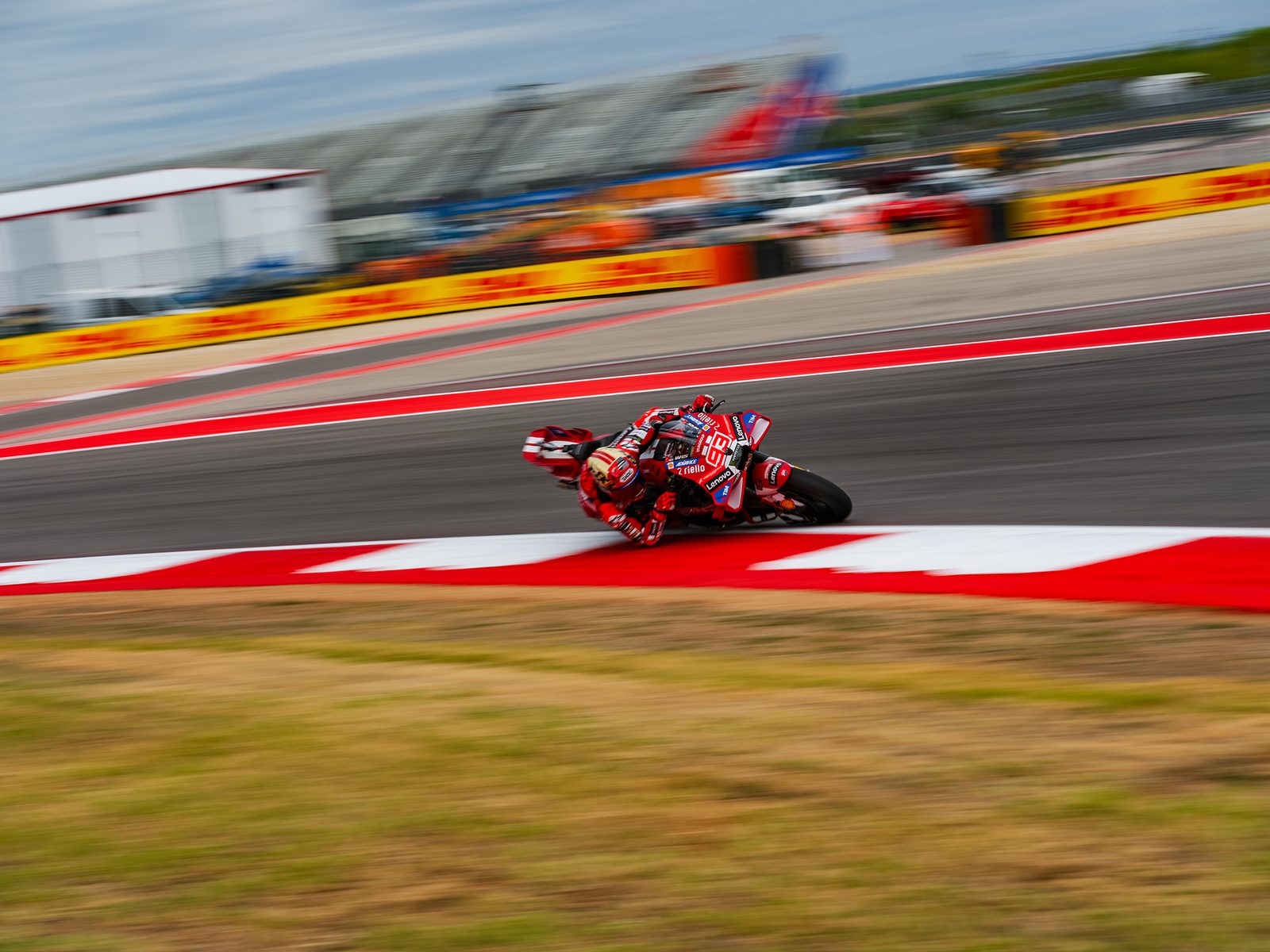
Unmatched Image Quality: The GFX100S II’s Defining Advantage
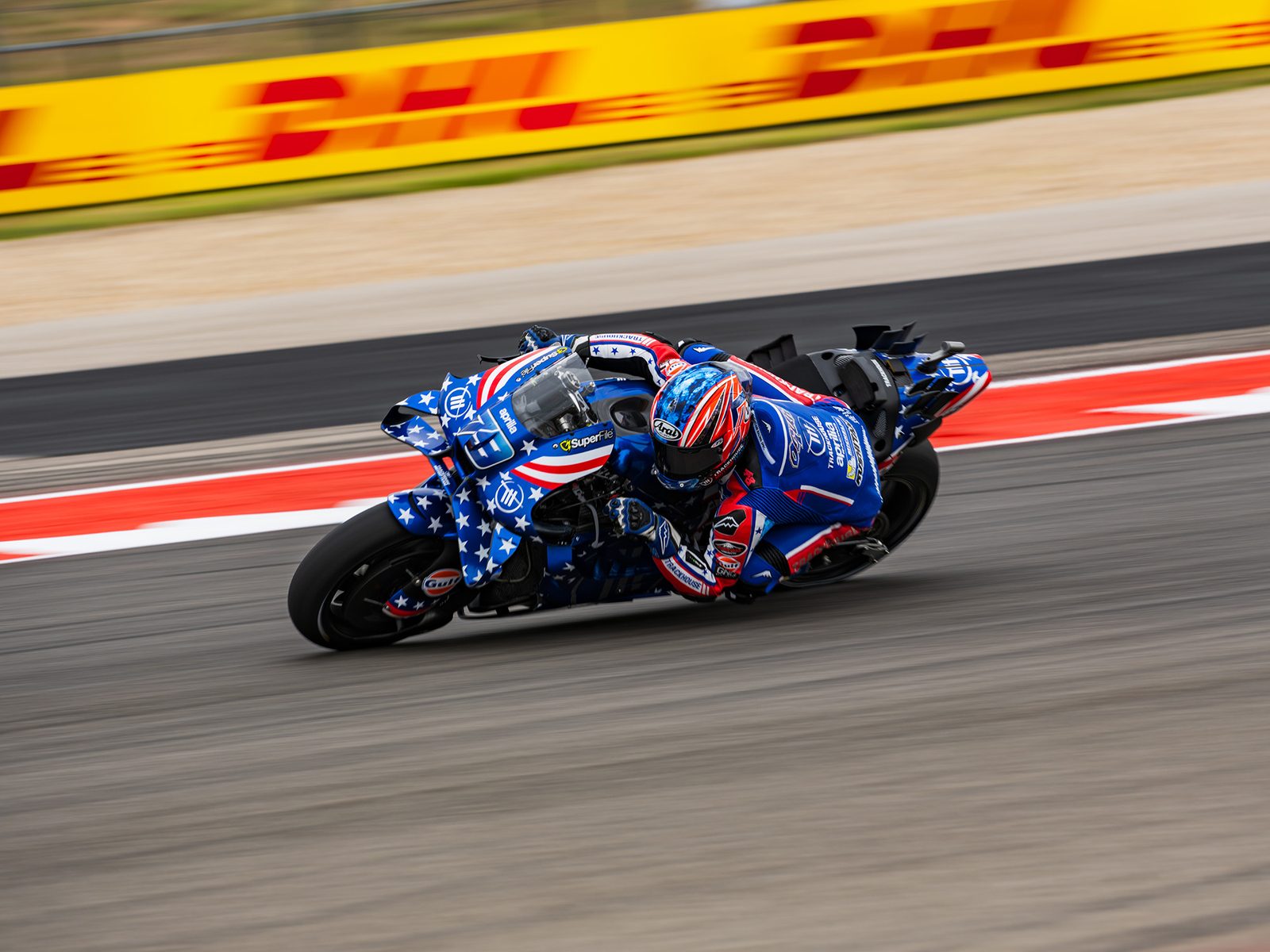
Despite its operational limitations in a high-speed context, the Fujifilm GFX100S II unequivocally shines in one critical area: image quality. What this camera delivers in terms of raw photographic output is genuinely in a different league compared to smaller format systems. The 102-megapixel sensor, featuring redesigned microlenses, produces files with an extraordinary depth of tone, a remarkable three-dimensionality in color gradation, and a resolving power that transcends anything experienced across the rest of the Fujifilm lineup, or indeed, from most full-frame or APS-C systems. The sheer physical size of the sensor, measuring 55mm diagonally, inherently contributes to a tonality and micro-contrast that simply cannot be replicated in a smaller format. This is not merely about pixel count; it’s about the larger photosites’ ability to capture more light and information, resulting in smoother gradations and a more natural rendition of reality.
The true impact of the GFX100S II’s image quality often remains understated when viewed on the camera’s rear screen. A shot might appear "fine" in review. However, the transformation upon loading these files into professional editing software and displaying them on a high-resolution monitor, such as a 27-inch Studio Display, is profound. Images "open up" entirely, revealing intricate textures in riders’ leathers, the subtle shimmer of heat emanating off exhaust pipes, and individual crowd members rendered sharply in backgrounds that might have been assumed to be amorphous. The sensor’s native ISO 80 minimum sensitivity further contributes to this excellence, enabling 16-bit images with a remarkably wide dynamic range, even under the often high-contrast conditions of a brightly lit race circuit. This allows for extensive post-processing latitude, preserving highlight and shadow detail that might be lost in smaller sensors.

Furthermore, the camera integrates a highly effective 5-axis in-body image stabilization (IBIS) system, rated at up to 8.0 stops—the most powerful IBIS Fujifilm has incorporated into a GFX body to date. This feature significantly enhances handheld shooting capabilities, particularly when working with the longer end of the GF100-200mm lens in environments like the paddock or on the grid, where tripods might be impractical. It instills confidence, allowing for sharper images at slower shutter speeds, which can be crucial for ambient light photography in varied conditions.
Strategic Versatility: Where the GFX100S II Truly Shines
While the trackside environment demanded a more arduous and strategically intelligent approach, the Fujifilm GFX100S II found its undeniable sweet spot away from the frantic action. In the paddock, on the grid before a race, or during the post-race podium celebrations, the camera transformed into an absolute joy to operate. In these scenarios, where subjects are static or moving slowly, the need for blistering autofocus and rapid-fire bursts diminishes. The photographer could frame compositions deliberately, trusting the GFX’s improved autofocus to precisely acquire and maintain focus on subjects.
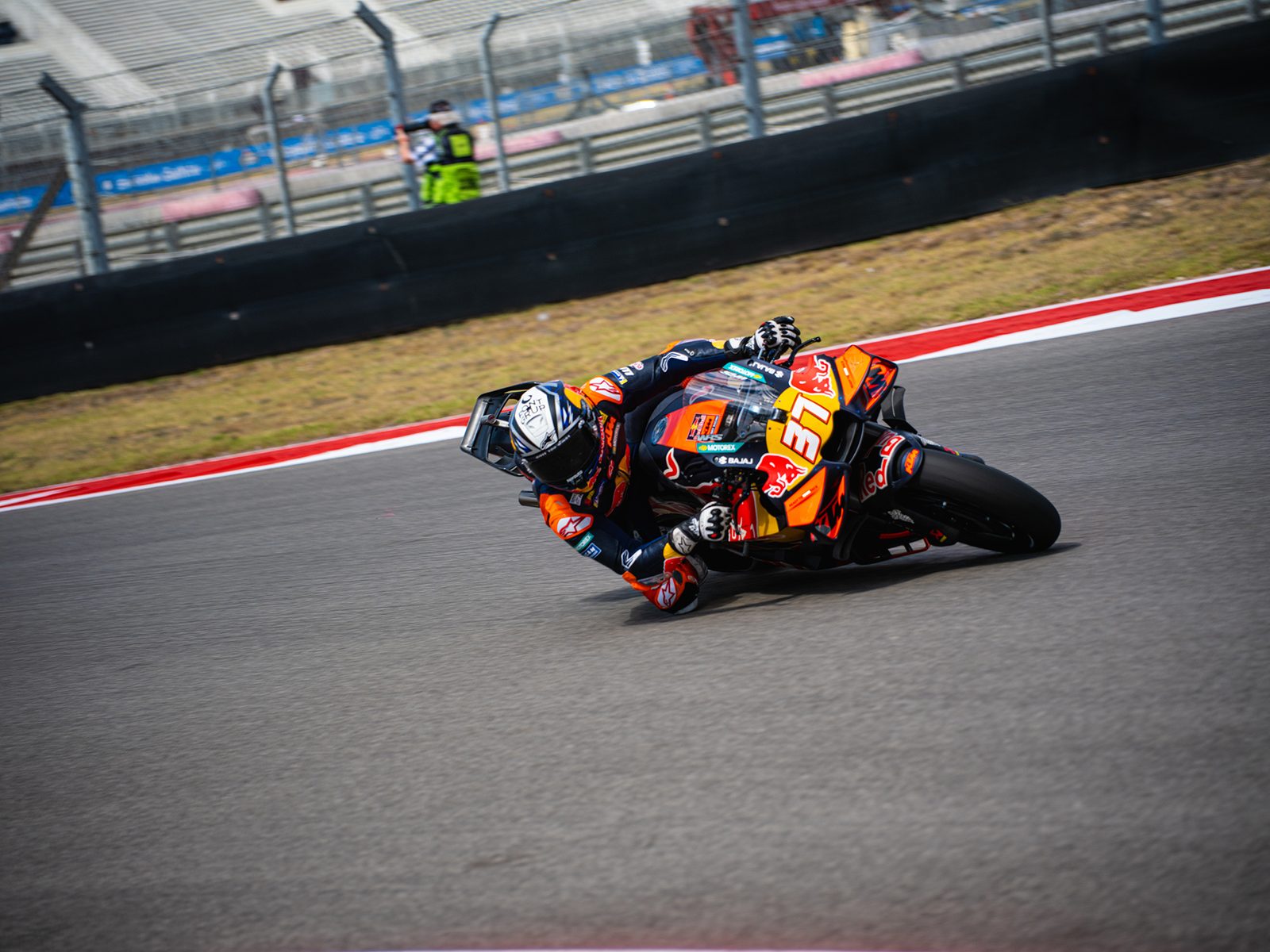
The immense 102-megapixel resolution offers unparalleled post-production flexibility. A tightly framed portrait of a rider on the grid, perhaps focusing solely on their eyes visible above the visor, can be cropped dramatically in post-production without any discernible loss of resolution or detail. This ability to capture a broad scene and then extract multiple, distinct, high-resolution compositions is a genuinely freeing aspect of working with such a high-megapixel medium-format sensor. It allows for creative latitude that is simply not possible with lower-resolution cameras, where aggressive cropping quickly degrades image quality. This capability makes the GFX100S II an invaluable tool for editorial content, where flexibility in framing and significant cropping might be required for various layouts and formats.
Broader Implications and Final Assessment
The experiment at COTA with the Fujifilm GFX100S II underscores a crucial point about photographic tools: their optimal application is often nuanced and context-dependent. While the GFX100S II demonstrably struggles to match the speed and agility of dedicated sports cameras like the X-H2S, its unique strengths in image quality carve out a distinct and valuable niche. This endeavor highlights that high-resolution medium format cameras are evolving beyond their traditional studio and landscape confines, beginning to offer capabilities that, while not replacing specialized action cameras, can complement them effectively. The integration of advanced processing (X-Processor 5) and AI-driven autofocus in the GFX system signals Fujifilm’s commitment to making these cameras more versatile.
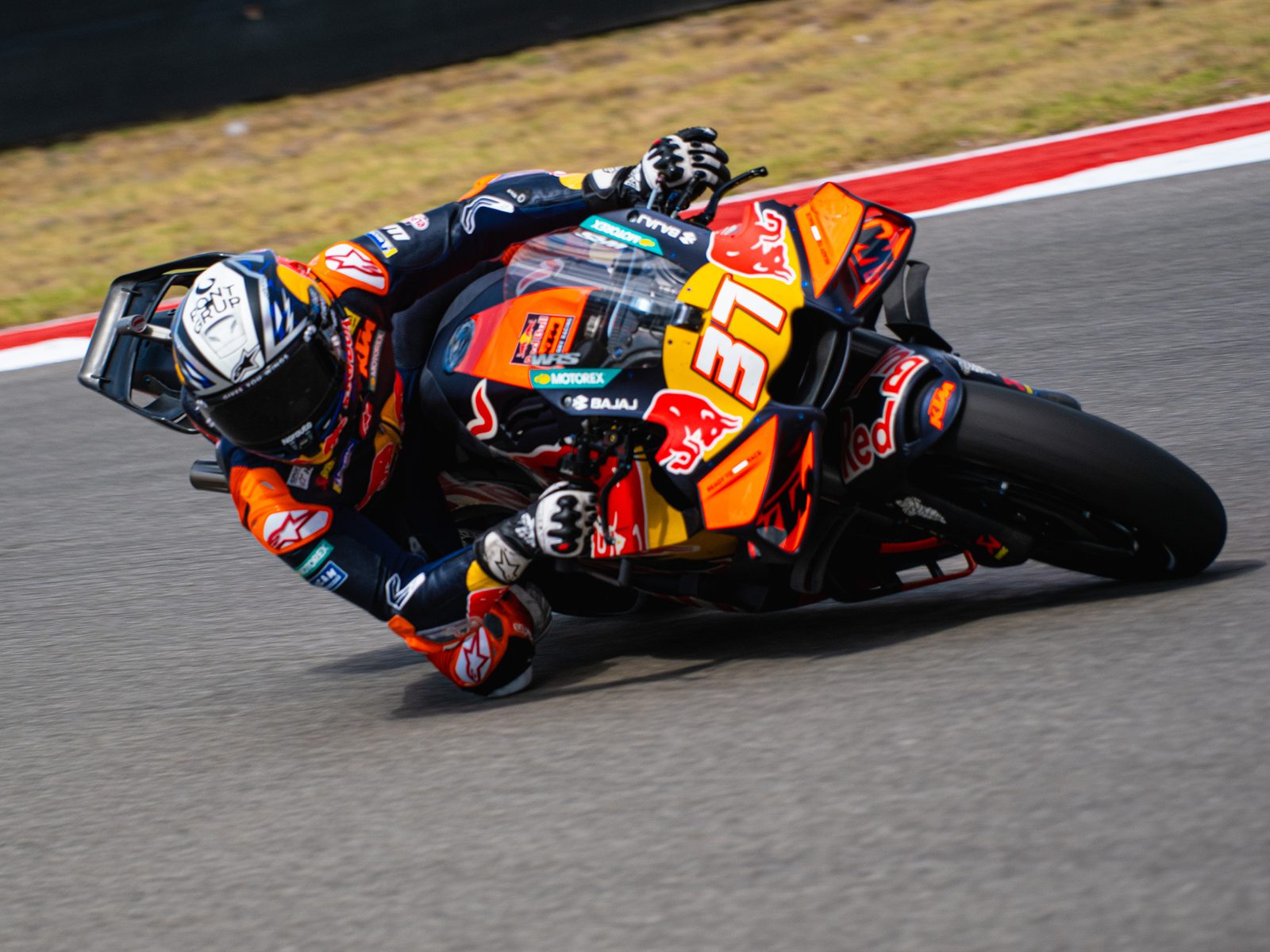
For professional photographers operating in diverse fields, the GFX100S II presents itself not as a replacement, but as a specialized complement. For landscape, portraiture, studio, fashion, and editorial work, its capabilities are arguably unmatched in its form factor. Its relatively light weight for a 102-megapixel medium-format body (883g with battery and card) further enhances its appeal for photographers who need to carry gear all day.
In the high-pressure environment of a racetrack, the GFX100S II serves a very specific, almost "secret weapon" role. It is the camera to reach for when speed is secondary to ultimate image quality—for the dramatic grid walk portraits, the celebratory podium shots, or those quiet, contemplative moments where waiting for a single, perfect frame is paramount. For these instances, nothing else in the Fujifilm system, or indeed many other systems, can deliver the tonal richness, micro-detail, and dynamic range that this sensor produces. However, when the starting lights extinguish and the field of motorcycles surges through Turn 1, demanding unwavering autofocus and relentless burst shooting, the Fujifilm X-H2S remains the undisputed choice, ready to capture every explosive millisecond of the race. This experiment confirms that in the ever-evolving landscape of photographic technology, the right tool for the job is often a combination of specialized instruments, each deployed where its unique strengths can truly shine.