The close of the previous year was, for many, a period of introspection and review, assessing both personal milestones and the performance of key industry sectors. For the photography and videography community, this reflection extended to a meticulous examination of equipment rental and purchase trends, offering valuable insights into the market’s current state and historical shifts. As the industry transitions into a new year, the focus invariably pivots from retrospection to foresight, charting anticipated advancements and setting strategic objectives. While major industry players like LensRentals.com are meticulously outlining their commercial goals for the upcoming fiscal cycle, a broader analysis of technological introductions over the past two years illuminates several pivotal areas ripe for significant evolution. This comprehensive outlook delves into five specific technological developments expected to gain substantial traction and impact the professional and enthusiast imaging landscape throughout 2026.
The Resurgence of Third-Party Lens Innovation for Mirrorless Platforms
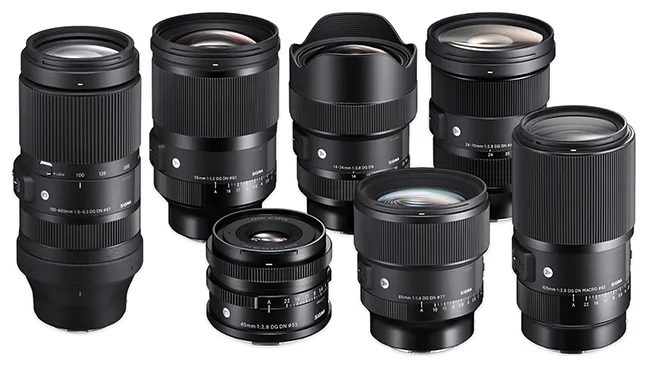
For seasoned professionals who witnessed the evolution of photography over the past decade, the pre-mirrorless era often evokes a sense of abundance, particularly concerning lens options. Regardless of brand allegiance—be it Canon, Sony, or Nikon—the market was rich with a diverse array of third-party lenses from manufacturers such as Sigma, Tamron, and Tokina. These companies were not merely offering budget alternatives but frequently delivered optically excellent choices across various focal lengths, often pushing the boundaries of what was considered achievable for their price points. The Sigma Art series, for instance, became a benchmark for optical quality and build, challenging the dominance of first-party offerings. Tamron similarly carved out a reputation for innovative zoom lenses with impressive optical stabilization and versatility.
However, the rapid and widespread transition to mirrorless camera systems introduced a period of significant recalibration for third-party lens manufacturers. The adoption of entirely new lens mounts—such as Canon’s RF mount and Nikon’s Z mount—presented considerable technical and licensing hurdles. Unlike Sony’s E-mount, which was relatively open to third-party development from its inception, allowing companies like Sigma and Tamron to quickly build out comprehensive lens lineups, Canon and Nikon initially maintained tighter control over their new ecosystems. This strategic decision by the primary camera manufacturers inadvertently created a vacuum in the market, limiting consumer choices and delaying the availability of more affordable or specialized third-party alternatives for the nascent mirrorless systems.
In recent years, this landscape has begun to shift. Following persistent demand from consumers and a gradual softening of proprietary stances, there is now a palpable commitment from key third-party players. Sigma, in particular, has announced and begun releasing a series of highly anticipated lenses for both RF and Z mounts, signaling a major investment in these platforms. Similarly, Tamron and Tokina are expected to intensify their development efforts, introducing more diverse and competitive options. This anticipated "big push" is not merely about filling gaps in the market; it represents a return to the competitive dynamics that fostered rapid innovation and offered consumers a wider spectrum of price, performance, and specialized features. Industry analysts suggest that this renewed vigor from third-party manufacturers will not only benefit photographers and videographers with more choices but also compel first-party manufacturers to continue innovating and potentially adjust their pricing strategies to remain competitive. The expansion of these lens ecosystems is a critical development, promising to democratize access to high-quality optics and stimulate overall market growth.
The Dawn of Affordable Fast Prime Lenses
The pursuit of ultra-fast prime lenses—those boasting apertures of f/1.2 or wider—has traditionally been the domain of premium brands and professional budgets. Lenses of this caliber, offering exceptional low-light performance and incredibly shallow depth of field, have long commanded exorbitant price tags. For decades, manufacturers like Leica have offered f/1.2 or even f/1.0 lenses, dating back to the 1960s with the Noctilux series, but always at a significant premium. Canon itself produced fast f/1.2 lenses in the early 1980s for its SLR systems, which were considered cutting-edge and expensive for their time. The manufacturing processes for such wide-aperture optics, involving complex lens designs, precision grinding, and high-quality glass elements, inherently drove up costs.
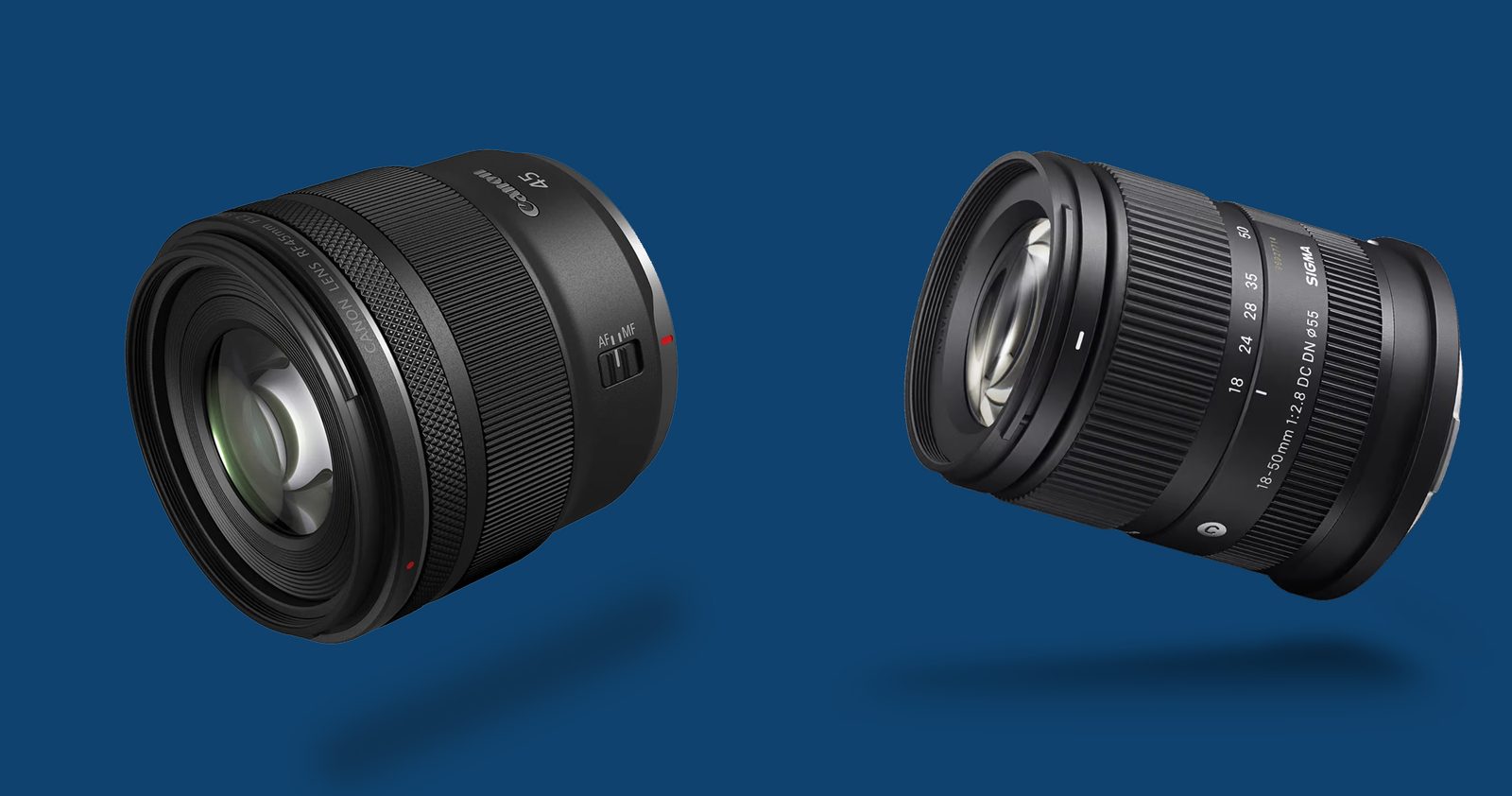
However, a significant shift occurred approximately six months prior to the writing of this article with Canon’s release of the RF 45mm f/1.2 STM. This lens was groundbreaking not just for its impressive f/1.2 aperture, but crucially, for its unprecedented price point of under $500. This move by Canon challenged a long-standing industry paradigm, demonstrating that ultra-fast primes could be made accessible to a much broader market segment. The integration of stepper motor (STM) technology, while perhaps not offering the ultimate speed of ultrasonic motors (USM) for autofocus, contributes to the cost efficiency without significantly compromising performance for many applications.
This development signals a potential inflection point for the industry. While technological advancements in lens design, material science, and automated manufacturing processes have steadily improved over the years, these gains have not always translated into proportionally lower prices for high-end optics. The Canon RF 45mm f/1.2 STM suggests that manufacturers are now exploring new strategies to bring advanced capabilities to a wider audience. In 2026, the industry anticipates other brands to follow suit, introducing their own versions of fast, affordable primes across various focal lengths and mount systems. This trend will democratize the ability to achieve stunning subject isolation and superior low-light imagery, previously reserved for those with substantial equipment budgets. The implications are profound, potentially inspiring new creative approaches and expanding the visual language available to photographers and videographers at all levels.
Shifting AI Focus: From Generative to Workflow Enhancement
The past few years have undeniably placed Artificial Intelligence (AI) at the forefront of technological discourse, and the photography and videography sectors are no exception. The rapid proliferation of generative AI tools, capable of creating realistic images, corporate headshots, and even videos from simple text prompts, has sparked both awe and considerable debate regarding creativity, authenticity, and potential job displacement. While these generative capabilities represent a remarkable leap in AI’s creative potential, the industry is increasingly recognizing a different, perhaps more immediately beneficial, application: workflow AI.
Generative AI, exemplified by platforms like DALL-E, Midjourney, and Stable Diffusion, has captivated public imagination with its ability to synthesize novel content. However, for the working professional, the immediate and practical utility often lies in tools that augment, rather than replace, human creativity. There is a growing consensus that AI’s most impactful role in the creative workflow of 2026 will be in automation and enhancement. This distinction is crucial: instead of generating the entire creative output, workflow AI aims to streamline tedious, repetitive, or technically challenging tasks, thereby freeing up creatives to focus on their artistic vision.
Examples of current workflow AI exist within established software. Adobe Sensei, for instance, powers features like Content-Aware Fill, automated subject selection, and intelligent noise reduction, significantly accelerating post-production. However, the demand for more comprehensive and integrated workflow solutions is escalating. In 2026, there is an expectation for the development and widespread adoption of more sophisticated and affordable studio management software that leverages AI for tasks such as sending automated invoice reminders, personalizing client communications, and managing project timelines. Furthermore, advanced AI-powered editing tools capable of performing complex image manipulations—such as intelligently removing unwanted elements like trash bins or telephone poles with a single click, or seamlessly integrating sky replacements—are anticipated to become more prevalent and refined. Beyond image manipulation, AI could also revolutionize the pre-production phase by helping professionals catalog creative inspiration, mood boards, and client briefs into coherent, shareable documents, facilitating clearer communication and faster approvals.
This shift towards workflow-centric AI reflects a mature understanding of its role within the creative ecosystem. Rather than fearing AI as a usurper of creative control, professionals are advocating for its integration as a powerful assistant that enhances efficiency, reduces burnout from mundane tasks, and ultimately allows for a deeper immersion in the artistic process. The implications are increased productivity, faster turnaround times, and potentially a higher quality of final output as creatives can dedicate more energy to the unique, human-centric aspects of their craft.
Elevating Camera-to-Smartphone Connectivity: The Imperative for Improved App Support
The advent of mirrorless camera systems was accompanied by a compelling promise: seamless integration with smartphones. The vision was clear—users would be able to effortlessly review, edit, and instantly publish high-quality photos and videos directly from their cameras to their mobile devices, revolutionizing on-the-go content creation and sharing. This promise, however, has largely remained unfulfilled for many users. The reality of camera manufacturer-developed smartphone applications has, for years, been characterized by persistent issues such as frequent freezes, unexpected crashes, sluggish performance, and unreliable connectivity.
Despite significant advancements in camera hardware and smartphone technology, the bridge connecting these two powerful devices remains frustratingly unstable. Common complaints include cumbersome pairing processes, slow image transfer speeds, limited remote control functionalities, and a general lack of intuitive design. While some manufacturers have made more progress than others—the Fujifilm app, for instance, is often cited as being comparatively more usable than offerings from Canon or Nikon, though still far from perfect—the overall user experience across the industry falls short of modern expectations. In an era where smartphones are ubiquitous and their integrated cameras offer increasingly sophisticated computational photography, the inability of dedicated cameras to seamlessly leverage smartphone connectivity represents a glaring deficiency.
For 2026, the industry anticipates and demands a fundamental overhaul in camera app support. This involves not just incremental improvements but a reimagining of the entire user interface and underlying technical architecture. Users desire robust, stable connections that allow for rapid image review and selection, efficient RAW file transfer, and intuitive remote control over camera settings. The potential benefits are immense: imagine a professional photographer on location being able to quickly cull and make initial edits to images on a tablet, or a videographer using a smartphone as an advanced monitor and control surface. This enhanced connectivity would streamline workflows, facilitate immediate client feedback, and enable faster dissemination of content to social media platforms or news outlets. Achieving this will require significant investment from camera manufacturers in software development, potentially involving partnerships with dedicated app development firms or a complete internal strategic shift towards user experience design. The goal is to transform what is currently a frustrating bottleneck into a truly seamless and value-adding extension of the photographic process.

The Global Shutter Revolution: A New Era for Imaging
The final, and perhaps most transformative, technological advancement anticipated to gain momentum in 2026 is the wider adoption of electronic global shutters in cameras. This technology was prominently highlighted with the release of the Sony a9 III, a landmark camera that fundamentally altered expectations for high-speed imaging. Since its introduction, the industry has been keenly observing the implications and potential for this technology to proliferate across various camera segments.
The distinction between a global shutter and a rolling shutter is critical. Most digital cameras today utilize a rolling shutter, where image data is read out sequentially, row by row. While efficient, this process introduces artifacts such as the "jello effect" or "skew" during fast camera movements or when capturing rapidly moving subjects. It also leads to banding under certain artificial lighting conditions and imposes limitations on flash sync speed. A global shutter, by contrast, captures all pixel data simultaneously, effectively taking a "snapshot" of the entire scene at once.
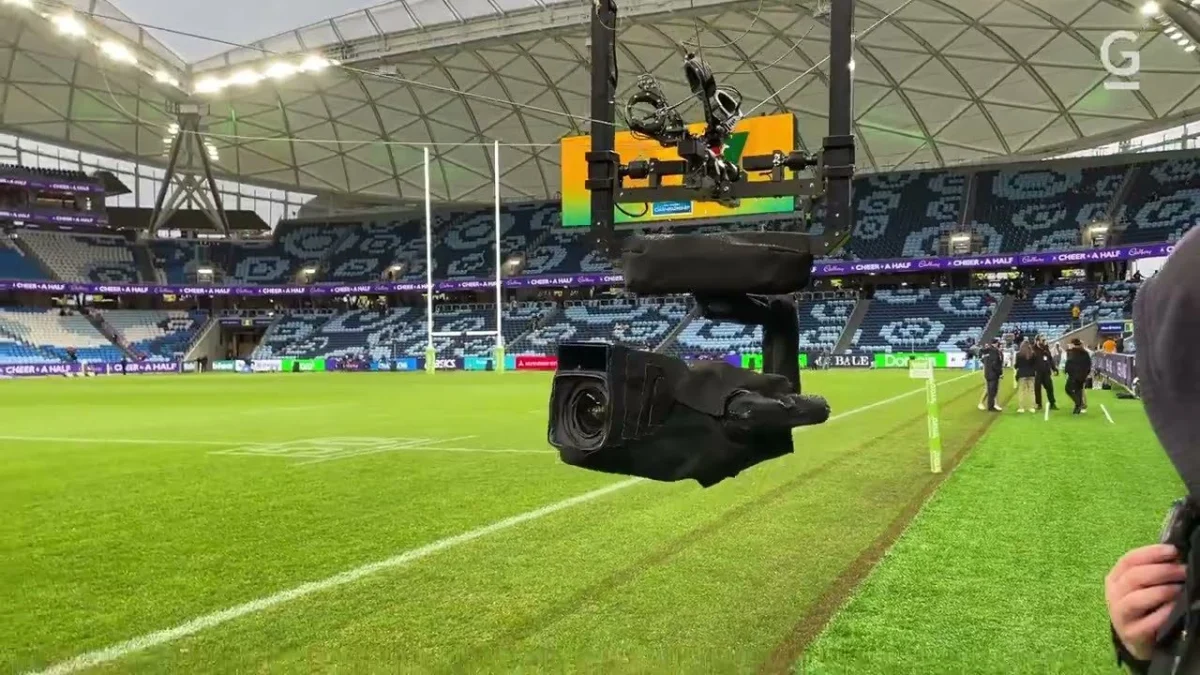
The advantages of a fully electronic global shutter are profound and multifaceted. In videography, it entirely eliminates the rolling shutter distortion, resulting in perfectly rectilinear rendition of fast-moving objects and smooth panning shots, regardless of speed. This is particularly crucial for sports, action, and cinematic applications where motion artifacts can be highly distracting. On the photography side, the benefits are equally compelling. Traditional cameras are limited by a maximum flash sync speed (typically 1/250s for crop sensors and 1/200s for full-frame sensors), dictated by the mechanical shutter’s travel time. While workarounds like high-speed sync (HSS) and leaf shutters exist, they often come with their own compromises in terms of power output, cost, or lens availability. An electronic global shutter theoretically eliminates this limitation, allowing photographers to synchronize flash at any shutter speed, even 1/16000s or faster. This capability fundamentally changes how off-camera flash can be used, offering unprecedented control over ambient light suppression and enabling photographers to stop motion with flash more effectively than ever before, regardless of the shutter speed employed.
While the technical challenges of implementing global shutters—including sensor design complexity, heat management, and maintaining high dynamic range and low noise—are substantial, the Sony a9 III has demonstrated its feasibility. As manufacturing processes mature and economies of scale take effect, experts anticipate a gradual expansion of global shutter technology into more camera models across different price points. This revolution promises to unlock new creative possibilities for photographers and videographers, simplify complex lighting setups, and deliver a level of image integrity in high-speed scenarios that was previously unattainable. The widespread adoption of global shutters in 2026 would mark a significant leap forward in imaging technology, impacting everything from professional sports photography to high-end cinematic production.
These five trajectories—the resurgence of third-party lenses, the advent of affordable fast primes, a pivot towards workflow-centric AI, critical improvements in camera app support, and the proliferation of global shutter technology—collectively point towards a dynamic and exciting future for the photography and videography industries in 2026. Each development promises to enhance creative capabilities, streamline professional workflows, and democratize access to advanced imaging technologies, fostering an environment of innovation and expanding the boundaries of visual storytelling.