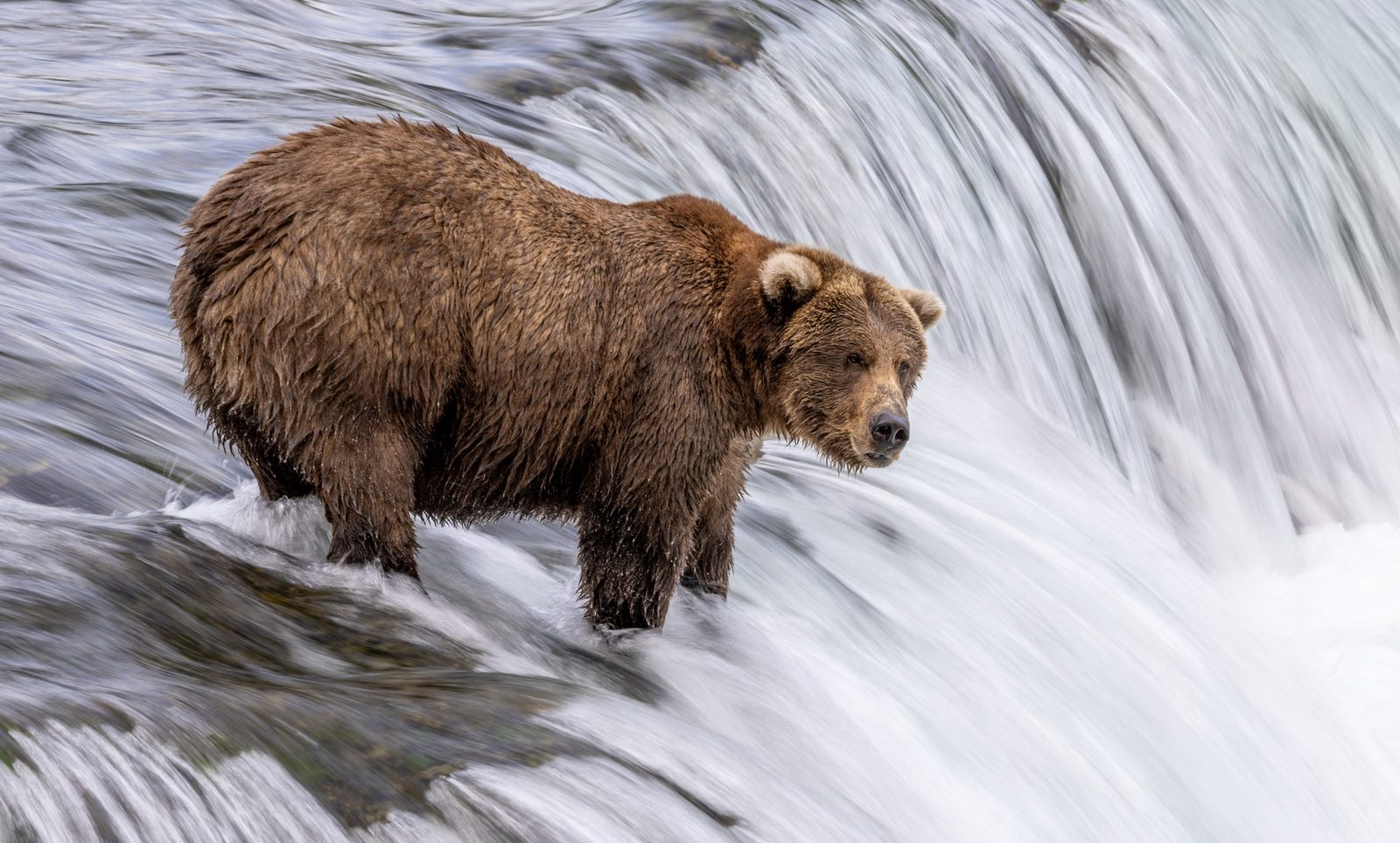
A recent wildlife photography expedition to Katmai National Park, led by a seasoned professional from Backcountry Journeys, underscored the critical role of meticulous gear planning and the strategic utilization of specialized equipment, particularly highlighting the performance of the Canon RF 100-300mm f/2.8 L IS USM lens, acquired through Lensrentals for the demanding assignment. The expedition, focused on capturing the iconic brown bears of Brooks Falls, necessitated a versatile telephoto zoom capable of delivering exceptional optical quality across a dynamic range of photographic scenarios.
Background: The Allure of Katmai and the Quest for the Perfect Shot
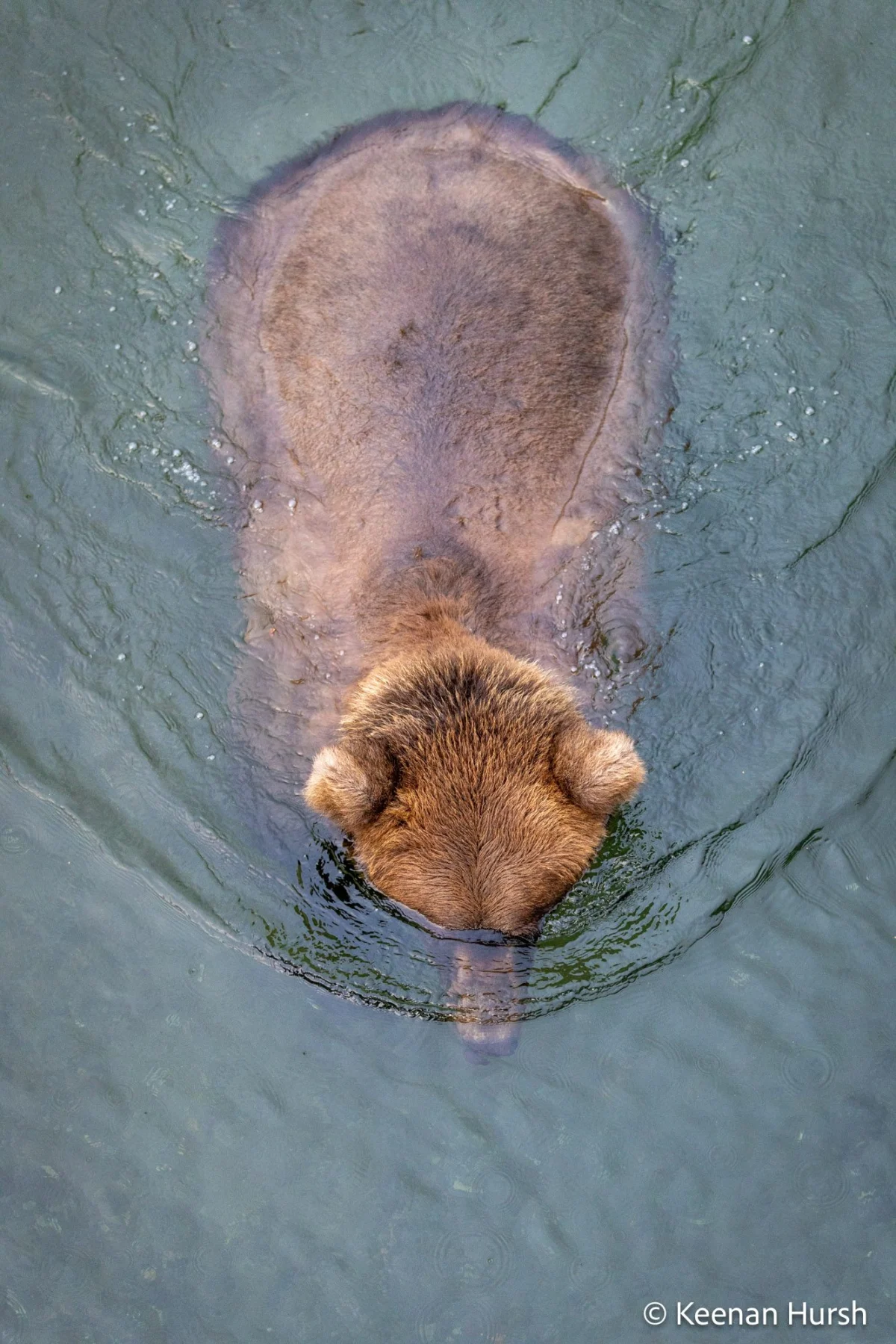
Katmai National Park, located on the Alaska Peninsula, is renowned globally for its dense population of brown bears, particularly at Brooks Falls, where bears gather in significant numbers during the salmon run. This unique natural spectacle offers unparalleled opportunities for wildlife photographers to document bears in their natural habitat, often at relatively close quarters from designated viewing platforms. However, capturing the full spectrum of behaviors and environmental interactions – from intimate portraits to wide-angle habitat shots and high-speed action sequences of bears fishing – presents a complex challenge requiring a sophisticated and adaptable photographic arsenal.
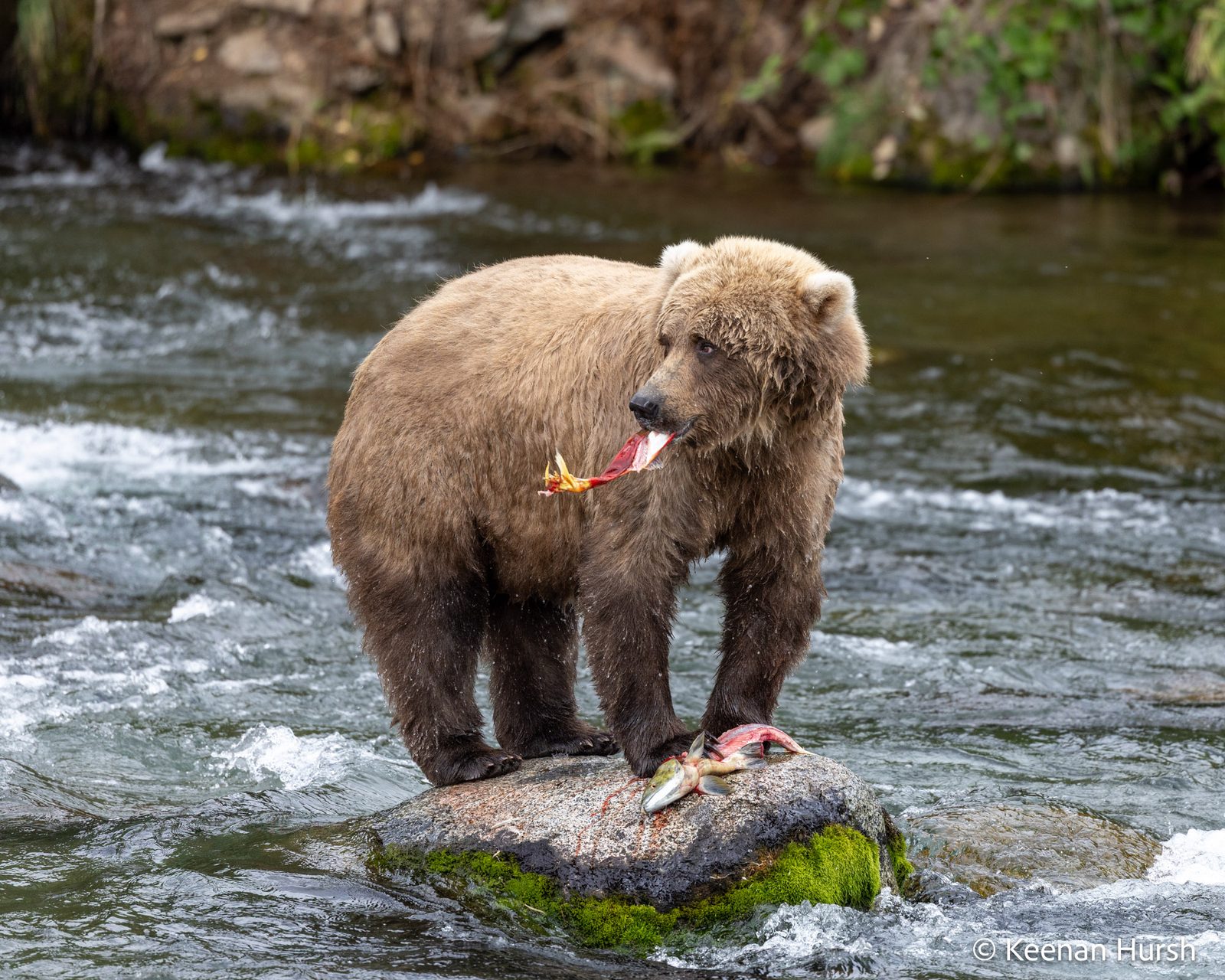
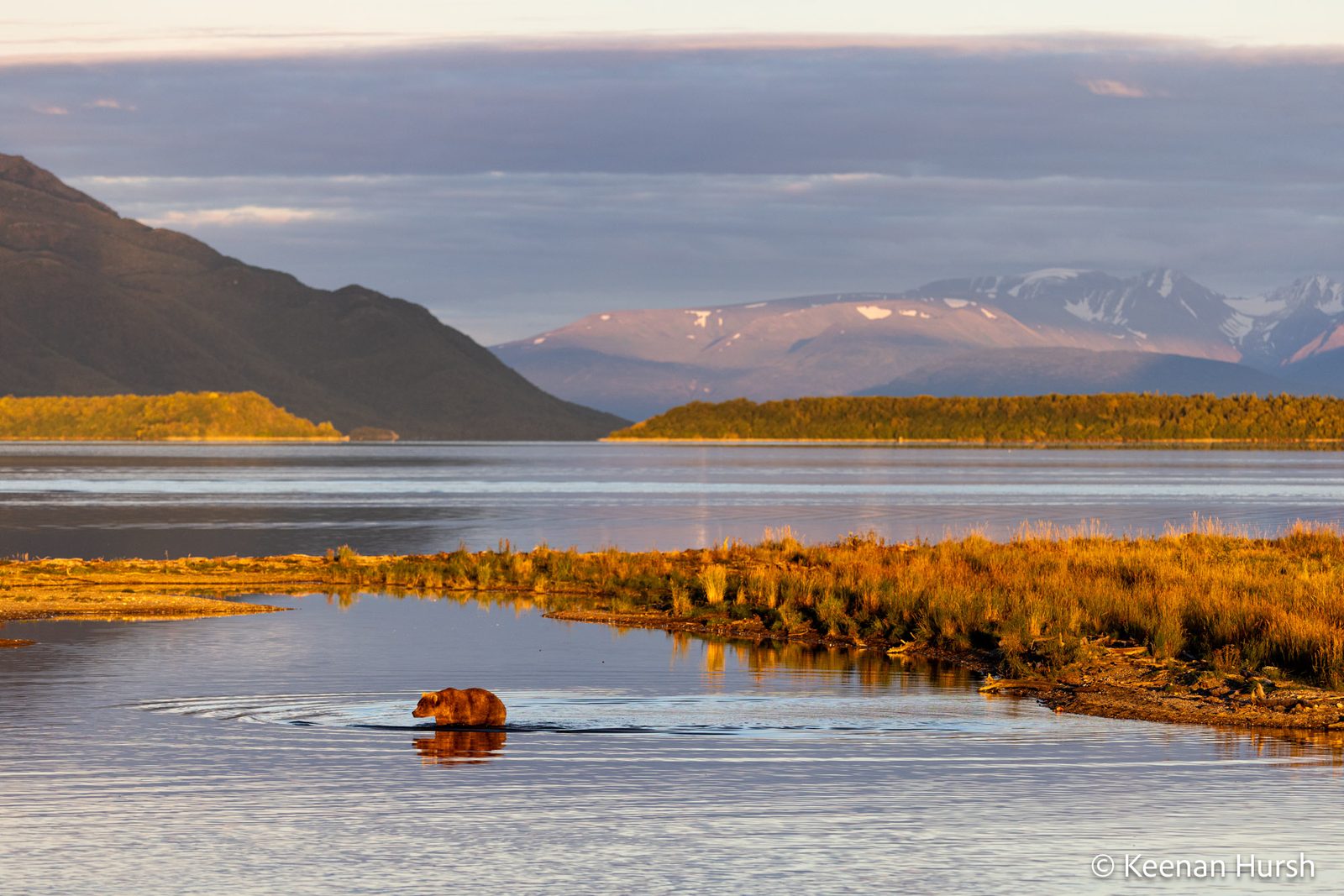
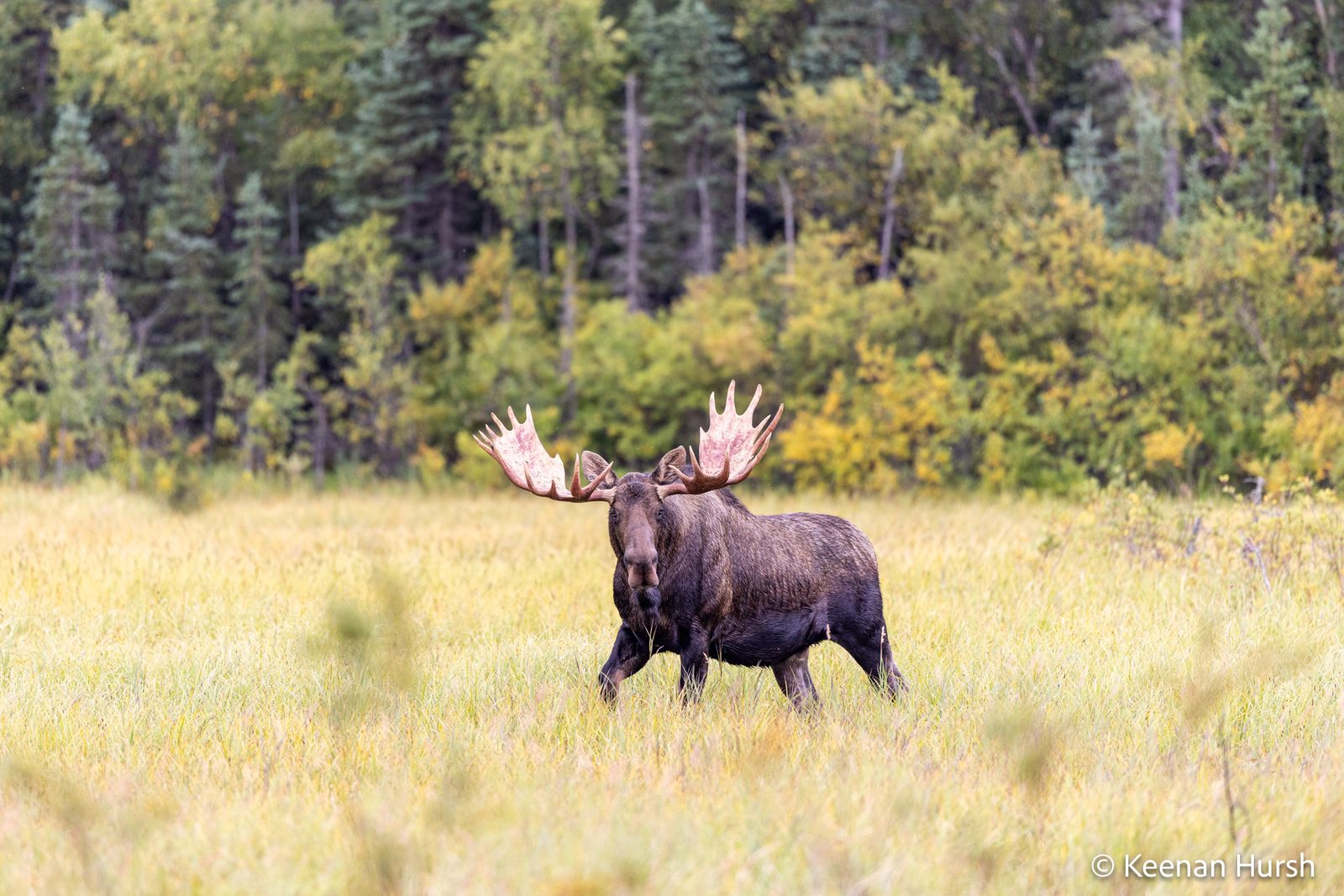
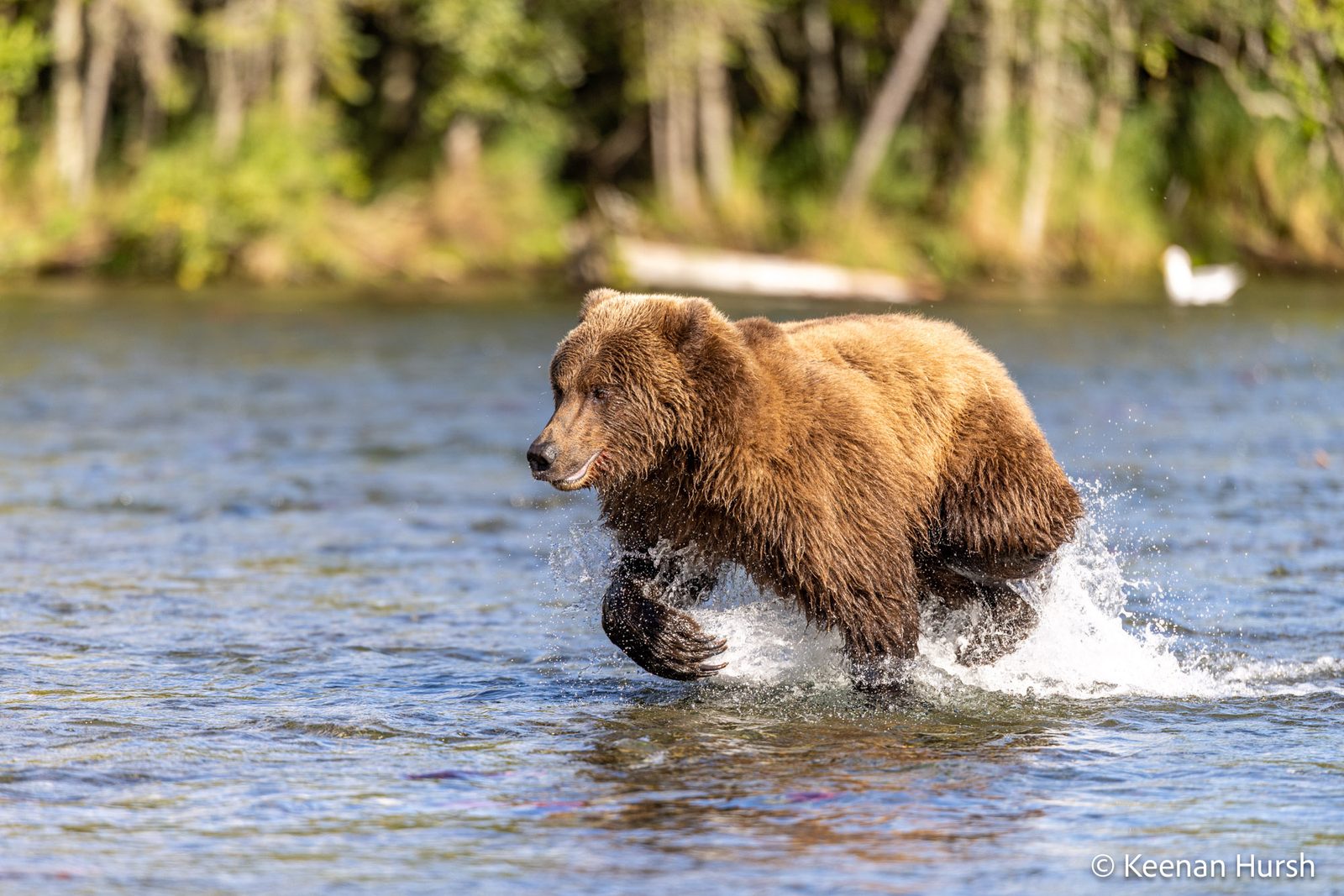
The professional photography trip leader, affiliated with Backcountry Journeys, a company specializing in guided photography workshops, routinely navigates these challenges. Their role involves not only guiding participants to prime locations but also ensuring they possess the right tools and techniques to maximize their photographic output. For this particular assignment, which involved two consecutive workshops at Brooks Falls, the leader had a clear vision for the images they intended to capture: tightly framed portraits with aesthetically pleasing bokeh, broader environmental shots to contextualize the bears within their stunning Alaskan landscape, and razor-sharp action sequences of bears mid-catch. This diverse set of objectives demanded a lens that could offer both significant reach and exceptional flexibility, a combination not always found in standard prime or zoom lenses.
The Emergence of a New Standard: Canon RF 100-300mm f/2.8 L IS USM
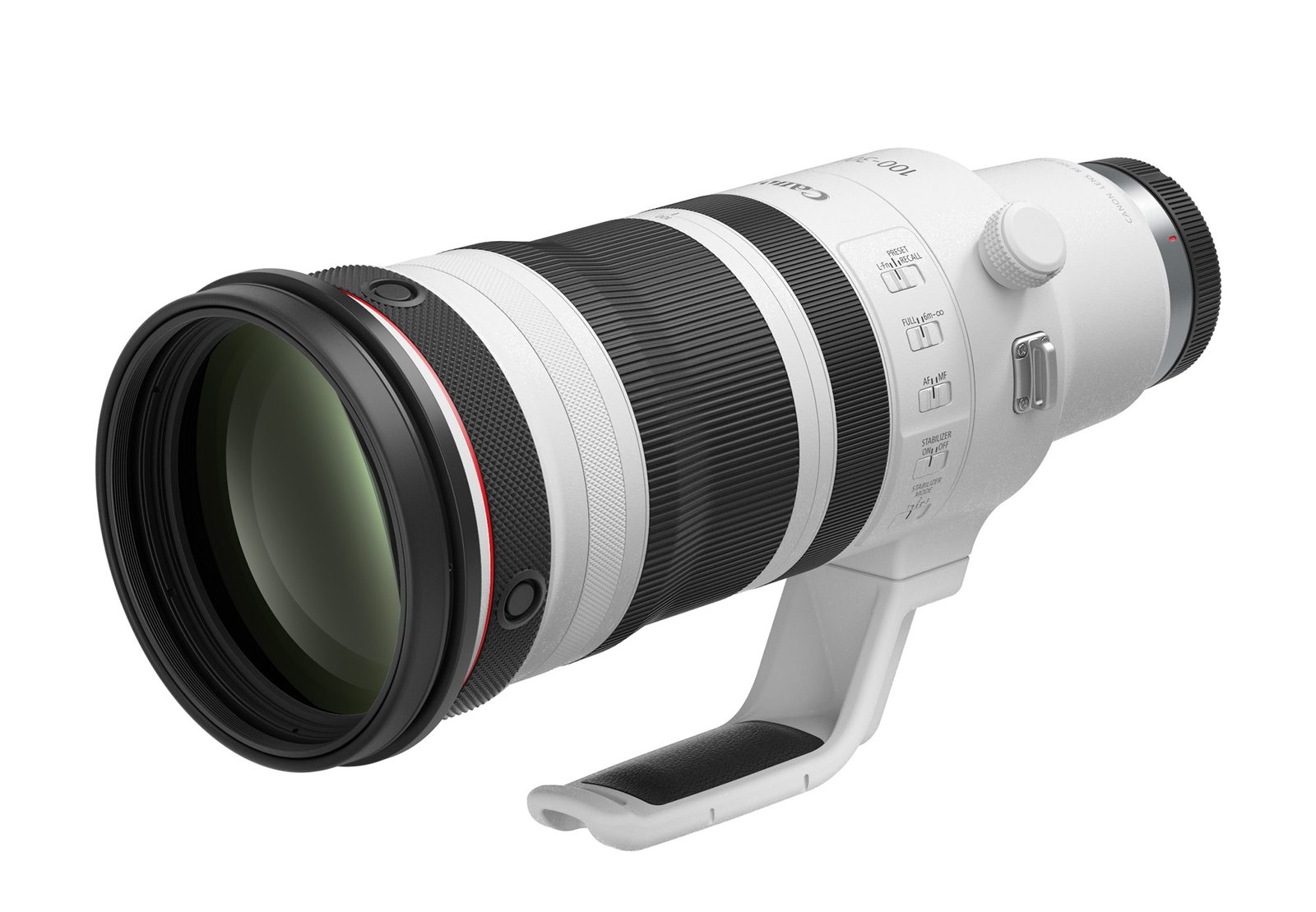
The Canon RF 100-300mm f/2.8 L IS USM lens, first announced approximately a year prior, represented a significant development in Canon’s professional lens lineup. It signaled a strategic shift towards producing high-performance telephoto zoom lenses that rival the optical quality traditionally associated with prime lenses, while offering the unparalleled versatility of a variable focal length. With a constant maximum aperture of f/2.8 across its entire 100-300mm range, coupled with advanced image stabilization and "razor-sharp optics," the lens quickly garnered attention in the professional photography community.
For the Backcountry Journeys leader, who primarily uses Canon gear and owns the formidable Canon EF 600mm f/4 L IS III prime lens – a staple for distant wildlife photography – the RF 100-300mm f/2.8 presented a compelling proposition. While the 600mm prime excels at isolating subjects from afar, the unique conditions at Brooks Falls, where bears can approach viewing areas quite closely, often necessitate a wider field of view without compromising on light gathering or image quality. The 100-300mm range offered precisely this flexibility, allowing for rapid adjustments to composition as bears moved within the environment. The decision to integrate this relatively new and high-value lens into the expedition’s kit was a calculated move, aimed at expanding creative possibilities and ensuring comprehensive coverage of the bears’ behaviors.
Chronology of Gear Acquisition and Field Deployment
The process began with the meticulous planning typical of such specialized expeditions. Weeks before departure, the photography leader engaged in thorough brainstorming, visualizing potential shots and identifying the specific equipment needed to realize them. Recognizing the limitations of their existing 600mm prime for closer-range, dynamic scenarios at Brooks Falls, the need for a wider, yet fast, telephoto solution became evident. The Canon RF 100-300mm f/2.8, a lens they had long admired since its release, was pinpointed as the ideal candidate.
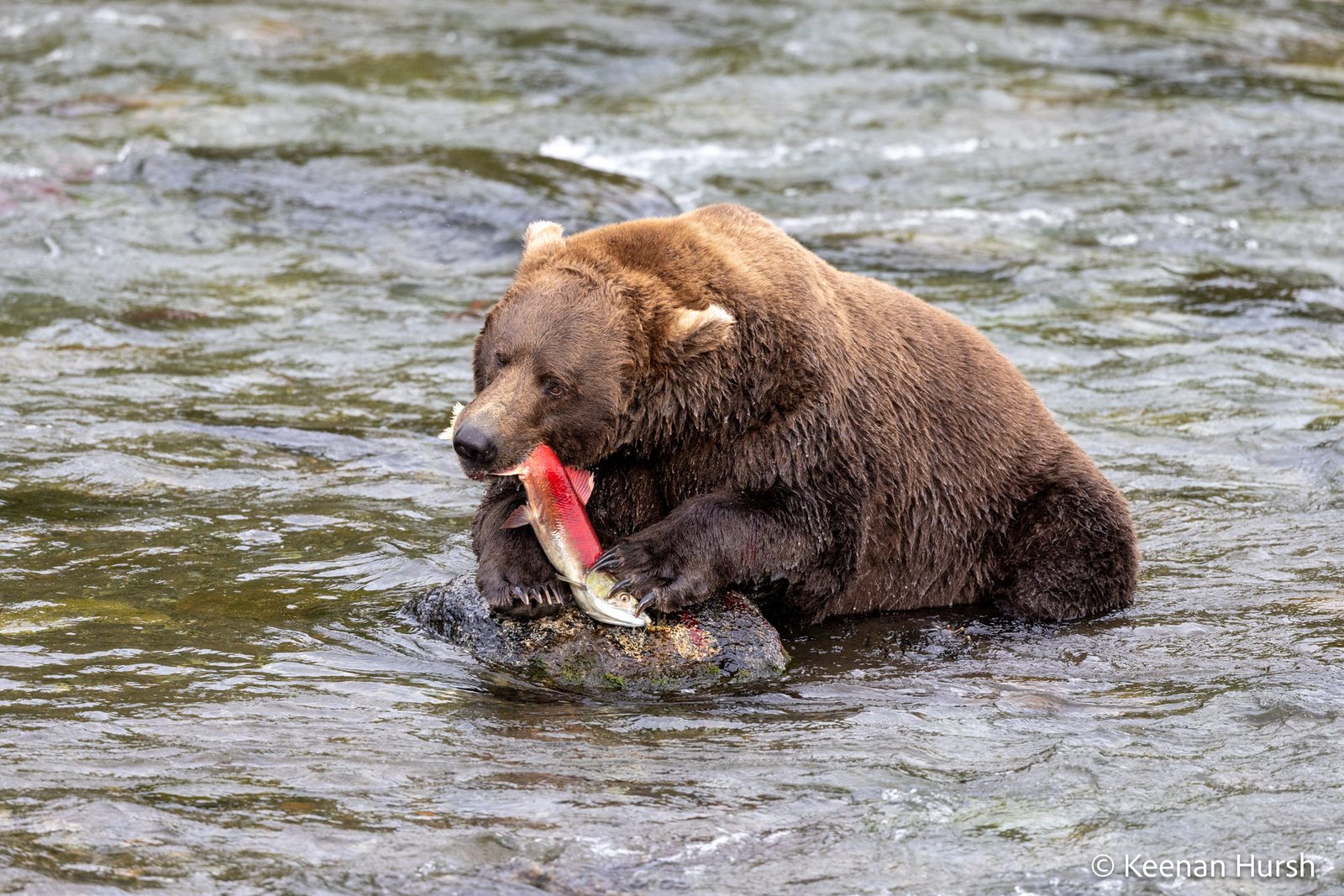
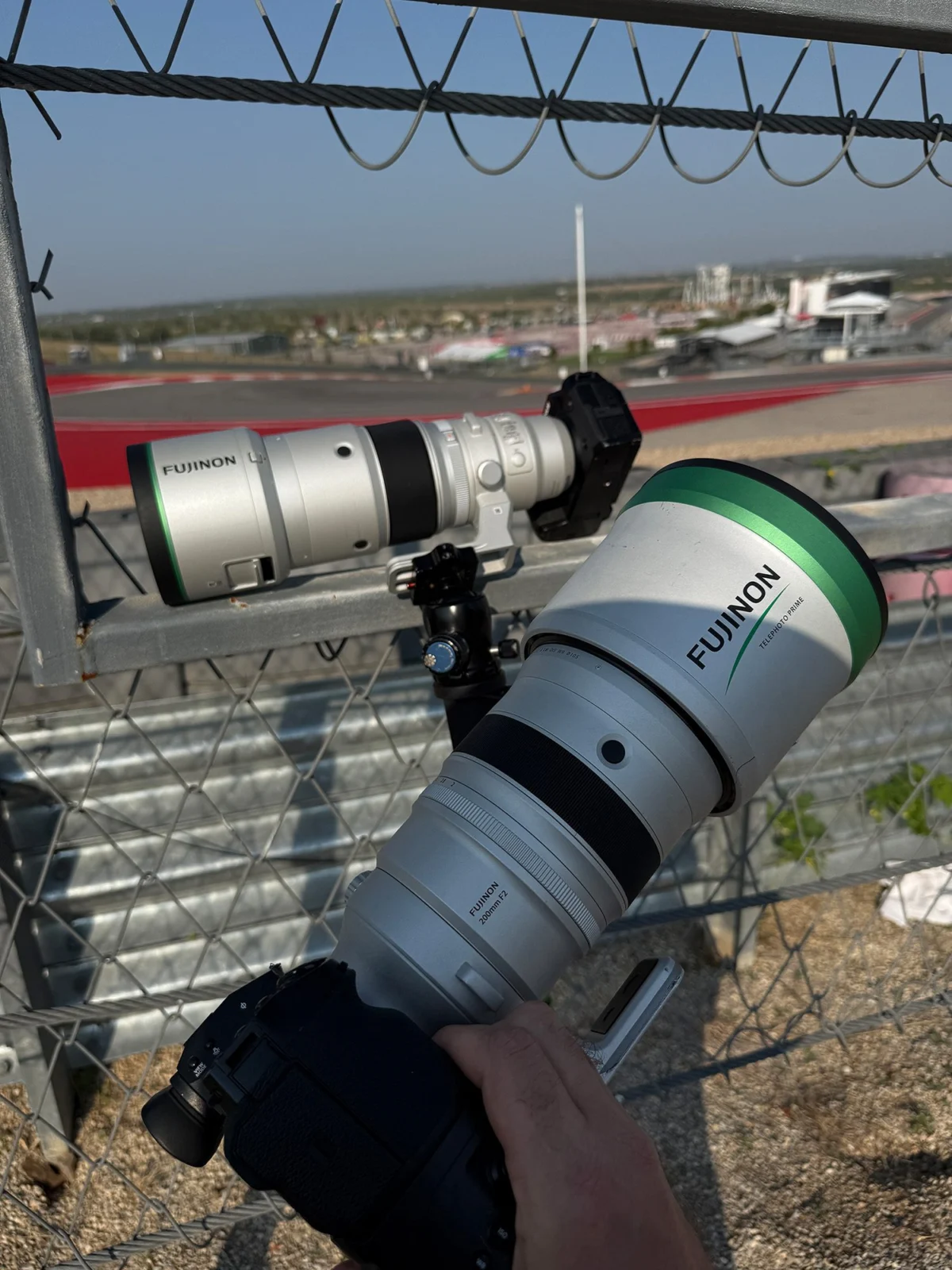
Given the significant investment required to purchase such a specialized lens outright, and the specific nature of its use for this particular trip, the decision was made to rent the equipment. Lensrentals, a well-established provider of camera and lens rental services, was the chosen partner, based on previous positive experiences. This approach allowed the photographer to access state-of-the-art equipment without the long-term commitment of ownership, a common practice among professionals seeking to optimize their gear for diverse assignments.
Upon arrival in Katmai and the commencement of the two back-to-back workshops, the Canon RF 100-300mm f/2.8 was immediately integrated into the workflow. Its versatility proved invaluable. The leader reported frequently starting with the longer 600mm prime for bears at a distance, then seamlessly transitioning to the 100-300mm zoom as the animals moved closer, often within the 50-75 yard range. This fluid adaptation was crucial for maintaining optimal framing and detail capture in a constantly evolving environment. The lens quickly became the "go-to" for nearly every close encounter, enabling the desired blend of tight portraits, expansive environmental views, and decisive action shots of bears navigating the falls and river.
Technical Performance and Advantages in the Field
The field performance of the Canon RF 100-300mm f/2.8 L IS USM lens in Katmai was consistently impressive, aligning with the high expectations set by its specifications. The constant f/2.8 aperture was a particular highlight, providing significant advantages in several key areas:
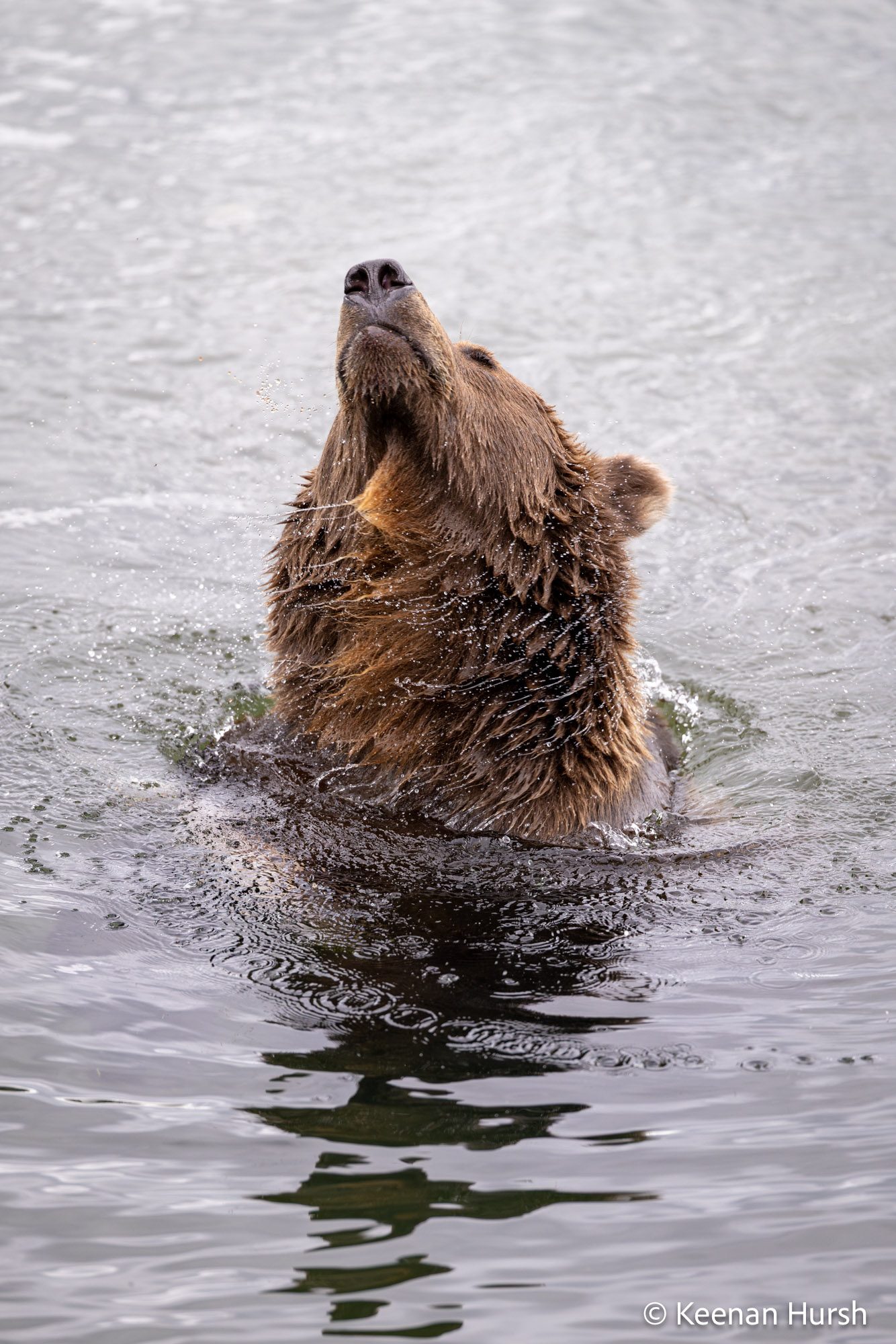
- Low-Light Capability: The wide aperture allowed for effective photography in varied lighting conditions, including the often-overcast Alaskan skies or during dawn and dusk, without the necessity of drastically increasing ISO settings. This preserved image quality, minimizing noise and maximizing detail.
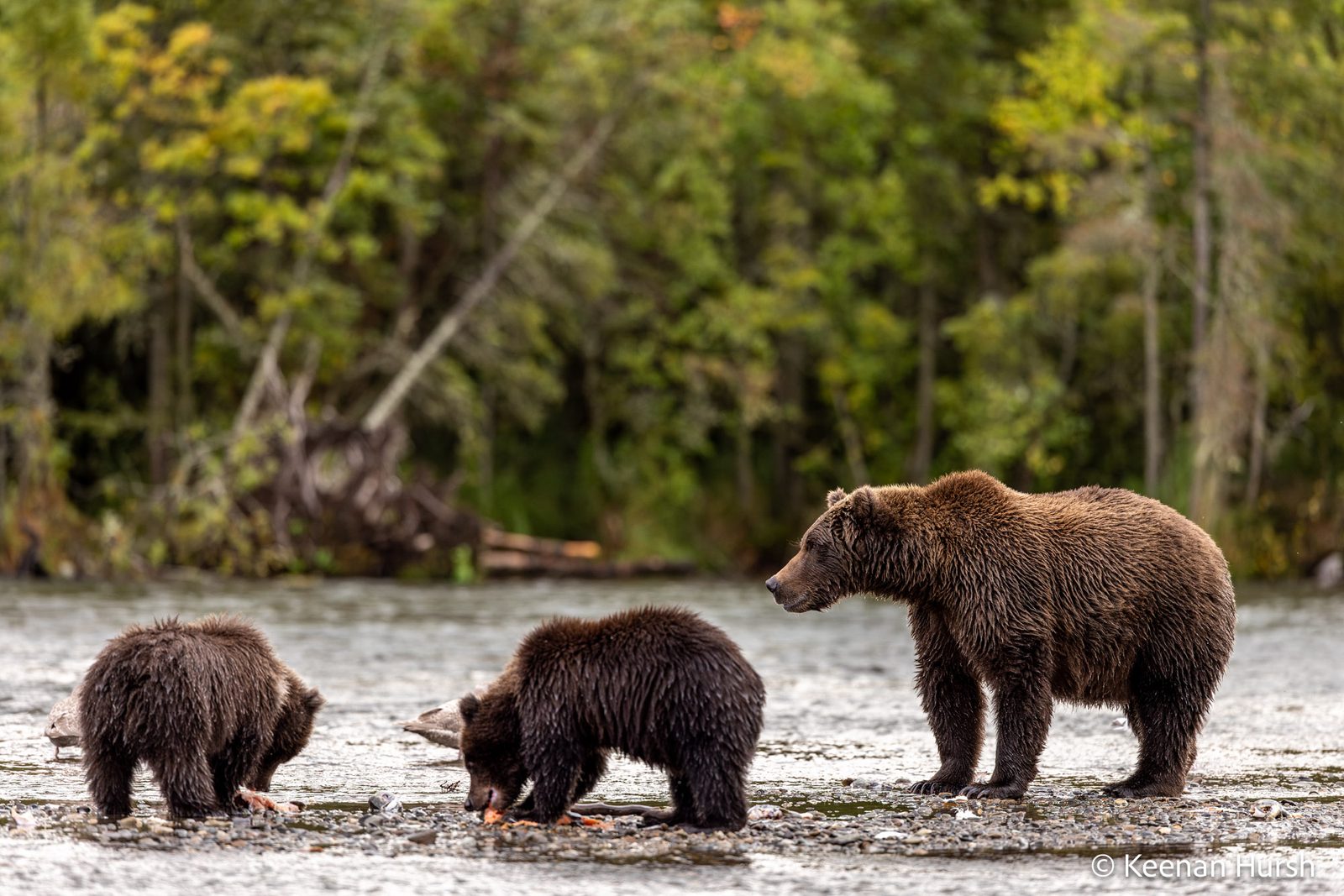
- Subject Isolation and Bokeh: The f/2.8 aperture, combined with the telephoto focal lengths, produced exceptionally smooth, creamy backgrounds (bokeh). This effectively isolated the brown bears from their surroundings, making them stand out prominently and creating images with a strong visual impact. This was particularly effective for the desired portrait shots.
- Depth of Field Control: The ability to precisely control depth of field at f/2.8 offered creative flexibility, allowing the photographer to render specific elements sharp while subtly blurring others, guiding the viewer’s eye within the composition.
- Image Stabilization (IS): The lens’s robust image stabilization system further enhanced its low-light performance and utility in dynamic situations. It enabled the capture of sharp images even when shooting handheld or at slower shutter speeds, crucial for maintaining flexibility on viewing platforms where tripods might be impractical or movement is required.
Furthermore, the zoom range of 100-300mm provided the agility necessary for wildlife photography, where subjects are rarely static. The ability to quickly zoom from a wider perspective to a tighter crop without changing lenses meant fewer missed moments and greater responsiveness to the bears’ unpredictable movements. This versatility, combined with the prime-like optical sharpness, solidified its reputation as a high-performance tool tailored for demanding professional use.
Strategic Benefits and Broader Implications for Photography Professionals
The successful deployment of the Canon RF 100-300mm f/2.8 L IS USM lens on this Katmai expedition highlights several significant trends and benefits within the professional photography industry:
- Accessibility to Specialized Equipment: Rental services like Lensrentals play a pivotal role in democratizing access to high-end, specialized camera gear. For lenses costing upwards of $10,000, outright purchase is often financially unfeasible or unnecessary for every photographer or every assignment. Renting allows professionals to utilize the best tools for specific jobs, ensuring they are optimally equipped without incurring prohibitive capital expenditure. As a spokesperson for Lensrentals might state, "We are committed to providing photographers with flexible and reliable access to cutting-edge equipment, enabling them to pursue their creative visions without the barriers of ownership."
- Optimizing Gear for Specific Assignments: The decision to rent a lens for a particular trip, rather than relying solely on owned equipment, demonstrates a strategic approach to gear management. It ensures that the photographer has the absolute best tool for the unique demands of an environment like Katmai, where proximity to subjects and dynamic action require specific focal lengths and apertures.
- Innovation in Lens Design: Canon’s development of the RF 100-300mm f/2.8 signifies a broader industry trend towards creating zoom lenses that challenge the traditional dominance of primes in terms of optical quality. This innovation empowers photographers with unprecedented versatility, reducing the need to carry multiple heavy prime lenses without sacrificing image fidelity. A Canon representative might emphasize, "The RF 100-300mm f/2.8 is a testament to our relentless pursuit of optical excellence, offering professionals a versatile instrument that combines the speed of a prime with the flexibility of a zoom, pushing the boundaries of what’s possible in telephoto photography."
- Enhancing Workshop Experiences: For organizations like Backcountry Journeys, having leaders equipped with optimal gear directly enhances the quality of their workshops. The leader’s ability to capture diverse, high-quality images with the rented lens serves as both a demonstration for participants and a means to document the expedition’s success. A statement from Backcountry Journeys could reflect this: "Our workshop leaders are equipped with the best tools to navigate challenging environments like Katmai, ensuring they can capture the breathtaking moments our clients come to experience and providing invaluable insights into professional gear selection."
While the lens garnered overwhelmingly positive feedback for its optical performance, versatility, and build quality, considerations such as its substantial cost (making rental a practical alternative) and physical dimensions are inherent to high-performance super-telephoto zooms. These are not flaws but rather characteristics of a lens designed for uncompromising performance.
Conclusion: A Testament to Planning and Precision
The Katmai National Park photography expedition, marked by the strategic use of the Canon RF 100-300mm f/2.8 L IS USM lens from Lensrentals, served as a compelling demonstration of how meticulous planning and the right photographic tools can converge to achieve exceptional results. The professional trip leader from Backcountry Journeys successfully captured a comprehensive array of images, from intimate bear portraits to sweeping environmental vistas and dynamic action shots, all facilitated by the lens’s unparalleled combination of focal range versatility, fast aperture, and optical sharpness. This experience underscores the enduring value of gear rental services in empowering professional photographers to meet the specific demands of their assignments and to explore new creative avenues without the constraints of ownership. It reinforces the notion that in specialized fields like wildlife photography, preparation, adaptability, and access to cutting-edge technology are paramount for success.