The "From Amateur to Professional" interview series, a cornerstone initiative designed to illuminate the transformative journeys of leading nature photographers, recently featured Dani LeFrancois, a distinguished landscape photographer and photo guide based in the breathtaking Canadian Rockies. LeFrancois’s narrative provides a compelling insight into the evolution of a photographic practice, detailing how passion, perseverance, and a pivotal shift towards education can shape a remarkable professional career. Through a retrospective examination of her work, her philosophy, and the challenges she has overcome, LeFrancois offers invaluable lessons for aspiring and established photographers alike. The series aims to provide a comprehensive look at the progression of images, the foundational experiences that ignited their careers, and the strategic transitions that cemented their status as professionals. Readers can delve deeper into these insights by subscribing to the free newsletter, which offers additional content from this enriching series.
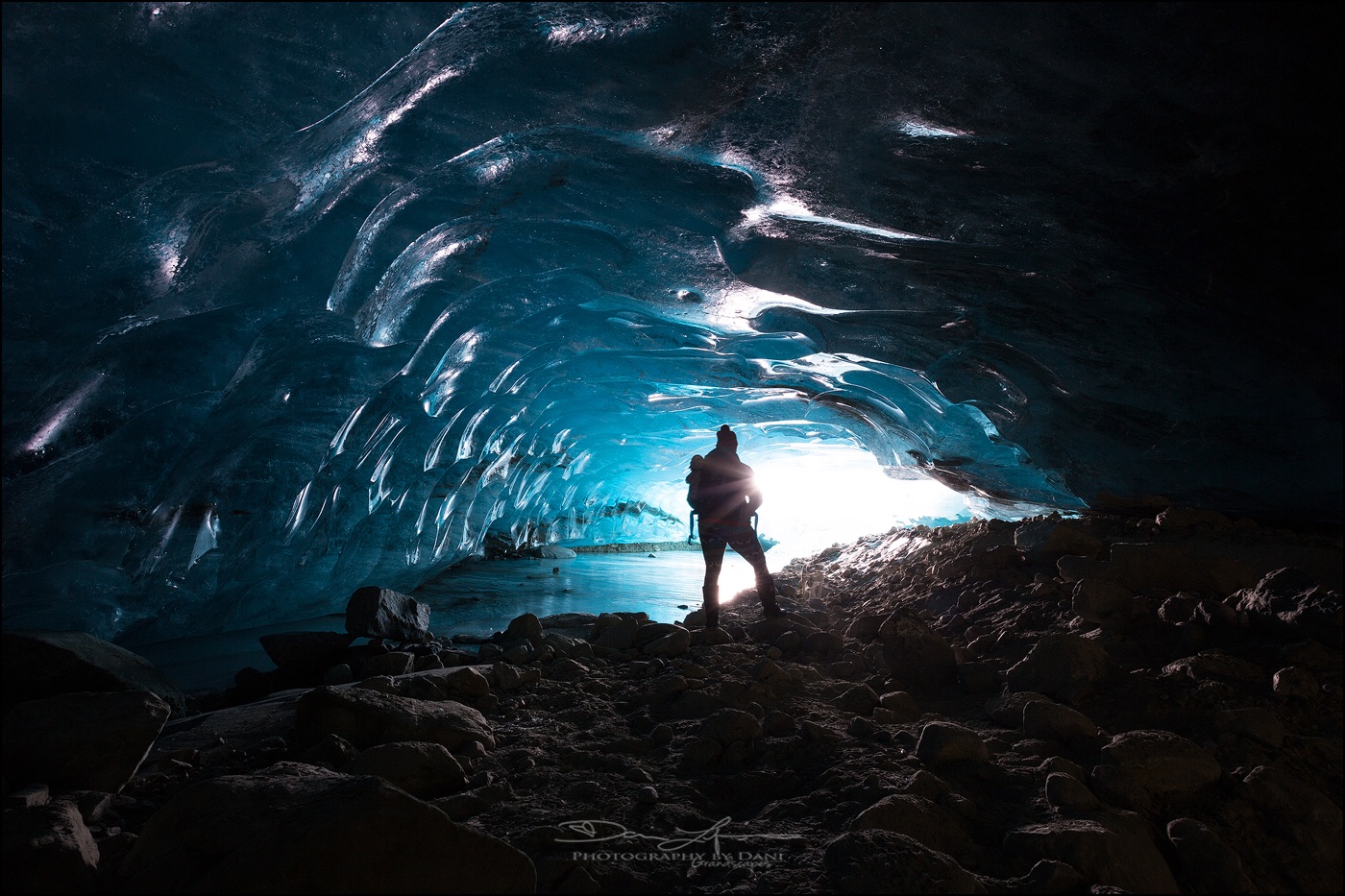
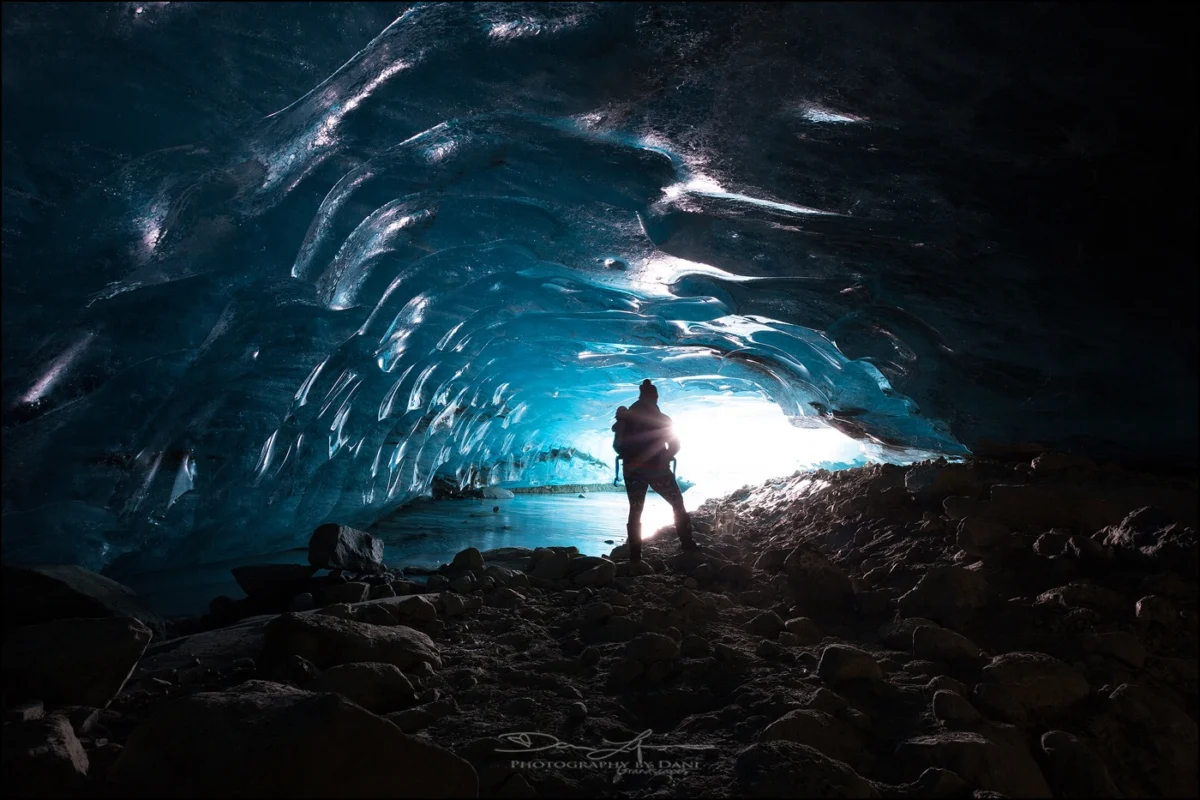
LeFrancois’s professional journey spans 22 years dedicated to the art of photography, with the last 11 years also dedicated to sharing her extensive knowledge through teaching and guiding. Her profound connection to the Canadian landscape serves as her primary wellspring of inspiration, a sentiment palpable in her evocative imagery that captures the unique beauty surrounding her daily.
The Genesis of a Nature Photographer: Early Encounters with the Wild
Dani LeFrancois’s fervent engagement with nature photography began in her formative years, a testament to a childhood deeply rooted in outdoor exploration. "I caught the fever when I was quite young," she recounts, painting a vivid picture of summers spent at YMCA camps, immersed in the natural world. Far from the typical child’s apprehension, LeFrancois embraced the wild, unafraid of insects and fascinated by the smallest creatures, such as frogs. This innate curiosity and comfort in natural environments laid the groundwork for her future artistic endeavors.

Her initial foray into photography was serendipitous, evolving from a practical role during family vacations. "My mom and I would go on summer road trips around Ontario, Canada, and the east coast of Canada, and it was my job to take photos," she explains. This responsibility, initially perhaps a simple task, soon became a catalyst. The acquisition of a "state of the art" 2-megapixel point-and-shoot camera in anticipation of a trip to Alberta marked a significant milestone. This journey west proved to be the spark that ignited an enduring obsession with photography, forever altering her perception of the world and her place within it. The vast, dramatic landscapes of Alberta, coupled with the novelty of capturing them through a lens, cemented her photographic calling.
Upon entering high school, LeFrancois’s burgeoning talent found a more structured outlet. Enrolling in a photography class, she quickly recognized her innate aptitude for composition. This early validation reinforced her conviction, guiding her toward further exploration of the craft. While a brief stint in college for photography offered academic exposure, she soon realized that the curriculum did not align with her true passion: nature photography. This realization prompted a crucial decision: to forge her own path into the specialized field of nature photography, a journey that demanded self-direction and an unwavering commitment to her unique artistic vision. This period, characterized by a blend of formal learning and intuitive self-discovery, highlights a common trajectory for many artists who find their niche outside conventional academic frameworks. The early 2000s saw a rise in accessible digital cameras, allowing enthusiasts like LeFrancois to experiment more freely than with traditional film, fostering a new generation of self-taught photographers.

A Visual Retrospective: Tracing the Evolution of an Artist
LeFrancois’s artistic evolution is best understood through the progression of her photographic work. Reflecting on her early images, she shares a profound sense of nostalgia and personal pride. "I often look back at my old online accounts where I used to share my photos and remember how much I loved a photo thinking that it was so amazingly groundbreaking," she muses. These early photographs, while perhaps not "groundbreaking for everyone else," held immense personal significance, representing pivotal moments of experimentation and discovery. They were snapshots of a budding artist finding her voice, testing the boundaries of her equipment, and capturing spontaneous moments that resonated deeply with her.
One such early image, titled "Dual Vocals," embodies this period of experimentation. It speaks to a time when every click of the shutter was a new adventure, a foray into the myriad possibilities of visual storytelling. The image itself, while simple, carries the weight of her early creative explorations, showcasing her nascent ability to find intriguing subjects and perspectives. The early internet platforms for sharing photography, such as DeviantArt or Flickr, played a crucial role for emerging artists like LeFrancois, providing a space for feedback and community that was previously unavailable.

Comparing her formative work with her mature professional output reveals not just a technical advancement, but a deepening of her artistic philosophy. LeFrancois presents two compelling examples that, despite their stylistic differences, share a common thread: an intuitive response to overlooked beauty.
Her amateur favorite, "Waterlogged," depicts a single leaf adorned with water droplets. This image originated during a college field trip where the assignment was to photograph a waterfall. While her peers rushed to capture the grand spectacle, LeFrancois’s discerning eye was drawn to the subtle artistry of a wet leaf. "I noticed this pretty leaf with water droplets on it," she recalls, underscoring her early inclination to seek out intimate details within larger landscapes. She spent a considerable amount of time perfecting the shot, battling low light conditions, a testament to her dedication even in her amateur days. This photograph, still cherished by her mother, symbolizes the quiet observation and patience that would become hallmarks of her professional approach. It demonstrates an early understanding of macro photography principles and the beauty found in minutiae, a departure from the grand vistas typically associated with nature photography.

In stark contrast, her professional favorite captures a majestic golden hour landscape from an unconventional vantage point. This location, often overlooked by photographers who flock to more popular nearby spots, presented itself to LeFrancois while en route to another destination. "This scene presented itself while on the way to another spot," she explains, highlighting her readiness to deviate from planned routes to seize unexpected photographic opportunities. The image demonstrates a sophisticated understanding of light, composition, and the ability to transform an ordinary scene into an extraordinary visual narrative. The mastery of golden hour light, often considered the most desirable time for landscape photography due to its soft, warm quality, showcases her advanced technical skill and keen aesthetic judgment. Both images, despite the years and experience separating them, reinforce her core belief in "following my instincts." They are testaments to a consistent artistic sensibility that prioritizes personal vision over conventional expectations.
The Professional Ascent: From Hobbyist to Full-Time Visionary
The aspiration to become a professional photographer took root during LeFrancois’s high school years, solidified by the realization that photography could be a viable career path. Her initial understanding of professional photography was, by her own admission, somewhat naive. "I was pretty naive to how professional photographers worked and kind of thought they had ‘real jobs’ and were creative as their side hustle," she reflects. This common misconception underscores the challenging transition many creatives face in understanding the commercial realities of their craft. The early 2000s, when LeFrancois was beginning her journey, saw a less defined pathway for nature photographers compared to today, often requiring a diverse skill set to generate income.

Her path to professionalism was incremental and multifaceted. After attending a few semesters of college, where one professor audaciously declared them "professional photographers now because we had pursued higher education for our craft," LeFrancois took a pragmatic approach. She diversified her experience, venturing into wedding, concert, and portrait photography to hone her skills and build a portfolio. This period of diverse commissions, though not strictly nature photography, provided invaluable practical experience in client interaction, technical execution, and the demanding pace of professional assignments. This broad exposure could certainly classify her as a professional photographer in a commercial sense, even if her heart remained in the wild. This strategic diversification is a common practice for emerging photographers seeking to build a sustainable career.
The decisive move came when she relocated west, dedicating herself entirely to photography as a full-time career focus. This transition was not instantaneous but a gradual, deliberate process. Ten years into her active pursuit of photography, she established her own business, Dani LeFrancois Photography, specializing in landscape imagery and guided tours. The ultimate milestone arrived seven years after her move west, marking seventeen years since her initial obsession began. At the age of 32, LeFrancois made the monumental decision to "retire" from her "real job" and fully embrace life as a full-time professional photographer and photo guide. The irony of using "retired" at such a young age highlights her lifelong ambition: "all I ever wanted to be when I grew up was retired and or a photographer." This milestone represented the culmination of nearly two decades of dedication, skill development, and strategic career building, a testament to her perseverance in a highly competitive field.

The Transformative Turning Point: Embracing Mentorship and Education
A pivotal "eureka moment" fundamentally reshaped LeFrancois’s professional identity and trajectory: the conscious shift from solely being a professional photographer to becoming a dedicated photo guide and educator. This evolution was profoundly influenced by her experience mentoring a friend, a "protégé of sorts," whom she actively assisted in developing their photographic skills and artistic vision. This experience illuminated a new avenue for professional fulfillment and community contribution.
Initially, LeFrancois harbored a competitive spirit, a common trait in many creative fields. "I used to feel like photography was a bit of a competition — whoever got their image posted first would get all the glory," she admits. This competitive outlook, driven by the desire for recognition, gradually dissolved as she immersed herself in the role of an educator. As she began to guide more photographers in the field, helping them refine their compositions and discover their unique perspectives, a profound sense of satisfaction emerged. "I started to feel pride in their images and the competition melted away," she explains. This transformation underscores a critical psychological shift: the joy of collective success superseded the drive for individual acclaim. This shift mirrors a broader trend within the creative industries towards collaboration and shared knowledge, recognizing that a vibrant community benefits all its members.

Today, this dedication to mentorship defines a core aspect of her professional life. "Now, I feel lost if I’m not helping someone with something because my joy is seeing others succeed, even if it overshadows me and my own work," LeFrancois states emphatically. This profound commitment to fostering talent and sharing knowledge not only enriches the wider photography community but also provides a deeply fulfilling dimension to her own career. This altruistic approach to her craft is increasingly valued in an interconnected world, where knowledge sharing and community building contribute significantly to professional growth and personal satisfaction. Her work as an educator and guide now stands as a testament to the idea that true mastery often involves empowering others, a vital component of building a sustainable and impactful career in the arts.
A Deep Connection to Place: Revisiting and Reinterpreting Landscapes
LeFrancois expresses a deep affinity for revisiting photographic locations, a practice that forms a significant portion of her artistic portfolio. "I absolutely love revisiting places. I’d say most of my portfolio is a story of revisiting the same place and capturing moments and the landscape as it changes and evolves," she elaborates. This approach is not merely about documenting a location repeatedly but about engaging with it on a profound, iterative level. It allows her to capture the subtle nuances of a landscape through varying seasons, light conditions, and atmospheric shifts, building a comprehensive visual narrative of a single place over time. This methodology contrasts with the "trophy hunting" approach often seen in nature photography, where photographers seek out new, iconic locations rather than deeply exploring familiar ones.

Her methodology is characterized by intuition rather than rigid adherence to predefined techniques. "My focus when revisiting is to capture something different from the familiar, whether it is changes in light or the landscape," she states. This intuitive, responsive approach ensures that each visit yields fresh perspectives and unique interpretations, preventing stagnation and fostering continuous creative discovery. By allowing the moment and the environment to dictate her creative choices, LeFrancois captures the authentic spirit of the Canadian Rockies, her enduring muse. The Canadian Rockies, with their dramatic seasonal transformations, from snow-capped peaks to vibrant autumn foliage, offer an ideal canvas for such an iterative approach. This commitment to intuitive shooting and deep engagement with her subjects stands in contrast to highly technical or heavily planned photographic expeditions, emphasizing an organic, almost symbiotic relationship with nature.
The Unchanged Art of the Edit: Efficiency and Authenticity
In an era where post-processing often plays as significant a role as capture, Dani LeFrancois maintains a refreshingly consistent and minimalist approach to editing. "I haven’t changed the way I edit in many years. I don’t enjoy the editing process. I get uninspired behind the computer," she admits candidly. This disinclination towards extensive digital manipulation informs her workflow: "The majority of my images are 2-5 minute edits." This efficiency suggests a strong emphasis on achieving the desired outcome in-camera, minimizing the need for corrective or transformative work in post-production.

Her efficiency in post-processing is a direct reflection of her philosophy, which prioritizes capturing the essence of the scene in-camera. While acknowledging the existence of "easier and better ways to do things," LeFrancois remains resistant to adopting new editing techniques, humorously likening herself to an "old dog new tricks" scenario. "I just do it the same way I’ve always done; I am resistant to take the time to learn new ways to do things," she explains. This steadfastness underscores a commitment to a particular aesthetic – one that values authenticity and the raw beauty of the captured moment, rather than heavily stylized or manipulated imagery. Her rapid editing process suggests that her primary artistic expression occurs in the field, through composition, light, and subject interaction, with post-processing serving largely as a refinement rather than a transformation. This approach offers a valuable counterpoint to the increasingly complex and time-consuming editing workflows prevalent in contemporary photography, highlighting the enduring value of strong fundamental capture techniques.