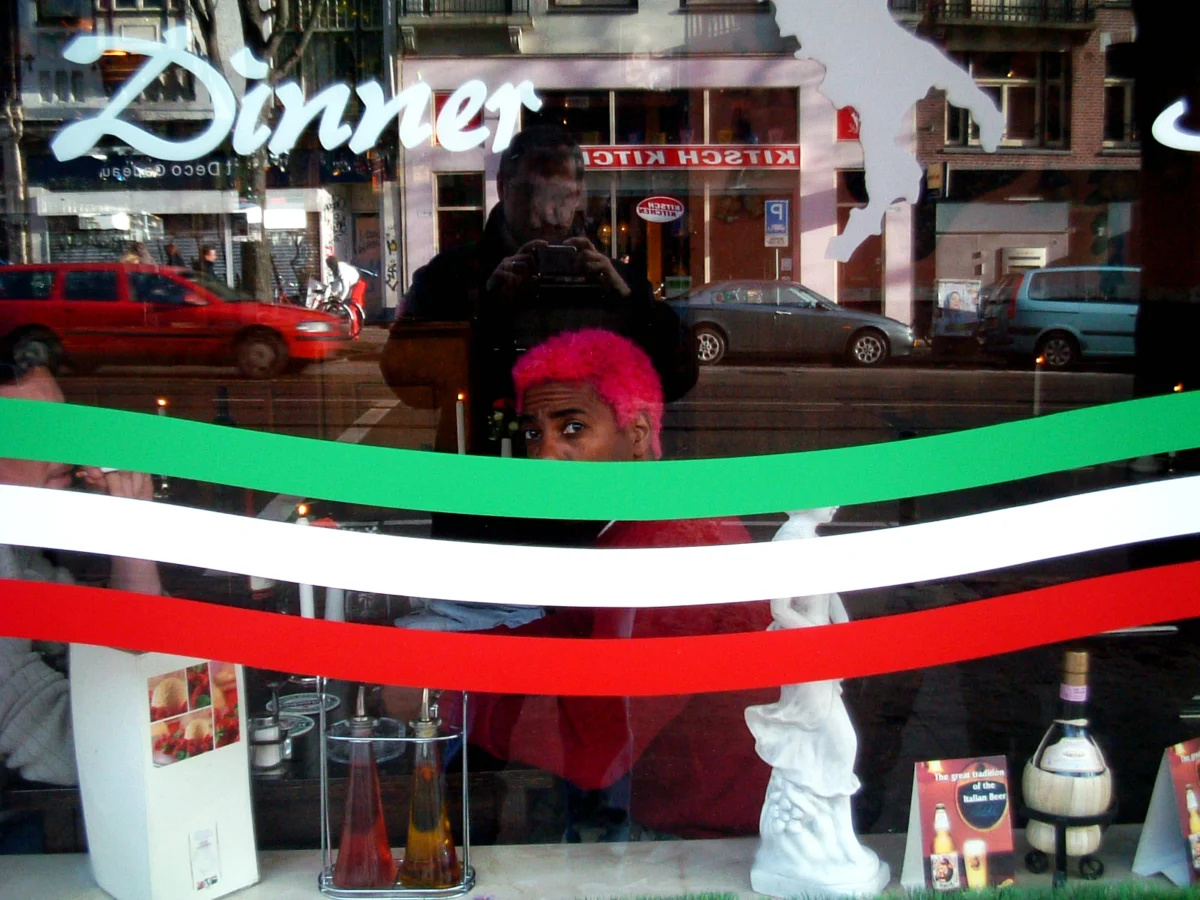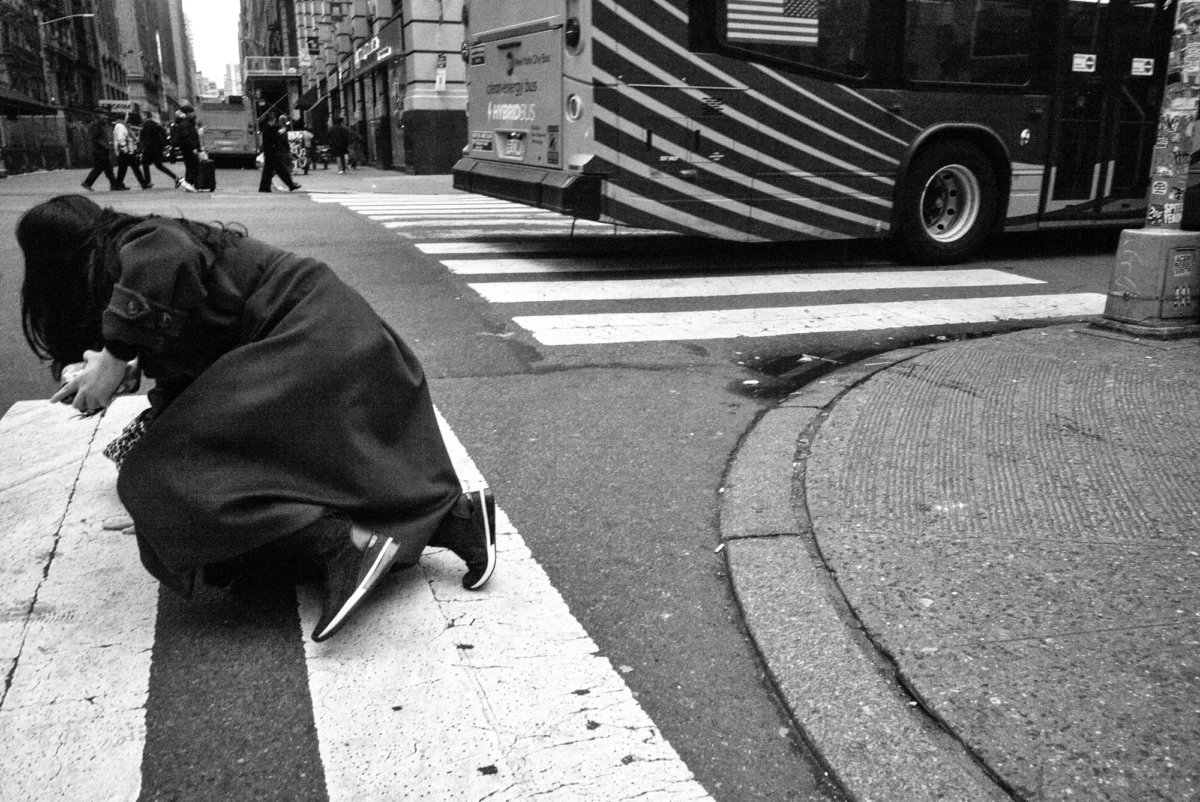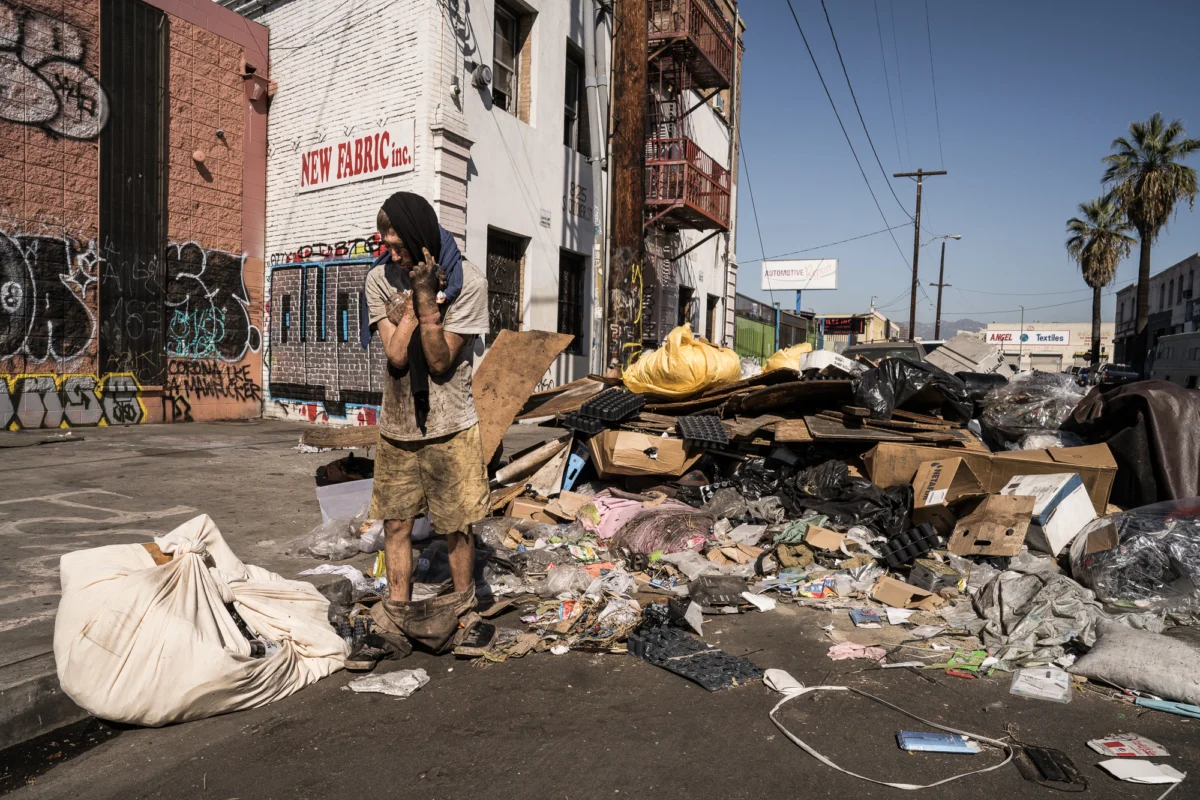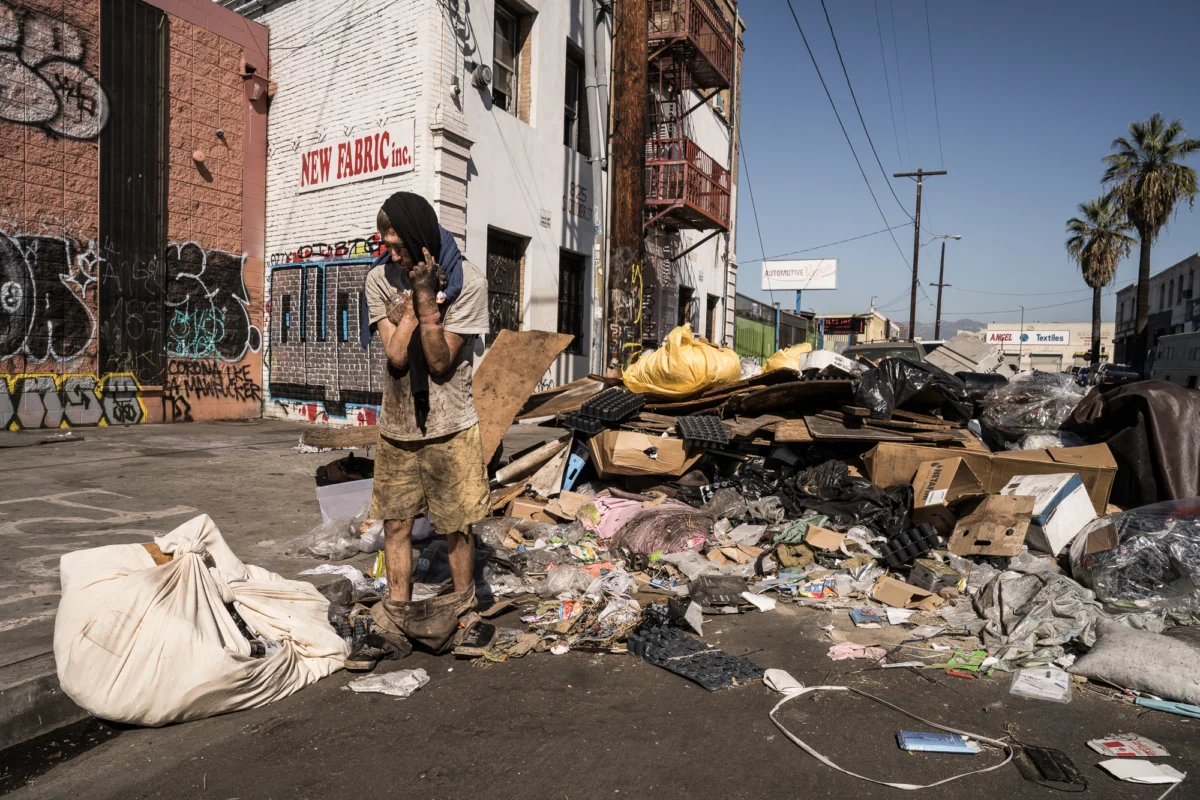
Eight years ago, street photographer Suzanne Stein offered a stark glimpse into the realities of Skid Row, capturing moments of profound tenderness against a backdrop of pervasive hardship. This initial foray into documenting marginalized communities marked the beginning of a sustained and impactful body of work. In a recent conversation, Stein reflected on her most extensive project to date, a multi-year immersion into Kensington, Philadelphia, a neighborhood grappling with the devastating effects of the opioid epidemic and, more recently, the escalating crisis of xylazine.
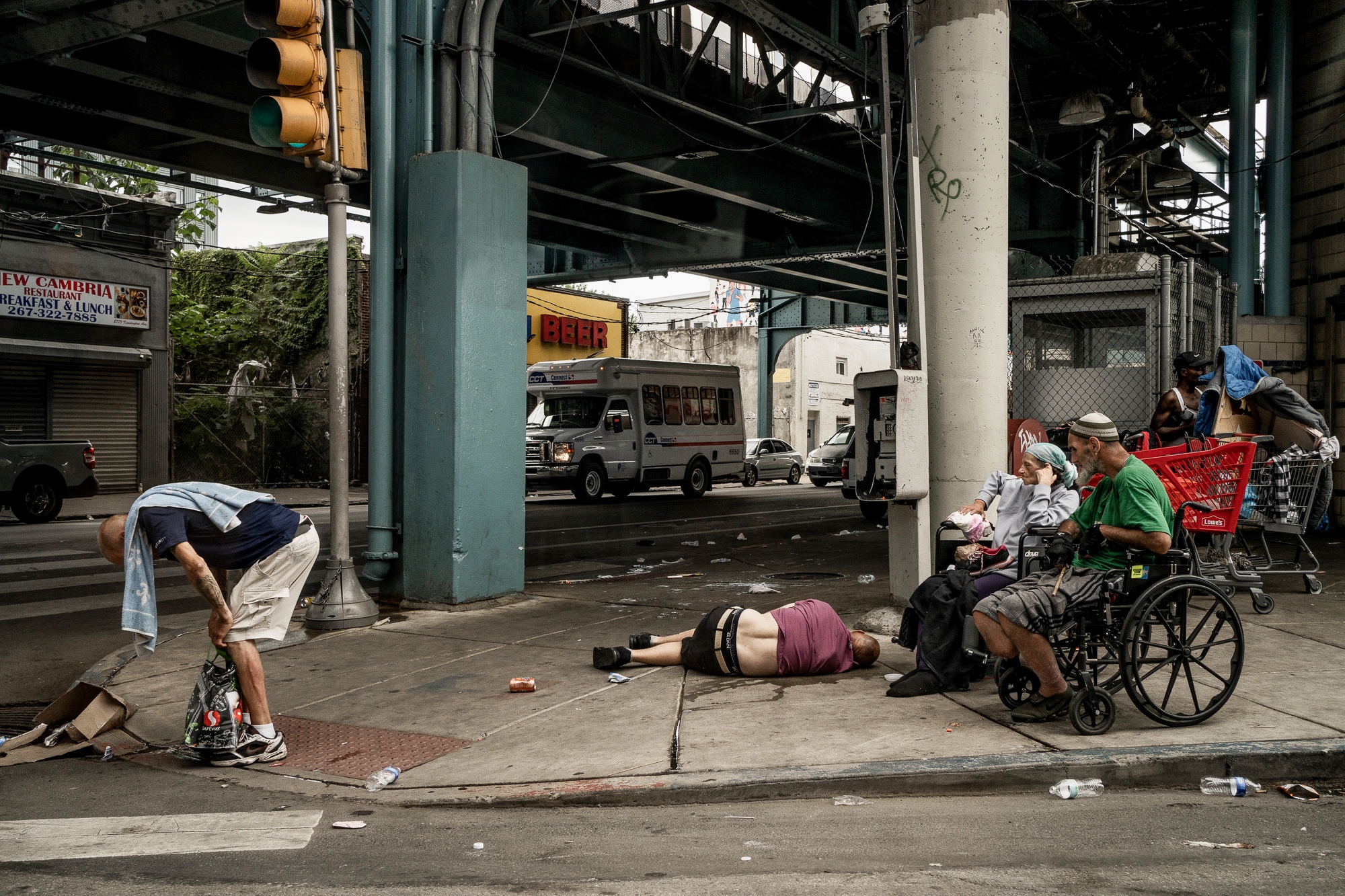
Stein’s artistic mission extends beyond mere documentation of addiction; she endeavors to present Kensington as a complex, lived-in environment. "I photographed the entire neighborhood: the families who live there, the streets, the memorials to gunshot victims and overdose victims, the storefronts, the corners, the ordinary moments, and the broader atmosphere of a community under enormous pressure," Stein explained. "The people suffering on the street are part of the story, but they are not the whole story." This holistic approach, seeking to portray the resilience and multifaceted nature of a community under duress, has garnered international recognition.
A Berlin Exhibition Spotlights Kensington’s Crisis
The Verena Kerfin Gallery in Berlin recently showcased a selection of Stein’s poignant images from Kensington in an exhibition titled US: Slow Code. The gallery’s introduction to the show underscored the artist’s distinct perspective: "She does not work on images that soothe. She works on images that unsettle." This sentiment resonates with Stein’s own portrayal of Kensington as a place where "misery takes form when it is organized inside a wealthy state: visible enough to serve as a deterrent, invisible enough to remain politically consequence-free." The exhibition aimed to expose a reality where poverty is not simply an absence of wealth, but a deliberate arrangement that allows its inhabitants to endure profound suffering while the outside world continues its routine.
The Unsettling Edit: A Visual Narrative of Abandonment
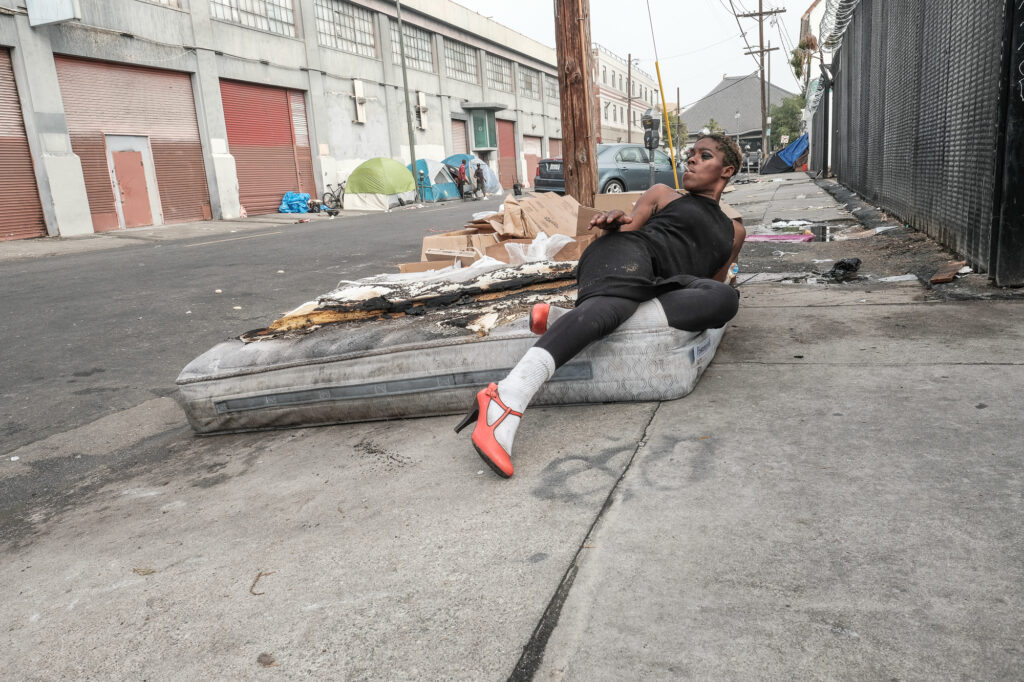
Stein described the exhibition’s curation by Verena Kerfin as "a very specific and courageous selection of images." While Stein provided a shortlist, the gallery ultimately made a deliberate choice, aligning with Kerfin’s vision. This focused edit, Stein believes, revealed "a gradual deterioration happening in plain sight – what Stein considers as a form of slow public emergency."
The chosen photographs predominantly depicted individuals in states of incapacitation or physical vulnerability. "She chose photographs of people lying down, incapacitated, or otherwise physically overcome, and she used that selection to make a larger statement about abandonment in the United States," Stein noted. She suggested that such unflinching portrayals would face significant challenges, if not outright impossibility, in being exhibited or published within the United States, a stark commentary on the nation’s willingness to confront its own internal crises.
Although unable to attend the exhibition in person, Stein engaged with attendees through a video installation, sharing insights into her work, her creative process, and the profound messages embedded within her photographs. "I was told that people were very interested, that they stayed with the images, and that they spent real time in the gallery," she reported. "That meant a lot to me, especially because the work is difficult and asks something of the viewer."
The Personal Toll of Documenting Trauma
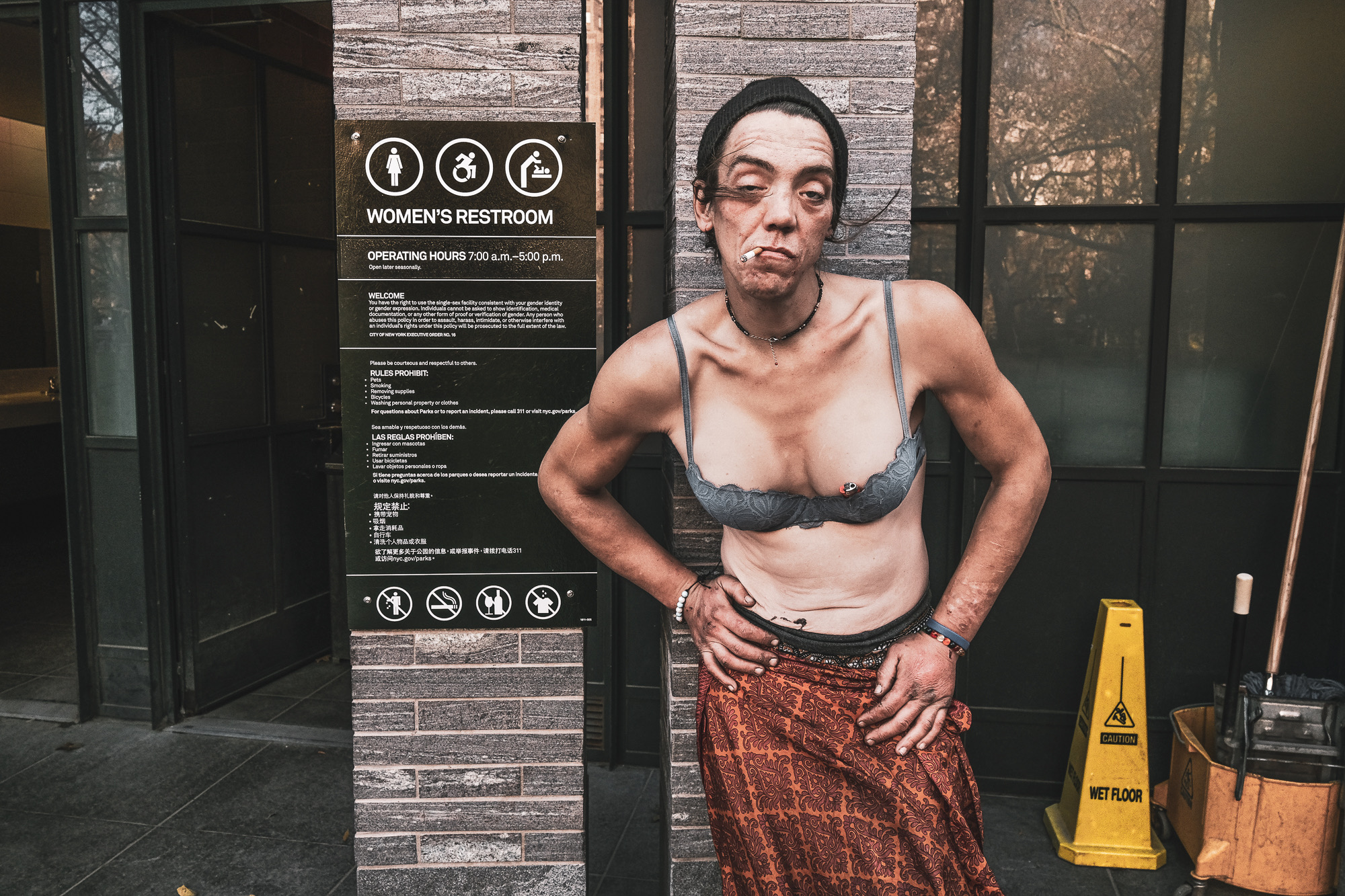
Stein’s extensive three-year immersion in Kensington, while yielding a significant body of work, also exacted a considerable personal toll. The direct exposure to the opioid and xylazine crises, coupled with the physical dangers and overwhelming negativity, led her to step back from documenting addiction in such an immediate and intense manner. "I met people and witnessed situations that did not reinforce positive feelings about humanity," she admitted. "That is difficult to say, but it’s true. The work took a long time to recover from emotionally and physically… When you are surrounded by trauma, decay, violence, addiction, strong odors, disturbing sights, and constant emotional intensity, it seeps into you."
While she has no intention of abandoning her commitment to documenting critical social issues, Stein is keen to move beyond being solely defined by her work on addiction, poverty, and homelessness. "I don’t really want to keep photographing people on the street suffering from addiction in the same way," she stated. "If I do, it would have to be very different, or it would have to be part of a specific assignment with a clear purpose."
Her current focus is shifting towards the aftermath of the crisis in Kensington. This includes documenting the lives of parents who have lost children to overdose, families striving to rebuild their lives, and individuals whose children have survived addiction but are now living with permanent disabilities. This evolution in her work allows her to remain connected to the narrative while exploring its broader, long-term human consequences.
The American Street: A Neglected Landscape
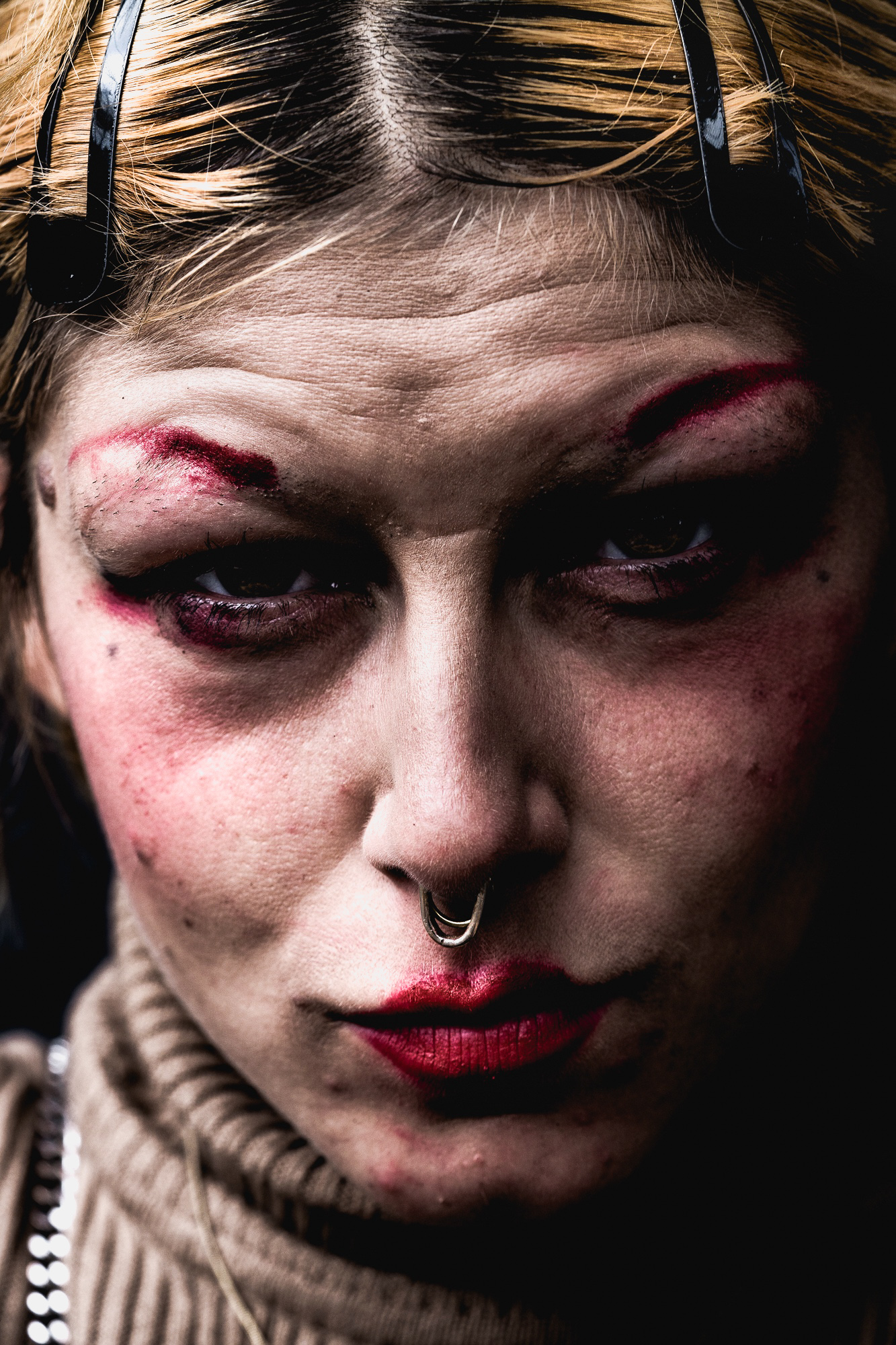
Stein’s observations highlight a critical disconnect in how American society confronts its own internal crises. She pointed to a "deep resistance to seeing what is actually happening on American streets," contrasting it with the "much more sanitized version" often presented by mainstream media. This resistance, she argues, leads to a reluctance to apply the same rigorous and unflinching photographic attention to domestic crises as is readily given to international conflicts. "We need to apply the same rigorous photographic attention to the streets of the United States that we apply to places like Ukraine or Gaza," Stein asserted. "These crises are here too, and they deserve to be seen with the same seriousness."
Personal Echoes: Why Stein Documents the Unseen
Stein’s artistic trajectory is deeply intertwined with her personal experiences. She acknowledges a profound connection to her subjects, partly stemming from her own history of navigating significant personal distress, including financial instability, single parenthood of a child with autism, and a family history marked by alcoholism and addiction. "The reason I’ve been drawn to this work in the first place is that I have also lived with serious distress myself," she confessed. This shared vulnerability, she believes, allows her to approach her subjects with a deeper empathy and a drive to document realities that others deliberately overlook.
The emotional and psychological toll of her work in Kensington was substantial. "Even if you are there to tell a story, and even if you understand what you are doing intellectually, it still affects your nervous system and your outlook," Stein reflected. "I think the work has made me more negative at times, and probably more difficult to be around. I’ve had to be honest with myself about that." She attributes this to the frustration of witnessing persistent crises met with inadequate societal response.
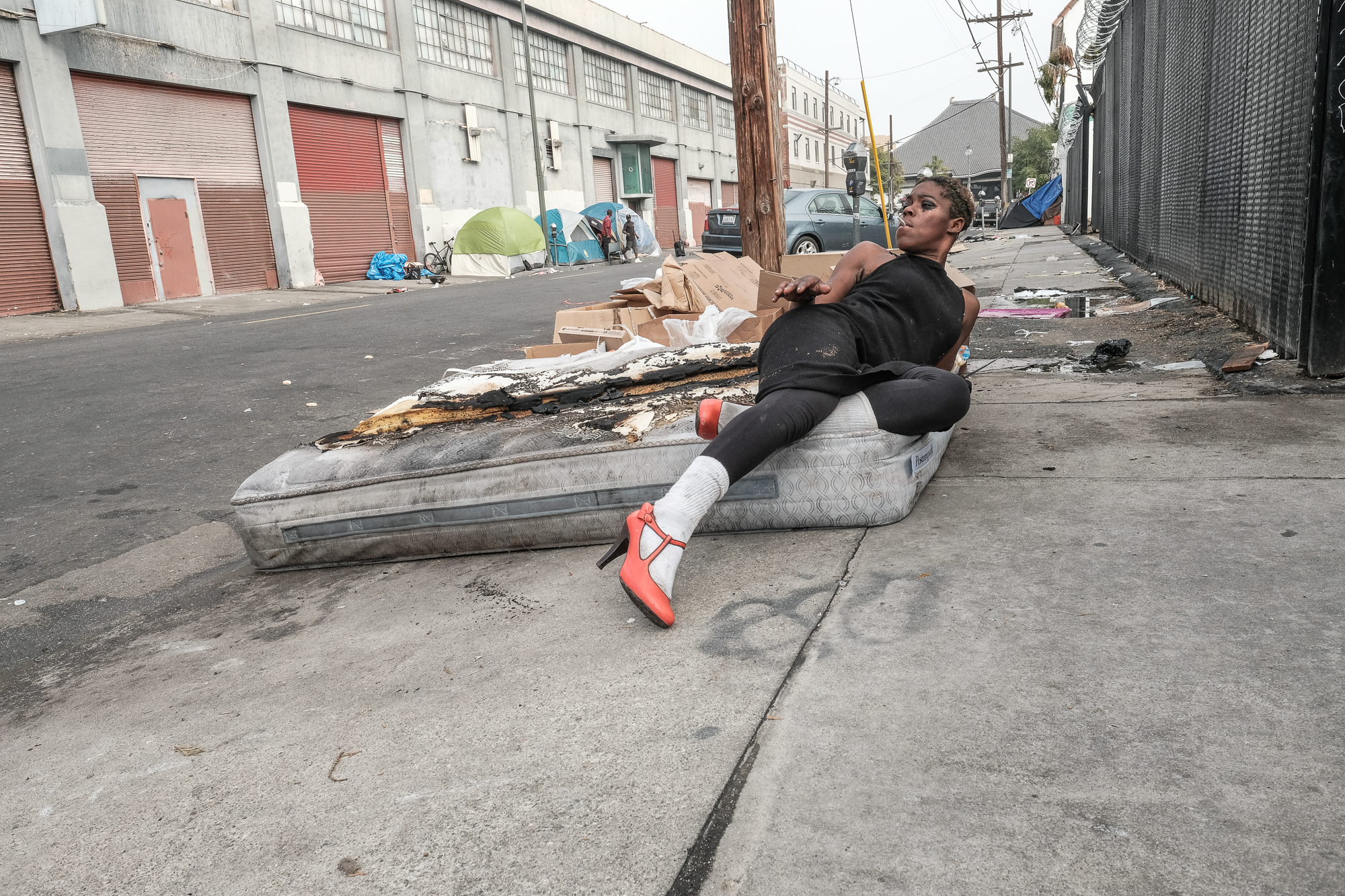
Comparing her experiences in Skid Row with Kensington, Stein noted a crucial difference. While Skid Row presented its own array of harrowing realities, including instances of bondage and trafficking, she found a greater sense of spirit, humor, and character among its inhabitants, leading to meaningful connections. "Kensington was different," she stated. "To be perfectly honest, I don’t feel that I came away from Kensington with many meaningful relationships. The drugs there, and the particular conditions on those streets, seemed to hollow people out in a different way." The pervasive criminality, exploitation, and desperation she witnessed made it difficult to maintain her optimism, leading to a prolonged period of emotional recalcitrance.
Deconstructing "Poverty Porn" in Street Photography
The debate surrounding "poverty porn" in documentary and street photography is a contentious one. Stein, however, expresses a strong aversion to the term, viewing it as a conversational roadblock that prematurely dismisses the intent behind challenging visual narratives. She argues that such labels can be used to shame photographers who aim to raise awareness about difficult truths.
"That does not mean photographers are above criticism. Of course not," Stein emphasized, acknowledging the fine line between documentation and exploitation, particularly in conflict zones. "When you photograph anyone in distress, whether they are in Gaza, Ukraine, Sudan, Syria, Kensington, or Skid Row, you are walking a very fine line between exploitation and information." She points out that while many photographers have good intentions, the pursuit of notoriety or career advancement can sometimes lead to crossing this line.
Stein advocates for applying the same critical journalistic standards to domestic issues as are applied to international crises. She believes that by doing so, photography can serve as a vital tool for exposing systemic failures and fostering a more informed public discourse.
An Unsettling Moment of Tenderness: The Story Behind the Image
One particular photograph that holds significant meaning for Stein depicts Mike injecting Crystal in the neck with fentanyl and xylazine. This image, featured in the US: Slow Code exhibition, encapsulates the complex and often contradictory nature of the human experience within the Kensington crisis.
"Before I went to Kensington, I had never seen people inject into the neck before," Stein explained. "When I first saw it in 2022, I was in a state of shock. I couldn’t believe what I was seeing, and I couldn’t believe how openly it was happening." This practice, she noted, often indicates that the user’s peripheral veins are no longer viable, highlighting the advanced stage of their addiction and the extreme risks involved.
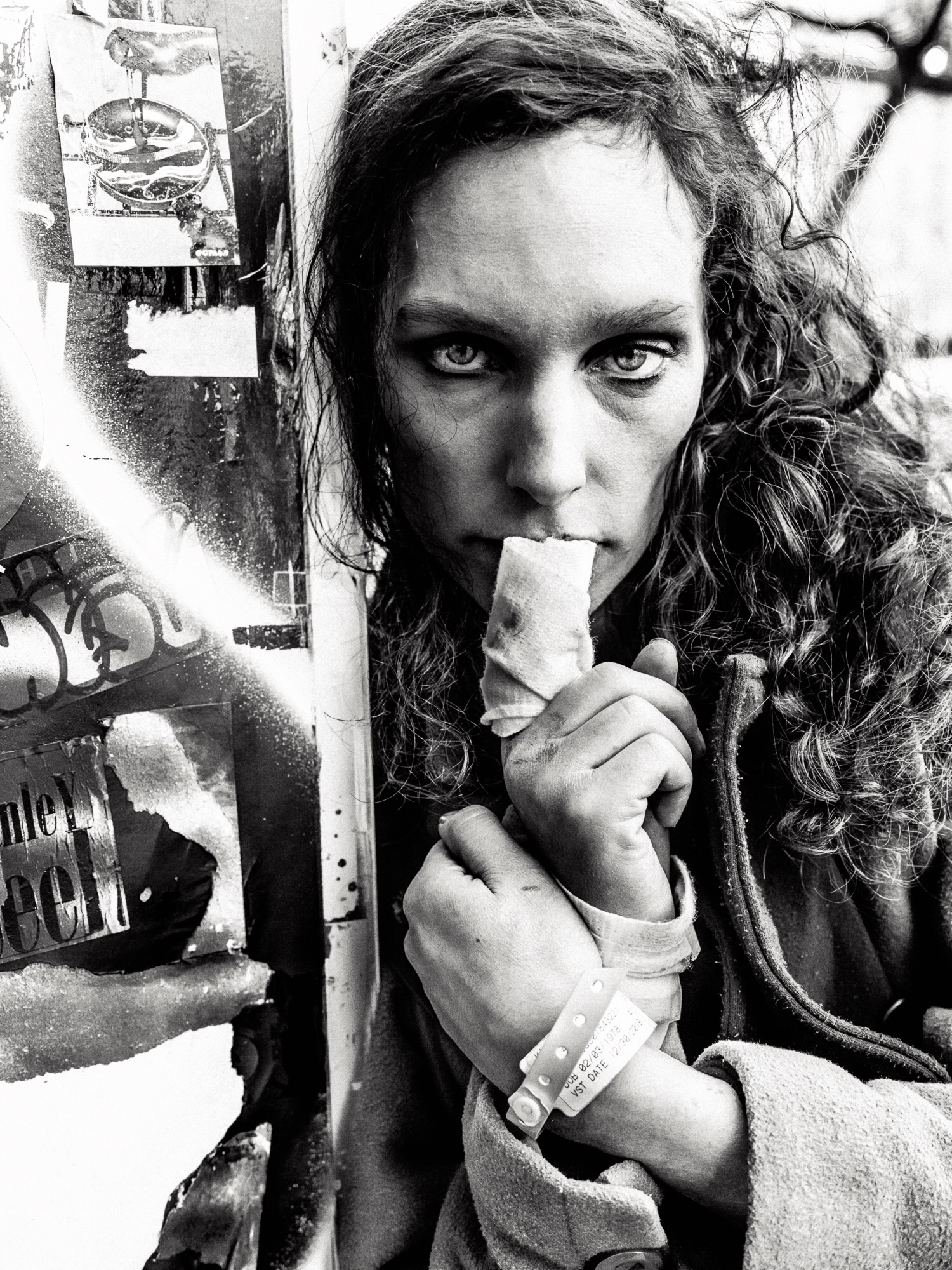
The act of neck injection is fraught with danger and vulnerability. Stein has witnessed individuals collapse after such injections, necessitating emergency medical intervention. Furthermore, the practice has spawned a grim form of micro-economy, where individuals, some with limited or no experience, charge others for administering injections, particularly for those who are squeamish about needles or lack the physical capacity to do so themselves. "People come in from the suburbs, they don’t know how to inject, or they are afraid of needles, and they find someone on the street to do it for them. So it becomes almost a cottage industry."
In the specific instance captured by Stein’s lens, Crystal was suffering from severe withdrawal symptoms ("dope sick") because she couldn’t find a usable vein and struggled with self-injection. Mike’s intervention, while facilitating drug use, prevented her from enduring further withdrawal. "It is a brutal situation, but there was also a kind of intimacy and trust between them," Stein observed. "That contradiction is part of what makes the photograph important to me."
The photograph’s significance also lies in the trust Stein had cultivated with her subjects. "I also value the picture because I had gained enough trust that they allowed me to photograph what was happening," she said. "That kind of access does not come from parachuting in. It comes from being present, from spending time, from not treating people like grotesque spectacle."
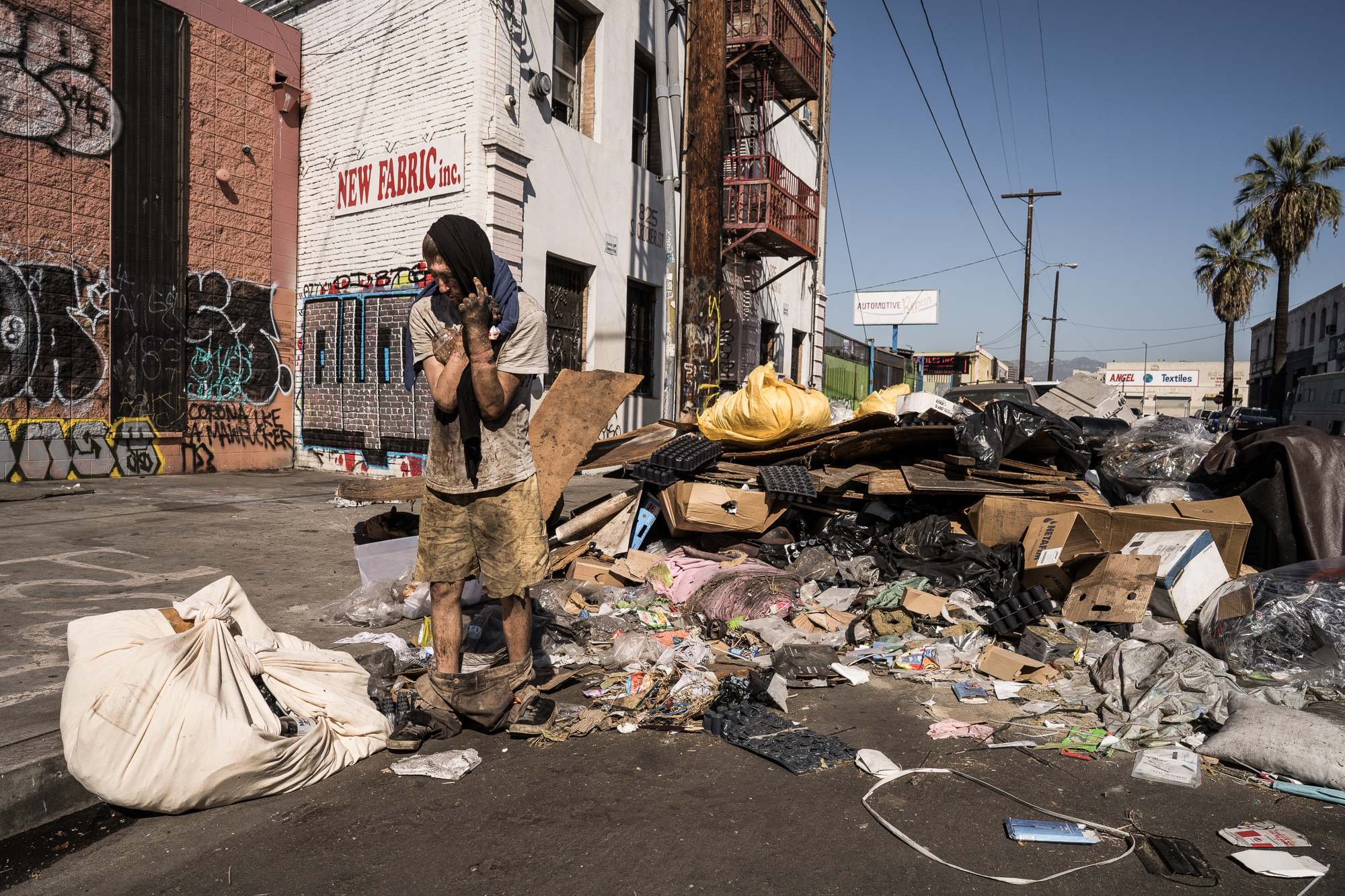
A subtle yet crucial detail in the image is Crystal’s thumb in her mouth. Initially, Stein interpreted it as a self-soothing gesture, akin to a child’s thumb-sucking. However, she later realized its practical function: to help make the neck vein more visible for the injector. "That small gesture changes the whole image," Stein reflected. "It looks vulnerable, almost childlike, but it is also part of the mechanics of addiction. That is why the photograph stays with me. It contains tenderness, danger, dependence, trust, and horror all at once."
Challenging Perceptions: Art Beyond the Comfort Zone
The Verena Kerfin Gallery’s choice to exhibit Stein’s work underscores a core belief: "art begins precisely where others do not want to look, or cannot look." Stein, however, broadens this perspective, suggesting that art’s genesis is deeply personal, shaped by an artist’s unique life experiences, advantages, wounds, and viewpoints. "My life pushed me in a certain direction; someone else’s life might lead them to make something much lighter, softer, or more decorative. That is still art," she mused.
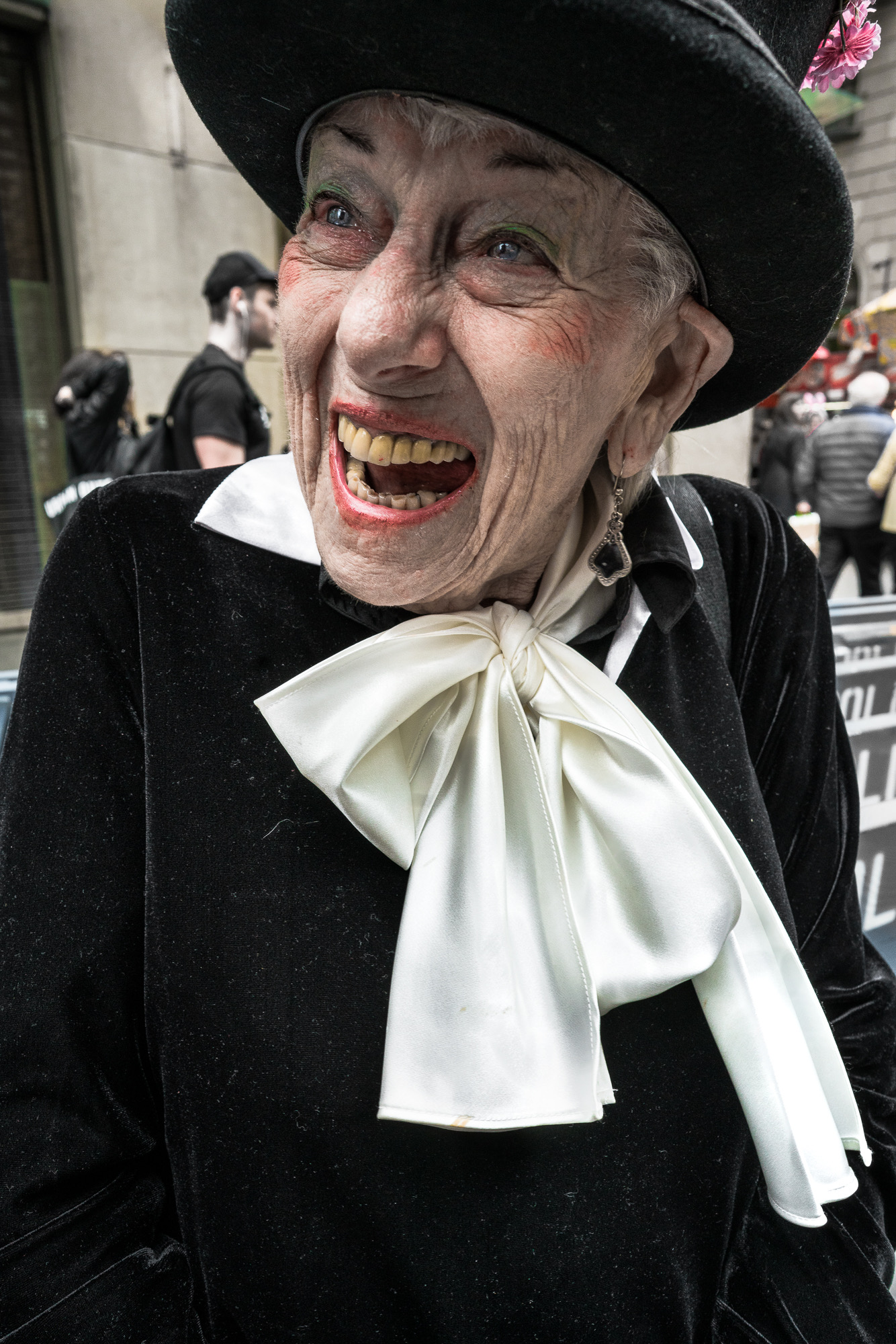
Stein’s approach, a fusion of art and documentary sensibility, aims to transcend inherent biases. She critiques prevalent forms of photography, including war photography that can reinforce political stances and popular street photography that often relies on superficial tricks. "When I photograph places like Kensington, Skid Row, or people living on the margins, I’m trying to look past the attractive narrative, past the acceptable narrative, and show what is actually there."
While gallery exhibitions are valuable, Stein desires broader accessibility for her work. She hopes her images can reach young people and those who may not actively seek out such challenging content, but who need to see beyond the curated versions of reality often presented by social media and mainstream institutions. She acknowledges the growing difficulty in achieving this in a culture shaped by censorship, algorithms, and institutional gatekeeping.
The Evolving Landscape of Street Photography
Stein’s creative process is largely intuitive. She often "stumbles into a person or a situation that has social intensity, emotional intensity, or personal intensity, and then I follow it." While addiction will likely remain a thematic element in her work, she is also exploring other, perhaps lighter, themes within street photography. "Right now, I’m interested in street photography again because it allows me to disengage somewhat from the heaviest subjects," she stated. "Street photography feels lighter to me, even though I can still tell serious stories through it. But it also allows for humor, strangeness, beauty, and everyday life." This renewed engagement with the genre reflects a desire for balance and a recognition of the multifaceted nature of human experience.
Suzanne Stein’s website, suzannesteinphoto.com, offers a comprehensive look at her portfolio. The US: Slow Code exhibition details can be found on the Verena Kerfin Gallery website at verenakerfingallery.com/exhibitions/detail/212_usslowcode. Stein can also be followed on Instagram at @suzanne_stein.