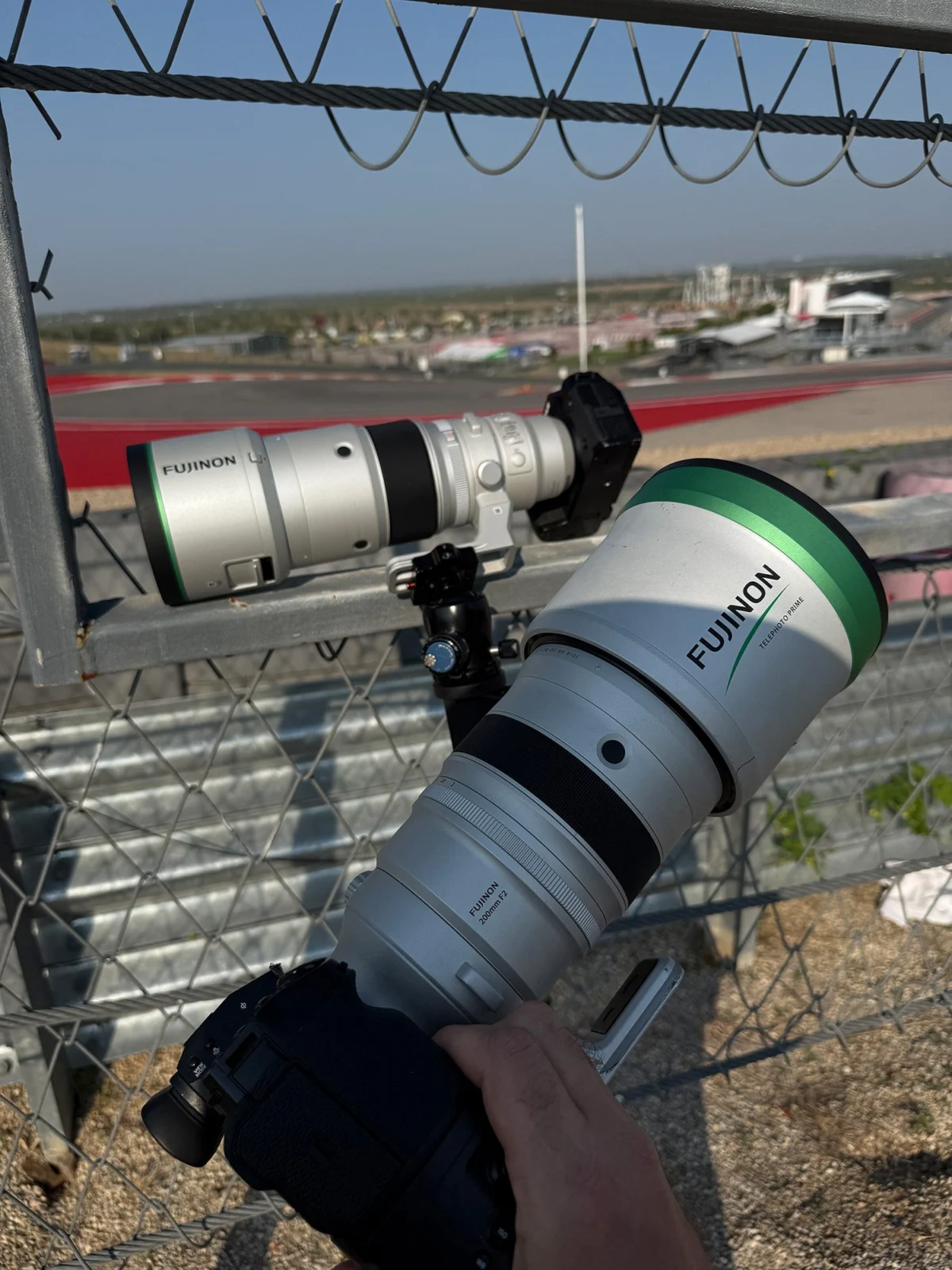
Bringing a large-format camera system, specifically the Fujifilm GFX100S II, to a high-octane MotoGP race weekend is, by conventional photographic wisdom, an undertaking fraught with technical challenges. The GFX system, renowned for its unparalleled image fidelity, was engineered for meticulous, detail-oriented photography rather than the blistering frame rates and rapid autofocus demanded by elite motorsports. Yet, a recent experiment conducted at the Circuit of the Americas (COTA) during a MotoGP event aimed to test the boundaries of this medium format mirrorless camera, assessing its capabilities against the unforgiving backdrop of speeds exceeding 200 mph and split-second action. The findings reveal a camera that, while not a direct competitor to high-speed specialists, carves out a unique and indispensable niche for capturing moments where ultimate image quality supersedes raw speed.
MotoGP: The Pinnacle of Two-Wheeled Racing and Photographic Demands
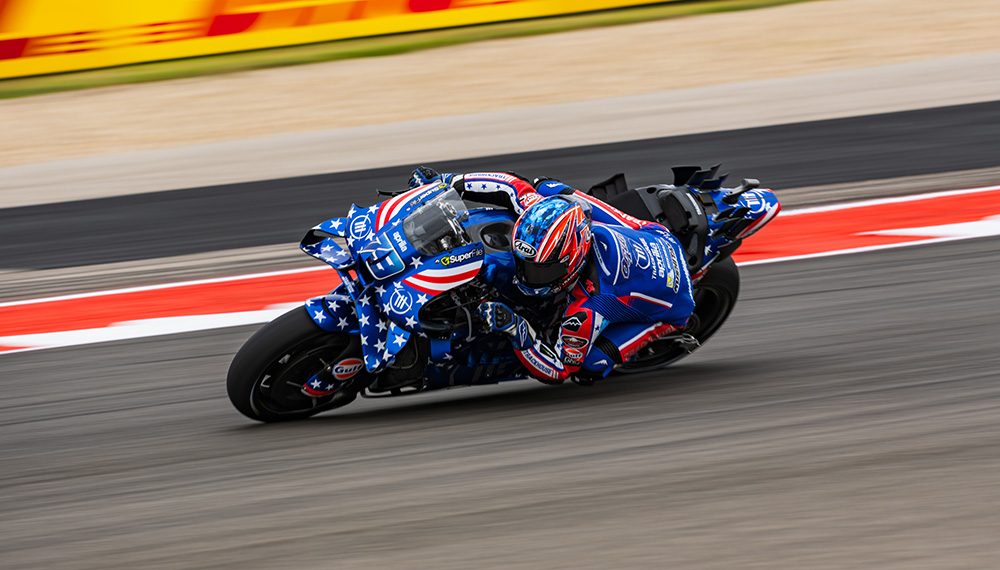
MotoGP represents the apex of motorcycle road racing, a global spectacle where the world’s finest riders push purpose-built prototypes to their absolute limits. Events are characterized by extreme speeds, breathtaking cornering angles, and dynamic shifts in light and environment, presenting an immense challenge for any photographer. Capturing the essence of this sport requires not only state-of-the-art equipment but also a profound understanding of racing dynamics and photographic technique. The ability to freeze motion, track rapidly moving subjects, and adapt to unpredictable scenarios is paramount.
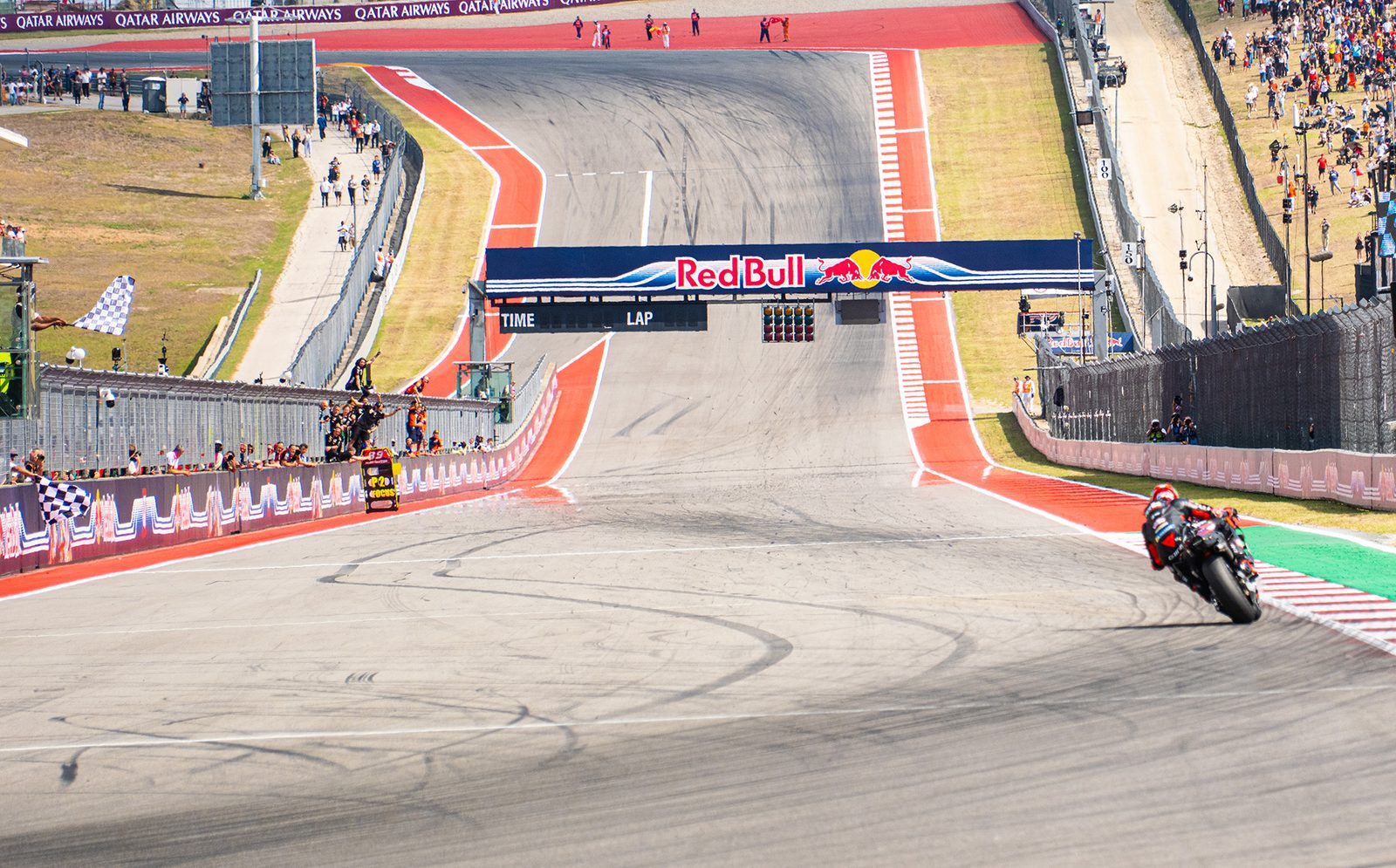
The Circuit of the Americas, a modern, purpose-built Formula 1 and MotoGP track in Austin, Texas, is known for its dramatic elevation changes, intricate corner sequences, and long straights. This varied topography offers a diverse array of photographic opportunities, from sweeping panoramic shots to intimate portraits of riders leaning into apexes. For a photographer intimately familiar with COTA – having covered numerous regional track days, Formula 1, and MotoAmerica events – this "home court advantage" proved invaluable. Such familiarity allows for precise anticipation of rider lines, optimal marshal post positioning, and an intuitive understanding of how light interacts with the track throughout the day, crucial factors when employing a camera designed for deliberate, considered shots like the Fujifilm GFX100S II.
The GFX100S II: An Unconventional Choice for the Track
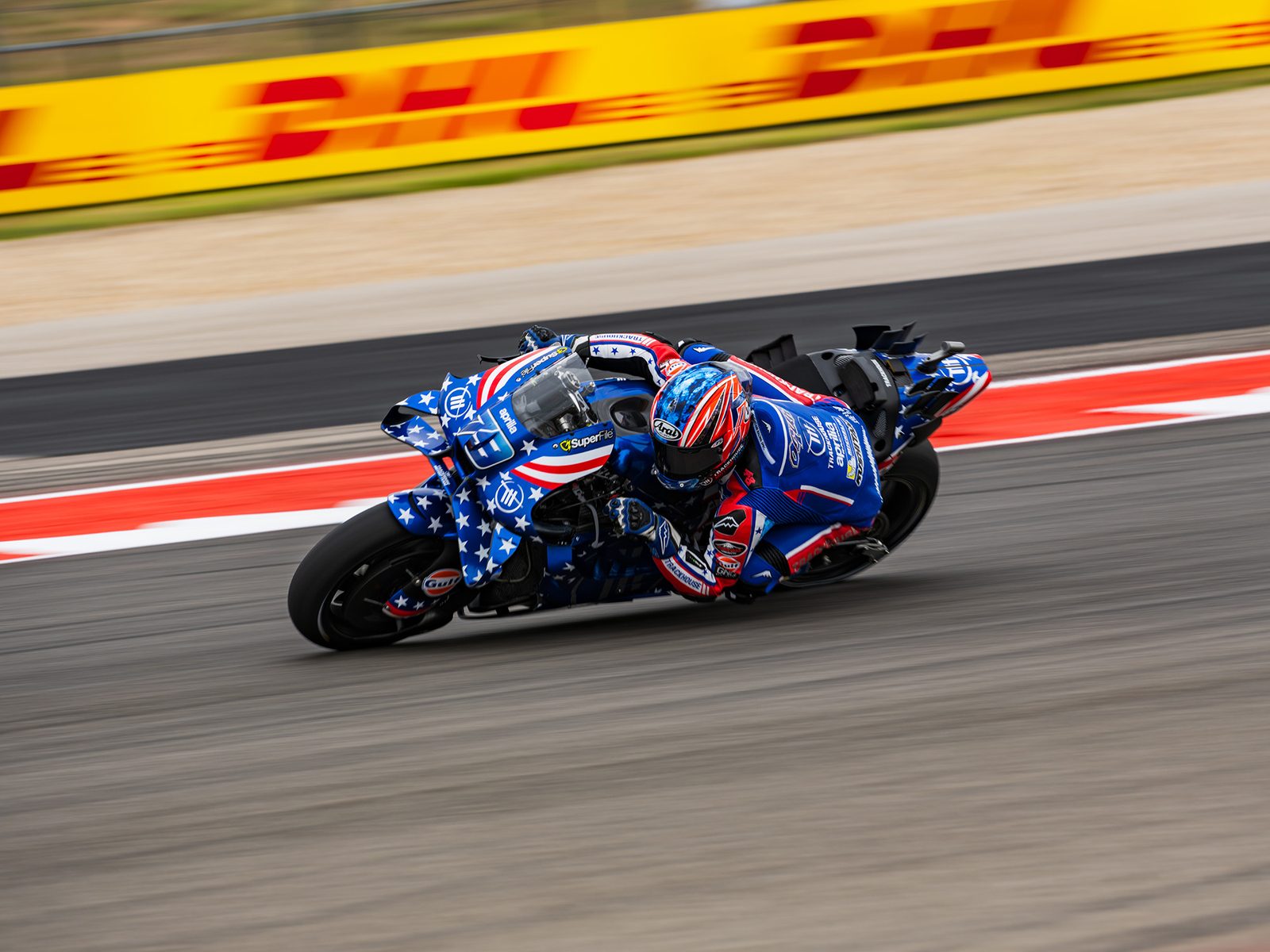
At the heart of the experiment was the Fujifilm GFX100S II, a camera boasting a 102-megapixel, 43.8×32.9mm large-format sensor. This sensor, significantly larger than both full-frame (36x24mm) and APS-C (23.5×15.6mm) formats, is designed to deliver exceptional image fidelity, characterized by remarkable depth of tone, subtle tridimensionality in color gradation, and immense resolving power. It represents a paradigm shift from traditional sports photography cameras, which prioritize rapid fire rates and sophisticated tracking autofocus. Despite Fujifilm’s assertions that the GFX system can operate in high-speed environments, its core design philosophy leans towards maximum image quality over maximum frames per second.
Powering the GFX100S II is the X-Processor 5, the same advanced engine found in Fujifilm’s speed-oriented X-series cameras. However, its implementation in the GFX system is optimized for handling the colossal data streams generated by the 102-megapixel sensor. The sensor itself features redesigned microlenses, contributing to its acclaimed dynamic range, especially at its native ISO 80 minimum sensitivity, which facilitates 16-bit image capture crucial for preserving detail in high-contrast lighting typical of race circuits. The camera also incorporates a powerful 5-axis in-body image stabilization (IBIS) system, rated at up to 8.0 stops, making it the most effective IBIS Fujifilm has integrated into a GFX body. This feature is critical for maintaining sharpness with such high-resolution images, particularly when shooting handheld or at slower shutter speeds to achieve motion blur.

For the weekend’s photographic endeavors, the GFX100S II was paired with the Fujifilm GF 100-200mm F5.6 R LM OIS WR lens. Due to the GFX system’s 0.79x crop factor relative to 35mm full frame, this lens provided an effective field of view of approximately 79-158mm. This range proved versatile enough for various shooting scenarios, from capturing bikes on the main straight to more intimate scenes in the paddock.
The Benchmark: Fujifilm X-H2S
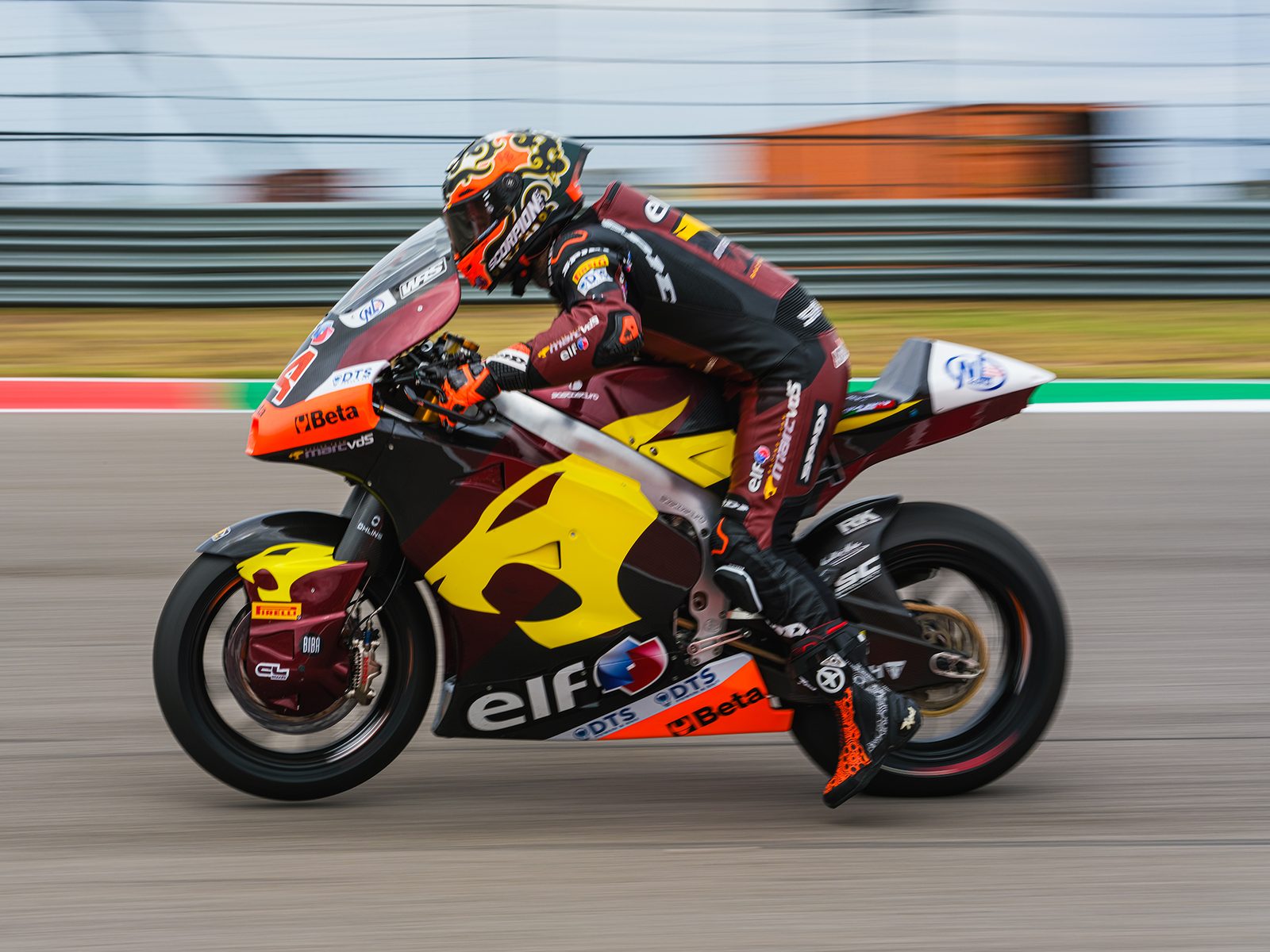
To provide a concrete comparison and serve as the primary workhorse for the fast-paced action, two Fujifilm X-H2S bodies were deployed alongside the GFX100S II. The X-H2S stands as Fujifilm’s flagship X-series camera, purpose-built for speed and performance. It features a 26.1-megapixel APS-C stacked BSI CMOS sensor, also driven by the X-Processor 5. This combination enables astonishing frame rates of up to 40 frames per second (fps) with the electronic shutter and 15 fps with the mechanical shutter. Crucially for motorsports, its subject-detection autofocus system, powered by deep-learning AI, exhibits impressive tenacity in locking onto and tracking motorcycles and riders, even in complex, high-speed scenarios. The X-H2S was typically paired with the Fujifilm XF 50-140mm F2.8 lens, offering a comparable effective focal length range to the GF 100-200mm on the GFX.
Seamless Integration: Custom Settings and Ergonomics
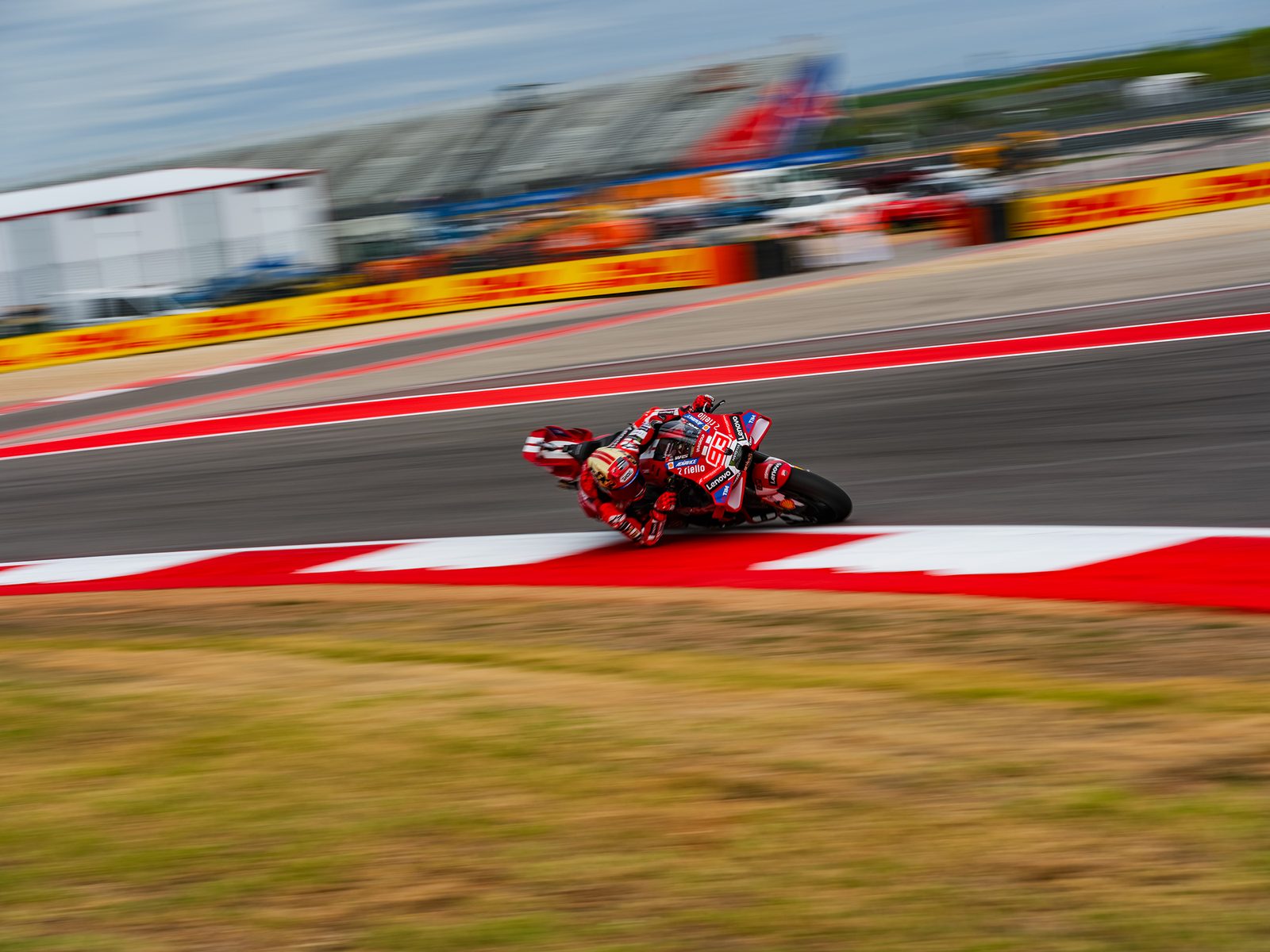
A significant advantage identified during the test was the shared menu logic and ergonomic philosophy across both Fujifilm’s GFX and X-series systems. This allowed the photographer to configure the GFX100S II to mirror the X-H2S workflow with relative ease. Custom settings (C1, C2) were assigned for shutter priority, enabling quick transitions between sharp freezes and motion pans, while C3 was set for aperture priority for paddock and grid work. Although the GFX100S II offers six custom positions on its mode dial, the FN button layout differed slightly from the X-H2S, necessitating minor adaptations for functions like subject-detection AF. This shared ecosystem minimized the learning curve, allowing the photographer to focus on the challenging photographic aspects rather than battling unfamiliar camera controls.
Performance Under Pressure: Autofocus and Buffer Limitations
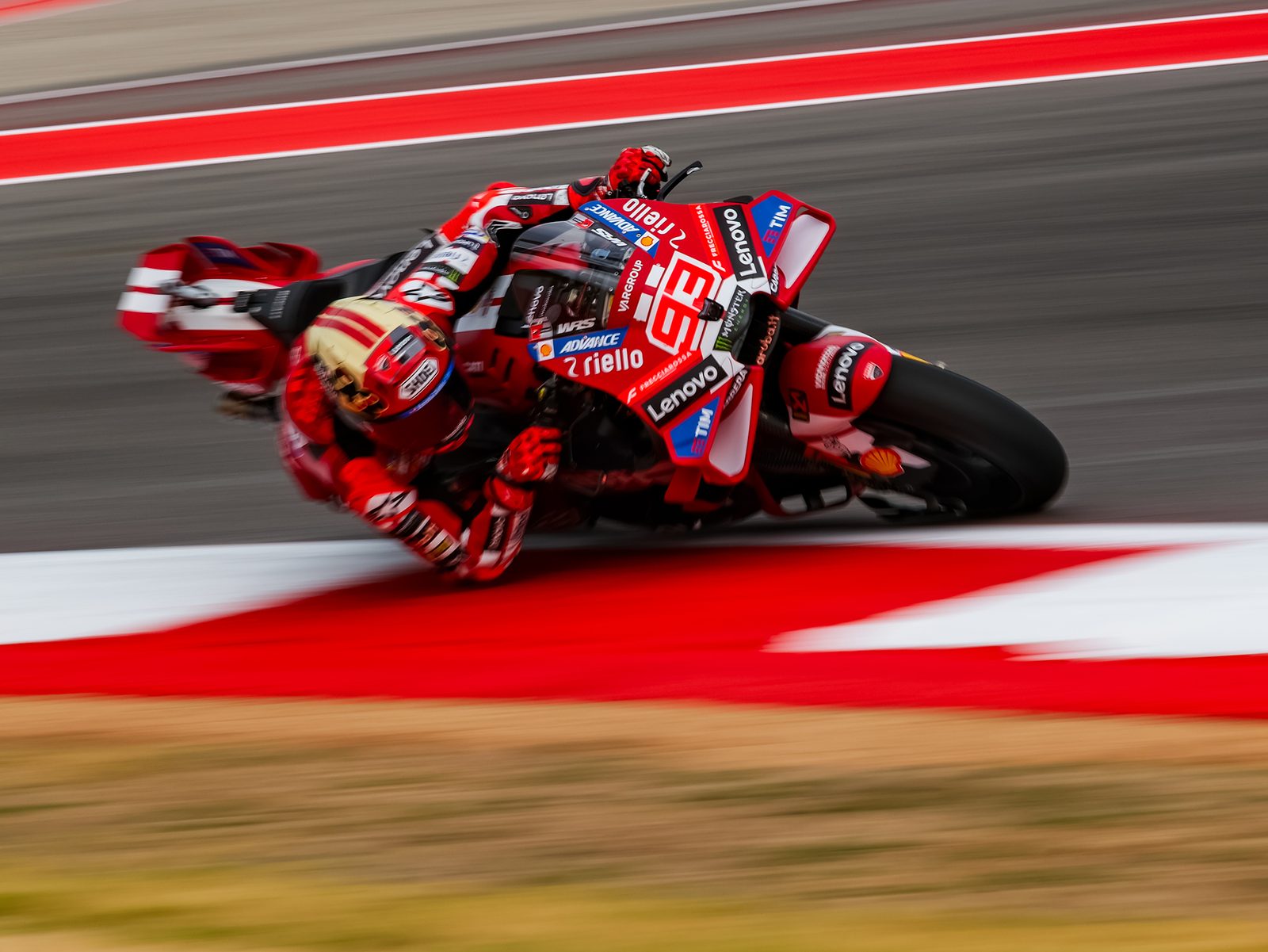
The most critical aspect of the GFX100S II’s performance in a motorsports environment was its autofocus capability under race conditions. While the camera features a significantly improved AF algorithm over its predecessors, with subject detection officially supporting motorcycles and bikes via deep-learning AI, the results were nuanced. The system demonstrated reasonable reliability in tracking riders through corners and across varied backgrounds, exceeding initial expectations for a medium format camera. However, direct comparison revealed that it was "not as sticky" or responsive as the X-H2S, even with identical AF-C settings. Hit rates in the most demanding sequences, such as high-speed braking zones or subjects rapidly entering the frame from the side, were noticeably lower. Despite both cameras sharing the X-Processor 5 engine, the GFX exhibited a slight but perceptible lag in response time and subject retention, a gap that becomes critical in high-volume, high-speed photography.
The most pronounced practical limitation, however, was the camera’s buffer performance. At its maximum mechanical shutter speed of 7 fps, the GFX100S II generates enormous RAW files – either 14-bit or 16-bit – from its 102-megapixel sensor. Even utilizing fast UHS-II media, the buffer fills rapidly. Shooting lossless-compressed RAW yielded approximately 19 frames before a noticeable slowdown, while uncompressed RAW reduced this to around 16 frames. Opting for compressed RAW offered a more generous buffer of roughly 30 frames. Translated into real-world terms, this meant less than five seconds of sustained burst shooting before the camera needed to "catch its breath." This limitation profoundly alters the shooting approach; it necessitates a disciplined, anticipatory style, forcing the photographer to read the race, predict key moments, and commit to single, decisive shots rather than relying on "spray and pray" techniques. This constraint underscores the GFX100S II’s design as a tool for precision rather than volume.
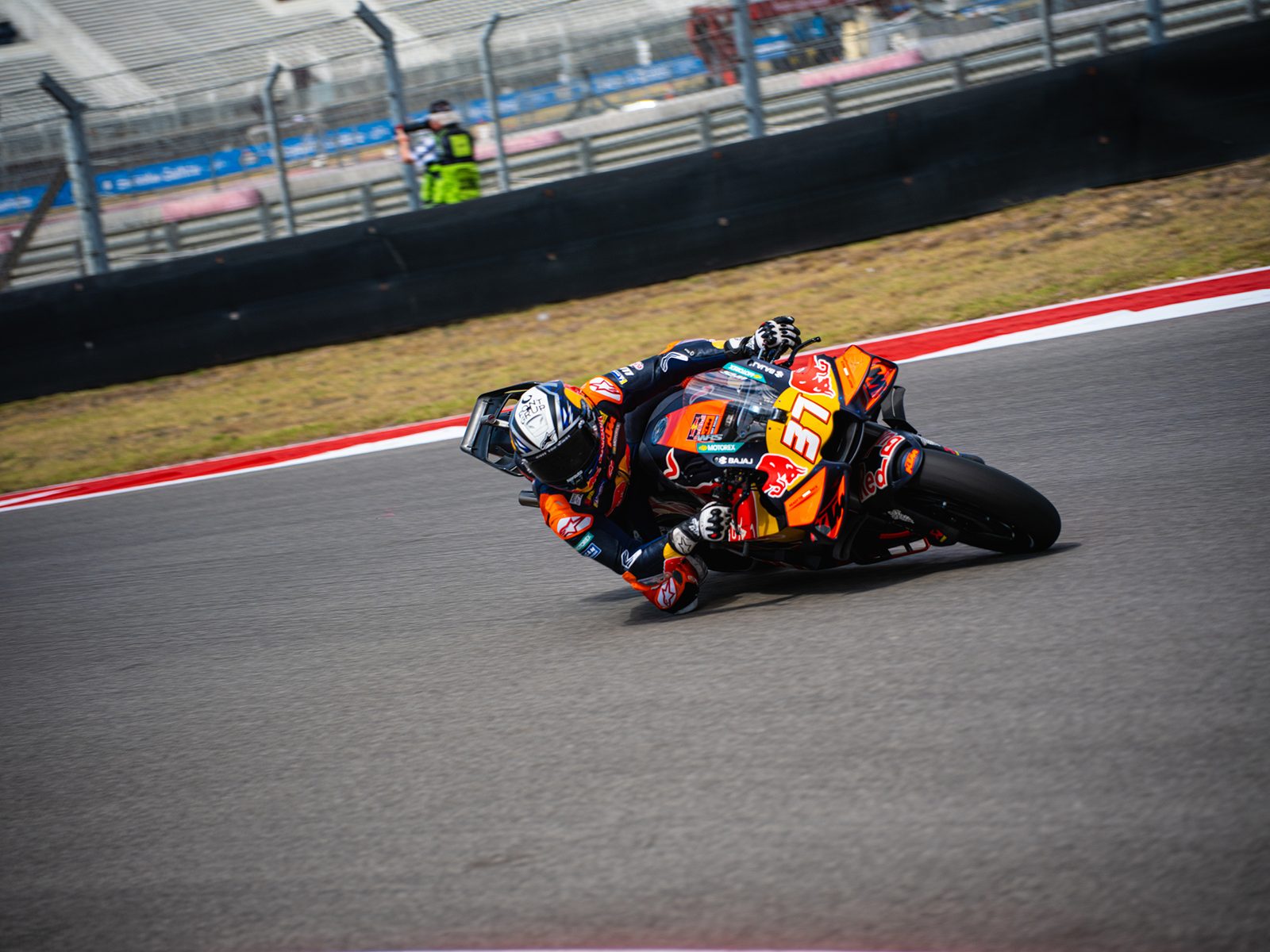
Where the GFX100S II is Simply Unmatched: Image Quality
Despite the operational constraints in high-speed scenarios, the Fujifilm GFX100S II delivered an image quality that was unequivocally in a different league. The 102-megapixel sensor, enhanced by its redesigned microlenses, produced files with an extraordinary depth of tone, a three-dimensional quality in color gradation, and a resolving power unmatched by any full-frame or APS-C system. The sheer physical size of the 55mm diagonal sensor contributes directly to this superior tonality and dynamic range, capabilities that simply cannot be replicated by smaller formats.
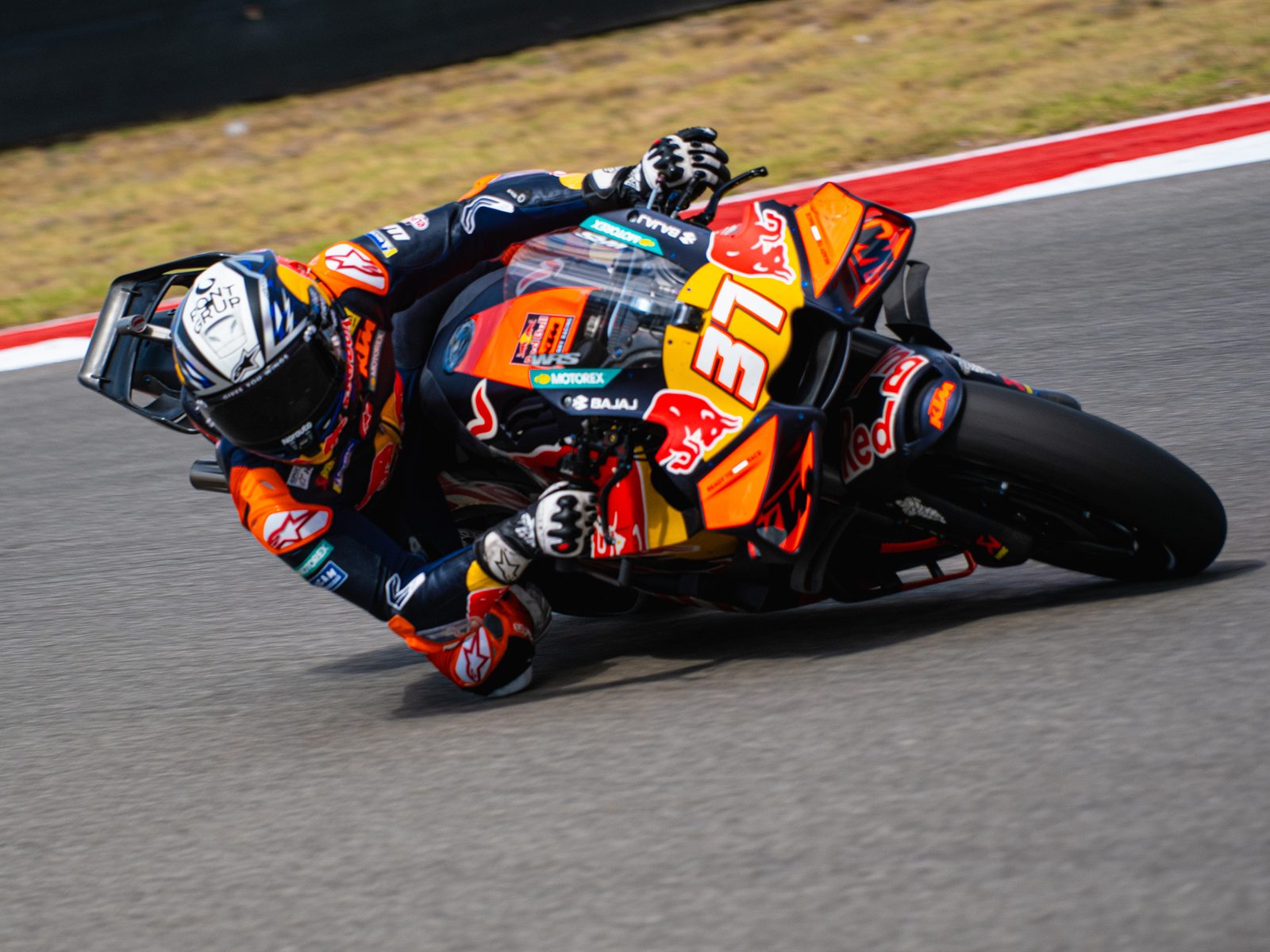
A striking observation was how understated the images appeared on the camera’s rear screen. A quick review might suggest a "fine" shot, but the true magic unfolded upon loading the files into professional editing software and viewing them on a high-resolution display, such as a 27-inch Studio Display. The images "opened up" entirely, revealing an astonishing level of detail previously imperceptible: the intricate textures in riders’ leathers, the shimmering heat emanating from exhaust pipes, and even individual crowd members rendered sharply in backgrounds that were initially assumed to be indistinct. The sensor’s native ISO 80 minimum sensitivity, enabling 16-bit image capture, proved instrumental in delivering a remarkably wide dynamic range, even under the harsh, high-contrast lighting conditions often found at a bright race circuit. The 8.0-stop IBIS system further ensured that this incredible detail was preserved even when shooting handheld with longer lenses, providing confidence and fluidity in various shooting situations, particularly in the paddock and grid.
The Paddock: The GFX100S II’s True Arena

While trackside action pushed the GFX100S II to its operational limits, requiring a more considered and challenging approach, the camera truly excelled away from the frenetic pace of the race. In the paddock, on the starting grid, and during the post-race podium celebrations, the Fujifilm GFX100S II transformed into an absolute joy to use. These environments allow for more deliberate framing, where the camera’s precise autofocus on static or slow-moving subjects is more than sufficient.
Here, the GFX100S II’s immense resolution becomes a game-changer. The ability to capture details that are simply not visible with smaller sensors offers unparalleled creative freedom. A tight portrait of a rider on the grid, for instance, can be dramatically cropped in post-production – perhaps to focus solely on their eyes above the visor – without any perceptible loss in resolution or detail. This level of post-production flexibility is genuinely liberating, making the GFX100S II an ideal tool for editorial features, high-end marketing materials, or fine art prints where every pixel counts. The subtle interplay of light and shadow on a motorcycle’s fairing, the expressions on a mechanic’s face, or the intricate sponsor decals all benefit immensely from the medium format sensor’s ability to render them with breathtaking clarity and depth.

Final Verdict and Broader Implications
The experiment at COTA underscored that the Fujifilm GFX100S II is a specialized instrument, not a universal solution for all photographic challenges. It is not designed to replace the speed-focused X-H2S bodies for capturing the peak action of a MotoGP race, where sustained high frame rates and instantaneous autofocus are non-negotiable. Instead, it serves as a powerful and deliberate complement, a "secret weapon" for moments when raw speed is secondary, and the ultimate image quality is paramount.

For genres such as landscape, portraiture, studio work, fashion, and editorial photography, the GFX100S II stands as an almost unrivaled tool within its form factor. Its lightweight design for a 102-megapixel medium format body (883g with battery and card) further enhances its appeal for photographers who need to carry gear all day.
At the track, its role is highly specific: for the detailed narrative of a grid walk, the triumph of a podium celebration, or the pursuit of a single, perfectly composed shot in a quiet corner. These are the moments where the GFX100S II’s exceptional sensor delivers an aesthetic and technical quality that no other camera in the Fujifilm system, or indeed many other systems, can match. However, when the starting lights extinguish and the field thunders through Turn 1, demanding unwavering speed and precision, the professional photographer will invariably reach for the Fujifilm X-H2S, acknowledging that while the GFX100S II pushes boundaries, specialized tools remain essential for specialized tasks. This strategic diversification of photographic equipment reflects a growing trend among professionals seeking to leverage the unique strengths of different camera systems for optimal results across a broad spectrum of demanding assignments.