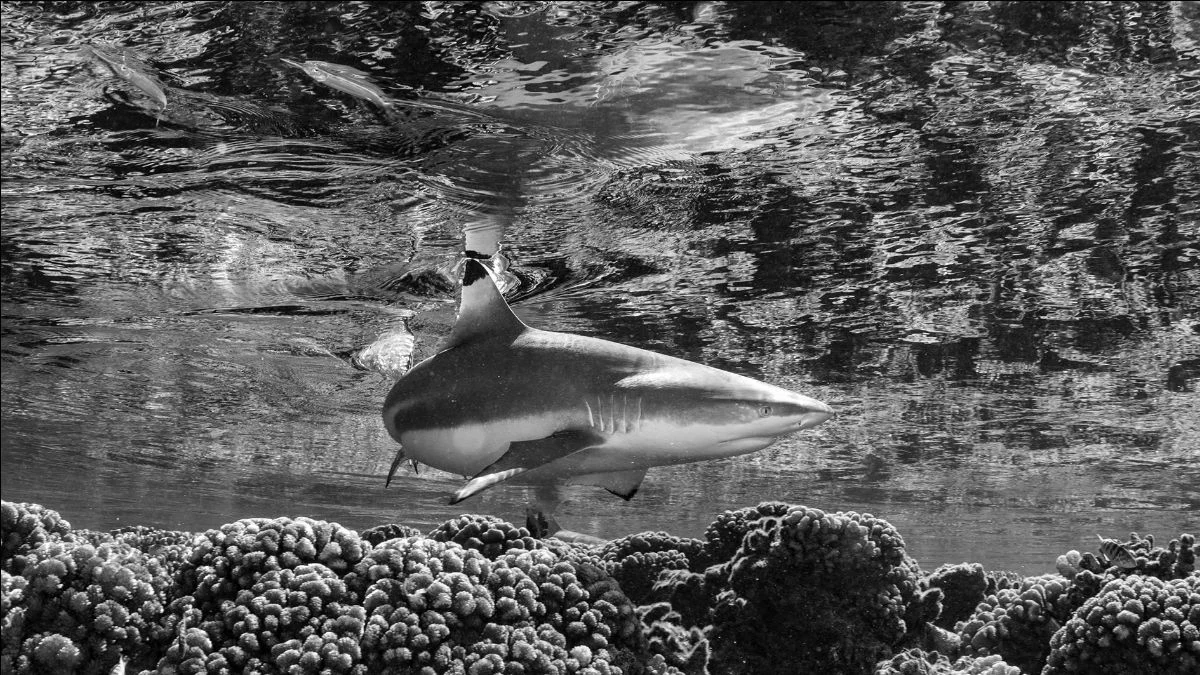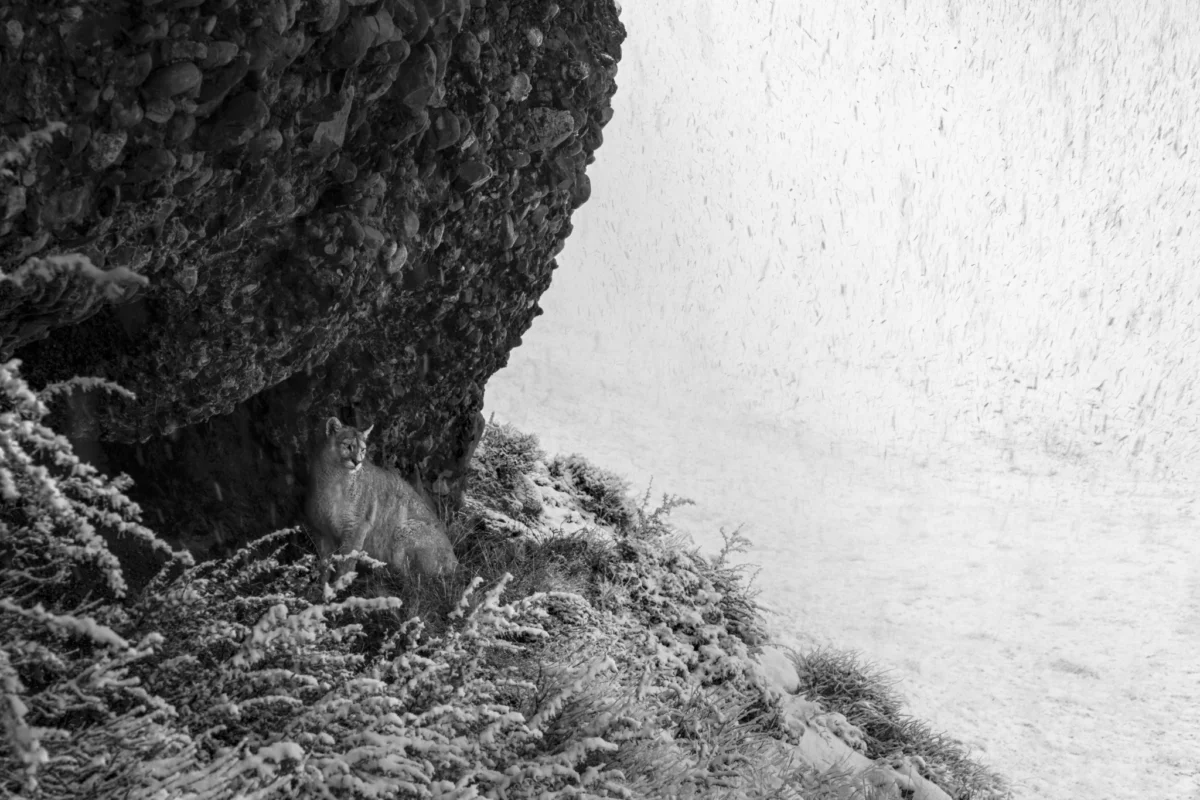
The ephemeral beauty of polar landscapes, captured through the lens of acclaimed photographer Paul Nicklen, offers a poignant testament to the delicate balance of our planet’s most remote ecosystems. His work, particularly the iconic "Ice Waterfall" and "The Last Stand," transcends mere visual documentation, serving as a powerful narrative of environmental transformation and an urgent call to conservation. These images, resonating with a global audience and gracing the pages of National Geographic and album covers alike, encapsulate the confluence of art, storytelling, and the critical need to protect polar regions.
Nicklen’s artistic journey is deeply intertwined with his personal connection to the Arctic. His formative years, spent on Baffin Island from the age of four, provided an immersive education in the ever-changing world of ice. Growing up in a predominantly Inuit community, he learned invaluable survival skills from elders, including tracking wildlife across snow-covered terrains, navigating treacherous ice formations, and enduring extreme cold. These experiences, he states, not only shaped his life’s trajectory towards becoming a National Geographic photographer but also instilled a profound respect and love for the polar regions. This intimate understanding of the Arctic’s harsh yet life-sustaining environment forms the bedrock of his photographic endeavors.
The Transient Majesty of Ice Formations
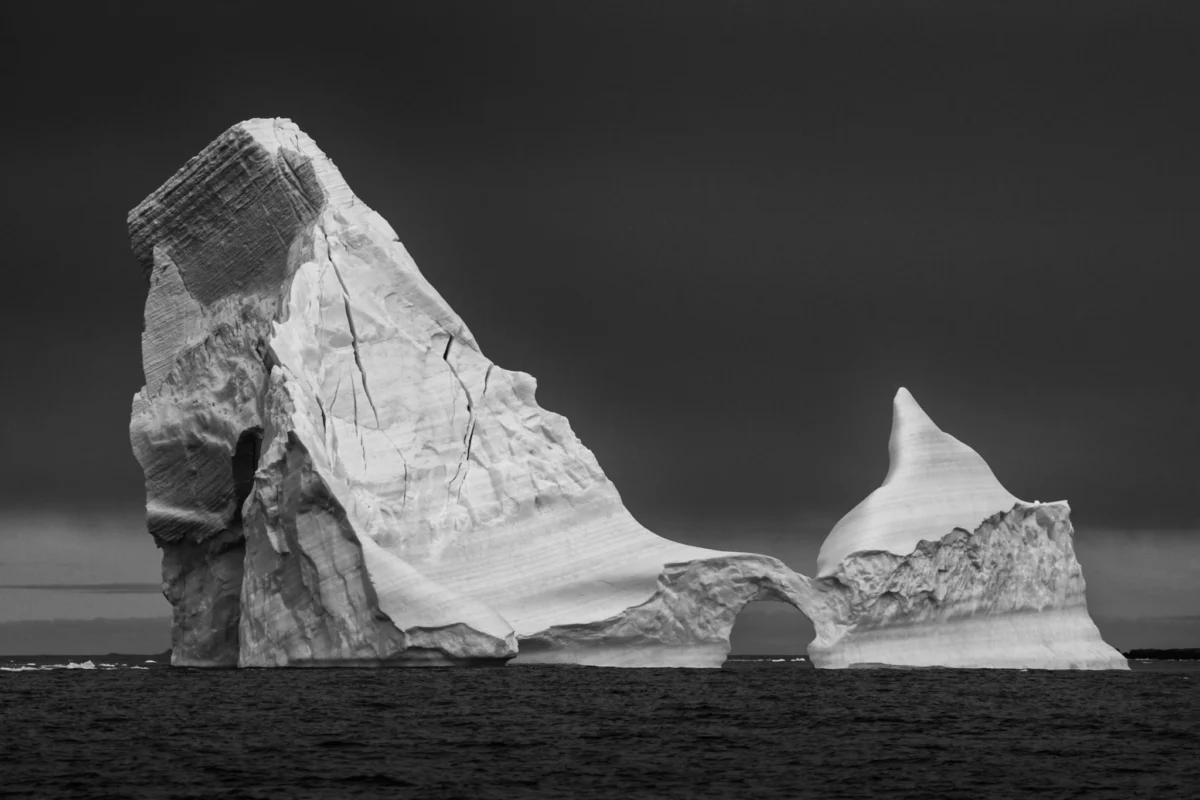
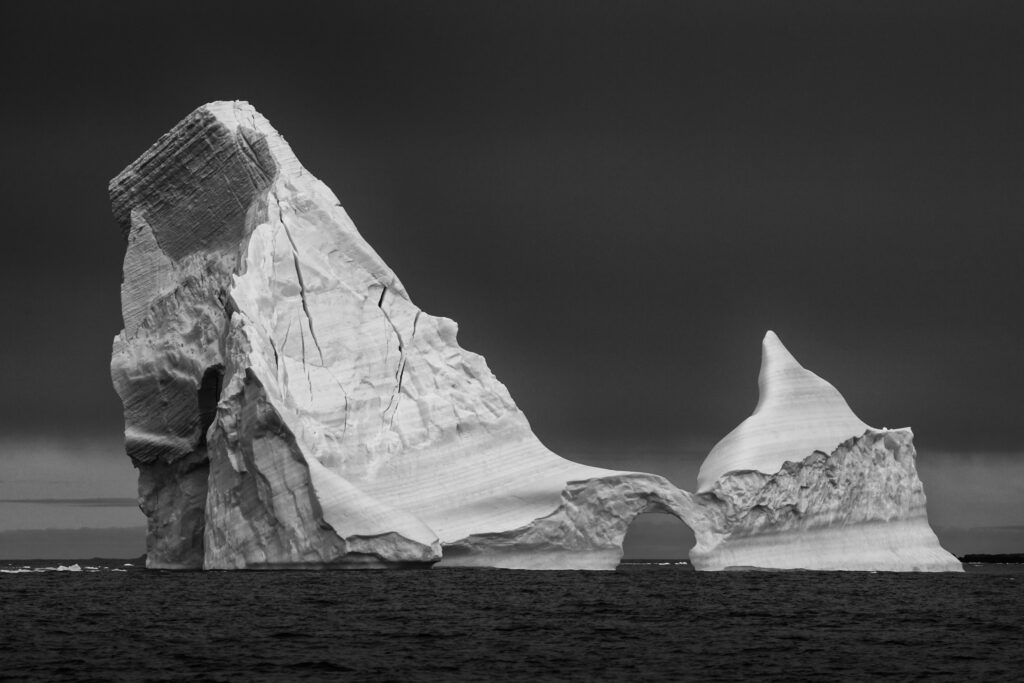
The inherent dynamism of polar environments is a recurring theme in Nicklen’s work. He describes a powerful firsthand encounter with this transience during an expedition to Antarctica. While meticulously framing a delicate ice arch, a dramatic rumble signaled its imminent collapse. Within seconds, the majestic structure succumbed to the forces of nature, plunging into the sea with a thunderous crackle, sending waves crashing outwards. This event, a spectacular yet fleeting display of natural artistry sculpted by tumultuous seas, prolonged winters, and relentless winds, underscored the impermanence of these frozen wonders. The photograph capturing this moment, titled "The Last Stand," serves as a stark reminder of Antarctica’s captivating yet fragile beauty.
Nicklen’s photographic approach to ice is characterized by an appreciation for its infinite creative potential. Light interacts with frozen crystals in myriad ways, producing intricate patterns and textures that are never static. Even from a fixed vantage point, each photograph of an iceberg can reveal a unique composition, a testament to the constant flux of its environment. While challenging conditions, such as overcast skies that can render imposing icebergs into indistinct masses, Nicklen finds a sense of artistic freedom within these constraints. He believes these environmental limitations push photographers to explore novel creative avenues, resulting in more compelling imagery and richer storytelling.
Documenting a Vanishing Arctic
The Arctic, Nicklen’s childhood home and a place where he first felt a true sense of belonging, is undergoing profound and visible changes. He has witnessed firsthand the evolution of this once-pristine landscape over several decades. This evolution is not merely aesthetic; it has direct implications for the survival of the region’s unique biodiversity.
Supporting Data on Arctic Ice Decline:
- Arctic Sea Ice Extent: According to the National Snow and Ice Data Center (NSIDC), the Arctic sea ice extent has been declining at a rate of approximately 13% per decade relative to the 1981-2010 average. The minimum extent reached in September 2012 was the lowest on record since satellite observations began in 1979, and several subsequent years have seen near-record lows.
- Arctic Amplification: The Arctic region is warming at more than twice the global average rate, a phenomenon known as Arctic amplification. This accelerated warming leads to faster melting of sea ice and glaciers.
- Impact on Wildlife: Species like polar bears, seals, and walruses are critically dependent on sea ice for hunting, breeding, and resting. Reduced sea ice extent and thickness directly impact their ability to survive and reproduce. For instance, studies have shown a correlation between declining sea ice and reduced body condition and reproductive success in polar bear populations.
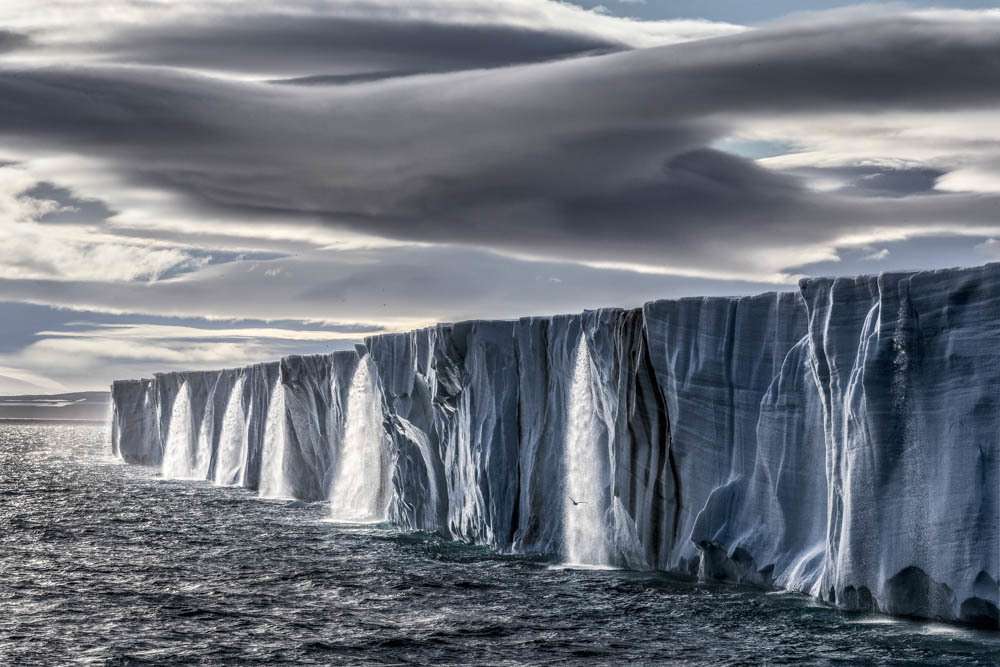
Nicklen’s photograph, "Ice Waterfall," is particularly resonant in this context. The image, featuring dark clouds, cascading ice falls, and the vast Nordaustlandet ice cap, encapsulates the narrative of a vanishing Arctic. Its profound message has resonated globally, leading to its inclusion in private collections worldwide and its use by prominent figures such as Al Gore, a leading advocate for climate action. The photograph’s significance was further amplified when it served as the gatefold opening spread in National Geographic’s "Cool It" Issue in 2015 and graced the cover of Pearl Jam’s album "Gigaton," a title that itself evokes the immense power and impact of climate change. The enduring power of "Ice Waterfall," whether viewed on a small screen or as a large-format art print, lies in its ability to convey an urgent call to action.
The Interconnectedness of Life in Polar Regions
Beyond the majestic ice formations, Nicklen’s work highlights the intricate web of life that thrives within these seemingly inhospitable environments. He learned early in his career that beneath the frozen surface and within the frigid seas lies a hidden reservoir of life. Animals such as seals, polar bears, and various seabird species have not only adapted to the capricious and unforgiving nature of the polar world but have evolved to depend on its cyclical rhythms for their very existence. These animals rely on the ebb and flow of ice for crucial life stages, including raising their young, securing food, and finding mates. Their evolutionary journey has transformed the harshest aspects of their habitat into the very foundation of their survival and resilience.
However, this deep reliance on ice also renders polar ecosystems exceptionally vulnerable. As global temperatures rise, leading to diminishing ice cover in both Arctic and Antarctic seas, the future of some of Earth’s most iconic species hangs precariously in the balance. The loss of sea ice directly threatens their hunting grounds, denning sites, and migratory routes.
Analysis of Implications for Polar Wildlife:
- Habitat Loss: The primary implication of declining sea ice is the loss of critical habitat for ice-dependent species. Polar bears, for example, require stable ice platforms to hunt seals, their primary food source. Shorter ice seasons mean less time for hunting and accumulating vital fat reserves, leading to malnutrition and reduced reproductive success.
- Altered Food Webs: Changes in ice conditions can disrupt entire food webs. For instance, the timing of phytoplankton blooms, which form the base of many polar marine food chains, is closely linked to sea ice cover. Shifts in these blooms can have cascading effects, impacting zooplankton, fish, and ultimately apex predators.
- Increased Competition and Predation: As ice recedes, terrestrial habitats may become more accessible, potentially leading to increased competition with land-based species. Furthermore, altered ice conditions can make animals more vulnerable to predation.
- Ocean Acidification: Alongside warming temperatures, the absorption of excess atmospheric carbon dioxide by the oceans leads to ocean acidification. This poses a significant threat to marine organisms with calcium carbonate shells or skeletons, such as shellfish and plankton, which are vital components of polar ecosystems.
A Collective Responsibility for Conservation
Despite the daunting challenges posed by a warming world, Nicklen maintains a steadfast belief in humanity’s capacity to alter its course and protect its fellow wildlife. He emphasizes the crucial role of public engagement and support from individuals who share a deep appreciation for the natural world. His message is one of solidarity and shared responsibility: "We are in this together, and we will solve this together."
This sentiment underscores the broader implications of Nicklen’s photographic narrative. His images serve not only as artistic expressions but as vital educational tools, bringing the remote and often unseen realities of the polar regions to a global audience. By showcasing both the breathtaking beauty and the inherent fragility of these environments, he compels viewers to confront the consequences of climate change and to recognize their own role in safeguarding these critical ecosystems. The ongoing efforts to conserve polar regions involve a multifaceted approach, encompassing scientific research, policy advocacy, international cooperation, and public awareness campaigns. Nicklen’s photography is an indispensable component of this collective endeavor, fostering empathy and inspiring action for a more sustainable future.
The photographer’s dedication to his craft, honed through years of experience and a deep personal connection to the Arctic, has resulted in a body of work that is both aesthetically profound and critically important. Through the lens of his camera, Paul Nicklen invites us to witness the grandeur of the polar world and to understand its vulnerability, urging us to become stewards of its enduring magnificence.