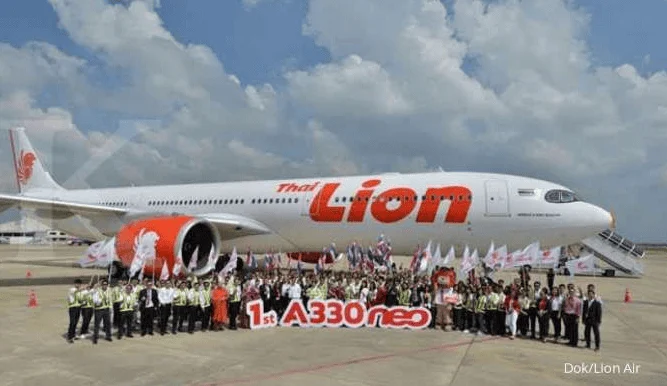
The arrival of two Airbus A330neo aircraft at Don Mueang International Airport on October 7, 2021, signaled a transformative era for Thai Lion Air, a prominent low-cost carrier based in Bangkok. These aircraft, arriving directly from the Airbus delivery center in Toulouse, France, represent the first of their kind for the airline’s fleet, marking a strategic pivot toward medium-to-long-haul international operations and an enhanced cargo capability. The delivery ceremony was a high-profile event, underscored by a traditional water salute and a formal blessing ceremony attended by key figures, including the French Ambassador to Thailand, His Excellency Thierry Mathou, and Jean-Francois Laval, Airbus Executive Vice President for Asia-Pacific. This milestone is not merely a fleet addition but a calculated move to modernize the airline’s offerings amidst a rapidly evolving global aviation landscape.
Technical Specifications and the Evolution of the A330neo
The Airbus A330neo (New Engine Option) is the latest iteration of the highly successful A330 wide-body family. Developed to compete with modern mid-size wide-body aircraft, the A330-900 variant acquired by Thai Lion Air incorporates several technological advancements that distinguish it from the previous generation, the A330ceo (Current Engine Option). At the heart of its performance are the Rolls-Royce Trent 7000 engines. These powerplants are designed with a high bypass ratio, which significantly improves fuel efficiency by approximately 25% per seat compared to older generation competitors. This efficiency is a critical factor for low-cost carriers like Thai Lion Air, where managing fuel costs is paramount to maintaining competitive ticket pricing.
Beyond the engines, the A330neo features aerodynamic enhancements, most notably the increased wingspan and the addition of composite "Sharklets"—curved wingtip extensions that reduce drag and improve lift. These modifications allow the aircraft to operate with a maximum take-off weight (MTOW) that supports longer routes while consuming less fuel. For Thai Lion Air, the configuration of these aircraft is optimized for high-capacity transport, featuring 436 seats in a single-class layout. This density is tailored for the budget-conscious traveler, allowing the airline to maximize revenue on high-demand routes across Asia and potentially into the Oceania region.
The Airspace by Airbus Cabin Experience
A significant component of the A330neo’s appeal is the "Airspace by Airbus" cabin concept. Designed to enhance passenger comfort, this cabin philosophy focuses on four key pillars: comfort, ambiance, service, and design. For passengers on Thai Lion Air’s long-haul flights, this translates to a noticeably quieter cabin environment, thanks to advanced insulation and the quieter operation of the Trent 7000 engines. The cabin also features larger overhead bins, allowing for more carry-on luggage—a frequent point of friction for low-cost travelers.
The ambiance is further enhanced by customizable LED mood lighting, which is programmed to reduce jet lag by simulating different times of the day during long transcontinental journeys. The redesigned lavatories and more spacious entry areas contribute to a sense of openness that is often lacking in high-density aircraft configurations. By integrating these features, Thai Lion Air aims to bridge the gap between low-cost pricing and a premium-feeling passenger experience, ensuring that even on a 10-hour flight, the physical toll on the traveler is minimized.
Strategic Context within the Lion Air Group
Thai Lion Air’s acquisition of the A330neo must be viewed within the broader context of the Lion Air Group, one of Southeast Asia’s largest airline conglomerates. The group, which includes Indonesia’s Lion Air, Batik Air, and Malaysia’s Batik Air Malaysia (formerly Malindo Air), has long pursued a strategy of aggressive expansion and fleet modernization. The Lion Air Group was one of the early customers for the A330neo, recognizing the aircraft’s ability to serve as a "bridge" between regional narrow-body operations and full-scale long-haul networks.
Before the arrival of these wide-body aircraft, Thai Lion Air primarily operated a fleet of Boeing 737 narrow-body jets. While these were effective for domestic routes and short hops to neighboring countries like Malaysia and Singapore, they lacked the range and capacity for the airline’s more ambitious targets in North Asia and Australia. The introduction of the A330neo allows the airline to leverage the group’s existing maintenance and training infrastructure for Airbus wide-bodies, creating operational synergies that reduce the overhead costs associated with introducing a new aircraft type.
Navigating the Challenges of the Pandemic Era
The timing of the delivery in late 2021 was particularly poignant. The global aviation industry was still reeling from the impact of the COVID-19 pandemic, which had grounded the majority of international flights and led to unprecedented financial losses for carriers worldwide. Thailand, a nation heavily dependent on international tourism, saw its visitor numbers plummet. Initially, Thai Lion Air had intended to deploy the A330neo much sooner, but the collapse of international travel forced a strategic pause.
However, the delivery in October 2021 was a signal of optimism. It coincided with the gradual reopening of Thailand’s borders through initiatives like the "Phuket Sandbox" and the "Test & Go" programs. By taking delivery of the aircraft during this period, Thai Lion Air positioned itself to be ready for the surge in "pent-up demand" that analysts predicted would follow the lifting of travel restrictions. The airline’s leadership recognized that having the capacity ready before the market fully recovered would provide a competitive advantage over rivals who might be slower to reactivate their fleets.
Expansion of International Routes and Cargo Capabilities
The primary mission for the A330neo in the Thai Lion Air fleet is the expansion of its international footprint. With a range of approximately 7,285 nautical miles (13,500 km), the A330-900 can easily reach major hubs in Japan (such as Tokyo and Osaka), South Korea (Seoul), and various cities in China from Bangkok. These markets are vital for Thailand’s tourism industry. Furthermore, the aircraft’s range makes it a viable candidate for routes to Australian cities like Perth, Melbourne, and Sydney, as well as potential expansion into the Middle East.
In addition to passenger services, the A330neo significantly boosts Thai Lion Air’s cargo capacity. The belly-hold of the A330neo can accommodate a substantial amount of freight, which became a crucial revenue stream for airlines during the pandemic when passenger numbers were low. By operating the A330neo, Thai Lion Air can facilitate the transport of electronics, perishables, and e-commerce goods between Thailand and its major trading partners, providing a buffer against the volatility of the passenger market.
Economic and Environmental Implications
The introduction of more efficient aircraft like the A330neo has broader implications for the Thai economy and the environment. From an economic perspective, the ability to bring in more tourists at a lower cost per seat supports the recovery of Thailand’s hospitality, retail, and service sectors. A single A330neo flight at full capacity carries nearly double the passengers of a standard narrow-body jet, meaning fewer takeoff and landing slots are required to transport the same number of visitors, which helps manage congestion at busy airports like Don Mueang and Suvarnabhumi.
Environmentally, the A330neo aligns with the aviation industry’s growing commitment to sustainability. The reduction in carbon dioxide (CO2) emissions and noise pollution is significant. As international regulations on aviation emissions tighten, particularly in markets like Europe and North Asia, operating a modern, fuel-efficient fleet becomes not just a matter of cost-saving, but a requirement for market access. Thai Lion Air’s investment in the "neo" generation reflects a forward-looking approach to environmental responsibility.
Conclusion: A New Chapter for Thai Lion Air
The arrival of the first Airbus A330neo units marks a definitive shift in Thai Lion Air’s business model. It signifies a transition from a regional low-cost carrier to a medium-to-long-haul contender capable of challenging established full-service airlines on major international routes. While the challenges of the post-pandemic recovery remained at the time of delivery, the strategic advantages of the A330neo—ranging from fuel efficiency and lower operating costs to enhanced passenger comfort and cargo capacity—provide the airline with a robust platform for growth.
As Thai Lion Air continues to integrate these aircraft into its network, the focus will remain on optimizing route profitability and reclaiming its position as a key player in the Asian aviation market. The A330neo is more than just a new plane; it is a symbol of resilience and a tool for expansion that will likely define the airline’s trajectory for the next decade. Through this modernization, Thai Lion Air is not only improving its own operational outlook but also contributing to the revitalization of Thailand’s vital tourism and trade sectors.