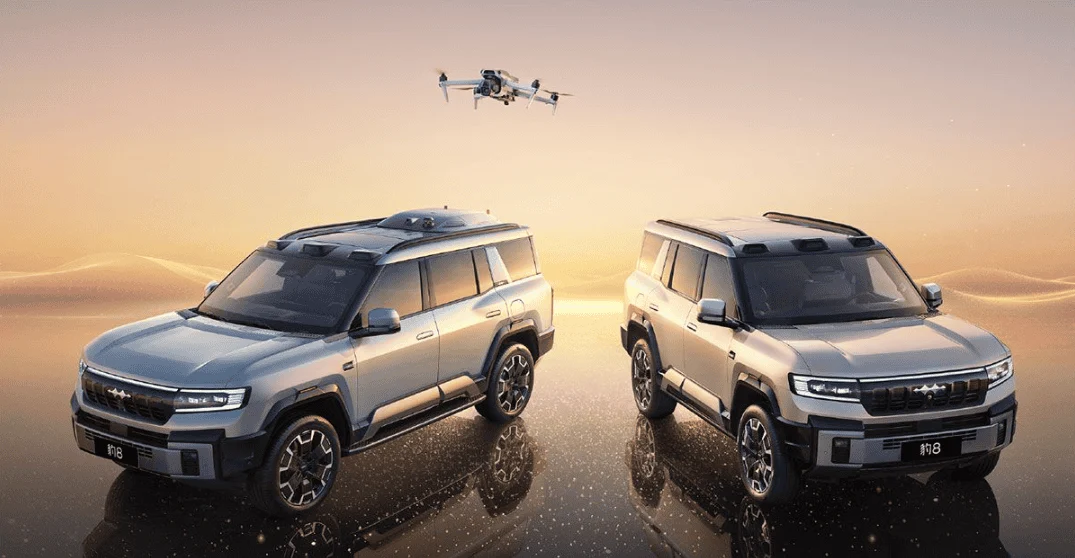
The global automotive landscape has reached a significant milestone as BYD, the world’s leading manufacturer of new energy vehicles (NEVs), officially announced the launch of its integrated smart drone system developed in strategic partnership with DJI, the global leader in civilian drones and aerial imaging technology. This collaboration marks the debut of the world’s first vehicle-mounted Unmanned Aerial System (UAS), specifically designed to be housed within and operated from an electric vehicle. By merging high-end automotive engineering with advanced aerial robotics, the two Chinese technology giants aim to transform the driving experience from a two-dimensional terrestrial journey into a three-dimensional interactive adventure. The system, which features an automated flight bay integrated into the vehicle’s roof, represents a paradigm shift in how drivers interact with their environment, offering unprecedented capabilities in travel documentation, safety monitoring, and real-time navigation assistance.
The Genesis of the BYD-DJI Partnership
The development of the smart drone system is the culmination of a multi-year research and development initiative focused on the "Intelligent Cockpit" concept. As the electric vehicle market matures, the focus of competition has shifted from battery range and acceleration to software-defined features and ecosystem integration. BYD’s "Xuanji" architecture, a smart vehicle intelligence system, serves as the foundation for this integration. During the initial unveiling at the BYD Dream Day event, company executives emphasized that the goal was not merely to provide a peripheral accessory, but to create a deeply embedded technological feature that operates as an extension of the vehicle’s own sensors and intelligence.
DJI’s involvement brings a decade of expertise in flight stabilization, obstacle avoidance, and high-definition transmission. For DJI, this partnership represents a strategic expansion into the automotive sector, following its previous ventures into autonomous driving components. By tailoring their drone technology to the specific rigors of automotive use—including vibrations, high-speed winds, and the need for rapid deployment—DJI has created a specialized hardware suite that fits within the aerodynamic constraints of a modern luxury SUV.
Technical Specifications and Hardware Integration
The centerpiece of this innovation is the vehicle-mounted drone bay, which is currently featured on the high-end YangWang U8 luxury off-road SUV. The bay is a marvel of miniaturization and automation, designed to protect the drone from the elements while providing a seamless launch and recovery platform.
- Automated Launch and Recovery: The system features a retractable roof compartment that opens to allow the drone to take off. Upon completion of its mission, the drone utilizes high-precision positioning to land back in the bay, even while the vehicle is in motion (within specific speed parameters).
- Battery Management and Swapping: One of the most significant technical hurdles in drone technology is flight time. To address this, the BYD drone bay includes an automated battery-swapping mechanism. When the drone lands, the system can automatically replace its depleted battery with a fully charged one from an internal magazine, ensuring the drone is ready for immediate redeployment.
- Transmission and Control: The drone is controlled via the vehicle’s internal 12.8-inch or larger infotainment screen. Utilizing DJI’s OcuSync technology, the system provides a low-latency, high-definition video feed directly to the driver and passengers.
- Imaging Capabilities: Equipped with a 4K/60fps camera and a three-axis mechanical gimbal, the drone captures professional-grade aerial footage. It includes specialized "Follow-Me" modes and cinematic flight paths designed to track the vehicle through complex terrains, such as mountain passes or coastal roads.
Enhancing Safety and Navigational Intelligence
While the lifestyle and documentation aspects of the drone are highly marketed, the safety implications are equally profound. The integration of a "God’s eye view" provides drivers with information that traditional vehicle sensors, such as LiDAR or cameras, cannot capture due to line-of-sight limitations.
In off-road scenarios, the drone can be deployed to scout the terrain ahead, identifying obstacles, water depth, or path blockages that are not visible from the driver’s seat. In urban environments, the drone can provide real-time traffic analysis, allowing the vehicle’s navigation system to adjust routes based on actual visual data rather than delayed GPS reports. Furthermore, in emergency situations, the drone can serve as a signaling device or provide a bird’s-eye view of the vehicle’s surroundings to emergency responders, significantly enhancing the security profile of the vehicle.
Strategic Market Positioning and Industry Impact
BYD’s move to integrate DJI technology is a calculated effort to maintain its dominance in the premium NEV segment. As competitors like Tesla focus on Full Self-Driving (FSD) software and Xiaomi enters the market with a heavy emphasis on smartphone-to-car ecosystems, BYD is carving out a niche in "outdoor and adventure intelligence."

Industry analysts suggest that this move targets a growing demographic of "tech-nomads" and outdoor enthusiasts who value content creation and high-tech utility. By offering a built-in drone, BYD eliminates the friction of carrying, charging, and manually launching a separate device, making aerial photography a standard part of the automotive user interface. Data from automotive market research firms indicates that "smart features" now rank among the top three factors influencing EV purchase decisions in the Chinese and European markets, often outweighing traditional performance metrics.
Chronology of Development and Future Rollout
The timeline of the BYD-DJI smart drone integration reflects a rapid transition from concept to production:
- Q1 2023: BYD and DJI establish a joint task force to explore vehicle-to-UAS communication protocols.
- Q3 2023: Prototype testing of the automated roof bay begins at BYD’s high-altitude testing grounds, focusing on wind resistance and landing precision.
- January 2024: The system is officially debuted at the BYD Dream Day, showcasing the "Xuanji" architecture.
- March 2025: The first production models of the YangWang U8 "Drone Edition" begin delivery to customers in mainland China.
- Late 2025 (Projected): BYD plans to offer the drone integration as an optional package for its premium "FangChengBao" and "Denza" brands, potentially bringing the technology to a wider range of price points.
Regulatory and Ethical Considerations
The launch of a vehicle-mounted drone is not without its challenges. Regulatory frameworks regarding drone flight vary significantly by region. In many jurisdictions, operating a drone from a moving vehicle is currently restricted or requires specific licensing. BYD and DJI have addressed these concerns by implementing "geofencing" software that prevents the drone from taking off in restricted zones, such as near airports or government installations.
Additionally, there are safety protocols embedded in the software to ensure that the drone does not interfere with other road users. The system is designed to maintain a minimum altitude and distance from other vehicles, and the "Return-to-Home" feature is programmed to prioritize the safety of the vehicle’s occupants and the surrounding public. As this technology proliferates, it is expected that aviation and transportation authorities will need to update existing laws to accommodate the integration of UAS into civilian transport.
The Broader Vision: A Connected Ecosystem
The collaboration between BYD and DJI is indicative of a broader trend where the boundaries between different technology sectors are blurring. The modern electric vehicle is no longer just a mode of transport; it is a mobile power station, a data center, and now, a mobile hangar for aerial robotics.
By leveraging its massive R&D budget—which exceeded 30 billion RMB in recent years—BYD is positioning itself as a platform provider. The drone is just one "module" in an ecosystem that could eventually include integrated satellite communication, wearable health monitors for drivers, and V2X (Vehicle-to-Everything) connectivity. For DJI, the partnership provides a massive data set on how drones operate in diverse environments, which will inform the development of future autonomous flight algorithms.
Conclusion: The Future of Mobility
The launch of the BYD smart drone represents a bold step toward a more integrated and capable future for personal mobility. By solving the logistical challenges of drone operation through automation and vehicle integration, BYD and DJI have created a tool that enhances both the utility and the enjoyment of driving.
As the automotive industry continues to evolve, the success of this integration will likely inspire other manufacturers to explore similar partnerships. Whether for capturing the perfect sunset on a cross-country road trip or for navigating a treacherous mountain pass, the presence of a smart drone atop a vehicle is poised to become a symbol of the next generation of intelligent transportation. While it currently remains a luxury feature, the history of automotive innovation suggests that such technologies often trickle down to the mass market, eventually becoming as common as the GPS or the rearview camera. The "God’s eye view" is no longer a futuristic concept; it is a reality on the road today.