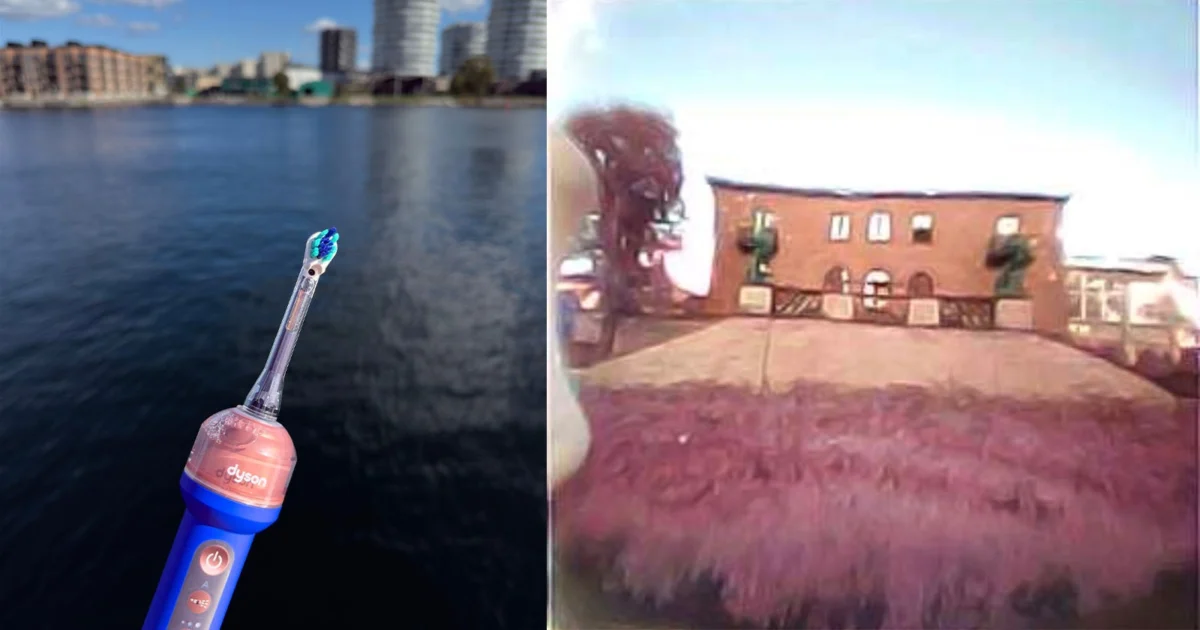
A photographer has recently garnered significant attention for her unconventional use of Dyson’s new CameraJet electric toothbrush, repurposing the device’s integrated camera for street photography, an endeavor that has sparked both fascination and controversy within the online photography community. The $499 Dyson CameraJet, released earlier this month in 2026, quickly became a talking point for its embodiment of a growing trend: the integration of high-tech cameras into everyday consumer items. This particular model features an endoscopic camera, primarily designed for intra-oral imaging to assist users in monitoring their dental hygiene.
The individual behind this photographic experiment, known by the Instagram handle "all gear no skill," embarked on a street photo walk with the CameraJet, deliberately pushing the boundaries of its intended function. Her motivation stemmed from a long-standing inside joke within the photography world regarding "dentists owning Leicas," a playful nod to the precision and cost associated with high-end photographic equipment often coveted by professionals, including those in dental fields. "When I saw Dyson dropping the toothbrush with a camera, I knew it just had to be used for street photos," she told PetaPixel, asserting that "it just makes sense" in a tongue-in-cheek reference to the unexpected convergence of dental technology and photographic artistry.
The Rise of Ubiquitous Cameras: A Contextual Shift
The Dyson CameraJet’s emergence is not an isolated incident but rather a symptom of a broader technological shift towards embedding cameras into an ever-expanding array of personal devices and household objects. This trend, accelerating rapidly in the mid-2020s, sees everything from smart refrigerators and doorbells to fitness trackers and even eyewear incorporating imaging capabilities. The motivations behind this pervasive integration are multifaceted: enhanced convenience, advanced monitoring for health and security, and the collection of granular data to personalize user experiences. For instance, smart home security systems now routinely feature high-definition cameras, while health wearables, such as advanced smartwatches, increasingly offer optical sensors for vital sign tracking and even rudimentary imaging capabilities for skin analysis. This technological push is driven by consumer demand for integrated functionalities and manufacturers’ desire to create more "intelligent" and interconnected ecosystems.
Dyson, a company synonymous with innovative design and engineering, positions the CameraJet as a premium oral health tool. Its $499 price tag reflects its advanced features, with the camera being a central selling point for comprehensive dental monitoring. Launched in early September 2026, the device promises users a detailed, live view of their teeth and gums, empowering them to improve their brushing technique and identify potential issues. The camera’s design specifications are tailored for this specific purpose: it is an endoscopic lens, optimized for close-up, macro photography within the confines of the mouth. This specialized design inherently results in significant fisheye distortion and a particular sensitivity to lighting conditions when used outside its intended environment.
An Unconventional Photographic Tool: The CameraJet in Practice
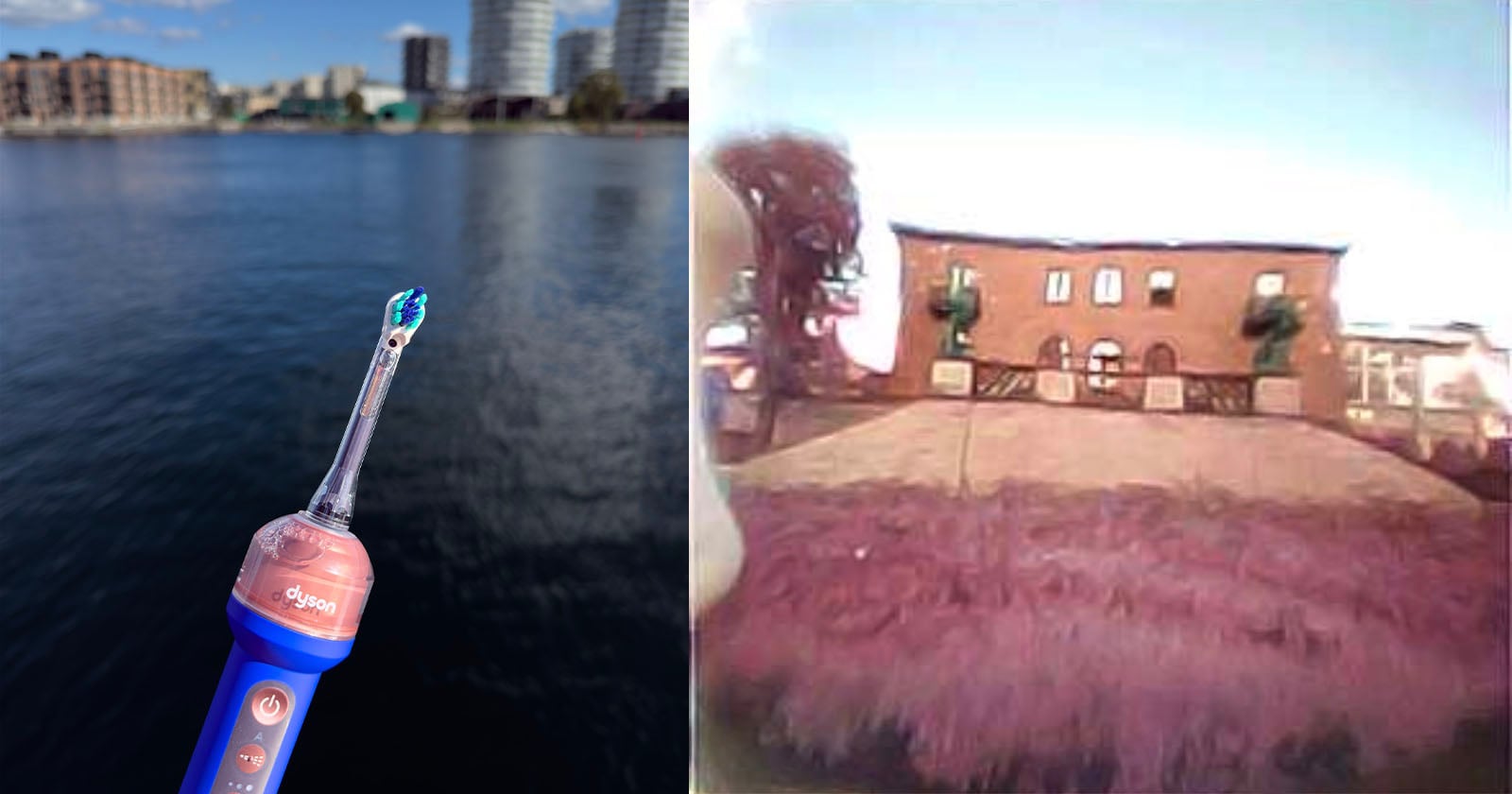
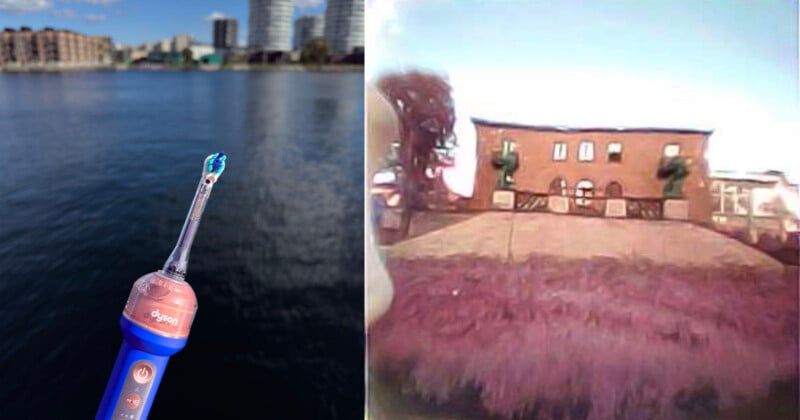
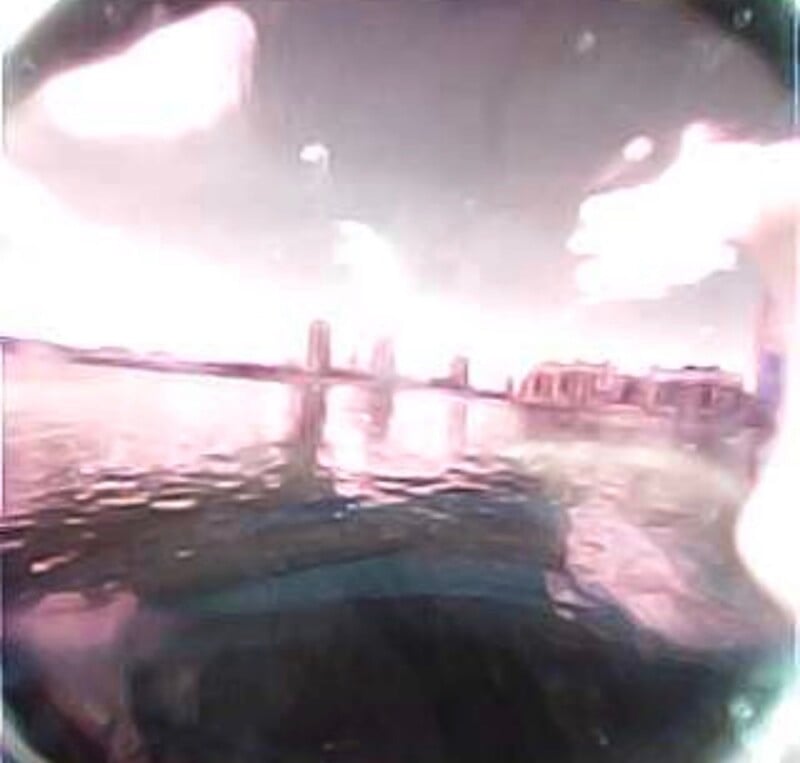
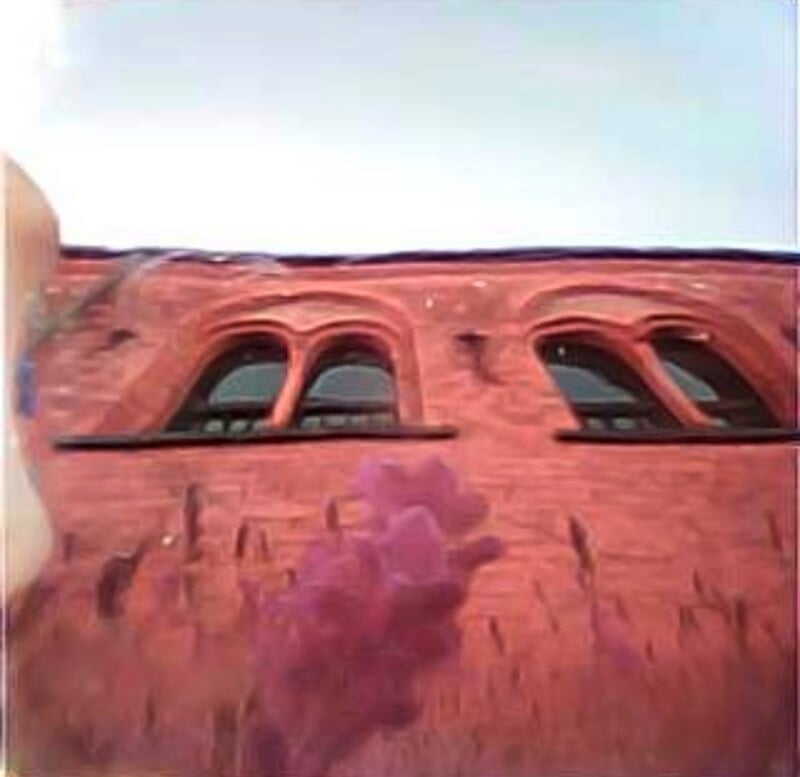
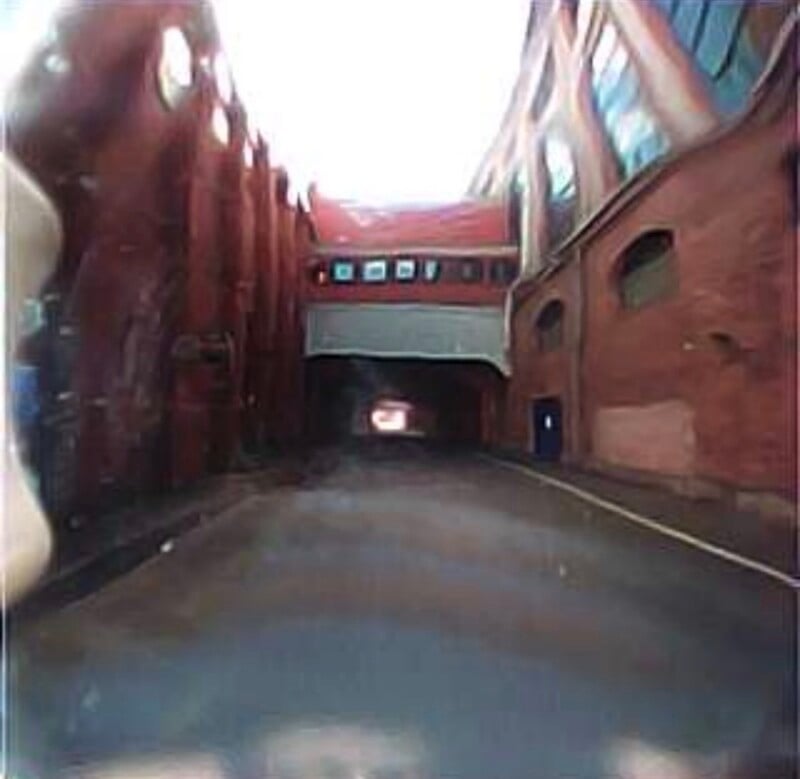
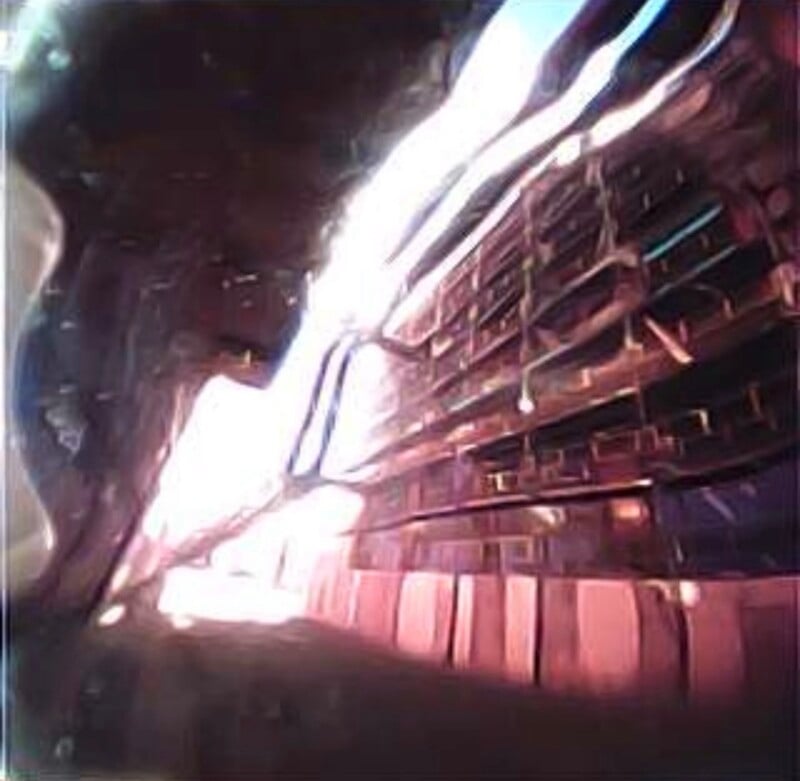
"All gear no skill" approached the CameraJet as a serious, albeit whimsical, photographic instrument. Her process highlighted both the technical peculiarities of the device and the ingenuity required to adapt it for street photography. The camera’s output, she observed, was "straight out weird" when applied to urban landscapes. The images exhibited a distinct aesthetic characterized by pronounced fisheye distortion, which warped perspectives and rendered familiar street scenes with an almost surreal quality. Furthermore, the camera’s sensitivity to light proved challenging; while it demanded ample illumination, it also struggled with overexposure, leading to blown-out highlights in brightly lit areas.
The technical limitations extended to image quality: "Of course, the resolution is not great, and colours and white balance are all over the place," she explained. This meant the resulting photographs often displayed muted or unnatural color palettes and lacked the crisp detail typically associated with dedicated street photography cameras. Interestingly, the photographer also noted an "IR [infrared] camera" like quality to some of the outdoor shots, further adding to their peculiar, otherworldly appearance.
A significant practical hurdle was the CameraJet’s lack of an onboard recording function. Dyson explicitly states that the device does not store images or video locally or upload them to cloud services, a measure likely implemented to address privacy concerns inherent in a camera-equipped personal hygiene tool. Consequently, "all gear no skill" had to rely on screenshots of the live feed displayed on her smartphone app. Despite this workaround, she commended the app’s performance, noting its seamless connectivity and minimal lag – a testament, she quipped, to a "toothbrush app deliver[ing] a better experience than some camera manufacturer’s own apps."
The resulting visual diary of her street walk included a series of captivating, albeit distorted, urban vistas. Images of bodies of water with distant bridges and buildings took on a warped, almost panoramic sweep. Red brick building walls, usually mundane, were transformed by the low-angle, fisheye perspective into abstract compositions. Arched openings, industrial structures connected by elevated walkways, and vibrant graffiti murals were all captured through this unique lens, each image bearing the unmistakable signature of the CameraJet’s specialized optics. These photographs, while technically imperfect by conventional standards, offered a fresh and often unsettling interpretation of everyday cityscapes.
The Art of Constraint: A History of Experimental Photography
"All gear no skill’s" use of the Dyson CameraJet is not an isolated act of eccentricity but rather fits within a rich tradition of experimental photography where artists deliberately employ unconventional tools and methods to challenge perceptions and expand the medium’s expressive capabilities. Throughout history, photographers have turned to pinhole cameras, toy cameras like the Holga and Lomo, and even disposable cameras to achieve unique aesthetic effects that defy the pursuit of technical perfection. The advent of early smartphone cameras, initially derided for their poor quality, also saw a surge of creative adoption, demonstrating how limitations can foster innovation.
This photographer herself has a history of such boundary-pushing projects. Her portfolio includes colorizing monochrome images taken with a Leica M10 Monochrom, a camera specifically designed to capture only black and white. She has also experimented with scanning thermal prints using a 150-megapixel Phase One camera, transforming ephemeral, low-fidelity images into high-resolution digital artifacts. These endeavors underscore her core philosophy: "Photography should be fun." This ethos positions her work less as a critique of photographic technology and more as an exploration of its potential, however unintended. By embracing the inherent flaws and peculiarities of devices like the CameraJet, she opens up new avenues for artistic expression, demonstrating that the tool is often secondary to the creative vision.
Public Reception and the Reddit Controversy: Defining "Street Photography"
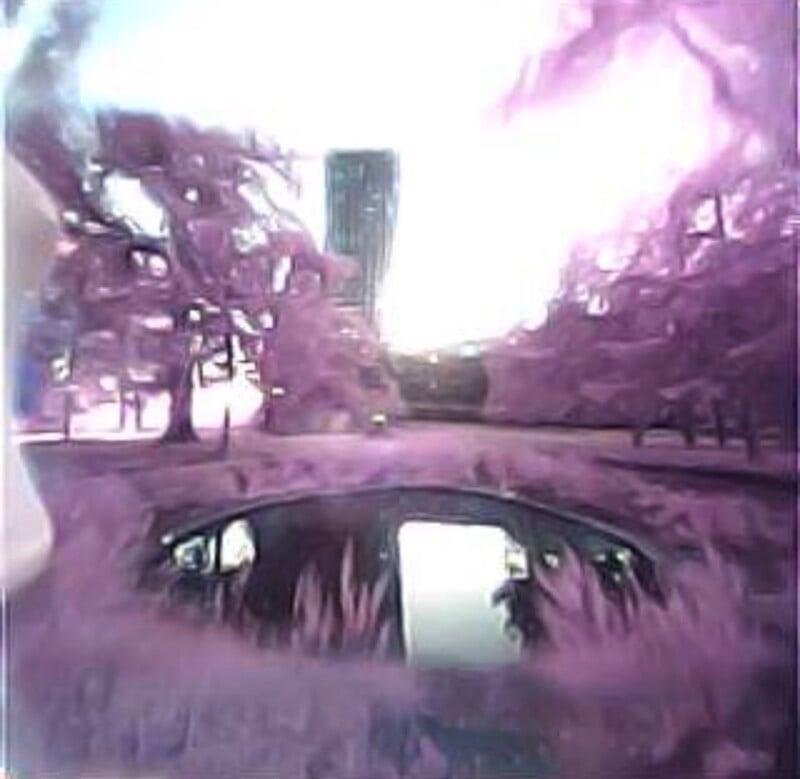
The photographs generated by the Dyson CameraJet initially garnered "very positive" reactions across various online platforms, with many viewers expressing amusement and intrigue at the bizarre and distorted aesthetic. Some even drew comparisons to the outputs of early 2020s generative AI models, highlighting the surreal, almost dreamlike quality of the images. This reception underscored a public fascination with novelty and the unexpected, particularly when it intersects with technology.
However, the experiment was not universally embraced. The contentious nature of defining "street photography" came to a head when "all gear no skill" posted her CameraJet images to r/streetphoto, a prominent subreddit dedicated to the genre. The post was swiftly removed by moderators, citing a violation of the community’s "street photography only" rule. The photographer recounted her attempts to explain the context to the moderators: "I’ve reached out to the mods explaining that I was using a toothbrush to take photos on the streets." Despite her clarification, the decision stood: "They reviewed the post and decided not to reinstate it because ‘It is not street photography.’" She expressed her disappointment, stating, "I am very hurt by their decision."
This incident reignites a perennial debate within the photographic community: what precisely constitutes "street photography"? Is it solely about the subject matter—candid moments captured in public spaces—or does it also encompass the tools and methods employed? The moderators’ stance suggests a rigid interpretation, potentially prioritizing traditional photographic equipment and conventional aesthetics. This raises questions about whether such strict categorizations inadvertently stifle innovation and experimental approaches within established genres. By dismissing images taken with an unconventional device, even if they depict classic street scenes, the community risks alienating artists who seek to push creative boundaries. The irony is palpable: a camera designed for an extremely intimate, micro-scale view (the inside of a mouth) was used to capture broad, public vistas, only to be deemed "not street photography" by gatekeepers of the genre. This incident highlights the tension between artistic freedom and community-enforced norms, underscoring how digital platforms can shape, and sometimes constrain, creative discourse.
Ethical Implications and Future Trajectories of Ubiquitous Cameras
Beyond the artistic and community debates, the Dyson CameraJet, and the broader trend it represents, brings into sharp focus critical ethical and privacy considerations. While Dyson has taken steps to mitigate immediate privacy risks by ensuring the device does not store images or video locally or in the cloud—only allowing live viewing via an app—the very existence of a camera in such a personal item raises questions about the long-term implications of ubiquitous surveillance.
The concern extends beyond individual device policies to the cumulative effect of countless cameras integrated into daily life. As more and more objects around us gain imaging capabilities, the potential for inadvertent capture, data aggregation, and misuse grows. This "camera everywhere" future prompts anxieties about public and private spaces, consent, and the erosion of anonymity. While the Dyson CameraJet is currently designed for self-monitoring, the technological precedent it sets could pave the way for future iterations or entirely different devices that might store, transmit, or even analyze visual data in ways that could compromise personal privacy.
Looking ahead, the integration of cameras into unexpected devices is likely to continue its exponential growth. This will undoubtedly lead to new aesthetic movements in photography, as artists continue to experiment with novel tools and their inherent limitations. The "weird" and distorted images produced by the CameraJet may become a precursor to entirely new genres of visual art. For companies like Dyson, the success of the CameraJet may encourage further ventures into camera-integrated health technology, expanding the scope of personal monitoring beyond oral hygiene. However, this expansion must be carefully balanced with robust privacy protections and transparent communication with consumers to address the legitimate concerns that arise from an increasingly camera-laden world. The street photography experiment with the Dyson CameraJet stands as a compelling microcosm of these intersecting trends, illustrating the complex interplay between technological innovation, artistic expression, community dynamics, and evolving societal norms around privacy and surveillance.