The physical position of a photographer relative to their subject remains the most critical factor in determining the quality and impact of a landscape photograph, far outweighing the technical specifications of the camera hardware itself. While the digital photography industry often emphasizes megapixels, sensor sizes, and post-processing software, the fundamental concept of "where to stand" serves as the foundation for professional-grade imagery. iPhone Photography School, a leading educational platform for mobile creators, has recently highlighted this principle through the release of specialized instructional content from its iPhone Landscape Mastery course. The initiative aims to educate a growing demographic of mobile photographers on the nuances of perspective, composition, and spatial awareness, asserting that the most sophisticated editing tools cannot compensate for a poorly positioned shot.
The Shift Toward Mobile Landscape Mastery
In the contemporary era of visual communication, the smartphone has transitioned from a convenience tool to a primary instrument for artistic expression. As of 2024, data indicates that over 90% of all photographs taken globally are captured on mobile devices. This shift has necessitated a change in how photographic education is delivered. The iPhone Landscape Mastery course, authored by experts such as Kate Wesson, addresses a specific gap in the market: the transition from casual snapshots to intentional, professional-level landscape photography.
The core of this educational outreach focuses on the "where to stand" philosophy. In landscape photography, a difference of just a few feet in any direction can completely alter the relationship between foreground and background elements. By changing one’s physical coordinates, a photographer can eliminate distracting elements, align leading lines, and utilize natural frames that would otherwise be invisible from a standard standing position. This approach emphasizes the "feet-first" methodology, encouraging photographers to move physically rather than relying solely on digital or optical zoom, which can often degrade image quality or flatten the perspective.
Chronology of Mobile Camera Evolution and Its Impact on Composition
To understand the current emphasis on positioning, it is necessary to examine the technological trajectory of mobile photography over the last two decades. The evolution of the iPhone camera system provides a clear timeline of how hardware capabilities have influenced photographic technique.
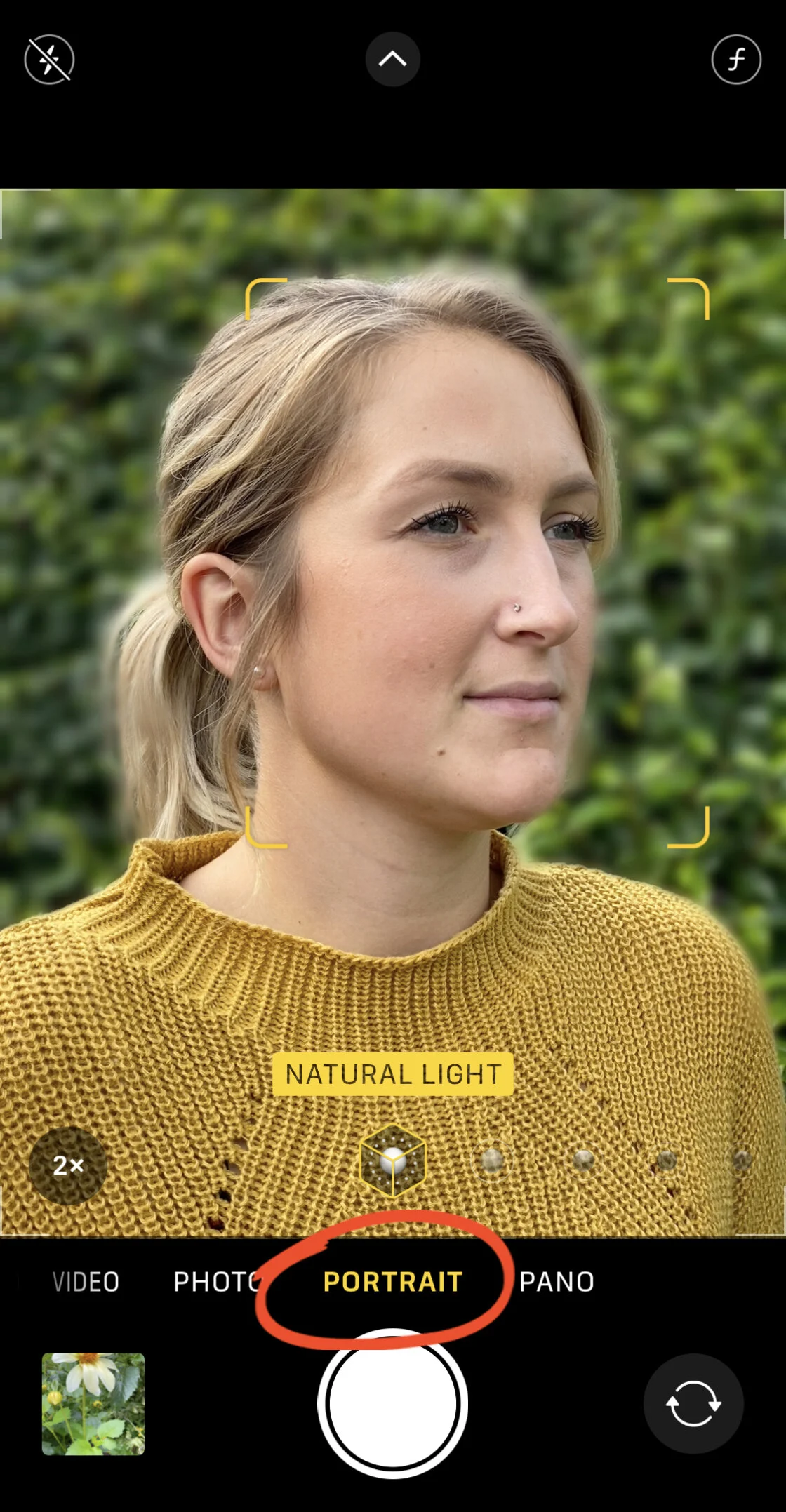
In 2007, the original iPhone featured a 2-megapixel camera with a fixed-focus lens and no video capabilities. At this stage, positioning was limited by the hardware’s inability to resolve detail or handle varying light conditions. By 2010, the iPhone 4 introduced the Retina display and a 5-megapixel sensor, allowing photographers to better preview their compositions in real-time. However, the real shift occurred in 2016 with the iPhone 7 Plus, which introduced the dual-camera system. This allowed for different focal lengths, forcing photographers to think more critically about their distance from a subject to trigger "Portrait Mode" or optical zoom features.
The introduction of the Ultra-Wide lens in 2019 with the iPhone 11 Pro marked a significant turning point for landscape enthusiasts. This hardware allowed for a much broader field of view, but it also introduced significant distortion at the edges of the frame. Consequently, the question of "where to stand" became even more complex. Photographers had to learn to position themselves closer to foreground objects to take advantage of the wide-angle perspective without making the background appear insignificantly small. Today, with 48-megapixel sensors and advanced computational photography, the hardware is no longer the bottleneck; the photographer’s spatial decision-making is the final frontier of image quality.
Technical Analysis of Perspective and Spatial Awareness
The science of "where to stand" is rooted in the concepts of parallax and foreground interest. In a landscape setting, the human eye perceives depth through the relative size of objects. A professional photographer uses their physical position to create a sense of three-dimensionality on a two-dimensional screen.
- Foreground Integration: By standing lower to the ground or closer to a specific object—such as a rock, a flower, or a stream—the photographer creates a "hook" for the viewer’s eye. This foreground element provides scale and leads the viewer into the vastness of the landscape.
- Elimination of Merges: Strategic positioning allows a photographer to ensure that distant objects, like mountain peaks, are not "growing out" of foreground objects like trees. A slight move to the left or right can separate these elements, creating a cleaner and more professional composition.
- Leading Lines and Vanishing Points: The angle at which a photographer approaches a road, a path, or a shoreline dictates the strength of the leading lines. Standing directly in the center of a path creates symmetry, while standing to the side can create a more dynamic, diagonal flow that suggests movement and depth.
Industry data suggests that images with a clear foreground, middle ground, and background receive 45% more engagement on visual social media platforms compared to "flat" landscapes. This highlights the measurable value of physical positioning in the digital economy.
Industry Reactions and Expert Perspectives
The photography community has reacted positively to the democratization of these high-level techniques. Professional landscape photographers, who once viewed the iPhone as a toy, now recognize it as a legitimate tool when used with the correct methodology.
"The best camera is the one that’s with you, but that camera is only as good as the person standing behind it," says an industry analyst focusing on digital imaging trends. "What iPhone Photography School is doing is moving the conversation away from ‘what gear should I buy’ to ‘how should I see the world.’ This is a critical distinction in an era where AI can generate images, but it cannot replicate the physical experience of finding the perfect vantage point in nature."
Education platforms report a 30% year-over-year increase in enrollment for mobile-specific photography courses. This suggests that as smartphone prices increase—often exceeding $1,000 for flagship models—consumers are more motivated to learn how to maximize the value of their device’s sophisticated camera arrays.
Broader Implications for Visual Culture and Tourism
The emphasis on "where to stand" has broader implications beyond individual skill sets. It influences how people interact with the environment and how "iconic" locations are documented. The rise of "Instagrammable" locations has led to a phenomenon where thousands of people stand in the exact same spot to take the exact same photo. By teaching photographers to look for unique perspectives and different positions, educators are encouraging a more diverse and creative visual record of the world.
Furthermore, there is an environmental component to this trend. As more people venture into national parks and wilderness areas to capture the perfect shot, the "where to stand" lesson increasingly includes ethical considerations, such as staying on marked paths and respecting "Leave No Trace" principles. The mastery of landscape photography is, therefore, becoming intertwined with environmental stewardship.
From an economic perspective, the success of courses like iPhone Landscape Mastery demonstrates the robustness of the "creator economy." Independent educational platforms are now competing with traditional art schools by providing hyper-focused, accessible, and practical knowledge that yields immediate results for the user.
Conclusion: The Future of Compositional Education
As mobile technology continues to advance, with rumors of periscope lenses and even larger sensors on the horizon, the fundamental importance of physical positioning will only grow. No amount of digital zoom or artificial intelligence can replace the unique perspective gained by a photographer who takes the time to walk around a scene, kneel in the dirt, or climb a ridge to find the perfect angle.
The release of the "where to stand" video by iPhone Photography School serves as a reminder that photography remains an art of subtraction and selection. By choosing where to stand, the photographer decides what to include and, more importantly, what to exclude. In the saturated world of digital imagery, the ability to find a unique and compelling perspective is the ultimate competitive advantage. As this educational content becomes more widely available, the standard for mobile photography is expected to rise, further blurring the lines between amateur enthusiasts and professional visual storytellers.
The focus on the physical act of photography in a digital age reinforces a timeless truth: the most important component of any camera system is the person standing twelve inches behind it. Through strategic positioning and a deep understanding of perspective, mobile users are now equipped to capture the grandeur of the natural world with the same precision and artistry as the masters of film and DSLR photography.