The close of the last month marked a period of introspection for many, including the analytical teams at LensRentals.com, who meticulously reviewed their 2025 rental and purchase data to identify prevailing trends and consumer preferences in the dynamic world of photography and videography. As the calendar turns to January, the focus shifts from retrospective analysis to forward-looking projections, identifying the pivotal developments expected to shape the industry in the coming year. Based on an extensive review of recent technological advancements and market dynamics, LensRentals.com anticipates several key areas of innovation that are poised to significantly impact both amateur enthusiasts and seasoned professionals in 2026. This analysis delves into five critical areas: the resurgence of third-party lens manufacturers, the proliferation of fast yet affordable prime lenses, a strategic pivot in AI development towards workflow optimization, substantial improvements in camera-to-smartphone application support, and the wider adoption of electronic global shutters. These developments collectively promise to enhance creative possibilities, streamline production workflows, and make advanced technologies more accessible across the photographic and cinematic landscape.
The Resurgence of Third-Party Lenses
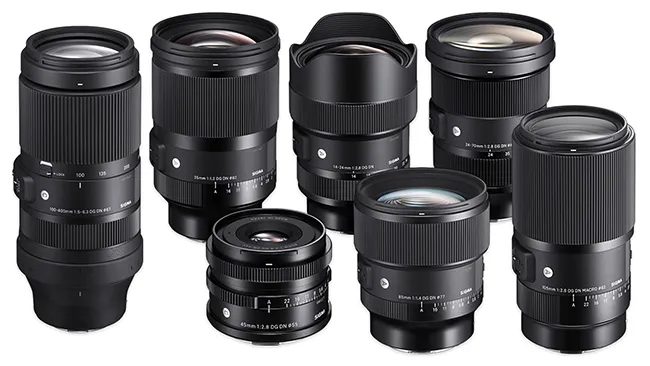
For professionals and enthusiasts deeply entrenched in the photography industry for over a decade, the pre-mirrorless era is often recalled with a certain degree of nostalgia, particularly concerning the expansive array of lens options available. Regardless of allegiance to Canon, Sony, or Nikon, photographers benefited from a robust ecosystem of third-party lens manufacturers such as Sigma, Tamron, and Tokina. These companies consistently delivered high-quality, often more affordable alternatives and unique focal lengths, fostering a competitive market that benefited consumers with choice and value. However, the industry’s significant pivot to mirrorless camera systems, marked by the introduction of entirely new lens mounts like Canon’s RF and Nikon’s Z, initially disrupted this equilibrium.
The technical challenges associated with reverse-engineering new, proprietary lens communication protocols and the absence of direct licensing agreements meant that many third-party manufacturers faced significant hurdles in developing lenses for these nascent mirrorless platforms. While Sony’s E-mount, launched earlier in 2010, saw a relatively rapid integration of third-party lenses due to its more open architecture and the company’s strategic partnerships, Canon and Nikon maintained tighter control over their new mounts for several years. This led to a temporary scarcity of alternative lens options for RF and Z users, pushing many towards often more expensive first-party offerings.
A turning point began to emerge around 2023-2024, with industry giants like Sigma and Tamron publicly announcing and subsequently releasing a growing number of lenses for the RF and Z mounts. This commitment signals a crucial phase in the mirrorless market’s maturity. The implications of this resurgence are profound. Increased competition is expected to drive down prices for consumers, making advanced optical performance more accessible. Furthermore, it will broaden the creative toolkit available to photographers and videographers, offering a wider range of focal lengths, apertures, and specialized lenses that might not be prioritized by camera manufacturers themselves. Analysts suggest that this expansion could also stimulate further innovation from first-party manufacturers, as they contend with a more competitive landscape. For 2026, the industry anticipates a significant acceleration in the release of diverse and high-performance third-party lenses, restoring the vibrant, competitive market reminiscent of the DSLR era.
The Dawn of Affordable, Fast Prime Lenses
The pursuit of shallow depth of field and superior low-light performance has long driven demand for "fast prime" lenses – those with wide apertures like f/1.2 or f/1.4 and a fixed focal length. Historically, such optics have commanded premium price tags, often placing them out of reach for many photographers. Iconic lenses like Leica’s Noctilux series, dating back to the 1960s, and Canon’s own early f/1.2 offerings from the 1980s, exemplified this blend of exceptional performance and high cost. The intricate optical designs, the sheer size of the glass elements required, and the precision manufacturing involved in producing lenses with such wide apertures contributed significantly to their expense.
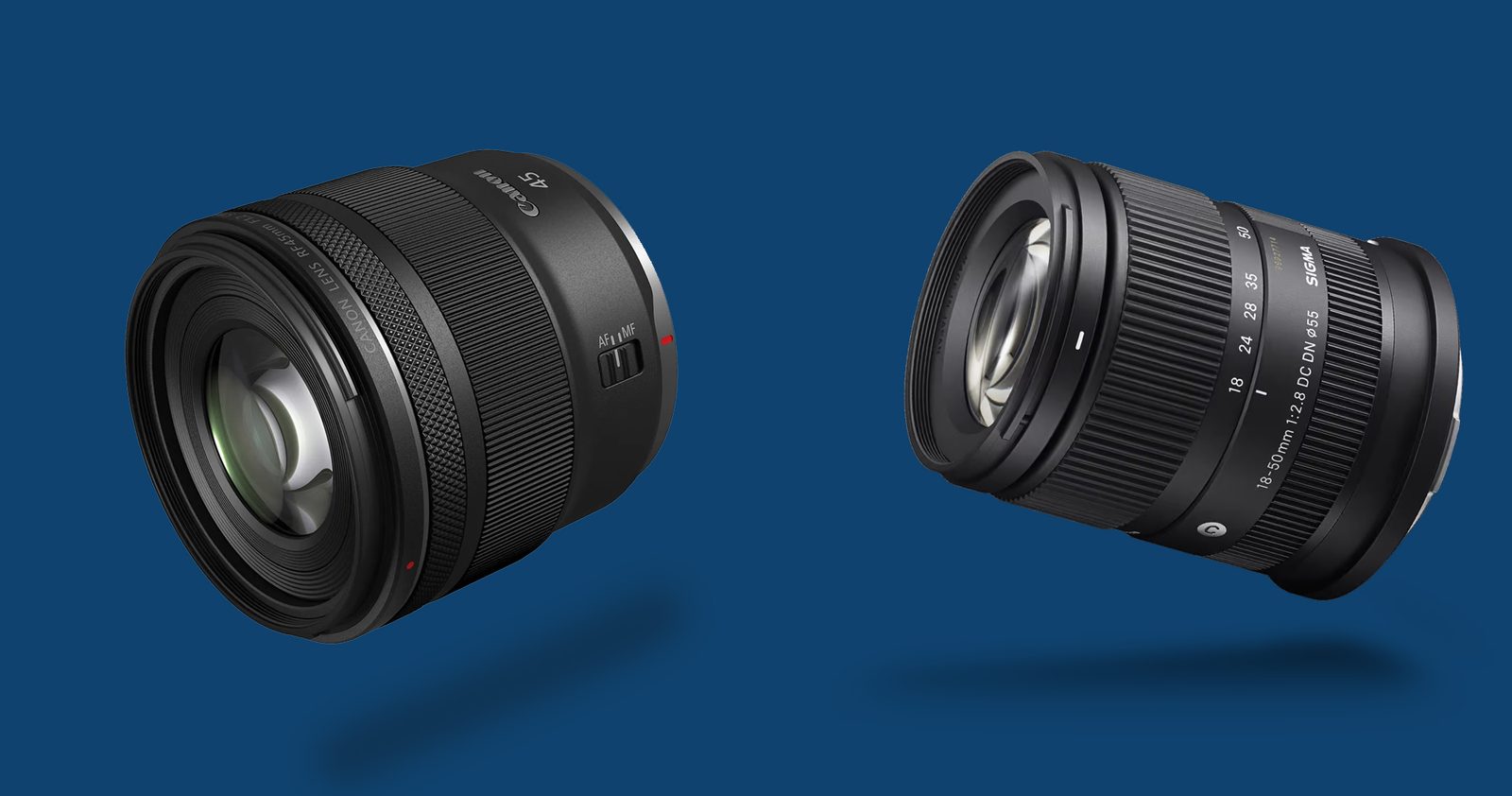
However, a significant market disruption occurred approximately six months prior to this report, with Canon’s introduction of the RF 45mm f/1.2 STM lens, priced remarkably under $500. This move by Canon was groundbreaking, challenging the long-held industry standard that f/1.2 lenses inherently necessitated a four-figure investment. The Canon RF 45mm f/1.2 STM demonstrated that advancements in optical design, material science, and manufacturing processes could converge to deliver historically premium specifications at an unprecedentedly accessible price point. While specific details on the manufacturing breakthroughs leading to this cost reduction remain proprietary, it is widely believed that optimized lens formulas, efficient assembly techniques, and perhaps a strategic focus on specific materials contributed to this achievement.
The implications for 2026 are transformative. This precedent set by Canon is expected to exert considerable pressure on other major camera and lens manufacturers to re-evaluate their pricing strategies and development pipelines for fast prime lenses. The democratization of such a sought-after aesthetic – the ultra-shallow depth of field and excellent low-light capability – promises to empower a broader spectrum of photographers and videographers. This could lead to an explosion of creative expression previously confined to those with substantial budgets. Industry experts predict that 2026 will witness a more frequent introduction of fast, affordable prime lenses across various mounts, significantly expanding the creative toolkit available to the mainstream market and making professional-grade image quality more attainable for all.
Shifting AI Focus: From Generation to Workflow Enhancement
The past few years have undeniably positioned Artificial Intelligence (AI) at the vanguard of technological discourse, and the photography and videography sectors have been no exception. The pervasive influence of generative AI, capable of producing sophisticated art, photorealistic corporate headshots, and even complex video sequences from simple text prompts, has captured public imagination and sparked extensive debate. While the transformative potential of generative AI is undeniable, and its presence is now an immutable aspect of the digital landscape, the discourse around its application in creative fields is poised for a significant reorientation in 2026.
The current emphasis on AI-driven content generation, while impressive, has often overshadowed the less glamorous but equally impactful realm of workflow AI. For professional photographers and videographers, the daily grind involves a multitude of repetitive, time-consuming tasks that precede and follow the core creative act. These include client communication, scheduling, invoicing, culling images, basic retouching, and asset management. It is in these operational facets that a shift towards more intelligent, assistive AI applications is anticipated and highly desired.
In 2026, the industry is expected to see a pronounced pivot towards developing and integrating AI solutions designed to augment, rather than replace, human creativity. This includes more sophisticated and affordable studio management software leveraging AI to automate invoice reminders, personalize client communications, and intelligently manage project timelines. In post-production, AI-powered tools capable of instantly identifying and removing distracting elements like trash bins or telephone poles from images, or intelligently enhancing specific aspects of video footage, are predicted to become more commonplace and refined. Furthermore, AI could revolutionize the creative brief process by helping professionals catalog their inspirations, reference imagery, and conceptual thoughts onto cohesive visual boards to share with clients, streamlining the initial stages of a project.
The implication is a significant boost in efficiency for creative professionals, freeing up valuable time that can be reinvested into the artistic process itself. By automating the mundane, workflow AI aims to allow creatives to delve deeper into the nuanced aspects of their craft, fostering greater innovation and reducing burnout. While generative AI continues to evolve, 2026 is set to mark a critical turning point where the practical, assistive applications of AI within the professional creative workflow gain paramount importance, reflecting a collective desire for tools that facilitate, rather than dictate, artistic vision.
Elevating Camera App Functionality and User Experience
The advent of mirrorless camera systems was not merely a shift in hardware design; it heralded a broader promise of seamless integration with the burgeoning smartphone ecosystem. The vision was compelling: cameras that could effortlessly connect to smartphones, enabling photographers and videographers to instantly review, edit, and publish their captured content directly from their mobile devices. This promise, however, has largely remained unfulfilled, with the reality of manufacturer-developed camera applications often falling short of user expectations.
A recurring frustration among users has been the inconsistent performance of these proprietary apps, characterized by frequent freezes, unexpected crashes, and unresponsive interfaces. Despite years of development and updates, many camera manufacturers’ apps – such as Canon Camera Connect, Nikon SnapBridge, and Sony Imaging Edge Mobile – continue to receive lukewarm reviews and struggle with fundamental reliability issues. While some brands, like Fujifilm with its Camera Remote app, have made slightly more headway in terms of usability and functionality, the overall consensus among the user base is that these applications are significantly underdeveloped compared to the sophisticated capabilities of modern smartphones and third-party imaging software.
The technical hurdles are multifaceted, ranging from ensuring stable Wi-Fi and Bluetooth connectivity across diverse smartphone models and operating systems, to designing intuitive user interfaces that cater to both quick sharing and more detailed remote control functions. Battery drain on both camera and phone during extended use has also been a persistent concern. The consequence of these shortcomings is a fragmented user experience, often forcing professionals to resort to cumbersome workflows involving memory card readers or slower direct connections, undermining the very efficiency mirrorless systems aimed to deliver.
For 2026, there is a strong industry call for a fundamental overhaul in camera app development. This involves not just incremental bug fixes, but a strategic commitment from camera manufacturers to invest significantly in their software development teams, potentially even partnering with mobile app specialists. The goal is to deliver truly robust, reliable, and feature-rich applications that enable fluid image review, sophisticated remote camera control, and efficient content transfer and sharing. The implication of improved app support is immense: it promises to unlock the full potential of connected cameras, enhancing productivity for professionals who need to deliver content rapidly, and enriching the experience for enthusiasts who wish to seamlessly integrate their high-quality camera captures into their digital lives. As smartphones become increasingly central to content consumption and creation, camera manufacturers who fail to bridge this app functionality gap risk losing market relevance.
The Global Shutter Revolution: Redefining Image Capture
The final, and perhaps most technologically transformative, innovation anticipated for wider adoption in 2026 is the electronic global shutter. This technology made a significant splash with its introduction in the Sony a9 III, unveiled in late 2023 and released in early 2024, marking a pivotal moment in digital imaging. Prior to this, most digital cameras, particularly those employing CMOS sensors, utilized a "rolling shutter," where image data is captured line by line from top to bottom. While cost-effective, this method introduces distortions, most notably the "jello effect" or "skew" during rapid camera movements or when photographing fast-moving subjects.
The electronic global shutter, in contrast, captures all pixel data simultaneously. This fundamental difference eliminates rolling shutter artifacts, offering perfectly undistorted images and video even under the most dynamic conditions. For videographers, this means cleaner panning shots and a complete absence of the "jello effect" that has plagued action sequences. For photographers, especially those engaged in sports, wildlife, or high-speed events, it ensures that fast-moving subjects are rendered with absolute fidelity, free from any motion-induced distortion.

Beyond distortion correction, the global shutter offers immense benefits in flash photography. Traditional cameras are limited by a maximum flash sync speed, typically ranging from 1/250s for crop sensors to 1/200s for full-frame sensors. This limitation is dictated by the speed at which the mechanical shutter can open and close, ensuring the entire sensor is exposed to the flash duration. While techniques like High-Speed Sync (HSS) or the use of leaf shutters exist to circumvent this, they often come with their own compromises in terms of flash power, efficiency, or lens cost. An electronic global shutter, by capturing all data simultaneously, theoretically removes this barrier, allowing photographers to synchronize off-camera flashes at any shutter speed, up to the camera’s maximum electronic shutter speed (e.g., 1/80,000s on the a9 III). This capability revolutionizes outdoor portraiture, fashion photography, and any scenario where ambient light needs to be controlled with flash, offering unprecedented creative control over light and motion.
While the initial implementation in the Sony a9 III highlighted some challenges, such as potential initial compromises in dynamic range or increased sensor complexity leading to higher manufacturing costs, the advantages are undeniable. As sensor manufacturing processes mature and become more efficient, 2026 is predicted to see more camera manufacturers integrating global shutter technology into their high-end, and potentially even mid-range, models. This widespread adoption would fundamentally redefine how image and video are captured, offering unparalleled clarity, speed, and creative flexibility across the industry.
These five areas of innovation – the expansion of third-party lens options, the availability of affordable fast primes, a refined focus on workflow-centric AI, significant enhancements in camera app functionality, and the transformative impact of electronic global shutters – collectively represent a significant leap forward for the photography and videography industries. As 2026 unfolds, these advancements are poised to empower creatives with more accessible tools, more efficient workflows, and ultimately, unparalleled freedom in bringing their artistic visions to life.