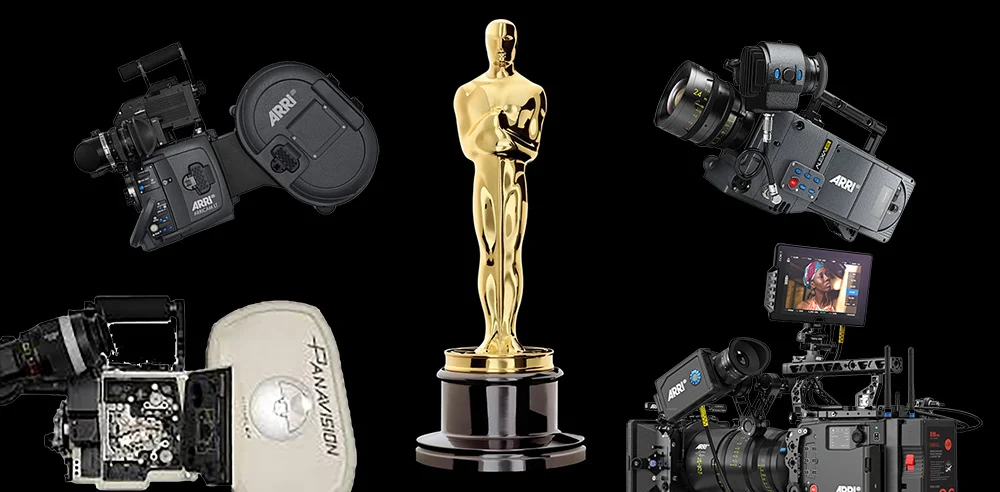
The 98th annual Academy Awards recently concluded, serving as a global stage to celebrate the year’s most outstanding cinematic achievements. While accolades are distributed across numerous categories, the art and science of cinematography stood out as particularly vibrant and innovative this year, showcasing a diverse range of visual storytelling techniques and technological advancements that pushed the boundaries of the medium. The films recognized, both nominees and winners, collectively demonstrated an extraordinary commitment to crafting memorable visual experiences, from the hyper-realistic intensity of action sequences to the subtle nuances of period dramas and psychological thrillers.
The Enduring Significance of Cinematography
Cinematography, often described as the visual language of film, is fundamental to conveying emotion, establishing mood, and immersing audiences in a story. It encompasses everything from camera choice and lens selection to lighting, composition, and movement. In an era of rapidly evolving technology, cinematographers are increasingly leveraging cutting-edge gear alongside timeless artistic principles to create images that resonate deeply. The 98th Academy Awards highlighted this dynamic interplay, presenting a panorama of films where visual execution was not merely supplementary but integral to the narrative’s core. The sheer variety of approaches, from large-format digital to various film stocks and bespoke camera systems, underscored the industry’s continuous quest for distinct and impactful visual identities.
A Glimpse into the Technical Landscape: Cameras and Creative Choices
This year’s slate of acclaimed films offered a masterclass in diverse cinematographic strategies, reflecting both a reverence for traditional film aesthetics and a bold embrace of digital innovation. The choices made by directors of photography were meticulously calculated to serve each film’s unique narrative and thematic objectives.
Pushing the Limits of Practical Action Filmmaking: The Case of F1
The film F1 exemplified a monumental leap in practical action cinematography, spearheaded by the Oscar-winning cinematographer Claudio Miranda. Building upon the revolutionary techniques developed for Top Gun: Maverick, the production embarked on an ambitious endeavor: mounting real cameras to custom-modified Formula 2 cars, with actors Brad Pitt and Damson Idris driving at speeds exceeding 150 mph. This approach demanded unprecedented innovation to capture authentic, high-octane racing without compromising vehicle aerodynamics or driver safety.
Miranda’s collaboration with Sony yielded "Carmen," a bespoke, miniaturized 6K sensor-on-a-stick prototype. This custom camera was approximately a quarter of the size of a standard cinema camera, allowing for discreet placement within the racing cars. These high-tech rigs were strategically distributed across the car’s "halo" (the protective cockpit frame) and chassis, providing up to seven simultaneous camera angles. Crucially, they offered full remote-controlled pan and tilt capabilities, enabling dynamic and precise shot adjustments in real-time during high-speed sequences. The integration of cameras like the Sony Venice 2 for primary shooting and DJI Ronin 4D for stabilized, agile shots further augmented the production’s flexibility. This meticulous engineering and design allowed F1 to achieve an unparalleled level of immersion, placing the audience directly into the visceral experience of professional racing. Industry analysts suggest that F1‘s methodology could set new benchmarks for practical action filmmaking, inspiring future productions to invest further in custom hardware solutions for authenticity.
Embracing Vintage Aesthetics in a Modern Era
Several films at the 98th Academy Awards consciously eschewed contemporary digital aesthetics, opting instead for richly textured, filmic looks that evoked specific historical periods or emotional states. This trend underscored a growing appreciation for the unique qualities of film stock and vintage optics.
One Battle After Another: The VistaVision Revival
One Battle After Another, a gritty 1970s-inspired political thriller, distinguished itself by reviving the large-format VistaVision film format. Shot with a 1.50:1 aspect ratio and large negative spacing, the film deliberately echoed the visual texture of 1970s classics like The French Connection. To achieve a specific optical characteristic, Panavision’s Dan Sasaki developed a custom set of prototype spherical lenses, affectionately dubbed "GWs." These lenses were engineered to emulate the distinct optical qualities of the glass favored by legendary cinematographer Gordon Willis, known for his iconic work on The Godfather Part II and All the President’s Men. The combination of VistaVision and "GWs" lenses allowed the film to render detailed California landscapes alongside suffocating, long-lens close-ups, creating a visual language that felt both modern and deeply rooted in the cinematic traditions of the 1970s. This choice was a testament to the filmmakers’ desire to transport audiences directly into the film’s period and mood through visual authenticity.
Marty Supreme: The Painterly 35mm Look
In Josh Safdie’s Marty Supreme, cinematographer Darius Khondji consciously disregarded modern digital aesthetics in favor of a "painterly" 35mm look. The film was primarily shot on Arricam LT and ST cameras, utilizing Kodak Vision3 500T film stock, which is renowned for its rich color rendition and fine grain structure. The production further enhanced this vintage feel by employing Panavision B and C Series anamorphic lenses, known for their unique flares and elliptical bokeh. Khondji’s visual strategy was characterized by tight telephoto shots, frequently using exceptionally long lenses (up to 360mm) to capture suffocating, expressive close-ups of protagonist Timothée Chalamet. This telephoto approach created a shallow depth of field that effectively isolated Marty from his environment, making him appear "larger than life" while simultaneously simulating the observational feel of his challenges in the table tennis world. The choice of film and specific lenses provided a palpable texture that digital cameras often struggle to replicate, reinforcing the film’s intimate and intense character study.
Sentimental Value: A Dual-Format Journey Through Memory
Joachim Trier’s Sentimental Value (2025) showcased a sophisticated dual-format visual strategy to explore themes of memory, family, and reconciliation. The primary narrative was captured on 35mm Kodak film using the Arricam LT and Cooke 5/i lenses, delivering a classic, cinematic look. To visually distinguish a film-within-a-film and historical flashbacks, the production made a significant shift: moving to 16mm film and applying a bleach bypass process during development. This technique, which partially or fully skips the bleaching step in color processing, leaves silver in the emulsion, resulting in a desaturated, high-contrast image with a distinct gritty, older aesthetic. This deliberate visual differentiation allowed the audience to intuitively navigate the film’s complex temporal shifts, using the very texture of the image as a narrative device.
Mastering Large Format and Digital for Immersive Worlds
While some films embraced the tactile qualities of film, others leveraged the unparalleled resolution and flexibility of large-format digital cinematography to create expansive, detailed, and often terrifying worlds.
Frankenstein: Modernizing Gothic Horror with Large Format
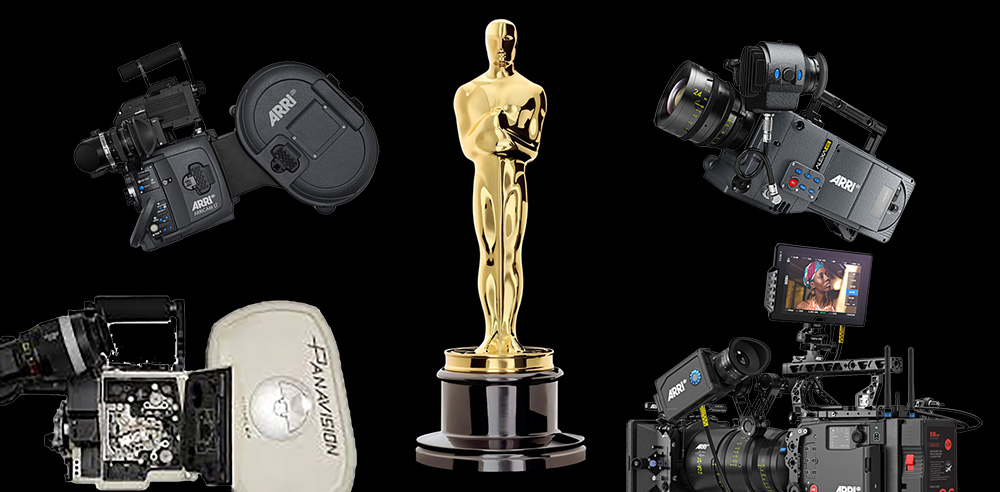
Guillermo del Toro’s Frankenstein saw cinematographer Dan Laustsen employ a sweeping, large-format visual style to modernize the gothic horror aesthetic. The film was shot entirely on the ARRI ALEXA 65, a camera renowned for its massive sensor and exceptional image quality, paired with Leitz THALIA 65 lenses. A striking feature of its cinematography was the heavy reliance on a 24mm wide-angle lens for nearly 90% of its shots, providing an expansive, yet often unsettling, perspective. To soften the inherent digital sharpness and infuse a classic filmic quality, Laustsen innovatively utilized custom Black Pro-Mist diffusion filters placed behind the lens. This technique allowed highlights to "burn out" subtly while preserving the deep, rich blacks crucial to the film’s moody and atmospheric visual design. The result was a visually stunning and deeply unsettling interpretation of the classic tale.
Sinners: Towering Dread in IMAX
Ryan Coogler’s Sinners presented a gothic aesthetic that grounded supernatural horror in a tangible, historical reality, primarily through its use of large-format IMAX. Cinematographer Autumn Durald Arkapaw crafted a visually imposing film, shot entirely on IMAX-certified digital cameras, including the IMAX MSM 9802 and MKIV, alongside the Panavision System 65. These cameras were complemented by custom-tuned Panavision Specho spherical lenses. For its most sequence-heavy moments, the film utilized an ultra-wide 1.43:1 aspect ratio, creating a profound sense of "towering dread" that perfectly suited its early 1900s Southern setting. Durald Arkapaw’s lighting strategy was particularly notable: she eschewed the conventional "Hollywood blue" for night scenes, opting instead for a "true black" philosophy. Characters were often silhouetted against firelight or the harsh, singular glare of period-accurate lanterns, resulting in a high-contrast approach that visually separated the twin protagonists from the encroaching shadows and the monstrous threats they housed. This stark contrast between subjects and their scenes generated a pervasive uneasiness throughout the film.
Intimate Storytelling and Unique Visual Languages
Beyond technical grandeur, many films showcased how specific camera choices and lighting techniques could profoundly enhance character studies and psychological narratives, crafting intimate and distinct visual languages.
Bugonia: Distortion and Claustrophobia
Yorgos Lanthimos’s Bugonia continued his distinctive collaboration with cinematographer Robbie Ryan, favoring a visual language that mirrored the film’s themes of obsession and paranoia. Building on their history with projects like Poor Things and The Favourite, the cinematography of Bugonia extensively utilized extreme wide-angle and fisheye lenses. These choices created a distorted, often claustrophobic sense of reality, immersing the audience in the characters’ fragmented perceptions. The film leveraged both the vintage Vistavision Wilcam W-11 and the versatile ARRIFLEX 435 & 435 HS, demonstrating that even with a mix of modern and classic tools, a consistent and unsettling visual style could be maintained. This expert level of filmmaking invited viewers to question their own reality in a fun and quirky way, a hallmark of Lanthimos’s cinematic universe.
Hamnet: The Observational "Ghost Camera"
Chloé Zhao’s Hamnet featured a strikingly intimate visual language crafted by cinematographer Łukasz Żal, known for his Academy Award-nominated work on Ida and Cold War. The cinematography in Hamnet embraced a "ghost camera" perspective – an observational, drifting lens described by Żal as "death’s point of view." Shot primarily on the ARRI Alexa 35, the camera moved with a quiet, non-judgmental weight, scanning scenes and characters with a profound sense of intimacy and melancholy. This technique allowed for a deeply empathetic portrayal of the characters, inviting the audience to observe their emotional landscapes without overt manipulation.
Train Dreams: Photographic Memory and Natural Light
In Train Dreams, cinematographer Adolpho Veloso crafted a visual language rooted in "photographic memory," utilizing a rare 3:2 aspect ratio to evoke the feel of vintage still portraits from the early 20th century. The film was shot digitally on the ARRI Alexa 35, but Veloso’s approach to lighting was distinctly organic. The production relied almost exclusively on natural light, supplemented by real campfires and candles as practical light sources. This commitment to authentic illumination gave the film a textured, organic feel, enhancing its historical setting and the raw emotionality of its narrative. The deliberate choice of aspect ratio and lighting reinforced the film’s themes of time, memory, and the rugged beauty of the past.
Secret Agent: A Vibrant, Oppressive Brazil
The Secret Agent saw cinematographer Evgenia Alexandrova employ a vibrant palette to render the oppressive atmosphere of 1970s Brazil. Shot primarily on the ARRI Alexa 35 and paired with vintage Panavision B Series anamorphic lenses, the cinematography embraced a "360-degree" philosophy. This involved utilizing wide shots that captured the historical textures of Recife and São Paulo, providing a comprehensive sense of place and environment. Alexandrova’s use of saturated primary colors, combined with a distinctive reddish undertone in the shadows, created a "woozy," nostalgic heat that permeated the visual landscape, effectively conveying the political and social tensions of the era. The combination of vintage glass and modern digital capture allowed for both crisp detail and a dreamlike quality.
Industry Trends and Broader Implications
The diverse cinematographic approaches showcased at the 98th Academy Awards reflect several ongoing trends within the film industry. The prevalence of ARRI Alexa cameras (35 and 65 models) underscores their continued dominance in high-end digital production, celebrated for their dynamic range and color science. Simultaneously, the dedicated use of film stock – 35mm and even 16mm – by cinematographers like Darius Khondji and Kasper Tuxen highlights a strong artistic preference for its unique textural qualities and depth, indicating that film remains a vital medium for specific aesthetic goals.
The development of custom camera solutions, such as "Carmen" for F1, points to a future where bespoke technology will play an increasingly significant role in achieving highly specialized visual effects and practical shot requirements. This investment in R&D by camera manufacturers and production houses suggests a drive towards even greater realism and immersive experiences.
Furthermore, the deliberate emulation of historical cinematic styles, as seen in One Battle After Another and Train Dreams, demonstrates a sophisticated understanding of film history and a desire to connect contemporary narratives with established visual lexicons. This practice enriches the viewing experience by adding layers of homage and contextual depth.
The Academy’s recognition of these visually ambitious films underscores the critical role that cinematography plays in cinematic storytelling. It validates the immense technical skill, artistic vision, and collaborative effort required to bring a director’s vision to life. As filmmaking technology continues to advance, the ingenuity of cinematographers will undoubtedly continue to surprise and captivate audiences, shaping the future of visual media. The 98th Academy Awards served as a powerful reminder that the art of capturing moving images remains at the very heart of cinematic magic, constantly evolving yet forever tethered to its foundational principles of light, shadow, and perspective.