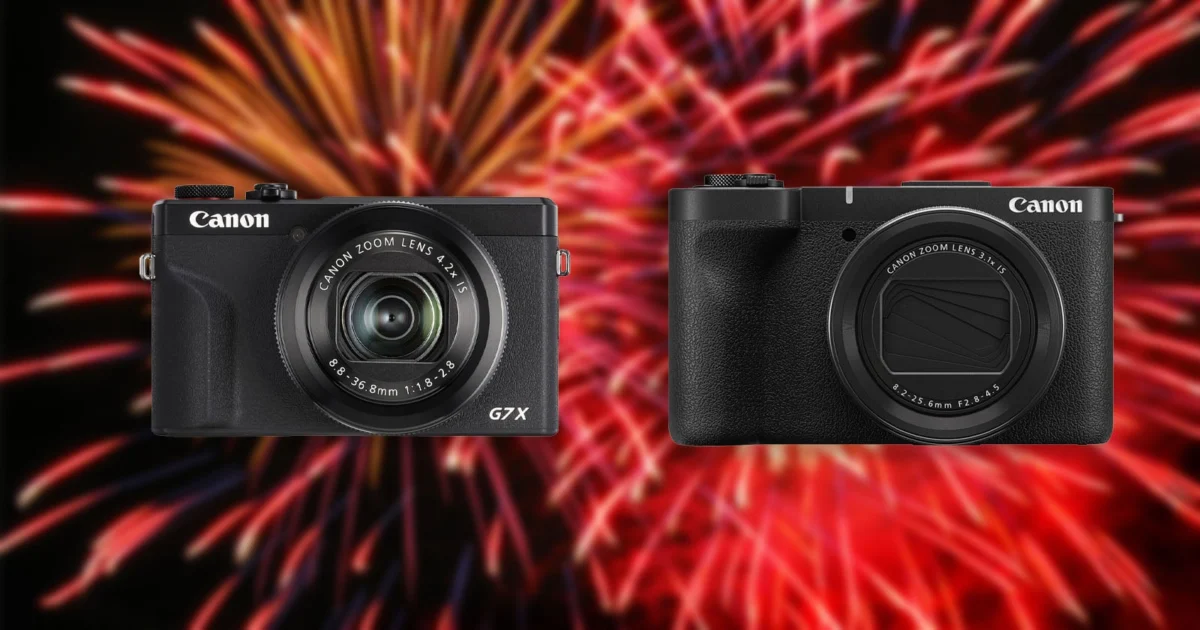
The compact camera market is experiencing a significant and unexpected resurgence, becoming a white-hot segment within the broader photography industry. Recent data, particularly from the Japanese market in 2025, revealed that compact camera sales more than doubled, signaling a profound shift in consumer preferences. This trend was further underscored by major Japanese photo retailers like Map Camera, where compact models dominated the best-selling camera lists throughout the same year. Canon, a historical giant in the camera manufacturing landscape, is keenly aware of this renewed interest and is actively recalibrating its strategy to meet evolving consumer demands, despite a period of relative quiet in launching new compact offerings.
A Market Transformed: From Niche to Necessity
For over a decade, the compact camera sector faced an existential threat from the omnipresence and ever-improving capabilities of smartphone cameras. Manufacturers largely pivoted towards high-end interchangeable lens cameras (ILCs) or niche professional markets, while the once-ubiquitous point-and-shoot dwindled. However, the narrative began to shift dramatically in the early 2020s. A confluence of factors has propelled compact cameras back into the spotlight: a nostalgic embrace of "retro tech," a desire for dedicated devices offering a distinct photographic experience beyond smartphones, and the explosive growth of video content creation platforms like TikTok and YouTube.
This resurgence is not merely a fleeting trend but reflects deeper consumer desires. Young people, in particular, are increasingly seeking out cameras that offer a unique aesthetic, tactile satisfaction, and a deliberate approach to image-making that smartphones, despite their convenience, often cannot replicate. The "digital detox" movement, where individuals seek to reduce smartphone dependency, also plays a role, with a dedicated camera offering a screen-free photographic escape. The distinct "look" of images produced by older or specific compact digital cameras has also gained cultural cachet, often shared widely on social media, further fueling demand for both new and vintage models.
Canon’s Measured Response Amidst Market Momentum
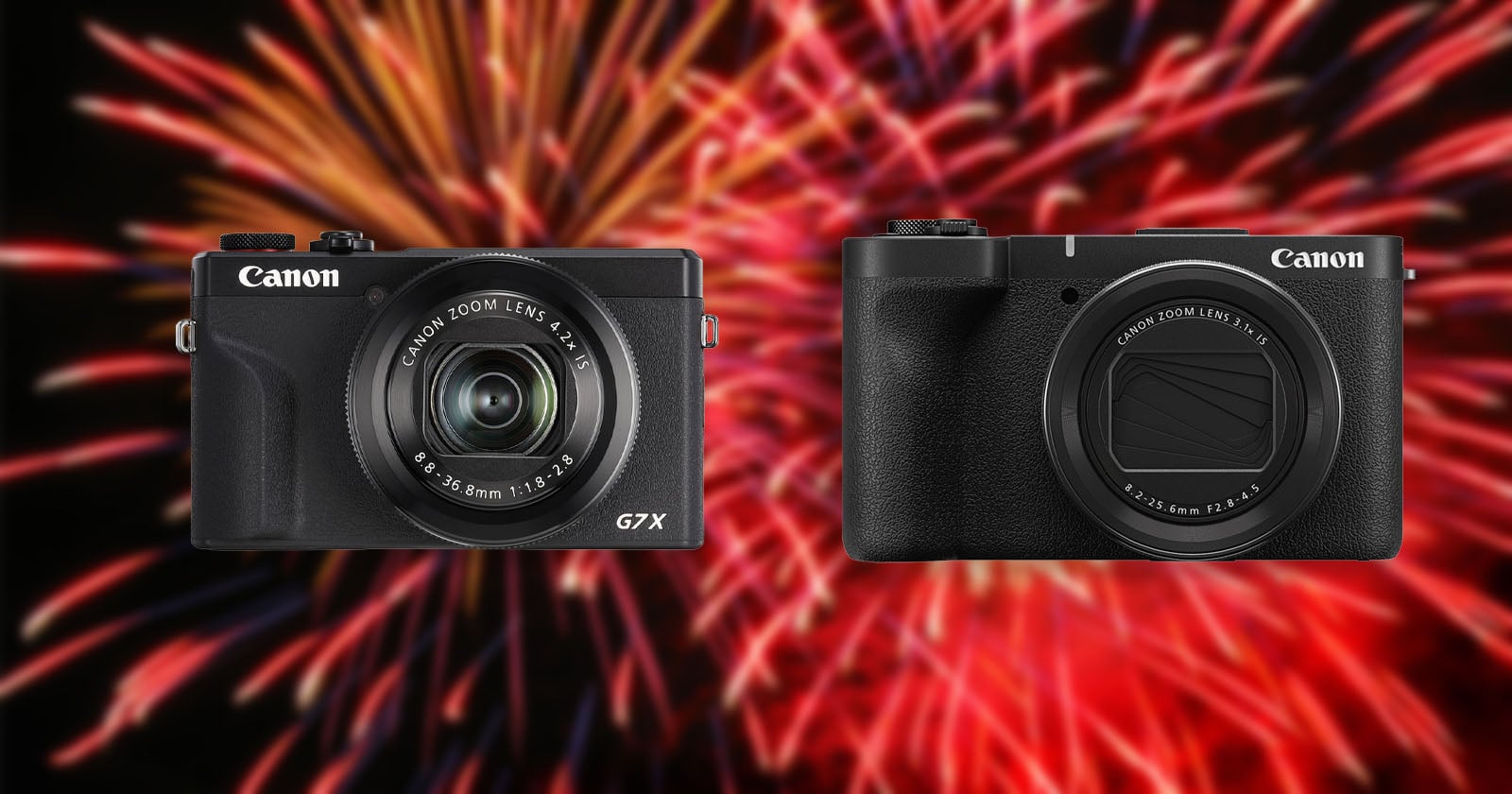
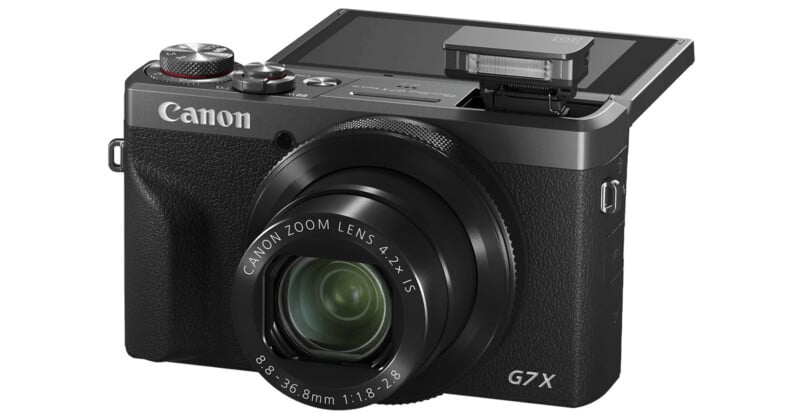
Despite the undeniable boom, Canon’s recent compact camera releases have largely been iterative or highly specialized. In 2025, the company unveiled a "new" PowerShot ELPH 360 HS A, which, to the disappointment of many enthusiasts, offered no substantial improvements over its predecessors. This move was perceived by some as a missed opportunity to truly innovate in a rapidly expanding market. More recently, to commemorate the impressive 30th anniversary of its PowerShot brand, Canon introduced a limited Anniversary Edition PowerShot G7 X Mark III. While undoubtedly a coveted collector’s item, particularly for its unique visual design, it remains fundamentally a re-release of a camera first launched in July 2019, rather than a completely new photographic instrument.
These releases, while acknowledging the PowerShot legacy, did not fully address the widespread demand for cutting-edge, general-purpose compact cameras. The market was clearly signaling a desire for new capabilities, improved sensors, and modern features in a compact form factor, beyond mere cosmetic updates or minor tweaks to existing lines.
However, Canon’s 2025 release of the PowerShot V1 offered a clearer indication of the company’s evolving strategic direction. The V1 is an impressive vlogging-focused compact camera, specifically engineered to compete with offerings from rivals in the burgeoning content creator space. Its design and feature set cater heavily to video users, providing a strong challenge to established players. This product launch served as a significant signpost, suggesting that Canon views the future of the compact camera market largely through the lens of video creation and multimedia content generation.
Official Insights from CP+: Understanding the "New Need"
At CP+, one of the world’s premier imaging trade shows, Canon executives articulated their understanding of this renewed market vitality. Manabu Kato, Executive Officer and Unit Executive of IMG Business Unit 1, Imaging Business Operations, offered critical insights into the company’s perspective.
"The fixed lens camera market is much more invigorated thanks to the boom in video shooting, and also thanks to the support from young people," Kato stated, directly acknowledging the dual drivers of video content creation and youth engagement. He elaborated on the qualitative difference between current and past market peaks: "Image rendering that cannot be done by smartphone – we consider that this is totally a new need from when fixed lens cameras [had their] peak in the past, because the current young people have started to cherish and understand the value of what they cannot achieve through smartphones. So we expect that this market will grow even further."
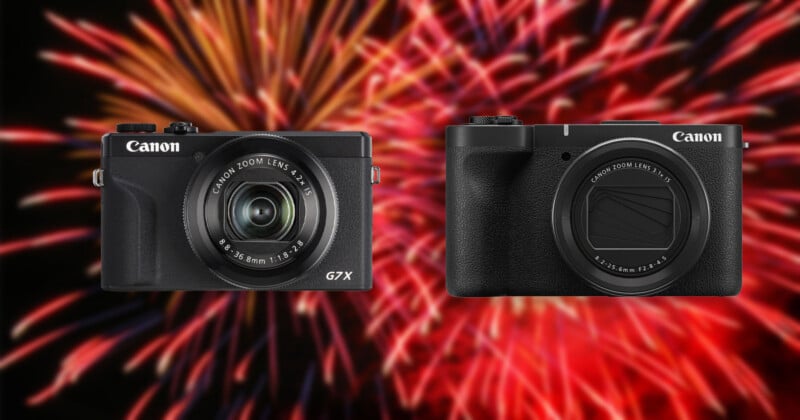
This statement highlights a crucial insight: the demand isn’t merely for an alternative to a smartphone, but for a distinct visual quality and a unique creative process that smartphones cannot replicate. This "new need" signifies a more discerning consumer base, particularly among younger demographics, who appreciate the nuances of dedicated camera optics, larger sensors, and specialized image processing.
Kato also delved into the psychological aspects of consumer behavior, distinguishing between different segments of potential users. "There are differences in the preferences among young people – particularly between potential users and existing ones. Specifically, the key difference is whether they find joy in owning a camera or simply in using one. We believe that the young potential users put importance on experience. That’s one of the things we are keeping in mind when developing new products right now." This differentiation suggests Canon is actively studying the motivations behind purchases, aiming to design products that resonate with the experiential aspect of photography for newcomers, while still catering to the traditional "ownership" value for existing enthusiasts.
Despite this optimism for growth, Canon does not foresee the compact camera market ever reaching its historical peak volumes, which were driven by a broader, less discerning consumer base before the smartphone era. However, the projected growth is significant enough to warrant dedicated strategic investment and product development. "We are currently considering what are going to be the succeeding models after this as well," Kato concluded, hinting at future innovations. "So please keep an eye out for what’s coming next." This open-ended statement suggests that the PowerShot V1 is just one piece of a larger, evolving strategy.
Broader Market Context and Competitor Strategies
The compact camera resurgence is not exclusive to Canon’s observations. Global market analysis indicates a robust expansion across various price points and niches. Companies like Sony have aggressively pursued the vlogging market with their ZV series, directly challenging the PowerShot V1. Sony’s RX100 series also continues to offer premium, enthusiast-grade compact cameras with larger sensors and advanced features, proving that a market exists for high-performance, pocketable photographic tools.
Beyond vlogging, other manufacturers have demonstrated strong success with photo-first or even photo-only compacts. Ricoh’s GR series, renowned for its street photography capabilities and fixed prime lens, has seen a dramatic uptick in sales, with models like the GR III and its successors consistently topping sales charts for their category. This success indicates a clear demand for compact cameras that prioritize still photography, offer a unique shooting experience, and deliver distinctive image quality. Similarly, Fujifilm’s X100 series, while often categorized as a premium mirrorless camera, offers a fixed-lens, rangefinder-style experience in a compact body, consistently selling out and fostering a cult following for its blend of aesthetics and image quality. These examples underscore that the compact camera revival is multifaceted, extending beyond just video-centric applications.
The renewed interest is often driven by a combination of nostalgia for a pre-smartphone era of photography and a desire for better image quality than a phone can provide, particularly in challenging lighting conditions or for specific creative effects. Crucially, it’s also about the joy of the photographic act itself. Users are increasingly valuing the tactile controls, the dedicated form factor, and the focused experience that a standalone camera provides, making the process of taking photos inherently more enjoyable and deliberate. This experiential aspect is a significant differentiator from the often-distracted, multi-functional use of a smartphone camera.
Canon’s Path Forward: Balancing Innovation and Legacy
Canon’s strategy appears to be carefully balancing its legacy in compact cameras with the new demands of the digital age. While the PowerShot V1 clearly targets the burgeoning content creator demographic, the market signals suggest a broader opportunity that a true successor to a photo-centric compact like the PowerShot G7 X Mark III could capture. Such a device, offering a modern sensor, improved image processing, and contemporary connectivity, while retaining the G7 X series’ renowned optical quality and compact form factor, would be a welcome addition to Canon’s lineup.
The challenge for Canon will be to innovate meaningfully, rather than simply iterating on older designs. The "new need" for image rendering beyond smartphones implies a demand for technological advancement in sensor design, lens quality, and computational photography capabilities tailored for compact devices. Furthermore, understanding the "experience" young users seek might lead to new interface designs, connectivity features, or even integration with creative apps that enhance the post-capture workflow.
The future of the compact camera market, while unlikely to mirror its past volume, is poised for significant growth in value and innovation. Canon, with its deep engineering expertise and brand recognition, is well-positioned to capitalize on this trend. However, success will hinge on its ability to translate its understanding of consumer preferences into compelling, forward-thinking products that offer both superior image quality and an engaging user experience, catering to the full spectrum of renewed demand – from dedicated vloggers to passionate still photographers seeking the pure joy of a well-designed, pocketable camera. The imaging world watches with anticipation for Canon’s next move in this dynamic and revitalized market segment.