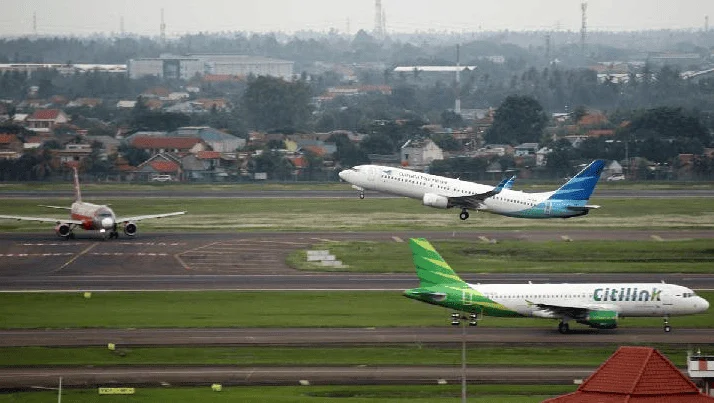
The Indonesian aviation sector is bracing for a monumental surge in activity as the annual Eid al-Fitr homecoming tradition, known locally as Mudik, approaches in 2025. Aviation authorities and industry analysts have identified March 22 and March 28, 2025, as the critical dates for peak aircraft movements. This period represents one of the most significant logistical challenges for the nation’s transportation infrastructure, necessitating a synchronized effort between the Ministry of Transportation, airport operators, and commercial airlines. With millions of Indonesians expected to travel across the archipelago to reunite with families, the aviation industry serves as a vital artery for high-speed connectivity, particularly for those traveling to remote provinces or major urban hubs.
As the holiday season draws near, the focus remains on ensuring that the sudden influx of passengers does not compromise safety standards or operational efficiency. The projected peaks are tied to the official holiday calendar, which places the Eid festivities at the end of March. Consequently, the first peak on March 22 marks the commencement of the mass exodus from major metropolitan areas like Jakarta, Surabaya, and Medan. The second peak on March 28 is anticipated to be the primary return flow, as employees and families conclude their holiday breaks to resume work and school schedules.
Chronology and Strategic Timing of the 2025 Holiday Migration
The timing of the 2025 Lebaran season is unique compared to previous years due to the lunar-based Hijri calendar. As the date of Eid al-Fitr shifts approximately ten to eleven days earlier each Gregorian year, the 2025 cycle places the peak of the fasting month of Ramadan in mid-March. This shift influences consumer behavior and travel patterns. Historically, the "Mudik" peak occurs approximately three to five days before the actual day of Eid, while the "Arus Balik" or return flow peaks about five to seven days after the first day of the holiday.
For 2025, March 22 falls on a Saturday, making it the ideal departure date for civil servants and private sector employees who intend to maximize their leave. The government’s policy on collective leave (Cuti Bersama) plays a pivotal role in these projections. By aligning the peak movement with the weekend, authorities expect a concentrated burst of activity that will test the maximum capacity of airport terminals and air traffic control systems. The subsequent peak on March 28 reflects the urgency of the return journey, as the national economy restarts following the week-long hiatus.
Data-Driven Projections for Soekarno-Hatta International Airport
Soekarno-Hatta International Airport (CGK) in Tangerang remains the primary barometer for the health and volume of Indonesian aviation. During the Lebaran 2025 peak periods, the airport is expected to facilitate more than 23,000 aircraft movements. This figure includes take-offs and landings across its three main runways and serves as a testament to the airport’s role as a regional megahub. To put this in perspective, a standard operational day at CGK typically sees between 900 and 1,100 movements; during the peak of Lebaran, this number is expected to climb significantly, pushing the facility toward its theoretical maximum capacity.
Data from the Ministry of Transportation suggests that the total number of air travelers nationwide during the 2025 Lebaran period could see a 10% to 15% increase compared to 2024. This growth is attributed to a stabilizing economy, increased fleet availability among low-cost carriers (LCCs), and the expansion of regional airport infrastructure. Beyond Jakarta, other key hubs such as Juanda International in Surabaya, I Gusti Ngurah Rai in Bali, and Sultan Hasanuddin in Makassar are also preparing for record-breaking numbers. The concentration of flights is expected to be highest on domestic routes connecting Java to Sumatra and Sulawesi, which historically see the highest demand during religious holidays.
Operational Readiness: Airport and Airline Coordination
In anticipation of the March peaks, PT Angkasa Pura Indonesia (InJourney Airports) has initiated a series of comprehensive readiness protocols. These measures involve the establishment of integrated "Lebaran Command Centers" at all major airports. These centers serve as communication hubs where representatives from the military, police, airport authorities, and medical services coordinate in real-time.
Airlines have also begun the process of requesting "extra flights" to accommodate the overflow of passengers. Major carriers, including the Garuda Indonesia Group and the Lion Air Group, are reportedly optimizing their fleet maintenance schedules to ensure maximum aircraft availability during the last two weeks of March. By moving heavy maintenance checks to the early months of the year, airlines can ensure that nearly 100% of their serviceable aircraft are in the air during the peak window. Furthermore, the use of wide-body aircraft on high-demand domestic routes—such as Jakarta to Medan or Jakarta to Surabaya—is being considered to increase seat capacity without drastically increasing the number of takeoff and landing slots.
Safety Protocols and Regulatory Oversight
Safety remains the non-negotiable priority for the Directorate General of Civil Aviation (DGCA). In the months leading up to March 2025, the Ministry of Transportation is conducting rigorous "ramp checks" on all aircraft operating in Indonesia. These inspections verify the airworthiness of the fleet, ensuring that every plane meets international safety standards before the high-intensity holiday period begins.
In addition to technical inspections, there is a heightened focus on human factors. Air traffic controllers (ATCs) at AirNav Indonesia are undergoing specialized fatigue management training and roster adjustments to handle the increased cognitive load during the 23,000-movement peak. Security is also being bolstered; the "Yellow Alert" status is typically adopted during Lebaran, involving increased patrols, more frequent baggage screenings, and the utilization of advanced surveillance technology to monitor terminal crowds. These measures are designed to prevent bottlenecks and ensure that the heightened volume of people does not create security vulnerabilities.
Economic Factors and Ticket Pricing Dynamics
The surge in aircraft movement is inextricably linked to the economic landscape of 2025. One of the primary drivers of the 2025 peak is the government’s continued effort to regulate the "Tarif Batas Atas" (Upper Limit Price) for economy class tickets. By maintaining a ceiling on ticket prices, the government aims to keep air travel accessible to the middle class, preventing price gouging during periods of extreme demand.
However, the high volume of flights also brings economic challenges, such as increased fuel consumption and the need for temporary ground-handling staff. To offset these costs while remaining within regulatory limits, airlines often utilize dynamic pricing for "extra flights" and non-economy cabins. Analysts suggest that the high demand for the March 22 and March 28 peaks will likely result in tickets being sold out weeks, if not months, in advance. This "early bird" booking trend is encouraged by authorities to help airports better predict passenger loads and allocate resources accordingly.
Infrastructure and Technological Integration
To manage the 23,000 movements at Soekarno-Hatta and thousands more elsewhere, technology is being leveraged to streamline the passenger experience. For 2025, there is a significant push toward "Touchless Travel." Biometric boarding gates and facial recognition systems, which have been trialed at several Indonesian airports, are expected to be fully operational in major terminals. This technology reduces the time spent at checkpoints, which is crucial when thousands of passengers are moving through the terminal every hour.
Moreover, the integration of digital health and travel documents via mobile applications has become a standard procedure. This digitalization reduces the physical congestion at check-in counters, as more passengers opt for web check-in and self-service bag drops. Airport operators are also focusing on "Landside Management," ensuring that the flow of vehicles (taxis, buses, and private cars) into the airport does not create gridlock on the access roads—a common issue during previous Lebaran seasons.
Fact-Based Analysis of Broader Implications
The success of the Lebaran 2025 aviation operation will have implications far beyond the holiday itself. It serves as a litmus test for Indonesia’s "Golden Indonesia 2045" vision, which emphasizes world-class infrastructure and connectivity. Successfully managing a peak of 23,000 movements demonstrates the resilience of the nation’s aviation ecosystem and its ability to handle surge capacities that rival major global hubs like Atlanta or Dubai.
Furthermore, the environmental impact of such a concentrated period of flight activity is increasingly under scrutiny. While the priority remains on transport and logistics, there is a growing dialogue within the Indonesian aviation industry regarding carbon offsets and the efficiency of flight paths to reduce fuel burn during the holding patterns that often occur during peak congestion.
Recommendations for the Traveling Public
For passengers planning to be part of the March 22 or March 28 peak, aviation experts offer several critical recommendations to ensure a seamless journey:
- Advance Booking: Passengers are urged to secure their tickets at least two months in advance to avoid the inevitable price spikes and seat shortages.
- Digital Readiness: Utilizing airline apps for check-in and staying updated on flight status via digital notifications can save hours of waiting at the terminal.
- Early Arrival: Given the predicted 23,000 movements at CGK, travelers should arrive at the airport at least three to four hours before domestic departures and five hours for international connections.
- Baggage Compliance: Adhering strictly to weight limits and prohibited items lists will prevent delays at security screening points, which are the primary cause of terminal bottlenecks.
Conclusion
The Puncak Pergerakan Pesawat Lebaran 2025 represents a significant milestone for the Indonesian transport sector. The identified dates of March 22 and March 28 will serve as the bookends for a massive cultural and logistical undertaking. Through the combination of rigorous safety inspections, strategic flight scheduling, and the implementation of advanced terminal technology, the aviation industry aims to provide a safe and efficient gateway for millions. As the nation prepares for this period of heightened activity, the collaboration between the government, private sector, and the public will be the deciding factor in ensuring that the 2025 Mudik season is remembered for its connectivity and success.