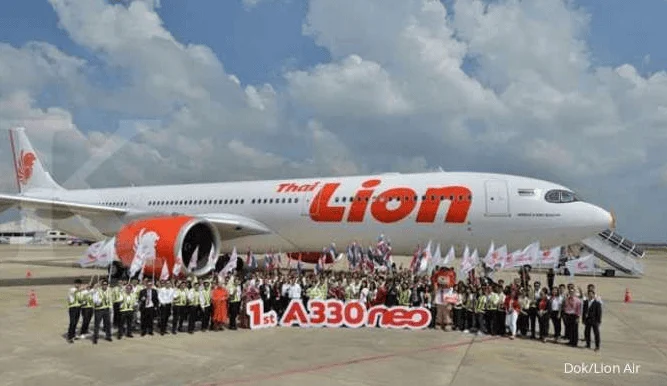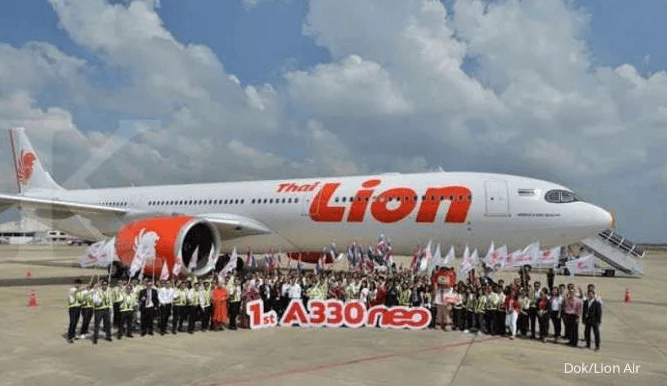
The arrival of the first two Airbus A330neo aircraft at Don Mueang International Airport in Bangkok marks a transformative era for Thai Lion Air, signaling a strategic pivot toward enhanced long-haul capabilities and operational efficiency. On October 7, 2021, the airline officially took delivery of these state-of-the-art wide-body jets, which flew directly from the Airbus production facility in Toulouse, France. The delivery ceremony was characterized by traditional Thai customs, including a sacred blessing ceremony performed by Buddhist monks to ensure the safety and prosperity of the new fleet. The event was attended by high-ranking officials, including the French Ambassador to Thailand and the Head of Airbus Thailand, underscoring the international significance of this fleet expansion.
This acquisition is not merely a routine fleet update but a cornerstone of Thai Lion Air’s broader strategy to navigate the complexities of the post-pandemic aviation market. By integrating the A330neo, specifically the A330-900 variant, the airline aims to strengthen its position in the competitive low-cost carrier (LCC) segment, offering longer-range flights with a significantly improved cost-per-seat ratio. The arrival of these aircraft represents a commitment to the recovery of the Thai tourism sector and the expansion of the airline’s international footprint.
Technical Excellence and the "Neo" Advantage
The Airbus A330neo (New Engine Option) is the latest evolution of the highly successful A330 wide-body family. It incorporates the latest technology from the A350 XWB program, making it one of the most efficient aircraft in its category. At the heart of the A330neo’s performance are the Rolls-Royce Trent 7000 engines. These powerplants are designed to deliver a 14 percent increase in fuel efficiency per seat compared to previous-generation A330s. When combined with aerodynamic improvements—such as the new high-span wing and A350-inspired "sharklets"—the aircraft reduces total fuel burn by nearly 25 percent compared to older competing aircraft of a similar size.
For an airline like Thai Lion Air, which operates on thin margins typical of the LCC model, these efficiencies are critical. Lower fuel consumption translates directly into lower operating costs, allowing the airline to offer more competitive fares to passengers while maintaining profitability. Furthermore, the Trent 7000 engines are significantly quieter, reducing the noise footprint around airports, which is increasingly important for operations at urban hubs like Don Mueang.
Passenger Experience and the Airspace Cabin
Thai Lion Air has configured its A330neo aircraft to maximize capacity, opting for a high-density, single-class layout that can accommodate up to 436 passengers. While the high seat count is designed for efficiency, the aircraft features the "Airspace by Airbus" cabin, which focuses on enhancing passenger comfort during long-haul journeys. The Airspace cabin is characterized by several key innovations:
- Increased Personal Space: Redesigned side walls and slimmer seats provide more shoulder room and a more open feel within the cabin.
- Advanced Lighting: The aircraft is equipped with full LED ambient lighting systems capable of millions of color combinations. This technology is used to simulate different times of day, helping to reduce jet lag on long-distance flights.
- Quiet Environment: The A330neo is recognized as one of the quietest cabins in its class, providing a more restful environment for travelers.
- Modern Amenities: Enhanced overhead bins offer significantly more space for carry-on luggage, addressing one of the primary pain points for modern travelers.
By offering a premium cabin experience at a budget-friendly price point, Thai Lion Air seeks to attract a broader demographic of travelers, including those who previously might have preferred full-service carriers for journeys exceeding five hours.
Strategic Integration within the Lion Air Group
Thai Lion Air’s adoption of the A330neo is part of a larger, coordinated strategy by its parent organization, the Lion Air Group. Based in Indonesia, the group has been a consistent proponent of fleet standardization. By utilizing the A330neo across its various subsidiaries—including Lion Air in Indonesia and Batik Air—the group achieves significant economies of scale.
Standardization allows for streamlined pilot training, as flight crews can transition between aircraft types with minimal additional certification. It also simplifies maintenance, repair, and overhaul (MRO) processes, as spare parts and technical expertise can be shared across the group’s regional network. This synergy is a vital component of the Lion Air Group’s ability to remain resilient in a volatile global economy. The Thai subsidiary’s move to the A330neo ensures that it remains technologically aligned with its sister companies while tailored to the specific demands of the Thai market.
Operational Timeline and International Ambitions
The delivery of the A330neo comes at a pivotal moment in the timeline of Thai aviation. In late 2021, Thailand began the cautious process of reopening its borders to international tourists through initiatives such as the "Phuket Sandbox" and the subsequent "Test & Go" programs. Thai Lion Air’s new fleet is intended to serve as the workhorse for these reopening efforts.
Initially, the airline planned to deploy the A330neo on high-demand routes connecting Bangkok with major cities in North Asia, including destinations in Japan, South Korea, and Greater China. These routes are traditionally lucrative for Thai carriers but require the range and capacity that only a wide-body aircraft can provide. While the ongoing impact of the COVID-19 pandemic caused some initial delays in the full rollout of these international schedules, the airline utilized the intervening period to finalize its operational readiness and secure the necessary regulatory approvals.
In addition to passenger services, the A330neo plays a vital role in Thai Lion Air’s cargo strategy. The pandemic highlighted the importance of air freight as a diversified revenue stream. The A330neo’s large belly-hold capacity allows the airline to transport significant volumes of cargo alongside passengers, catering to the growing e-commerce and electronics trade between Thailand and the rest of Asia.
Economic and Environmental Implications
The introduction of the A330neo into the Thai register has broader implications for the national economy and the environment. As Thailand seeks to re-establish itself as a premier global tourism hub, the availability of low-cost, long-haul flights is essential. By increasing seat capacity into the country, Thai Lion Air supports the hospitality, retail, and service sectors that depend on international arrivals.
From an environmental perspective, the A330neo represents a step forward in the aviation industry’s "Flightpath 2050" goals. The reduction in carbon dioxide emissions provided by the Trent 7000 engines aligns with global efforts to mitigate the environmental impact of air travel. For Thailand, a country that has expressed commitment to sustainable development goals, the operation of more fuel-efficient aircraft by its home-based carriers is a positive development in reducing the national carbon footprint.
Market Context and Competitive Landscape
The arrival of the A330neo places Thai Lion Air in a direct competitive stance with other regional players, most notably Thai AirAsia X, which also operates a fleet of A330neo aircraft. This rivalry is expected to benefit consumers through more competitive pricing and a wider variety of flight options.
Furthermore, the A330neo allows Thai Lion Air to bridge the gap between its short-haul narrow-body operations (utilizing Boeing 737s) and the long-haul requirements of the modern traveler. This "middle-of-the-market" capability is crucial for serving secondary cities in Asia that may not have the demand for a Boeing 777 or Airbus A350 but are beyond the reach of a standard narrow-body jet.
Conclusion and Future Outlook
The welcoming of the first Airbus A330neo aircraft is a milestone that underscores the resilience and ambition of Thai Lion Air. Despite the unprecedented challenges faced by the aviation industry over the past several years, the airline has chosen to invest in the future. The combination of Airbus’s cutting-edge aerodynamics, Rolls-Royce’s efficient propulsion, and the "Airspace" passenger-centric design creates a powerful tool for the airline’s expansion.
As global travel restrictions continue to ease and demand for international tourism rebounds, Thai Lion Air is now equipped with the hardware necessary to capture a significant share of the market. The A330neo is more than just a new plane; it is a symbol of the airline’s readiness to lead in the new era of Thai aviation, providing a bridge between Thailand and the world through efficient, sustainable, and accessible air travel. The successful integration of these aircraft will likely serve as a blueprint for the airline’s continued growth throughout the decade.