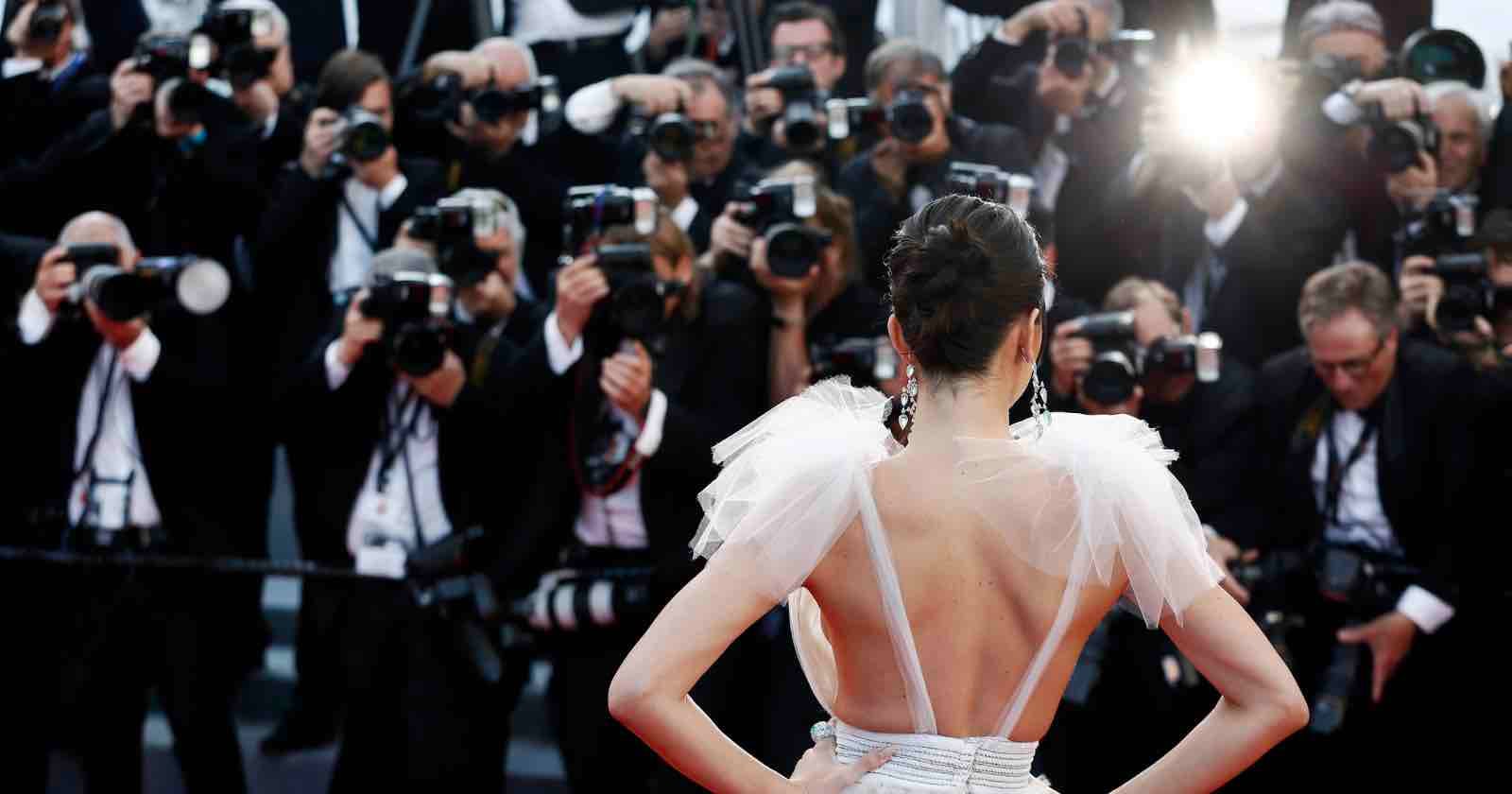
The once-raucous red carpet photo pits, long synonymous with aggressive shouts and frantic competition, are undergoing a profound and unprecedented transformation, shifting towards a more respectful and collaborative environment for both celebrities and the media. This significant evolution, meticulously detailed in a recent Vanity Fair report by Rebecca Ford, reveals a confluence of factors including evolving celebrity expectations, a demographic shift within the photography profession, the seismic influence of social media, and the lingering impact of the global pandemic. The days of photographers resorting to loud and provocative tactics to capture a celebrity’s gaze are increasingly becoming a relic of the past, replaced by a nuanced understanding of boundaries and the strategic cultivation of mutual respect.
The Era of the "Free-for-All": A Look Back at Red Carpet Mayhem
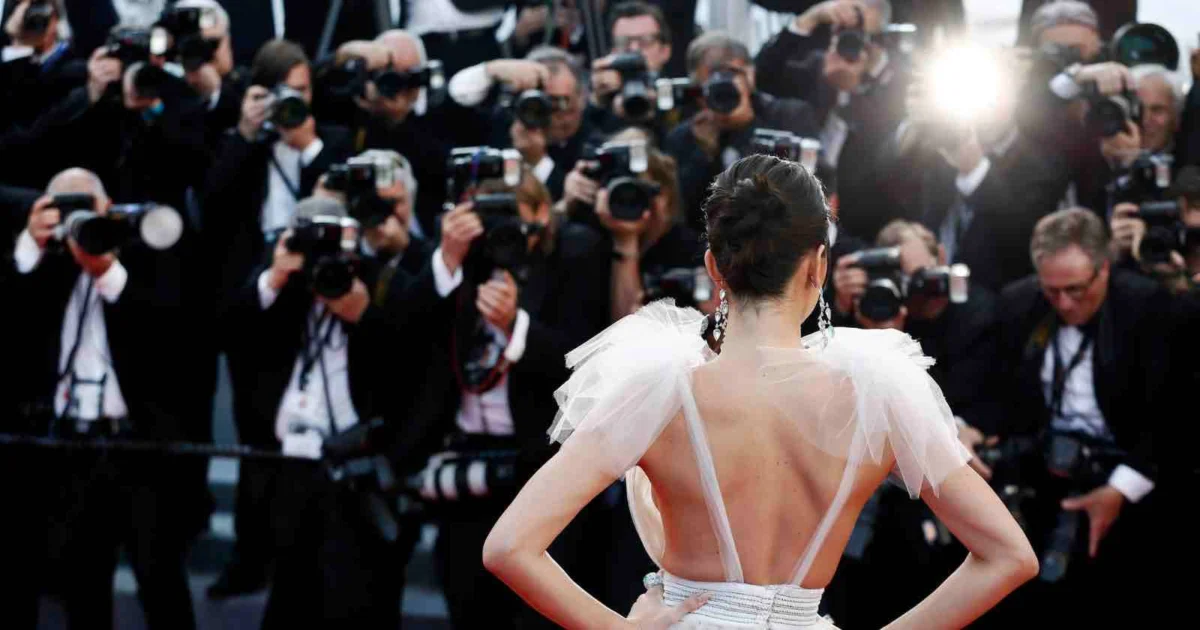
For decades, the red carpet was often a battleground. Veteran photographers describe an atmosphere that was, in the words of Neilson Barnard, senior director of entertainment photography at Getty Images, "twenty-plus years ago, a bit of a free-for-all." This intense competition was fueled by the insatiable demand from tabloids, magazines, and nascent entertainment news channels for exclusive celebrity images. Photographers were crammed into tight spaces, often jostling for position, their lenses pointed like weapons at the procession of stars. The primary objective was not just to get a picture, but to make the celebrity look directly into their specific camera, requiring constant, often loud, calls for attention.
This aggressive approach was deeply embedded in the culture of celebrity photography, sometimes bordering on what one publicist described to Vanity Fair as "systemic objectification." Celebrities, especially those in earlier eras, often felt compelled to tolerate this behavior as an unavoidable aspect of fame. The power dynamic heavily favored the media, with stars having limited avenues to push back against intrusive or uncomfortable encounters. Instances of paparazzi chasing celebrities in cars, shouting personal questions, or invading private spaces, though often distinct from formal red carpet events, contributed to a broader public perception of celebrity photographers as relentless and often confrontational. The red carpet, while controlled, often reflected this underlying ethos, with the sheer volume and intensity of photographers creating a chaotic gauntlet that stars had to navigate.
Shifting Tides: Celebrity Empowerment and New Expectations
A crucial driver of the current shift is the growing empowerment of celebrities themselves, particularly younger generations who are less willing to conform to the old norms of engagement. Artists today, armed with their own social media platforms, possess an unprecedented ability to control their narratives, connect directly with fans, and curate their public image. This newfound agency means they are no longer solely reliant on traditional media outlets for exposure, fundamentally altering the power balance.
The sentiment was notably captured in a viral TikTok video where singer Sabrina Carpenter playfully commented on the unusual quietness of photographers at a recent event, crediting fellow musician Chappell Roan with initiating a "movement." Roan has garnered attention for actively confronting photographers whose behavior she deems aggressive or disrespectful, signaling a clear boundary that many contemporary artists are now setting. This assertive stance from celebrities like Roan underscores a broader cultural recalibration. As the publicist interviewed by Vanity Fair articulated, "shouting at them and saying the kinds of things that were said to them all of those years ago just doesn’t fly anymore." This isn’t just about politeness; it reflects a deeper societal shift towards valuing consent, respect, and mental well-being, even within the high-stakes environment of celebrity appearances. Celebrities are increasingly advocating for their comfort and dignity, recognizing that a more positive interaction can lead to better outcomes for all involved.
The Pandemic’s Unintended Reset: A Global Pause and Re-evaluation
The global COVID-19 pandemic, while devastating for many industries, served as an unexpected catalyst for change within the red carpet photography landscape. With events abruptly halted for months, the entire ecosystem of entertainment media was forced into an unprecedented pause. This hiatus had several profound effects:
- Industry Attrition: Many photographers, unable to sustain their livelihoods without live events, left the profession entirely. This created a vacuum and thinned the ranks of seasoned veterans accustomed to the old ways of working.
- Entry of New Talent: As events slowly resumed, new photographers entered the field, often bringing fresh perspectives and a different understanding of professional etiquette. These newcomers were less entrenched in the competitive, aggressive tactics of the past, fostering a more collaborative dynamic.
- Opportunity for Re-evaluation: The downtime allowed publicists, event organizers, and even veteran photographers to reflect on past practices. There was a collective opportunity to reassess what truly worked and what had become counterproductive. The return to events was often accompanied by a conscious effort to establish new, more respectful guidelines.
The pandemic essentially provided a "reset button" for an industry that had long operated on ingrained, often unchallenged, competitive norms. When the lights came back on, the landscape was subtly, but significantly, altered.
Demographic Shifts: The End of the "Boys Club" Mentality
Another significant factor contributing to the calmer red carpet atmosphere is the evolving demographics within the photography profession itself. Historically, red carpet photography was largely a male-dominated field, often characterized as a "boys club." This environment, some argue, fostered a hyper-competitive, aggressive culture where assertiveness was seen as a necessary trait for success.
However, recent years have seen a notable increase in the number of women working in red carpet photo pits. Neilson Barnard of Getty Images notes that their roster is now "roughly half female." This shift has brought a different dynamic to the pit. Several sources indicate that the presence of more women has contributed to a more collaborative and empathetic environment. For instance, a female photographer mentioned how colleagues sometimes discreetly help celebrities by pointing out minor wardrobe malfunctions or makeup smudges, offering a moment to rectify them before photos are taken. This small act of courtesy fosters goodwill and demonstrates a professional respect that was less common in the more combative past.
While acknowledging that gender alone does not eliminate conflict—as one photographer candidly noted that "some of the most toxic people are women" and that competitive pressures can still lead to aggressive behavior regardless of gender—the broader shift away from a predominantly male, "free-for-all" culture has undeniably contributed to a more measured and professional atmosphere. The emphasis has moved from purely capturing a moment at any cost, to building a respectful working relationship with the subject. As Barnard succinctly puts it, "If there’s mutual respect between the photographer, the subject matter, the PR, that process becomes more collaborative than combative. And because of that, I think there’s calmness and efficiency. It’s just a better place to be."
The Social Media Revolution: Accountability and Content Diversification
Perhaps the most transformative force reshaping red carpet photography is the omnipresent influence of social media. Its impact is multi-faceted, affecting everything from the physical layout of photo pits to the immediate consequences of photographer behavior.
-
Reduced Physical Footprint: Social media has drastically altered the physical dynamics of the red carpet. Photographer Jeff Kravitz told Vanity Fair that the Grammys pit, which once accommodated around 75 photographers, now hosts roughly 14. The space previously occupied by traditional photographers is increasingly being allocated to social media reporters, video content creators, and brand activation teams. These new media players prioritize capturing dynamic, short-form video content optimized for platforms like TikTok, Instagram Reels, and YouTube Shorts, rather than static high-resolution images. This shift reflects a broader industry move from print-first to digital-first, and increasingly, video-first content strategies.
-
Instant Accountability and Viral Consequences: Social media has made photographers’ actions immediately visible and subject to public scrutiny. Incidents that once might have gone unnoticed or been confined to industry gossip can now be recorded, uploaded, and shared globally within minutes, leading to rapid and widespread condemnation. The Met Gala in 2024 provided a stark illustration of this new reality. Photographers were filmed on a livestream making derogatory comments about the K-pop group Stray Kids. The video quickly went viral, igniting a fierce backlash from fans who targeted the photographers’ social media accounts. One website associated with the photographers was reportedly hacked, replaced with a message demanding an apology. This incident served as a potent warning: aggressive, unprofessional, or disrespectful behavior now carries significant public and professional risks, acting as a powerful deterrent against past tactics. The potential for a career-damaging viral moment far outweighs the fleeting gain of a sensational shot.
-
Celebrity Control and Direct Engagement: Celebrities no longer rely solely on traditional media for their image dissemination. They are their own media channels, posting carefully curated content directly to their millions of followers. This significantly diminishes the "gatekeeper" role of traditional photographers and media outlets. If a celebrity can directly share a high-quality, perfectly posed image, the urgency and perceived value of a photographer’s potentially aggressive pursuit for "the shot" are reduced.
New Paradigms: Building Rapport and Professional Courtesy
In response to these multifaceted changes, successful red carpet photographers are adopting new strategies that prioritize professionalism, respect, and rapport over confrontation.
- Building Relationships: Instead of shouting, many photographers now focus on building genuine, albeit brief, connections with celebrities or their publicists. A polite greeting, a quick word of encouragement, or even a well-timed, humorous remark can often achieve more than aggressive demands. This approach is rooted in the understanding that a comfortable celebrity is more likely to engage positively and provide better photos.
- Professional Courtesy: Photographers are increasingly recognizing the value of not just respecting the celebrity, but also their peers. This includes being mindful of others’ shots, avoiding blocking, and even collaborating occasionally.
- Adaptability and Versatility: With fewer traditional photography slots and a higher demand for video content, photographers who can offer a broader range of skills—from high-resolution stills to short-form video capture—are more valuable. This encourages a more versatile and less specialized, combative approach.
Challenges and Nuances: The Persistent Pressure Cooker
Despite these significant shifts, the red carpet environment is not uniformly tranquil. High-profile events such as the Cannes Film Festival or the Met Gala can still be intensely competitive. These global spectacles draw an immense volume of international media, and the stakes for securing iconic images remain exceptionally high. In such environments, where photographers may line both sides of an extended carpet, the sheer pressure to capture attention can still lead to moments of intensity.
Furthermore, the economic realities of the industry persist. While aggressive behavior is less tolerated, the pressure to deliver unique, high-quality content remains. This means photographers must find innovative ways to stand out, often by developing a distinct style, fostering strong relationships with publicists, or demonstrating exceptional technical skill, rather than relying on volume or aggression. The balance between maintaining professional decorum and fulfilling demanding content requirements is an ongoing challenge.
Broader Implications and the Future of Event Photography
The quiet transformation of the red carpet carries significant implications for all stakeholders:
- For Celebrities: The experience becomes less of a trial and more of a collaborative performance. This can lead to improved mental well-being, greater authenticity in interactions, and ultimately, a more positive public image.
- For Photographers: The profession demands greater adaptability, professionalism, and a diverse skill set. Success now hinges more on soft skills like communication and rapport-building, alongside technical prowess. It necessitates a shift from being merely "capturers" to becoming "collaborators" in the celebrity’s public narrative.
- For Media Outlets: Newsrooms must adapt their content strategies, emphasizing quality over sensationalism, and integrating video-first approaches. There’s a greater reliance on agency feeds that adhere to new etiquette standards and on internal social media teams.
- For the Entertainment Industry: The red carpet, once a symbol of both glamour and intense scrutiny, is evolving into a more polished, controlled, and respectful showcase. This benefits brands, event organizers, and the celebrities themselves by fostering a more positive environment for promotion and public engagement.
The days of the wild, untamed red carpet photo pit are largely behind us. The combined forces of celebrity empowerment, a pandemic-induced reset, evolving demographics, and the pervasive influence of social media have ushered in an era where professionalism, mutual respect, and strategic collaboration are becoming the new gold standard. While pockets of intensity may persist, the overarching trend points towards a more civilized, efficient, and ultimately more sustainable model for celebrity photography in the digital age.