The close of the year often ushers in a period of introspection, where both individuals and industries assess past performance and recalibrate for future endeavors. For the photography and videography sector, December 2025 concluded with a comprehensive review of rental and purchase trends, offering valuable insights into consumer preferences and market dynamics. As the industry transitions into January 2026, the focus shifts decisively forward, with manufacturers, content creators, and service providers like LensRentals.com setting ambitious targets and anticipating transformative technological shifts. An analysis of recent product introductions and emerging trends suggests five key areas poised for significant evolution in the coming year, promising to reshape how visual content is captured, processed, and disseminated.
The Resurgence of Third-Party Lenses for Mirrorless Systems
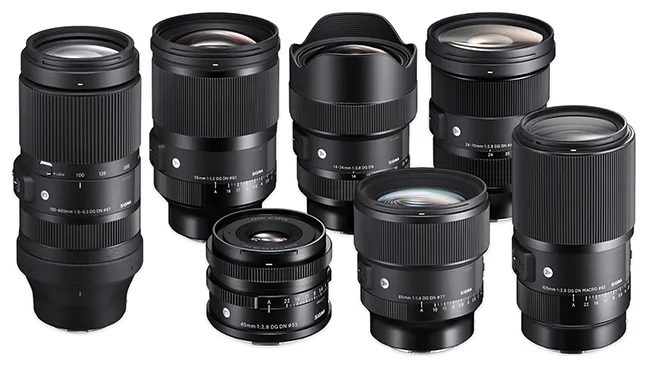
The landscape of photographic optics has undergone a profound transformation with the widespread adoption of mirrorless camera systems. For over a decade prior to this shift, photographers using DSLR platforms from major manufacturers like Canon, Nikon, and Sony enjoyed a robust ecosystem of third-party lenses. Companies such as Sigma, Tamron, and Tokina offered a diverse array of high-quality, often more affordable, alternatives across various focal lengths and apertures, fostering healthy competition and expanding creative choices. This era was characterized by a broad selection of lenses that catered to different budgets and specialized needs, from ultra-wide zooms to fast telephoto primes.
However, the pivot to mirrorless technology, spearheaded by new, proprietary lens mounts like Sony’s E-mount, Canon’s RF-mount, and Nikon’s Z-mount, initially presented a significant challenge for these independent lens makers. The intricate electronic communication protocols and optical designs of these new mounts often required extensive research and development, and in some cases, explicit licensing agreements from camera manufacturers, which were not always readily granted. Consequently, for several years, the market for mirrorless lenses was predominantly dominated by first-party offerings, especially for Canon RF and Nikon Z systems, while Sony’s more open approach allowed for earlier and more extensive third-party integration. This limited choice constrained photographers, forcing them into higher-priced proprietary options or relying on often-compromised adapter solutions for older DSLR lenses.
The current trajectory indicates a significant reversal of this trend. Recent announcements and product releases from prominent third-party manufacturers, particularly Sigma and Tamron, signal a renewed and substantial commitment to developing native lenses for the Canon RF and Nikon Z mounts. This strategic push, likely driven by growing market maturity of mirrorless systems and evolving industry dynamics, is expected to accelerate in 2026. Industry analysts predict a rapid expansion of third-party lens catalogs, introducing more competitive options for photographers and videographers seeking specialized optics or more budget-friendly alternatives without compromising on optical quality or autofocus performance. This resurgence is poised to democratize access to advanced lens technology, stimulate innovation, and enhance the overall value proposition for consumers, much as it did in the DSLR era. The increased competition could also compel first-party manufacturers to refine their own offerings and pricing strategies, ultimately benefiting the entire photographic community.
The Proliferation of Fast, Affordable Prime Lenses
Historically, lenses boasting extremely wide apertures, such as f/1.2 or faster, have occupied a niche market characterized by premium pricing and often bespoke optical engineering. Iconic lenses like certain Leica Noctilux series, which have offered f/1.2 apertures since the 1960s, or Canon’s early f/1.2 EF primes from the 1980s, exemplified this trend, demanding significant financial investment from professional photographers and enthusiasts. The high cost was attributable to the complex optical formulas required to correct aberrations at such wide apertures, the precision manufacturing needed for large-diameter elements, and the relatively lower production volumes. Even with advancements in optical design software and manufacturing processes, these "fast primes" largely remained aspirational products for many.
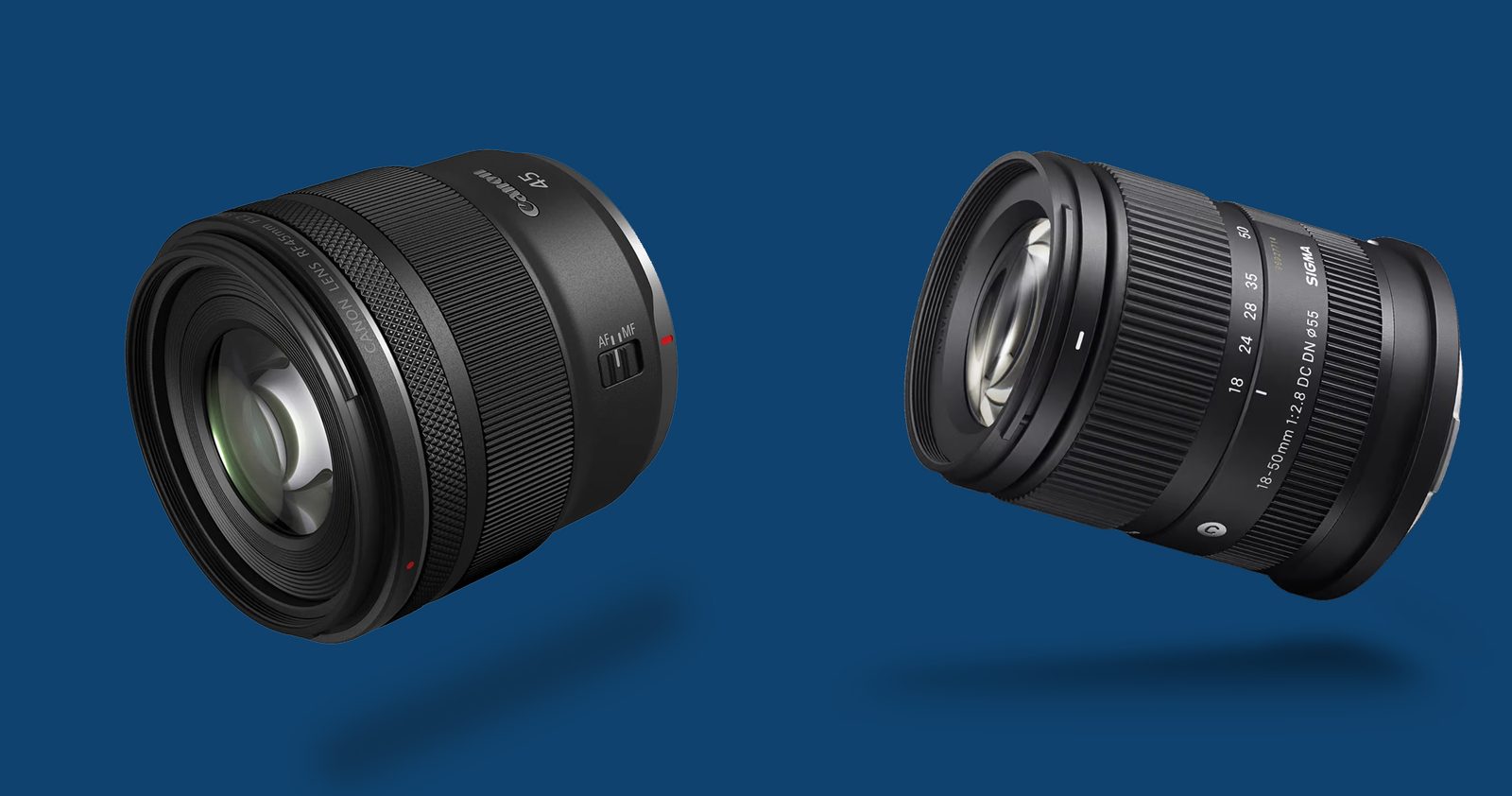
However, a significant market shift occurred approximately six months ago, signaling a potential paradigm change. Canon introduced the RF 45mm f/1.2 STM lens, notably pricing it under $500. This move was groundbreaking, challenging the long-held assumption that f/1.2 lenses were inherently ultra-premium. The affordability of the Canon RF 45mm f/1.2 STM suggests that breakthroughs in manufacturing efficiency, material science, or perhaps a revised strategy in balancing optical performance with cost, are making such fast optics more accessible. The integration of stepper motor (STM) technology, known for its quiet and smooth autofocus, may also contribute to cost-effectiveness compared to more complex ultrasonic motors (USM) in certain applications, without sacrificing critical performance for many users.
For 2026, industry observers anticipate that this trend toward fast, affordable primes will gain considerable momentum across various camera brands and third-party manufacturers. The implications for photographers and videographers are substantial. Access to f/1.2 lenses at a more attainable price point democratizes the ability to achieve exceptionally shallow depth of field, isolate subjects with striking bokeh, and perform effectively in challenging low-light conditions without resorting to excessively high ISO settings. This will particularly benefit portrait photographers, wedding and event videographers, and content creators seeking a distinctive cinematic look. The availability of such lenses at a fraction of their historical cost could unlock new creative avenues for a broader demographic of visual artists, pushing the boundaries of what is technically and artistically achievable within a reasonable budget.
A Shift Towards Workflow-Enhancing AI Over Generative AI
The last few years have seen artificial intelligence (AI) dominate technological discourse, with the photography and videography sectors being no exception. The initial wave of AI innovation was largely characterized by generative models, capable of creating art, professional headshots, and even entire video clips from simple text prompts. While these generative tools showcased AI’s impressive capabilities and captivated public imagination, they also sparked considerable debate among creatives regarding authenticity, originality, and the potential for job displacement. The focus has been heavily on AI as a creator or replacement, rather than as an assistant.
As the industry matures in its understanding and application of AI, 2026 is expected to mark a significant re-prioritization. The emphasis is shifting from purely generative AI to "Workflow AI"—intelligent systems designed to streamline and enhance the professional workflow of photographers and videographers, rather than supplanting their creative core. This evolution acknowledges that while AI is here to stay, its most valuable application for professionals lies in augmenting efficiency and facilitating creativity, freeing up valuable time from repetitive or administrative tasks.
The demand for practical, workflow-oriented AI solutions is growing. For instance, in studio management, AI-powered software could automate tedious processes like sending invoice reminders, drafting personalized emails to prospective clients, or optimizing scheduling based on complex variables. In post-production, AI tools could become indispensable for tasks such as intelligent object removal (e.g., effortlessly erasing unwanted trash bins or telephone poles from an image with a single click), advanced noise reduction that preserves fine detail, smart image culling based on sharpness and expressions, or automated metadata tagging. For the creative ideation phase, AI could assist in cataloging thoughts, organizing visual inspiration into cohesive mood boards, and generating concise creative briefs for clients.
The implications of this shift are profound. By offloading mundane and time-consuming tasks to AI, professionals can dedicate more energy to the artistic and strategic aspects of their work. This not only boosts productivity and reduces burnout but also allows for deeper creative exploration and higher-quality output. Workflow AI promises to be a powerful co-pilot, enhancing the creative journey rather than taking the wheel, ultimately fostering a more efficient, agile, and creatively fulfilling environment for visual content creators.
Significant Enhancements in Camera Manufacturer App Support
The advent of mirrorless camera systems brought with it a compelling promise: seamless integration with smartphones through dedicated manufacturer applications. The vision was one where photographers and videographers could remotely control their cameras, instantly review captured images and footage on a larger screen, perform quick edits, and swiftly publish content directly from their phones. This promised to revolutionize on-location workflows, particularly for social media-driven content creators and photojournalists requiring rapid dissemination.
However, the reality of these manufacturer-developed applications has largely fallen short of expectations. A common grievance across the industry is their inconsistent performance, plagued by frequent connectivity issues (Bluetooth and Wi-Fi), sluggish transfer speeds, user interface freezes, and outright app crashes. The functionality often feels rudimentary compared to the advanced capabilities of the cameras themselves, making the envisioned seamless workflow frustratingly disjointed. While some manufacturers, such as Fujifilm, have made relatively better strides in app development, even their applications are often cited as having significant room for improvement in terms of usability and stability compared to robust third-party alternatives or other consumer-grade apps. This widespread dissatisfaction underscores a critical gap between the potential of smartphone-camera synergy and its current execution.
For 2026, there is an urgent industry-wide call for camera manufacturers to invest significantly in overhauling and optimizing their app support. The goal is to deliver stable, responsive, and feature-rich applications that genuinely enhance the creative workflow. This entails not just improving connectivity and transfer speeds but also expanding functionalities to include more advanced remote control options, intuitive in-app editing tools, intelligent file management, and robust sharing capabilities that integrate smoothly with popular social media platforms and cloud services. Achieving this "big ask" would likely require dedicated software development teams, a commitment to consistent updates, and perhaps even a more open approach to third-party developer integration or standardized communication protocols.
The implications of improved app support are far-reaching. It would empower photographers and videographers with unprecedented flexibility and speed in their post-capture workflow, enabling them to deliver content faster, review shots more effectively on location, and collaborate more efficiently. This would not only enhance user experience and loyalty to specific camera brands but also significantly bridge the gap between high-quality professional imaging and the immediate demands of modern digital content distribution, making professional cameras more versatile tools in a mobile-first world.
The Mainstreaming of Electronic Global Shutters
Among the most technically ambitious and potentially transformative advancements in camera technology is the electronic global shutter. This innovation fundamentally changes how an image sensor captures light compared to the more prevalent rolling shutter mechanism. A rolling shutter captures an image sequentially, scanning from top to bottom, which can lead to distortion—the "jello effect"—when the camera or subject moves rapidly. This distortion is particularly noticeable in video, causing vertical lines to appear skewed during fast pans, or propellers to look bent.
Sony brought the electronic global shutter into the mainstream consciousness with the introduction of its a9 III camera. This pioneering camera demonstrated the immense advantages of a sensor that exposes all its pixels simultaneously. For videography, the benefits are immediately apparent: the complete elimination of rolling shutter artifacts, resulting in perfectly undistorted footage even in the most dynamic scenarios, making it invaluable for sports, action, and fast-paced documentary filmmaking.

However, the implications for still photography are equally, if not more, revolutionary. Traditional mechanical shutters, or even electronic rolling shutters, operate with a maximum flash sync speed, typically around 1/200th to 1/250th of a second for full-frame and crop-sensor cameras, respectively. This limitation dictates the fastest shutter speed at which a flash can fully illuminate the frame without parts of the image being obscured by the shutter curtains. While techniques like high-speed sync (HSS) and leaf shutters offer workarounds, they come with their own compromises, such as reduced flash power or higher lens costs.
An electronic global shutter theoretically removes this fundamental barrier, allowing photographers to synchronize off-camera flash at any shutter speed, even at 1/8000th of a second or faster. This capability unlocks unprecedented creative control over ambient light and motion. Photographers can use flash to overpower bright daylight without ND filters, precisely control depth of field with wide apertures even in intense sun, and freeze incredibly fast motion with strobe light at ultra-short exposures. This not only simplifies complex lighting setups but also opens up new possibilities for creative expression in studio, outdoor, and sports photography. Furthermore, global shutters inherently eliminate banding artifacts often seen under certain types of artificial lighting (like fluorescent or LED lights), which can be a persistent challenge for rolling shutters.
While initial global shutter implementations may face challenges such as higher manufacturing costs or potentially reduced dynamic range compared to the best rolling shutters, ongoing research and development are expected to mitigate these issues. For 2026, the industry anticipates a growing number of camera manufacturers incorporating electronic global shutters into their high-end and eventually mid-range offerings, marking a pivotal leap forward in imaging technology that will redefine the technical capabilities and creative potential of modern cameras.
Conclusion
As the photography and videography industry looks ahead to 2026, the collective anticipation is for a period of dynamic evolution driven by both technological innovation and a refined understanding of professional needs. From the resurgence of diverse and affordable third-party lenses to the democratizing effect of fast, budget-friendly primes, the hardware landscape is poised to offer creators more choice and capability. Concurrently, the strategic shift towards workflow-enhancing AI, coupled with a much-needed improvement in camera app functionality, promises to streamline operations and empower artists to focus more intently on their creative vision. Finally, the mainstreaming of electronic global shutters stands to revolutionize fundamental aspects of image capture, offering unparalleled control over light and motion. These five pivotal advancements, while distinct, collectively underscore an industry moving towards greater accessibility, efficiency, and technical prowess, ultimately enriching the creative toolkit for visual storytellers worldwide. The coming year is set to be a transformative one, solidifying the tools and processes that will define the next generation of visual content creation. Industry stakeholders and creators are encouraged to share their own predictions and insights as this exciting future unfolds.