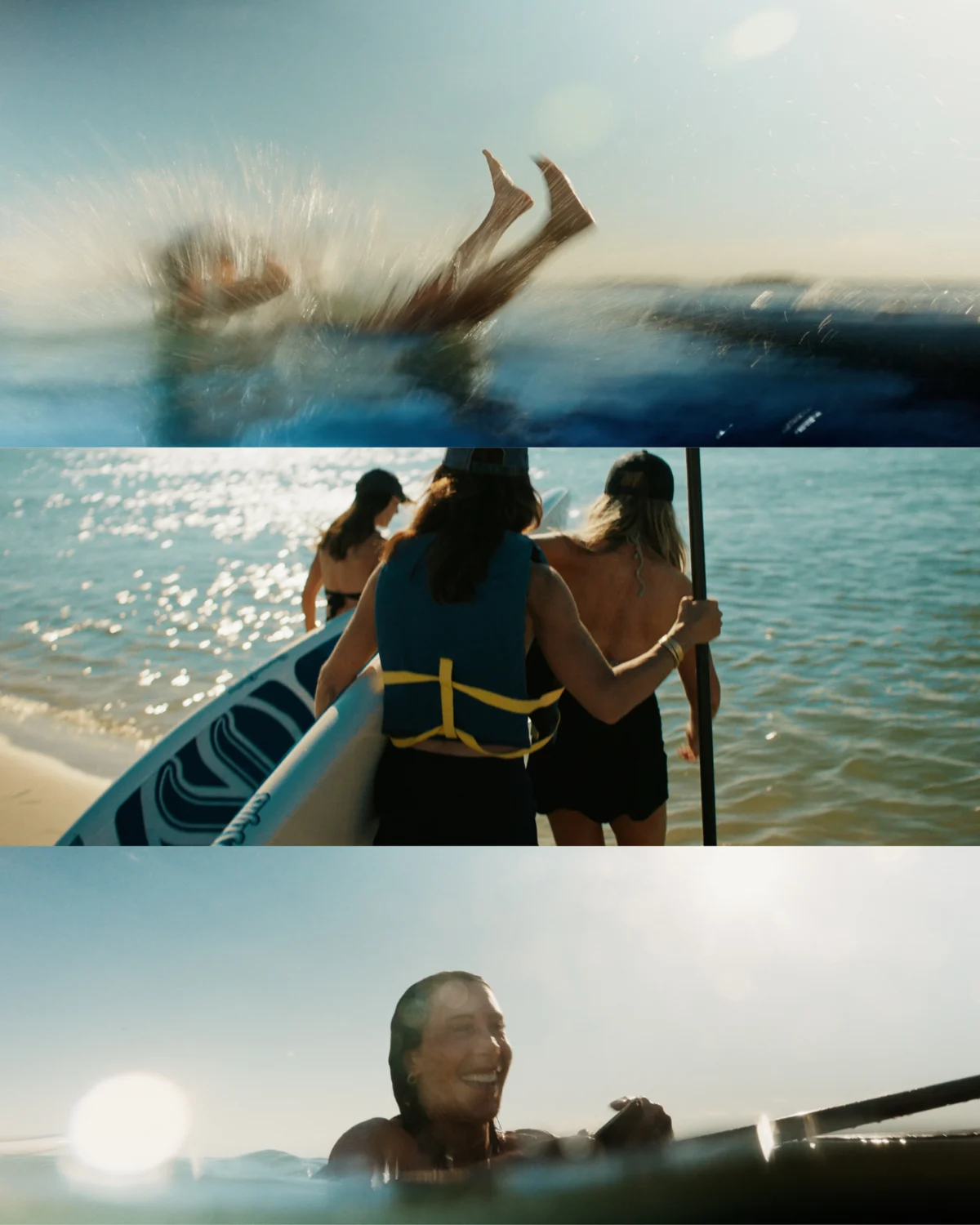
Denver-based commercial director Jill Coats has emerged as a leading voice in the evolving landscape of advertising, championing an approach that blurs the lines between traditional commercials and cinematic short films. Her philosophy centers on creating advertisements that prioritize authentic human connection, profound emotion, and deep nostalgia, effectively bypassing conventional brand messaging in favor of narratives designed to resonate deeply with audiences. This innovative strategy has positioned her at the forefront of a movement redefining branded content, emphasizing storytelling over overt sales pitches and significantly impacting how brands connect with consumers.
From Childhood Camcorder to Commercial Visionary: A Career Trajectory
Coats’ journey into filmmaking began with the simple act of a child exploring the world through a camcorder, a nascent passion that would ultimately blossom into a distinguished career. Over the past decade, this initial fascination with visual storytelling has evolved, seeing her transition from a self-reliant, "one-woman-band" videographer to helming large-scale production crews for prominent commercial and branded documentary projects. Her work, as she succinctly puts it, aims for "anything that feels a little less like an ad and a little more like a film." This commitment to cinematic quality and emotional depth underpins her entire creative process, distinguishing her output in a competitive industry often saturated with more formulaic approaches.
The global advertising market, valued at hundreds of billions of dollars annually, is undergoing a significant transformation. Consumers, increasingly discerning and saturated with digital content, are demonstrating a growing fatigue with overtly promotional material. Research from various marketing analytics firms consistently indicates that emotionally resonant content significantly outperforms traditional advertising in terms of brand recall, engagement rates, and ultimately, consumer loyalty. For instance, a study by the Ehrenberg-Bass Institute found that emotional advertising campaigns were twice as effective as purely rational ones in driving long-term sales growth. This shifting consumer landscape provides fertile ground for directors like Coats, whose work inherently taps into these deeper psychological connections. Her unique ability to craft "short films disguised as ads" directly addresses this market demand for more meaningful and less intrusive brand interactions.
The Evolution of a Collaborative Director: Mastering Communication and Control
The scaling of Coats’ operations from an independent videographer to a director leading full production teams presented a pivotal challenge that extended beyond mere logistical management. The most significant hurdle, she explains, was not the intricacies of coordinating large crews or managing complex schedules, but rather the fundamental shift from instinctive, solo execution to articulated, collaborative vision. When working alone, the internal world of images, emotions, and pacing exists with crystalline clarity in the director’s mind, allowing for immediate and unmediated translation to the camera. However, introducing a team necessitates a translation of this deeply personal vision into a shared language.
"When you’re working alone, the images, emotions, pacing, and overall feel already exist so clearly in your head that you can simply execute them instinctively," Coats reflects. "But when a team becomes involved, you have to translate something deeply internal into language that other people can fully understand and bring to life." This insight underscores a critical aspect of effective leadership in creative industries: the ability to communicate an abstract vision with precision and clarity. The challenge forced her to develop an exceptionally intentional pre-production process, relying heavily on visual references, detailed storyboarding, and a precise vocabulary to articulate nuanced elements such as tone, movement, texture, and emotional tenor to her cinematographers, production designers, and other department heads.
Moreover, this transition brought with it the crucial lesson of delegation and trust. Coats discovered that the ultimate secret to directing a massive crew lies in hiring individuals who possess greater expertise in their specific roles. By surrounding herself with exceptionally talented professionals, she found it easier to relinquish absolute control, allowing these experts to contribute their skills and elevate the creative vision beyond what she could have achieved autonomously. This collaborative philosophy is not merely a practical necessity but a fundamental tenet of her creative process, fostering an environment where diverse talents converge to produce a superior final product. This approach aligns with modern management theories that emphasize distributed leadership and specialized expertise in complex project environments, proving particularly effective in the creative arts.
The Art of Intentionality: Gear as a Storytelling Tool
The collaborative philosophy championed by Jill Coats takes center stage during the critical phase of equipment selection. Rather than adapting a creative script to fit the limitations of available gear, Coats and her Director of Photography (DP) approach the technical setup as a blank canvas, meticulously tailored to the precise emotional and narrative requirements of each unique story. This bespoke approach to gear selection is a testament to her belief that technical tools are not merely instruments of capture but integral components of emotional expression.
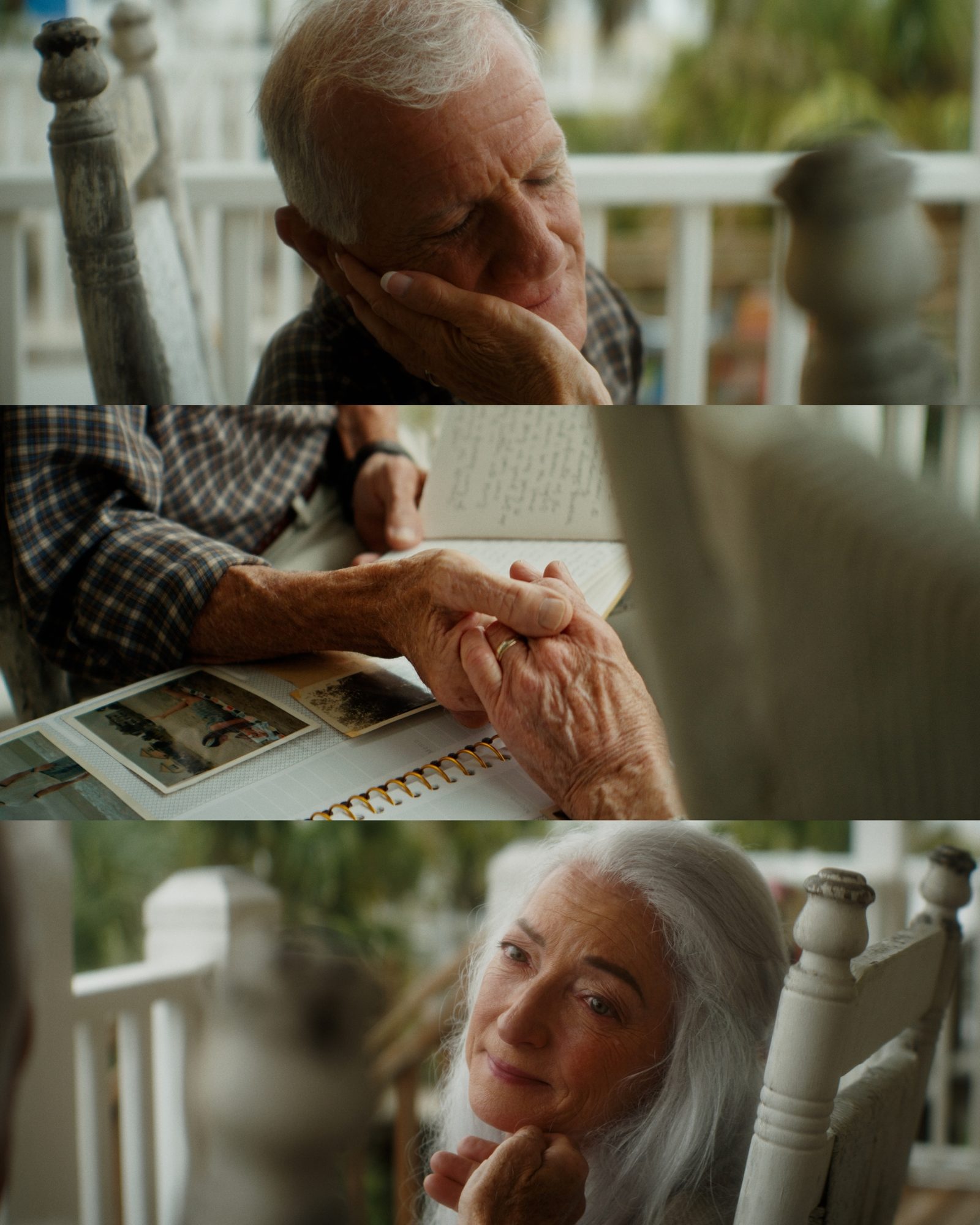
"I’ve realized just how much glass can shape emotion, and every project calls for something different," Coats asserts. This statement highlights a nuanced understanding of cinematography that extends beyond mere technical specifications. Different lenses, for instance, possess distinct optical characteristics, imbuing images with varying textures, subtle imperfections, and unique rendering qualities. These often-subtle choices in "glass" can profoundly transform the emotional language conveyed by a film, influencing everything from depth of field and bokeh to flare characteristics and color rendition. This meticulous attention to detail in pre-production, particularly concerning lens choices, is a hallmark of high-end cinematic production, a level of craft Coats consistently brings to her commercial work.
The impact of specialized cinematic equipment on visual storytelling is well-documented within the film industry. High-quality cinema lenses, for example, are engineered not just for sharpness but for characteristics like pleasing out-of-focus areas (bokeh), controlled lens flares, and consistent color rendition across a set. The choice between vintage anamorphics, modern primes, or specialized zooms can dictate the entire aesthetic and emotional atmosphere of a piece, from gritty realism to dreamlike etherealness. This strategic deployment of gear elevates the production value and ensures that the visual language aligns perfectly with the narrative’s emotional core, making the technical choices an extension of the artistic vision.
Case Study: Crafting Nostalgia with "Remember How to Play"
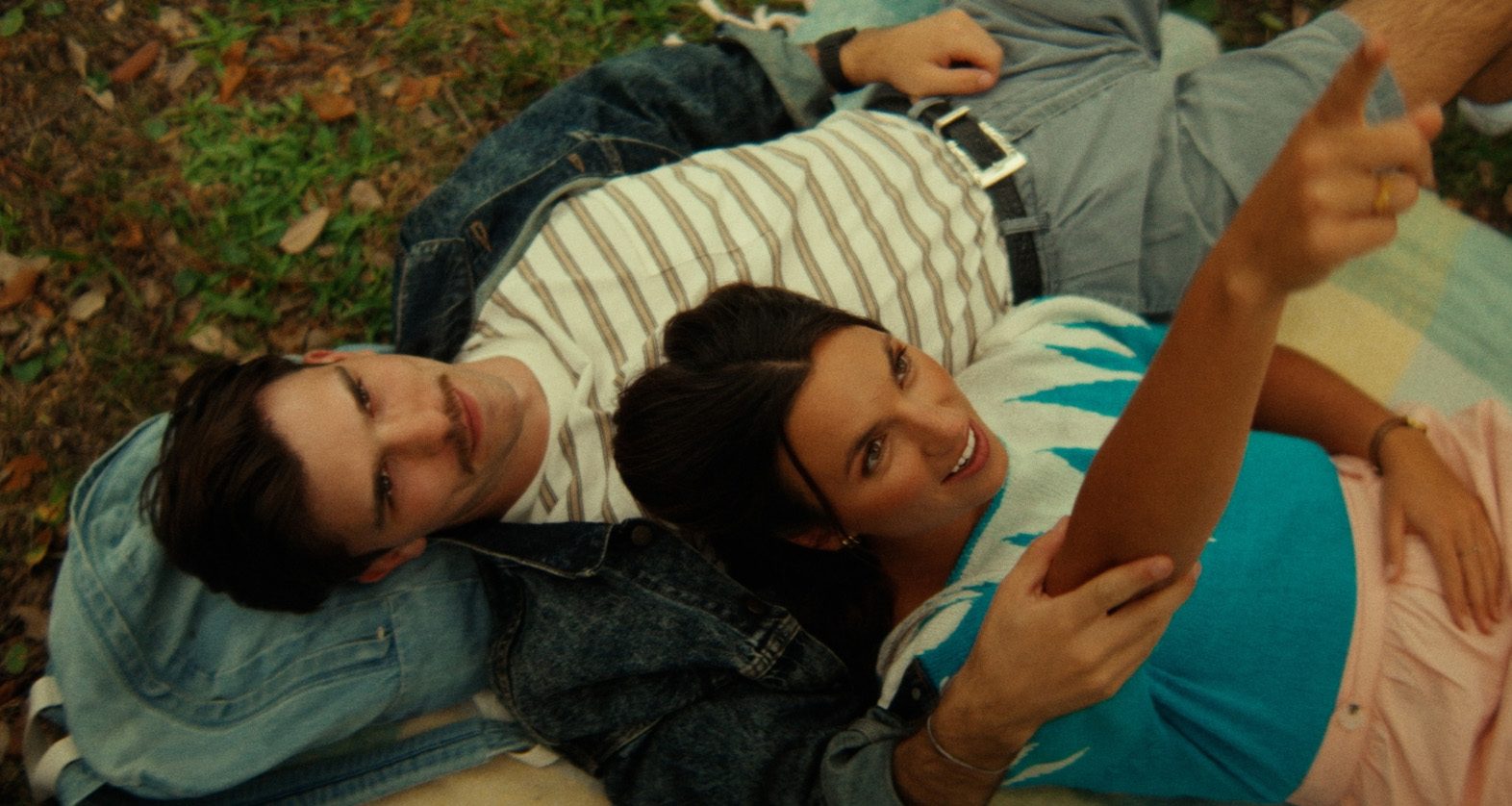
A prime illustration of Coats’ intentional approach to gear selection unfolded during the production of "Remember How to Play." This branded film chronicled a group of friends as they reconnected with the carefree spirit of their childhood during a bicycle trip. From the outset, Coats had a clear vision: the visuals needed to evoke warmth, transience, and a deep sense of nostalgia, deliberately avoiding a clinically perfect or overly polished aesthetic.
Working closely with her talented cinematographer, Josh Bernales, the team meticulously designed a visual strategy to achieve this specific emotional resonance. Their solution involved renting a set of DZO Vespid lenses, known for their distinct optical qualities, and pairing them with Pearlescent and Black Pro-Mist filters. The synergy between these components was crucial to the desired outcome.
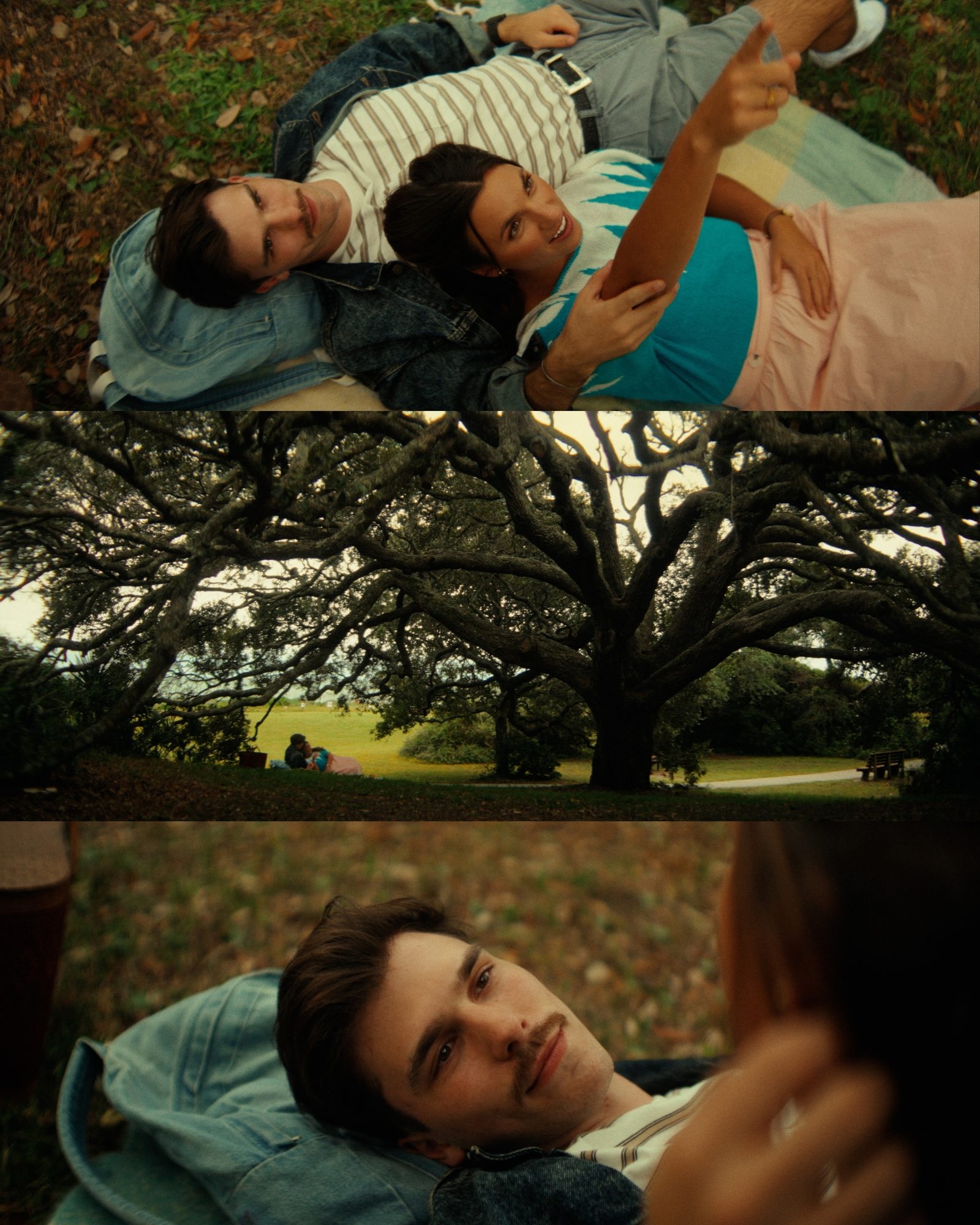
Coats elaborates on the technical and emotional rationale: "The Vespids have a softer, more organic rendering compared to ultra-sharp modern commercial glass. Pairing them with the filters softened the image even further by blooming highlights, gently lifting contrast, and creating this dreamy glow around sunlight and practical lights. Altogether, the image started to feel less digital and more nostalgic." The DZO Vespid lenses are appreciated in the industry for their slightly vintage, character-rich look, offering a gentle fall-off and pleasing skin tones without being overly clinical. When combined with diffusion filters like Pearlescent and Black Pro-Mist, which are designed to reduce contrast, soften highlights, and create a subtle halo effect around light sources, the resulting image effectively transports the viewer into a warm, dreamlike memory. This precise technical combination allowed the film to visually embody the core theme of nostalgia, making the audience not just watch the story, but feel it. This meticulous attention to detail in the visual texture underscores Coats’ commitment to cinematic authenticity over mere technical perfection.
The Strategic Advantage of Equipment Rentals
The ability to execute such highly customized visual languages for each project, without incurring the prohibitive costs of purchasing expensive, niche equipment, has been a cornerstone of Jill Coats’ success. For the past five to six years, she has strategically relied on equipment rental services like Lensrentals.com. This partnership provides her with access to a vast and diverse inventory of state-of-the-art and specialized cinematic tools, ensuring that her creative vision is never constrained by the limitations of her personal gear closet.
The economic implications of equipment rental for production companies, especially those scaling rapidly, are substantial. High-end cinema cameras, lenses, and accessories represent significant capital investments, often costing tens of thousands to hundreds of thousands of dollars for a single item or set. For a director like Coats, who requires a unique visual palette for each project—be it the stylized, cinematic look offered by anamorphic primes for a high-concept commercial or the lightweight, versatile zooms demanded by a fast-moving documentary—ownership of such a broad spectrum of gear would be financially impractical and inefficient. The rental model democratizes access to professional-grade equipment, allowing smaller and mid-sized production houses to compete with larger studios in terms of technical capability and creative flexibility.
This flexibility is critical for maintaining a competitive edge in the dynamic commercial production market. "Lensrentals has allowed me to say ‘yes’ to bigger, more specific creative ideas without being limited by the gear I personally own," Coats states. This empowerment means she can approach every project as a unique creative challenge, building a visual language that is meticulously intentional to the story, the brand’s identity, and the precise emotional impact desired for the audience. This contrasts sharply with a scenario where a director might be forced to adapt their vision to the limited equipment they own, potentially leading to a homogenized visual style across disparate projects and diminishing creative impact.
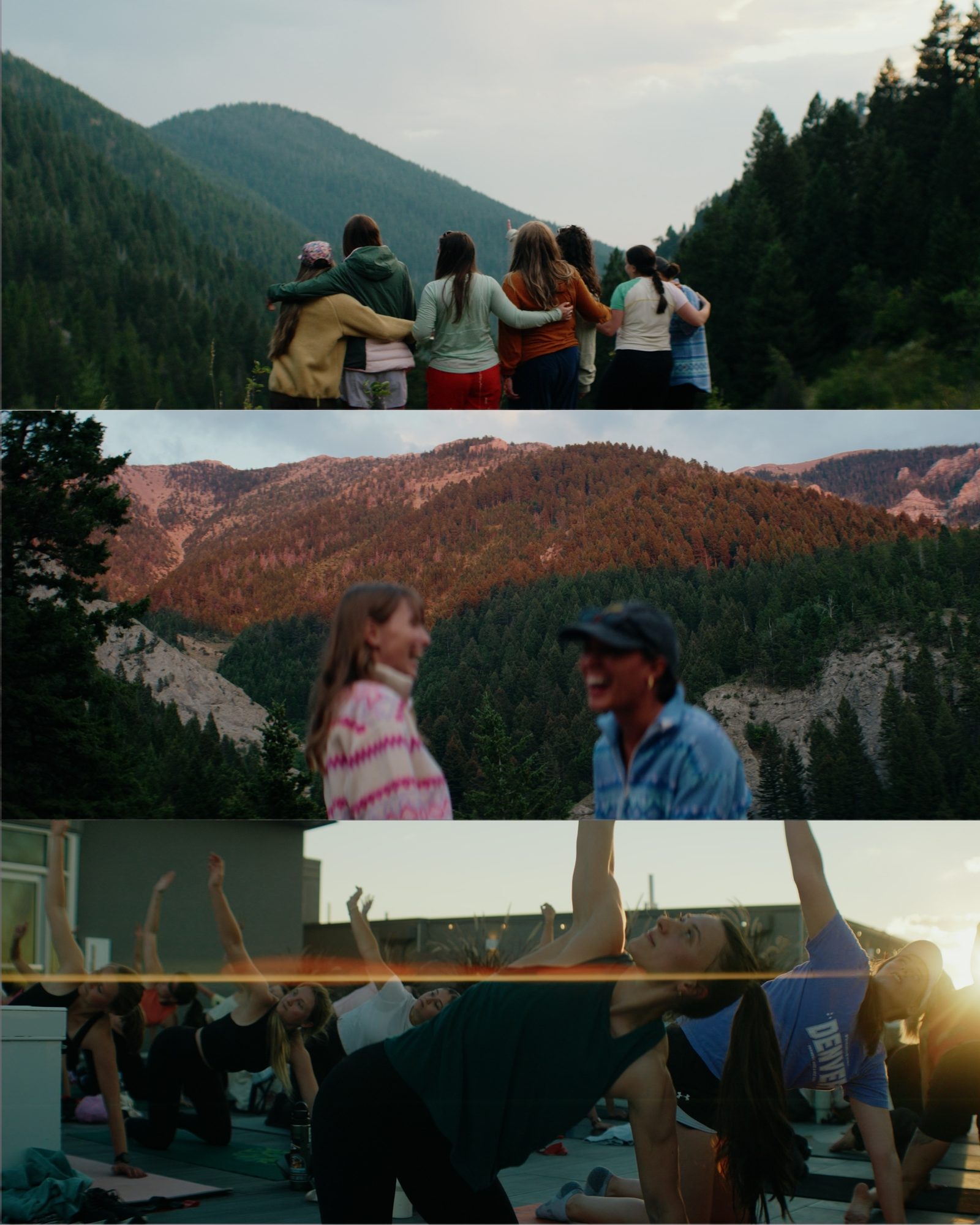
The growth of the professional equipment rental market itself is a reflection of industry trends towards specialization and efficiency. According to industry reports, the global camera and lens rental market has been expanding steadily, driven by technological advancements, the rising cost of high-end equipment, and the increasing demand for diverse production aesthetics. This market enables filmmakers to access the latest innovations without rapid depreciation costs and allows for greater creative freedom on a project-by-project basis, fostering innovation across the industry.
Implications for Modern Brand Storytelling
Ultimately, the creative freedom afforded by Jill Coats’ intentional approach to storytelling and her strategic use of equipment rentals is what transforms a standard marketing campaign into an unforgettable piece of filmmaking. By viewing gear not as a permanent constraint but as a flexible extension of the narrative, she ensures that her work remains deeply authentic and precisely tailored to the unique pulse of every brand she partners with. It’s an approach that keeps her audience feeling something real, converting passive viewers into emotionally connected participants.
This methodology has profound implications for the broader advertising industry. As consumers increasingly seek authenticity and connection, brands that invest in narrative-driven, emotionally resonant content are likely to build stronger, more lasting relationships with their target demographics. Coats’ work exemplifies how commercial content can transcend its traditional purpose to become cultural artifacts in their own right, generating goodwill and brand affinity far beyond the immediate call to action. This trend is further supported by the rise of "content marketing," where brands become publishers of valuable or entertaining content, rather than just advertisers, seeking to provide value and engagement rather than just interruption.
Furthermore, Coats’ journey offers a valuable blueprint for emerging directors and production companies. It underscores the importance of a clear artistic vision, effective communication, and strategic resource management in navigating the complexities of commercial filmmaking. Her emphasis on collaboration and the selective deployment of specialized tools highlights that success in modern media production often hinges on smart partnerships and agile operational models rather than sheer ownership of assets. This adaptability is key in an industry characterized by rapid technological change and evolving consumer preferences.
Looking Ahead: A New Era of Commercial Cinema
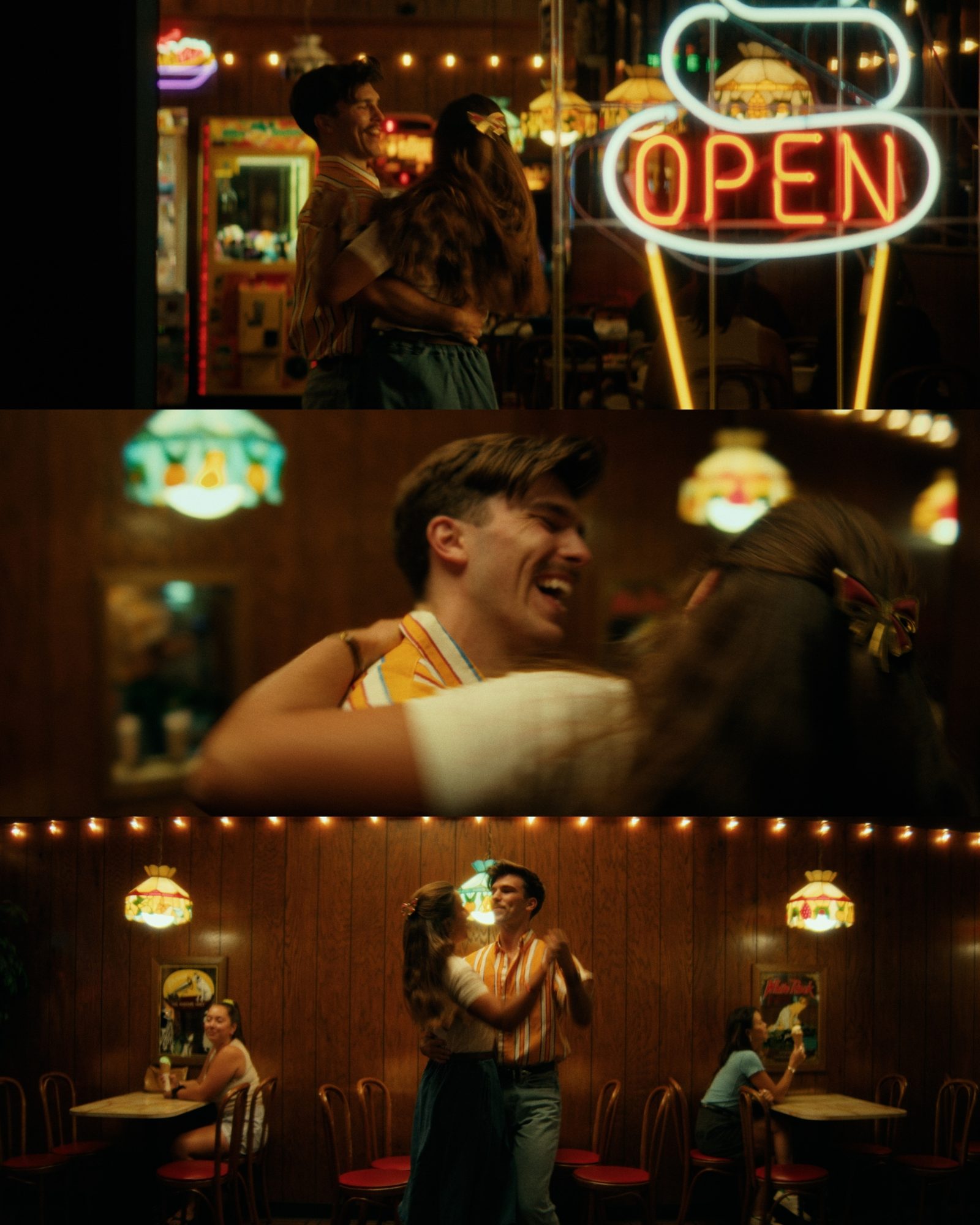
As One Forty Films, Jill Coats’ production company, continues its impressive growth trajectory and takes on increasingly ambitious commercial canvases, the foundational enthusiasm born from her childhood camcorder remains vibrantly intact. Armed with an elite crew, a deeply collaborative spirit, and the strategic advantage of accessing the exact right "glass" for every unique job, she is exceptionally well-positioned to continue pushing the boundaries of what brand storytelling can achieve.
For this innovative Denver director, the overarching goal remains refreshingly simple and profoundly impactful: fewer ads, more films, and stories that linger in the audience’s mind and heart long after the screen fades to black. Her work is not just selling products or services; it is crafting experiences, evoking memories, and fostering genuine emotional connections, thereby charting a course for a new era of commercial cinema where artistry and commerce coalesce seamlessly. Jill Coats’ commitment to cinematic excellence and emotional authenticity serves as an inspiring testament to the power of thoughtful storytelling in an increasingly crowded media landscape. Her pioneering spirit in transforming advertising into an art form ensures that her contributions will continue to shape the future of branded content for years to come. The industry, and audiences worldwide, stand to benefit from this renewed focus on depth, nuance, and the enduring power of a well-told story.
The team at Lensrentals.com extends its gratitude to Jill Coats for sharing her compelling story and for her enduring partnership, a collaboration that continually empowers creative excellence in the realm of commercial filmmaking.